14 Famous Military Commanders Who Were Once Considered Disgraced
Throughout history, the path to military greatness has rarely followed a straight line. Many celebrated commanders experienced serious setbacks, controversies, and periods when their careers seemed finished.
From battlefield defeats to political enemies, these leaders faced obstacles that would have ended most careers. Here is a list of 14 famous military commanders who bounced back from disgrace or disfavor to make their mark on history, proving that comebacks aren’t just for sports teams.
George Washington
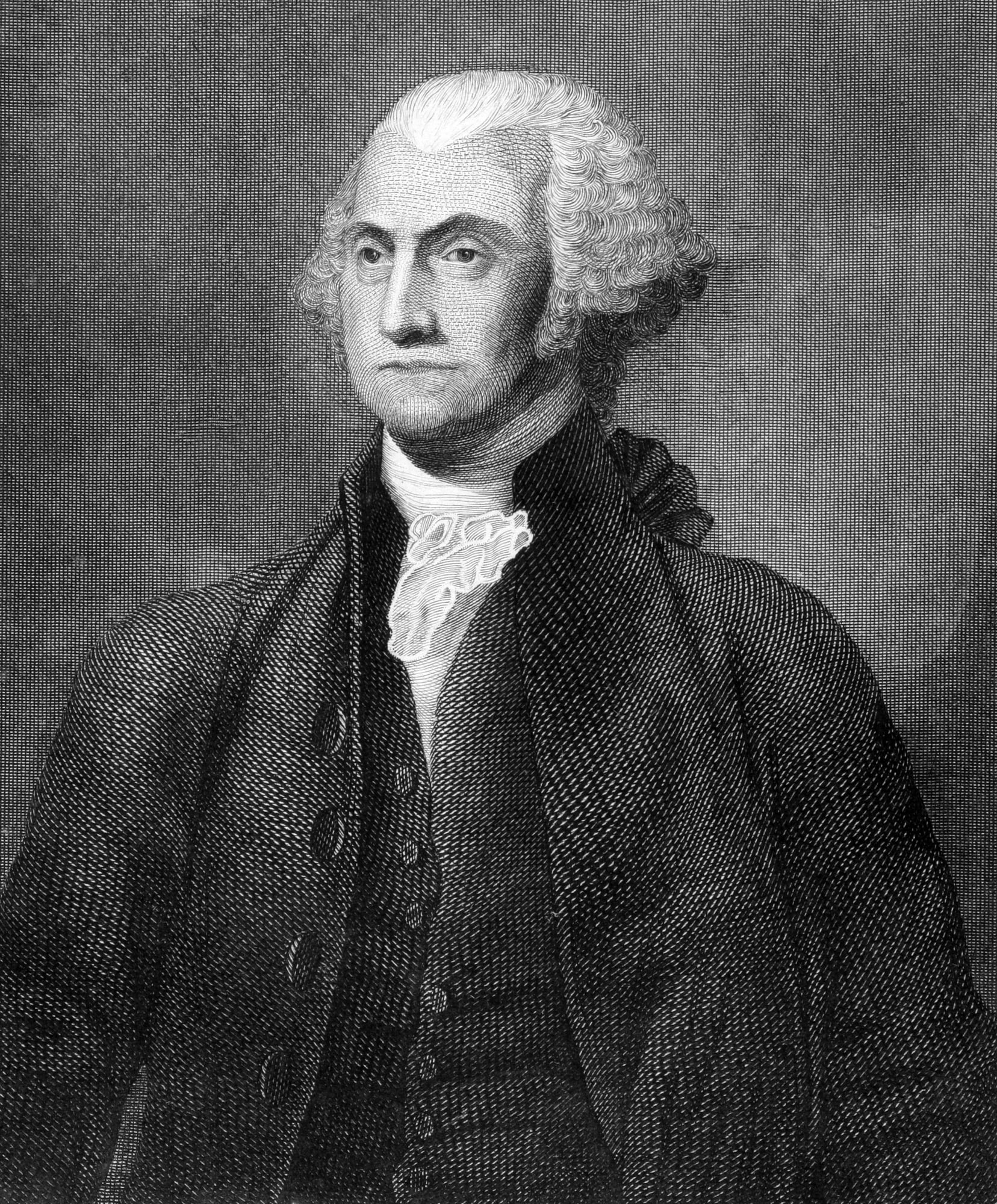
Before he became America’s founding father, Washington endured some truly humiliating defeats. His surrender at Fort Necessity in 1754 left a black mark on his record, while his role in Braddock’s Defeat didn’t help matters either.
During the Revolutionary War, the Continental Congress often didn’t hide their doubts about him — especially after he lost both New York and Philadelphia. Yet Washington stuck it out through these low points, gradually transforming from a criticized commander into the essential leader of a fledgling nation.
Napoleon Bonaparte
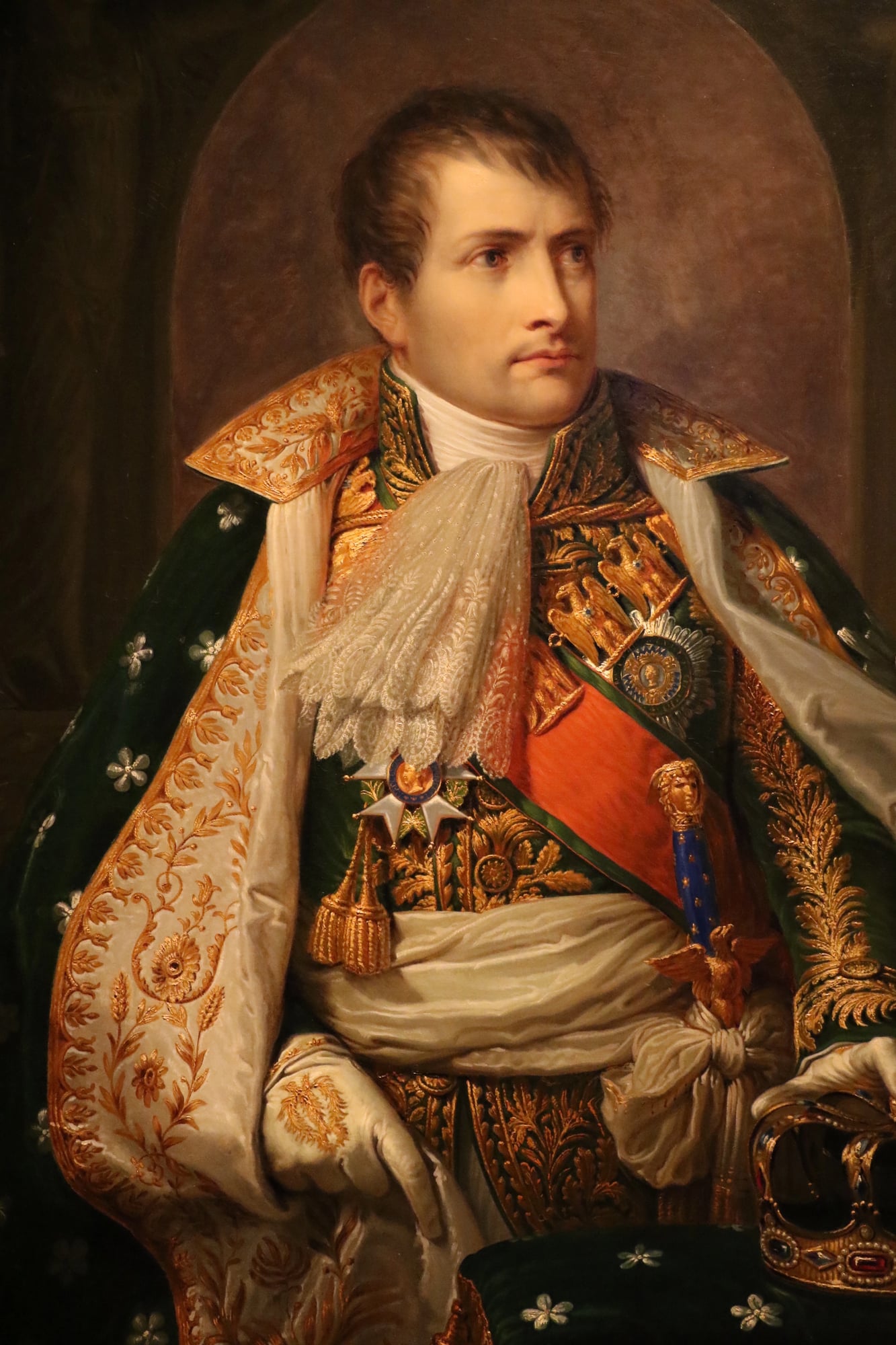
Napoleon’s fall from grace couldn’t have been more dramatic — after his disastrous Russian campaign, he faced complete humiliation and abdication in 1814. Exiled to Elba, most considered him finished as a military force.
Then came one of history’s most remarkable comebacks: the Hundred Days. He escaped exile and reclaimed power without firing a shot! Though Waterloo eventually spelled his end, this comeback stands as perhaps history’s boldest military resurrection from disgrace.
Like Go2Tutors’s content? Follow us on MSN.
Ulysses S. Grant
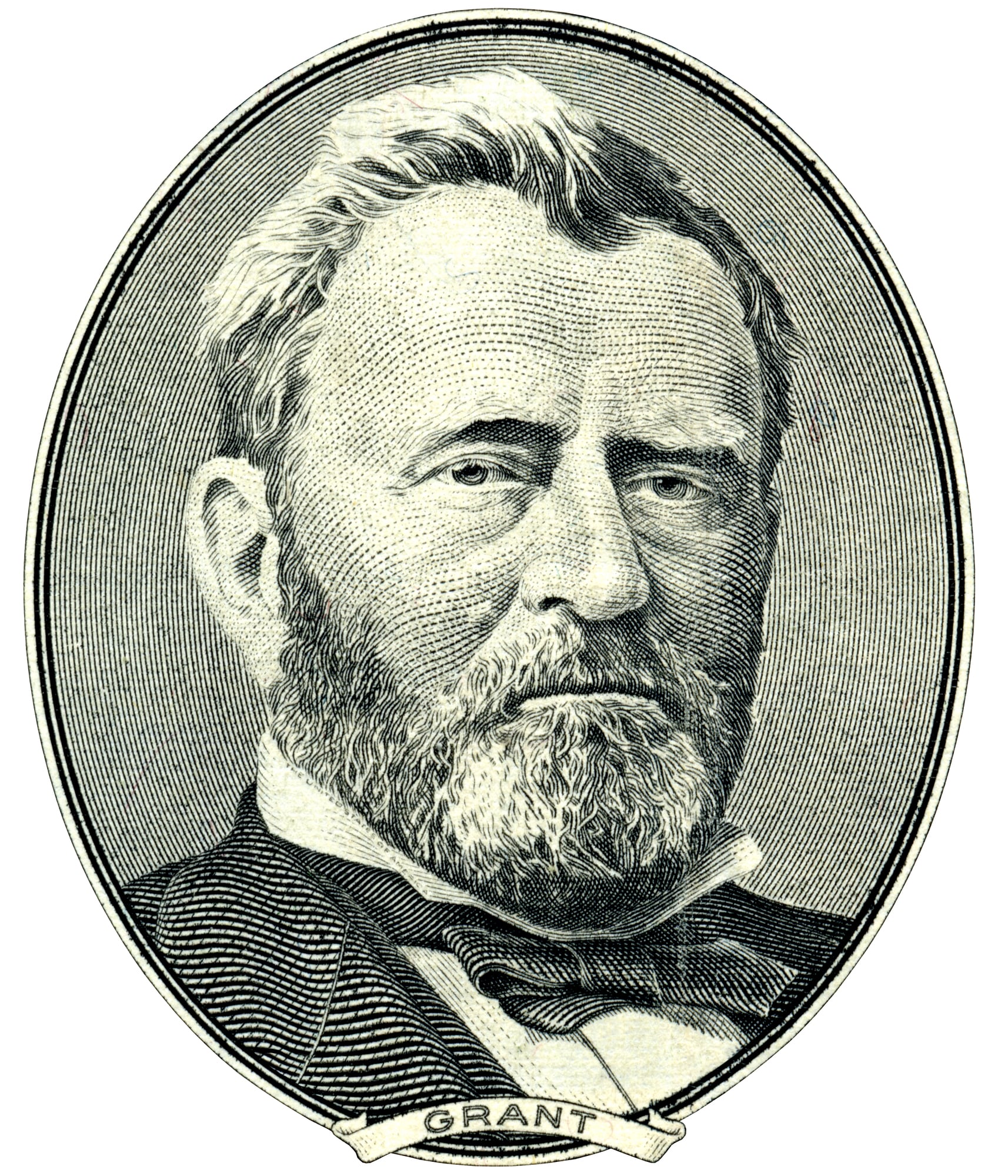
Grant’s early career? Not impressive. Before the Civil War, he carried the stink of failure and persistent rumors about drinking problems.
He’d resigned from the army in 1854 under suspicious circumstances — then struggled to support his family. Working as a clerk in his father’s leather shop, nobody would’ve bet on his future success.
The Civil War offered an unexpected second chance, and Grant grabbed it. His aggressive tactics eventually outshone his tarnished reputation, earning him command of all Union forces.
Douglas MacArthur

MacArthur’s forced retreat from the Philippines in 1942 looked terrible — many viewed it as an embarrassing failure. While Roosevelt ordered him to leave, his troops stayed behind to face capture or death.
His famous “I shall return” promise sounded pretty hollow at the time. MacArthur rebuilt his reputation through Pacific victories, only to crash again when Truman fired him during the Korean War for not following orders.
His reputation recovered quickly though — lots of Americans actually sided with him against Truman.
George Patton

Patton nearly destroyed his career after slapping shell-shocked soldiers in Sicily — calling them cowards to their faces. The public was outraged, and Eisenhower almost sent him packing in disgrace.
Given another shot, Patton’s Third Army delivered spectacular results during the Normandy breakout. People didn’t fully appreciate his aggressive methods until after his death, when historians recognized how his tactics saved countless Allied lives by shortening the war.
Like Go2Tutors’s content? Follow us on MSN.
Robert E. Lee

Before becoming the Confederacy’s most respected general, Lee made a choice many considered treasonous — refusing command of Union forces to stand with Virginia instead. After the war ended, authorities stripped his citizenship and took his family estate at Arlington.
Lee’s reputation began healing during Reconstruction as both sides grudgingly respected his character and dignity in defeat. His citizenship wasn’t officially restored until 1975 — more than a century after his death.
Horatio Nelson

Britain’s brilliant admiral once nearly ruined his career by abandoning his post in Naples to chase his romance with Emma Hamilton. Naval authorities considered this serious dereliction of duty — not something they tolerated.
Nelson’s later victories at Copenhagen and Trafalgar pushed the scandal aside. Dying at the moment of triumph at Trafalgar completed his transformation from questionable commander to Britain’s greatest naval hero.
Georgy Zhukov

Stalin’s most effective general got a shocking demotion after World War II — suddenly sent to command a minor military district. The paranoid Soviet leader feared Zhukov’s popularity and cooked up fake corruption charges.
Following Stalin’s death, Zhukov bounced back under Khrushchev and became Defense Minister. His story shows how genuine military talent often survives political jealousy — especially when new leaders need competent commanders they can trust.
Like Go2Tutors’s content? Follow us on MSN.
Oliver Cromwell
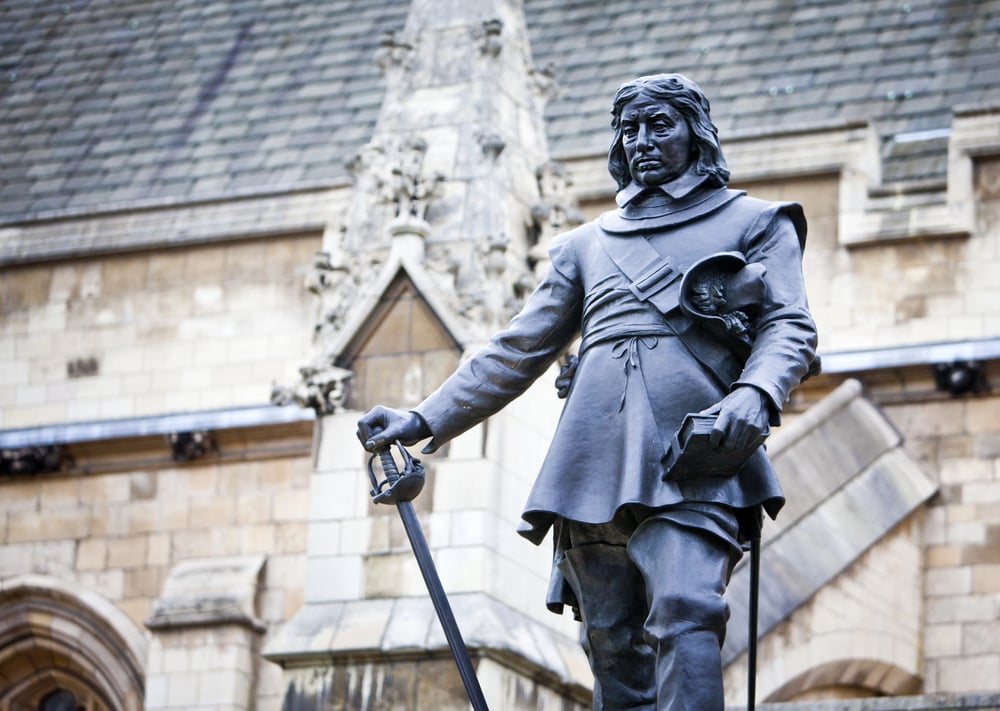
Cromwell started as a nobody — just a gentleman farmer with zero military experience. People laughed at this commoner presuming to lead men into battle.
His New Model Army shut critics up with decisive victories, though his later role as Lord Protector got complicated. After the monarchy returned, they dug up his corpse and symbolically executed it!
Cromwell’s reputation has swung wildly through history — from brutal tyrant to principled revolutionary and back again.
Isoroku Yamamoto

The mastermind behind Pearl Harbor initially opposed war with America — making powerful enemies in Japan’s military hierarchy. Many considered his realistic assessment of Japan’s chances defeatist, and some ultranationalists even threatened to kill him.
Ironically, planning the Pearl Harbor attack restored his standing among military leaders. Yamamoto’s death in an American ambush in 1943 completed his strange journey from suspected traitor to national hero.
Dwight D. Eisenhower
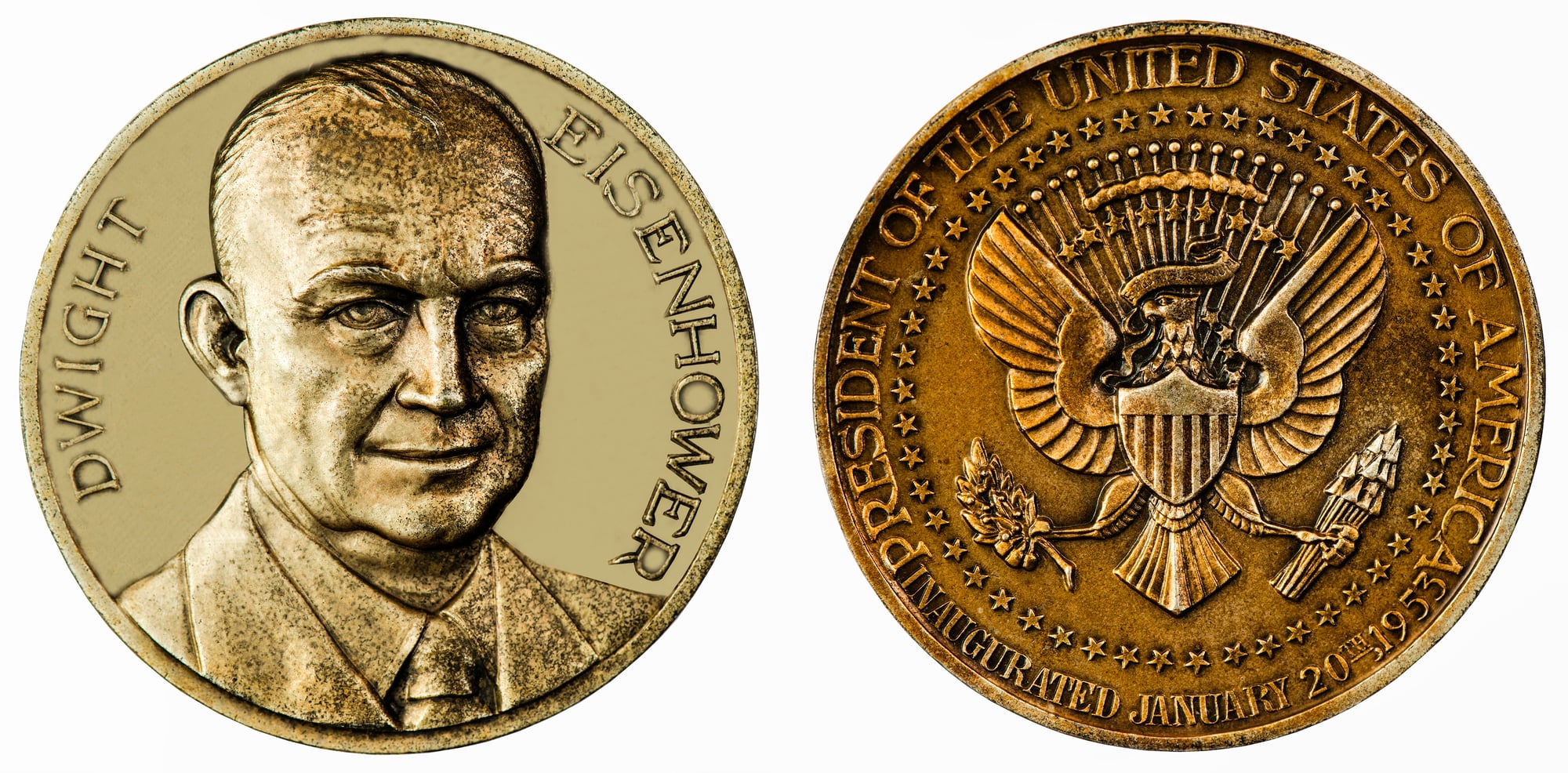
Eisenhower spent sixteen frustrating years as a lieutenant colonel before World War II, repeatedly passed over for promotion. Superior officers dismissed him as merely a decent staff officer with limited potential for field command.
His organizational talents during war games caught George Marshall’s attention, leading to his unexpected rise through the ranks. Eisenhower’s skill at managing the massive egos of Allied generals in Europe proved his critics wrong and showed that leadership involves more than battlefield tactics.
Like Go2Tutors’s content? Follow us on MSN.
Erwin Rommel

The German high command marginalized Rommel between the wars, especially after he wrote an infantry tactics book that senior officers found too radical. His chance came when Hitler personally picked him for command, much to the establishment’s annoyance.
After achieving fame in France and North Africa, his ultimate disgrace came from being connected to the plot to assassinate Hitler. Forced to take poison, Rommel underwent postwar rehabilitation as a “good German” who recognized Nazi evil for what it was.
George McClellan

Lincoln’s first choice to lead Union forces was removed twice from command because he wouldn’t aggressively engage Lee’s forces. Newspapers that once called him the “Young Napoleon” turned against him completely.
McClellan even ran against Lincoln in the 1864 election, representing Democrats who wanted peace negotiations. Though militarily disgraced, historians have recently given him more credit for building the Army of the Potomac from scratch, recognizing his organizational strengths despite battlefield caution.
Matthew Ridgway
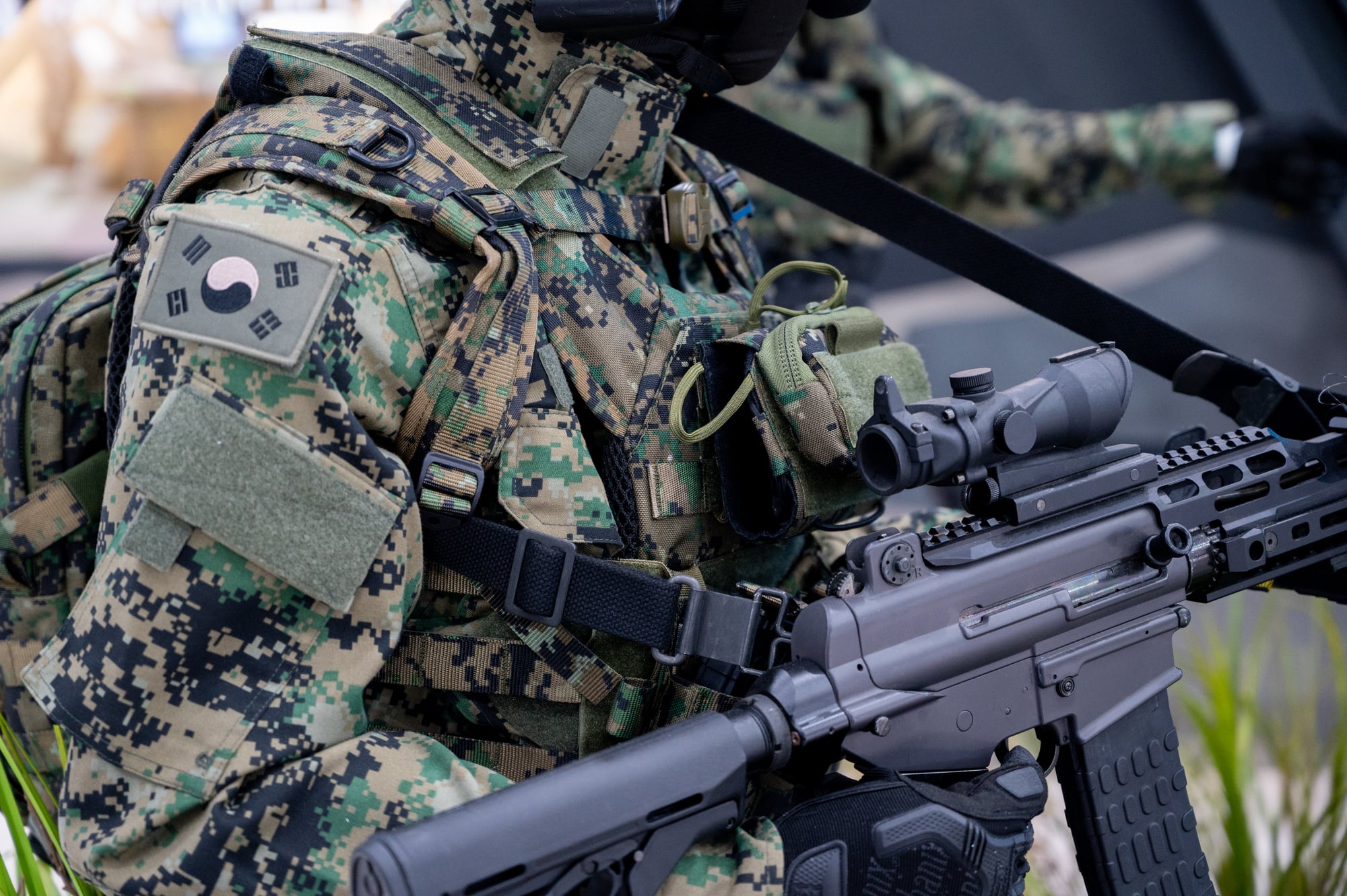
Ridgway took command of a broken Eighth Army in Korea after its previous commander died in a jeep accident. The situation looked hopeless—the army was retreating in disarray, and many considered the Korean conflict already lost.
Ridgway’s aggressive reorganization turned everything around, pushing Communist forces back north of the 38th parallel. His later opposition to expanding the Vietnam War led to professional isolation during the Johnson years, showing how moral courage sometimes leads to temporary disgrace even for proven commanders.
Like Go2Tutors’s content? Follow us on MSN.
From Failure to Legendary Status
The complex journeys these commanders traveled show that military greatness rarely happens without detours and roadblocks. Their stories reveal how disgrace often tests leadership—either breaking it completely or tempering it into something stronger.
What separates these figures from forgotten officers isn’t avoiding failure but learning from it, adapting their methods, and continuing forward when their careers seemed finished.
Their legacy offers a more realistic view of military leadership than simple hero stories. Behind each celebrated commander stand moments of doubt, failure, and comeback that proved just as important to their development as their victories.
These complicated journeys make their achievements feel more remarkable because they’re distinctly human.
More from Go2Tutors!

- 18 Unexpectedly Valuable Collectibles You Might Have Lying Around
- 20 Little-Known Historical Battles That Had Huge Consequences
- 20 Historical Artifacts That Scientists Can’t Explain
- 15 Inventions That Were Immediately Banned After Being Created
- 20 Actors Who Were Almost Cast in Iconic Roles
Like Go2Tutors’s content? Follow us on MSN.



