Iconic Sneakers Released By Nike
Not many labels changed everyday look the way Nike has. Starting out focused only on athletic shoes, it slowly became something bigger – a presence where sports meet personal expression.
Some of its sneakers didn’t just fly off shelves or win races – they quietly rewrote rules about what to wear, how to walk, even who to be. Peek under the surface and you’ll find certain Nike shoes rose to fame less because of noise, more due to when they arrived, how they looked, plus what they left behind.
Nike Cortez
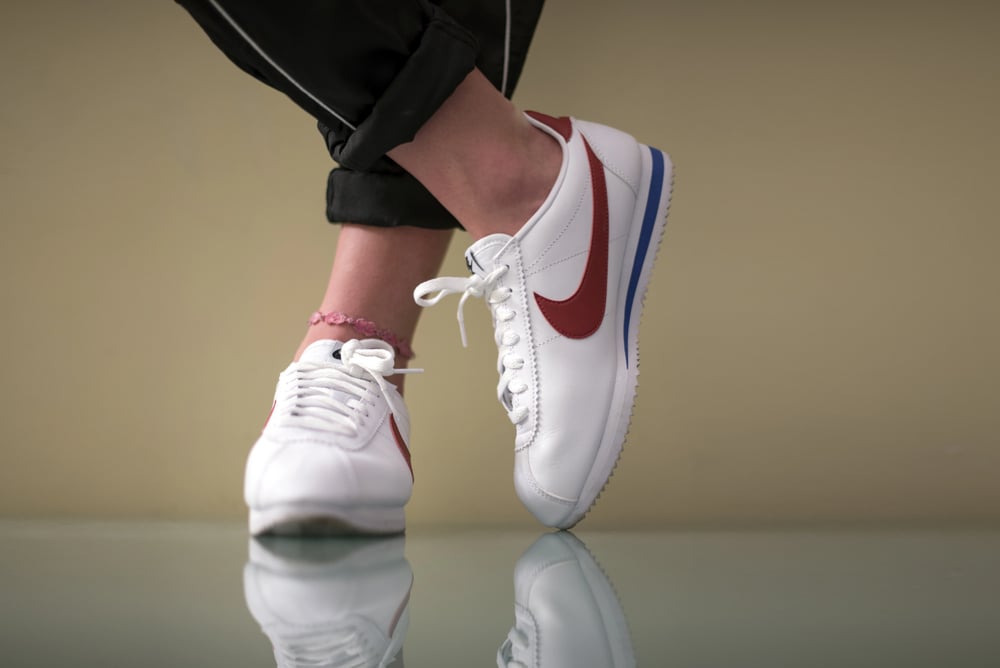
The Cortez is one of Nike’s earliest successes, and its simplicity is exactly what gave it staying power. Originally designed as a lightweight running shoe, it offered cushioning and comfort that stood out at a time when performance footwear was still finding its footing.
Its clean shape and bold swoosh made it easy to wear beyond athletic settings. That said, the Cortez quickly escaped the track.
It became a staple in everyday wardrobes, especially in cities where style and sport naturally overlapped. Decades later, its design remains largely unchanged, a quiet reminder that good proportions and comfort never really go out of style.
Nike Air Force 1
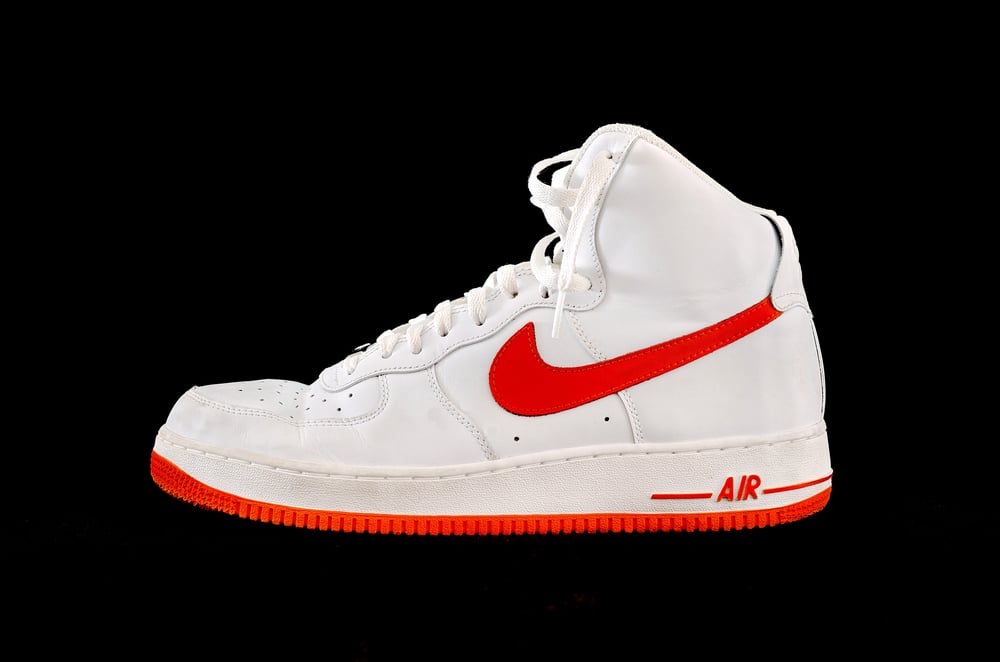
When the Air Force 1 debuted, it introduced visible air cushioning to basketball footwear, a technical leap that mattered on the court. The shoe was sturdy, supportive, and built for impact, which made it popular among players who valued stability.
Its chunky profile also gave it a presence that felt deliberate rather than flashy. Still, its cultural rise happened off the hardwood.
Adopted by music scenes and street culture, the Air Force 1 became a blank canvas for self-expression. Its all-white version, in particular, turned into an everyday uniform, proving that a performance shoe could become a cultural constant.
Air Jordan 1
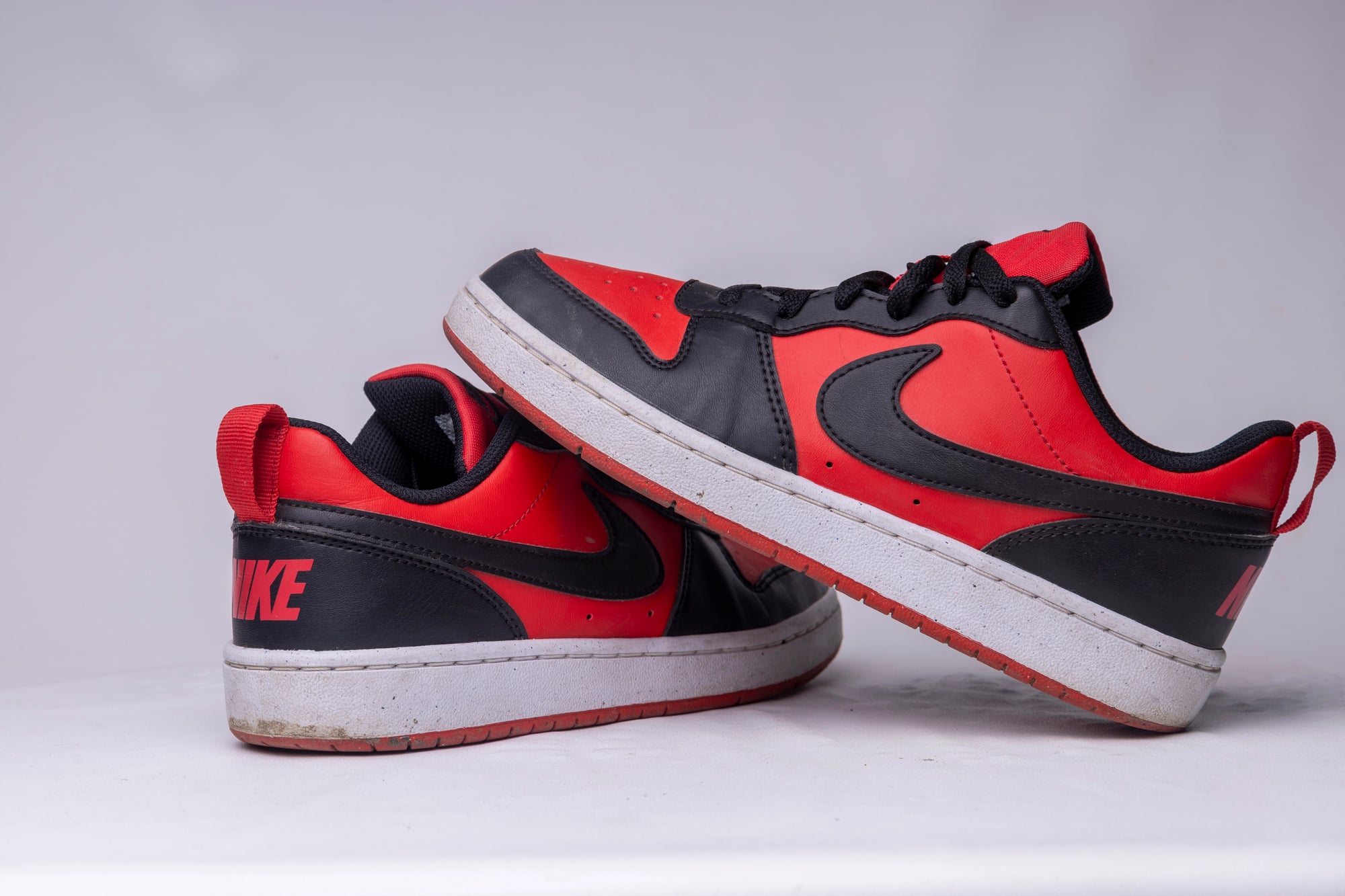
The Air Jordan 1 marked a turning point not just for Nike, but for athlete-driven design as a whole. Built for basketball but styled with bold colors, it challenged the conservative norms of sports footwear at the time.
The shoe carried personality, attitude, and a sense of rebellion that resonated far beyond the game. Even so, its long-term influence came from storytelling.
Each re-release and colorway reinforced its place in history, linking sport, culture, and identity. The Air Jordan 1 became less about performance and more about legacy, setting a template others still follow.
Nike Dunk
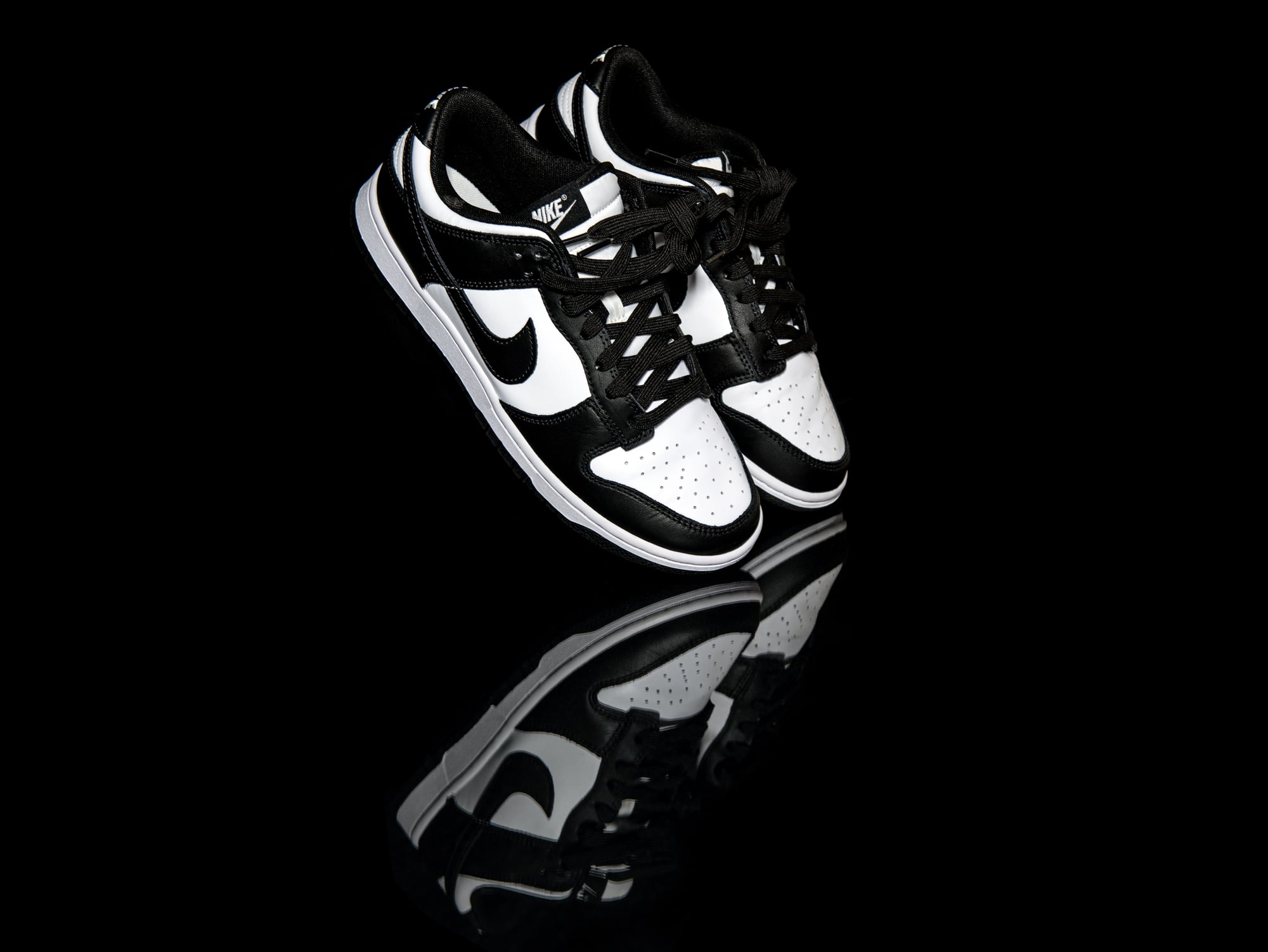
Originally created for college basketball programs, the Dunk was designed to showcase team colors and school pride. Its sturdy build and flat sole made it reliable on the court, but its real versatility appeared once it left organized sports behind.
The shape was adaptable, durable, and easy to style. On the other hand, its adoption by skate communities gave it new life.
Minor tweaks turned it into a favorite for skating, and limited releases added layers of desirability. The Dunk’s journey shows how a single design can evolve naturally when different communities make it their own.
Nike Air Max 1
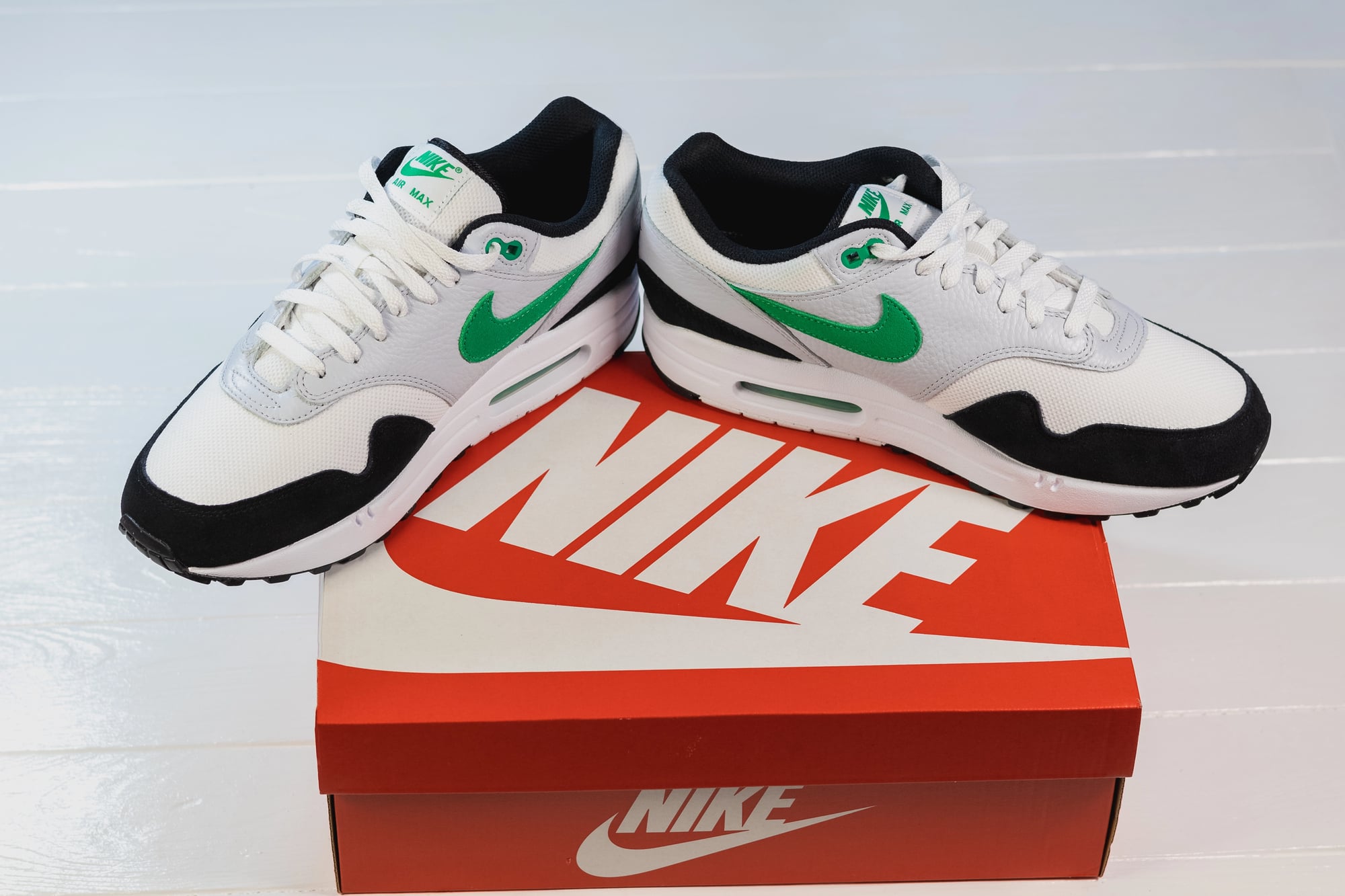
The Air Max 1 changed sneaker design by making cushioning visible, a move that was as much aesthetic as it was technical. Showing the air unit felt radical at the time, but it helped people connect with the technology beneath their feet.
Comfort became something you could see, not just feel. That visibility also made the shoe iconic.
The Air Max line grew from this first model, but the original remains special for its balance of innovation and restraint. It proved that performance advances could enhance style rather than complicate it.
Nike Air Max 90
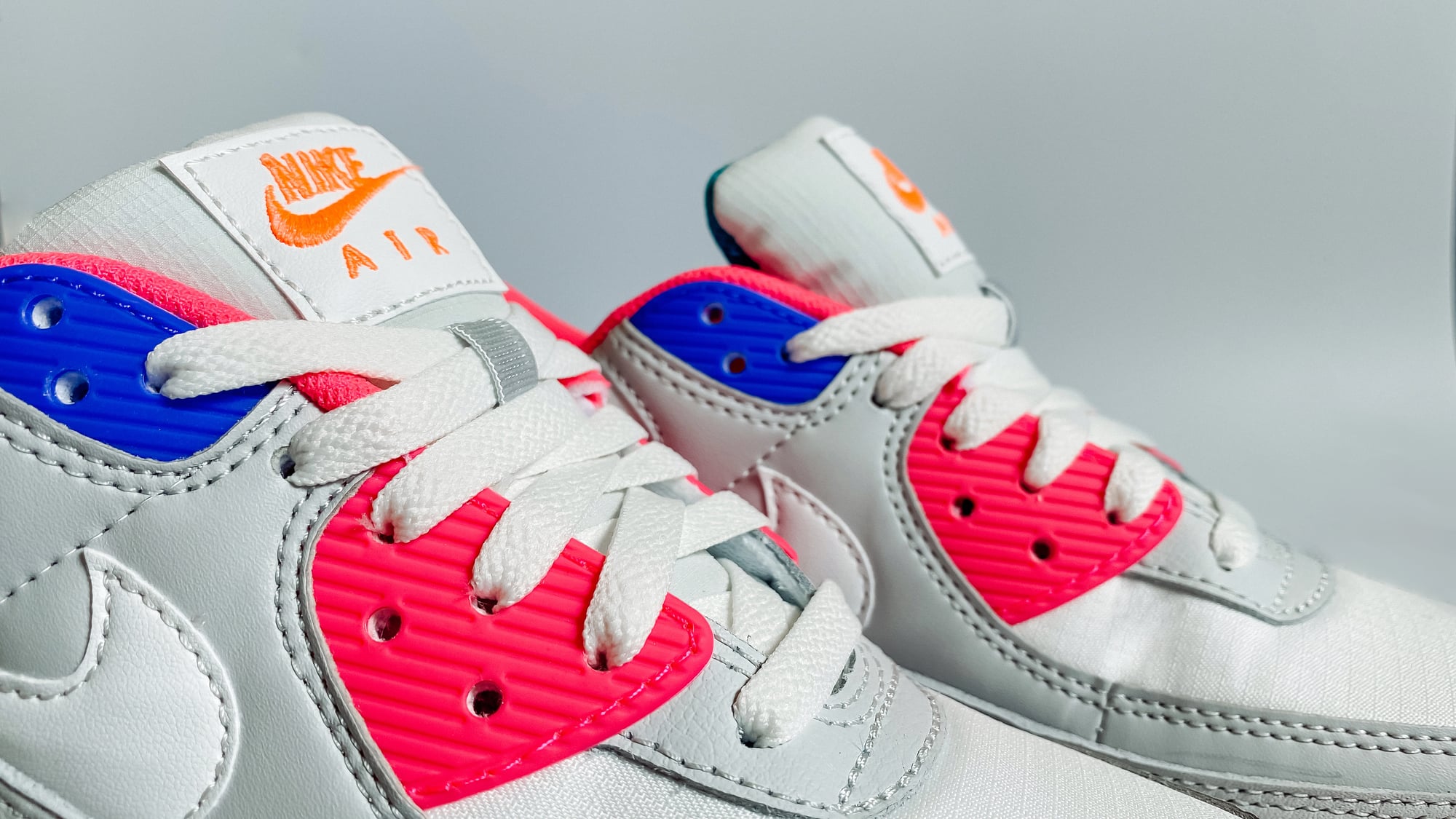
Building on the success of the Air Max 1, the Air Max 90 pushed the design further with bolder lines and stronger color contrast. It leaned into visibility and structure, giving the shoe a more aggressive stance without sacrificing comfort.
The result felt confident and modern. Still, the Air Max 90 endured because it adapted well to everyday wear.
Its silhouette worked just as well with casual clothing as it did in athletic contexts. Over time, it became a reference point for what a lifestyle sneaker could be.
Nike Pegasus
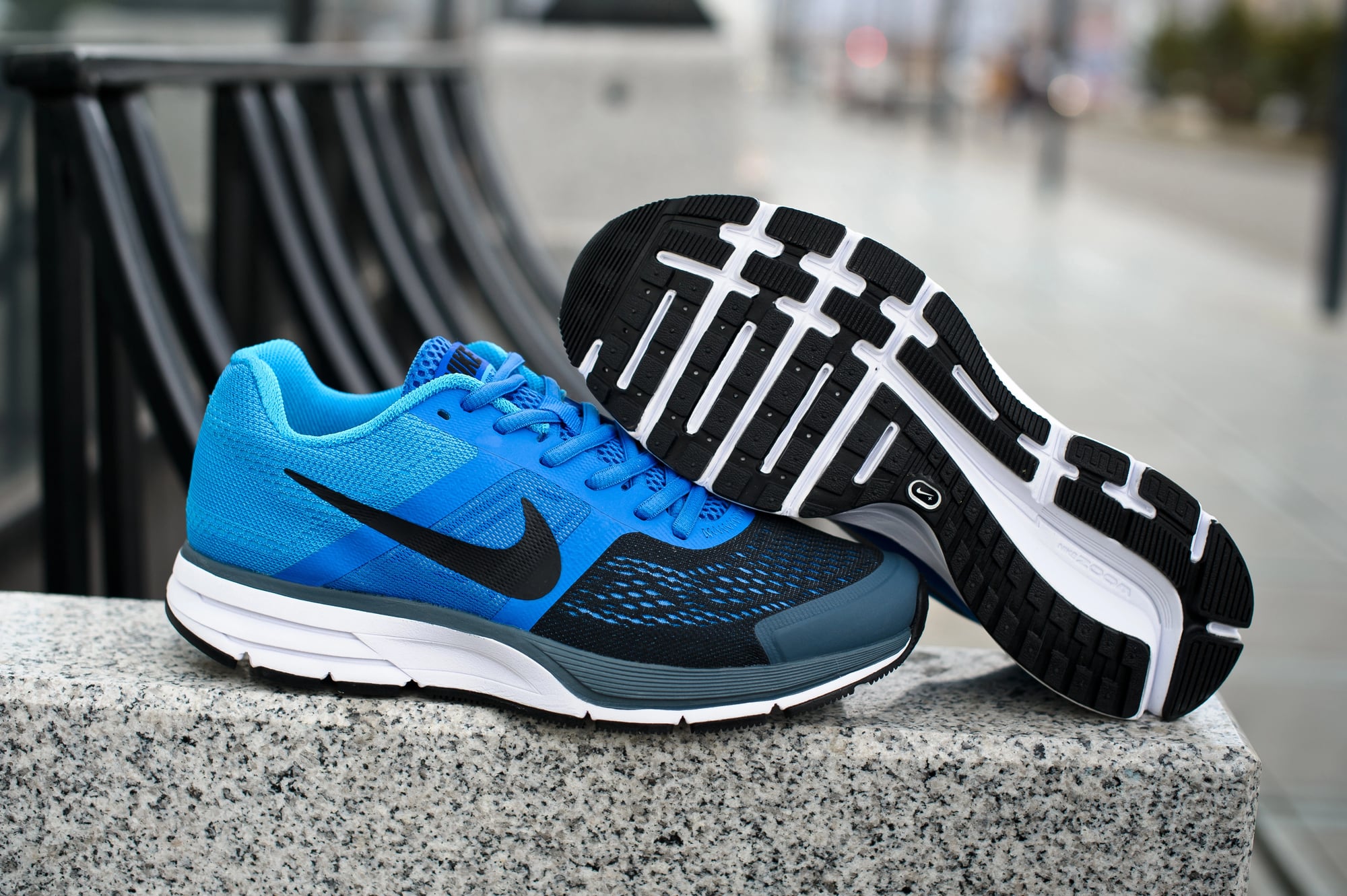
The Pegasus line rarely dominates conversations about style, yet it quietly represents Nike’s commitment to everyday performance. Designed as a reliable running shoe for a wide range of athletes, it focuses on balance rather than extremes.
Comfort, durability, and responsiveness are its defining traits. Even so, its longevity is what makes it iconic.
The Pegasus has been updated again and again without losing its core purpose. In a world of constant reinvention, its steady evolution stands out as a lesson in consistency.
Nike Blazer
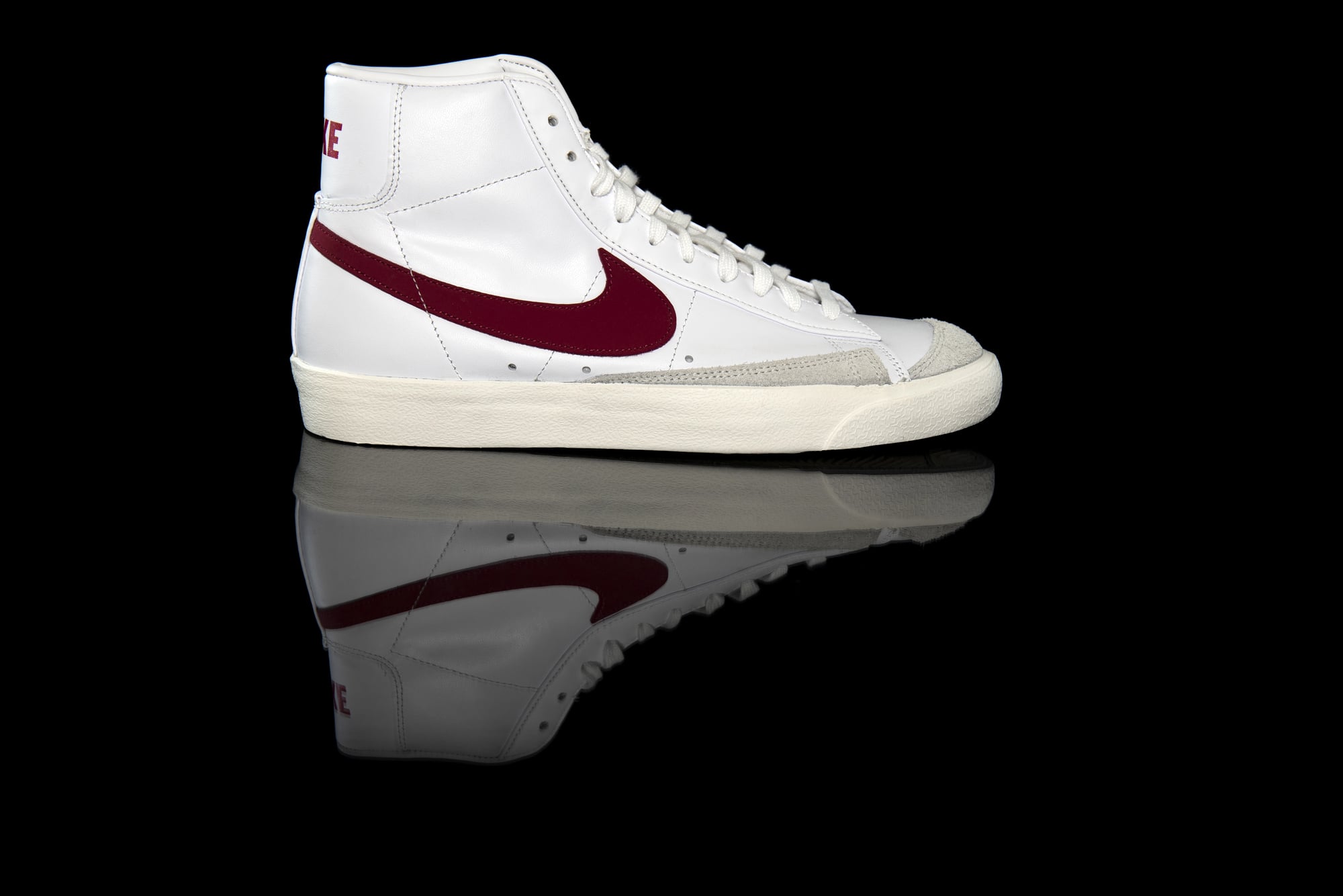
The Blazer started as a basketball shoe, but its minimal structure and high-top profile gave it unexpected versatility. Over time, it found a place in casual wardrobes, especially as fashion leaned toward vintage-inspired silhouettes.
Its straightforward design made it easy to pair with almost anything. That said, the Blazer’s appeal lies in its restraint.
It does not rely on complex technology or bold graphics. Instead, it shows how simplicity can age gracefully, gaining character rather than feeling outdated.
Nike Free Run
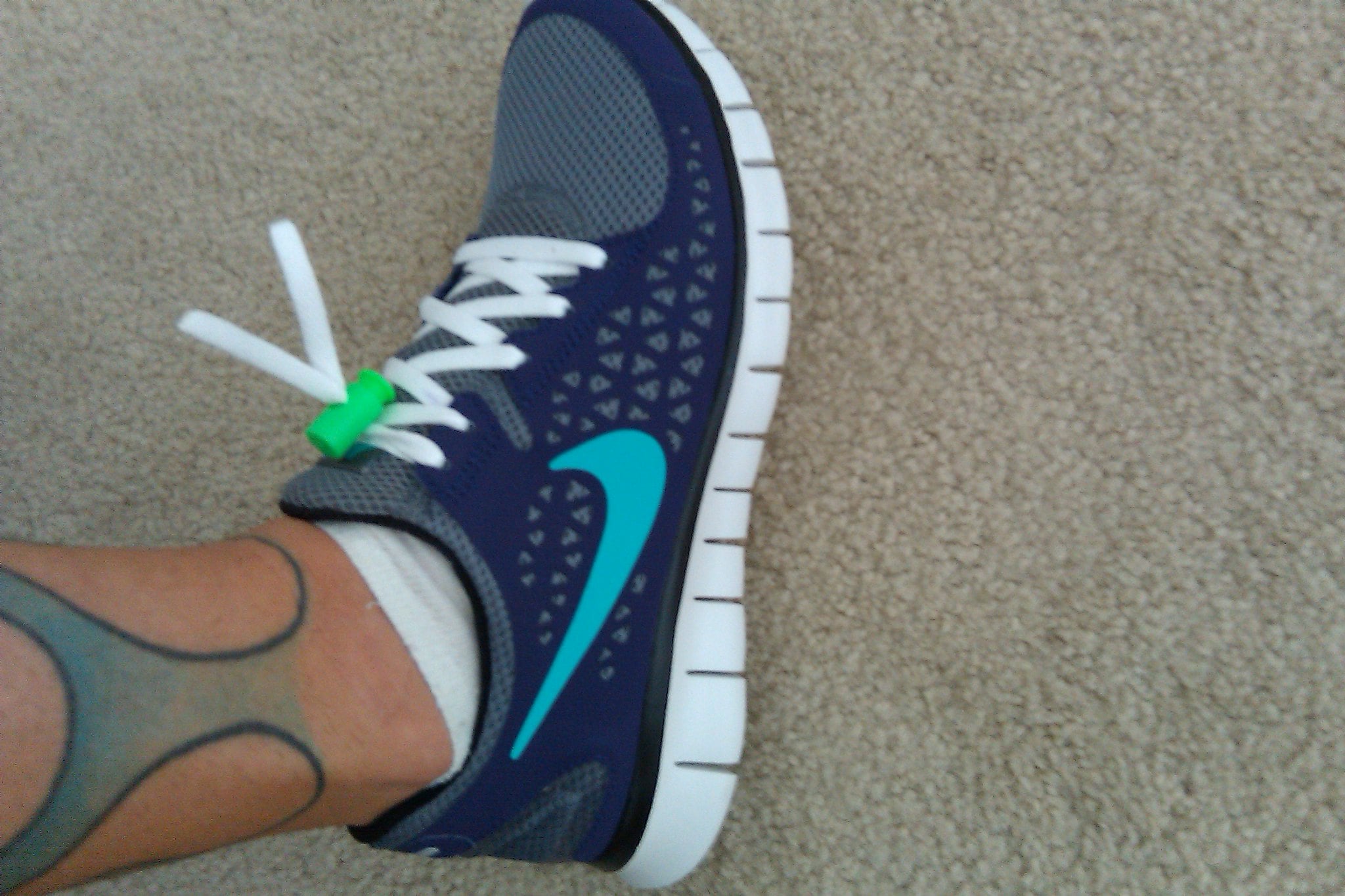
The Free Run line emerged from a desire to mimic natural movement, offering flexibility and a closer-to-ground feel. Its segmented sole allowed the foot to move more freely, challenging traditional ideas of how running shoes should behave.
The concept felt experimental but thoughtful. Still, its influence extended beyond running.
The lightweight build and casual appearance made it popular for everyday use, especially among people who valued comfort without bulk. The Free Run helped normalize the idea that performance design could feel effortless.
Nike Vaporfly
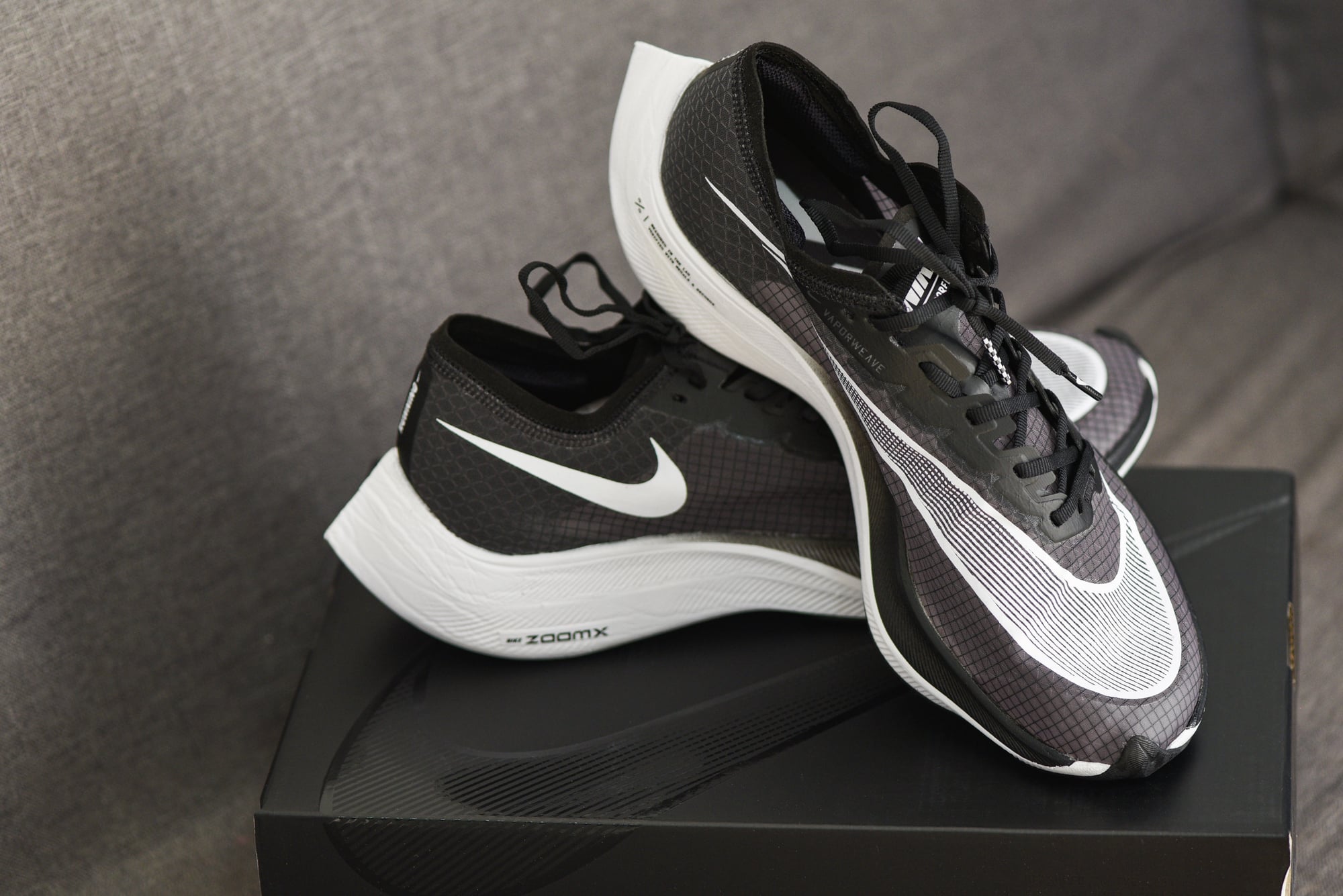
The Vaporfly represents Nike’s modern approach to innovation, focusing on energy return and efficiency. Designed with elite competition in mind, it pushed the boundaries of what racing footwear could do.
Its impact was immediate, reshaping conversations around performance technology. Even so, its broader significance lies in how it highlighted the relationship between design and regulation.
The Vaporfly sparked debate, adjustments, and renewed interest in footwear science. It showed that sneakers still have the power to influence entire industries.
Why These Sneakers Still Shape Culture

What ties Nike’s biggest sneaker hits together? A fix for something missing.
Or a snapshot of culture catching fire. Comfort shaped some.
Self-showing-up built others. New ways to build things pushed the rest forward.
These choices mattered then. They still do now.
Not because of slogans. Because feet on pavement need what they always needed.
Just like dreams do. Staying power never came from old memories only.
It arrived because they fit right into real life. These shoes show what happens when smart shapes meet sharp timing.
Style fades unless it listens first. Each step wears history forward somehow.
Their impact shows up less in closets, more in motion. The brand keeps going without shouting about it.
More from Go2Tutors!

- The Romanov Crown Jewels and Their Tragic Fate
- 13 Historical Mysteries That Science Still Can’t Solve
- Famous Hoaxes That Fooled the World for Years
- 15 Child Stars with Tragic Adult Lives
- 16 Famous Jewelry Pieces in History
Like Go2Tutors’s content? Follow us on MSN.



