Inventions Sci-Fi Warned Us About
Science fiction has always been more than entertainment. Writers and filmmakers have consistently peered into the future, imagining technologies that seemed impossible at the time but now feel eerily familiar.
The genre has served as both crystal orb and warning label, showing us what could happen when innovation outpaces wisdom. What’s unsettling isn’t just how many of these predictions came true — it’s how closely reality has followed the cautionary tales that came with them.
Surveillance Cameras
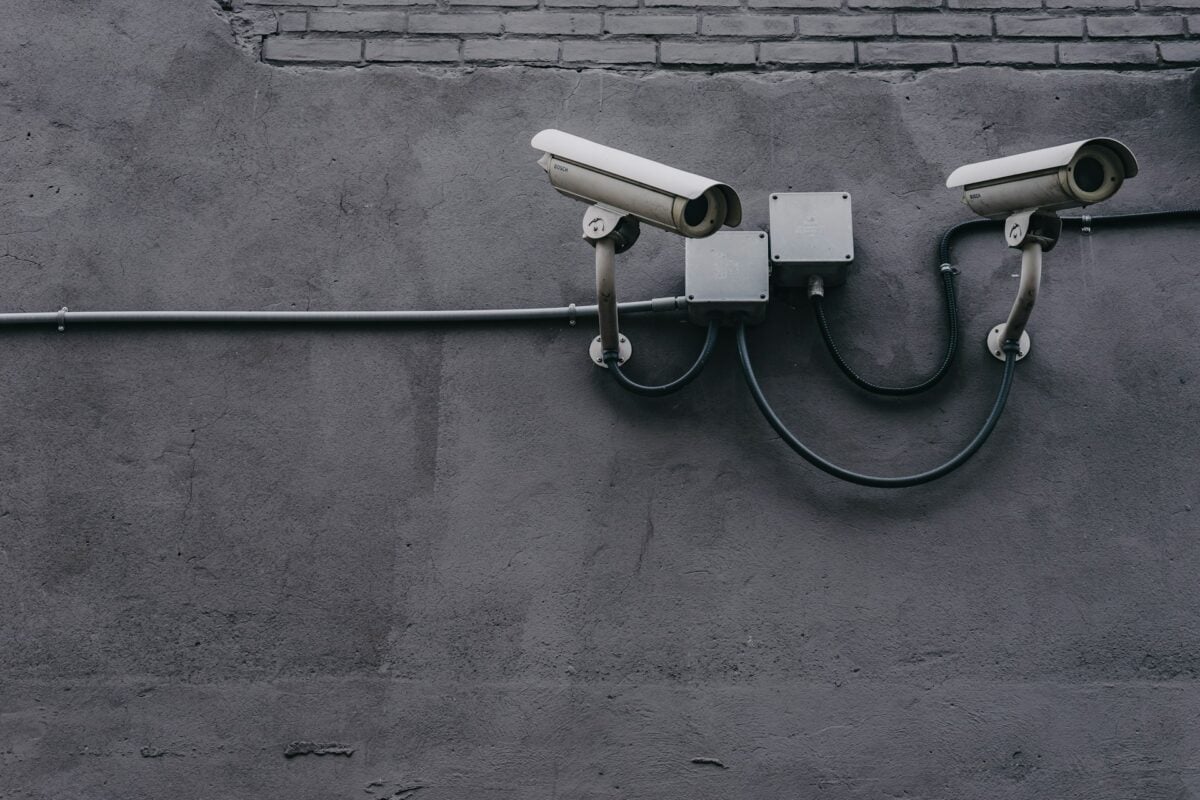
George Orwell painted the picture in 1984, but reality took it several steps further. Telescreens watching your every move seemed dystopian enough on the page.
Now surveillance cameras outnumber people in most major cities.
The numbers are staggering, but the psychology is what Orwell really understood. When people know they’re being watched, they change how they behave.
They self-censor. They conform.
The technology was supposed to make us safer, and maybe it has — but it’s also made us smaller.
Artificial Intelligence
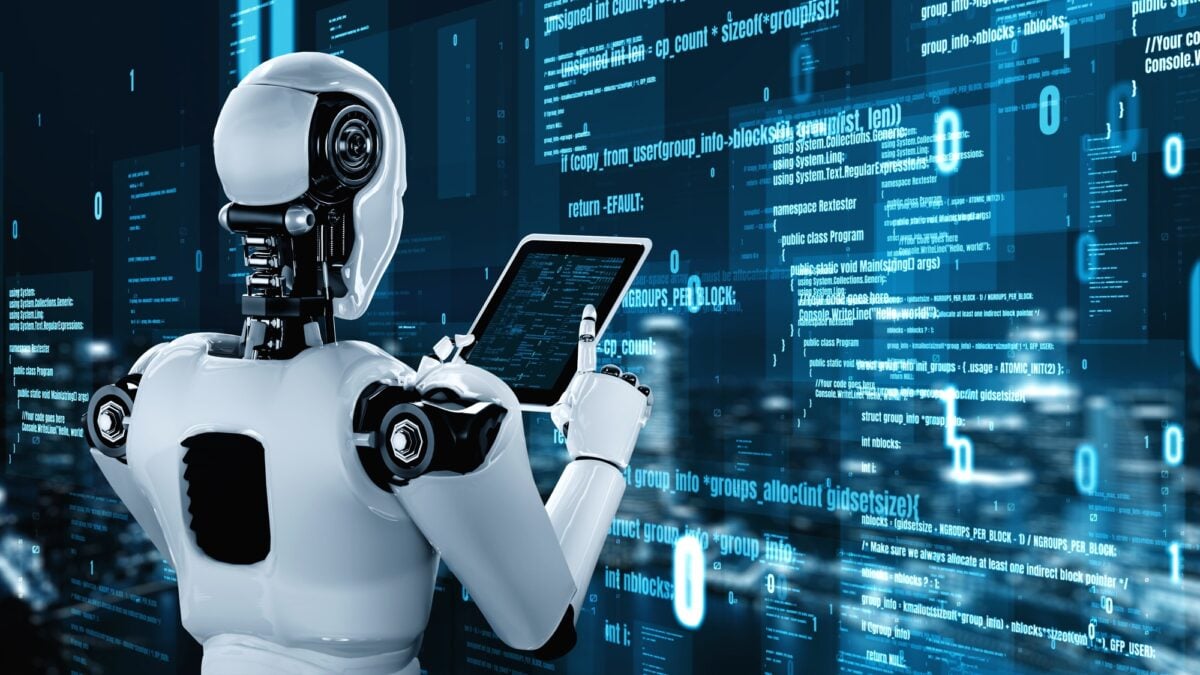
HAL 9000 wasn’t just a malfunctioning computer — it was a warning about trusting machines with decisions that matter. The calm, polite voice delivering terrible news became the template for every AI anxiety that followed.
Today’s artificial intelligence doesn’t open airlocks (yet), but it does decide who gets loans, who gets hired, and increasingly, who gets flagged as a threat. The algorithm is the new HAL, making choices we don’t fully understand based on data we can’t see.
And just like in the movies, we keep building smarter systems while struggling to understand the ones we already have.
Social Media and Digital Connection
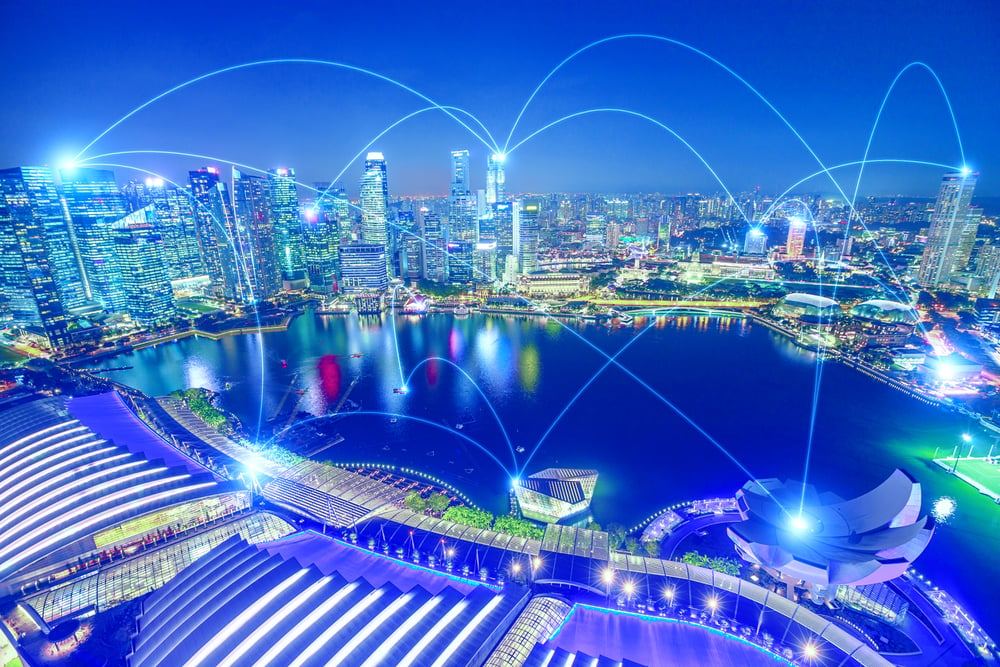
Fahrenheit 451 showed us people absorbed in their wall-sized screens, disconnected from real relationships and meaningful conversation. Ray Bradbury called them “parlor families” — the people on the screens felt more real than actual family members.
Sound familiar? Social media promised to connect us, and it did — but not in the way anyone expected (and certainly not in the way the early cheerleaders imagined it would work out).
So instead of bringing us together, it created echo chambers where people argue with strangers about everything and connect with no one about anything that actually matters.
But here’s the thing that Bradbury understood: the technology wasn’t the villain, the willingness to let it replace genuine human connection was.
Genetic Engineering

Science fiction has always been fascinated with the idea of redesigning humanity, and the stories rarely end well. From Brave New World to Gattaca, the message was consistent: when humans start playing god with genetics, society splits into the enhanced and the natural.
CRISPR technology makes genetic editing relatively simple now. The science moves faster than the ethics committees can keep up.
We’re already editing embryos, designing babies, and extending lifespans. The technology itself is remarkable — it’s the social implications that keep bioethicists awake at night.
When genetic enhancement becomes available, it won’t be distributed equally. Advantage will compound advantage, creating exactly the kind of genetic class system that science fiction warned us about decades ago.
Video Calling and Remote Surveillance

Blade Runner and 2001: A Space Odyssey made video calls look routine, but they also showed how the technology could invade privacy. The screen that lets you see someone else also lets them see you — and potentially, lets others see both of you.
Video calling became essential during the pandemic, but it also normalized constant surveillance. Zoom meetings turned homes into offices, and office surveillance followed.
Employee monitoring software tracks keystrokes, mouse movements, and how long someone looks away from the screen. The line between professional necessity and invasive oversight has blurred beyond recognition.
Predictive Policing

Minority Report imagined a world where crimes could be prevented before they happened. The technology in the film was fantastical — psychic mutants floating in pools — but the underlying concept was pure data analysis.
Predictive policing algorithms now analyze crime patterns to deploy officers before incidents occur. The math is sophisticated, but it’s trained on historical data that reflects historical biases.
Areas that were over-policed in the past get flagged for more police presence. The algorithm doesn’t see bias; it sees patterns.
And it perpetuates them with mathematical precision.
Drone Warfare
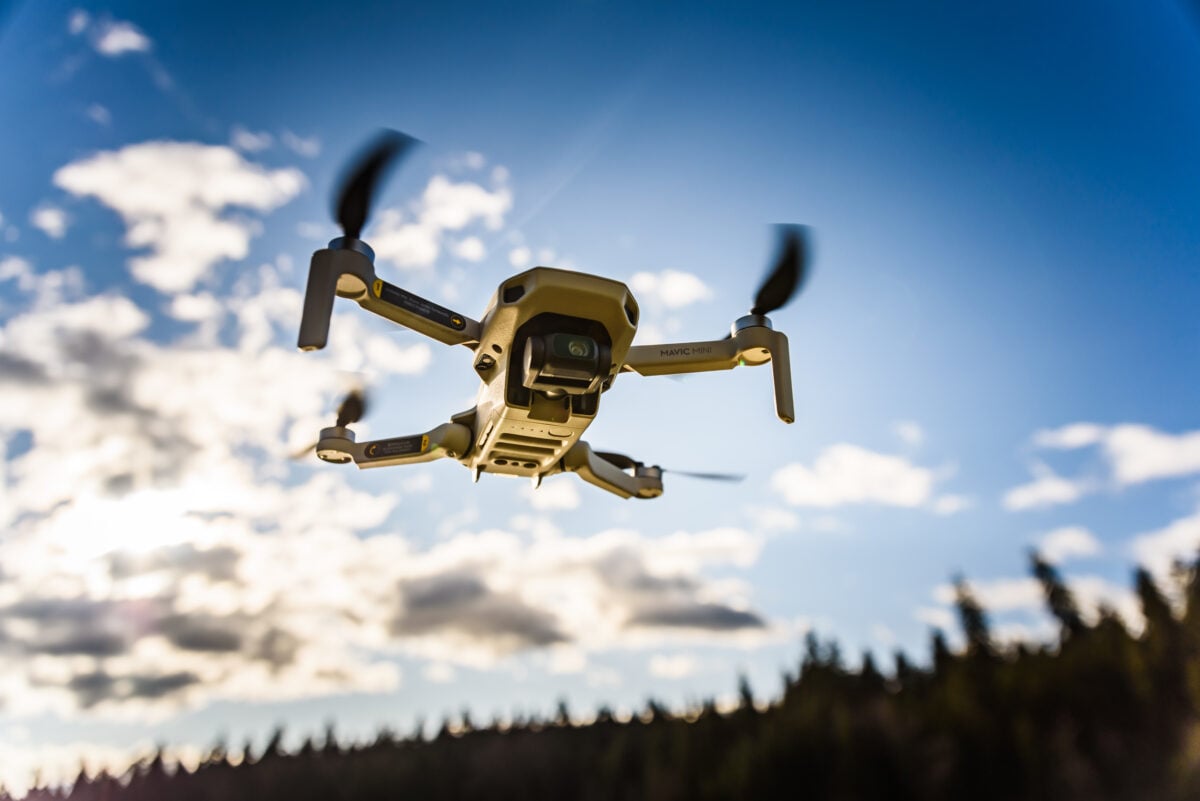
Science fiction has long featured remote-controlled weapons, but the reality of drone warfare has exceeded most fictional predictions. Pilots sitting in air-conditioned trailers, operating joysticks that control lethal force thousands of miles away — it sounds like a video game, and that’s part of the problem.
The psychological distance between operator and target changes the nature of conflict. When war becomes remote, it becomes easier to wage.
The technology was developed for precision, but precision isn’t the same thing as wisdom. Drones can eliminate specific targets with remarkable accuracy, but they can’t evaluate whether eliminating those targets serves any larger purpose.
Smart Home Technology

Ray Bradbury’s smart houses could anticipate every need, but they could also become prisons. In “There Will Come Soft Rains,” the automated house continues its routines long after the family is gone — a testament to how technology can outlast the humans it was meant to serve.
Smart homes promise convenience, and they deliver it. Lights that dim automatically, thermostats that learn your schedule, locks that recognize your voice.
But convenience comes with vulnerability. Every connected device is a potential entry point for hackers.
The smart home knows when you’re away, what you watch, and who visits. That information has value, and not everyone who wants it has your best interests at heart.
Biometric Identification
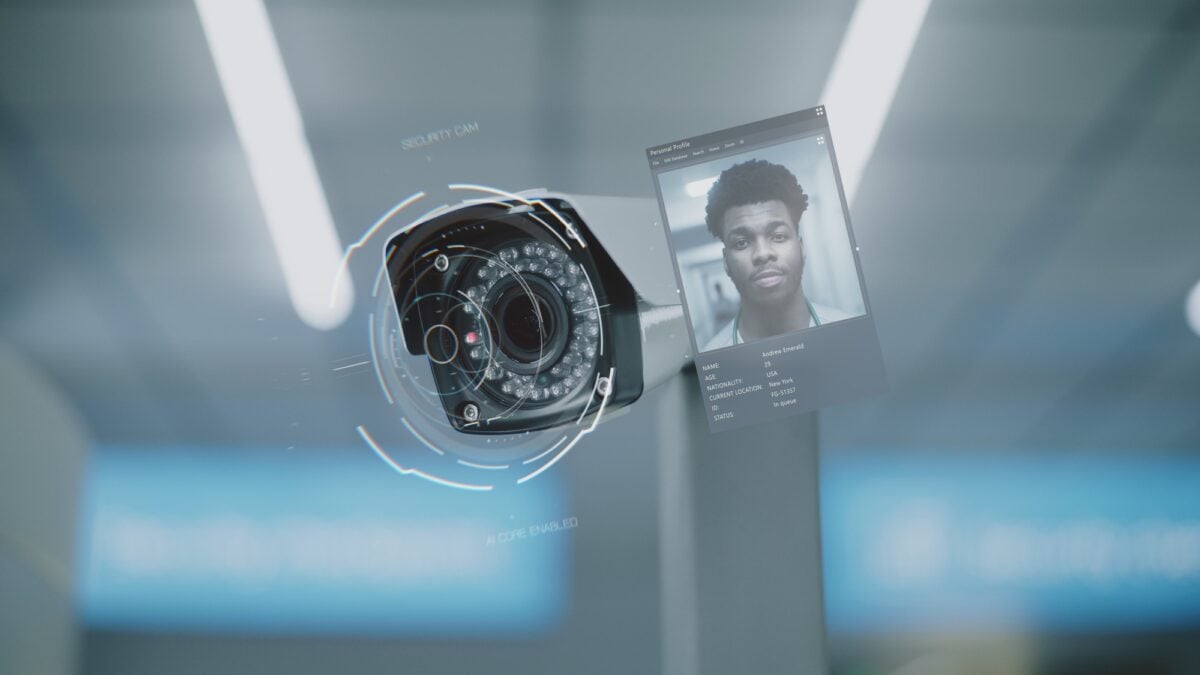
Science fiction made retinal scanners and fingerprint identification look sleek and futuristic. The reality is more mundane but more pervasive.
Your phone unlocks with your face. Your laptop recognizes your thumbprint.
Airports scan your iris.
Biometric identification is convenient because you can’t forget your fingerprint at home. But you also can’t change it if it’s compromised.
When someone steals your password, you create a new one. When they steal your biometric data, you’re permanently compromised.
And unlike passwords, biometric data creates a permanent connection between your identity and your activities.
Virtual Reality Addiction
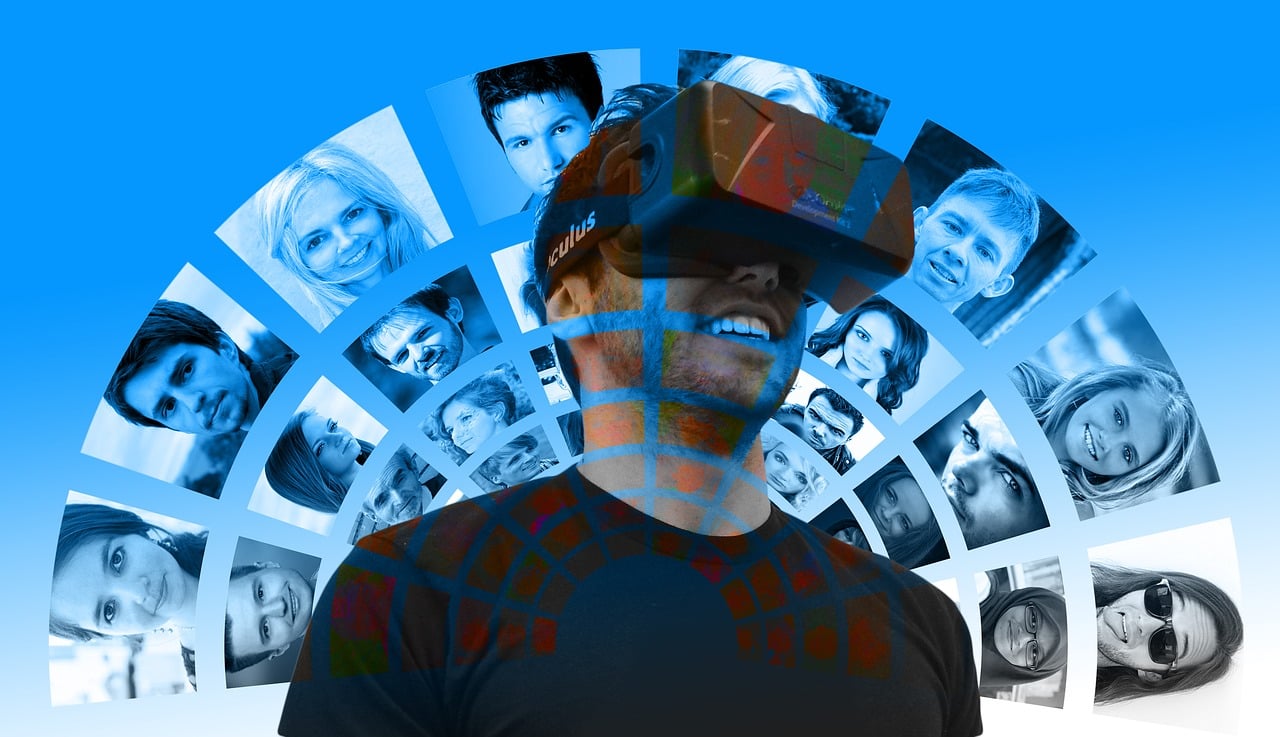
Neuromancer and Ready Player One both imagined worlds where virtual reality became more appealing than actual reality. People would plug in and never want to leave.
The virtual world offered everything the real world lacked: beauty, purpose, achievement, connection.
Virtual reality technology isn’t quite there yet, but the addiction patterns are already emerging. Social media provides a lighter version of the same escape — curated experiences that feel more satisfying than daily life.
The dopamine hits are smaller but more frequent. The addiction is subtler but potentially more damaging because it’s socially acceptable.
Corporate Surveillance and Data Mining
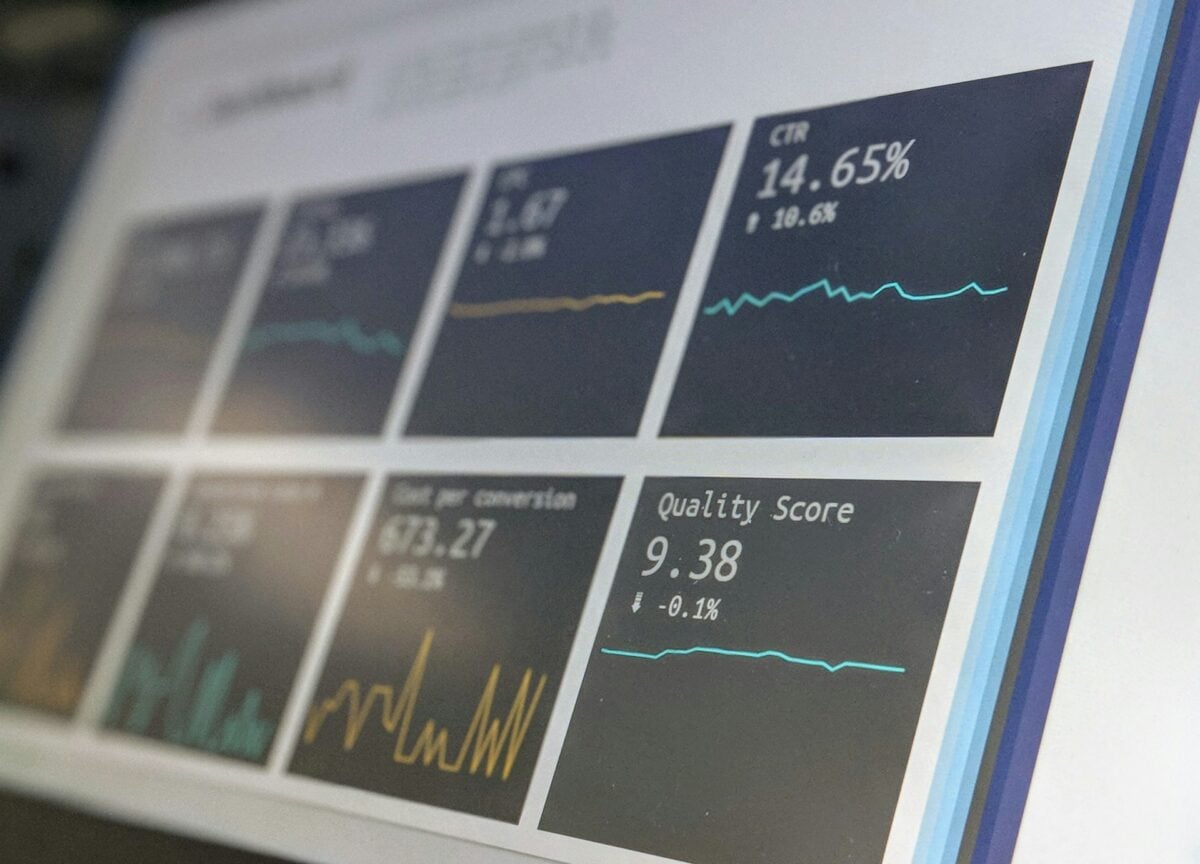
Blade Runner showed corporate power unchecked by government oversight, but it was Snow Crash that really nailed the data surveillance angle. Neal Stephenson imagined corporations that knew more about individuals than individuals knew about themselves.
Tech companies now collect data on a scale that makes government surveillance look quaint. They know what you search for, where you go, who you talk to, and how long you linger on specific content.
This information creates detailed psychological profiles that can predict behavior better than people can predict their own behavior. The data is used to sell products, but it could be used for much more than that.
Autonomous Weapons
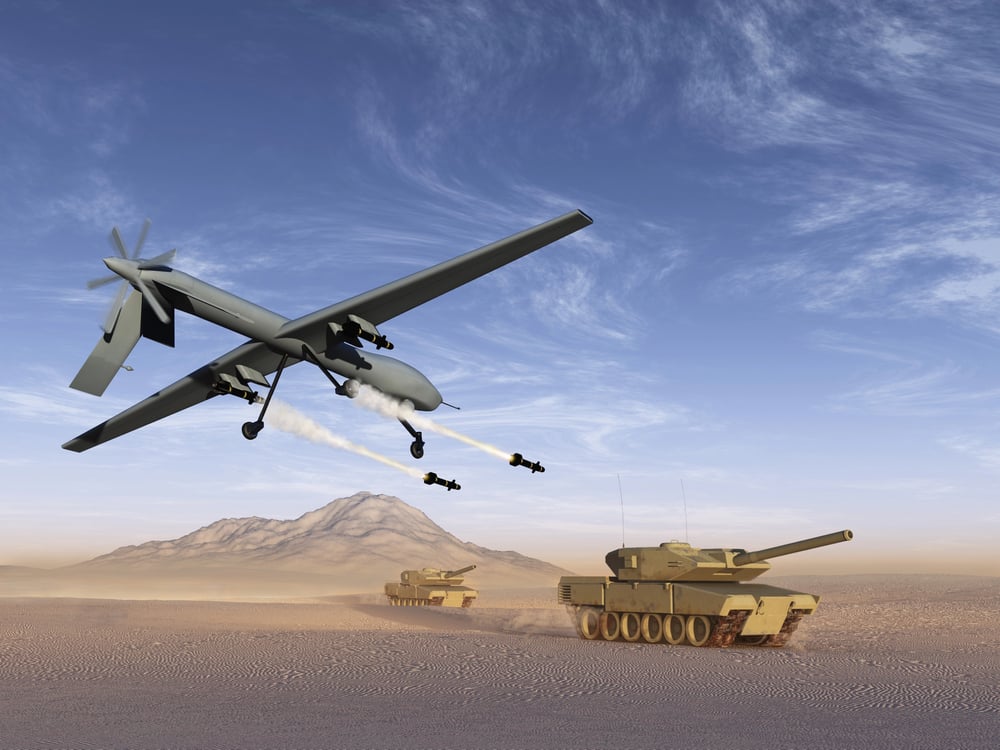
Science fiction has always featured robots that kill, from the Terminator to the sentries in Aliens. The appeal for military planners is obvious: weapons that don’t require human operators can’t be captured, don’t need food or sleep, and don’t suffer from fear or hesitation.
Autonomous weapons systems are already being developed and deployed. The technology exists to create weapons that select and engage targets without human oversight.
The question isn’t whether it’s possible — it’s whether it’s wise. Once autonomous weapons are unleashed, the speed of engagement moves beyond human reaction time.
Wars could escalate and resolve faster than humans can process what’s happening.
Digital Currency and Financial Control

Cyberpunk fiction often featured corporate scrip — digital currencies controlled by companies rather than governments. Workers would be paid in credits that could only be spent at company stores, creating a closed economic loop that trapped employees in perpetual dependence.
Cryptocurrency was supposed to democratize money, removing it from government and corporate control. But digital currency also creates perfect transaction records.
Every purchase is tracked, every transfer is recorded. Cash transactions are anonymous; digital transactions are permanent.
When all money becomes digital, privacy in financial matters disappears entirely.
The Future We Chose

Science fiction writers weren’t trying to predict the future — they were trying to warn us about it. The technologies they imagined weren’t inevitable; they were possible.
And possibility, as it turns out, is usually enough.
The warnings were there, written decades before the technologies existed. We read them, watched them, and built the futures they cautioned against anyway.
Not because we didn’t understand the risks, but because the benefits seemed worth it. Each innovation solved a problem, made life easier, or promised to make us safer.
The cost always seemed manageable — until the bills came due.
More from Go2Tutors!

- The Romanov Crown Jewels and Their Tragic Fate
- 13 Historical Mysteries That Science Still Can’t Solve
- Famous Hoaxes That Fooled the World for Years
- 15 Child Stars with Tragic Adult Lives
- 16 Famous Jewelry Pieces in History
Like Go2Tutors’s content? Follow us on MSN.