Legendary Speeches Every Student Should Know
Some speeches do more than just deliver words — they hit you in the chest. They capture moments in history, shift public thinking, and stick in the mind for years.
Whether it was about hope, courage, or just telling the truth, these speeches didn’t just echo in the room — they kept echoing through time. They’re not just famous.
They’re useful. These are the speeches students should know — not for a test, but for life.
Martin Luther King Jr.’s “I Have a Dream”
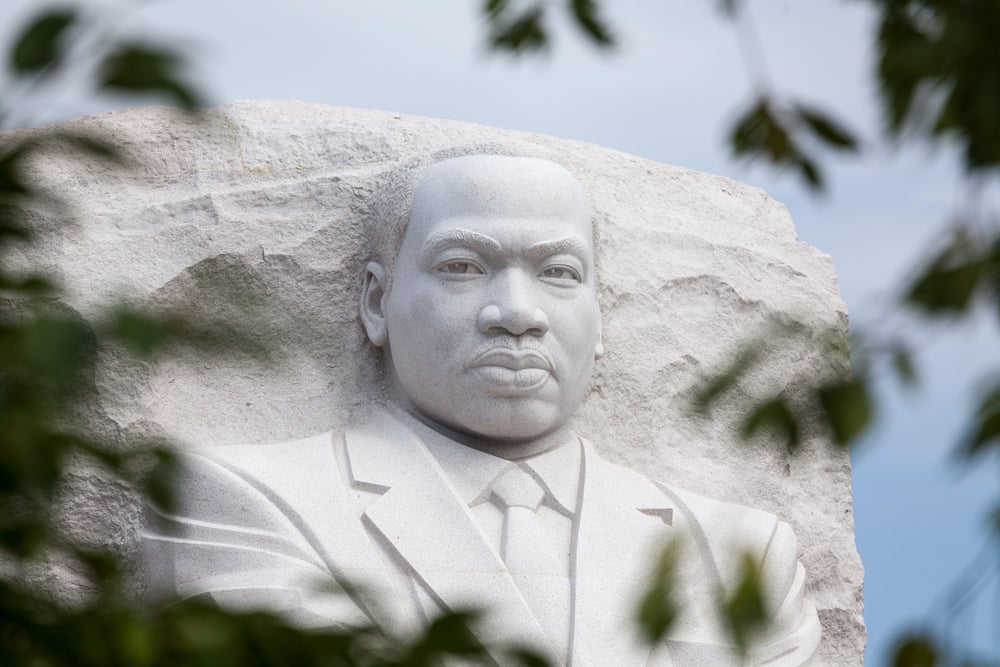
This speech still gives people chills. Dr. King stood on the steps of the Lincoln Memorial and spoke about a world where everyone would be treated equally.
His voice was calm, but the message was strong. He wasn’t just hoping — he was demanding better.
That’s the kind of speech that reminds people what fairness should look like.
Winston Churchill’s “We shall fight on the beaches”
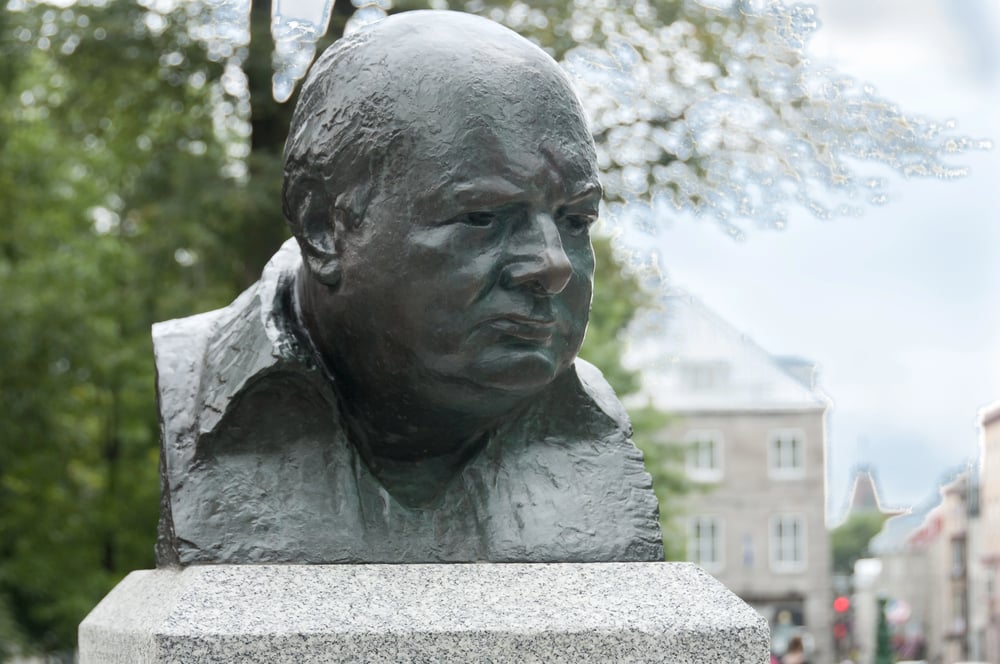
Churchill gave this speech during one of the worst parts of World War II. The future was uncertain, but he didn’t flinch.
He listed all the places they would keep fighting — beaches, fields, streets — not for drama, but to prove they’d never give up. The way he spoke gave people strength.
It’s a great example of how words can hold people together.
Barack Obama’s “Yes We Can”
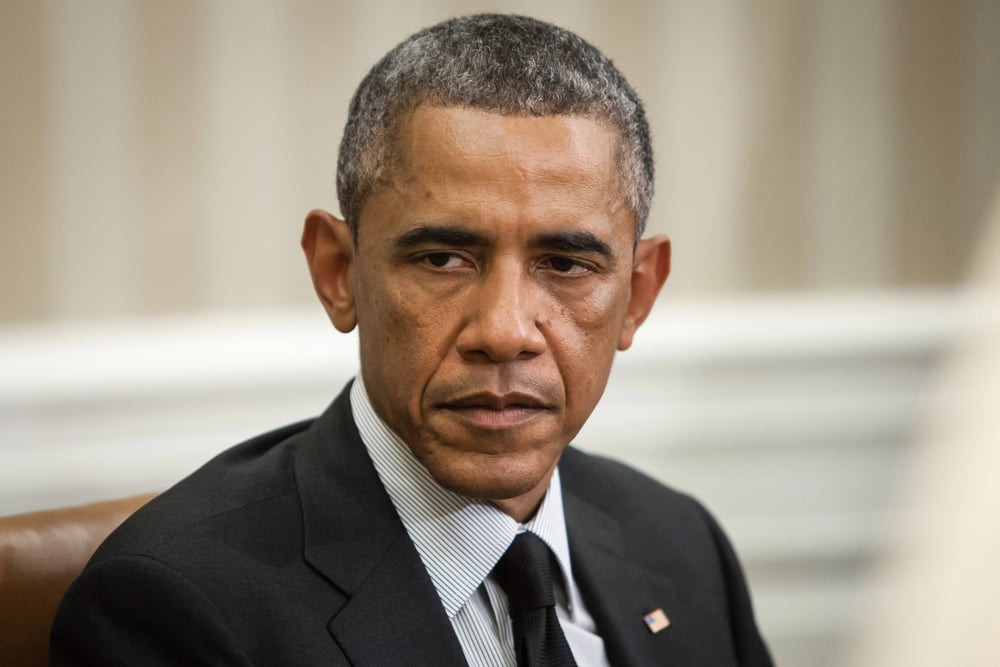
Obama didn’t just give a political speech — he gave people a reason to believe. “Yes we can” turned into something bigger than a slogan.
It gave hope, especially to people who felt left out. He made people feel like they had a say in what came next.
That’s something students can take with them — belief isn’t fluff, it’s fuel.
Like Go2Tutors’s content? Follow us on MSN.
John F. Kennedy’s Inaugural Address
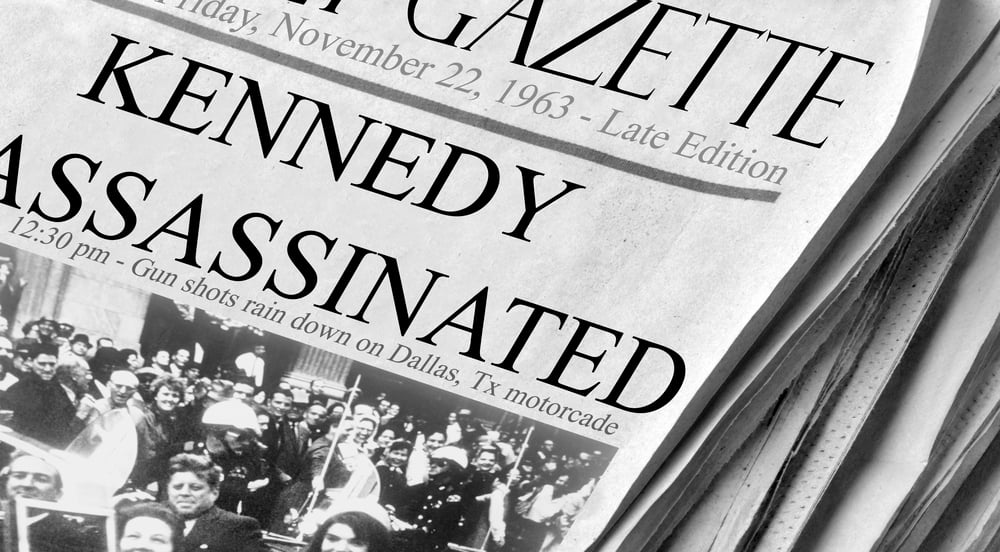
When JFK said, “Ask not what your country can do for you,” he flipped the script. Instead of making promises, he asked people to do their part.
He talked about service, responsibility, and coming together. The speech didn’t feel like politics — it felt like a challenge.
It’s a reminder that real progress starts with people stepping up.
Emma Watson’s HeForShe speech at the UN
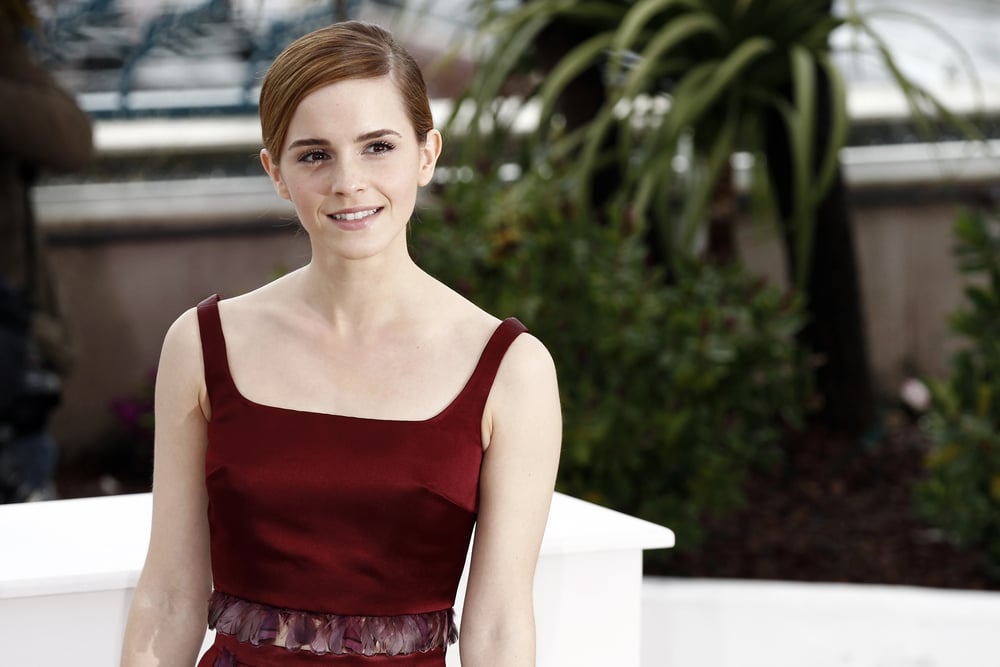
Emma Watson surprised a lot of people with this one. Known mostly for movies, she stood up at the UN and gave a serious talk on gender fairness.
She kept it honest and relatable, using her own life to make points. It didn’t feel like a lecture — it felt like a conversation.
Students can see how speaking simply can still make a big impact.
Abraham Lincoln’s Gettysburg Address
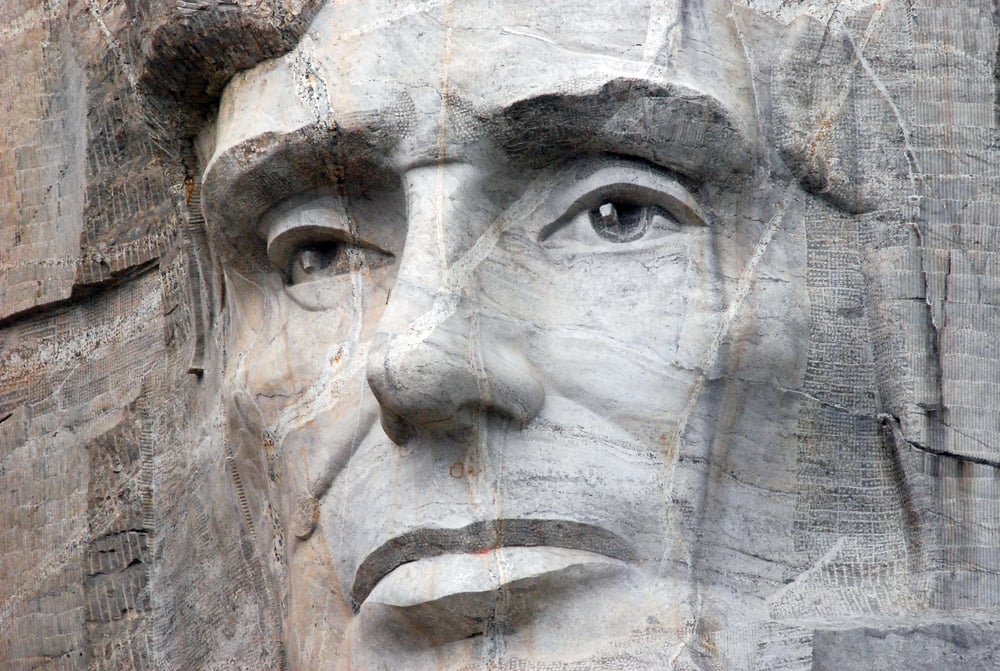
Only about 270 words long, this speech still lands hard. Lincoln was trying to honor fallen soldiers, but also to remind people what they were fighting for.
He didn’t speak fancy or drag it out. Just plain, powerful lines about freedom and unity.
It’s proof that less really can be more.
Like Go2Tutors’s content? Follow us on MSN.
Greta Thunberg’s “How dare you” speech
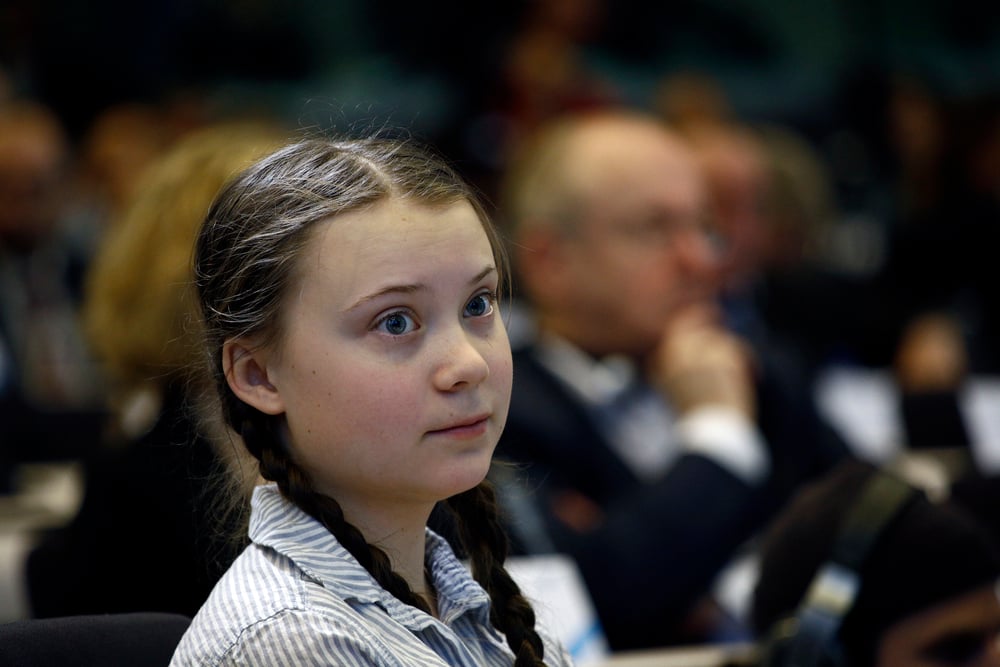
Greta didn’t sugarcoat anything. She told world leaders exactly how she felt about climate inaction.
Her tone was serious, and some found it uncomfortable — but that’s the point. She spoke like someone who was tired of waiting. For students, it’s a clear example of what it looks like when someone speaks from the gut.
Nelson Mandela’s release speech
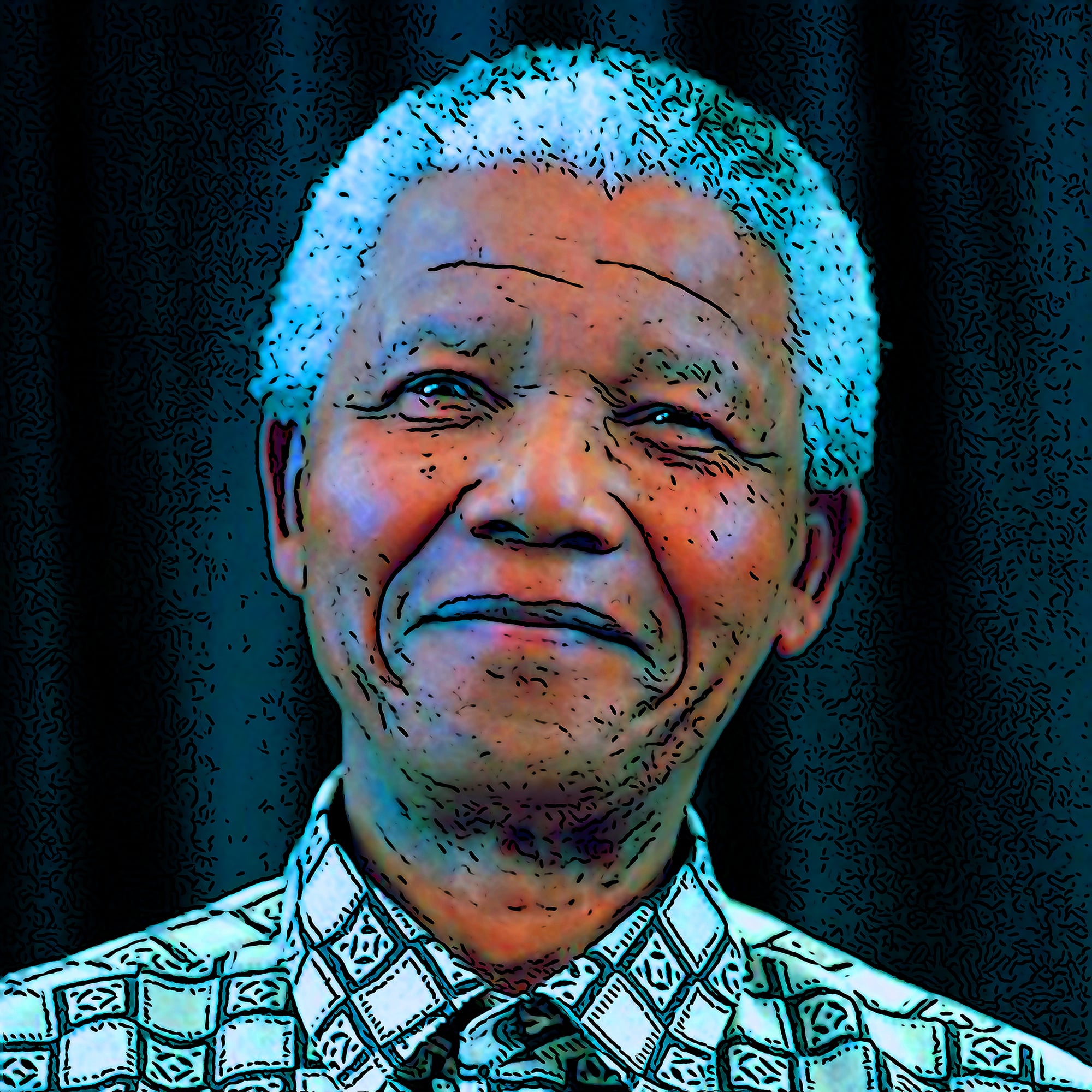
After 27 years in prison, Mandela walked out and didn’t show hate. He asked people to work together and move forward.
It wasn’t about blame — it was about peace. That shocked a lot of people. The message? You don’t have to be angry to be powerful.
Chief Joseph’s “I will fight no more forever”
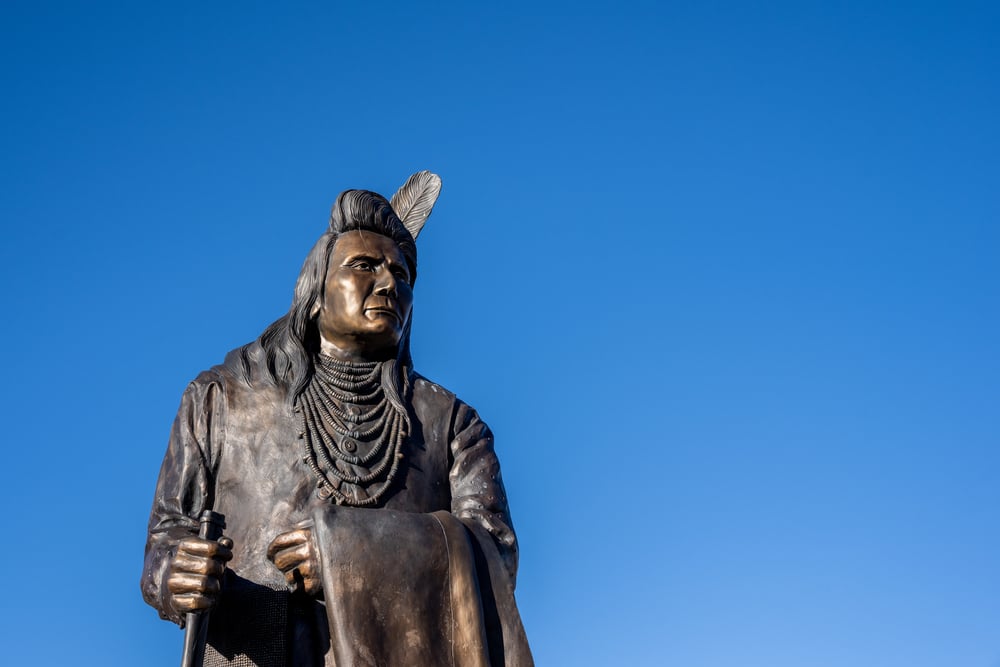
Chief Joseph’s words came after a long, painful journey with his people. They were tired, freezing, and hungry.
His speech wasn’t just a surrender — it was a goodbye. A moment of honesty from someone who had nothing left to give.
It’s simple and sad, but it teaches that real strength sometimes means knowing when to stop.
Like Go2Tutors’s content? Follow us on MSN.
Franklin D. Roosevelt’s “The only thing we have to fear is fear itself”
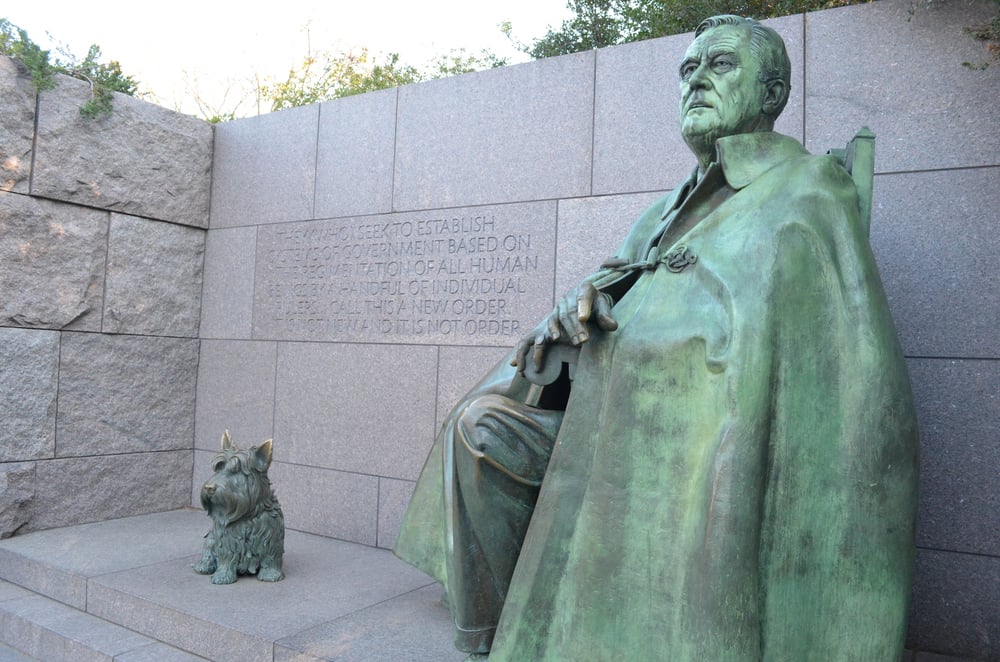
FDR spoke during the Great Depression, when fear had people stuck. His line about fear wasn’t just clever — it was real.
He told people the fear was worse than the problem itself. It helped calm a nation that didn’t know what to do next.
Students today can still relate to that feeling.
Sojourner Truth’s “Ain’t I a Woman?”
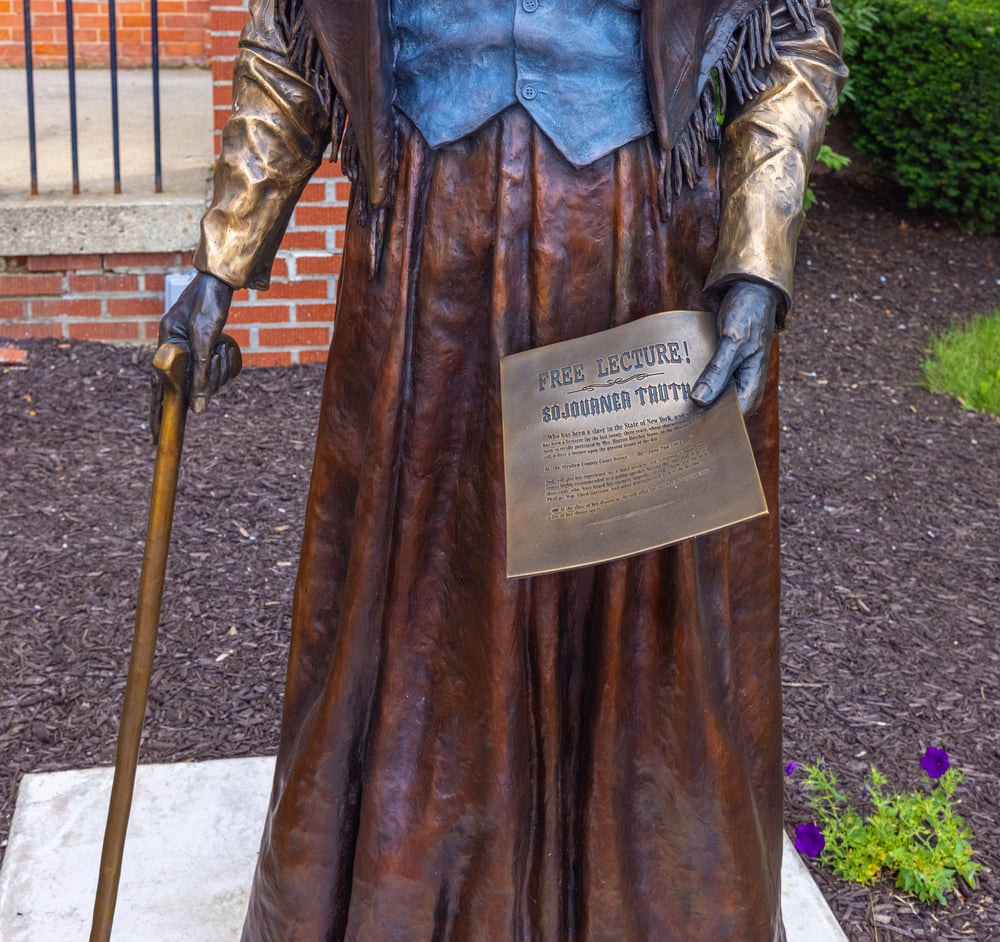
Truth didn’t write a long speech or use big words. She just asked a question over and over: “Ain’t I a woman?”She told the truth about her life — working hard, being ignored, getting no credit.
And she did it in a way that made people uncomfortable, in the best way. It’s a raw, honest example of standing up for yourself.
Theodore Roosevelt’s “The man in the arena”
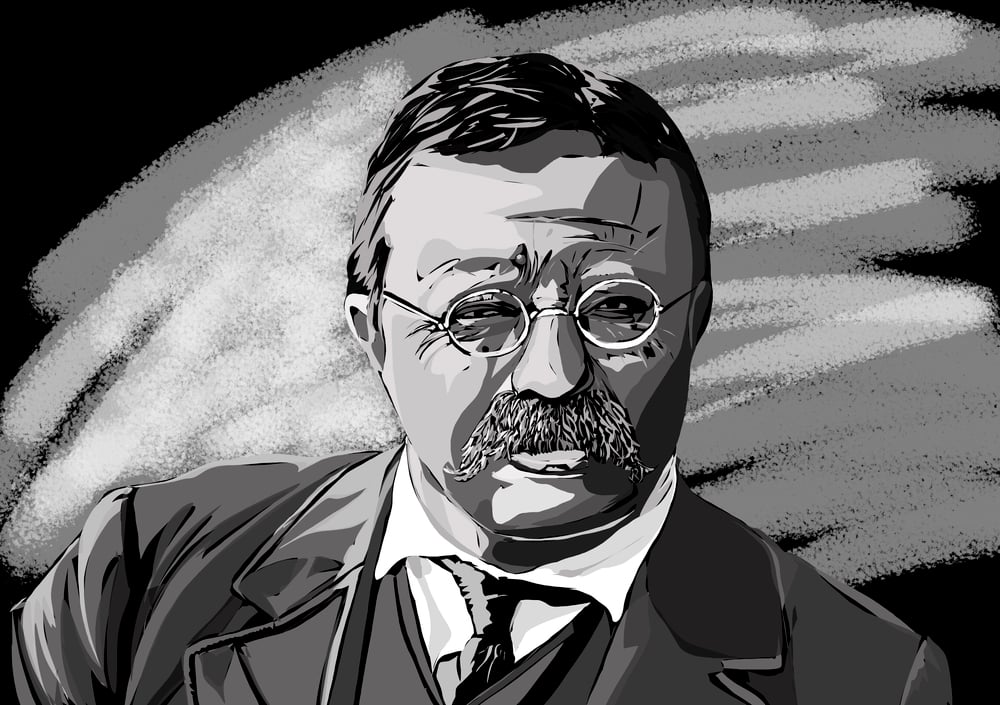
This quote didn’t come from a rally — it came from a speech in Paris. Roosevelt wasn’t praising winners.
He was praising the people who try, fail, and try again. Not the ones who sit and judge, but the ones who show up.
That idea still hits hard for students scared to make mistakes.
Like Go2Tutors’s content? Follow us on MSN.
Ronald Reagan’s “Tear down this wall”
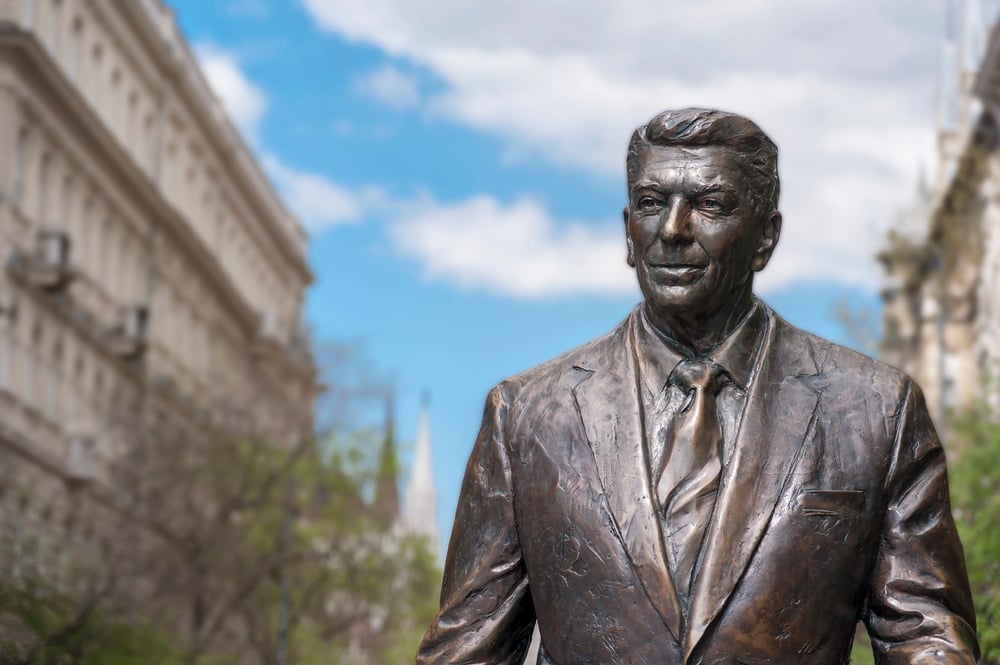
Standing near the Berlin Wall, Reagan looked straight at the Soviet leader and told him to bring it down. Simple, strong, and unexpected.
No threats, no shouting — just a challenge. The wall didn’t fall that day, but it did soon after.
That shows how one sentence in the right place can move history.
Chimamanda Ngozi Adichie’s “We should all be feminists”

Adichie didn’t yell or preach. She told stories — about growing up, about being treated differently, about why fairness helps everyone.
Her way of talking made big ideas feel easy to understand. That’s what made it so popular.
Students can learn a lot about making a point without making enemies.
Steve Jobs’ Stanford commencement address
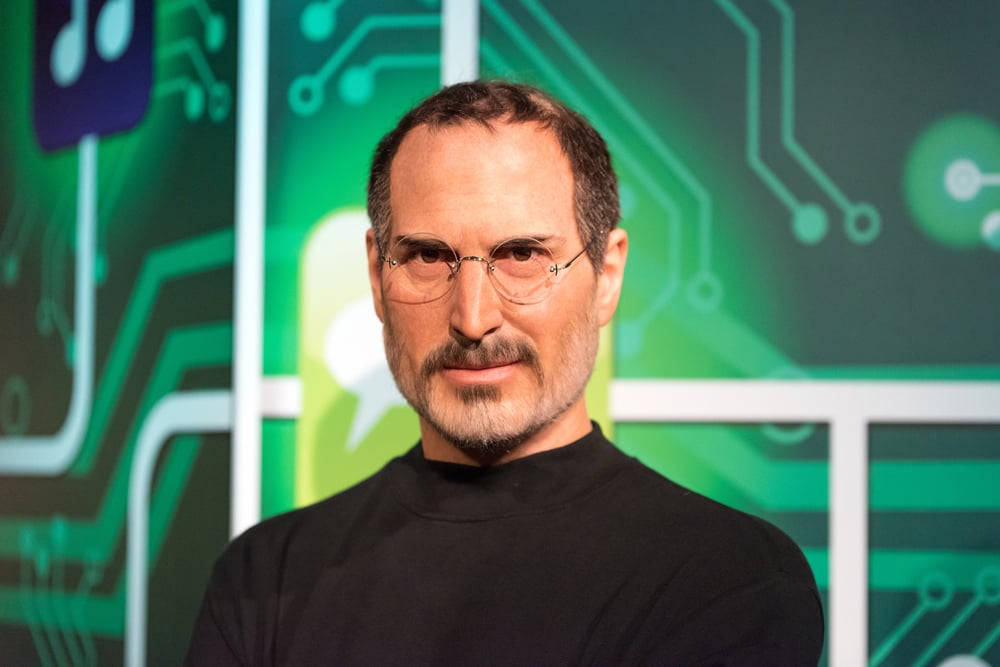
Jobs didn’t talk about money or success. He talked about dropping out of college, getting fired, and facing death.
He said not to waste time living someone else’s life. The message was clear: trust your gut and do what matters to you.
The speech sticks because it feels real, not polished.
Like Go2Tutors’s content? Follow us on MSN.
Lessons that still echo today
These speeches aren’t just stuck in history books or old videos. They still matter because they deal with things that never really go away — fairness, courage, honesty, and hope.
Every one of these speakers used their moment to say something bigger than themselves. Whether it was on a huge stage or in a quiet room, they chose words that moved people to think, feel, or act.
Today’s world may look different, but the power of a strong message is the same. Students face their own battles now — pressure, doubt, and big questions about the future.
These speeches don’t give all the answers, but they do remind us that words can build, challenge, and change.
More from Go2Tutors!

- 16 Historical Figures Who Were Nothing Like You Think
- 12 Things Sold in the 80s That Are Now Illegal
- 15 VHS Tapes That Could Be Worth Thousands
- 17 Historical “What Ifs” That Would Have Changed Everything
- 18 TV Shows That Vanished Without a Finale
Like Go2Tutors’s content? Follow us on MSN.



