Photos of Creepy Secondhand Finds
There’s something undeniably thrilling about hunting through secondhand stores, estate sales, and flea markets. The promise of discovering a hidden treasure or a piece of forgotten history draws millions of people to dig through other people’s discarded belongings every weekend.
But sometimes, instead of finding that perfect vintage lamp or classic leather jacket, shoppers stumble upon items that send chills down their spine.
The internet has become a gallery for these unsettling discoveries, with people sharing photos of the most disturbing secondhand finds they’ve encountered. From dolls with missing eyes to paintings that seem to watch your every move, these objects carry an inexplicable sense of dread that makes you wonder about their previous owners and the stories they might tell.
Porcelain dolls with cracked faces
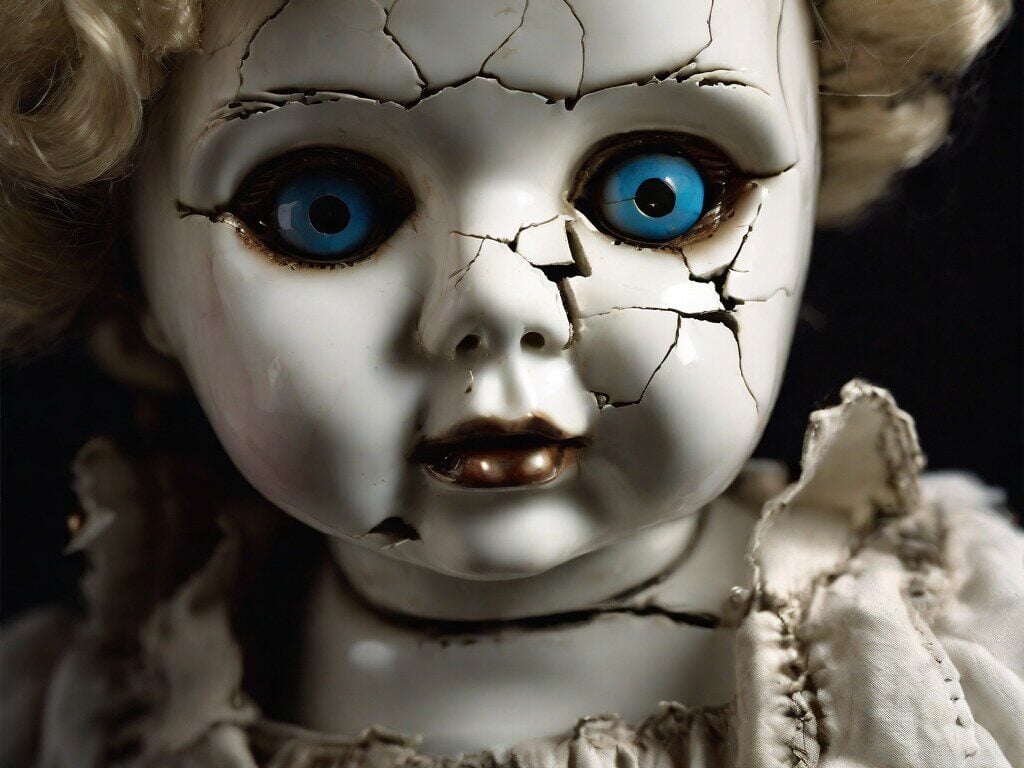
Porcelain dolls dominate the creepy secondhand market. Missing eyes, cracked cheeks, tangled hair that looks like it survived a tornado.
These aren’t collectibles anymore—they’re miniature horror movies sitting on thrift store shelves.
Victorian funeral photography
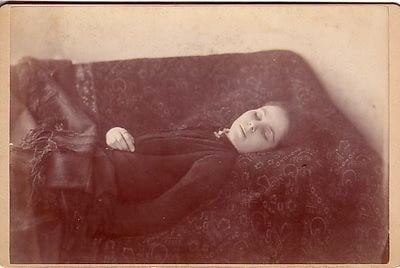
The practice of photographing deceased family members (particularly common in the Victorian era, when camera equipment was expensive and families often had only one chance to capture an image of a loved one who had passed away) has left behind a trail of deeply unsettling portraits that somehow find their way into estate sales and antique shops. And while these photographs served an important purpose for grieving families who wanted a lasting memory, stumbling across them decades later—especially when you’re not expecting to encounter a formal portrait of someone in their burial clothes—creates an entirely different emotional experience.
The subjects stare directly at the camera with an intensity that feels both peaceful and profoundly disturbing, and the formal poses (which were necessary due to long exposure times) give the images a weight that modern photography rarely carries.
These photographs often come in ornate frames that suggest they once held places of honor in someone’s home, passed down through generations until the family line ended or the connection was lost.
Handmade ventriloquist dummies
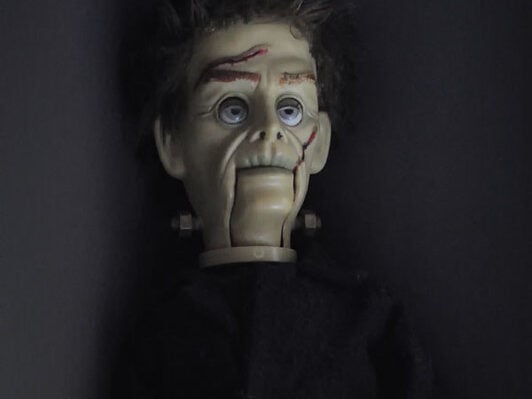
A wooden figure carved with too much ambition and too little skill becomes something that belongs in a nightmare rather than on a stage. The proportions feel wrong—the head slightly too large, the smile stretched beyond what any human mouth should achieve.
The eyes, painted by someone who understood mechanics but not soul, track movement with an attention that wooden objects shouldn’t possess.
These aren’t the polished performers you’d see in a professional act. They’re the projects of hobbyists who worked late into the night in basement workshops, sanding and painting until they created something that crossed the line from puppet into presence.
The wood grain shows through thin coats of flesh-colored paint, and the hinged jaw hangs at angles that suggest permanent surprise or perpetual scream.
Ouija boards with cryptic messages
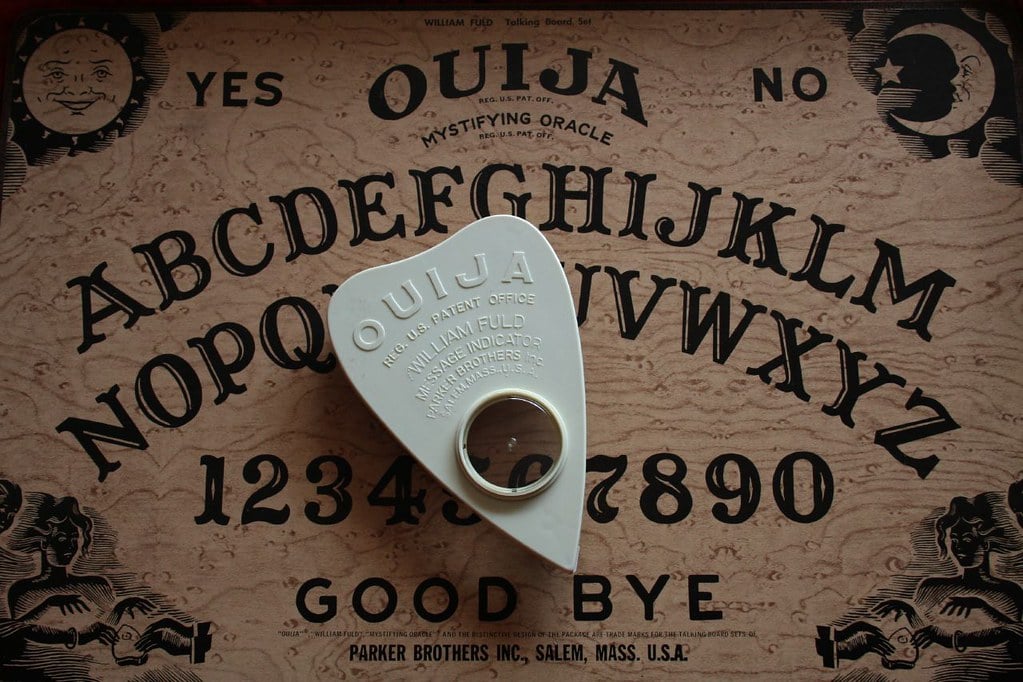
Estate sales sometimes include Ouija boards with messages already spelled out on them. Someone left the planchette pointing to specific letters or phrases.
Whether this represents the board’s final conversation or just careless storage doesn’t matter—the implication hangs in the air like incense.
The boards themselves show wear patterns around certain letters, suggesting repeated use over months or years. Some arrive with detailed instructions written in margins, notes about “proper contact protocols” or warnings about “closing sessions correctly.”
The handwriting belongs to people who took this seriously, and that seriousness transfers to anyone who finds these boards decades later.
Medical equipment from decades past
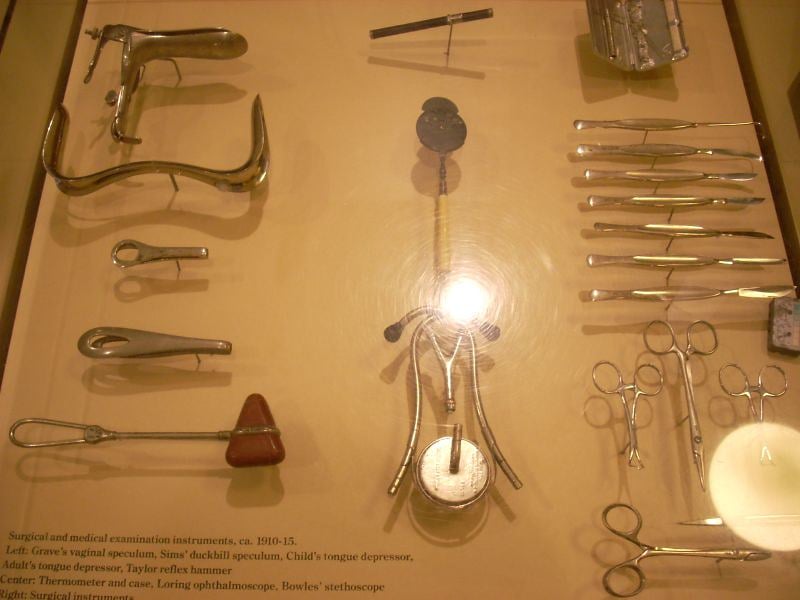
The evolution of medical technology has left behind a graveyard of devices that once seemed cutting-edge but now appear more suited to medieval torture chambers than healing. Dental chairs from the 1940s (complete with leather restraints and hand-cranked adjustment mechanisms that groan under their own weight) sit alongside electromagnetic therapy machines that promise to cure everything from depression to digestive issues through the application of carefully calibrated electrical currents—though the calibration dials are often missing, leaving only ominous switches labeled “low,” “medium,” and “high.”
So many of these devices carry an air of misguided confidence, as if their inventors believed they had unlocked secrets of human anatomy that had eluded centuries of medical professionals. But the reality is more unsettling: these machines represent genuine attempts to heal, used on real patients who trusted their doctors completely.
And now they sit in secondhand stores, their original purpose lost to time, their intimidating presence intact.
Paintings of unnamed subjects
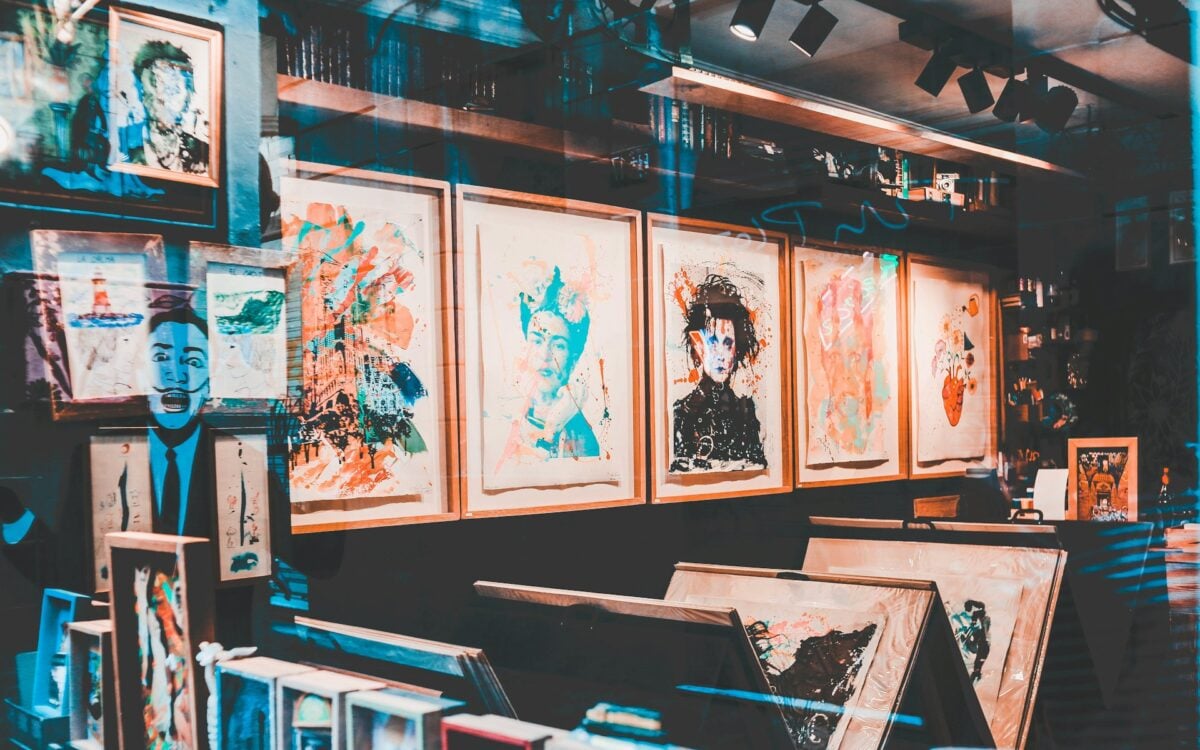
Anonymous portraits carry the weight of lives completely unknown to us—the careful attention someone once paid to capturing a stranger’s likeness now feels like an intrusion into privacy that was never meant to be shared. The subjects pose with the formality their era demanded, but their eyes hold something more personal: hope that they would be remembered, confidence that this image would outlast their physical presence.
That confidence makes their current situation more poignant than creepy, though the effect is the same. They watch from thrift store walls with expressions that suggest they’re still waiting for recognition that will never come.
Some wear clothing that places them decades in the past, while others could have been painted last week—time becomes fluid when you’re staring at someone whose story you’ll never know.
The brushwork itself tells stories about the relationship between artist and subject, whether this was a commissioned piece or a labor of love, whether the painter knew their model well or was working from a photograph.
Childhood toys with mysterious damage
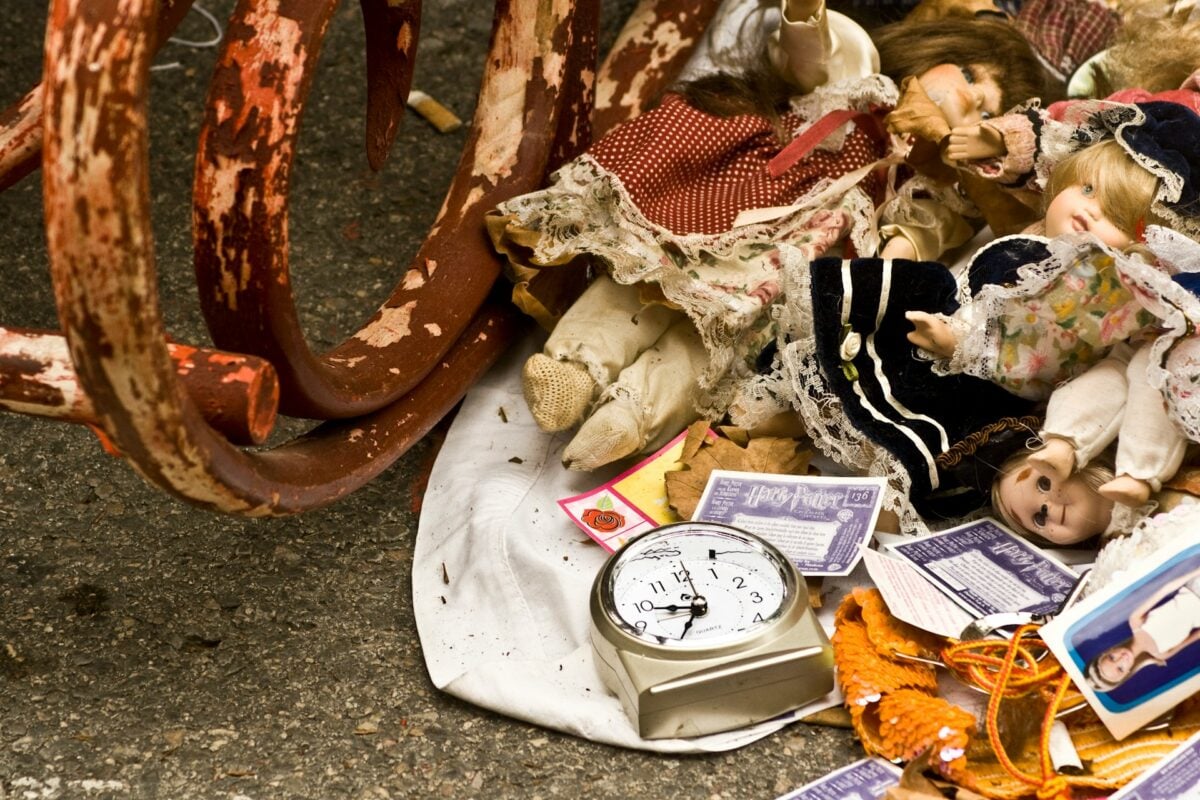
Stuffed animals missing limbs never explain how they lost them. A teddy bear with one arm suggests either tragic accident or deliberate removal—and honestly, both possibilities feel equally disturbing when you’re holding the evidence decades later.
The fabric shows wear patterns that indicate genuine affection, which makes the damage more unsettling rather than less.
Action figures with faces scratched off carry their own implications about the child who owned them. These weren’t accidents caused by normal play.
Someone took time to systematically remove features, to transform heroes into blank slates or monsters into something worse. The precision of the damage suggests intention, and intention suggests a story that probably shouldn’t be excavated.
Handwritten journals and diaries
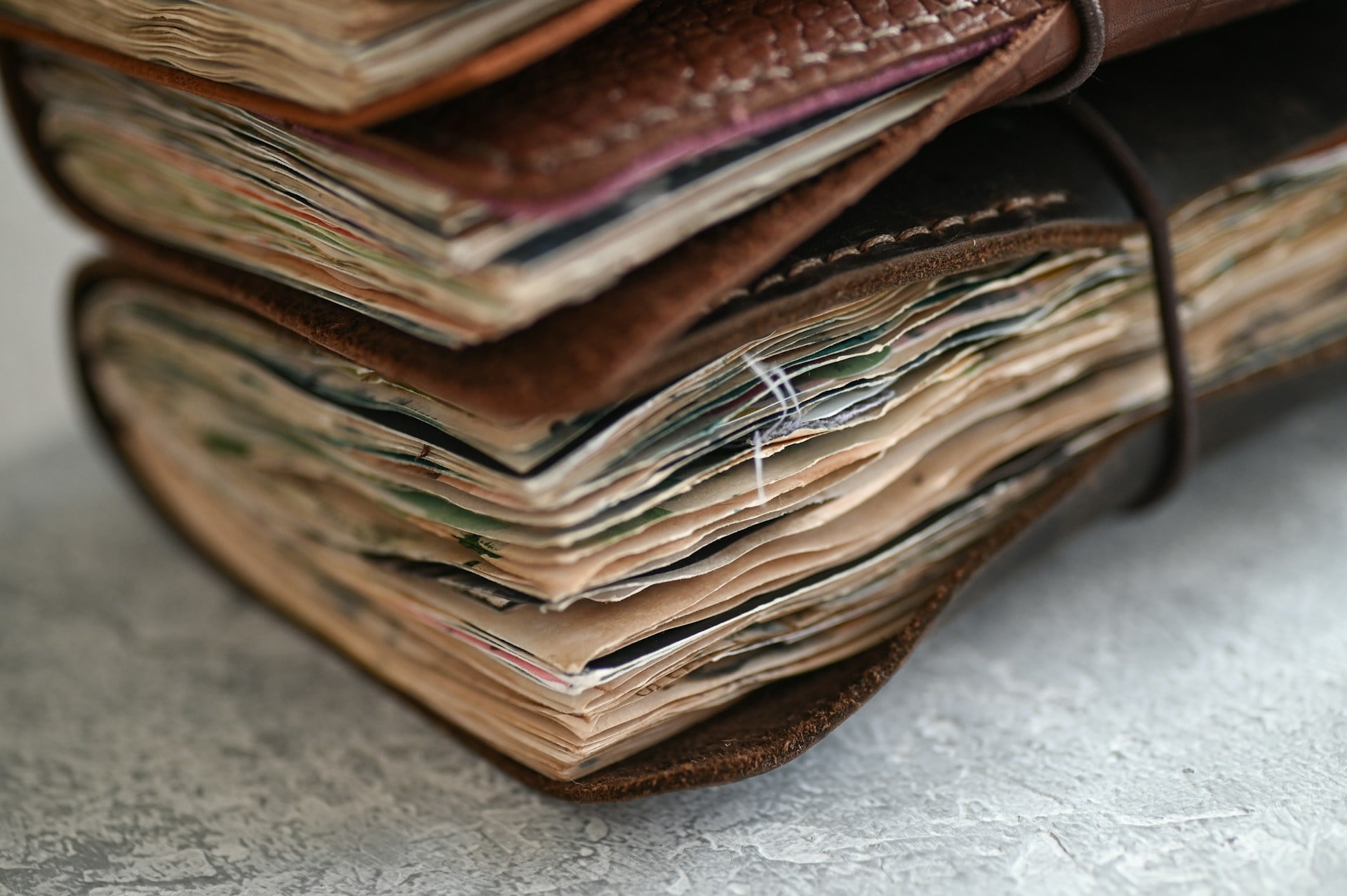
The most intimate objects in any secondhand collection are the personal writings that somehow escaped being discarded by families who sorted through belongings after someone passed away—though how these journals end up in public sales rather than private disposal suggests either oversight or deliberate choice to let strangers read thoughts that were never meant to be shared. The handwriting reveals personality in ways that typed text never could (the careful loops of someone who took penmanship seriously, the hurried scrawl of someone who thought faster than they could write), and the content ranges from mundane daily observations to confessions that feel too personal to read but too compelling to ignore.
Some entries are dated decades apart, suggesting these books were picked up and abandoned repeatedly as their authors moved through different phases of life. So the narrative becomes fragmented, like overhearing one side of a conversation that spans years.
But the voice remains consistent, even as the concerns change, and by the end you feel like you know someone who you’ll never meet.
The moral weight of reading someone’s private thoughts creates its own form of unease, even when those thoughts are perfectly innocent.
Vintage children’s books with disturbing illustrations
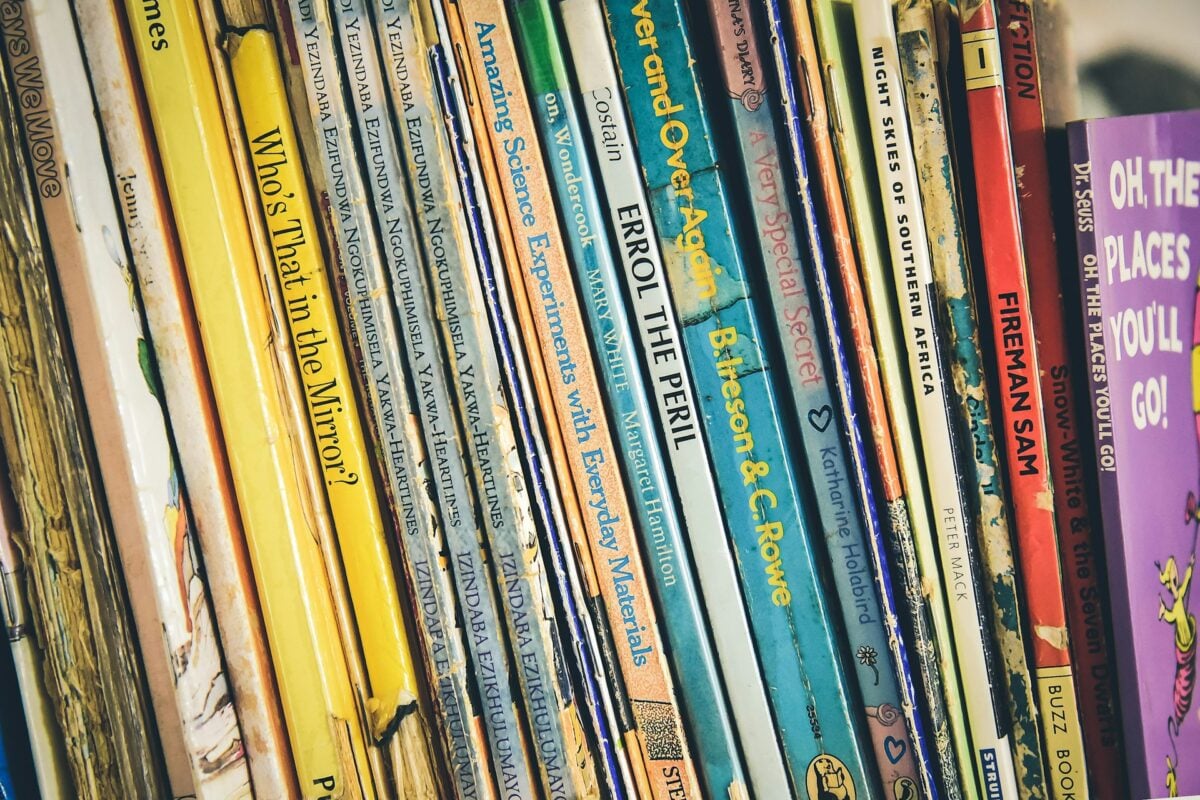
Picture books from earlier eras operated under different assumptions about what children could handle emotionally. The illustrations often feature characters in genuine peril—not the sanitized danger of modern children’s media, but real consequences drawn in vivid detail that would send today’s publishers into panic attacks.
Wolves actually look menacing, witches appear genuinely evil, and danger carries weight that modern audiences find shocking.
These books don’t just look different from contemporary children’s literature—they come from a world where childhood was understood as preparation for an adult life that wouldn’t offer much protection from harsh realities. The artwork reflects this philosophy with unflinching honesty that can feel brutal when viewed through current perspectives on child psychology and age-appropriate content.
Religious artifacts from unknown denominations
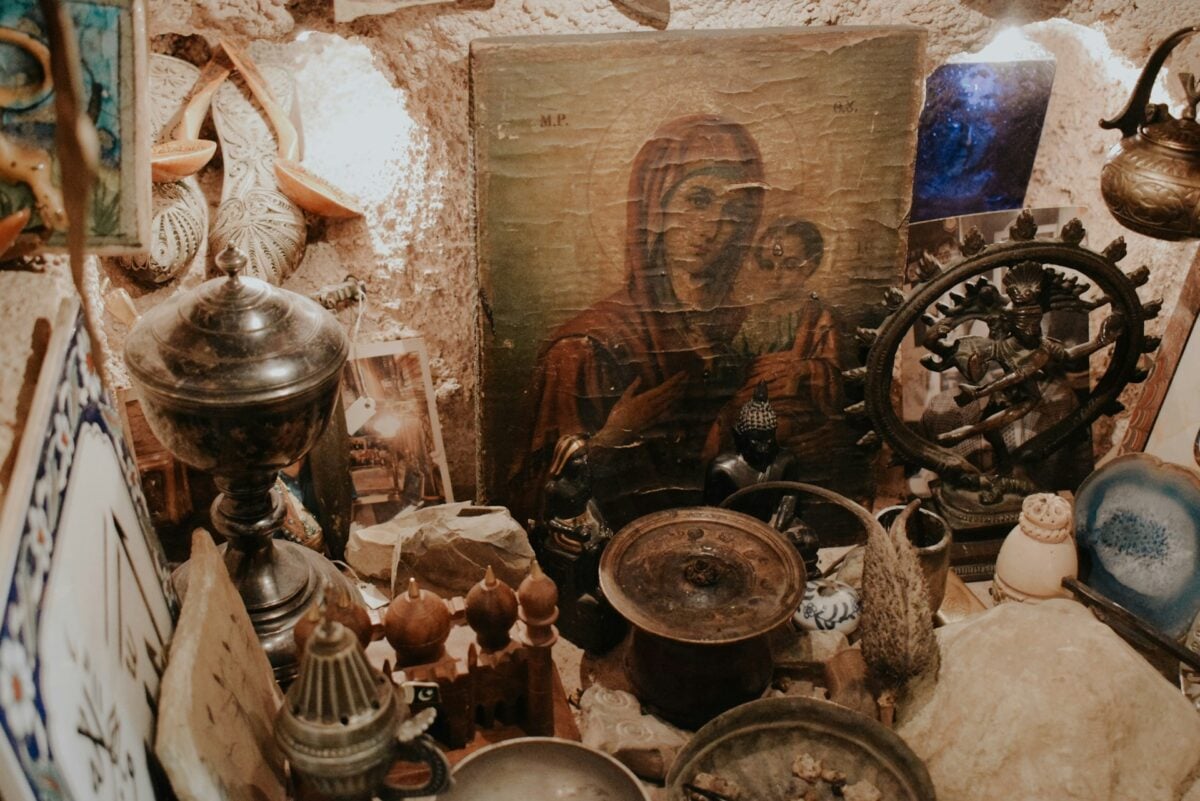
Crosses carved from unusual materials carry implications about the devotion that went into their creation. Bone, horn, metal that shows signs of repeated handling—these weren’t mass-produced items picked up at religious bookstores.
Someone spent considerable time crafting objects meant to focus prayer or demonstrate faith, and the personal investment shows in every detail.
The iconography sometimes varies from mainstream religious imagery in ways that suggest specific theological interpretations or regional traditions that have been lost to time. Saints depicted with unfamiliar symbols, biblical scenes rendered with unusual emphasis, prayer beads arranged in patterns that don’t match standard configurations—these variations hint at religious communities that developed their own customs over generations.
Taxidermy projects gone wrong
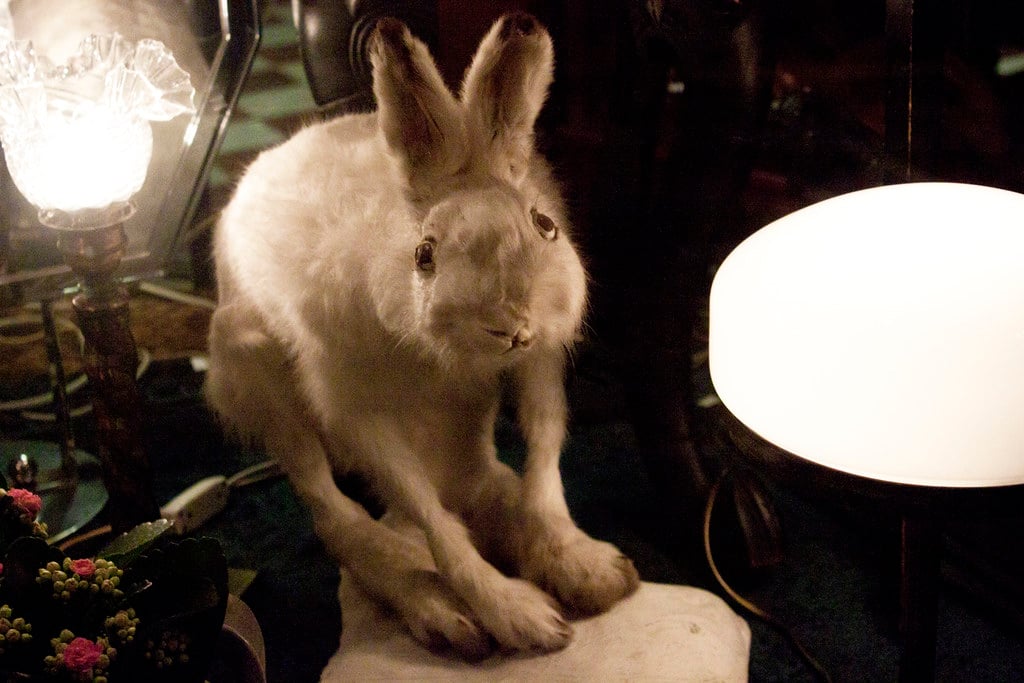
Amateur taxidermy creates creatures that occupy an uncomfortable space between life and death without achieving the dignity of either state. The eyes never quite align correctly, the fur patterns show gaps where inexperienced hands struggled with preservation techniques, and the poses suggest movement that the stiffened bodies can’t convincingly support.
These aren’t the polished displays you’d find in natural history museums—they’re the projects of hobbyists who underestimated the skill required to make death look lifelike.
The specimens often show signs of ongoing deterioration that professional taxidermy would have prevented. Moths have found their way into fur that wasn’t properly treated, joints have loosened over decades of temperature changes, and the mounting hardware has begun to fail in ways that leave the animals in positions their living counterparts never could have achieved.
Personal photographs of strangers
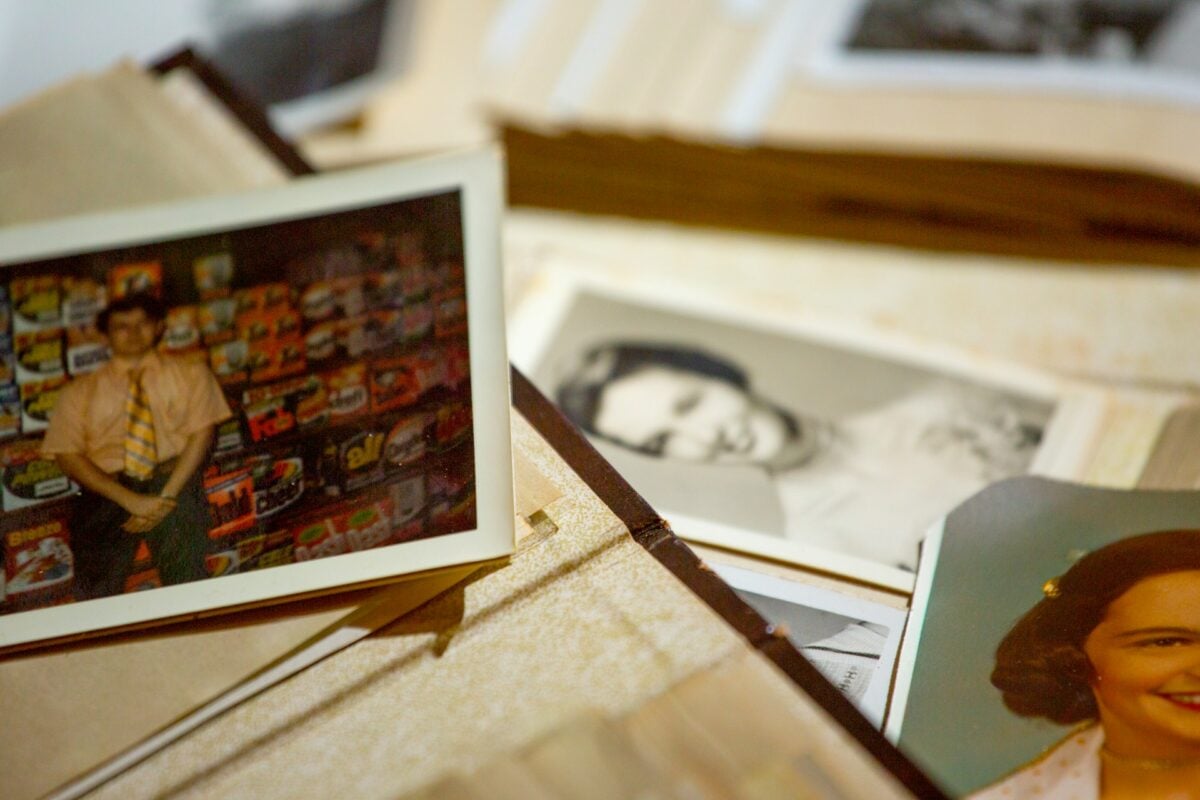
Family photos tell stories about people who expected their images to remain within their families forever (the carefully arranged holiday gatherings, the birthday parties where everyone wears clothing that dates the images to specific decades, the casual snapshots that capture moments that mattered to someone enough to preserve them on film). But estate sales and thrift stores are filled with these intimate moments now available to anyone willing to pay a few dollars for a box of someone else’s memories.
And the subjects look directly at the camera with expressions meant for people they knew and loved, not for strangers who would encounter these images decades later in completely different contexts. So there’s something voyeuristic about looking through these collections, even though they’re being sold legally and openly.
But the intimacy persists regardless of the commercial transaction, and these faces carry the weight of relationships and occasions that meant everything to someone and nothing to you.
The technical quality of the photographs often reveals how much effort went into preserving these moments—the careful composition, the attention to lighting, the multiple shots taken to ensure everyone’s eyes were open.
Musical instruments with unexplained modifications
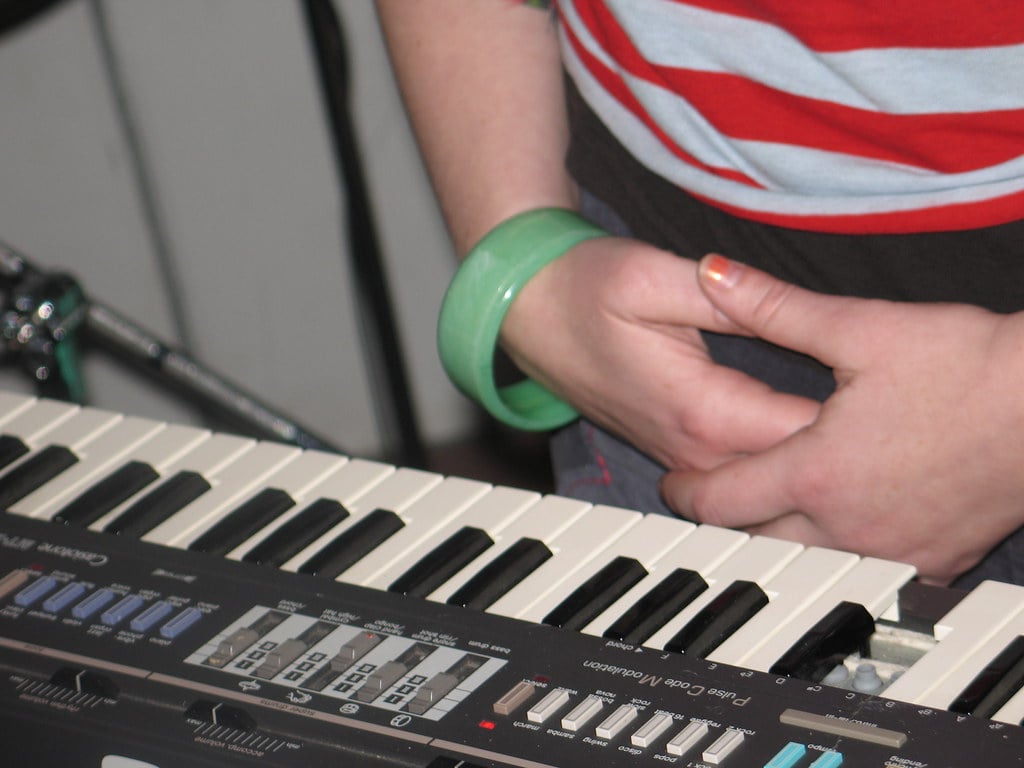
Pianos missing keys tell stories about players who either couldn’t afford repairs or chose to work around limitations rather than fix them. The remaining keys show wear patterns that suggest someone continued playing despite the gaps, adapting their technique to accommodate what was missing.
That dedication to making music under imperfect conditions carries its own emotional weight.
String instruments with amateur modifications reveal attempts to customize sound or functionality that didn’t quite achieve their intended results. Extra rounds drilled in bodies, unusual tuning peg arrangements, bridges carved from materials that don’t belong on instruments—these changes represent someone’s vision of how their instrument should work, even when that vision conflicted with acoustic reality.
A gallery of the unwanted
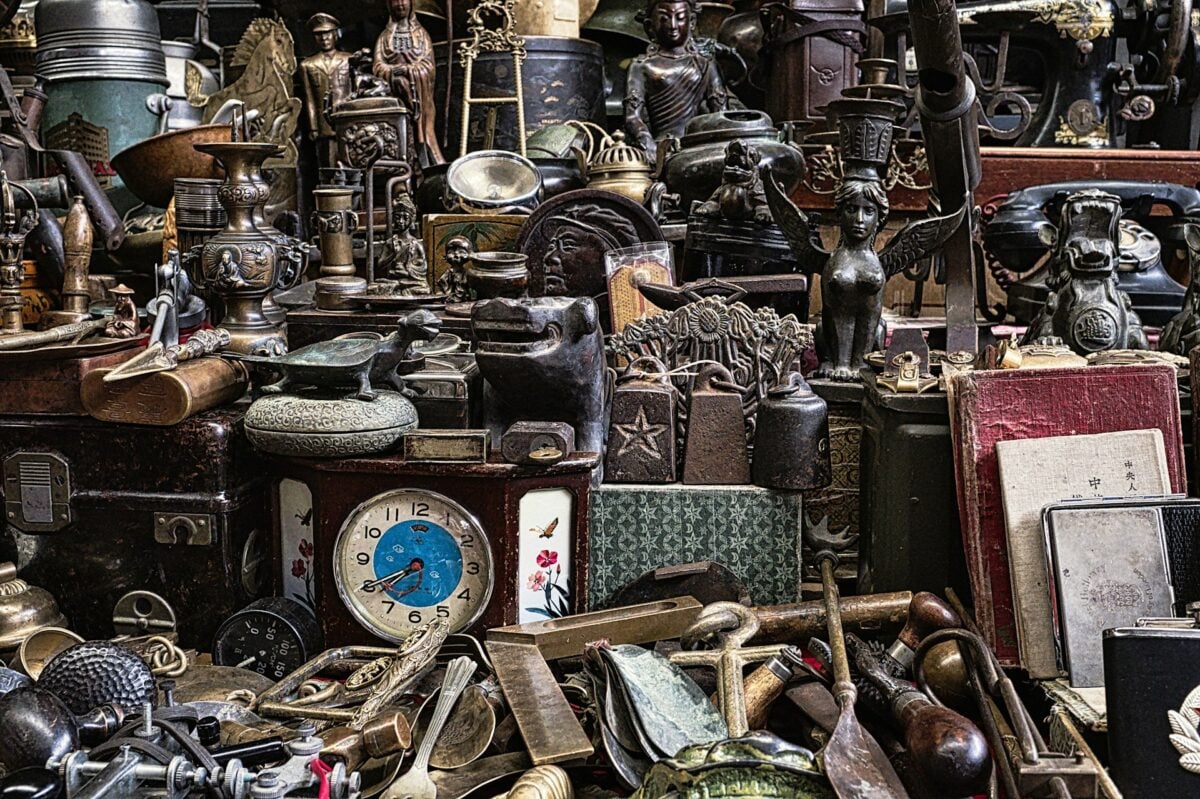
These objects share common thread beyond their unsettling appearance: they all represent someone’s attempt to create, preserve, or connect with something meaningful. The doll was once a cherished companion, the portrait honored someone’s memory, the journal held thoughts that mattered to their author.
Their current status as curiosities and conversation pieces doesn’t erase their original purpose, but it does transform their meaning in ways their creators never intended.
So next time thrift store hunting leads to an encounter with something that sends shivers down your spine, remember that object probably began its existence as someone’s source of joy, comfort, or pride. That transformation from treasure to terror happens gradually, as context disappears and stories get lost to time.
More from Go2Tutors!

- The Romanov Crown Jewels and Their Tragic Fate
- 13 Historical Mysteries That Science Still Can’t Solve
- Famous Hoaxes That Fooled the World for Years
- 15 Child Stars with Tragic Adult Lives
- 16 Famous Jewelry Pieces in History
Like Go2Tutors’s content? Follow us on MSN.