Biggest Castles Throughout History
Standing before the walls of a truly massive castle does something to your perspective. The sheer scale of these fortresses — some covering hundreds of acres, others rising like mountains from the landscape — reminds you that humans have always thought big when it came to defense and display of power.
These aren’t just buildings; they’re statements carved in stone, designed to last centuries and impress anyone who dared approach.
Malbork Castle
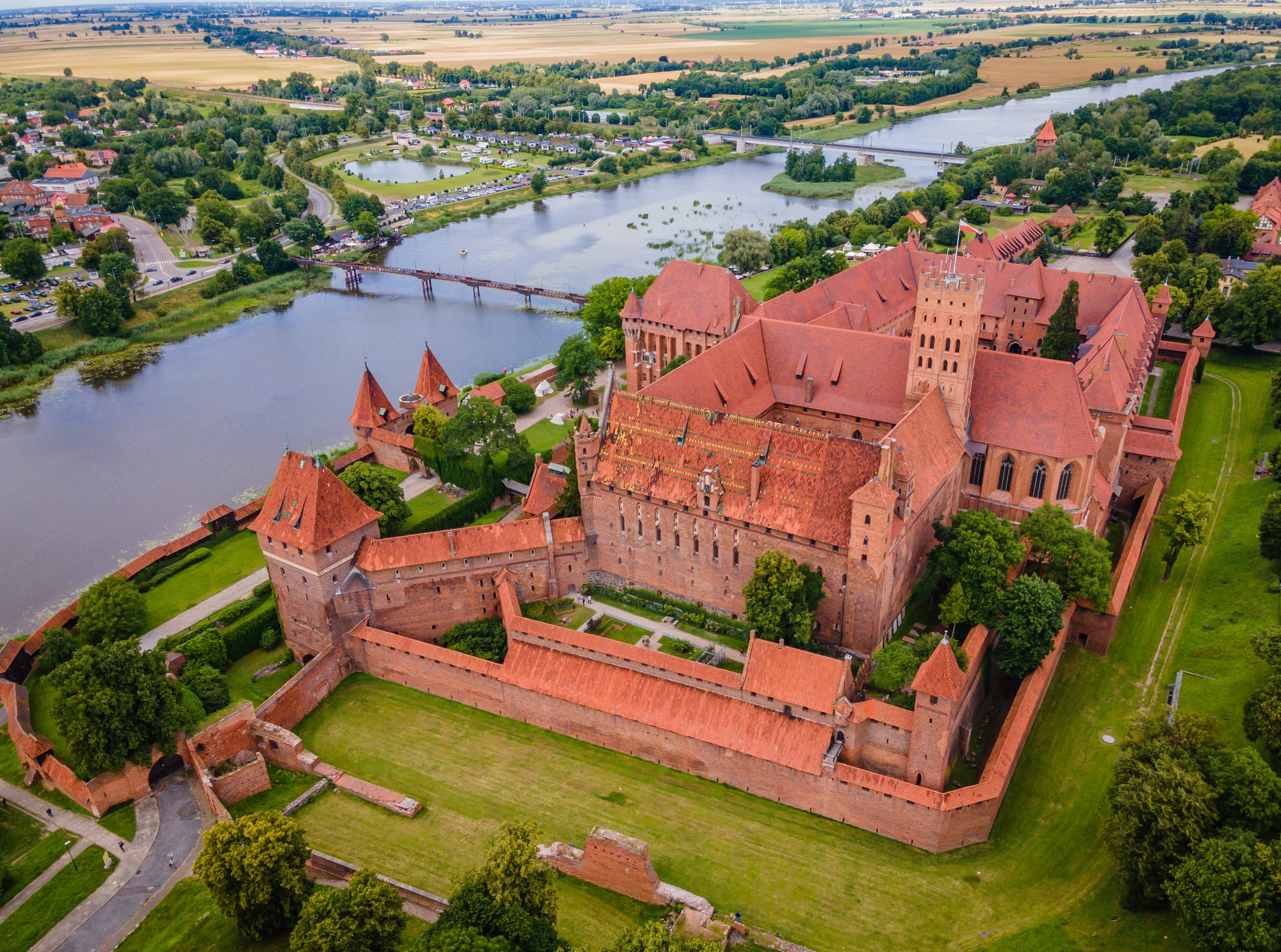
Poland’s Malbork Castle doesn’t mess around. Built by the Teutonic Knights in the 13th century, it sprawls across 52 acres of northern Poland like a brick city.
The largest castle complex in the world by land area, period.
The place housed up to 3,000 people at its peak. Knights, servants, craftsmen, clergy — an entire civilization lived within those red brick walls.
Walk through it today and you’ll still get lost in the maze of courtyards, halls, and defensive structures that seem to go on forever.
Prague Castle
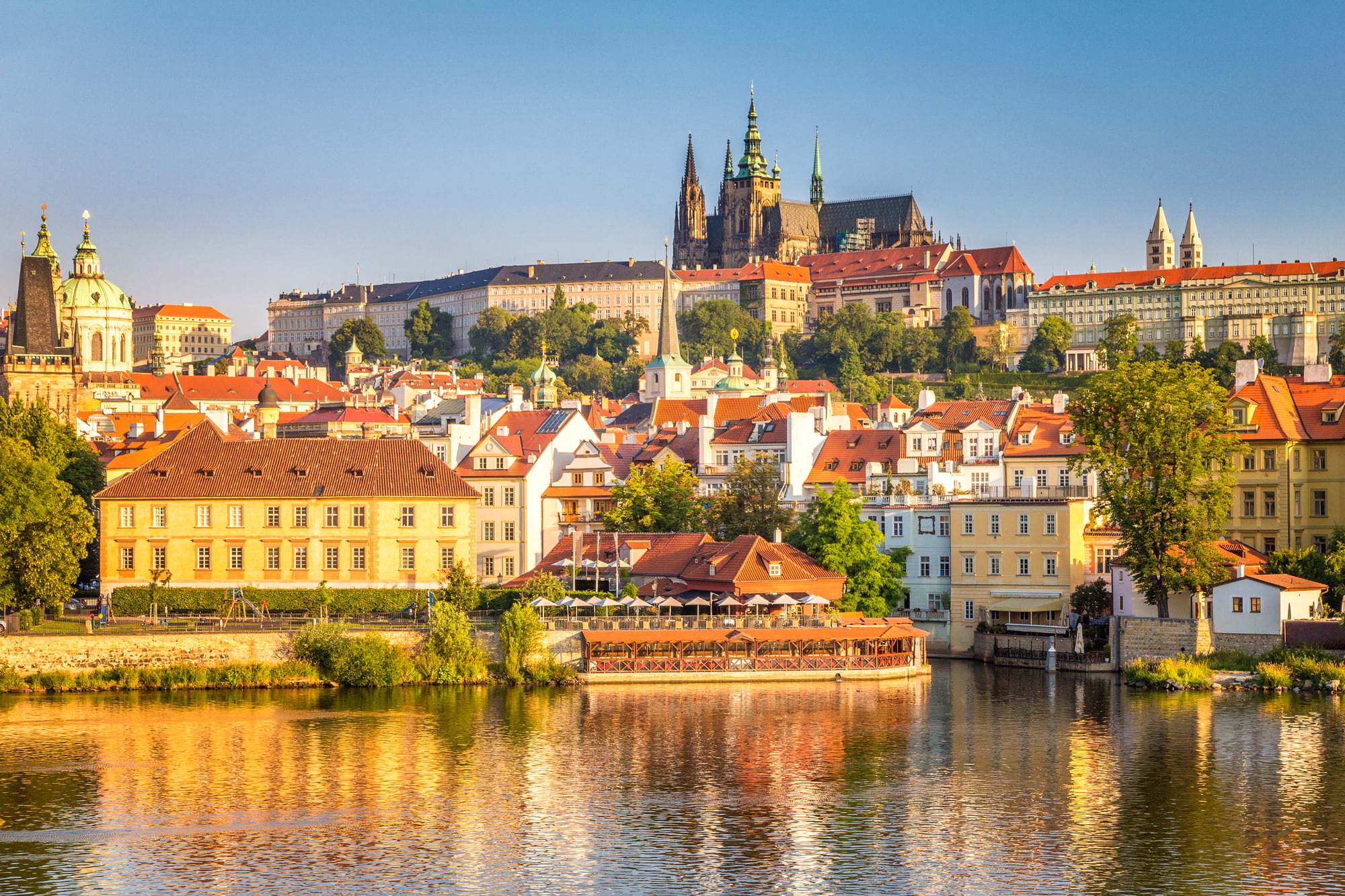
The record books officially recognize Prague Castle as the largest ancient castle complex in the world, and once you see it dominating the Prague skyline, that designation makes perfect sense. This isn’t just one building — it’s an entire district of palaces, churches, gardens, and fortifications that has been continuously built and rebuilt for over 1,000 years.
Which is something when you consider that most countries haven’t existed that long, let alone individual buildings.
But here’s what makes Prague Castle genuinely remarkable beyond its size: it has never stopped being important. Most castles become museums or ruins; Prague Castle remains the official residence of the President of the Czech Republic.
So while tourists wander through St. Vitus Cathedral and the Old Royal Palace, actual government business happens in other parts of the complex — and that continuity of purpose, that unbroken chain of political significance stretching back to the 9th century, gives the place a weight that pure size alone couldn’t provide.
The complex covers 70,000 square meters, but walking through it feels less like touring a castle and more like exploring a small city where every building happens to be historically significant. Which, to be fair, is exactly what it is.
Windsor Castle
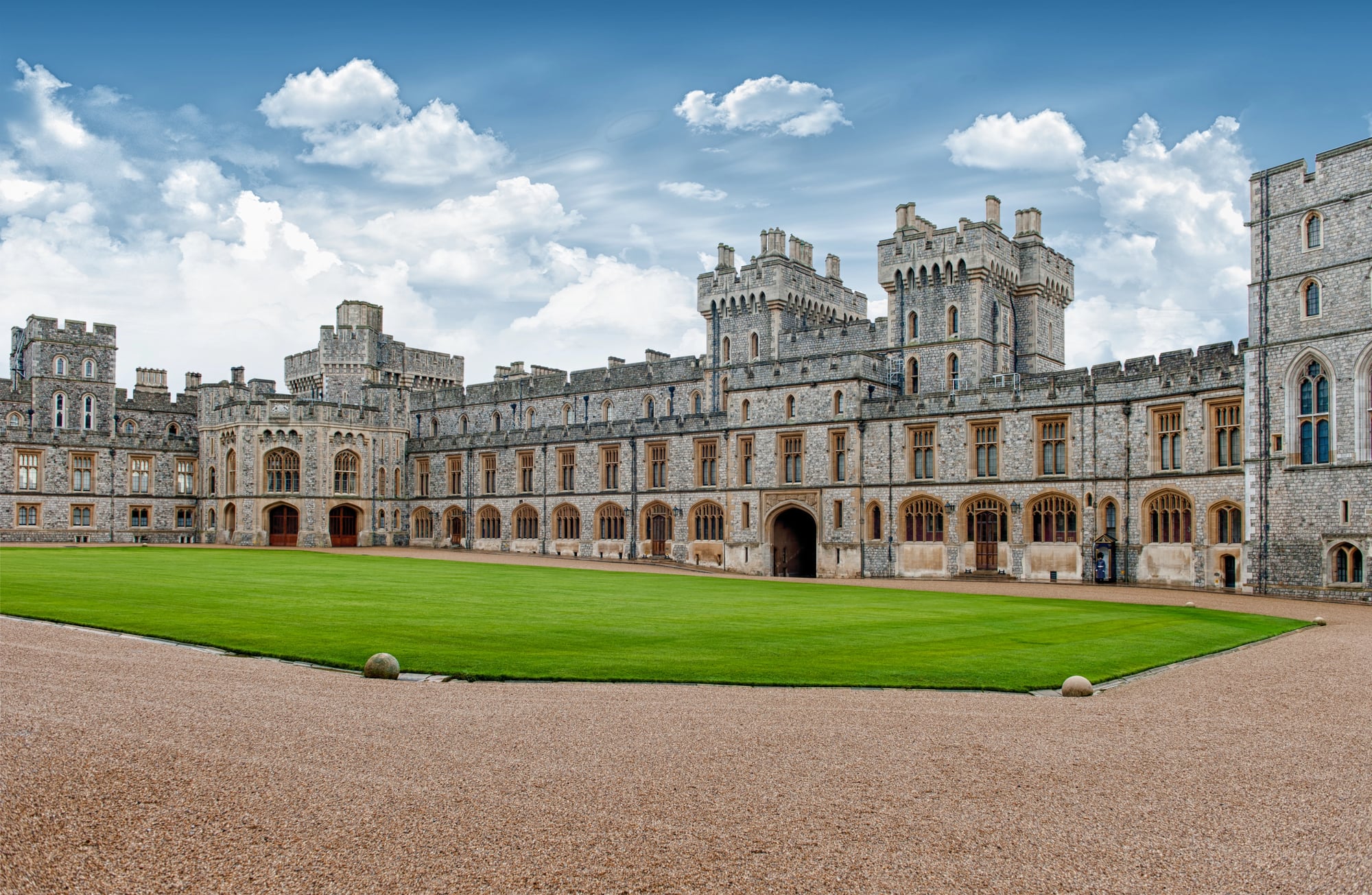
A castle that swallows entire hills tends to announce itself long before you arrive. Windsor Castle does exactly that — rising from the Thames Valley like something that grew there rather than was built, its towers and walls following the natural curve of the chalk cliff with an inevitability that feels almost geological.
The oldest occupied castle in the world, they say, though “occupied” hardly captures what happens here.
This is where the weight of a thousand years of continuous royal residence settles into the stones themselves. Kings have died in these rooms, queens have given birth, and the current monarch still considers it home.
Not a museum that happens to have a gift shop, not a tourist attraction with historical significance. An actual home that just happens to belong to the most famous family in the world and cover 13 acres of Berkshire countryside.
Hohensalzburg Fortress
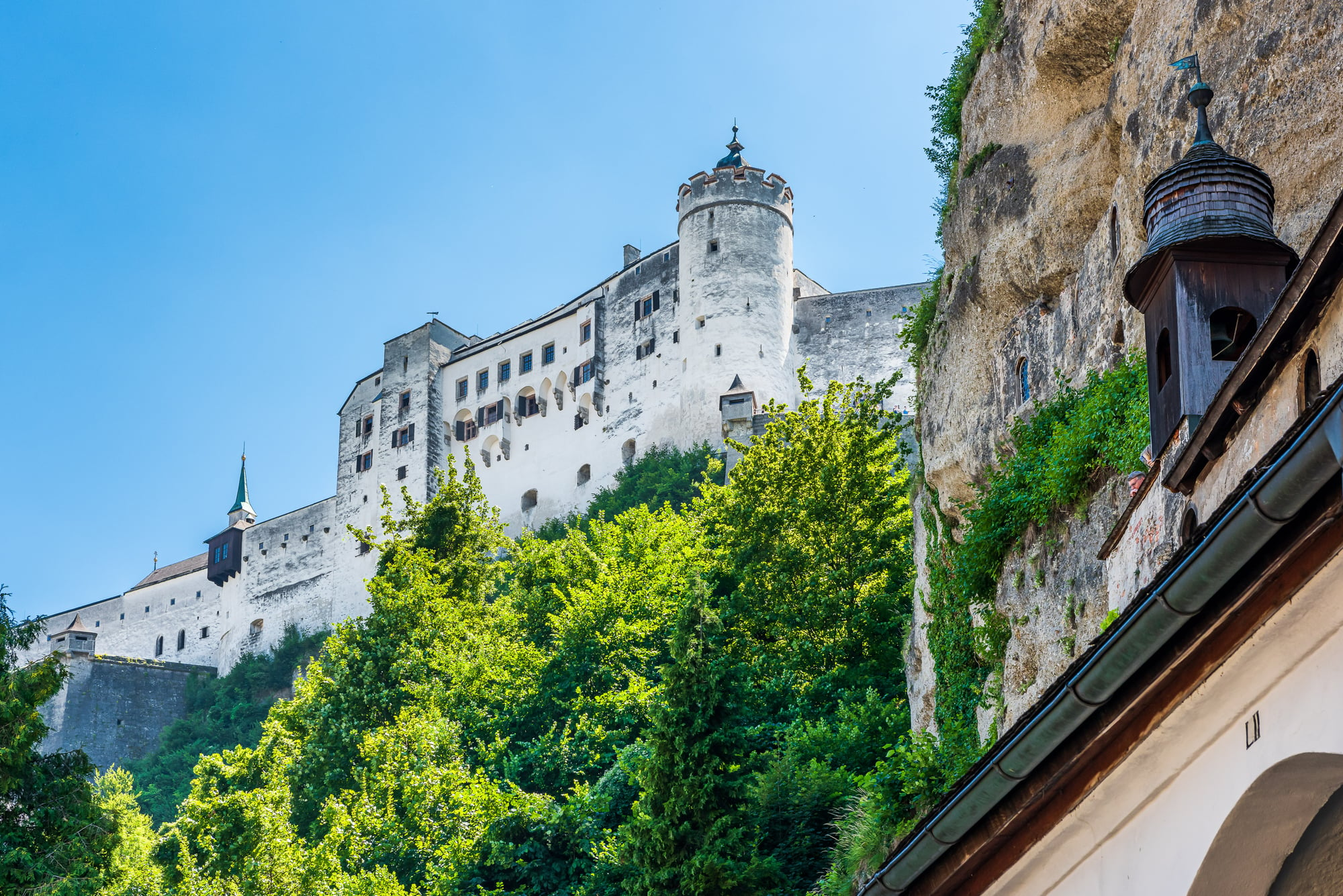
Hohensalzburg Fortress represents everything a medieval castle was supposed to be, minus the romantic nonsense. Perched 400 feet above Salzburg, Austria, it’s one of the largest medieval castles in Europe and looks like it was designed by someone who took the concept of “impregnable” seriously.
The fortress was never successfully besieged. Not once in over 900 years, which tells you something about both its strategic position and the commitment of whoever designed those walls.
Built by a series of prince-archbishops who clearly understood that combining religious authority with military might required impressive real estate.
Caerphilly Castle
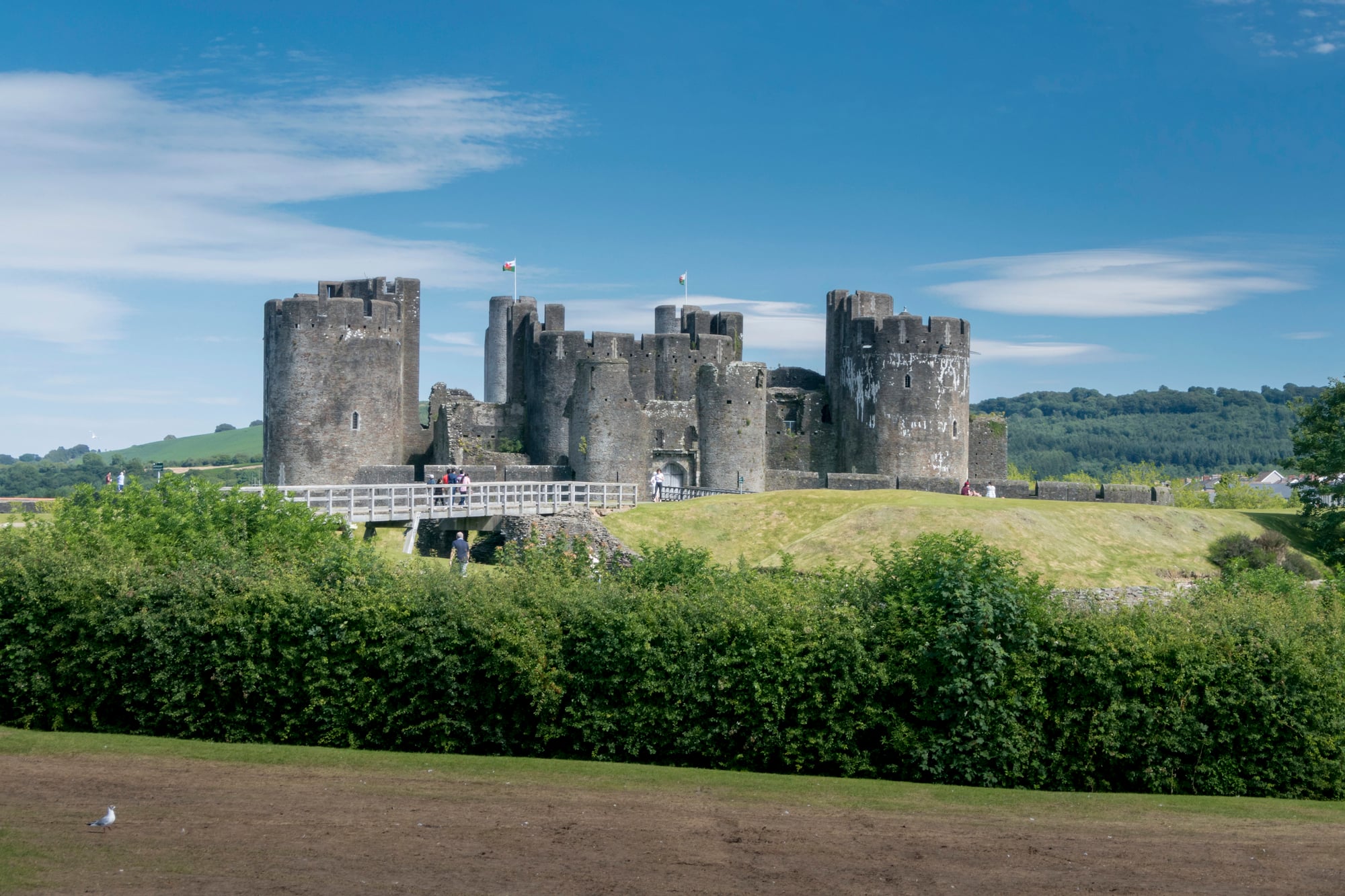
Wales does castles with a particular kind of stubborn magnificence, and Caerphilly Castle delivers exactly that — except bigger than anyone expected and surrounded by enough water to make approaching it feel like laying siege to an island. The second-largest castle in Britain covers 30 acres and sits behind a series of lakes and water defenses that were revolutionary for the 13th century.
And would still give modern military planners something to think about, which is saying something when you’re talking about 750-year-old engineering.
But what really sets Caerphilly apart isn’t just its size or its innovative water defenses: it’s the ruthless efficiency of its design. This castle was built by Gilbert de Clare, a man who had recently seen what happened to English settlers who built inadequate fortifications in Wales.
So he didn’t build an inadequate fortification — he built something that could house a small army, withstand a long siege, and make attacking it so obviously suicidal that most enemies would reconsider their life choices just looking at it.
And it worked. The castle was never taken by force, which in medieval Wales was an achievement worth noting.
Warwick Castle
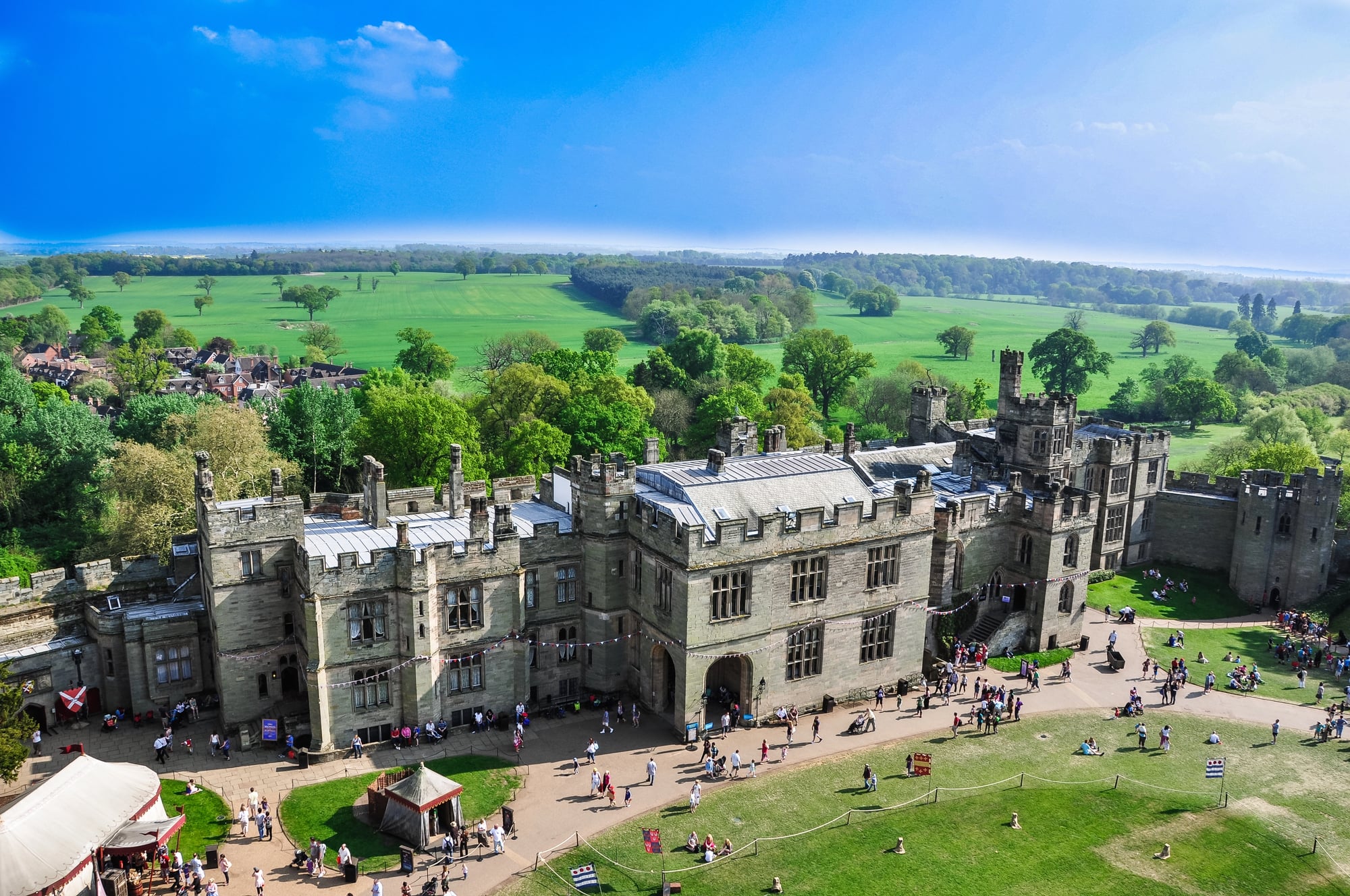
Warwick Castle sits on its bend of the River Avon like it owns the entire county. Built on a site that’s been fortified for over 1,000 years, the current structure represents centuries of additions, modifications, and improvements that transformed a simple motte-and-bailey fortress into one of the finest examples of medieval and early modern castle architecture in England.
The Great Hall could host a medieval army — and frequently did. The massive towers still dominate the landscape for miles around.
This isn’t a castle that apologizes for taking up space.
Carcassonne
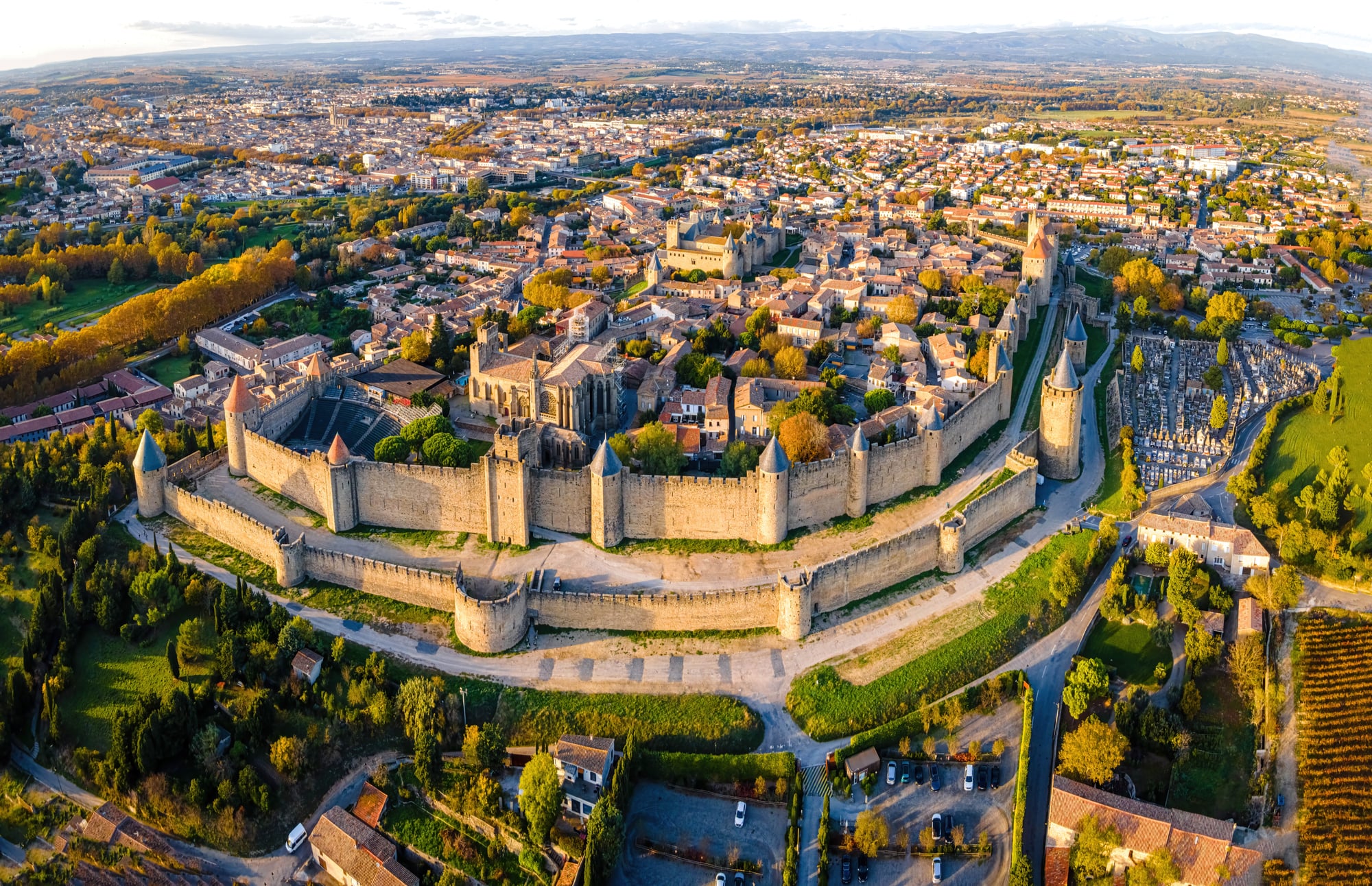
The medieval city of Carcassonne doesn’t just contain a castle — it essentially is one massive fortified complex. Double walls, 52 towers, and enough defensive architecture to protect an entire population during siege.
The largest fortress city in Europe, stretching across a hilltop in southern France like a stone crown.
Walking through Carcassonne feels like stepping into a medieval manuscript. Every tower, every wall, every defensive feature serves a purpose that becomes obvious once you understand siege warfare.
The place was built to be unbreachable, and for centuries, it was.
Conwy Castle
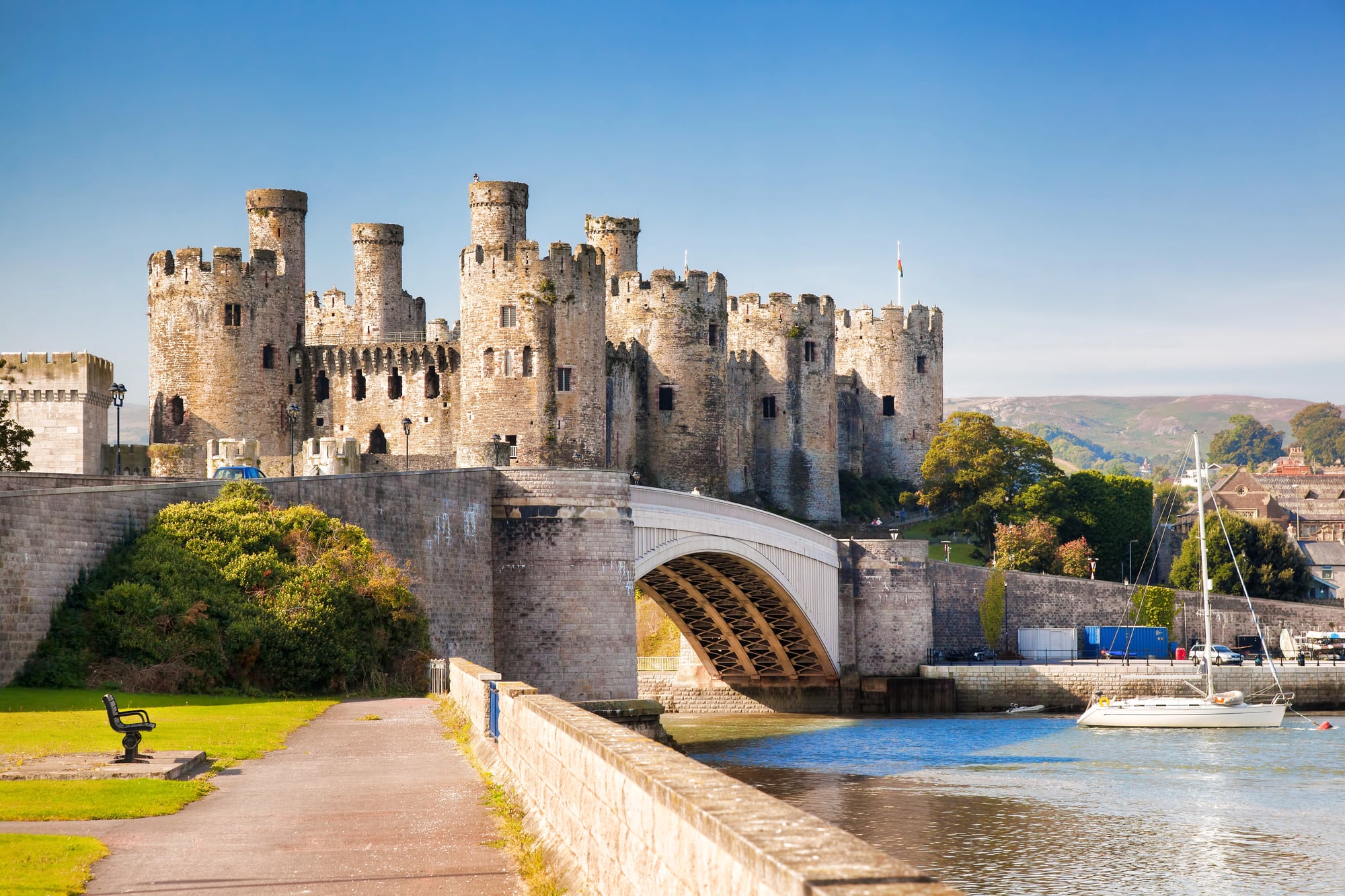
North Wales specialized in castles that made statements, and Conwy Castle’s statement was simple: approach at your own risk. Built by Edward I during his conquest of Wales, this fortress stretches along a rocky outcrop with eight massive round towers that still look like they could repel an army tomorrow morning.
Which was exactly the impression Edward wanted to make, and exactly why Welsh resistance fighters spent considerable effort trying to prove him wrong.
The castle’s curtain wall runs for over 400 meters, enclosing an area that could house the entire royal court when necessary. But it’s not just the size that impresses — it’s the precision of the military engineering, the way every angle and tower placement was calculated to create overlapping fields of defensive fire.
This wasn’t just a big castle; it was a carefully designed military machine built in stone.
And yet there’s something almost organic about how it follows the contours of the rock, as if the fortress grew naturally from the landscape rather than being imposed upon it. Which makes sense when you realize that Edward’s master castle builder, James of St. George, understood that the most effective fortifications work with the terrain rather than against it.
Neuschwanstein Castle
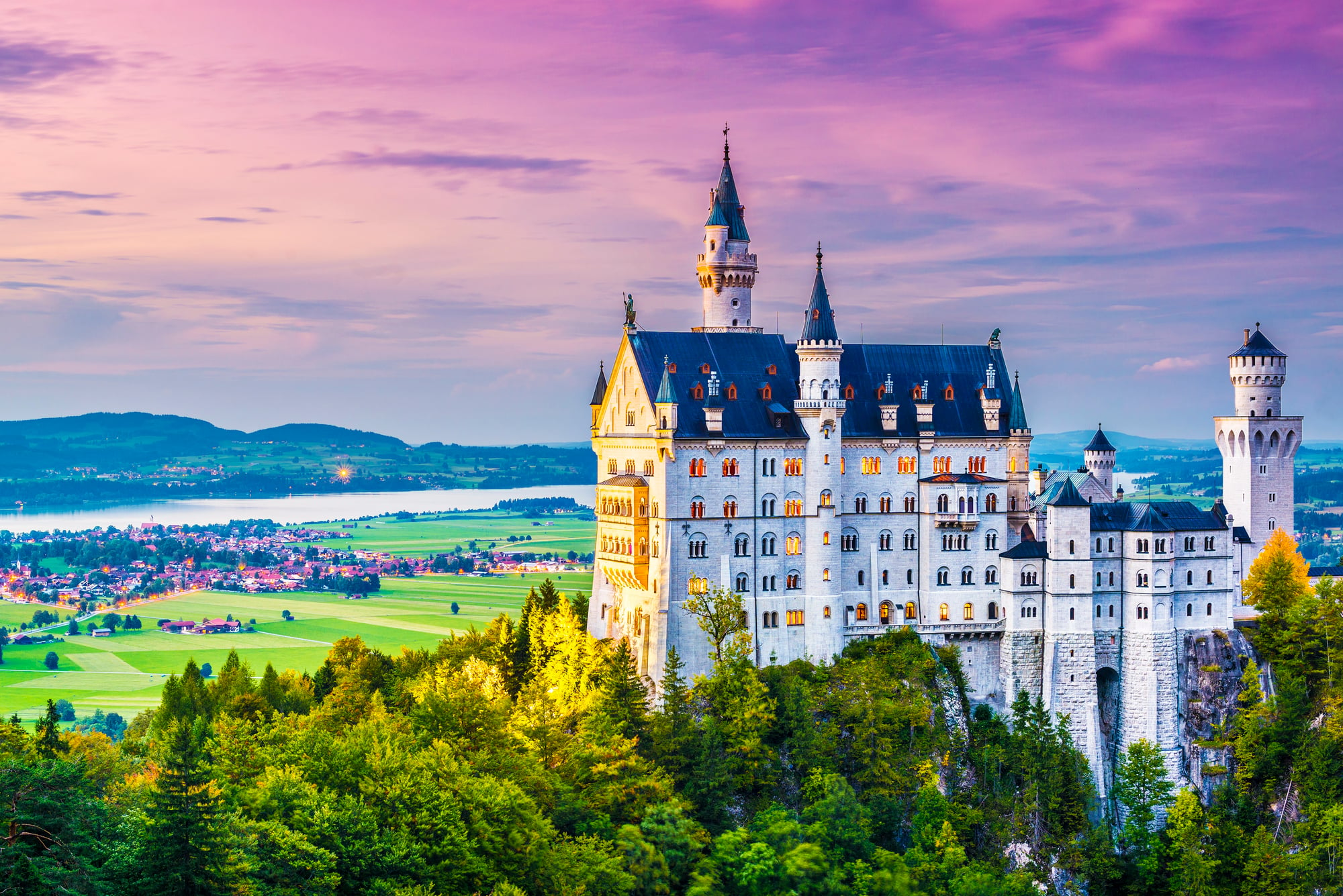
Neuschwanstein Castle stands accused of being more fairy tale than fortress, and the accusation isn’t entirely unfair. Built by Bavaria’s Ludwig II in the 19th century as a romantic retreat rather than a defensive position, it rises from its Alpine perch like something designed by committee between Wagner and a particularly ambitious set designer.
But dismiss it as mere fantasy architecture and you miss something important: Neuschwanstein is genuinely massive. The castle contains over 200 rooms, including a throne hall that was never completed and a singers’ hall inspired by medieval legend.
The scale alone puts it among the great castles of the world, even if its purpose was more about royal eccentricity than military necessity.
Château de Chambord
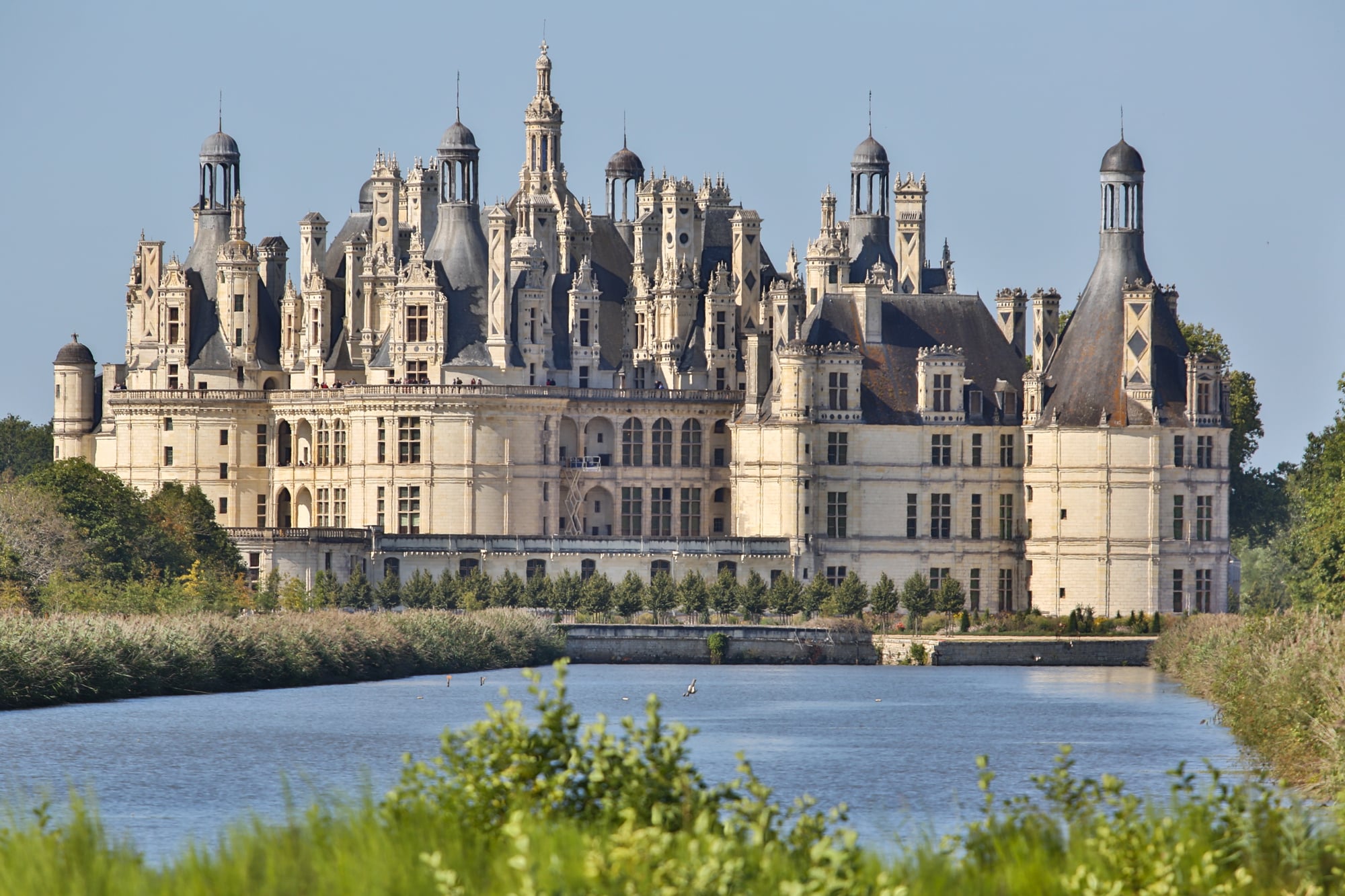
The Loire Valley’s Château de Chambord makes most castles look modest by comparison. With 440 rooms, 282 fireplaces, and 77 staircases, it’s less a castle than a small city designed by someone who believed that if you were going to build a hunting lodge, it might as well be visible from space.
François I of France commissioned Chambord as a demonstration of royal power, and the result speaks for itself. The château covers enough ground to house a small army and contains enough architectural innovation to influence castle design across Europe.
The famous double-helix staircase alone required engineering genius that most countries couldn’t afford.
Bran Castle
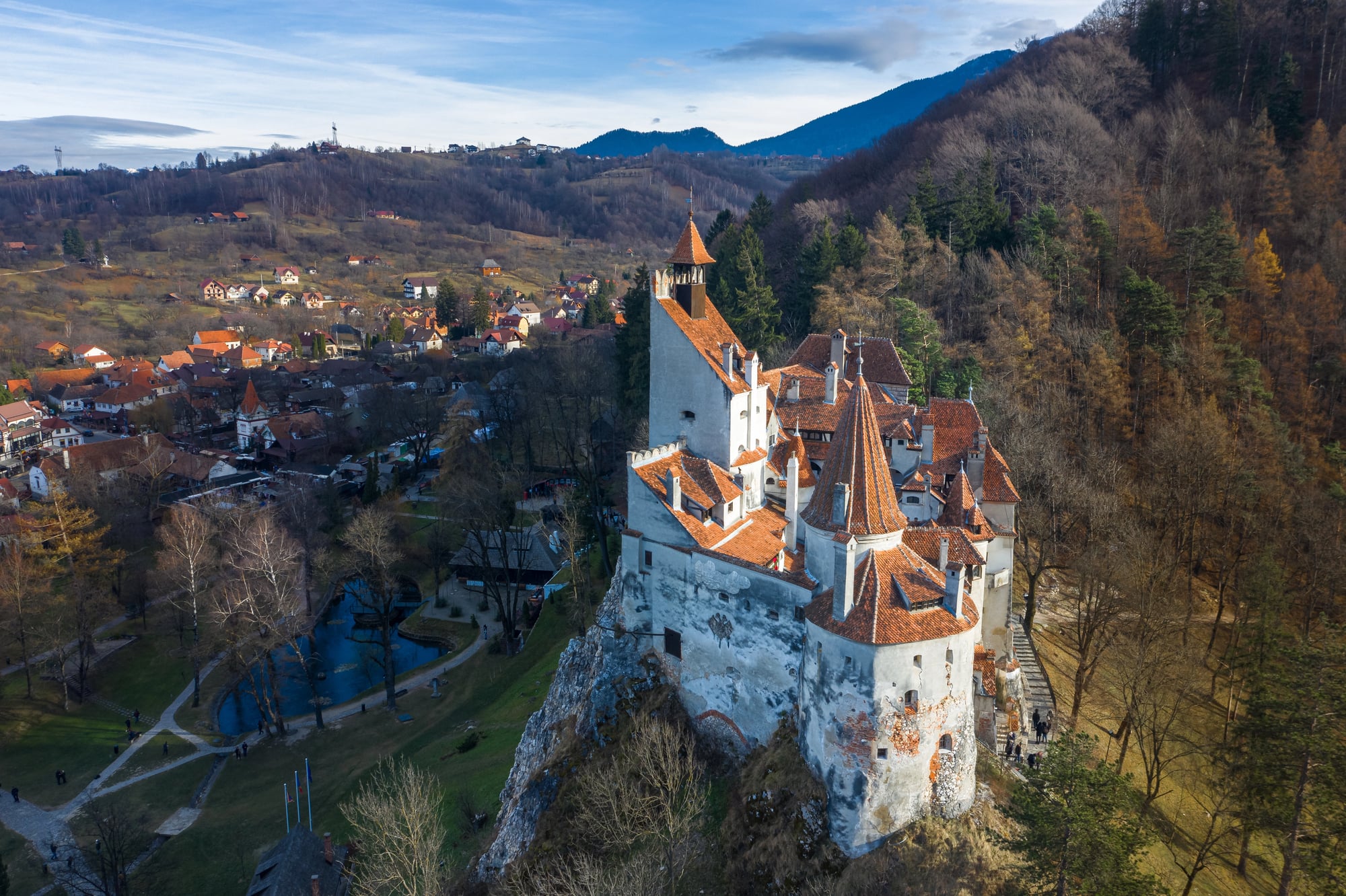
Romania’s Bran Castle earned fame as “Dracula’s Castle,” though the historical connection to Vlad the Impaler is questionable at best. What isn’t questionable is the castle’s dramatic position high in the Carpathian Mountains and its role as one of Eastern Europe’s most impressive fortresses.
Built in the 14th century to control the mountain pass between Transylvania and Wallachia, Bran Castle served a genuinely strategic purpose. The fortress could control trade routes and serve as a base for military operations across a huge area of mountainous terrain.
Edinburgh Castle
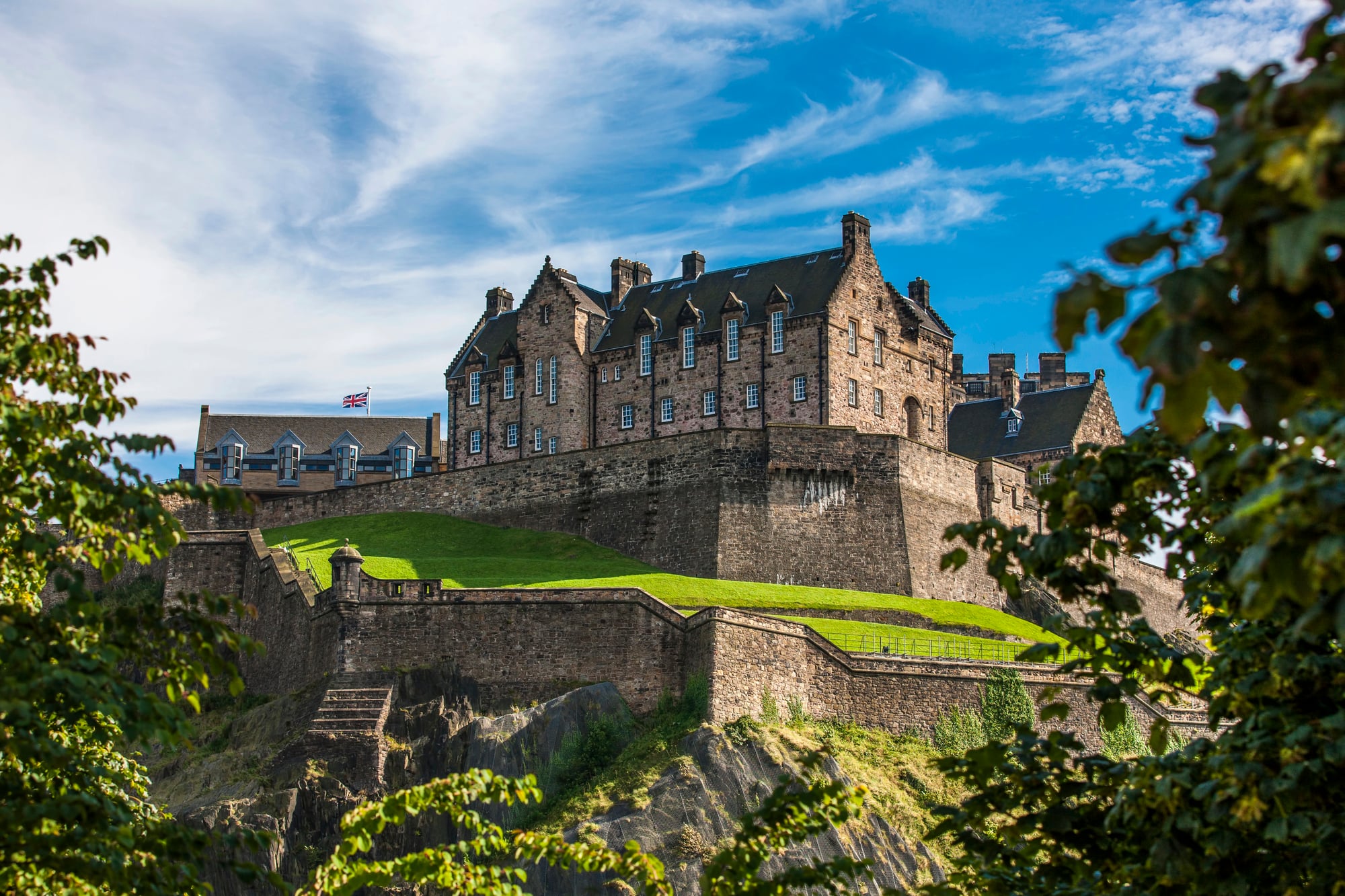
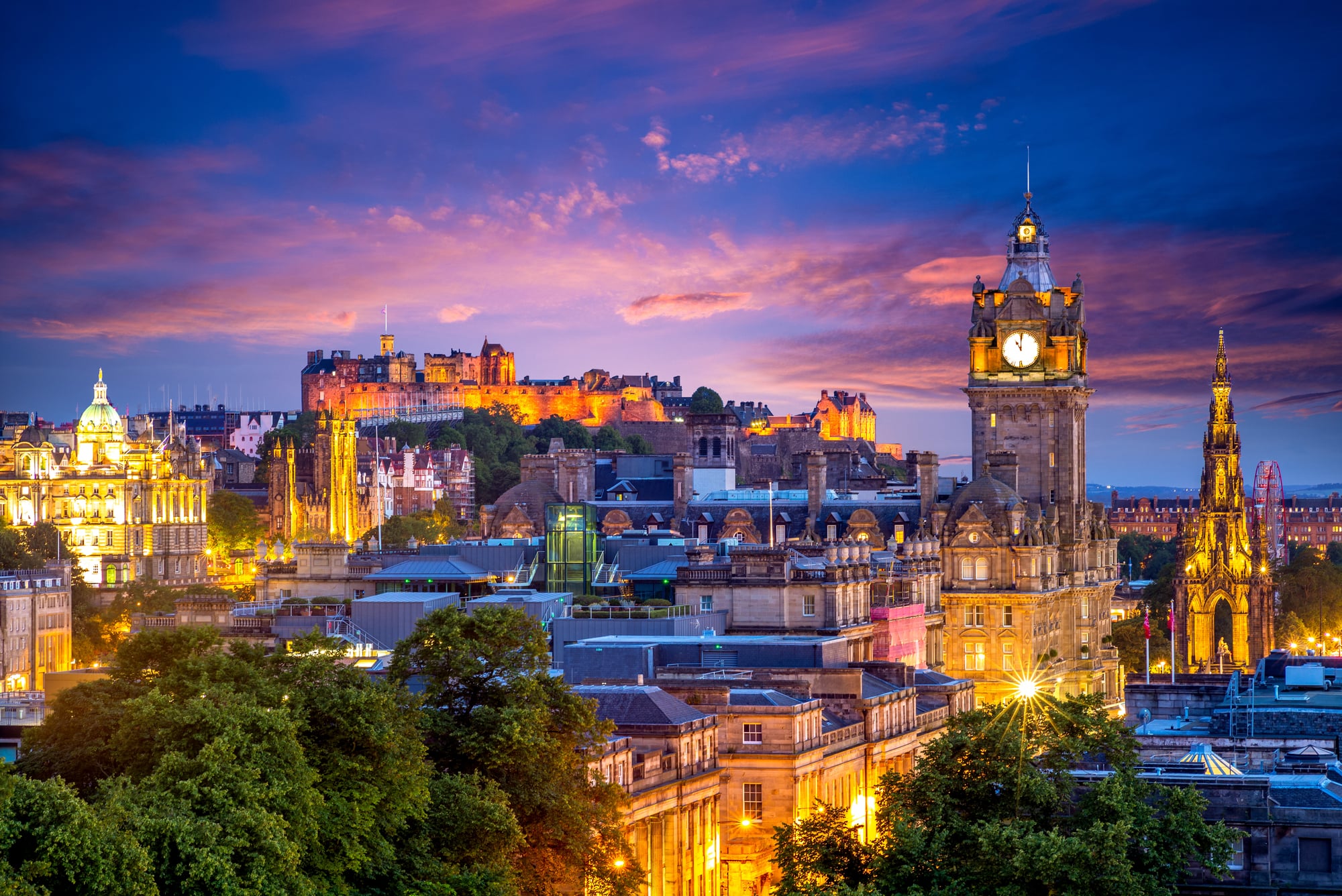
Scotland’s capital wears its castle like a crown, and Edinburgh Castle has earned that position through sheer presence. Built on an extinct volcano in the heart of the city, the castle has dominated the Scottish landscape for over 1,000 years and shows no signs of becoming modest about it.
The fortress played a central role in Scottish history, serving as royal residence, military stronghold, and symbol of Scottish independence through centuries of conflict. The Great Hall, the Royal Palace, and the military buildings spread across the volcanic rock create one of the most impressive castle complexes in Europe.
Château de Vincennes
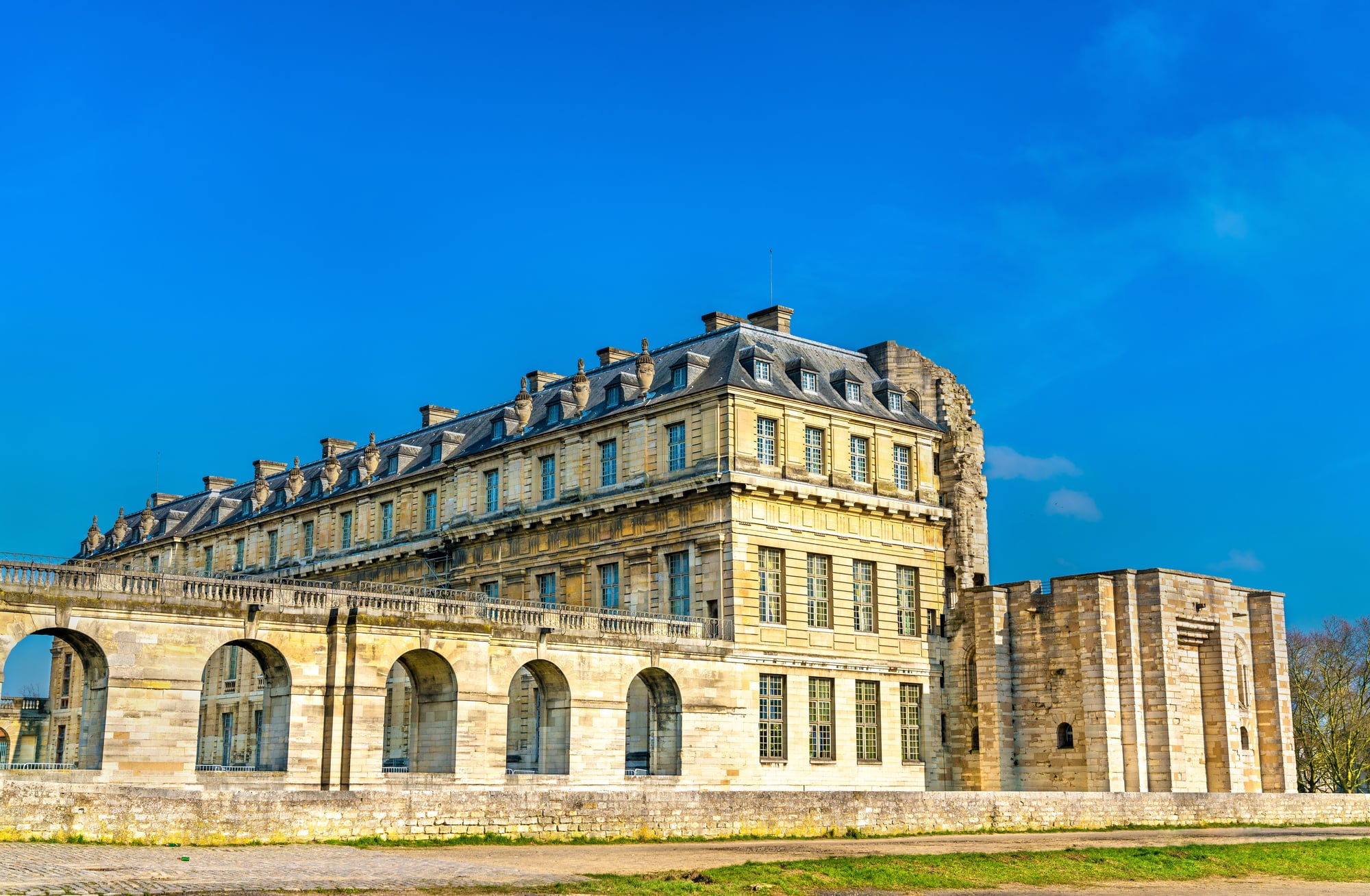
Just outside Paris, the Château de Vincennes represents French military architecture at its most serious. Built in the 14th and 15th centuries, the fortress served as both royal residence and military stronghold, with walls and towers that could withstand extended siege.
The keep rises 50 meters above the surrounding walls, making it one of the tallest medieval structures in Europe. The castle complex covers enough ground to house the entire royal court during times of crisis, which in medieval France happened with unfortunate regularity.
Kilkenny Castle
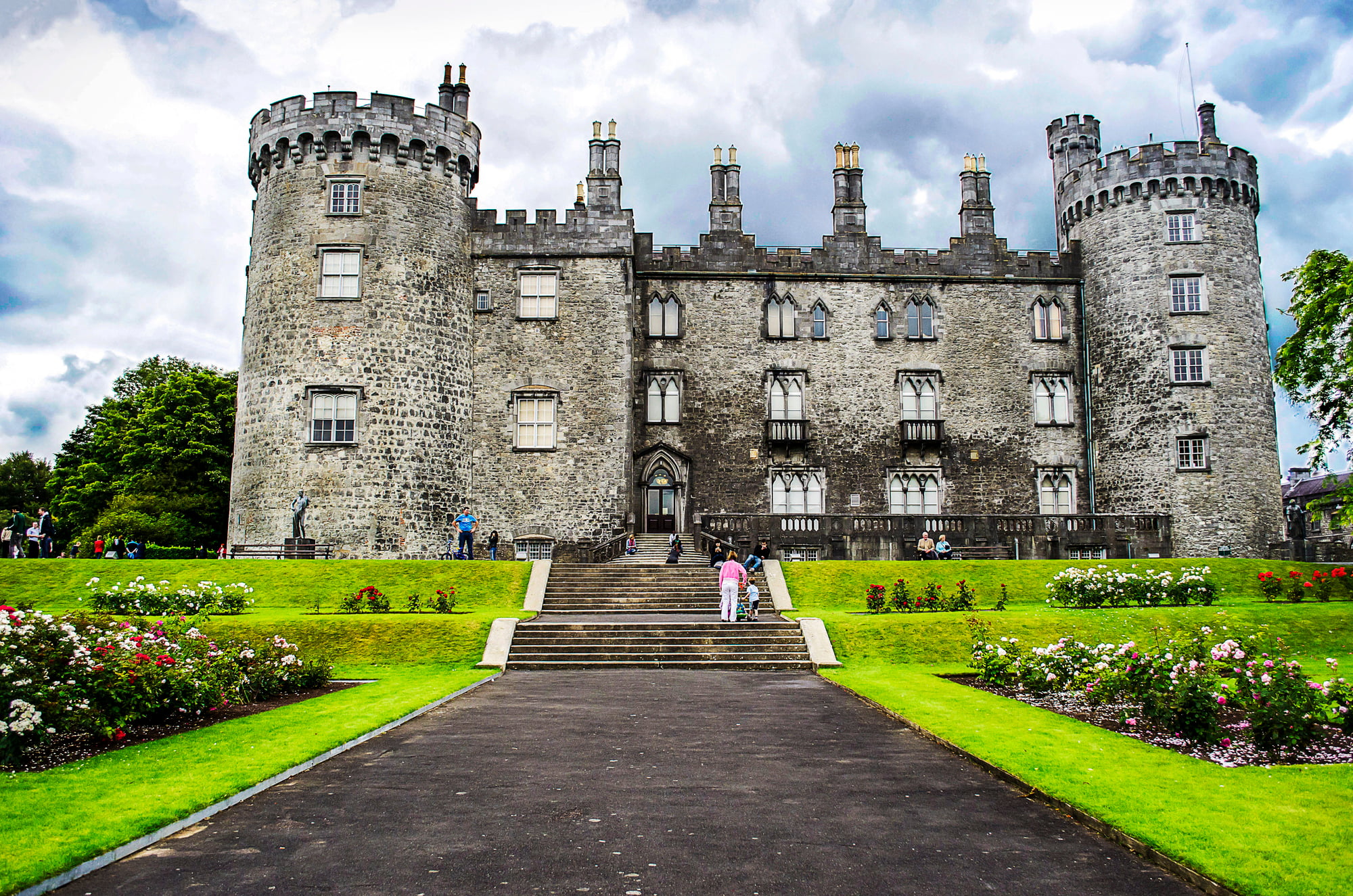
Ireland’s Kilkenny Castle overlooks the River Nore with the confidence of a fortress that has survived 800 years of Irish history. Built in the late 12th century by William Marshal, one of medieval Europe’s most successful knights, the castle served as the seat of the powerful Butler family for nearly 600 years.
The castle’s current appearance reflects centuries of modifications and improvements, transforming a Norman stronghold into an elegant residence while maintaining its defensive capabilities. The result is one of Ireland’s most impressive castle complexes, combining medieval military architecture with later residential additions.
Reflections in Stone and Time
These massive fortresses share something beyond their impressive size — they represent human ambition made manifest in stone and mortar. Each one required enormous resources, years of construction, and the coordinated effort of hundreds of skilled craftsmen.
They were built to last centuries, and most of them have delivered on that promise. Standing before any of them today, you can still feel the weight of the statement they were designed to make: power, permanence, and the refusal to be forgotten.
More from Go2Tutors!

- The Romanov Crown Jewels and Their Tragic Fate
- 13 Historical Mysteries That Science Still Can’t Solve
- Famous Hoaxes That Fooled the World for Years
- 15 Child Stars with Tragic Adult Lives
- 16 Famous Jewelry Pieces in History
Like Go2Tutors’s content? Follow us on MSN.