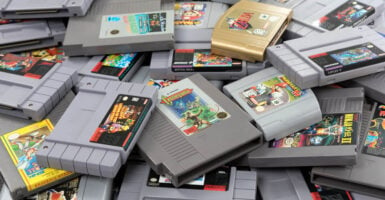
14 ’90s Gadgets That Flopped Fast
The 1990s represented a technological gold rush where companies scrambled to innovate and capitalize on the digital revolution. While some products like the PlayStation and Nokia phones became cultural icons, many ambitious gadgets failed spectacularly, disappearing almost as quickly as they arrived.
Here is a list of 14 ’90s gadgets that promised to revolutionize our lives but instead crashed and burned in record time.
Apple Newton MessagePad

Apple’s first attempt at a handheld digital assistant arrived in 1993 with much fanfare but quickly became a punchline. The Newton’s handwriting recognition was notoriously awful, often misinterpreting even the simplest words.
Despite costing around $700 (equivalent to over $1,400 today), the clunky device failed to find a market and was discontinued by 1998.
Virtual Boy

Nintendo’s 1995 Virtual Boy stands as one of gaming’s most notorious failures. The awkward tabletop virtual reality system displayed games only in red and black, causing headaches and nausea for many users.
Nintendo pulled the plug after just seven months and fewer than two dozen games, making it the company’s shortest-lived major platform.
Like Go2Tutors’s content? Follow us on MSN.
WebTV

Before smart TVs became ubiquitous, WebTV attempted to bring internet browsing to television sets in 1996. The concept was forward-thinking but the execution was painfully slow, with a frustrating interface and limited functionality.
Users quickly discovered that reading emails and browsing websites on a TV screen across the room was far less practical than using a proper computer.
Tamagotchi Connection
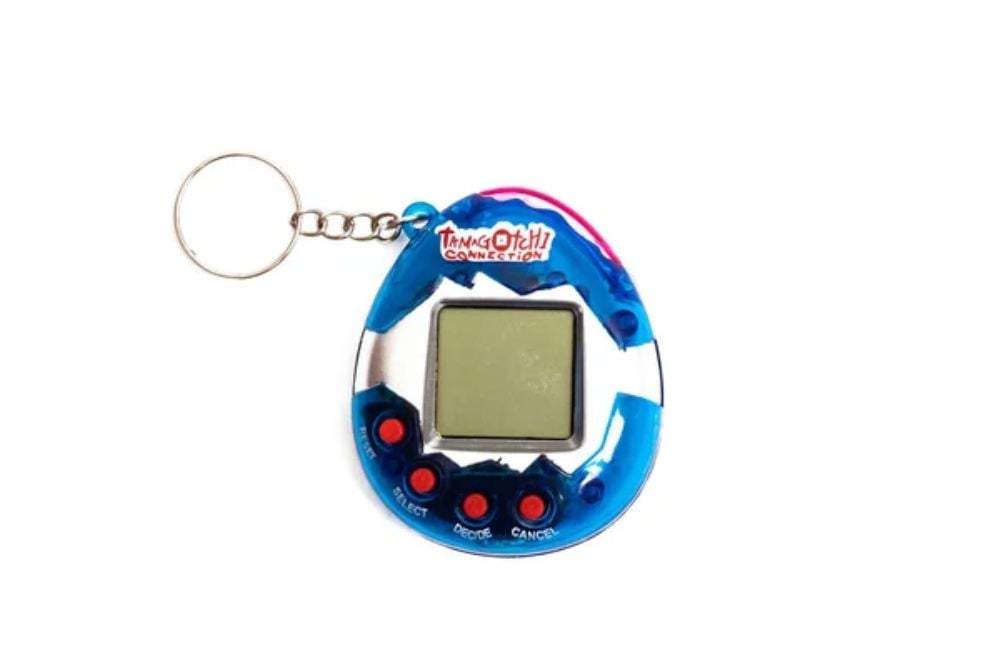
The first-generation Tamagotchi may have been a hit, but the 1998 Tamagotchi Connection flopped spectacularly in Western markets. The updated virtual pet required even more maintenance than the original and quickly frustrated users with its constant demands.
Parents grew tired of the incessant beeping while children moved on to more engaging electronic toys.
Microsoft Bob

Microsoft Bob attempted to make computers more accessible by replacing the standard interface with a cartoonish “house” where different rooms contained different applications. Released in 1995, the software was painfully slow, required substantial hardware to run, and treated users like children.
Most computer users preferred the standard Windows interface, sending Bob to the software graveyard within a year.
Like Go2Tutors’s content? Follow us on MSN.
Philips CD-i

With the CD-i, a multimedia player that could play games, movies, and instructional applications, Philips made its debut in the gaming industry in 1991. The system had lousy controllers, terrible licensed Nintendo games, and a reluctance to decide whether it was for teaching or gaming, even though Philips had spent more than $1 billion on its development.
With less than 1 million sold worldwide by 1996, it was all but abandoned.
Nokia N-Gage

Nokia attempted to combine a mobile phone with a handheld gaming system in 2003, resulting in the awkwardly designed N-Gage. The device required users to remove the battery to change games and forced them to hold the phone sideways like a taco to talk on it.
Gaming enthusiasts stuck with their Game Boys while phone users preferred devices that were comfortable to use for calls.
Sega 32X
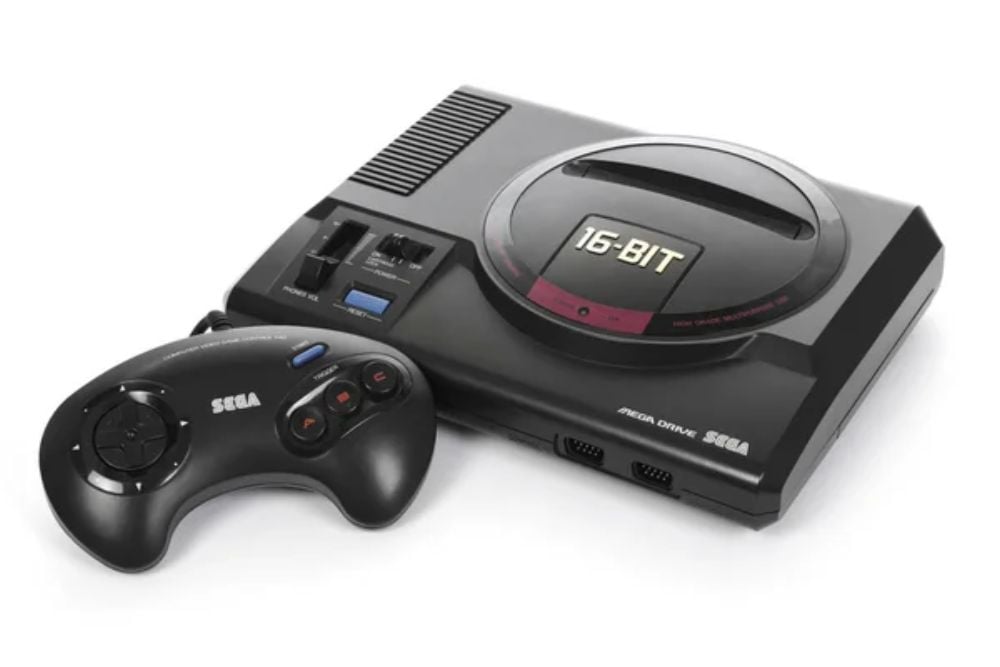
The Sega 32X was a desperate attempt to extend the life of the Genesis console in 1994. This mushroom-shaped add-on promised near-32-bit quality games but delivered a small library of mediocre titles.
At $159 (around $300 today), consumers balked at paying so much for an accessory, especially since Sega had already announced the Saturn console. The 32X was discontinued after just one year.
Like Go2Tutors’s content? Follow us on MSN.
MiniDisc Player
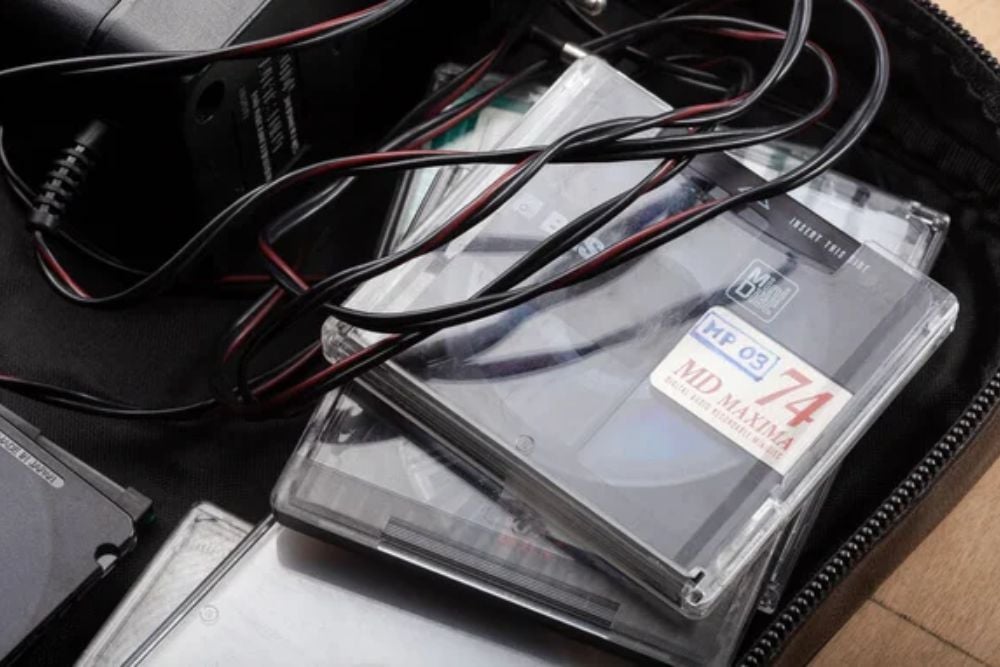
Sony’s MiniDisc format launched in 1992 as the supposed successor to cassette tapes, offering digital recording in a compact format. Despite superior technology and recording capabilities, the format never gained traction in North America.
CD players were already entrenched, and the proprietary format and expensive media made MiniDiscs a tough sell for consumers who weren’t audio enthusiasts.
LaserDisc
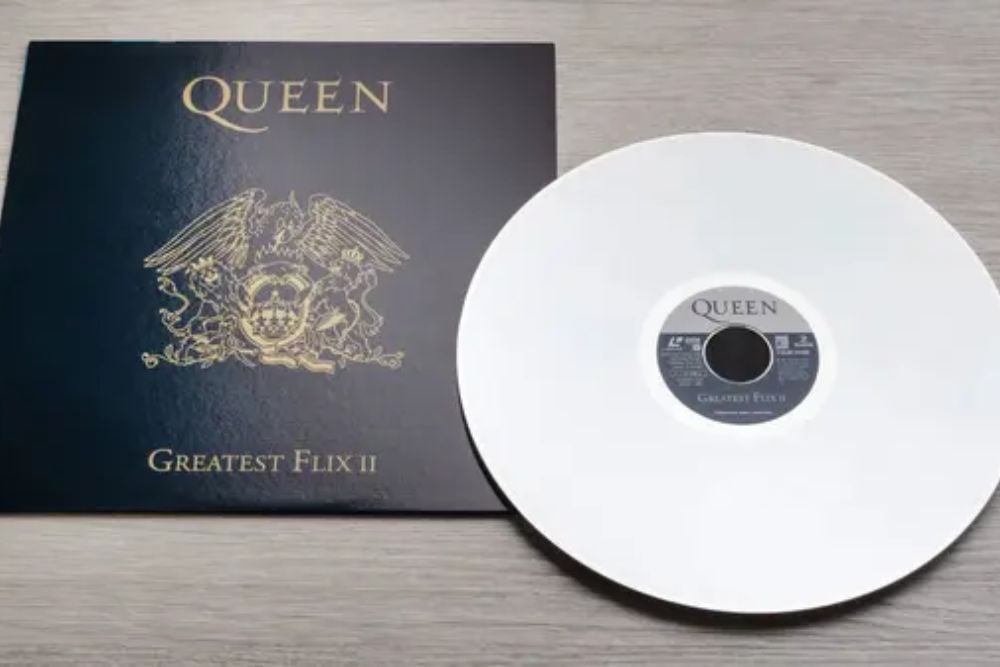
Though LaserDisc technology actually originated in the 1970s, it made its biggest push for mainstream adoption in the early ’90s. The pizza-sized discs offered superior audio and video quality compared to VHS but were expensive, couldn’t record, and the players were massive.
The format became a niche product for film enthusiasts before DVDs arrived and offered similar quality in a much more convenient package.
PalmPilot Clones

After the PalmPilot found success, dozens of companies rushed to create knockoff personal digital assistants in the late ’90s. Devices like the Royal daVinci and Franklin eBookMan tried to capitalize on the PDA trend but offered poor build quality and clunky software.
Most disappeared within months as consumers either chose the real Palm devices or waited for better alternatives.
Like Go2Tutors’s content? Follow us on MSN.
Iomega Zip Drive

The Iomega Zip Drive debuted in 1994 as a high-capacity storage solution, holding up to 100MB compared to the standard 1.44MB floppy disk. Initially popular, the drives developed a fatal flaw dubbed the “click of death” where mechanical failures would destroy both the drive and the data.
As CD-R drives became affordable and offered greater capacity, the Zip Drive’s reputation was too damaged to recover.
Quadra Link
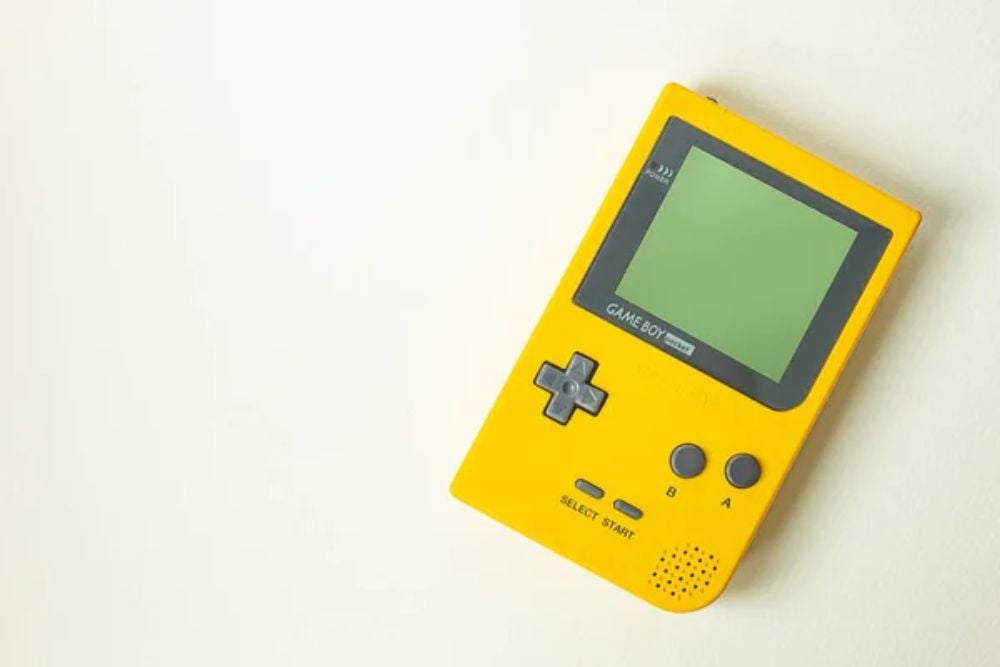
The Quadra Link promised to revolutionize gaming in 1994 by allowing four players to use a single Game Boy. The adapter plugged into the link cable port and theoretically allowed multiplayer gaming without everyone needing their own console.
Unfortunately, almost no games supported the accessory, and those that did suffered from terrible lag and connection issues. The device disappeared from store shelves within months.
Pippin
Apple’s ill-fated attempt to enter the gaming market came in 1996 with the Pippin, manufactured by Bandai. This underpowered console cost a whopping $599 (over $1,100 today) while offering weaker performance than competitors like the PlayStation and Nintendo 64.
With only 18 games ever released in North America and an awkward controller nicknamed the “Apple Jack,” the Pippin sold fewer than 42,000 units before being discontinued.
Like Go2Tutors’s content? Follow us on MSN.
The Legacy Lives On

In addition to being failures, these technological blunders taught important lessons that influenced subsequent advancements. When technology caught up with ambition, many of the ideas first proposed in these failed devices eventually achieved success in subsequent incarnations.
Even though the 1990s were full of digital missteps, the state of technology today might be very different had these failed innovations never existed.
More from Go2Tutors!

- 18 Unexpectedly Valuable Collectibles You Might Have Lying Around
- 15 Things Every Teenager in the ’70s Did That Teens Today Wouldn’t Understand
- 15 Strange Things People Have Tried to Ban (And Failed)
- 15 Inventions That Were Immediately Banned After Being Created
- 20 Actors Who Were Almost Cast in Iconic Roles
Like Go2Tutors’s content? Follow us on MSN.