15 Everyday Things Completely Banned in North Korea
Most people take for granted the small freedoms that define daily life — choosing what to wear, listening to preferred music, or traveling without permission. These ordinary liberties seem so basic that imagining life without them feels almost impossible.
Yet in North Korea, the world’s most isolated nation, such restrictions aren’t theoretical. They’re reality for 25 million people living under one of history’s most controlling regimes.
The Democratic People’s Republic of Korea operates under a system where the state controls nearly every aspect of human existence. What outsiders consider normal daily activities — from hairstyles to internet access — are either strictly regulated or completely forbidden.
The extent of these prohibitions reveals a society where personal choice has been systematically eliminated in favor of absolute state control.
Jeans and Western Fashion

Wearing jeans can land you in serious trouble. The denim fabric represents American culture, making it a direct threat to the regime’s ideology.
The specific blue color associated with American workwear makes blue jeans particularly offensive to authorities. Dark jeans might slip by, but that classic blue immediately signals foreign influence.
Anyone caught wearing them faces interrogation about where they acquired such clearly Western clothing. The assumption is always that forbidden trade or consumption of foreign media is involved.
More broadly, all clothing that reflects foreign style trends is forbidden. This extends beyond jeans to include branded items, certain cuts, and anything that suggests outside cultural influence.
Fashion police actively monitor public spaces for violations. Citizens are expected to dress in practical, modest clothing that reflects socialist values rather than individual expression or international trends.
Foreign Movies and TV Shows

Watching a Hollywood film or Korean drama carries severe penalties, including potential imprisonment. The government maintains absolute control over entertainment content.
Only state-approved productions that glorify the leadership are permitted.
The black market for foreign media exists, but getting caught means facing charges of consuming “decadent capitalist propaganda.” Even something as innocent as a romantic comedy becomes dangerous contraband when it comes from the outside world.
Travel Without Permission

Movement within the country requires official permits — and getting them isn’t easy, especially if you’re trying to leave your assigned region for anything beyond approved work or family emergencies. The concept of spontaneous travel, of deciding on a Tuesday that you’d like to visit a different city, simply doesn’t exist here.
So citizens remain tethered to their birthplaces like plants rooted in government-designated soil. And the borders?
Those might as well be the edge of the earth, because crossing them without permission is considered treason. The country operates as a massive prison where the bars are invisible but absolutely real.
Coca-Cola
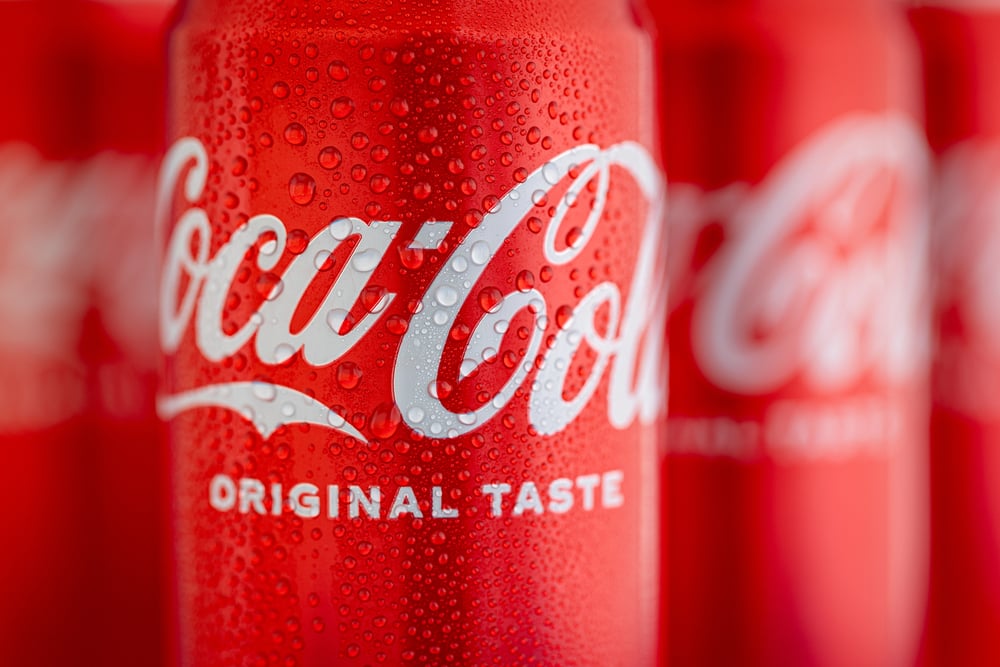
You can’t buy Coca-Cola anywhere in North Korea. The drink represents everything the regime opposes about American capitalism.
International Phone Calls

Making calls outside North Korea is forbidden for ordinary citizens. The government controls all communication with the outside world to prevent information from flowing in either direction.
Even domestic calls are monitored, but international communication is completely off-limits unless you’re a high-ranking official conducting state business. Families separated by borders have no way to maintain contact through official channels.
Religious Practice

Faith operates in the shadows here, if it operates at all, because acknowledging any authority higher than the Kim dynasty challenges the entire foundation of state control. Churches exist as museum pieces or propaganda tools, but genuine religious practice — the kind where people actually believe and worship according to their conscience — that’s been methodically crushed.
The state’s ideology doesn’t just discourage competing belief systems; it systematically replaces them with mandatory reverence for the leadership. Prayer becomes dangerous when it’s directed toward anyone other than the ruling family.
And yet, somehow, in the quiet corners of this controlled society, whispers of faith persist — because the human need for meaning apparently refuses to be legislated away completely.
Listening to Foreign Music

K-pop from South Korea is especially dangerous to possess. Western music faces similar restrictions.
The penalty for owning foreign songs has increased dramatically in recent years, with some cases resulting in lengthy prison sentences.
The government views outside musical influences as cultural contamination that could inspire dissent or longing for different ways of life.
Unauthorized Haircuts

Approved hairstyles are limited to a state-sanctioned list. Men and women must choose from government-approved options that reflect socialist values rather than foreign fashion trends.
Barbers and hairstylists are trained to report unusual requests. Getting caught with an unauthorized style means facing accusations of imitating decadent Western or South Korean culture.
Private Car Ownership

Most citizens cannot own private vehicles — and frankly, there’s nowhere to go anyway, since travel requires permits and gasoline remains scarce and expensive. The roads belong primarily to government officials, military personnel, and the occasional taxi operating under state oversight.
Walking, bicycles, and overcrowded public transportation handle most civilian movement within approved areas. Car ownership would represent independence that the system cannot tolerate, because independent movement leads to independent thinking, which leads to questions the government prefers remain unasked.
Even if you could somehow acquire a car, the lack of infrastructure and fuel access would make ownership nearly meaningless — which is probably exactly how the authorities prefer it.
Internet Access

Regular citizens have no access to the global internet. The country operates its own internal network with limited, heavily censored content approved by state authorities.
Even this restricted intranet is available only to a small percentage of the population. Most people have never experienced online communication, social media, or access to information beyond what the government provides through official channels.
Sarcasm About the Government

Making jokes about leadership isn’t just discouraged — it’s treated as a serious crime against the state. Sarcasm implies critical thinking about authority, which the system cannot tolerate.
Foreign Currency

Using dollars, euros, or any non-North Korean currency for transactions is prohibited for regular citizens, though it happens anyway in black markets. The government maintains strict control over foreign exchange to limit outside economic influence.
Getting caught with significant amounts of foreign money raises immediate suspicions about illegal trade or contact with foreigners, both of which carry serious legal consequences.
Unauthorized Books and Newspapers

Reading materials from outside North Korea are completely banned — no exceptions, no gray areas, no “educational purposes” defense that might work elsewhere. Every book, magazine, and newspaper must carry official approval before citizens can legally possess it.
The penalties for hidden foreign reading material have grown harsher over time, especially for anything originating from South Korea or containing information that contradicts official state narratives. Personal libraries are subject to random inspection, and even having a book in a foreign language can trigger investigations into how it was acquired and why someone wanted to read it.
And yet people still hide books, still seek knowledge beyond approved boundaries — because apparently the desire to read and learn operates stronger than the fear of getting caught, at least for some.
Birth Control

Access to contraception is heavily restricted, as the state seeks to control population planning according to its own demographic goals rather than individual choice.
Valentine’s Day

Celebrating Valentine’s Day or other foreign holidays is prohibited. The government views such observances as cultural contamination that undermines traditional Korean values and state ideology.
Only state-approved holidays that honor the leadership or promote national unity are permitted. Personal celebrations based on foreign customs are seen as acts of cultural betrayal.
Behind the Curtain of Control
These restrictions paint a picture of daily life where spontaneity has been systematically eliminated. Each prohibition serves the same purpose: maintaining absolute state authority by preventing citizens from experiencing alternatives to the approved way of living.
The banned items aren’t dangerous in themselves — they’re dangerous to a system that requires total ideological control to survive. What emerges is a society where the ordinary freedoms most people never think twice about become the most precious and prohibited things of all.
More from Go2Tutors!

- The Romanov Crown Jewels and Their Tragic Fate
- 13 Historical Mysteries That Science Still Can’t Solve
- Famous Hoaxes That Fooled the World for Years
- 15 Child Stars with Tragic Adult Lives
- 16 Famous Jewelry Pieces in History
Like Go2Tutors’s content? Follow us on MSN.



