15 Beautiful Words That Should Make a Comeback
Language shifts like water finding its path downhill — words that once carried weight and beauty slip quietly into obscurity while newer, simpler terms take their place. The English language holds thousands of forgotten gems, words that painted more vivid pictures or captured feelings with greater precision than what remains in common use.
These abandoned words deserve another chance to dance on tongues and brighten conversations.
Petrichor

The scent of rain on dry earth has a name. Petrichor captures that exact moment when summer rain hits hot pavement and releases something ancient from the ground.
Most people know the smell but never had the word for it. That’s a shame.
Serendipity
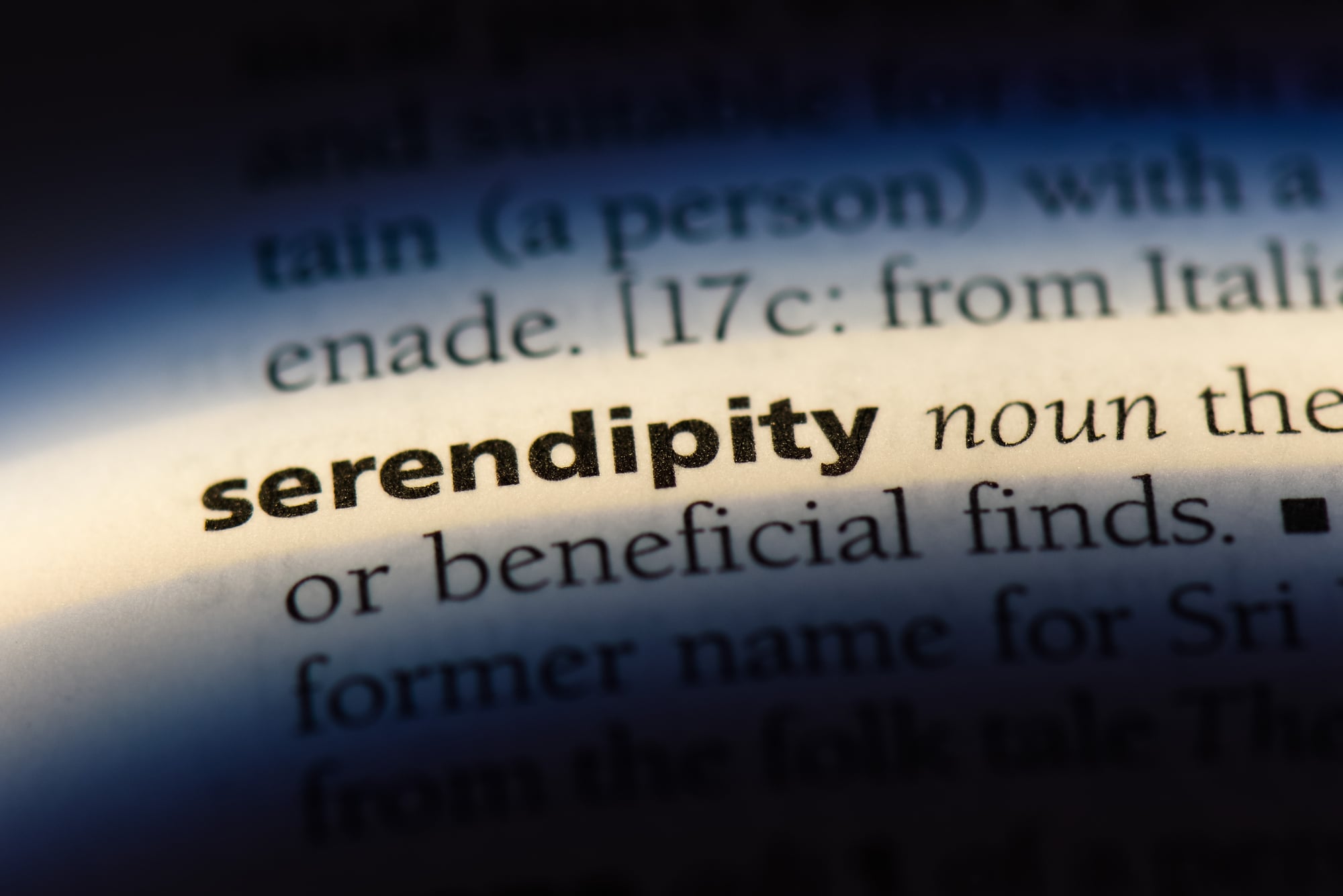
You might think this word gets plenty of use, but serendipity has been pushed aside by “coincidence” and “luck” — which is unfortunate because (and this matters more than people realize) serendipity carries something those other words don’t: the suggestion that happy accidents aren’t really accidents at all. So when someone finds exactly what they needed while looking for something else entirely, serendipity becomes the only word that fits properly.
Because it holds the mystery intact rather than explaining it away, and yet most conversations settle for “lucky break” or “good timing” when what they’re really describing is serendipity in its truest form. Pure serendipity.
Mellifluous

Words that flow like honey deserve a honey-smooth word to describe them. Mellifluous rolls off the tongue the way it promises other words should — with liquid grace and no sharp edges.
When someone speaks and their voice moves like silk over water, “pleasant” doesn’t begin to cover it. The sound itself becomes substance, something you could almost hold.
Mellifluous captures voices that make you forget what was said because how it was said mattered more.
Effervescent

Bubbly people aren’t just energetic. They sparkle from the inside out, and their enthusiasm rises to the surface naturally.
Effervescent personalities don’t force their joy on others — it simply spills over, the way champagne bubbles rise without effort. The word sounds like what it describes, which is saying something.
Hiraeth

The Welsh gave us a word for homesickness that goes deeper than missing a place (because sometimes the deepest longing isn’t for somewhere you can return to, but for somewhere that exists only in memory or maybe never existed at all, except in that quiet space between what was and what you wished had been). Hiraeth carries the weight of impossible nostalgia — not just for home, but for a version of home that lives only in the heart.
And yet English speakers keep reaching for “homesick” when what they mean cuts far deeper. But hiraeth knows the difference.
Apricity

Winter sunlight feels different than summer warmth. Apricity names that specific pleasure of sun on skin when the air stays cold — the way January light through a window can make you forget the season for exactly as long as you stay in its path.
There’s comfort in having a word for small, precise joys. Apricity proves someone else noticed this moment enough to name it.
Susurrus

Wind through leaves whispers in a language older than words. Susurrus is what that whispering is called — not the rustle or the breeze, but the soft, continuous sound itself.
The word mimics its meaning. Say it aloud and hear how it moves like breath through branches, carrying secrets between syllables.
Some words were born to be spoken rather than read.
Ephemeral
Beautiful things don’t last, and ephemeral captures that bittersweet truth better than “temporary” ever could (which feels clinical and detached, while ephemeral holds the sadness of impermanence without apologizing for it). Spring flowers are ephemeral, and so are perfect afternoons, first snow, and the exact moment when sunset light turns everything golden — these moments matter precisely because they won’t stay.
And ephemeral understands this paradox in ways that “short-lived” completely misses. So we keep using “temporary” when what we mean requires more tenderness.
But ephemeral was made for this.
Limerence

Obsessive love needed its own word, and limerence provides exactly that. Not the steady warmth of deep affection, but the consuming fire of wanting someone who might not want you back.
Limerence lives in the space between hope and desperation. It’s love with an edge of madness, where every text takes hours to craft and every silence feels loaded with meaning.
Calling it “infatuation” misses the intensity entirely.
Saudade

Portugal contributed a word for longing that has no direct English translation (because some feelings resist easy conversion, the way certain colors exist between the ones we have names for). Saudade carries the sweet sadness of missing something deeply — a person, a time, a version of yourself that existed once and won’t return.
And yet it’s more complex than simple grief, because saudade holds gratitude alongside the ache, as if the pain of missing something proves how much it mattered. But English speakers make do with “nostalgia” or “missing you” when what they feel deserves saudade’s particular shade of beautiful sadness.
Vellichor

Bookstores and libraries hold a particular atmosphere that deserves its own name. Vellichor captures that sense of wonder and mystery that comes from being surrounded by thousands of unread stories — each spine holding adventures you’ll never have time to discover.
The word itself feels dusty and warm, like afternoon light slanting through tall windows onto forgotten shelves. Some places hold magic in their very air, and vellichor gives that magic a voice.
Phosphenes

Those dancing lights behind closed eyelids have a name, though most people never learn it. Phosphenes are the swirling colors and patterns that appear when you press your palms against your eyes or lie in complete darkness.
Turns out there’s poetry in naming things most people experience but never discuss. Phosphenes proves that even the space behind your eyelids holds wonders worth describing.
Clinquant

Glitter that tries too hard has always existed, and clinquant names it perfectly (the kind of sparkle that announces itself from across the room, not because it’s beautiful but because it’s loud, like jewelry that costs more than it’s worth or decorations that mistake shine for elegance). Clinquant describes anything that glitters without genuine brilliance — all surface flash with nothing underneath to justify the show.
And yet English has largely forgotten this useful distinction, leaving us to say “flashy” or “gaudy” when clinquant captures the precise type of hollow sparkle that fools nobody up close. But clinquant remembers the difference between real gold and fool’s gold.
Vagary

Life’s unexpected turns deserve a word more interesting than “surprise.” Vagary captures those unpredictable shifts — not disasters or windfalls, but the strange little detours that nobody sees coming.
The vagaries of weather, of human nature, of timing that seems almost intentionally absurd. These moments shape stories more than the events people plan for, which is saying something.
Redamancy

Love that flows both ways has its own word, though few people know it exists. Redamancy describes the rare joy of loving someone who loves you back with equal intensity — not just mutual attraction, but perfectly matched devotion.
Most love stories are about unrequited longing or relationships that wobble between imbalance and compromise. Redamancy celebrates the exceptions, when two people find themselves reflected perfectly in each other’s affection.
That kind of symmetry deserves its own word.
Words Waiting For Their Return

These fifteen words sit quietly in dictionaries, holding precise meanings that English speakers keep reaching for without quite finding. They’re not museum pieces or academic curiosities — they’re tools for saying exactly what other words can’t.
Language grows richer when speakers choose the specific word over the general one, the precise feeling over the approximate description. Bringing beautiful words back into conversation isn’t about showing off or sounding pretentious.
It’s about having the right tool for the job when the job is describing something that matters. And in a world that often settles for “nice” when it means transcendent, these words offer something better: the chance to say precisely what you mean.
More from Go2Tutors!

- The Romanov Crown Jewels and Their Tragic Fate
- 13 Historical Mysteries That Science Still Can’t Solve
- Famous Hoaxes That Fooled the World for Years
- 15 Child Stars with Tragic Adult Lives
- 16 Famous Jewelry Pieces in History
Like Go2Tutors’s content? Follow us on MSN.