Most Remote Islands Inhabited by Human Populations
Picture yourself standing on a dock, watching the last ferry disappear into the horizon. Now imagine that ferry comes once a week.
Or once a month. Or maybe only when the weather cooperates.
For thousands of people around the world, this isn’t a thought experiment—it’s Tuesday morning. They’ve chosen to make their homes on islands so remote that the nearest neighbor might be hundreds of miles away, where supply ships are lifelines and storms can mean months of isolation.
Tristan da Cunha
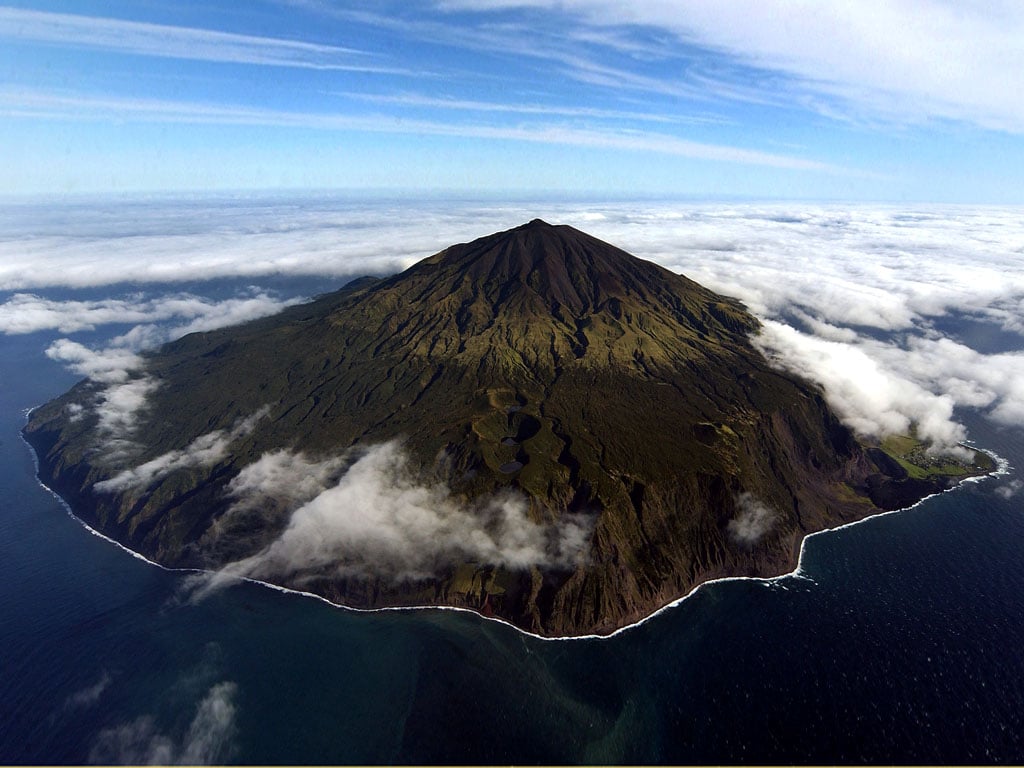
The world’s most remote inhabited archipelago doesn’t apologize for its inaccessibility. Seven families founded this British territory in 1816, and their 250 descendants still call it home.
The nearest landmass sits 1,350 miles away.
Getting there requires a six-day boat journey from South Africa. No airport exists—the terrain won’t allow it.
When the volcano erupted in 1961, the entire population evacuated to England, but most returned two years later.
They chose isolation over convenience, which says something about the pull of home.
Pitcairn Island
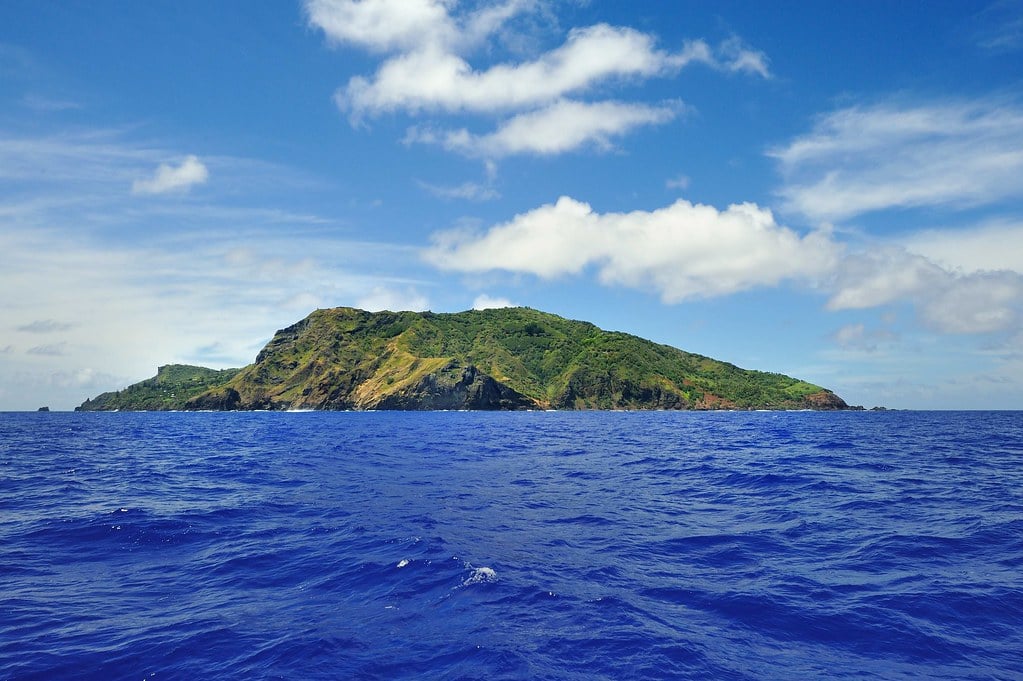
Pitcairn exists because of one of history’s most famous mutinies, and that origin story (the HMS Bounty mutineers settled here in 1790, burning their ship to avoid detection) still defines the island today. Fewer than 50 people live here now, most of them direct descendants of Fletcher Christian and his fellow rebels—though the isolation that once protected them now threatens their survival as a community.
The island sits roughly 3,300 miles from the nearest major city (that would be Auckland), and supply ships arrive maybe four times a year—assuming the weather cooperates, which it often doesn’t. And yet the residents have managed to carve out something resembling modern life: they’ve got internet (satellite-based, naturally), solar power, and a government that functions despite having more elected positions than there are families to fill them.
So when people talk about small-town politics, they probably haven’t considered a place where everyone is literally related and the nearest alternative community is a week’s journey by boat.
But here’s what strikes you about Pitcairn: the residents aren’t there by accident or circumstance—they’re there by choice. The British government has offered relocation assistance multiple times over the decades, and most have declined.
Even so, the math remains stubborn: with such a small population, every birth, death, or departure reshapes the entire community.
St. Helena Island
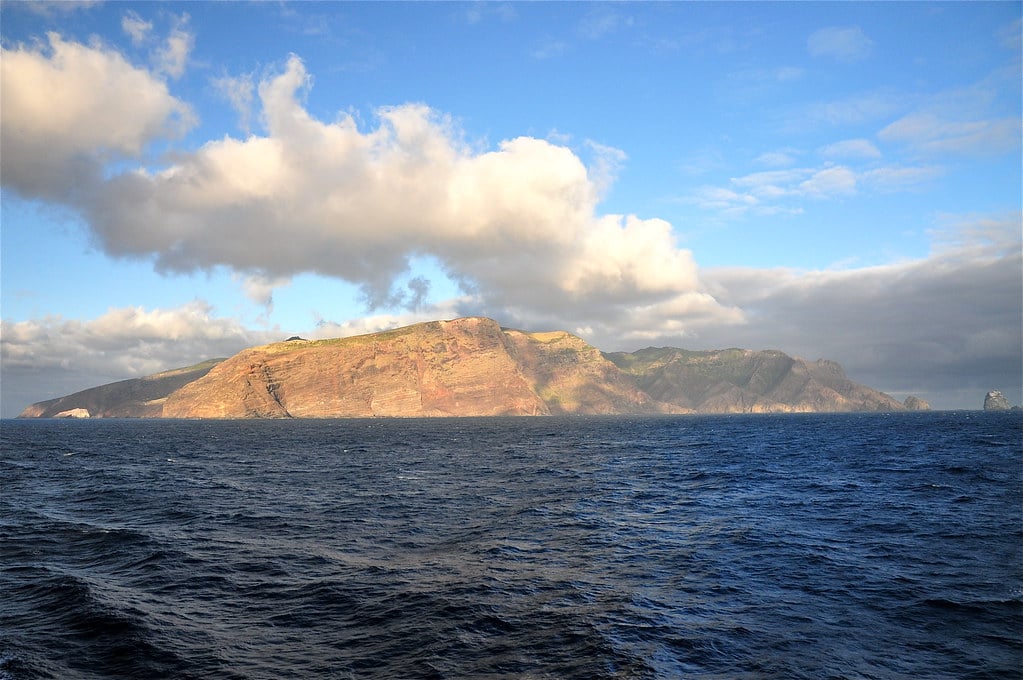
Napoleon’s final prison has grown into something more welcoming since the emperor’s death, but the isolation remains fierce. This British territory floats in the South Atlantic, 1,200 miles from its nearest neighbor, hosting about 4,500 residents who’ve learned to make do with whatever the supply ships bring every three months.
The island spent centuries accessible only by boat—a five-day journey from South Africa that could stretch to weeks if storms intervened. Then, in 2016, they opened an airport.
The runway cost £285 million and was supposed to change everything. Except the winds turned out to be too dangerous for regular commercial flights, so most visitors still arrive by boat.
The locals call it “the most useless airport in the world,” but they say it with the dry humor of people who’ve learned not to expect easy solutions to geographic problems.
Ascension Island
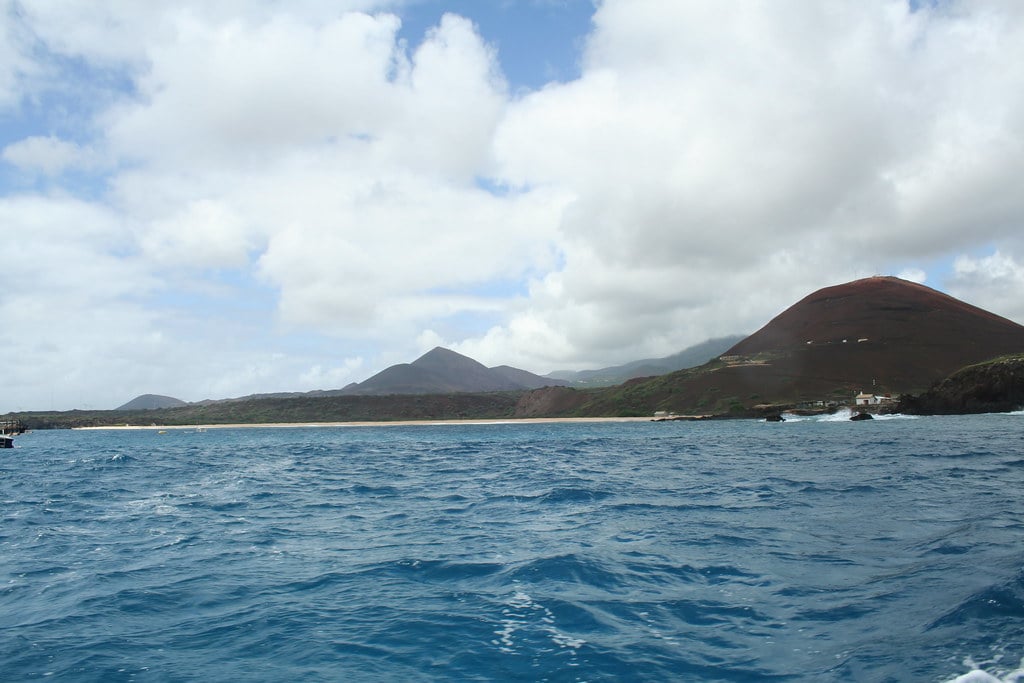
Military precision meets volcanic desolation on this British territory, where roughly 800 people live temporarily and no one stays permanently. The island exists as a logistical waypoint—a refueling stop for flights to the Falklands, a cable station for internet infrastructure, a tracking station for satellites.
Everyone here works for someone else: the British military, the European Space Agency, or one of the contractors that keeps the island functioning. Contracts expire, people rotate out, new ones arrive.
It’s like living on an aircraft carrier that happens to be made of volcanic rock and sits 1,000 miles from the nearest land.
The isolation creates an odd community dynamic. Friendships form quickly but end abruptly when someone’s contract expires.
The island provides housing, utilities, and groceries at subsidized rates, but you can’t own property or settle permanently. You’re always just passing through, even if “passing through” takes three years.
Socotra Island
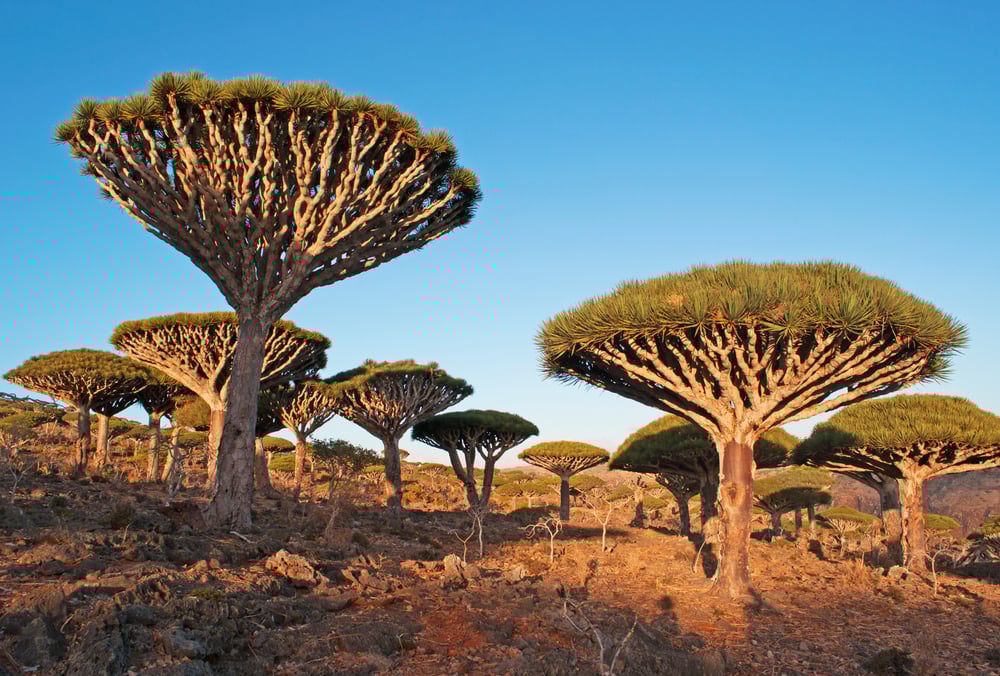
Socotra sits in the Arabian Sea like a living museum that evolution forgot to update. About 60,000 people share this UNESCO World Heritage site with dragon’s blood trees that look like giant umbrellas and plants that exist nowhere else on Earth.
The island belonged to Yemen until recently, but political upheaval has left its status complicated. The UAE now has a significant presence here, though locals mostly continue their traditional lives regardless of which flag flies over the government buildings.
Fishing, livestock, and date cultivation remain the primary occupations.
Getting here requires flying through either Yemen or the UAE, depending on current political arrangements. Supply boats arrive irregularly.
When cyclones hit—and they do—the island can be cut off for months. The residents have learned to stockpile essentials and wait out the storms, much as their ancestors did centuries ago.
Kerguelen Islands
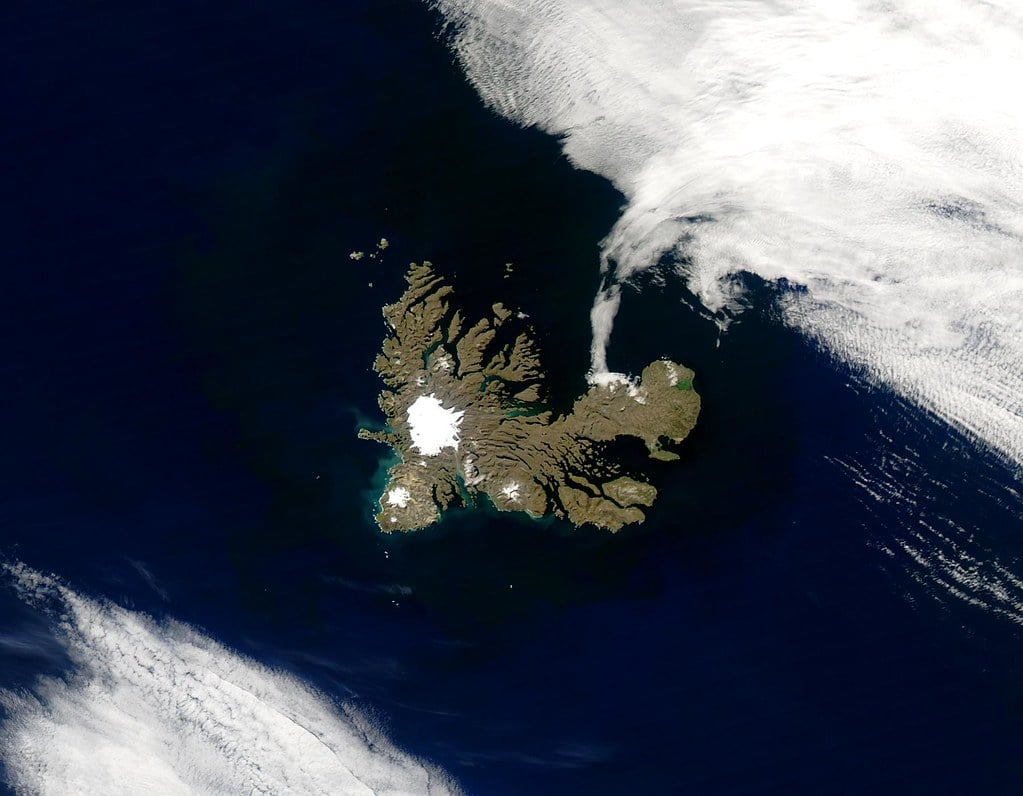
The French call this archipelago “Desolation Islands,” which tells you everything about the marketing department. Located halfway between Africa and Antarctica, Kerguelen hosts a rotating population of 50 to 100 researchers and support staff who come to study everything from penguins to plate tectonics.
No indigenous population has ever existed here—the islands were uninhabited when French explorers arrived in 1772. The current residents live in a research station that feels like a cross between a university campus and an Antarctic base.
Everyone has a job to do, whether that’s tracking elephant seals or maintaining the weather station.
Supply ships arrive four times a year from Réunion, a journey that takes six days in good weather. The rest of the time, the residents are on their own with whatever they’ve managed to stockpile.
The isolation is so complete that getting evacuated for medical emergencies can take weeks to arrange.
Christmas Island

This Australian territory sits in the Indian Ocean, closer to Indonesia than to any Australian city, hosting about 2,000 people who’ve built a community around phosphate mining and, more recently, eco-tourism. The island’s claim to fame involves millions of red crabs that migrate to the sea each year, temporarily turning roads into moving carpets of crustaceans.
The isolation creates unusual cultural dynamics. About 70% of residents are Chinese Australian, many descended from workers brought in for the phosphate mines.
The local government operates in English, but Chinese and Malay are widely spoken. Getting supplies requires shipping everything from either Perth (1,600 miles away) or Jakarta (220 miles away, but in a different country with different regulations).
The island’s role as an immigration detention center has added complexity to its identity, though most residents prefer to focus on the natural wonders that make isolation bearable: pristine beaches, unique wildlife, and some of the best diving in the Indian Ocean.
Norfolk Island
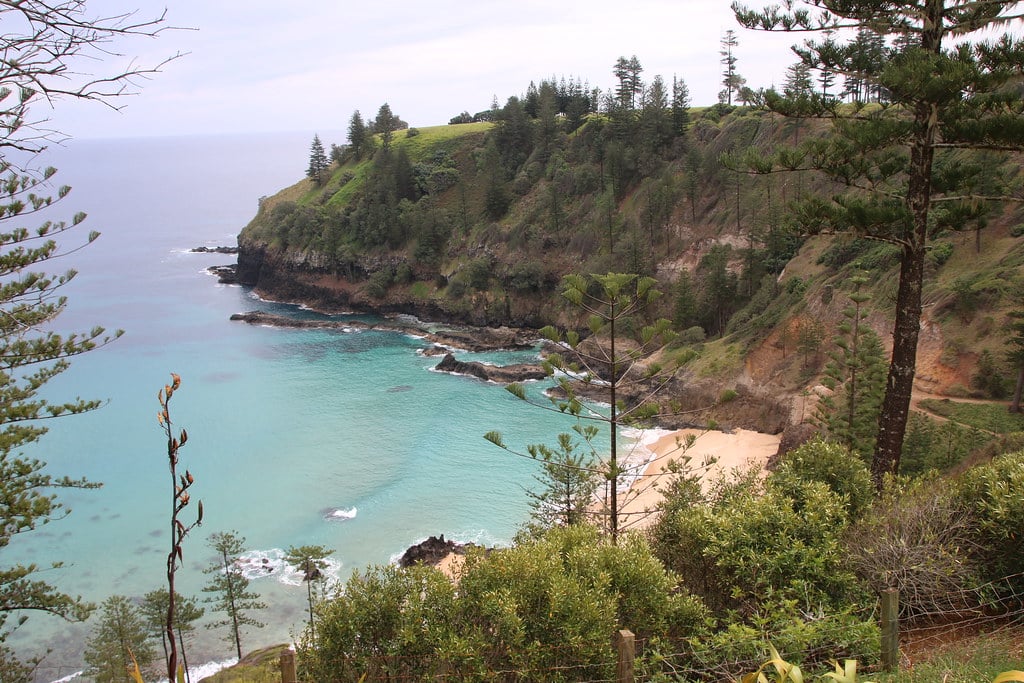
Norfolk occupies an odd space between independence and dependence—technically part of Australia but geographically isolated in the Pacific, 900 miles from the nearest Australian city. About 1,750 people live here, many descended from the Bounty mutineers who relocated from Pitcairn in 1856.
The residents speak a creole language called Norf’k that blends 18th-century English with Tahitian words. Street signs appear in both English and Norf’k, though younger residents increasingly prefer English.
The island operates its own immigration system (you need permission to move here, even as an Australian citizen) and maintains cultural traditions that disappeared from mainland Australia generations ago.
Getting here requires flying from Brisbane or Sydney, but flights operate only a few times per week and cancel frequently due to weather. When supply flights get delayed, grocery store shelves empty quickly.
Residents have learned to maintain home gardens and preserve food as insurance against transportation disruptions.
Lord Howe Island
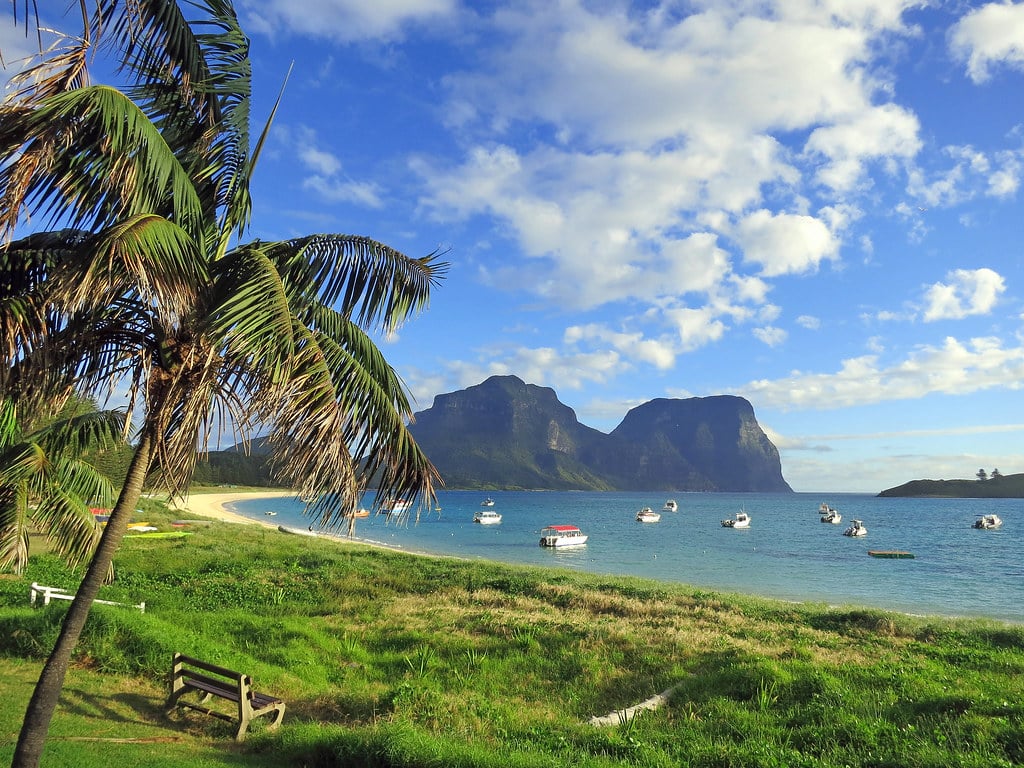
This World Heritage site limits its population to 400 people at any given time, making it simultaneously one of the most remote and most exclusive inhabited islands on Earth. Located 370 miles off Australia’s east coast, Lord Howe operates on a principle that would make urban planners weep with envy: sustainability through scarcity.
The island issues only 400 tourist permits at a time, maintains just one small resort and a handful of guesthouses, and prohibits cars—residents get around on bicycles or on foot. The waiting list for permanent residency stretches for years, and property prices reflect the limited supply.
Flights arrive from Brisbane and Sydney twice a week, weather permitting. When storms hit, visitors sometimes find their two-day getaway extended to a week or more.
The residents take these disruptions in stride—they chose island life knowing that convenience would be the first casualty.
Faroe Islands
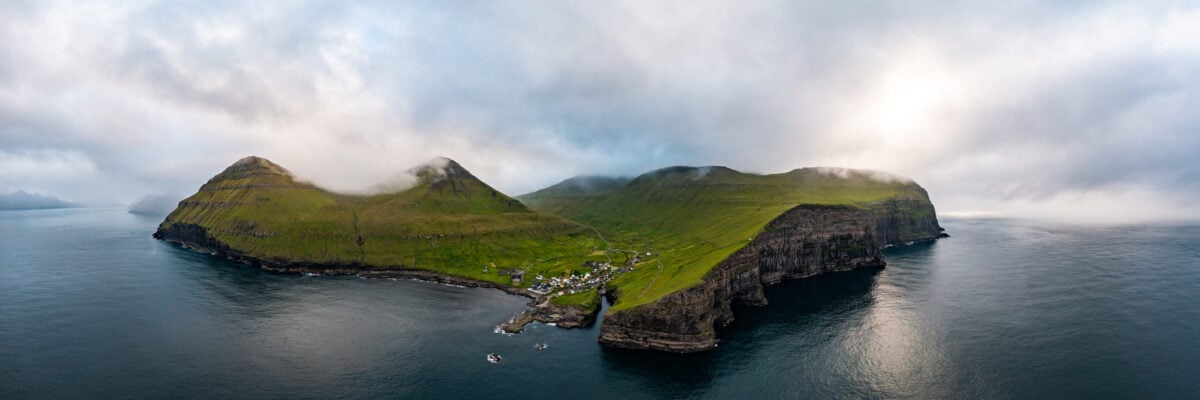
Eighteen islands scattered between Iceland and Norway host about 50,000 people who’ve turned isolation into an art form, and not just because they’ve produced more internationally successful musicians per capita than anywhere else on Earth (Björk is Icelandic, but the Faroese claim their own impressive roster). The islands maintain their own language, their own parliament, and their own approach to modern life that somehow balances ancient traditions with fiber-optic internet.
The weather here changes every few minutes—locals joke that if you don’t like the current conditions, wait ten minutes and you’ll get something completely different—which means that fog, rain, and wind regularly shut down the airport and cancel ferries. When that happens, the islands become completely isolated, cut off from the outside world until the storms pass.
But the residents have learned to plan for these disruptions: most homes maintain stockpiles of food and fuel, and the community has developed systems for sharing resources during extended isolation periods.
So when people talk about remote island living as romantic or peaceful, they probably haven’t considered what happens when the last ferry of the month gets cancelled and you realize the pharmacy is running low on your prescription medication. And yet the Faroese population has remained stable for decades, suggesting that whatever challenges the isolation brings, the benefits still outweigh the costs for those who choose to stay.
Shetland Islands
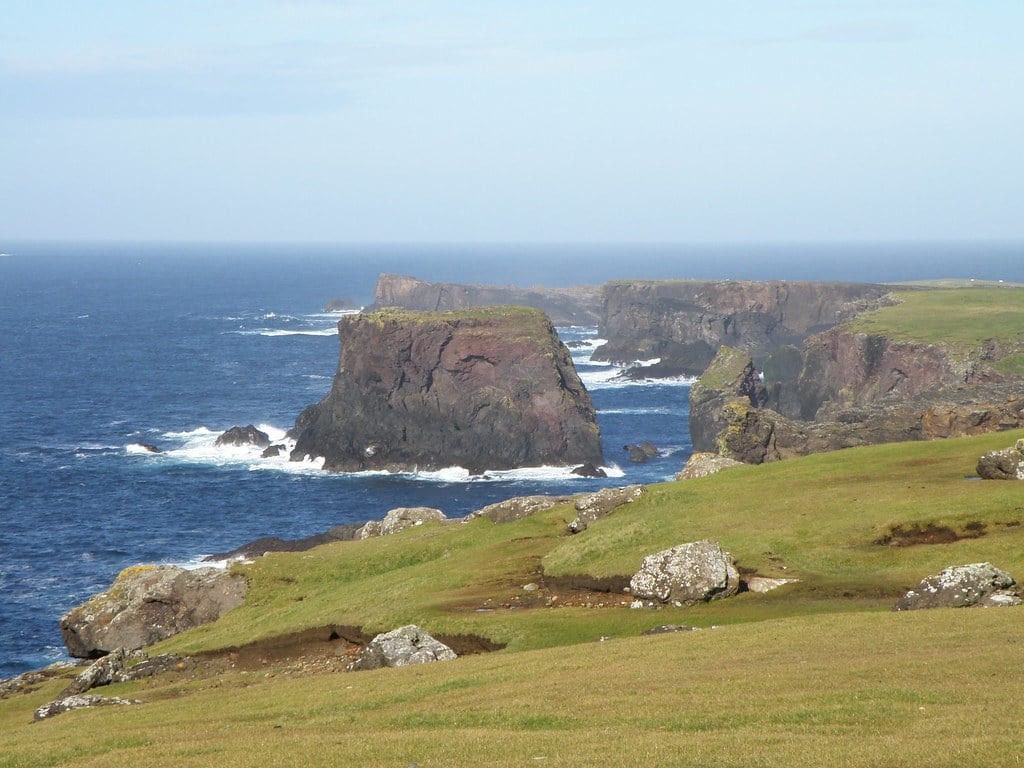
Scotland’s northernmost islands stretch toward Norway like stepping stones that fell short of their destination. About 23,000 people live here, closer to Bergen than to Edinburgh, in a landscape that oil money and ancient tradition have shaped in equal measure.
The oil boom of the 1970s transformed these islands from a struggling agricultural economy into one of the wealthiest regions in the UK per capita. But the boom also brought challenges: housing costs skyrocketed, young people left for mainland opportunities, and traditional industries like fishing and crafts struggled to compete with oil-sector wages.
Winter days last only six hours, while summer nights never quite turn dark. The isolation feels most acute during the winter months when storms can ground flights and cancel ferries for days at a time.
Residents stock up on essentials and settle in for what they call “the dim time”—months when daylight becomes a precious commodity rationed by latitude.
Jan Mayen Island
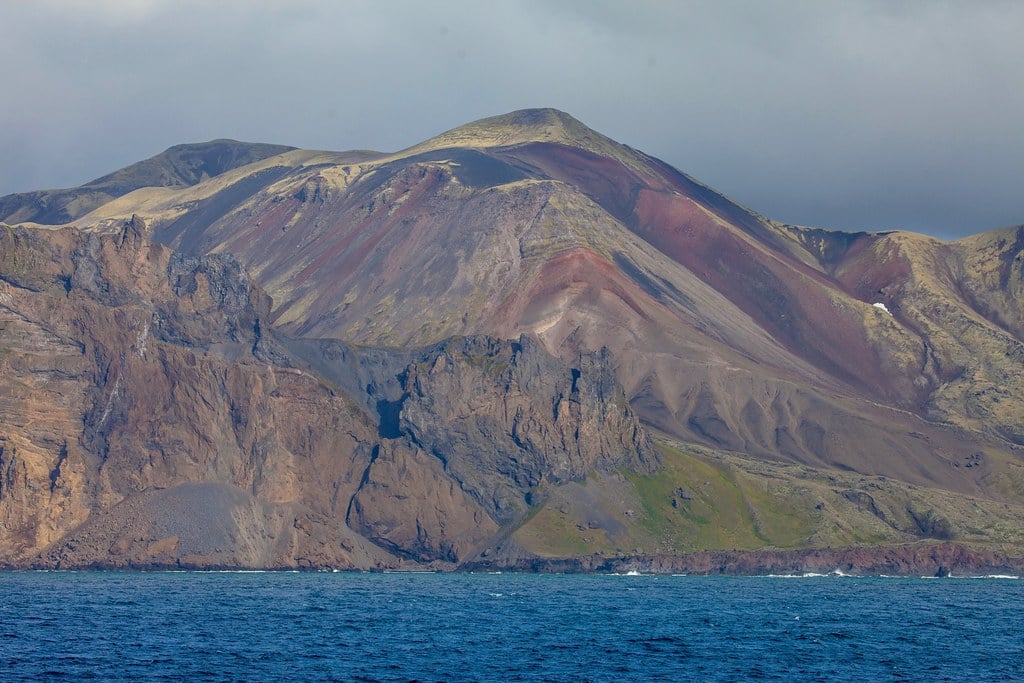
Norway maintains this volcanic island as a weather station and military outpost, staffed by 18 people who rotate through assignments that typically last 12 to 18 months. No one lives here permanently—it’s too remote, too harsh, and too dangerous for civilian settlement.
The island sits 370 miles from the nearest land (Greenland), surrounded by pack ice for much of the year. The active volcano, Beerenberg, occasionally reminds residents that they’re living on geological borrowed time.
Supply ships arrive twice a year, weather permitting, carrying everything from food to fuel to replacement equipment for the weather monitoring systems.
The staff includes meteorologists, radio operators, mechanics, and a station commander who serves as mayor, judge, and crisis manager for the tiny community. They measure wind speeds, track storms, and relay data to weather services across Europe, providing early warnings for systems that will affect millions of people thousands of miles away.
Henderson Island
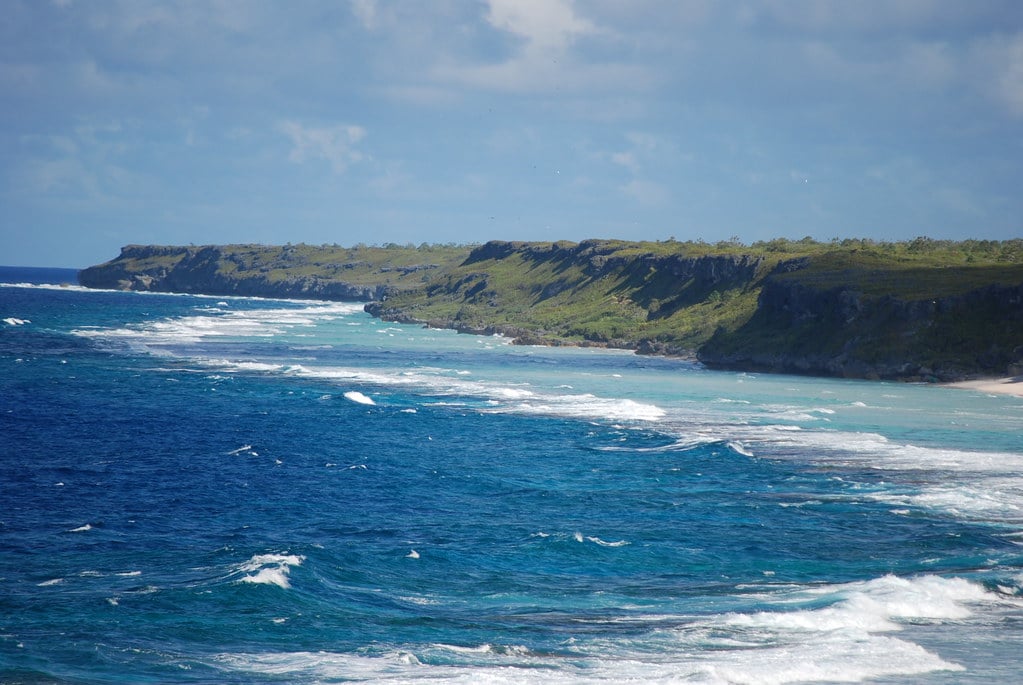
This uninhabited coral atoll in the Pacific belongs to the Pitcairn Islands group but hosts no permanent residents—unless you count the millions of pieces of plastic trash that ocean currents deposit on its beaches. Scientists estimate Henderson Island accumulates 3,500 pieces of debris daily, making it one of the most polluted places on Earth despite being one of the most remote.
The island’s only human visitors are researchers who arrive every few years to study the ecosystem and, increasingly, to document the environmental damage. No airport exists, no harbor accommodates large boats, and landing requires navigating through coral reefs in small dinghies during calm weather—which means researchers often wait days for conditions that allow them to reach shore.
The irony is stark: an island so remote that humans have never successfully colonized it, yet so affected by human activity that its beaches look like garbage dumps. Henderson Island represents the paradox of modern isolation—nowhere is truly remote anymore, at least not when it comes to the consequences of human behavior.
The Pull of the Edge
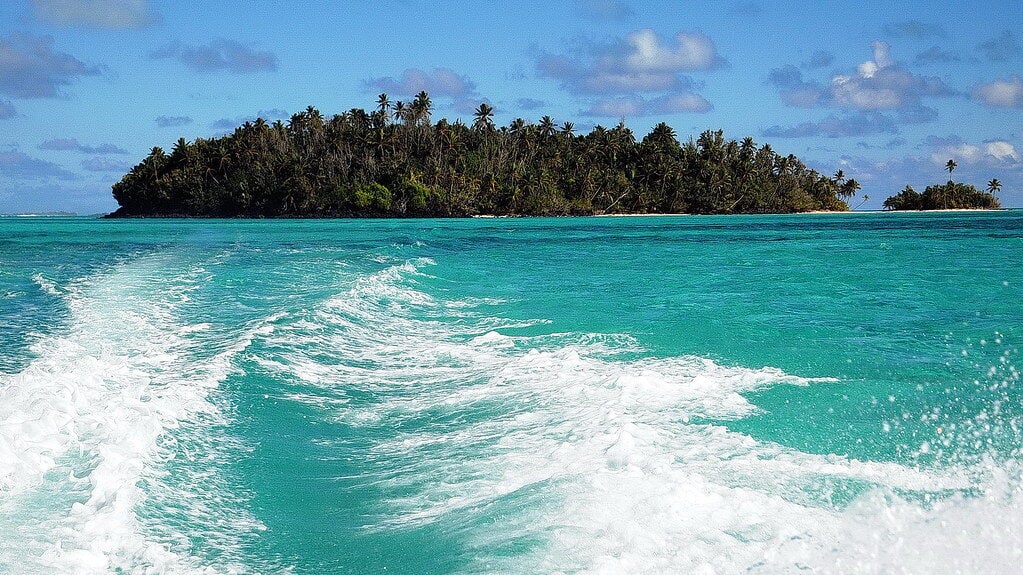
These islands exist at the margins of human possibility, where geography becomes destiny and weather dictates daily life. The people who choose these places—or in some cases, inherit them—understand something about human nature that mainland dwellers often forget: that constraints can create freedom, that limits can foster creativity, and that the most profound connections often happen in the most isolated places.
The remoteness that makes these islands challenging also makes them precious. When every supply boat matters, every neighbor becomes essential, and every sunset reminds you how far you are from everything else, life takes on a clarity that’s hard to find in more connected places.
Whether that clarity is worth the isolation depends entirely on what you’re seeking at the edge of the world.
More from Go2Tutors!

- The Romanov Crown Jewels and Their Tragic Fate
- 13 Historical Mysteries That Science Still Can’t Solve
- Famous Hoaxes That Fooled the World for Years
- 15 Child Stars with Tragic Adult Lives
- 16 Famous Jewelry Pieces in History
Like Go2Tutors’s content? Follow us on MSN.