Surprising Ways Cities Go Green
Green city dreams often show bikes, blue bins, rooftops shining with sun catchers. Important? Yes.
Complete picture? Not even close. From Lagos to Ljubljana, leaders try things sideways to expectation – strange at first glance – still cutting emissions under the radar.
Hidden wins grow where nobody looks. Peering into city corners, fresh moves pop up where least expected – cutting waste without overhauling how people live.
Quiet shifts in routine infrastructure do much of the work instead. Picture streetlights adjusting not on schedule but when motion passes below.
Trash bins signal pickup only when full, slashing unnecessary truck rolls. Sidewalks breathe through porous materials that soak rain like sponge.
Buses glide on routes fine tuned by real-time rider patterns, not old habits. Rooftops grow gardens where concrete once trapped heat.
These tweaks skip grand designs, favoring smart nudges within existing flow.
Turning Streets Back Into Soil

Some city corners now trade blacktop for bare earth, where roots and rainfall take over. Where tires once rolled through back lanes, small forests rose in their place.
Rain sinks down quietly, welcomed by open ground that holds rather than hurries it. Concrete gives way slowly, piece by broken slab, making space for green things.
Water no longer floods gutters but soaks deep where pavement used to block its path. Old driveways vanish, replaced by plants that drink freely when skies open up.
Dirt shows through again after years beneath hard gray sheets meant for wheels. Drains feel less pressure now, eased by patches of land allowed to breathe.
Pieces of road disappear, swapped out for spots where trees stretch upward. Ground once sealed tight learns once more how to swallow sky-water whole.
Heat stays lower when green spaces replace pavement, because living ground doesn’t hold warmth like concrete. Bare earth plus vegetation helps rain soak in, cutting flood danger while cleaning runoff.
Small shifts in how places look can bring big gains for nature, particularly where streets were designed only for vehicles.
Using Waste Heat to Warm Buildings
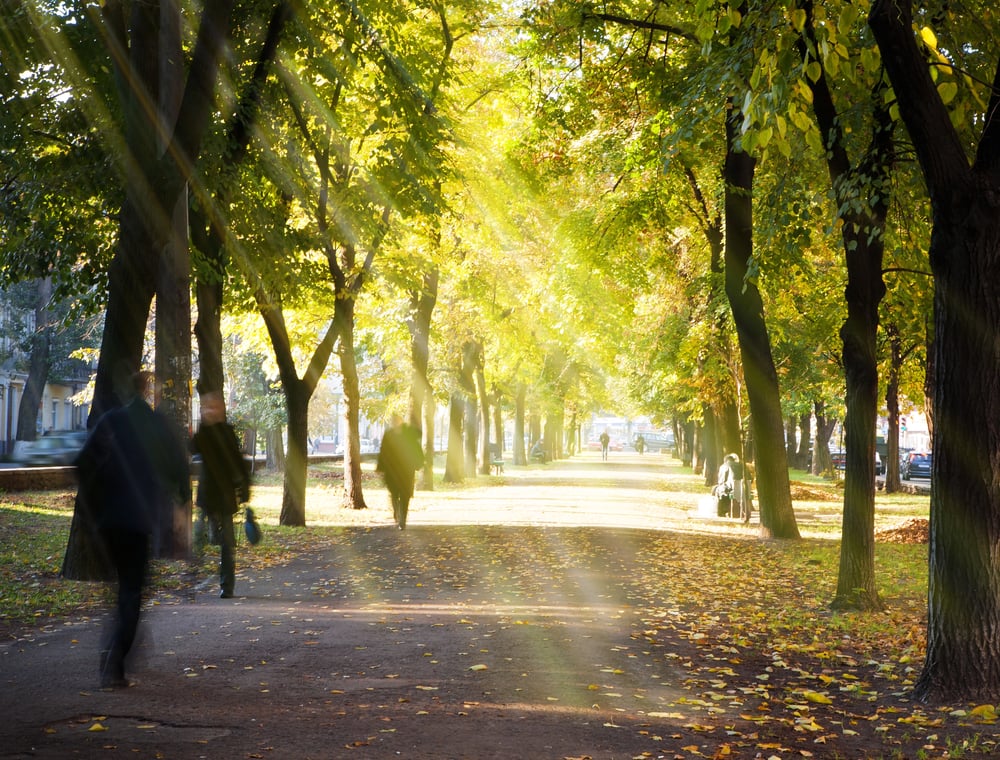
Cities produce vast amounts of heat that typically vanish into the air. Some urban centers now capture that excess warmth and reuse it.
Heat from subway tunnels, data centers, and even sewage systems is redirected to warm nearby buildings. This approach reduces reliance on traditional heating systems, cutting energy use without changing how people live.
The infrastructure works quietly in the background. Residents often have no idea their apartment is being warmed by energy that once went unused.
Letting Nature Handle Stormwater

Instead of expanding underground pipes, many cities are allowing nature to manage rainwater. Green roofs, planted medians, and tree-lined streets absorb runoff where it falls.
In heavy storms, these features slow water down rather than forcing it into overburdened systems. This strategy reduces pollution in rivers and lowers infrastructure costs.
It also changes how neighborhoods look and feel. Streets become greener, quieter, and more comfortable, all while performing an essential environmental function.
Reclaiming Rivers for Daily Life

Urban rivers were once treated as industrial backyards. Many cities are reversing that mindset by cleaning waterways and redesigning shorelines for public use.
When rivers become walkable, swimmable, and visible, they are no longer ignored. Cleaner rivers encourage biodiversity and reduce contamination downstream.
They also shift public attitudes. When residents interact with water daily, protection becomes personal rather than abstract.
Environmental stewardship follows naturally.
Paying Residents to Compost

Some cities have taken an unexpected approach to food waste by making composting financially appealing. Households receive lower trash fees when they separate organic waste correctly.
The result is less material heading to landfills and more compost returned to soil. This strategy works because it aligns environmental goals with everyday incentives.
Instead of relying on moral pressure, cities use simple economics to encourage better habits. Participation rates often climb faster than with education campaigns alone.
Turning Old Rail Lines Into Green Corridors
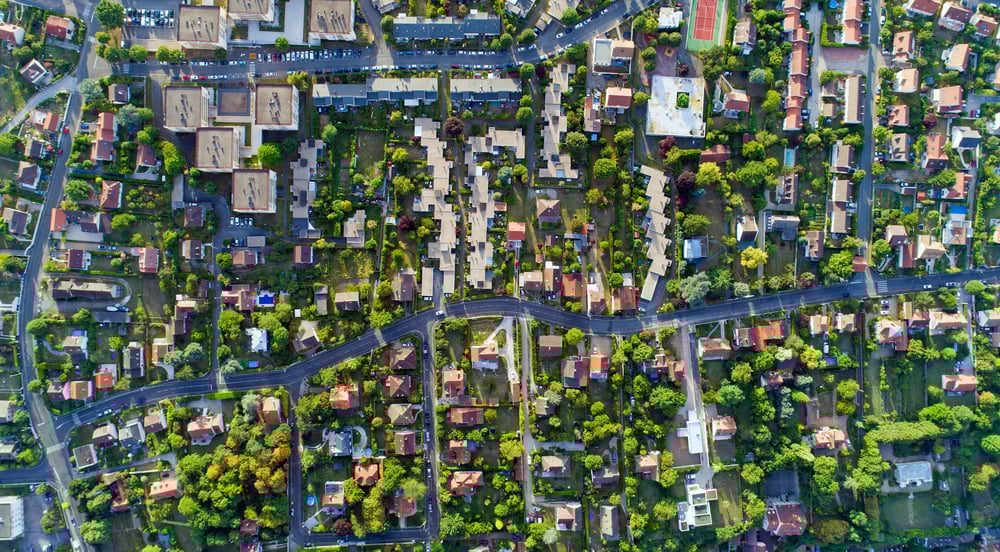
Abandoned rail corridors are being transformed into linear parks filled with plants, walking paths, and wildlife habitats. These greenways cut through dense neighborhoods, connecting parks and reducing the need for short car trips.
Beyond their environmental value, they improve air quality and mental well-being. The surprise lies in their efficiency.
By repurposing existing infrastructure, cities avoid major construction while gaining long, continuous green space.
Managing Traffic Without Adding Roads
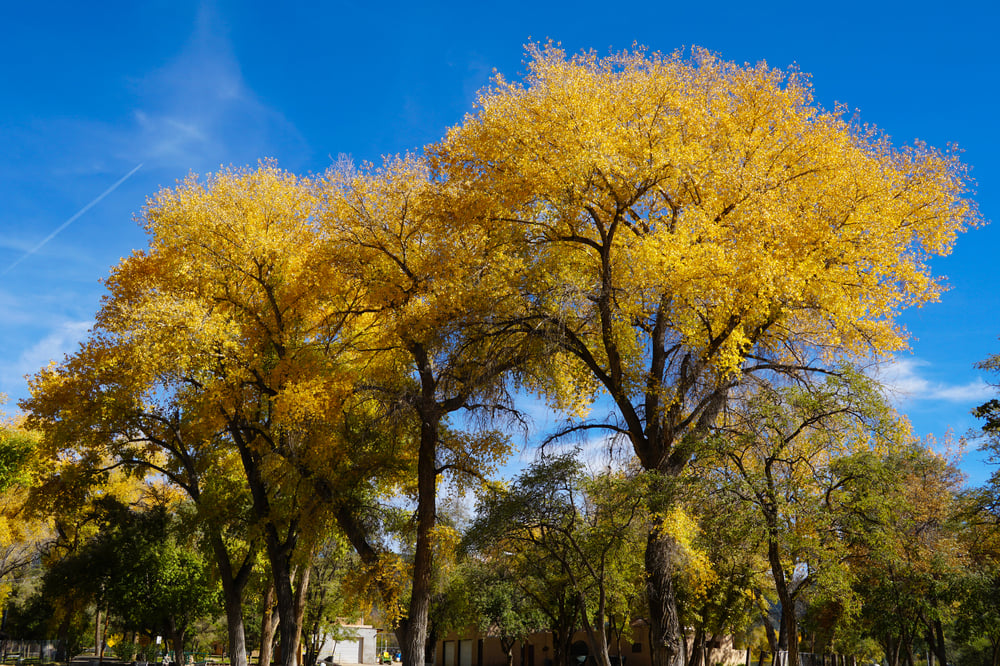
Some cities reduce emissions not by building new roads, but by discouraging unnecessary driving. Congestion pricing, limited parking zones, and car-free districts nudge people toward public transit or walking.
The environmental payoff is immediate. Fewer vehicles mean lower emissions and quieter streets.
Over time, residents adjust routines, discovering that shorter, slower trips often feel more pleasant than expected.
Treating Trees as Infrastructure

Urban trees are increasingly managed with the same seriousness as roads and pipes. Cities now map tree canopies, monitor health, and plan planting strategically to cool neighborhoods and filter air.
This shift recognizes trees as working assets. They lower energy demand by shading buildings and reduce pollution exposure at street level.
Treating them as infrastructure ensures they receive funding and care rather than being seen as decorative extras.
Recycling Construction Materials On-Site

Demolition once meant hauling debris miles away. Now some cities require or encourage on-site recycling of concrete, metal, and wood.
Materials are crushed, sorted, and reused locally. This reduces transportation emissions and keeps resources circulating within the city.
It also speeds up construction timelines. What once felt like waste becomes a local supply, changing how builders approach demolition entirely.
Cooling Cities With Reflective Surfaces

Heat-reflective pavement and rooftops are appearing in neighborhoods most affected by extreme temperatures. These lighter surfaces reflect sunlight instead of absorbing it, lowering surrounding air temperatures.
The effect can be measured across entire districts. Reduced heat lowers energy use for cooling and improves comfort outdoors.
The surprise lies in how simple the intervention is. Changing surface color delivers results without altering behavior.
Encouraging Wildlife in Unexpected Places

Cities are redesigning spaces to welcome birds, insects, and small animals. Pollinator pathways, rooftop habitats, and native plant corridors allow wildlife to move through urban areas safely.
This approach supports biodiversity while improving resilience. Healthy ecosystems handle environmental stress better, even in dense cities.
The presence of wildlife also reshapes how residents view urban nature, making green space feel alive rather than ornamental.
Using Data to Reduce Waste

Smart sensors now monitor trash levels, energy use, and water flow across cities. This data allows services to operate only when needed, reducing fuel use and waste.
Garbage trucks run fewer routes. Streetlights dim when no one is present.
These invisible adjustments add up quickly. The city becomes more efficient without demanding constant attention from residents.
Making Buildings Share Energy

Some cities encourage buildings to share energy within local networks. Excess power from one structure flows to another nearby rather than being lost.
This local exchange reduces strain on the grid. The model works especially well in mixed-use districts where energy demand varies by time of day.
Offices generate surplus during daylight hours, while homes need power later. Sharing keeps energy local and efficient.
Rethinking Lawns and Public Green Space
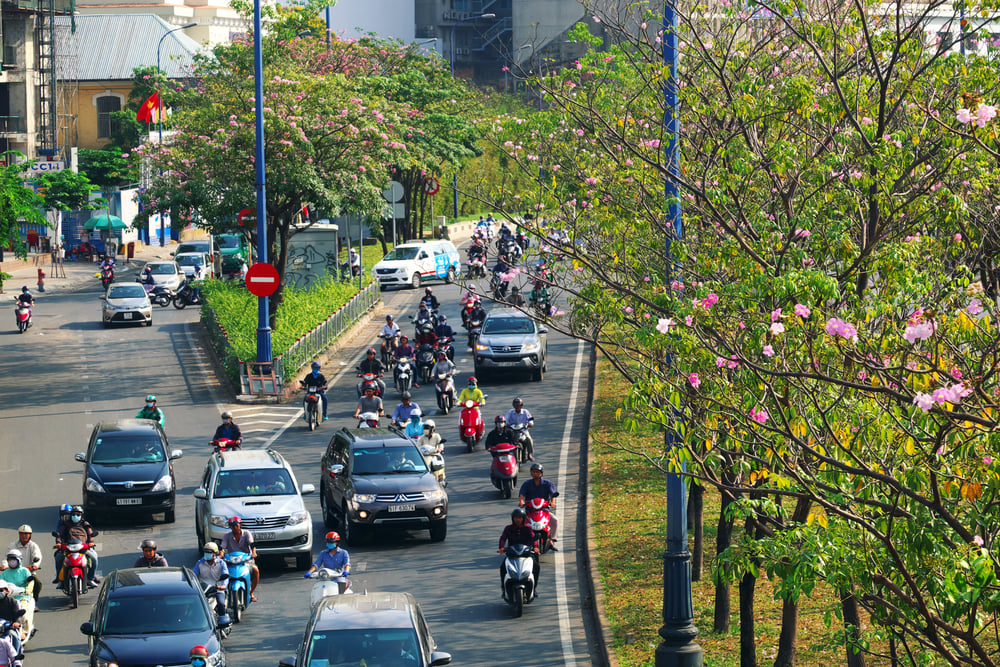
Traditional lawns demand water and maintenance. Cities are replacing them with native plants that thrive naturally.
These landscapes require less irrigation and support local ecosystems. The visual shift can feel surprising at first.
Wildflower meadows replace trimmed grass. Over time, residents often prefer the richer textures and seasonal change.
Environmental benefits come alongside a new aesthetic.
Teaching Repair Instead of Replacement
Fixing things yourself gets easier in places that host repair cafes and shared tool spots. When people mend rather than toss, less clutter piles up in landfills.
Skills spread quietly among neighbors who show up with broken lamps or torn jackets. Knowing how to tighten a hinge or patch a seam sticks around longer than the object being saved.
A broken toaster finds a second chance instead of the bin. That little fix means less need for fresh resources to make another one.
When things get mended, buying slows down on its own. Choices shift because ownership feels different after repair.
What once seemed disposable now holds value beyond price.
Why These Approaches Matter Now

It’s the quiet touch that links these approaches. Overnight life changes aren’t demanded from city dwellers.
Little by little, systems shift – making eco-friendly moves simpler, sometimes effortless. When cities get bigger, small actions add up faster than big shows of effort.
What seems odd at first turns out to make a difference over time. Change sneaks in through habits people barely notice they’ve adopted.
Slow shifts matter most, even if they lack flash or fanfare.
More from Go2Tutors!

- The Romanov Crown Jewels and Their Tragic Fate
- 13 Historical Mysteries That Science Still Can’t Solve
- Famous Hoaxes That Fooled the World for Years
- 15 Child Stars with Tragic Adult Lives
- 16 Famous Jewelry Pieces in History
Like Go2Tutors’s content? Follow us on MSN.