15 Real Words That Were Invented by Accident
Language has a peculiar way of evolving. While scholars debate etymology and linguists trace word origins through centuries of careful documentation, some of our most common words stumbled into existence through pure accident.
A printing error here, a mispronunciation there, and suddenly you have a word that millions of people use daily without ever knowing it wasn’t supposed to exist in the first place.
Serendipity
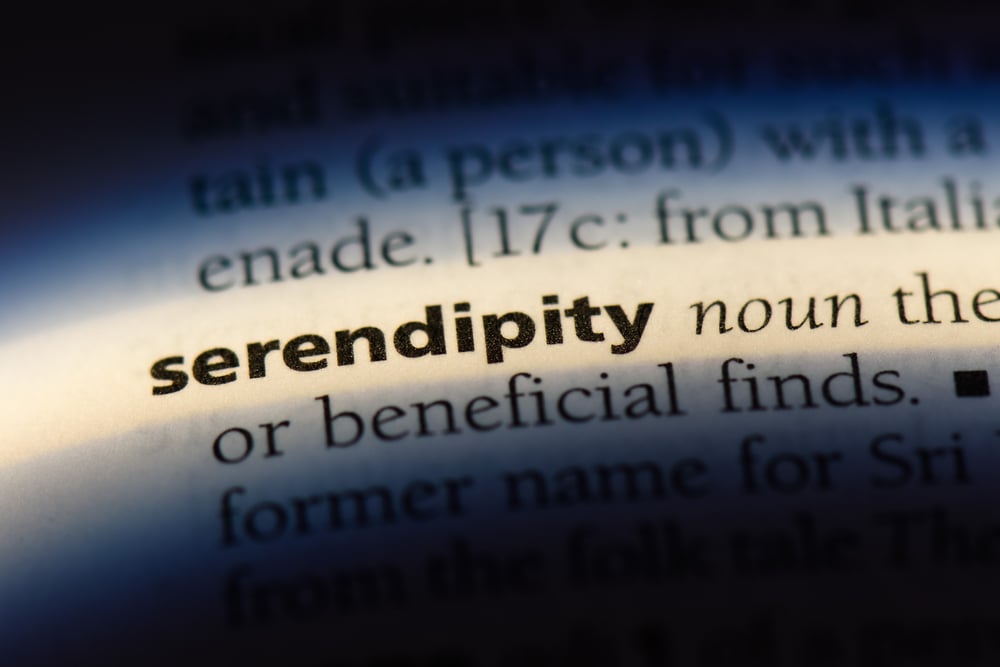
The word doesn’t exist without Horace Walpole’s 1754 mistake. He meant to reference an old Persian fairy tale called “The Three Princes of Serendip” but botched the retelling so thoroughly that he accidentally created something better than the original story.
The princes in his version kept stumbling upon discoveries they weren’t looking for — and Walpole needed a word for that exact phenomenon.
Dord
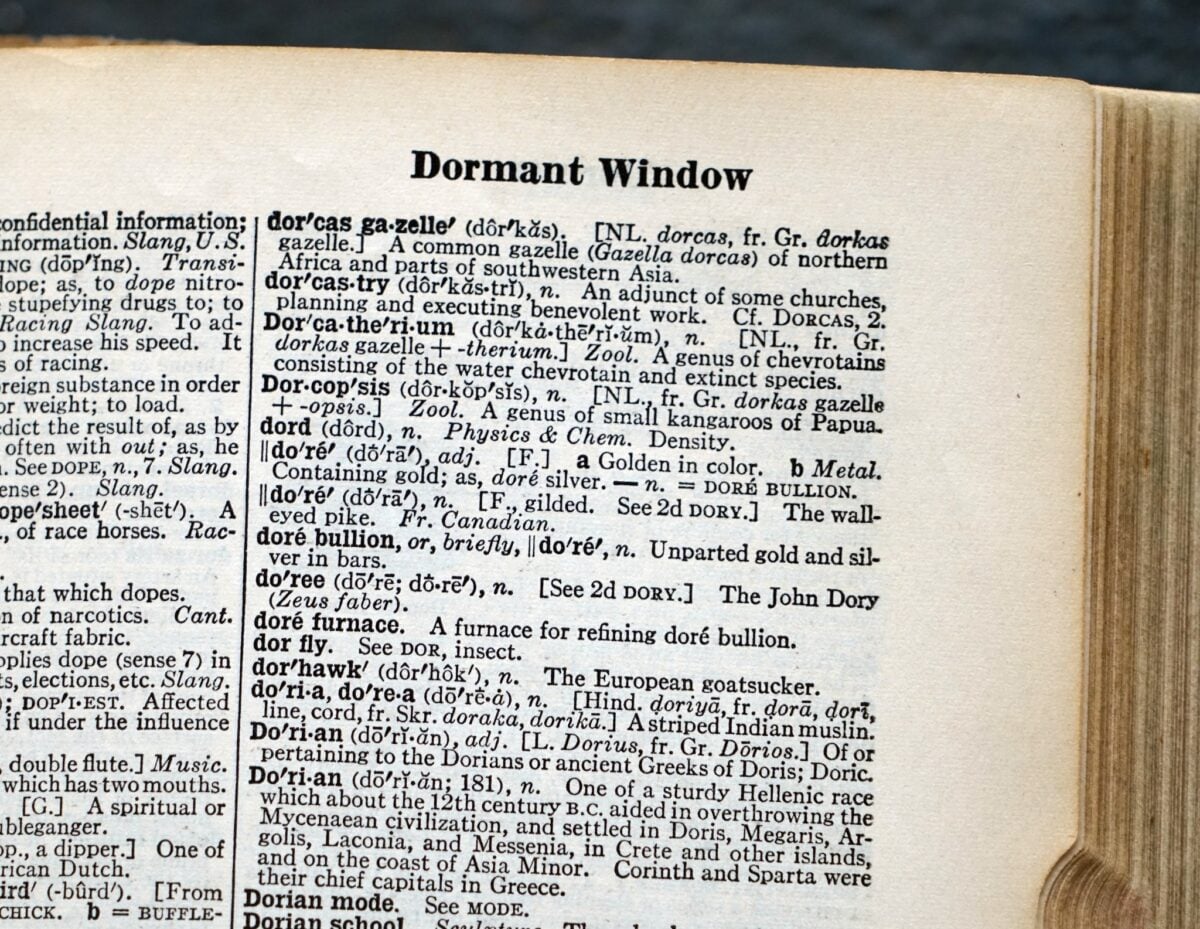
Merriam-Webster’s editors spent five years wondering why no one used this word. It appeared in their 1934 dictionary, defined as “density” in physics and chemistry.
Turns out it was never a word at all. A chemistry editor had submitted “D or d” as an abbreviation, but the typesetter read it as a single word.
The fake entry sat there until 1939, when someone finally noticed that “dord” appeared nowhere in actual scientific literature.
Quiz
Dublin theater owner Richard Daly made a bet in 1791 that he could introduce a nonsense word into common usage within 48 hours (or so the story goes, though historians remain skeptical about whether Daly actually existed, which makes the whole thing even more accidentally perfect). He supposedly hired people to write “quiz” on walls throughout the city.
The word had no meaning — it was just four letters that sounded vaguely questioning when spoken aloud. But people started using it anyway, and now it means a short test or examination, which isn’t far from its original function as a question mark made into a word.
The legend might be fabricated. But the word stuck regardless.
Paparazzi

Fellini plucked this from thin air for “La Dolce Vita.” He needed a name for the intrusive photographer character and liked how “Paparazzo” sounded — sharp and buzzing, like an annoying insect.
The character was fictional, the surname was made up, but the word felt so right that it immediately escaped the movie and became the standard term for aggressive celebrity photographers worldwide.
Gremlin
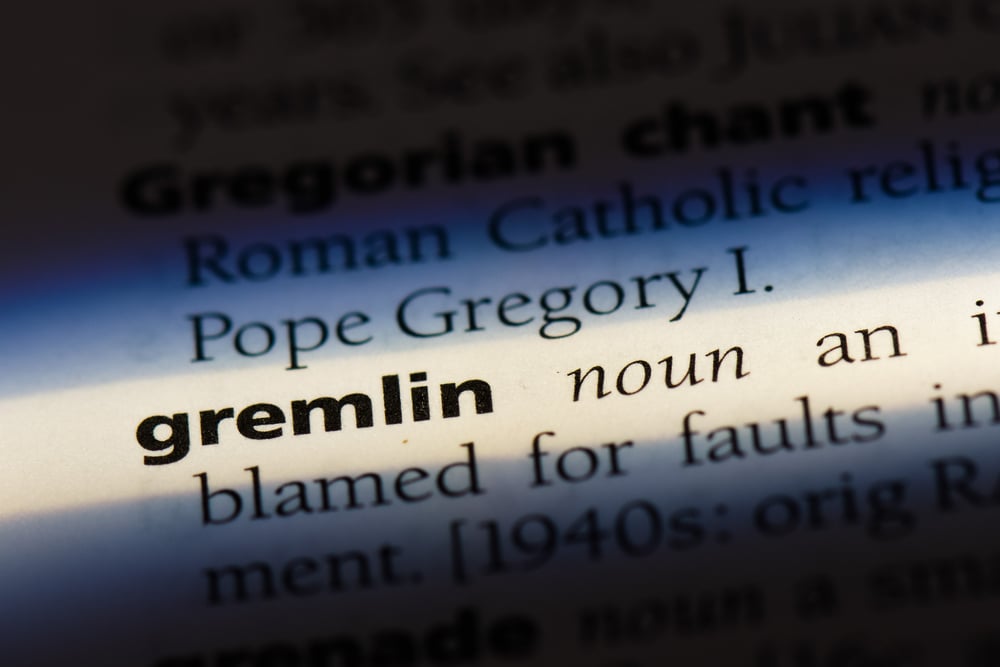
Royal Air Force pilots during World War II needed something to blame when their planes malfunctioned for no apparent reason. They started talking about mischievous creatures that lived inside aircraft engines and caused mechanical failures — tiny saboteurs responsible for every unexplained problem.
The word probably came from “gremio,” meaning “to vex” in some forgotten dialect, but the pilots weren’t consulting dictionaries when they were trying to explain why their landing gear wouldn’t deploy. So they invented gremlins.
And gremlins became real enough that Roald Dahl wrote about them, and eventually Hollywood made movies about them.
Nylon
This synthetic fabric carries the weight of a corporate accident that DuPont has been trying to correct for decades. The company insists the name comes from “New York” and “London” — two cities where the material was developed.
But internal memos suggest something else entirely: employees were calling it “norun” because early stockings wouldn’t get runs, then someone misheard it as “nuron,” and finally it became “nylon” when the legal department decided the previous versions sounded too much like existing trademarks.
The official story sounds cleaner. The real story sounds true.
Butterfly

Old English speakers looked at these insects and saw something else entirely — chunks of butter flying through the air, yellow and soft-looking against the garden flowers. “Buttorfleoge” was their word for it, which makes perfect sense if you’ve ever watched a pale yellow butterfly drift past on a summer afternoon and noticed how much it resembles a pat of butter that’s decided to take flight.
The transformation from “buttorfleoge” to “butterfly” happened slowly, through centuries of people slightly mispronouncing the word until it settled into its current form. Nobody planned it.
The language just wore the word smooth, like water polishing a stone.
Jumbo
P.T. Barnum’s elephant was named Jumbo, and Jumbo was genuinely large — eleven feet tall, weighing over six tons. But “jumbo” wasn’t English before Barnum imported both the elephant and the name from the London Zoo in 1882.
The word probably came from “jambo,” meaning “hello” in Swahili, but American audiences heard “Jumbo” and decided it meant “enormous.” The elephant died in a train accident three years later.
The word kept growing.
Sirloin
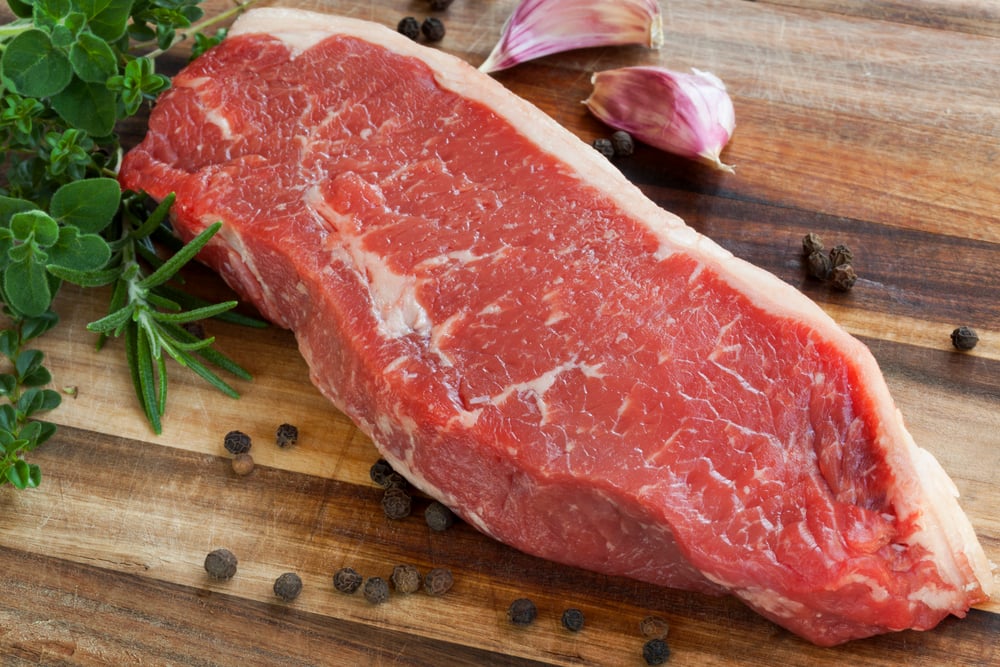
King James I supposedly knighted a piece of beef after enjoying it so much that he declared it “Sir Loin.” The story is charming and completely false — the word actually comes from French “surlonge,” meaning “above the loin.”
But the fake etymology stuck so firmly that people still repeat the knighting story, and “sirloin” sounds noble in a way that “above the loin” never could. Language doesn’t care about historical accuracy when a better story is available.
Penguin
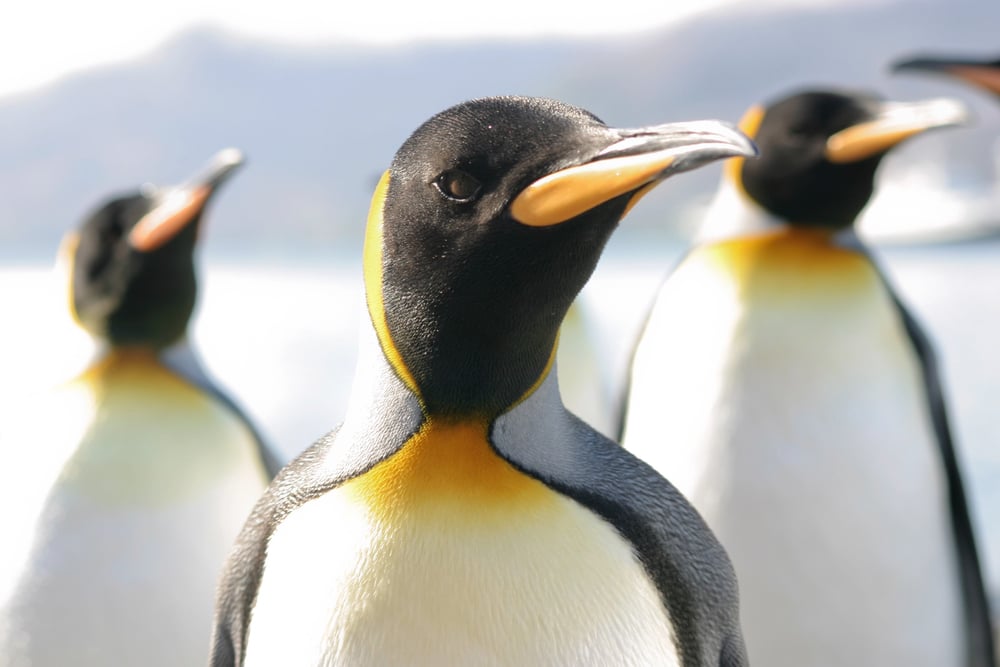
Welsh sailors spotted these birds near Antarctica and called them “pen gwyn” — white heads. Which would be fine except penguins don’t have white heads (and the birds the Welsh sailors were probably looking at were auks, which do have white heads but live in the Arctic, not the Antarctic, and went extinct in 1844).
By the time anyone sorted out the geographic and anatomical confusion, “penguin” was already established as the name for those black-and-white birds that waddle around on ice floes. The wrong name stuck to the wrong birds in the wrong hemisphere.
And it worked perfectly.
Scuba

This acronym wasn’t supposed to become a word. “Self-Contained Underwater Breathing Apparatus” was a military designation, a piece of technical jargon that described the equipment without any intention of becoming part of everyday language. But “S.C.U.B.A.” was easier to say than the full phrase, and eventually people started treating it like a regular word instead of an abbreviation.
Now it’s “scuba diving” and “scuba gear,” and most people have forgotten it ever stood for anything else.
Laser

“Light Amplification by Stimulated Emission of Radiation” followed the same path as scuba — a technical acronym that became so common people forgot it was ever an acronym at all. The inventors needed a short way to refer to their new device, and L.A.S.E.R. was more manageable than the full scientific description.
But the word took on a life of its own, spawning “laser surgery” and “laser tag” and “laser pointer” — applications the original scientists never imagined when they were just trying to create a convenient abbreviation.
Posh
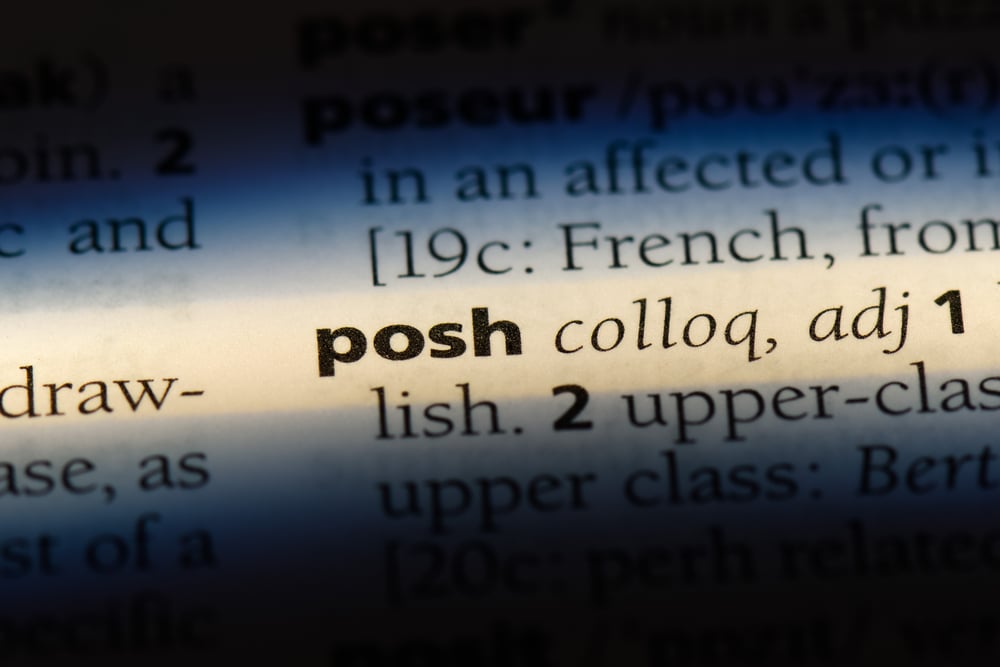
Port Out, Starboard Home — supposedly the preferred cabin arrangement for wealthy passengers traveling between England and India, positioned to avoid the sun on both legs of the journey. The story sounds plausible enough that people still repeat it, but maritime historians point out that steamship companies never used “P.O.S.H.” on their tickets, and the word doesn’t appear in print until decades after the supposed nautical origin.
More likely, “posh” started as slang meaning “money” (from Romani “posh” meaning “half”) and gradually shifted to describe the things money could buy. But the acronym story is more satisfying, so it persists alongside the word itself.
Snafu

Military bureaucracy accidentally created this word during World War II when soldiers needed a way to describe the constant organizational chaos they encountered. “Situation Normal: All Fouled Up” (or a less polite version involving a different F-word) was supposed to be internal jargon, but it spread beyond the military and became a standard term for any confused or chaotic situation.
The acronym lost its military context but kept its meaning. And it turned out that civilian life had just as many snafus as army life did.
Denim

This fabric gets its name from “de Nîmes” — from the French city where it was originally manufactured. But English speakers gradually compressed “de Nîmes” into “denim” without realizing they were creating a new word that would outlast the original French textile industry.
The transformation happened so gradually that by the time Levi Strauss started making work pants from the material, “denim” was already established as an English word with no obvious connection to its French origins. The fabric crossed the Atlantic and the language followed, wearing smooth in the process.
The Happy Accidents Keep Coming

These words share something beyond their accidental origins — they all found a place in the language because they filled a need that people didn’t realize they had. Whether through printing errors, mispronunciations, or abandoned acronyms, each one solved a small communication problem.
They prove that language evolves not through careful planning but through the accumulated weight of millions of people trying to make themselves understood, one happy accident at a time.
More from Go2Tutors!

- The Romanov Crown Jewels and Their Tragic Fate
- 13 Historical Mysteries That Science Still Can’t Solve
- Famous Hoaxes That Fooled the World for Years
- 15 Child Stars with Tragic Adult Lives
- 16 Famous Jewelry Pieces in History
Like Go2Tutors’s content? Follow us on MSN.



