80s Plush Icons Kids Loved
The 1980s belonged to kids in ways that felt almost accidental. Between Saturday morning cartoons and toy commercials disguised as entertainment, an entire generation found themselves clutching plush companions that somehow mattered more than anyone expected.
These weren’t just toys — they were confidants, adventure partners, and the soft anchors that made childhood feel secure. Some had their own TV shows, others came with elaborate backstories, and a few managed to become cultural phenomena that parents still remember decades later.
Care Bears
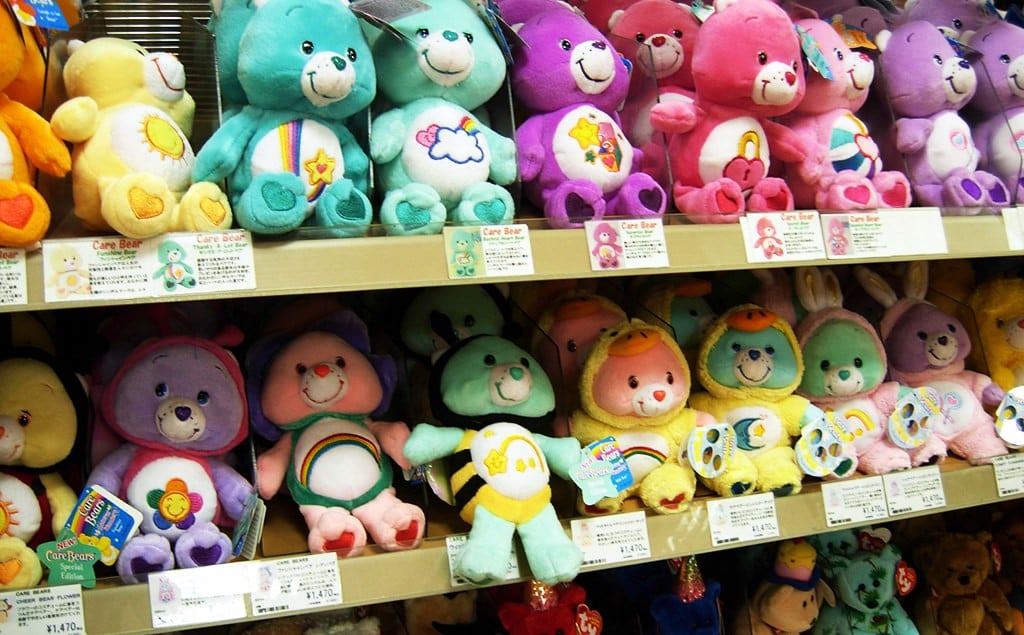
Care Bears turned emotions into a marketing strategy and somehow made it work. Each bear represented a different feeling, complete with belly badges that functioned like emotional billboards.
Kids didn’t just collect them — they assigned them roles based on whatever they needed that day. Tenderheart Bear for comfort, Cheer Bear for motivation, Grumpy Bear because sometimes you just felt cranky and wanted a friend who understood.
The cartoon taught lessons about friendship and caring, but the real magic happened during quiet moments when a child held Funshine Bear close and believed, even briefly, that everything would turn out okay.
Cabbage Patch Kids
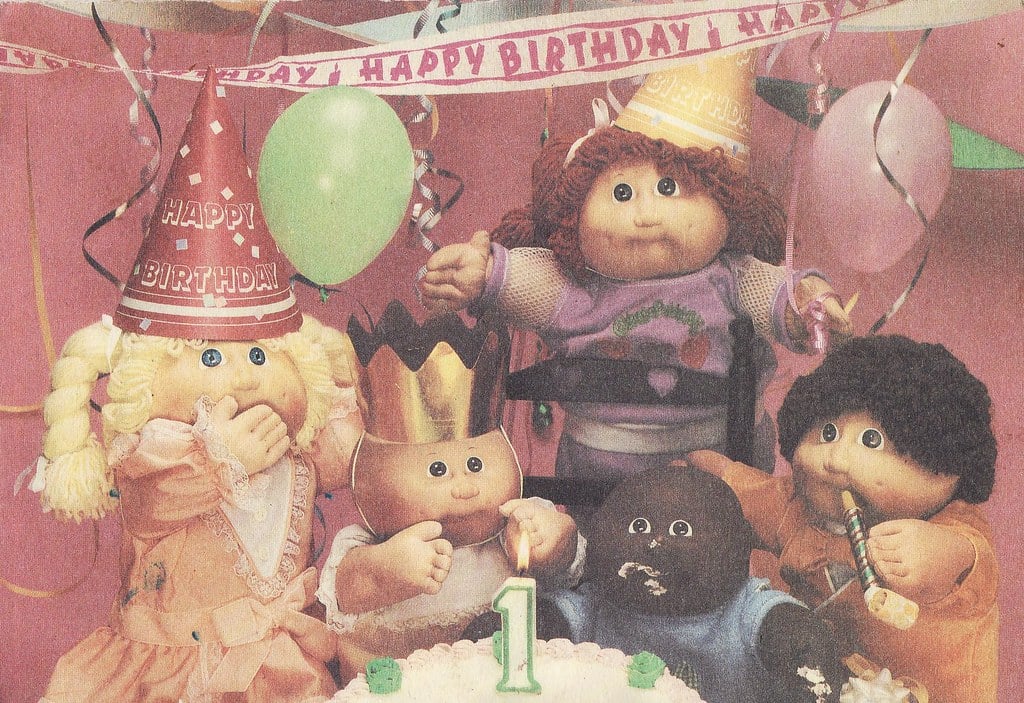
The Cabbage Patch Kids phenomenon defied explanation, which might be exactly why it worked so well in the first place (because childhood logic operates on entirely different principles than adult reasoning). Each doll came with adoption papers and a birth certificate, transforming what could have been a simple toy purchase into something that felt like genuine responsibility — the kind that made kids practice writing their names carefully on official documents and promise to take good care of their new “baby” with the solemnity usually reserved for wedding vows or crossing guards.
But here’s what the adoption papers couldn’t capture: how a child would spend hours arranging the perfect sleeping spot for their Cabbage Patch Kid, or the way they’d introduce their doll to visitors with the same pride parents show when talking about their actual children. Real connection.
The marketing was brilliant, but the attachment was entirely genuine.
My Little Pony
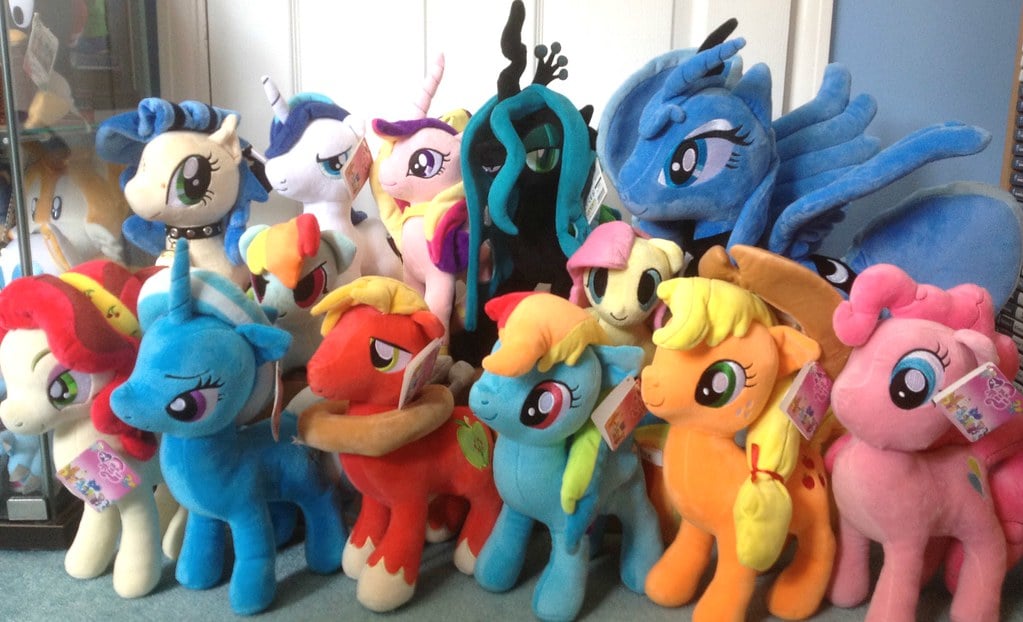
Horses, but make them pastel and give them symbols that mean something. My Little Pony figured out that kids don’t want realistic toys — they want toys that feel more interesting than reality.
Each pony had a cutie mark that represented their special talent, turning what could have been generic horses into individuals with purpose and personality. The brushable manes weren’t just a design choice; they were an invitation to care.
Hours spent combing your pony’s colorful hair or arranging its mane just so. It was nurturing disguised as play, and it worked because the ponies felt worth the effort.
Strawberry Shortcake
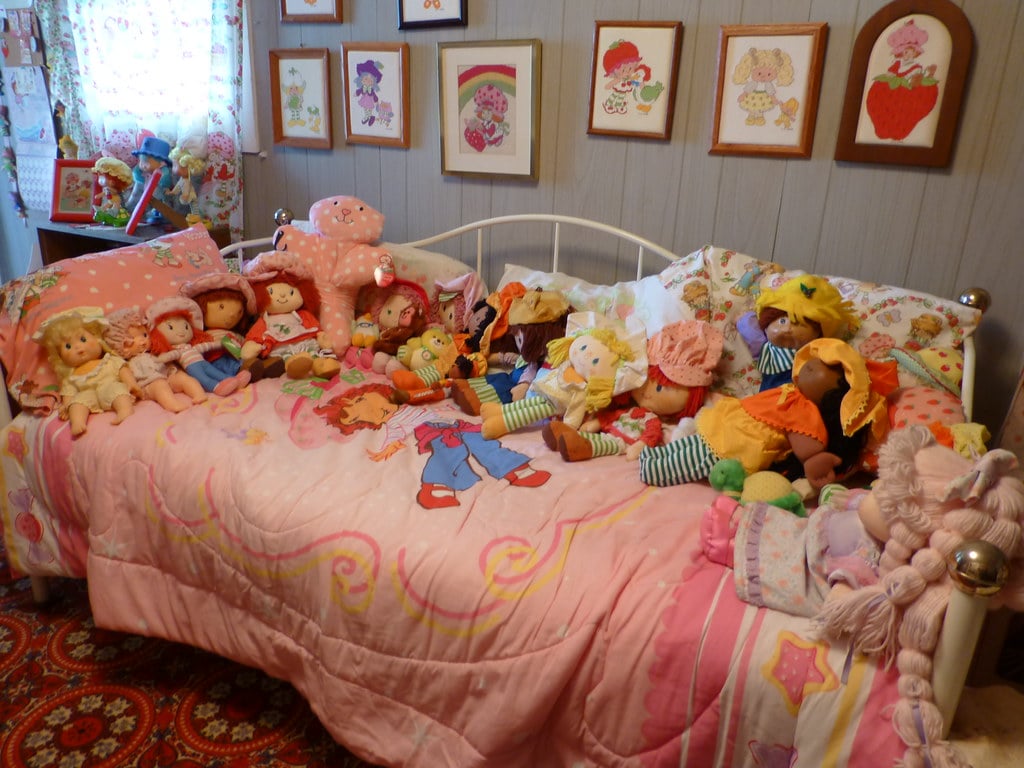
Strawberry Shortcake smelled like childhood should smell — sweet, artificial, and oddly comforting in a way that real strawberries could never match. The scented dolls created a sensory memory that stuck with kids long after they’d outgrown the toys themselves.
Years later, a whiff of strawberry would transport them right back to age six, sitting cross-legged on a bedroom floor, planning adventures in Berry Land. The supporting cast of fruit-themed friends expanded the world without overcomplicating it.
Blueberry Muffin, Apple Dumplin’, Orange Blossom — each character felt distinct enough to matter but simple enough for young minds to keep track of. Perfect balance, which is harder to achieve than it sounds.
Teddy Ruxpin
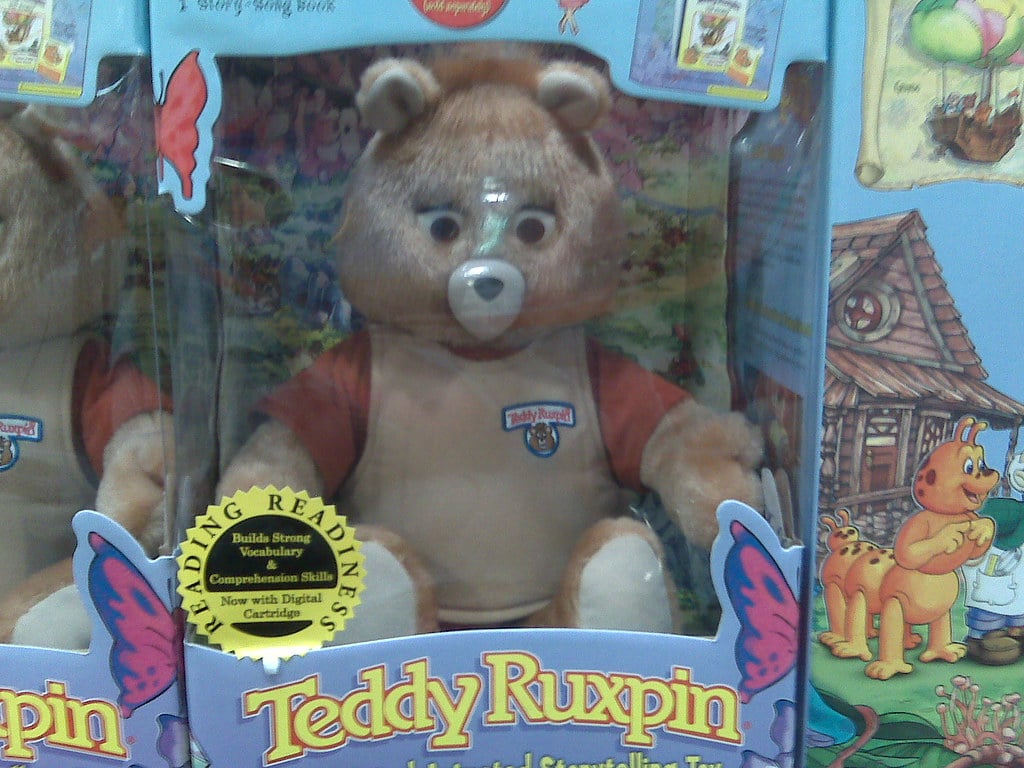
Teddy Ruxpin was ambitious in ways that should have been ridiculous. A teddy bear that told stories through cassette tapes, with a moving mouth that synchronized to the audio.
The technology was impressive for 1985, but technology wasn’t what made kids fall in love with Teddy Ruxpin. What mattered was the feeling of having a storyteller who never got tired, never said “maybe later,” and never rushed through the good parts.
Teddy Ruxpin made bedtime stories feel personal, like he was telling them just for you. The mechanical movements should have felt artificial, but somehow they didn’t.
Kids suspended disbelief because the stories were worth it.
Pound Puppies
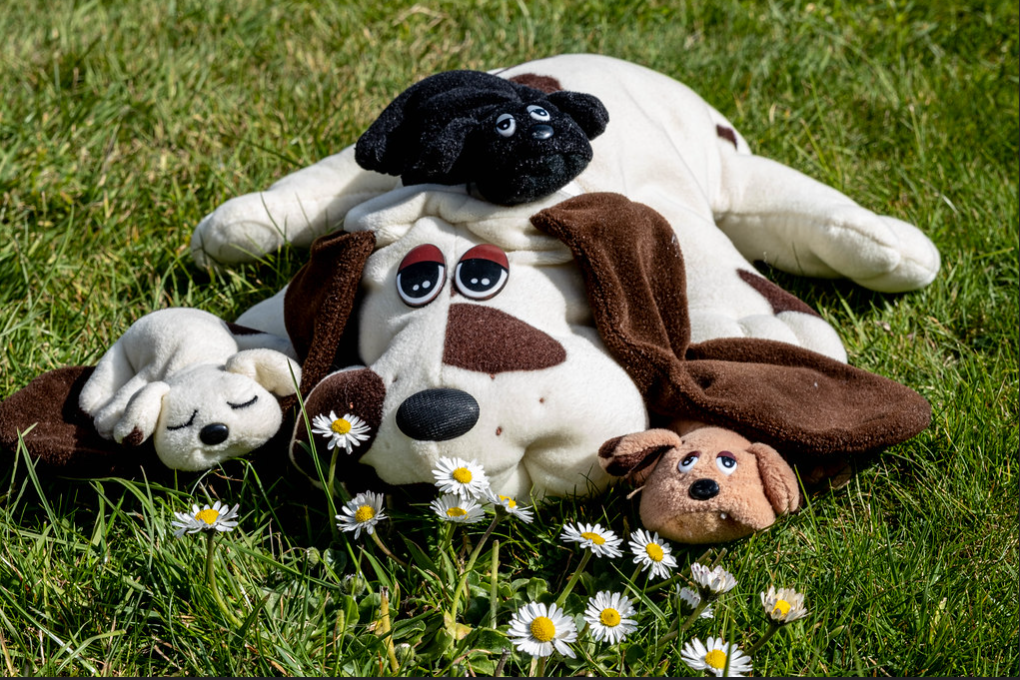
Abandoned dogs looking for homes — someone decided this was perfect material for a children’s toy line, and against all reasonable expectations, they were absolutely right, because kids have always understood that the best friendships start with someone who needs you as much as you need them (which explains why the most beloved childhood pets are usually the scrappy ones rather than the pedigreed darlings). Each Pound Puppy came with a name tag and a backstory about needing a family, which transformed the purchase into a rescue mission rather than just buying another stuffed animal.
And the tagline “These lovable pups need a home” hit something deeper than marketing usually reaches: the universal childhood desire to be needed, to matter, to be someone’s first choice. So kids didn’t just play with Pound Puppies — they adopted them with the seriousness of actual pet owners, complete with elaborate sleeping arrangements and carefully planned daily routines.
Popples
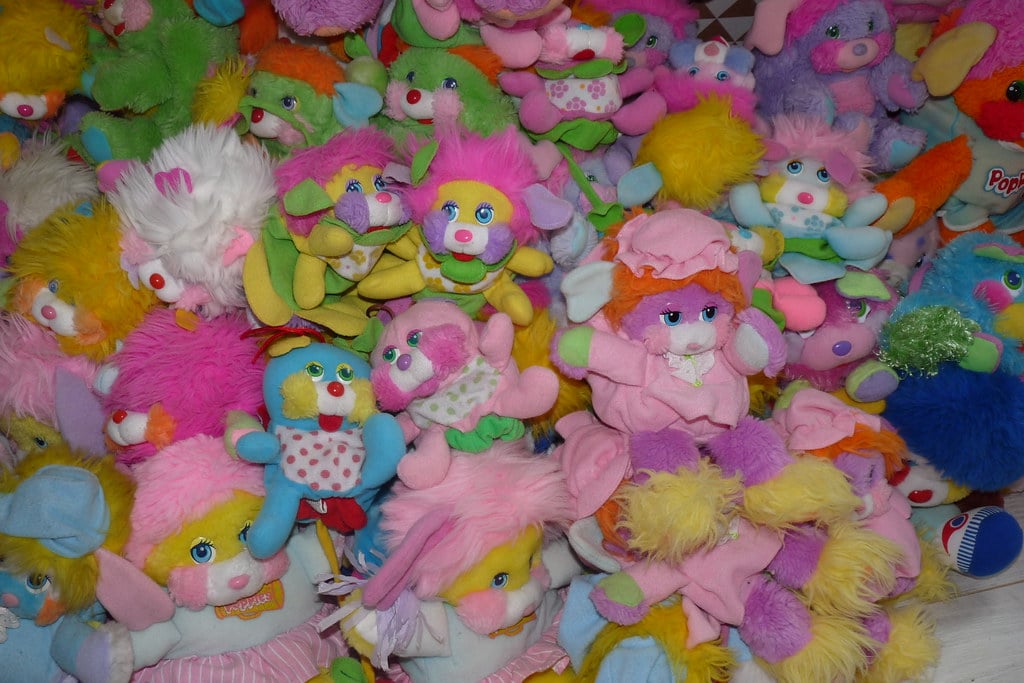
Popples solved a problem nobody knew existed — stuffed animals that could transform into their own carrying case. The gimmick should have felt like a gimmick, but kids embraced the transformation aspect with genuine enthusiasm.
There’s something satisfying about toys that can change, that have secrets, that reveal new possibilities when you figure out how they work. The bright colors and simple faces made them approachable, but the transformation mechanism made them memorable.
Kids would spend ages perfecting the flip from Popple to orb and back again, treating it like a magic trick they could perform whenever they needed to impress someone.
Garfield
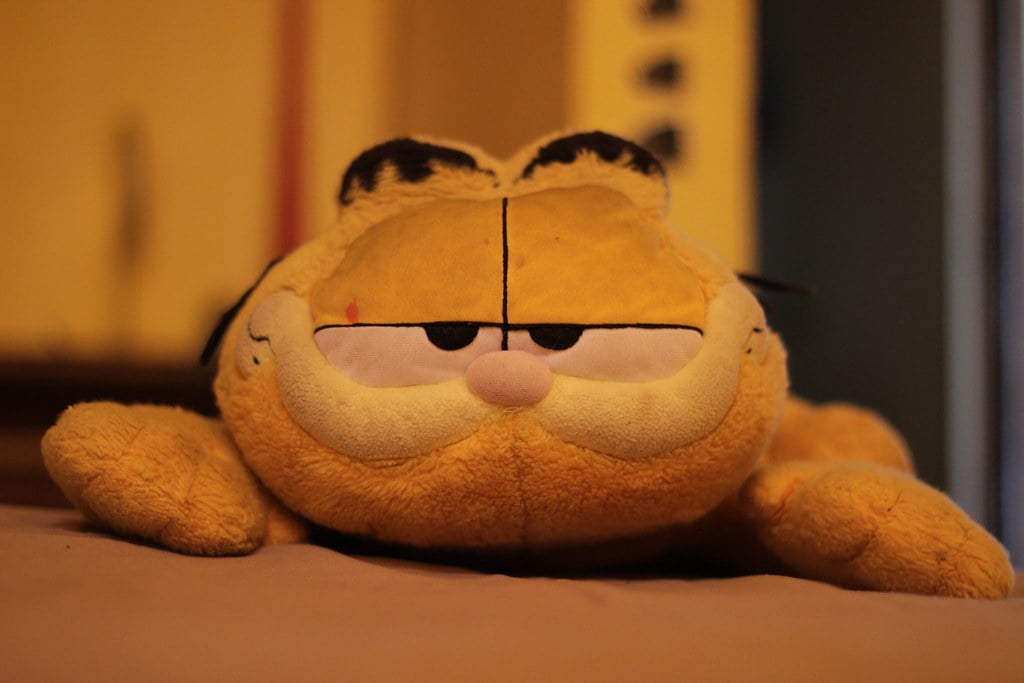
Garfield the cat became Garfield the plush phenomenon because sometimes kids want a stuffed animal with attitude. Unlike the gentle, nurturing vibes of most plush toys, Garfield came with built-in personality — sarcastic, lazy, and completely unapologetic about it.
The orange tabby cat spoke to kids who were tired of being told to be nice all the time. Garfield didn’t care about being perfect, didn’t pretend to love everyone, and made no apologies for wanting to sleep in and eat too much.
For children navigating the constant pressure to behave, a grumpy cat who did whatever he wanted felt refreshingly honest.
Rainbow Brite
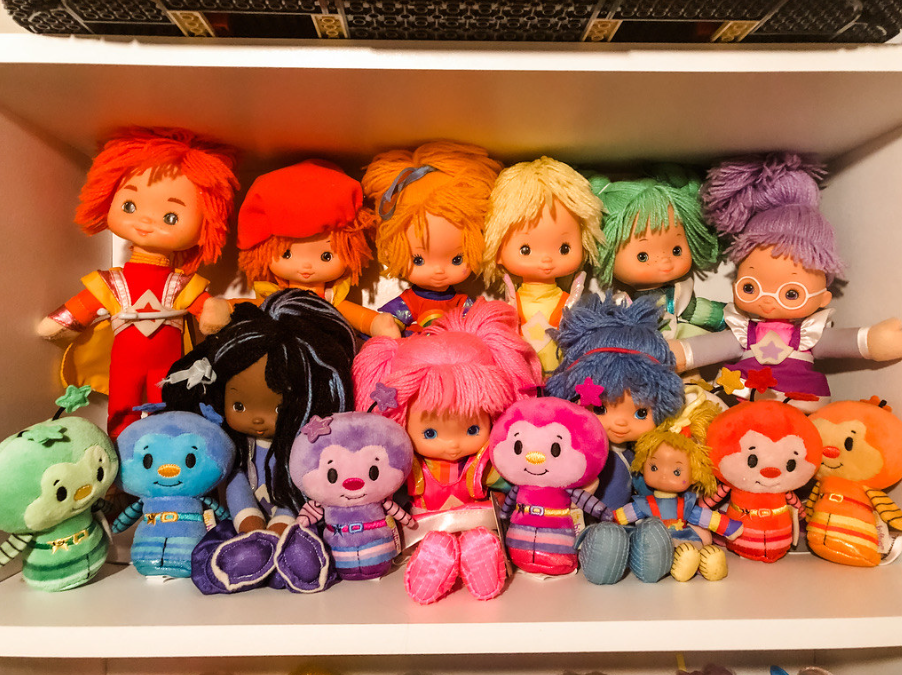
Color as a superpower — Rainbow Brite took the abstract concept of bringing brightness to the world and made it literal. The character wielded a rainbow belt and commanded an army of Color Kids, each responsible for a different hue.
The mythology was elaborate enough to sustain hours of imaginative play. But the real appeal wasn’t the fantasy elements; it was the promise that one person could make things better just by showing up.
Rainbow Brite’s mission to bring color to a gray world resonated with kids who instinctively understood that sometimes the world needs brightening, and maybe they could be the ones to do it. The plush dolls came with flowing rainbow hair that seemed to shimmer when it caught the light, making every child feel like they were holding a little piece of magic.
Smurfs
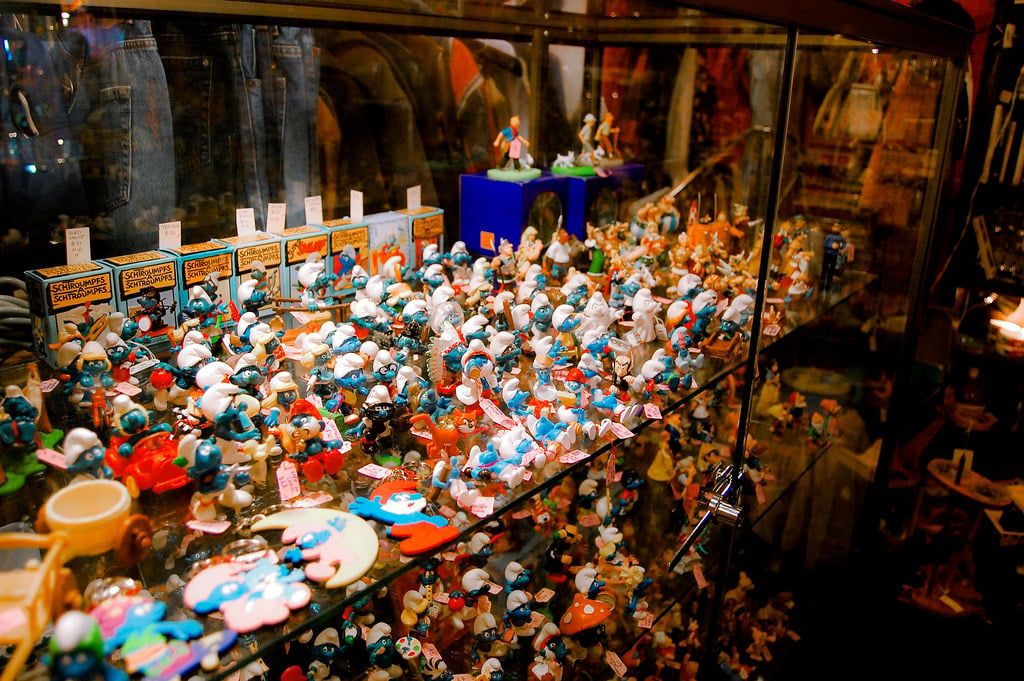
Three apples high and blue all over — the Smurfs carved out their own corner of 1980s childhood with a combination of whimsy and genuine storytelling that felt both fantastical and oddly relatable, because living in a village where everyone has a specific role and personality trait isn’t so different from navigating elementary school social dynamics when you think about it (which kids did, constantly, without realizing they were doing it). Papa Smurf provided wisdom, Brainy Smurf was the know-it-all everyone tolerated, Clumsy Smurf made mistakes that somehow worked out okay — the character types were familiar enough that kids could see themselves and their friends reflected in the tiny blue figures.
And Smurfette complicated things in ways that felt important, even if kids couldn’t quite articulate why having the one girl Smurf matter so much to the group dynamic made perfect sense. But forget the deeper analysis: Smurf plushies were the perfect size for small hands, soft enough for comfort, and distinctive enough that losing one in a toy box was never a problem.
Snuggles
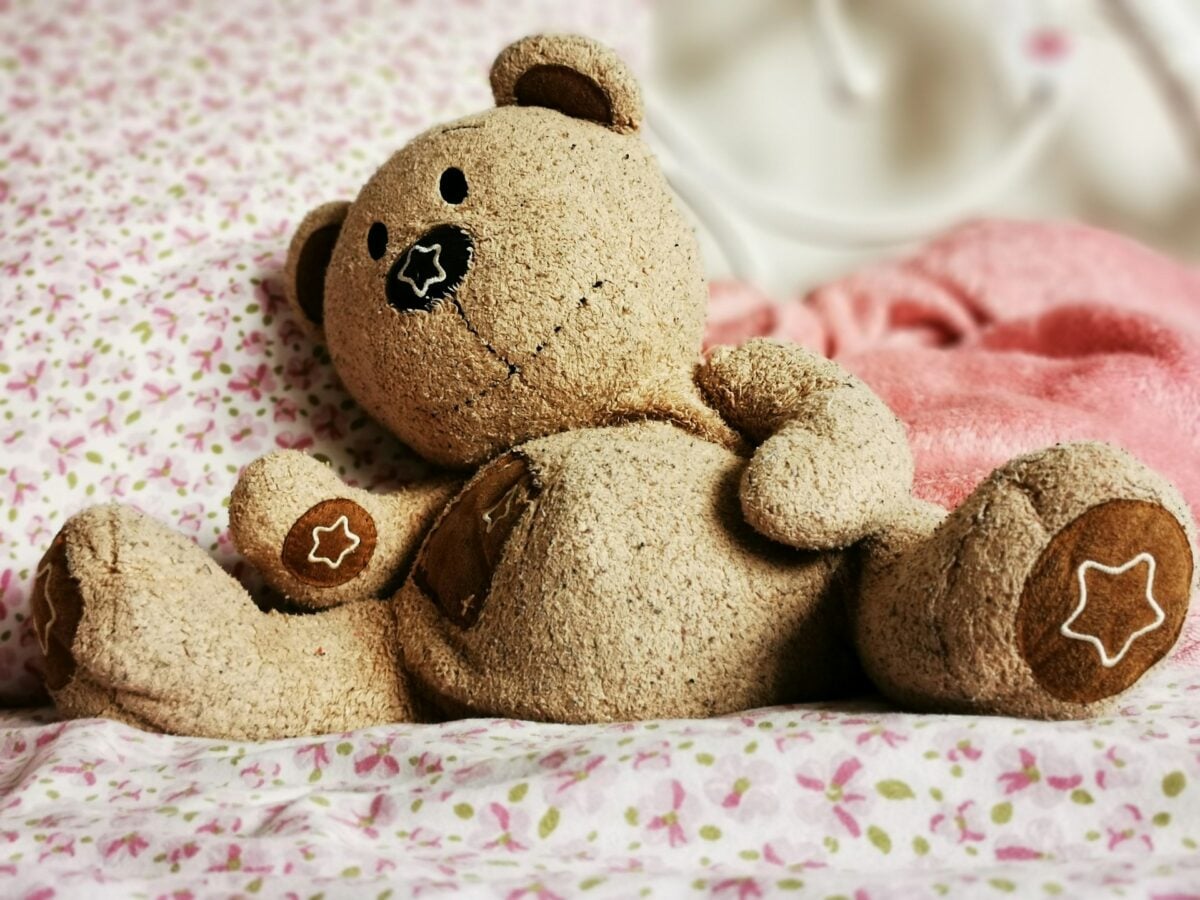
The Snuggle bear turned fabric softener commercials into a cultural moment, which says something about the power of effective mascot design. A teddy bear whose entire personality revolved around making things soft and cozy should have felt like transparent marketing, but kids embraced Snuggles with the same enthusiasm they showed for characters with more complex backstories.
Maybe simplicity was the point. In a decade full of elaborate toy lines with complicated mythologies, Snuggles offered something straightforward: a bear whose job was to make everything more comfortable.
Kids didn’t need adventure stories when they had a plush companion whose presence promised that things would feel better, softer, more manageable.
E.T.
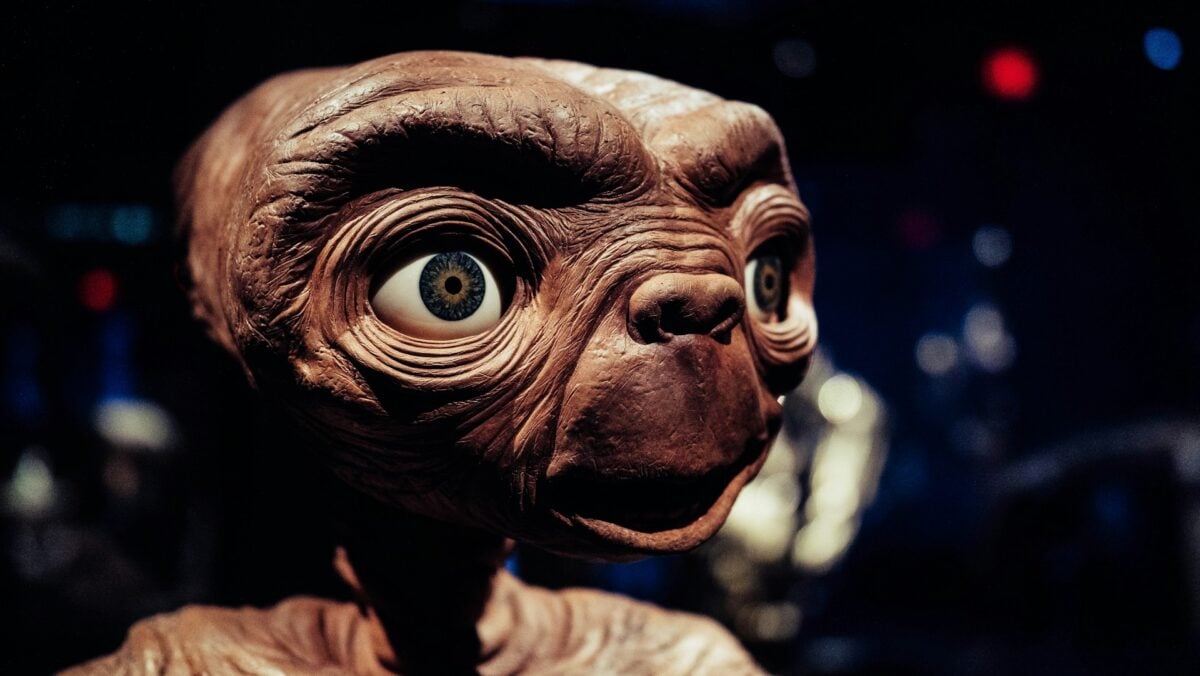
E.T. the Extra-Terrestrial became a plush phenomenon because the movie created a character kids wanted to protect rather than fear. The alien’s vulnerable appearance and childlike voice made him feel less like a visitor from another planet and more like a lost friend who needed help getting home.
The plush versions couldn’t replicate the movie’s emotional impact, but they captured something almost as valuable: the feeling of being trusted with someone who depended on you. Kids carried their E.T. dolls with the same protective instinct Elliott showed in the film, treating them like refugees who needed care rather than toys that provided entertainment.
The glowing finger was impossible to replicate in plush form, but the gentle expression and soft brown fabric made up for the missing special effects.
Wuzzles
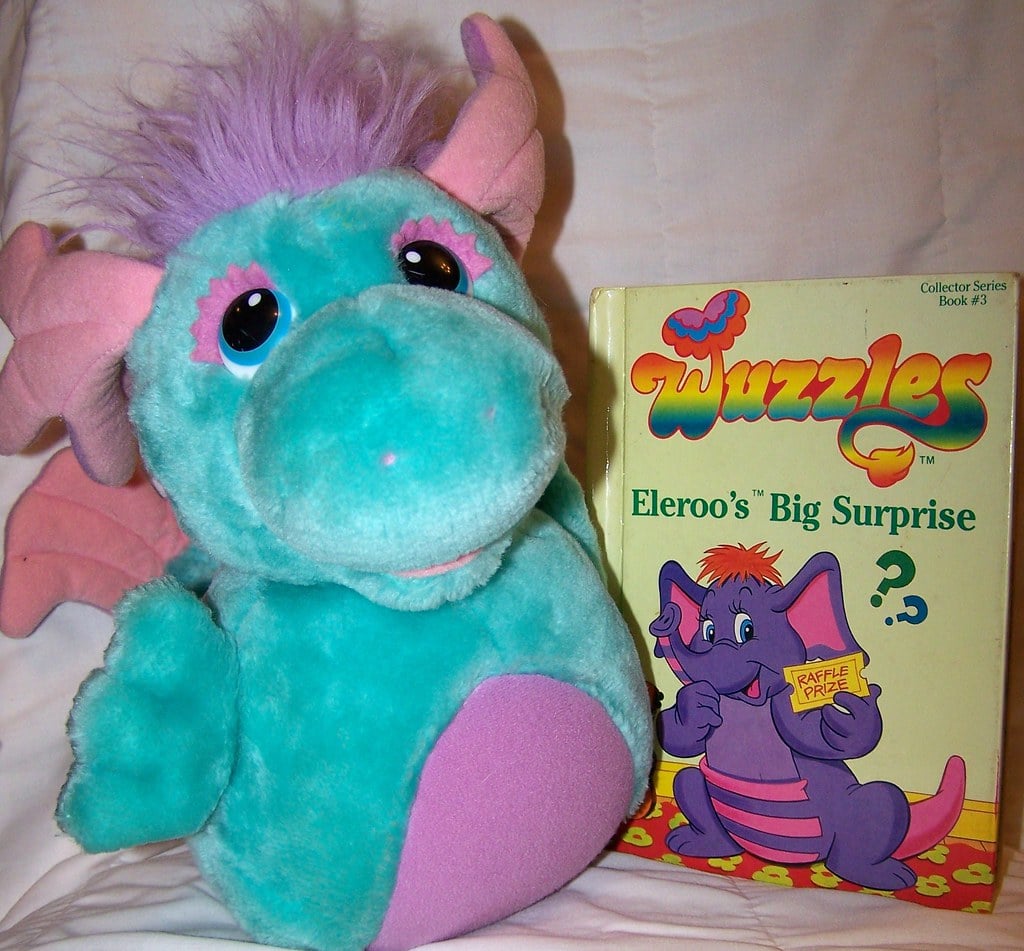
Disney’s Wuzzles lasted only one season on television, but the plush toys stuck around longer in toy boxes and children’s memories. The concept was simple: animals that were half one thing, half another.
Bumblelion (part bumble bee, part lion), Butterbear (part butterfly, part bear), Rhinokey (part rhinoceros, part monkey). Hybrid creatures that shouldn’t have worked but somehow did.
The appeal wasn’t the TV show — it was the idea that you could be two things at once and that was perfectly fine. Kids who felt caught between different parts of their personalities found comfort in toys that celebrated combination rather than demanding you pick just one way to be.
Whimsy Lives On
These plush companions from the 1980s created a template for childhood attachment that still influences toy design today. They succeeded not because of superior marketing or advanced technology, but because they understood something fundamental: kids don’t need toys that do everything — they need toys that feel like something.
The best plush icons of the decade offered comfort, personality, and the quiet promise that someone understood what it felt like to be small in a big world. Some things never go out of style, even when their TV shows get canceled and their commercials stop running.
More from Go2Tutors!

- The Romanov Crown Jewels and Their Tragic Fate
- 13 Historical Mysteries That Science Still Can’t Solve
- Famous Hoaxes That Fooled the World for Years
- 15 Child Stars with Tragic Adult Lives
- 16 Famous Jewelry Pieces in History
Like Go2Tutors’s content? Follow us on MSN.