Forgotten Social Media Apps Before Snapchat
Before vanishing posts and puppy face effects changed sharing, online networks began as scattered trials. One after another, sites surged – pulling in crowds by the million – then dissolved like mist.
A few blazed bright but short. Meanwhile, some slipped away unnoticed, yet left behind pieces everyone now takes for granted.
Ahead of Snapchat’s 2011 debut, different social sites were already carving paths across the web. These networks didn’t just appear – they grew slowly, shifting how people traded moments online.
One after another, they set rhythms others would later follow. Before quick snaps took over, simpler posts built the foundation.
Each platform moved at its own pace, yet together they reshaped connection. Speed wasn’t always the goal – presence was.
Moments lived longer back then, lingering past the first glance.
Friendster
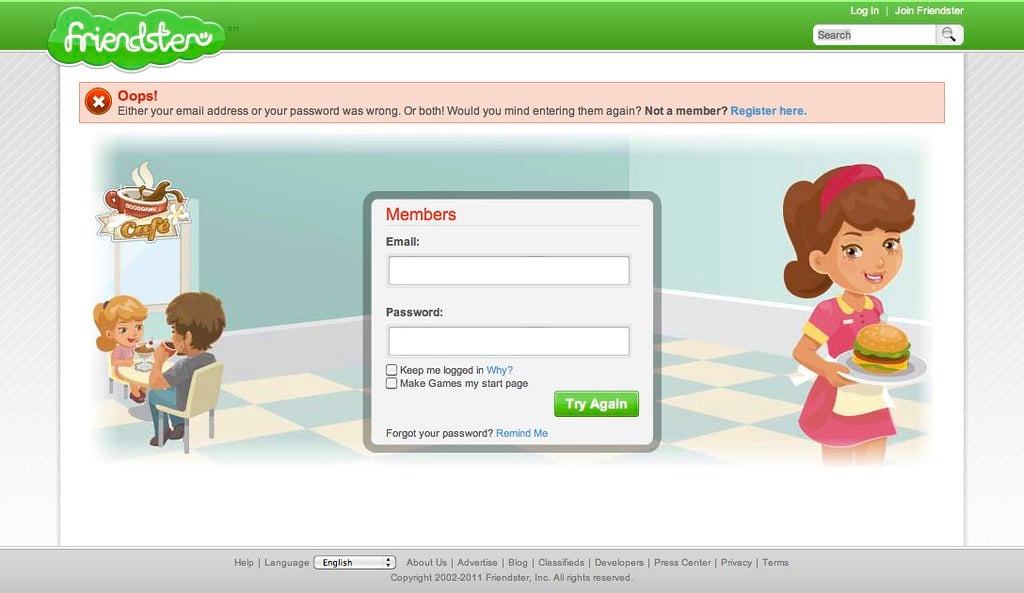
Launched in 2002, Friendster was one of the first platforms to make the idea of online ‘friends’ feel mainstream. At its peak, it had more than 100 million registered users and was especially dominant in Southeast Asia.
The concept was simple: build a profile, connect with people you knew, and expand your network through mutual contacts. Even so, Friendster struggled with technical issues as traffic grew.
Slow load times and site crashes pushed users toward faster alternatives. By the time it pivoted toward gaming in 2011, the cultural moment had passed, and the platform eventually shut down in 2015.
MySpace
Few platforms defined the mid-2000s like MySpace. Founded in 2003, it became the largest social network in the world by 2006, surpassing 100 million accounts.
Users customized their profiles with music, backgrounds, and glitter-heavy graphics that would make today’s minimalist feeds look almost sterile. That said, the very freedom that made MySpace feel expressive also made it chaotic.
Pages loaded slowly, layouts clashed, and spam grew rampant. As Facebook’s cleaner interface gained traction, MySpace declined, eventually selling for a fraction of its original $580 million acquisition price by News Corporation.
Orkut
Backed by Google and launched in 2004, Orkut gained massive popularity in Brazil and India. At one point, more than half of its users were based in Brazil, making it a cultural mainstay there.
It offered scrapbooks, testimonials, and community forums that encouraged lively interaction. Still, Orkut never captured the same momentum in the United States.
As Facebook expanded internationally, Orkut’s growth stalled. Google officially shut it down in 2014, but for many users overseas, it was their first real digital social circle.
Bebo
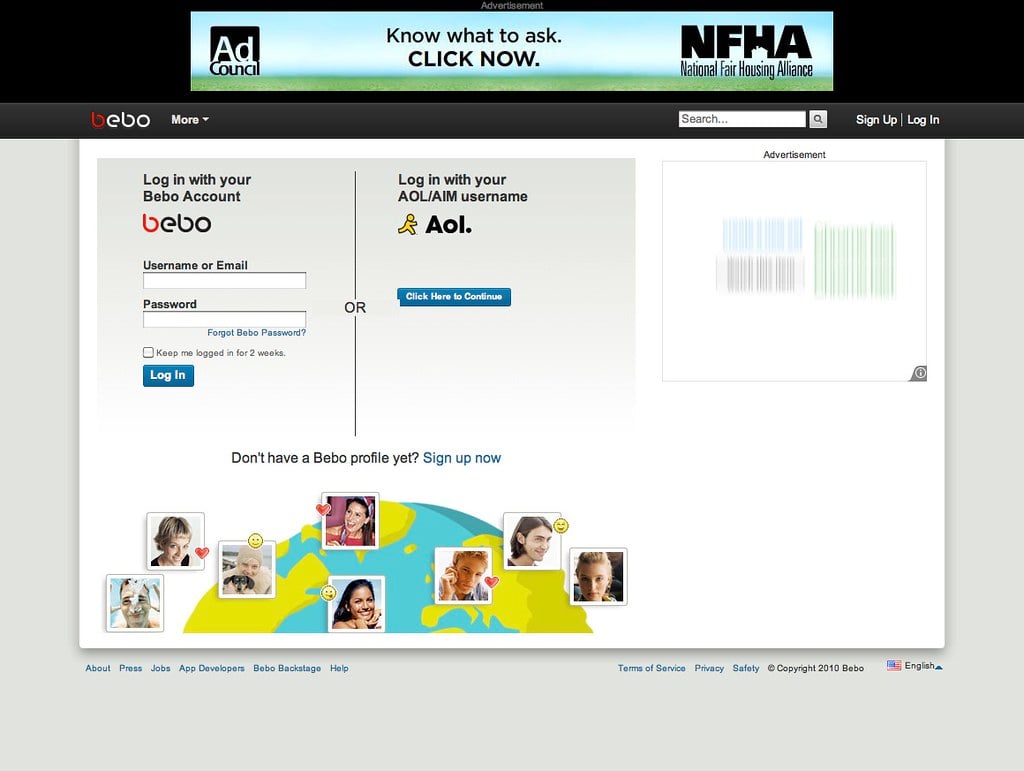
Bebo emerged in 2005 and quickly built a loyal user base in the United Kingdom and Ireland. It allowed profile personalization and multimedia sharing, similar to MySpace, but with a slightly cleaner aesthetic.
By 2008, it had around 40 million users. AOL acquired Bebo for $850 million at the height of its popularity.
However, user engagement declined rapidly as competitors tightened their grip on the market. Within two years, AOL sold it for a small fraction of that price, a reminder of how volatile early social media valuations could be.
Google Buzz

In 2010, Google attempted to weave social networking directly into Gmail with Google Buzz. The idea was to integrate updates, links, and conversations seamlessly into email accounts.
On paper, it looked like a smart move, given Gmail’s enormous user base. However, privacy concerns quickly overshadowed its potential.
The platform automatically connected users based on frequent email contacts, exposing networks without clear consent. Google shut down Buzz in 2011, marking one of its more public missteps in the social space.
Path
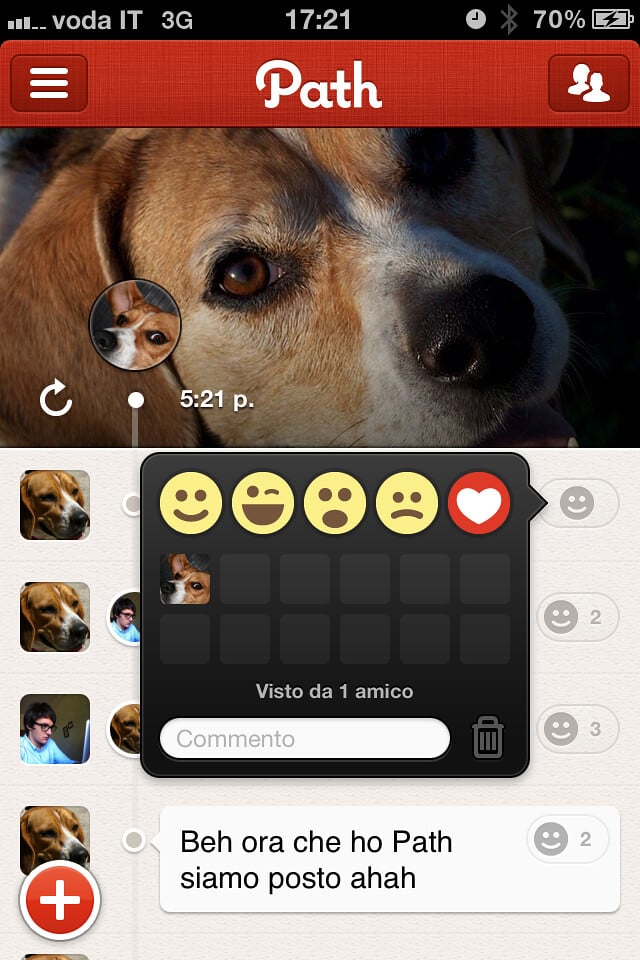
Path launched in 2010 with a deliberate constraint: users could only have 50 friends, later expanded to 150 and beyond. The founders believed smaller circles would encourage more authentic sharing.
The interface was sleek, photo-focused, and ahead of its time. Even so, limited network size slowed viral growth.
Competing against larger platforms proved difficult, and despite multiple redesigns and feature additions, Path never scaled widely in the U.S. It eventually shut down in 2018, though its emphasis on intimate sharing foreshadowed later trends.
Pownce
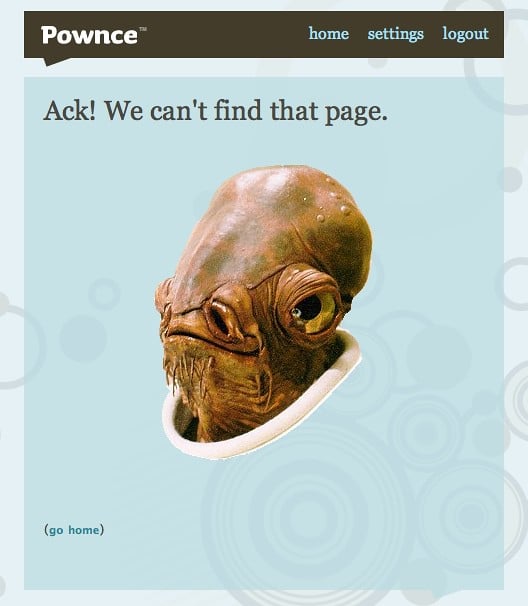
Co-founded by Digg founder Kevin Rose in 2007, Pownce aimed to blend file sharing, status updates, and event invitations in one place. It attracted early adopters who appreciated its polished design and flexible posting options.
Still, Twitter’s rapid ascent overshadowed it. Pownce struggled to differentiate itself clearly enough in a crowded space.
Less than two years after launching, it was acquired and shut down, becoming one of the more short-lived experiments of the Web 2.0 era.
Jaiku
Jaiku began in Finland in 2006 as a microblogging service similar to Twitter. It focused on sharing short updates and integrated mobile functionality early on, which felt forward-thinking at the time.
Google acquired Jaiku in 2007, signaling potential ambition. However, development slowed significantly after the acquisition.
As Twitter gained traction globally, Jaiku faded into the background. Google eventually discontinued it in 2012, another reminder that acquisition alone does not guarantee longevity.
Formspring
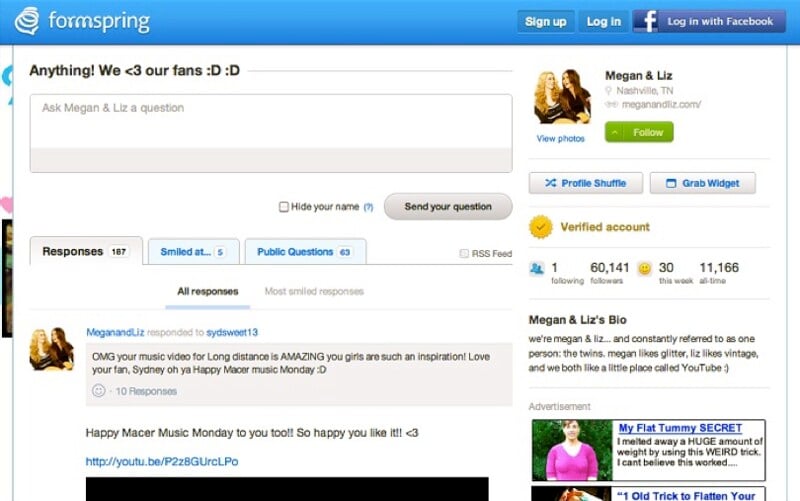
Formspring, launched in 2009, centered on anonymous question-and-answer exchanges. Users could submit queries to others without revealing their identities, which created a mix of playful curiosity and, at times, uncomfortable dynamics.
The platform gained millions of users rapidly, especially among teens. That said, moderation challenges and reputational issues weighed heavily on its growth.
By 2013, Formspring shut down, citing financial struggles and the cost of maintaining the service.
Meebo
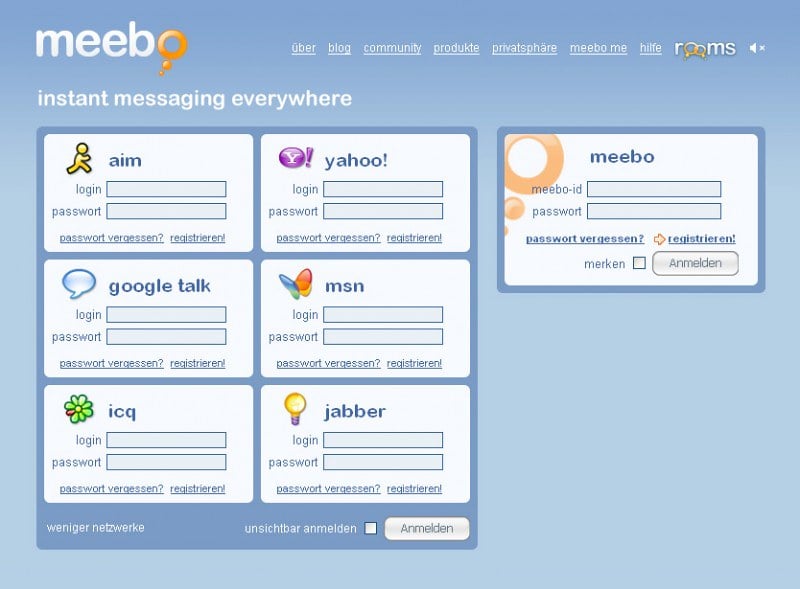
Meebo started in 2005 as a browser-based messaging service that allowed users to connect across multiple chat networks in one place. It later expanded into social features, including sharing and content discovery tools.
Even so, the rise of mobile messaging apps reduced demand for browser-based aggregators. Google acquired Meebo in 2012 and eventually shut down its consumer-facing services.
Its core ideas about unified communication lived on elsewhere, but the brand itself disappeared.
Posterous

Posterous launched in 2008 as a simple blogging and sharing platform. Users could post content by sending an email, and the service would automatically format and publish it.
This simplicity appealed to creators who wanted minimal friction. However, as Tumblr and other platforms refined social publishing, Posterous struggled to maintain distinct appeal.
Twitter acquired it in 2012 and shut it down the following year, folding some of its engineering talent into its own ecosystem.
Plurk

Plurk debuted in 2008 with a distinctive horizontal timeline interface. Users posted short updates that appeared in a scrolling format, creating a visually different experience from vertical feeds.
It gained traction in parts of Asia and maintained a niche community. Still, widespread global adoption proved elusive.
Competing platforms with stronger brand recognition dominated the market. While Plurk continues to operate in limited form, its moment of broader cultural relevance passed before Snapchat entered the scene.
The Shift Toward Ephemeral Sharing

When Snapchat arrived in 2011, others had already left footprints. Some tried personal touches, short posts, tight sharing circles, hidden names, or built-in chats.
Trouble followed – bugs piled up, secrets leaked, faces blurred into confusion. Messages vanish fast on Snapchat, changing how people chat online.
Not meant to last, they make posting feel lighter, more off the cuff. This idea did not come out of nowhere.
Other apps spent years testing what works before it arrived. Hidden traces of old online spaces live on in how we act now.
What seemed fresh before – posting moods, sharing moments, small groups, chat inside apps – is normal these days. Progress wasn’t clean or steady; missteps mixed with big visions pushed things ahead.
Lost tools set boundaries for the ones that lasted. Brief experiments changed forever how folks link up across screens.
More from Go2Tutors!

- The Romanov Crown Jewels and Their Tragic Fate
- 13 Historical Mysteries That Science Still Can’t Solve
- Famous Hoaxes That Fooled the World for Years
- 15 Child Stars with Tragic Adult Lives
- 16 Famous Jewelry Pieces in History
Like Go2Tutors’s content? Follow us on MSN.