Photos of Road Markings Every Driver Should Know
Driving feels automatic after a while. Your foot knows when to brake, your hands know when to turn, and your eyes scan the road ahead without conscious thought.
But that painted language spread across the asphalt? Those lines, symbols, and markings that guide every mile?
Most drivers glance at them without really seeing what they’re being told. Road markings are more than decoration.
They’re a silent conversation between the road and every vehicle that travels it, communicating everything from lane changes to legal parking spots to warnings about what lies ahead. Some markings are universal, others are regional quirks, and a few are so subtle that missing them could mean the difference between a smooth trip and a traffic citation.
Understanding these markings isn’t just about following rules — it’s about reading the road the way it was designed to be read. The painted messages that seem obvious at first glance often carry more meaning than expected.
Solid Yellow Lines
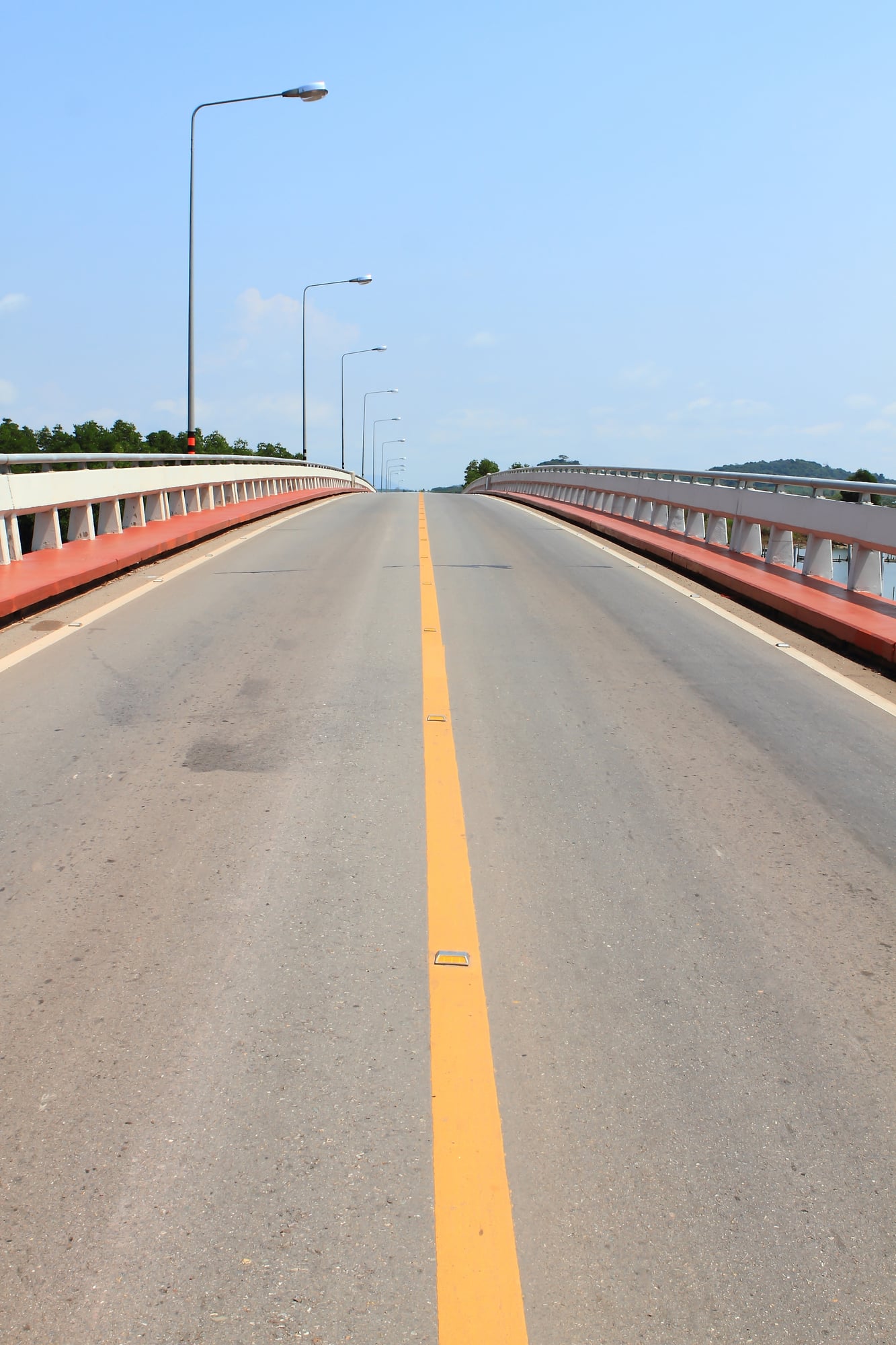
Don’t cross them. That’s the rule, plain and direct.
A solid yellow line means passing is prohibited on your side of the road. The reason is usually visibility — hills, curves, or intersections where oncoming traffic can’t be seen clearly enough to pass safely.
Double Yellow Lines
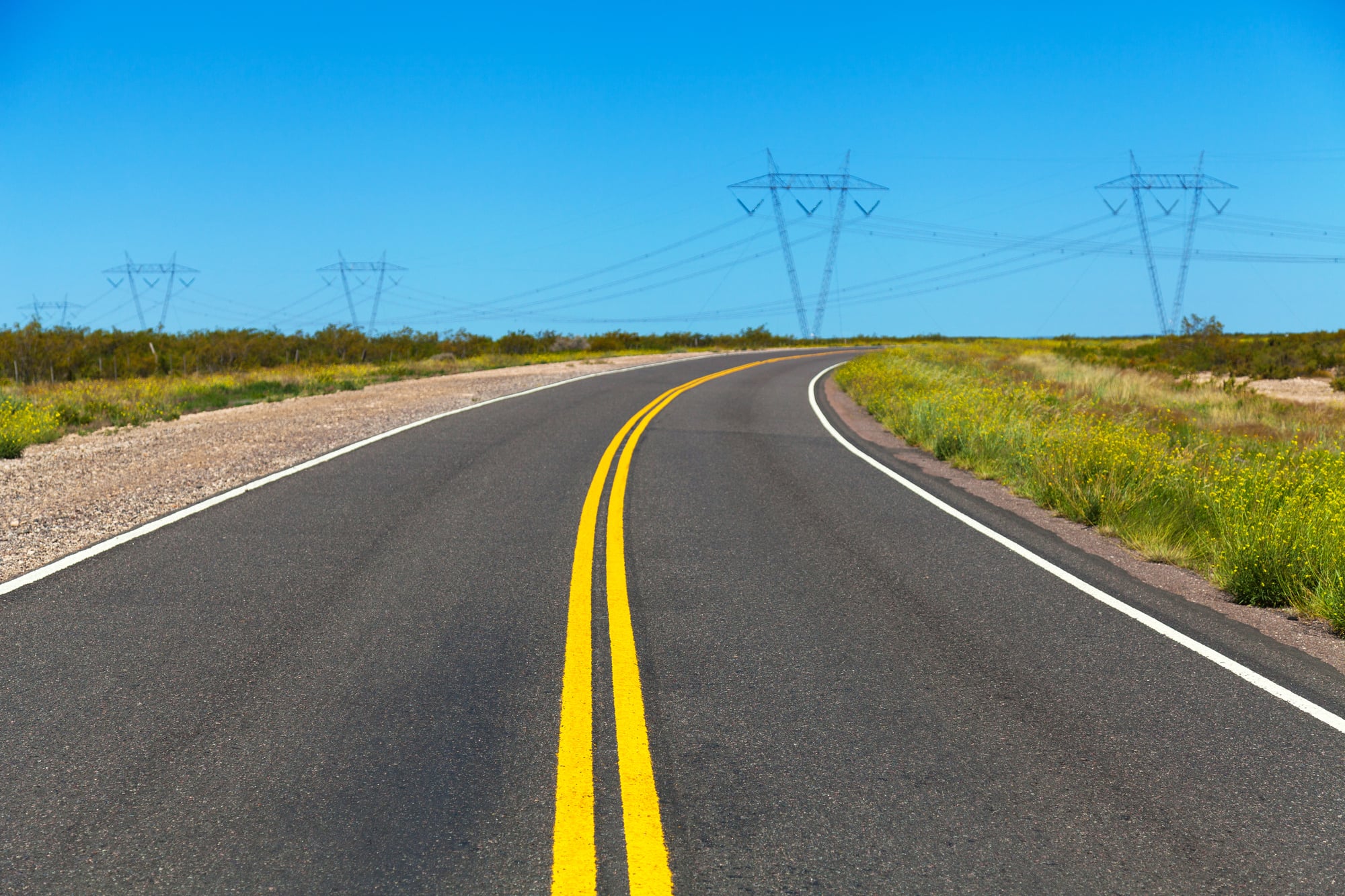
These create a no-passing zone for traffic traveling in both directions. Unlike a single solid yellow line that only restricts your side, double yellow lines mean nobody passes, period.
They appear in areas where the road geometry makes passing dangerous for everyone involved. The space between the lines doesn’t matter much for everyday driving, but wider spacing sometimes indicates a potential future median or turn lane.
Broken Yellow Lines
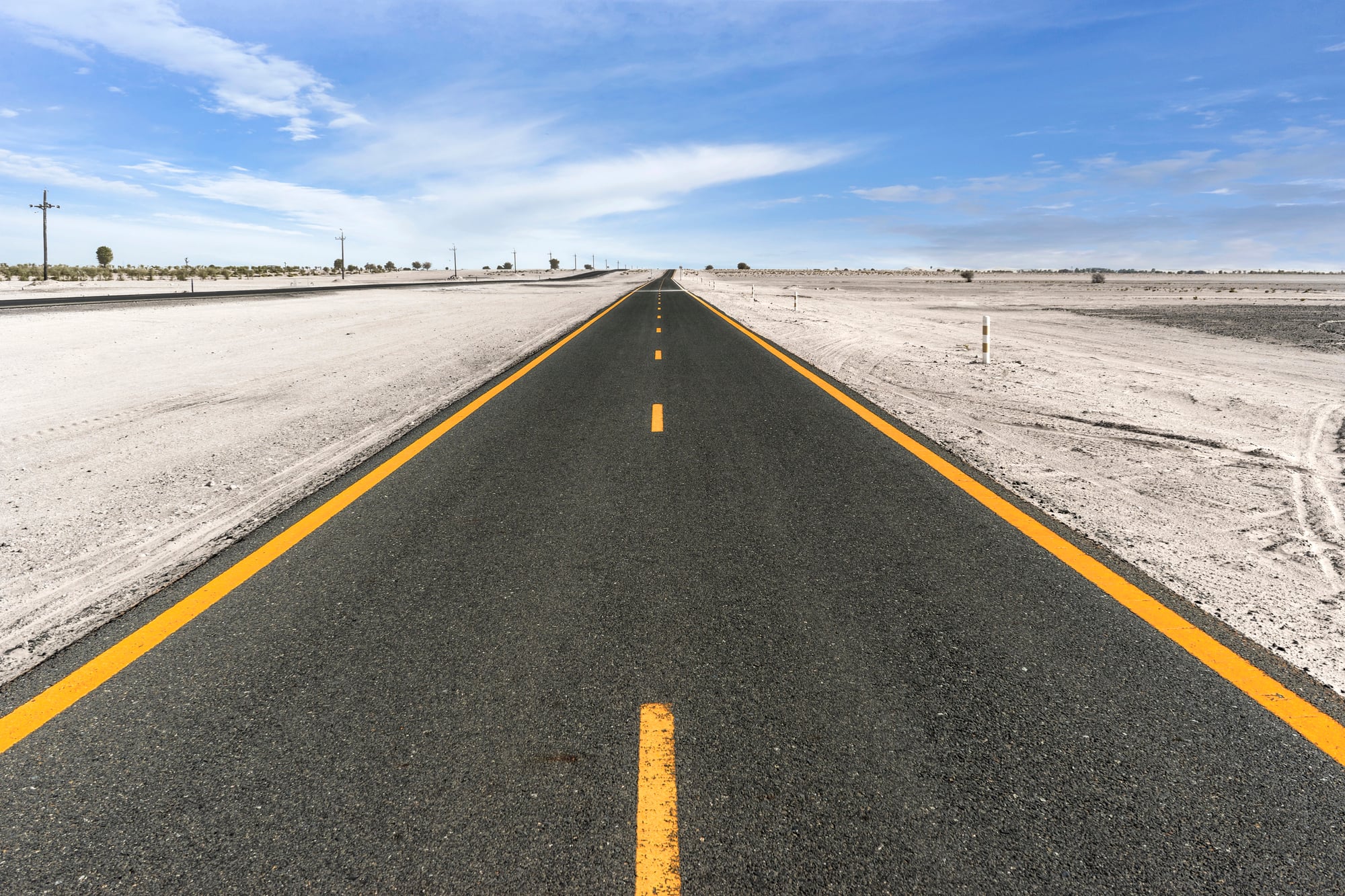
Here’s where drivers get to make decisions (and where many make poor ones, but that’s another matter entirely). A broken yellow line allows passing when the way ahead is clear, but only when visibility permits and the maneuver can be completed safely.
The key word being “safely” — which turns out to be more subjective than traffic engineers probably intended when they painted these lines. The length of the dashes and the gaps between them follow specific standards, though most drivers never notice the pattern.
Longer dashes with shorter gaps generally indicate areas where passing is more acceptable, while shorter dashes with longer gaps suggest more caution is warranted. And yet, the decision still comes down to driver judgment, which explains why passing zones remain one of the more contentious aspects of road design.
Combination Yellow Lines
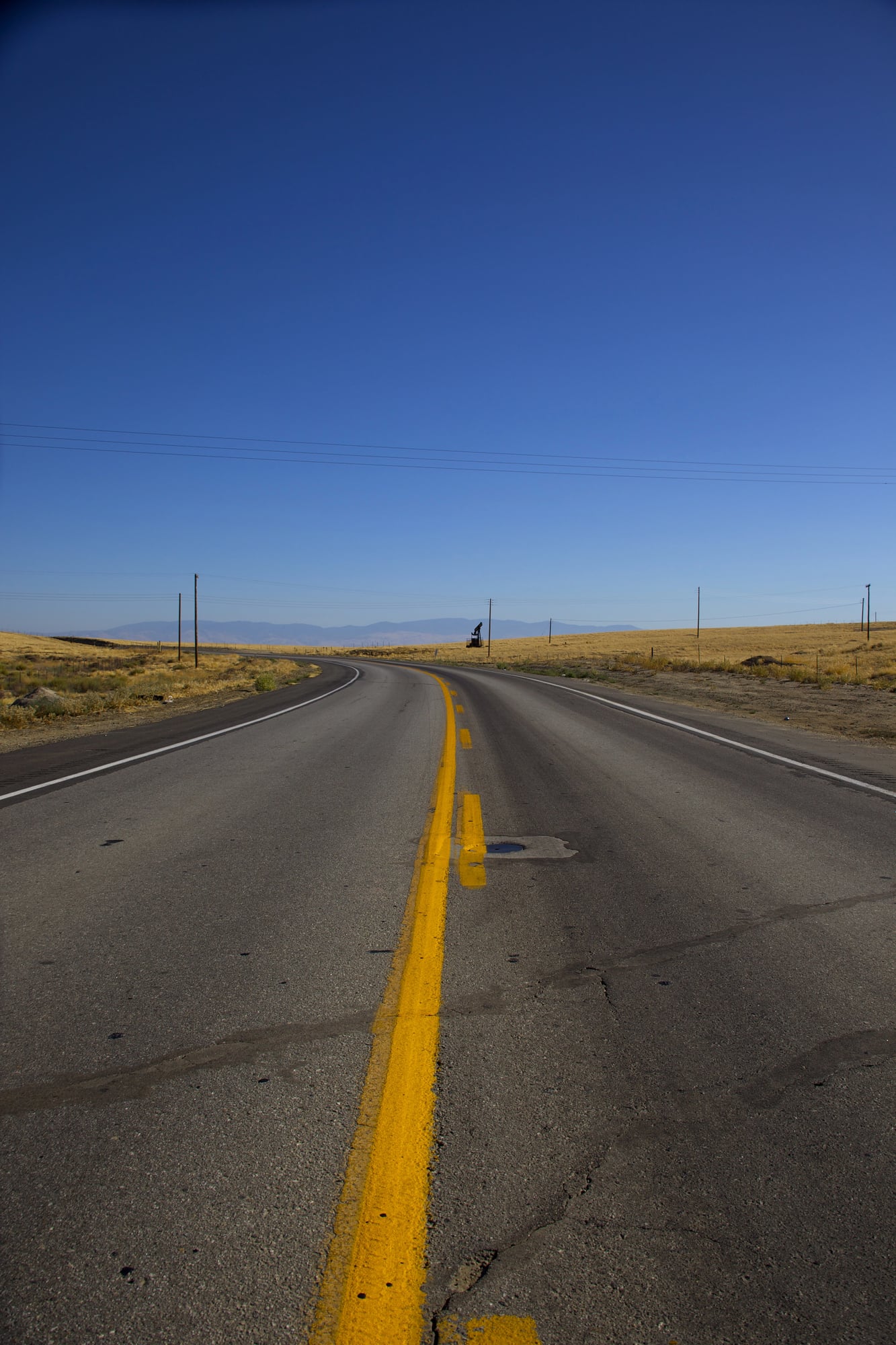
One solid, one broken — this pairing delivers different messages depending on which side of the road carries which line. If the broken line is on your side, passing is permitted when safe.
If the solid line faces your direction of travel, passing is prohibited for your lane only, though oncoming traffic with the broken line on their side may pass you. It’s an elegant solution to the problem of hills and curves where visibility differs by direction, though it requires drivers to actually understand the system rather than simply following the car ahead.
Solid White Lines
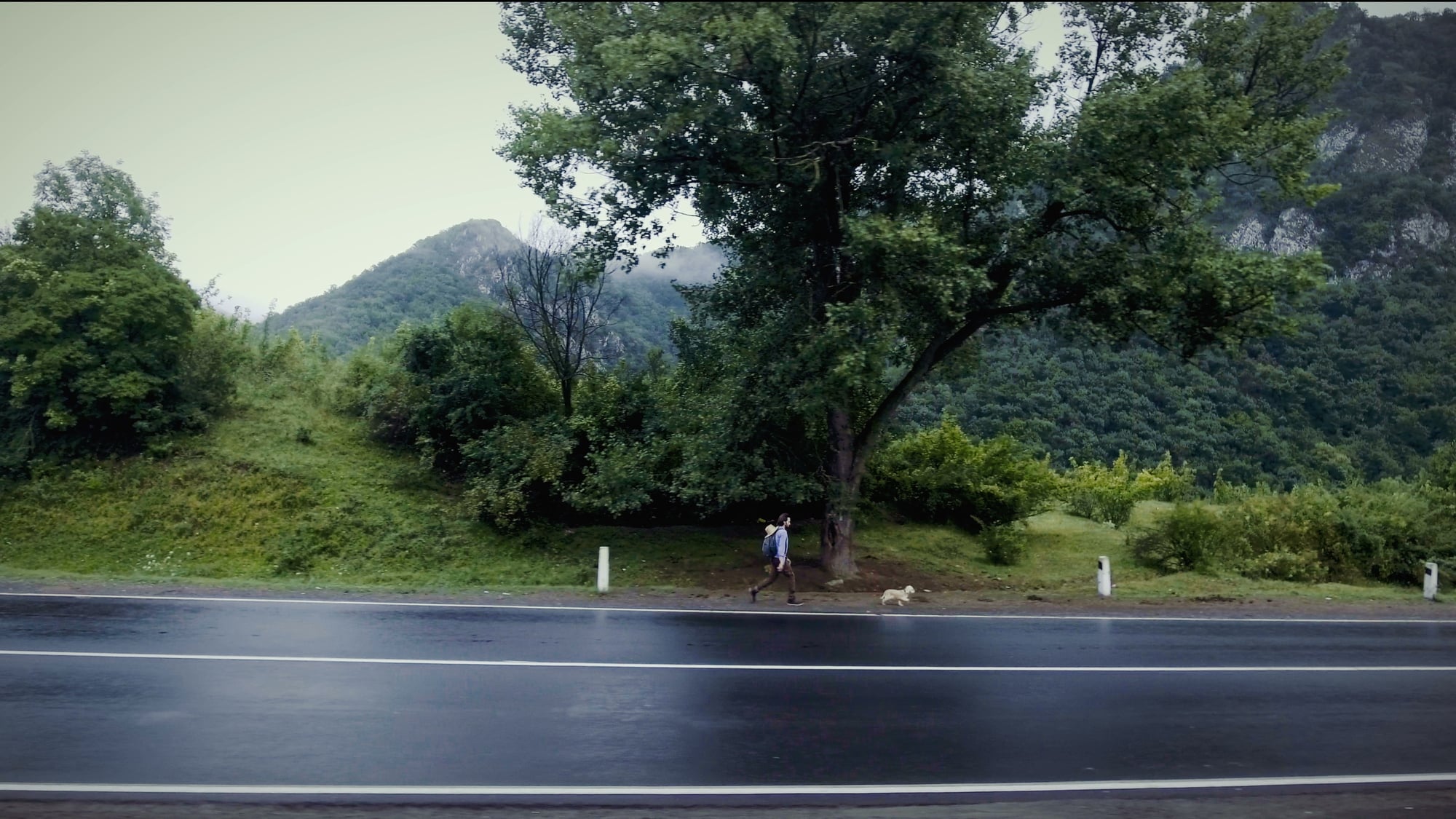
Lane boundaries live here. A solid white line discourages lane changes but doesn’t legally prohibit them the way yellow lines prohibit passing.
Think of solid white lines as strong suggestions rather than absolute commands — they mark areas where changing lanes is discouraged due to merging traffic, approaching intersections, or other hazards. The distinction matters more than most drivers realize, particularly in areas where solid white lines separate through traffic from exit ramps or turn lanes.
Broken White Lines
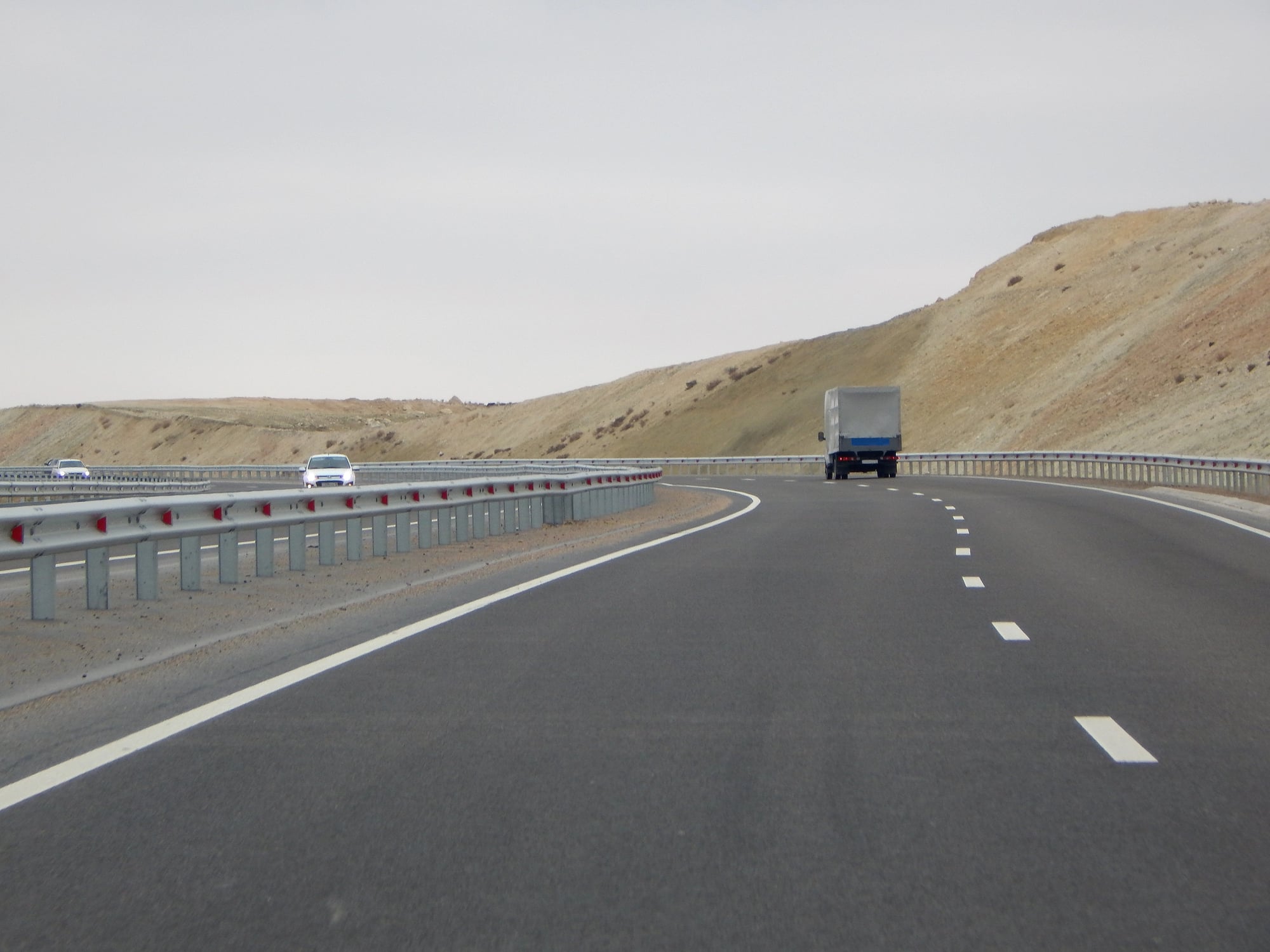
The most permissive of all road markings, broken white lines separate lanes traveling in the same direction and indicate that lane changes are generally acceptable when safe. These lines form the basic grid of highway travel — the painted framework that keeps traffic organized without being overly restrictive.
Standard broken white lines follow a pattern of 10-foot dashes separated by 30-foot gaps, though this rhythm becomes invisible once driving feels automatic. Some states use different patterns for specific situations, but the basic message remains consistent: change lanes when appropriate, stay in your lane when not.
Double White Lines
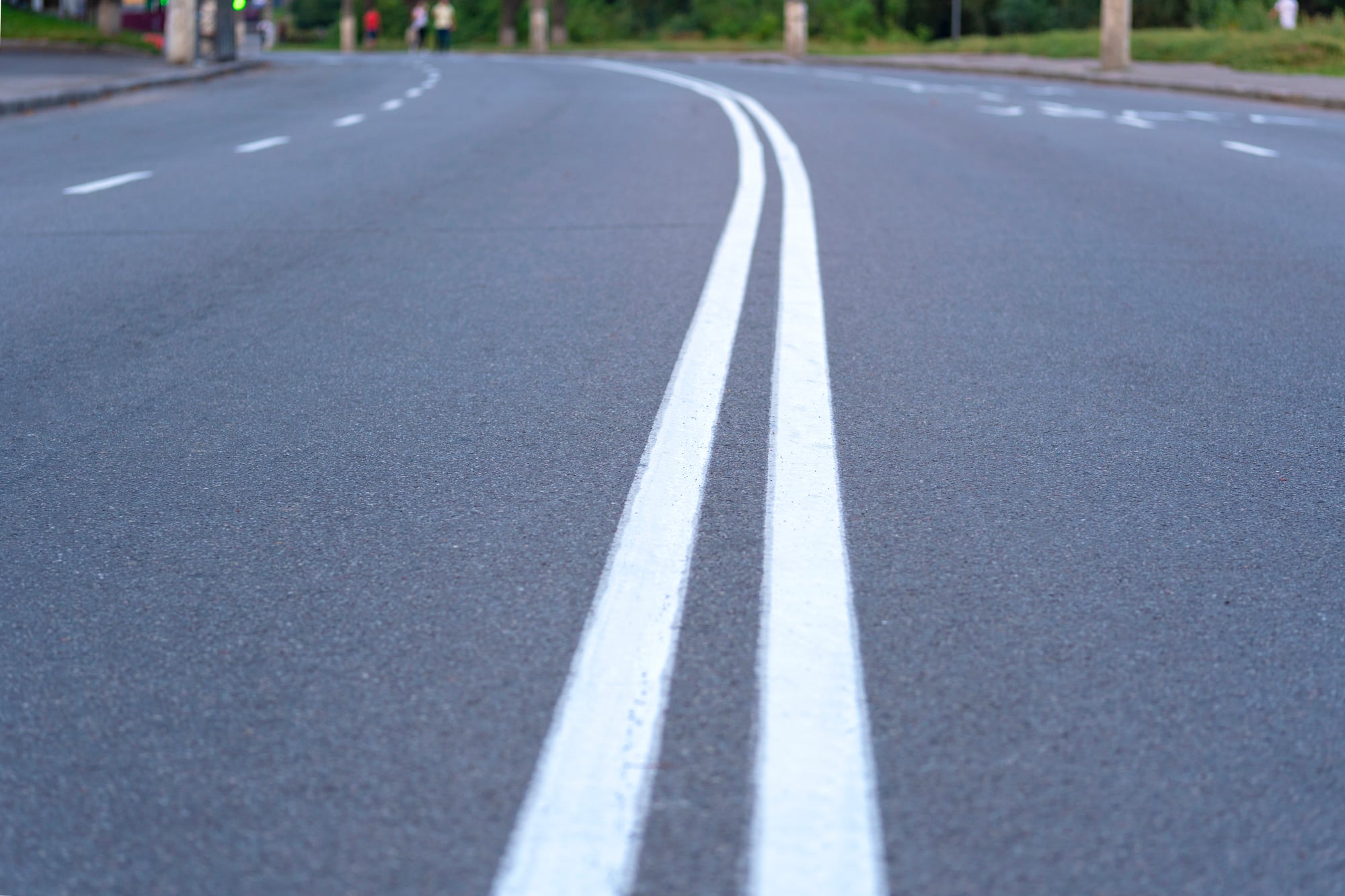
Solid walls that separate traffic more definitively than single white lines. Double white lines mark areas where lane changes are prohibited, period.
They appear at complex interchanges, around concrete barriers, and in areas where the consequences of an improper lane change extend beyond mere inconvenience. Unlike yellow lines that deal with opposing traffic, double white lines are about maintaining order within traffic flowing the same direction.
Cross them anyway and the resulting problems become everyone’s problems rather than just the driver who crossed them.
Chevron Markings
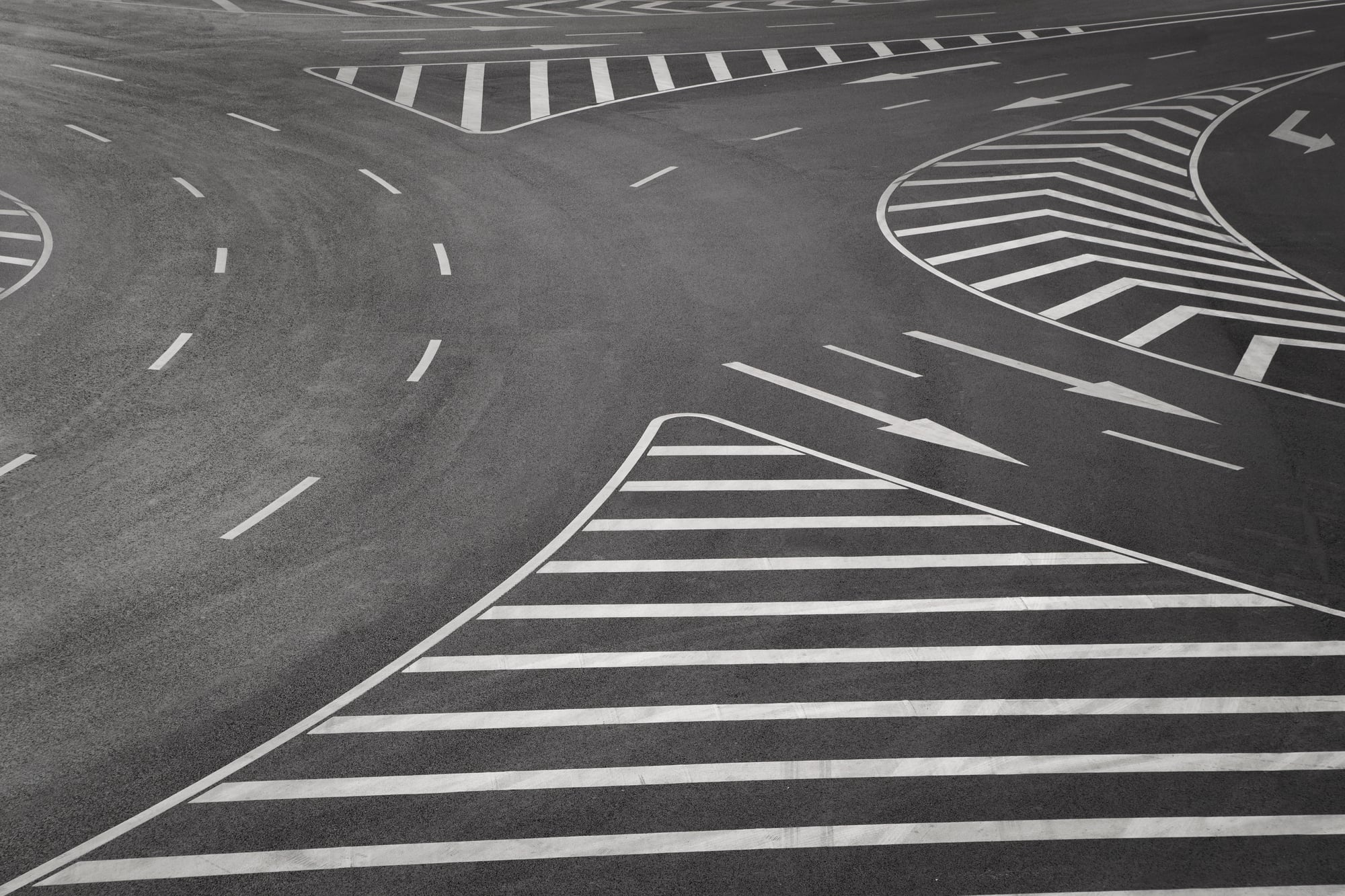
Those diagonal white stripes that fill certain areas between lanes aren’t just decorative — they mark spaces where vehicles shouldn’t travel. Chevron markings appear in gore areas where highways split, around fixed objects like bridge supports, and in buffer zones designed to separate different types of traffic.
The chevron pattern creates a visual texture that clearly communicates “stay out” without requiring text or symbols that might be missed at highway speeds.
Stop Lines
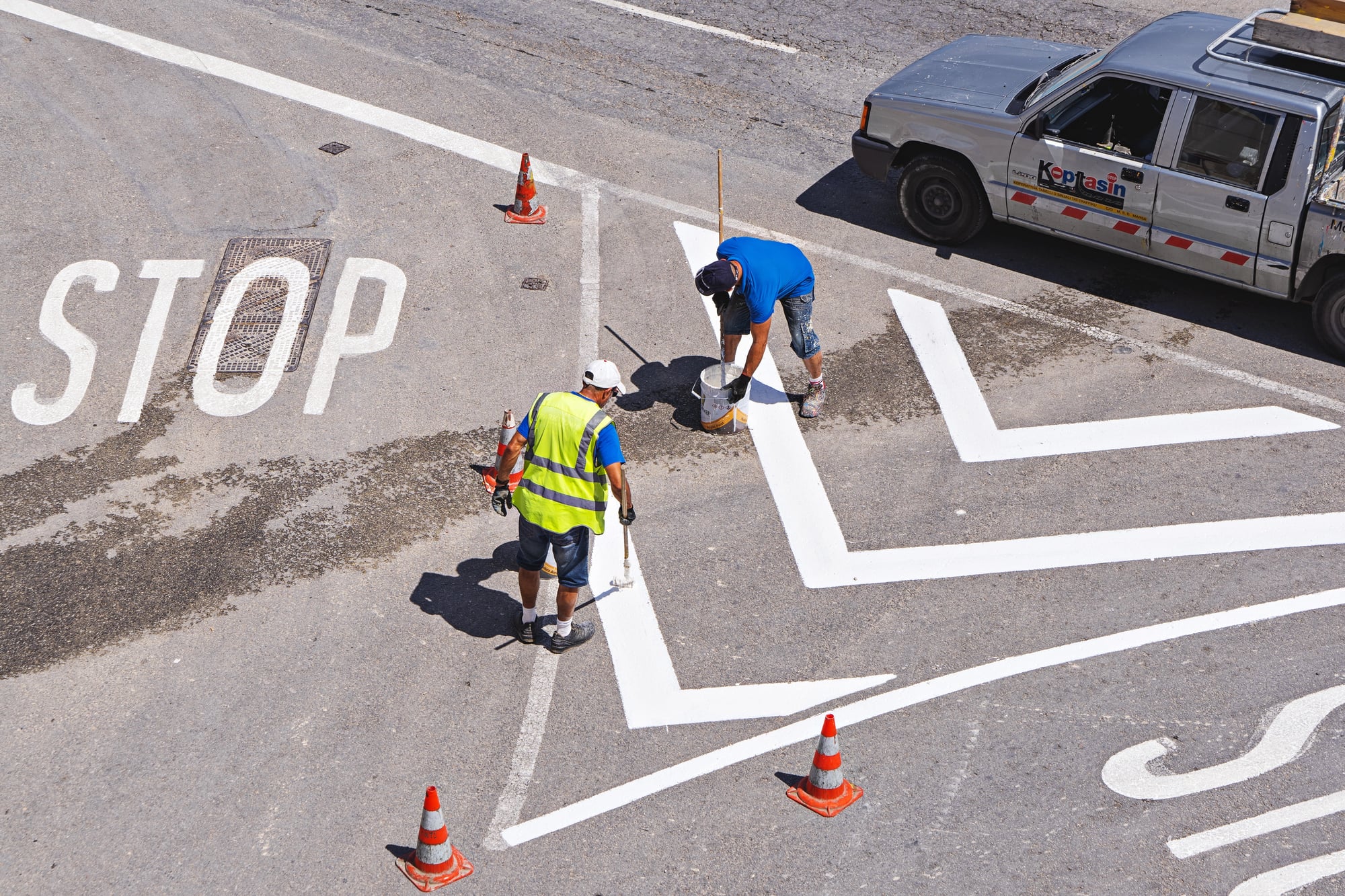
Thick white lines painted across lanes at intersections, crosswalks, and toll booths mark exactly where vehicles should stop. Not before the line, not past it — at the line.
This precision matters more for traffic signal timing and pedestrian safety than many drivers appreciate. Rolling past stop lines at red lights is both illegal and problematic for signal systems that use sensors embedded in the pavement to detect waiting vehicles.
The sensors are calibrated for cars positioned at the stop line, not several feet beyond it.
Crosswalk Markings
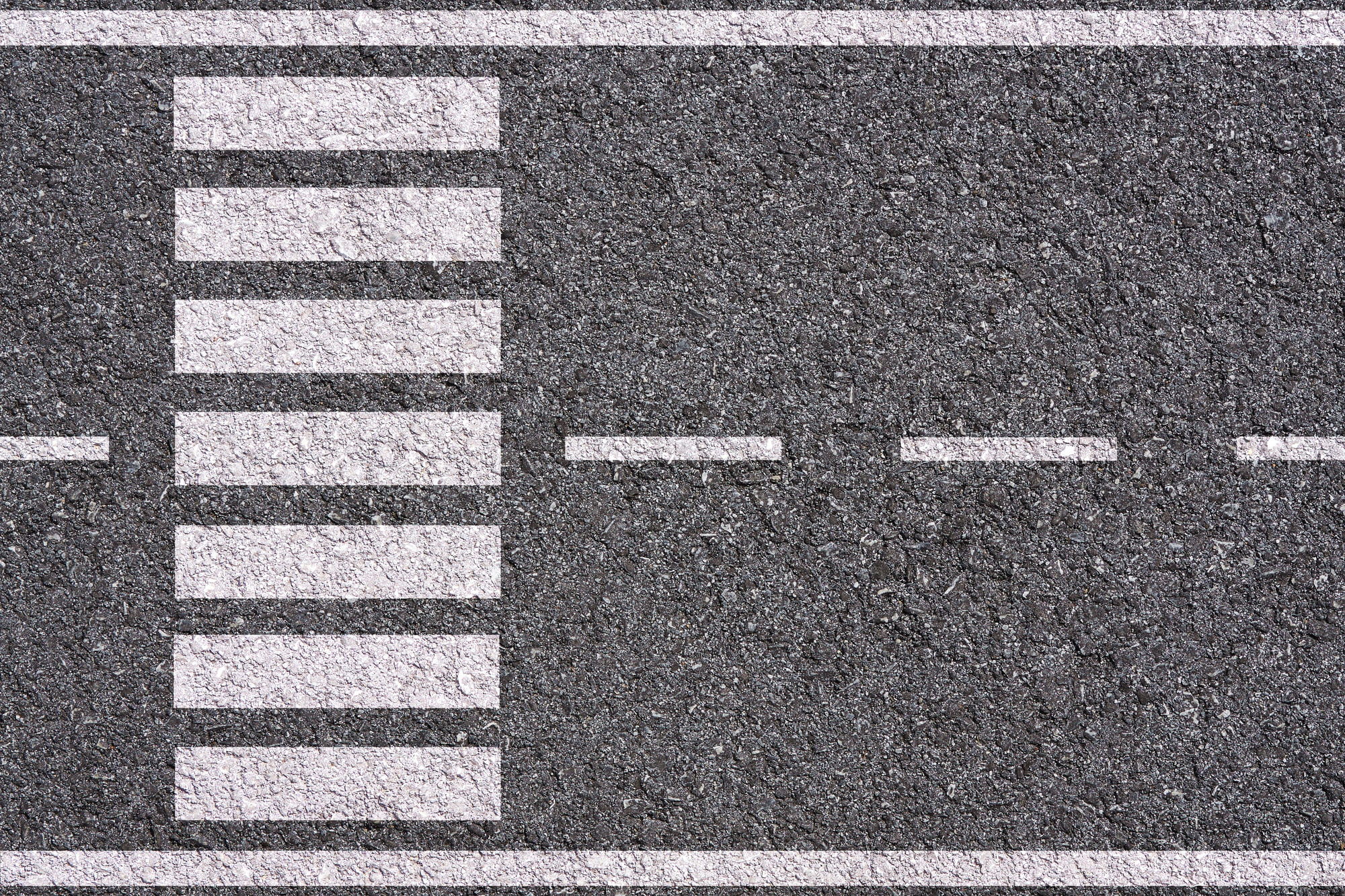
White striping that creates designated pedestrian crossing areas, though the specific patterns vary by jurisdiction. Some use simple parallel lines, others use ladder patterns, and newer installations often feature enhanced visibility designs with reflective materials or colored backgrounds.
The legal implications extend beyond the markings themselves — pedestrians in marked crosswalks generally have right-of-way, while unmarked crossing areas at intersections follow different rules. The paint creates legal clarity as much as visual guidance.
Turn Arrow Markings
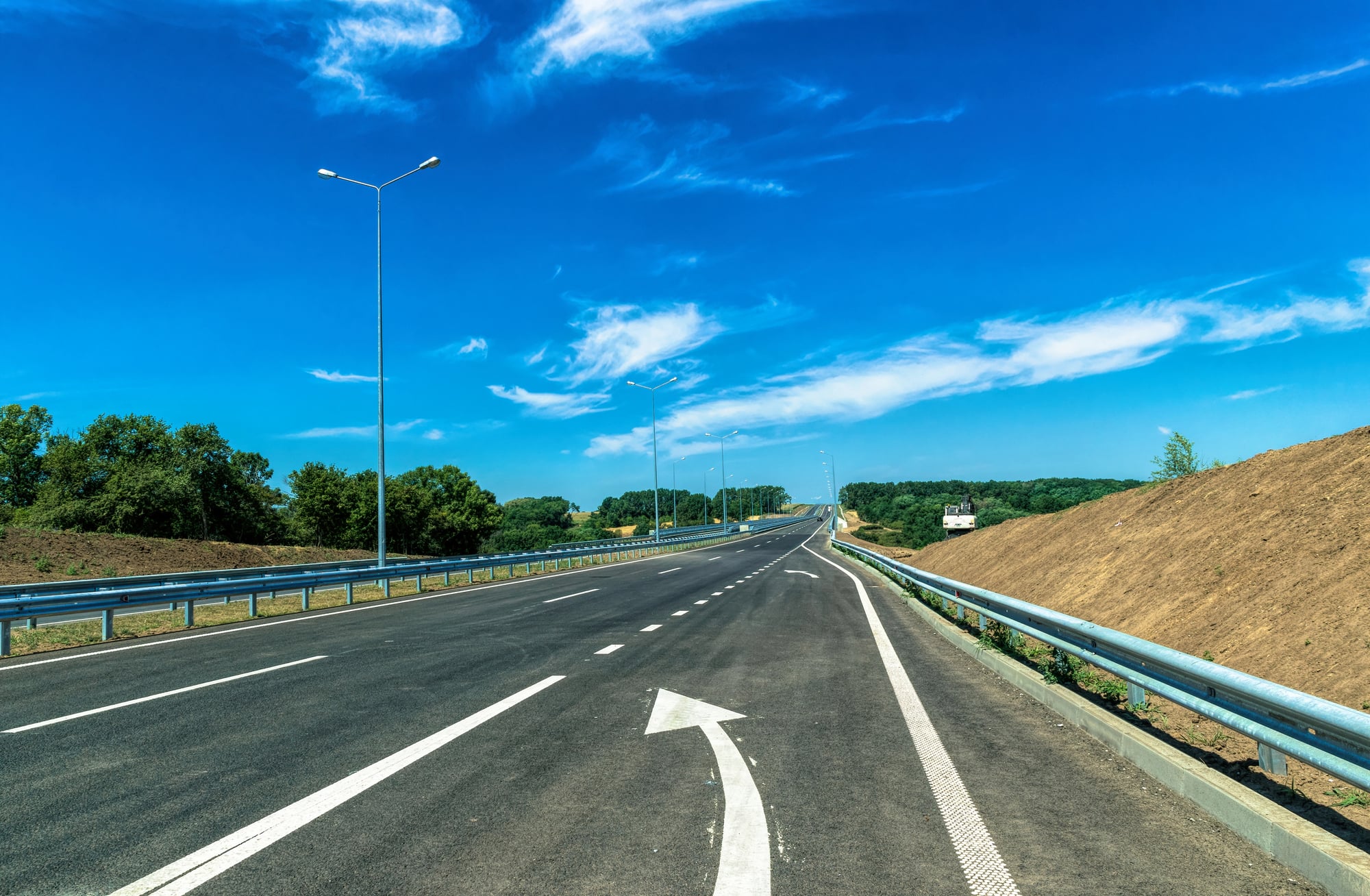
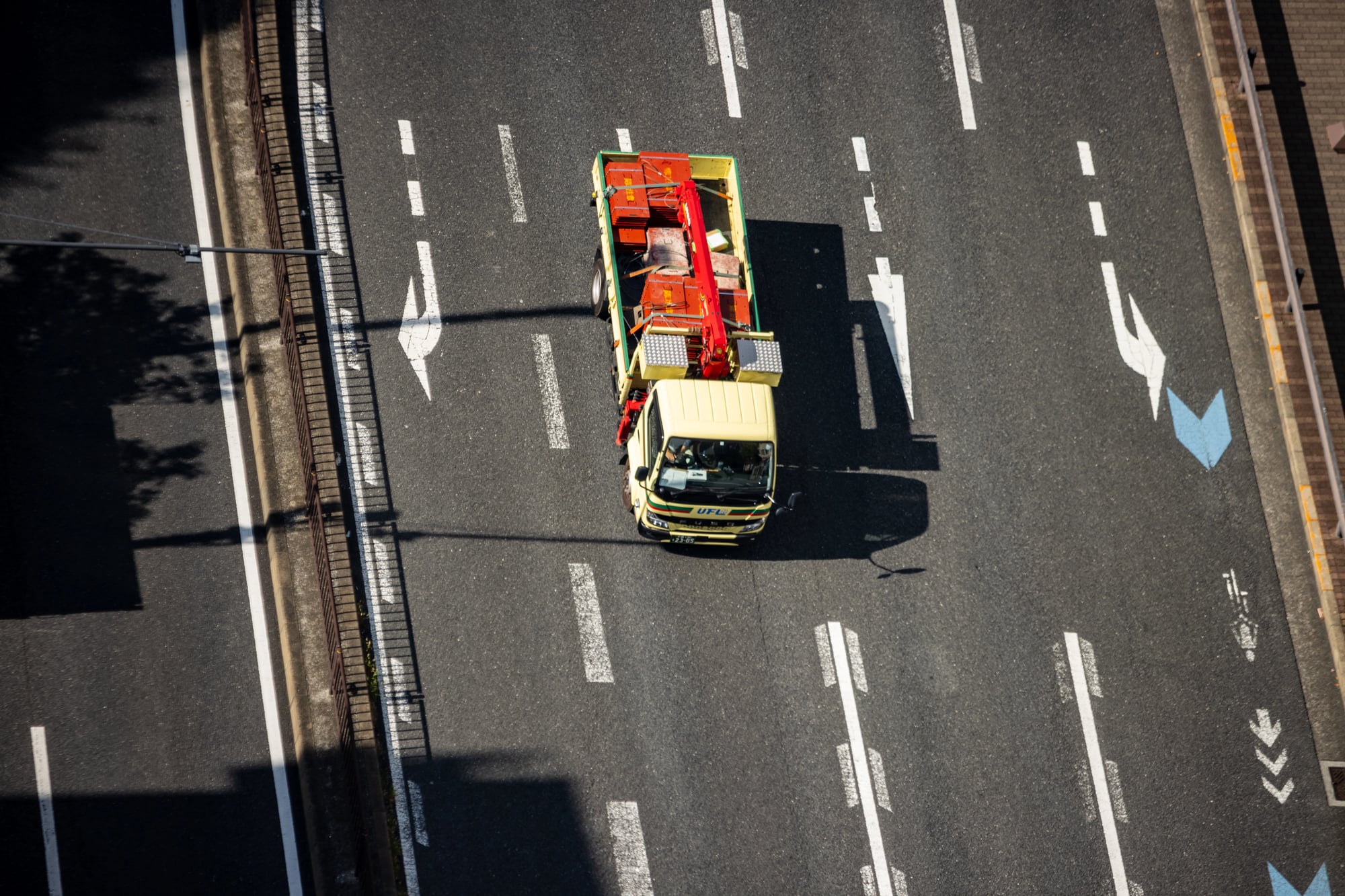
Painted arrows on the pavement indicate required or permitted turning movements from specific lanes. Straight arrows mark through lanes, curved arrows indicate turn-only lanes, and combination arrows show lanes that permit multiple movements.
These markings work in conjunction with overhead signs and traffic signals, but the painted arrows provide guidance that remains visible even when signs are obscured or signals are malfunctioned. They also serve as advance warning for lane positioning before reaching the intersection itself.
Railroad Crossing Markings
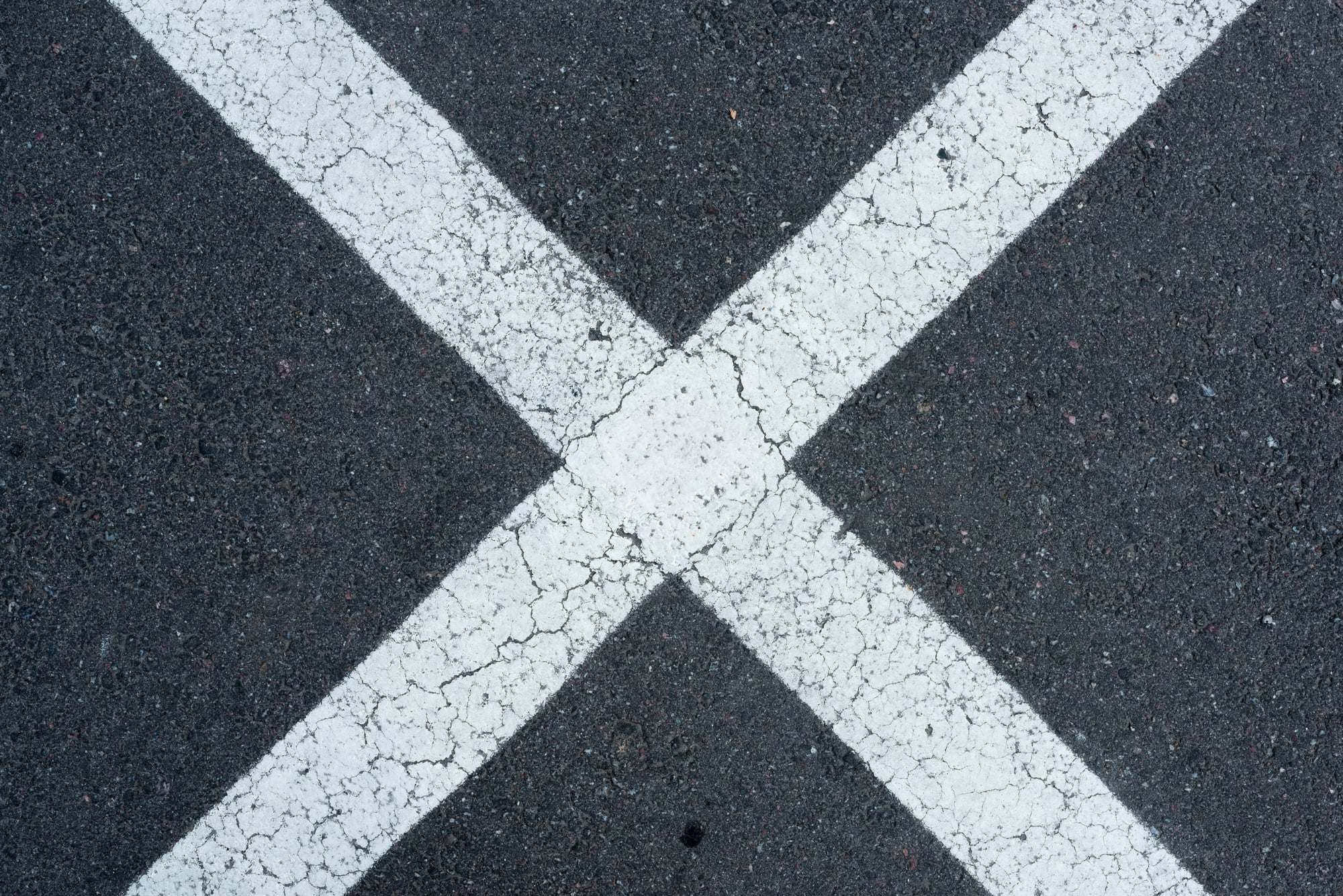
Large white X symbols painted on the pavement ahead of railroad tracks, often accompanied by the letters “RR” on either side. These markings provide visual warning of approaching railroad crossings, particularly useful in areas where tracks might not be immediately visible due to road geometry or vegetation.
The markings supplement other railroad crossing warning devices but serve as a backup communication method that doesn’t depend on electrical systems or moving parts. They also help drivers judge stopping distance when trains are approaching.
Bicycle Lane Markings
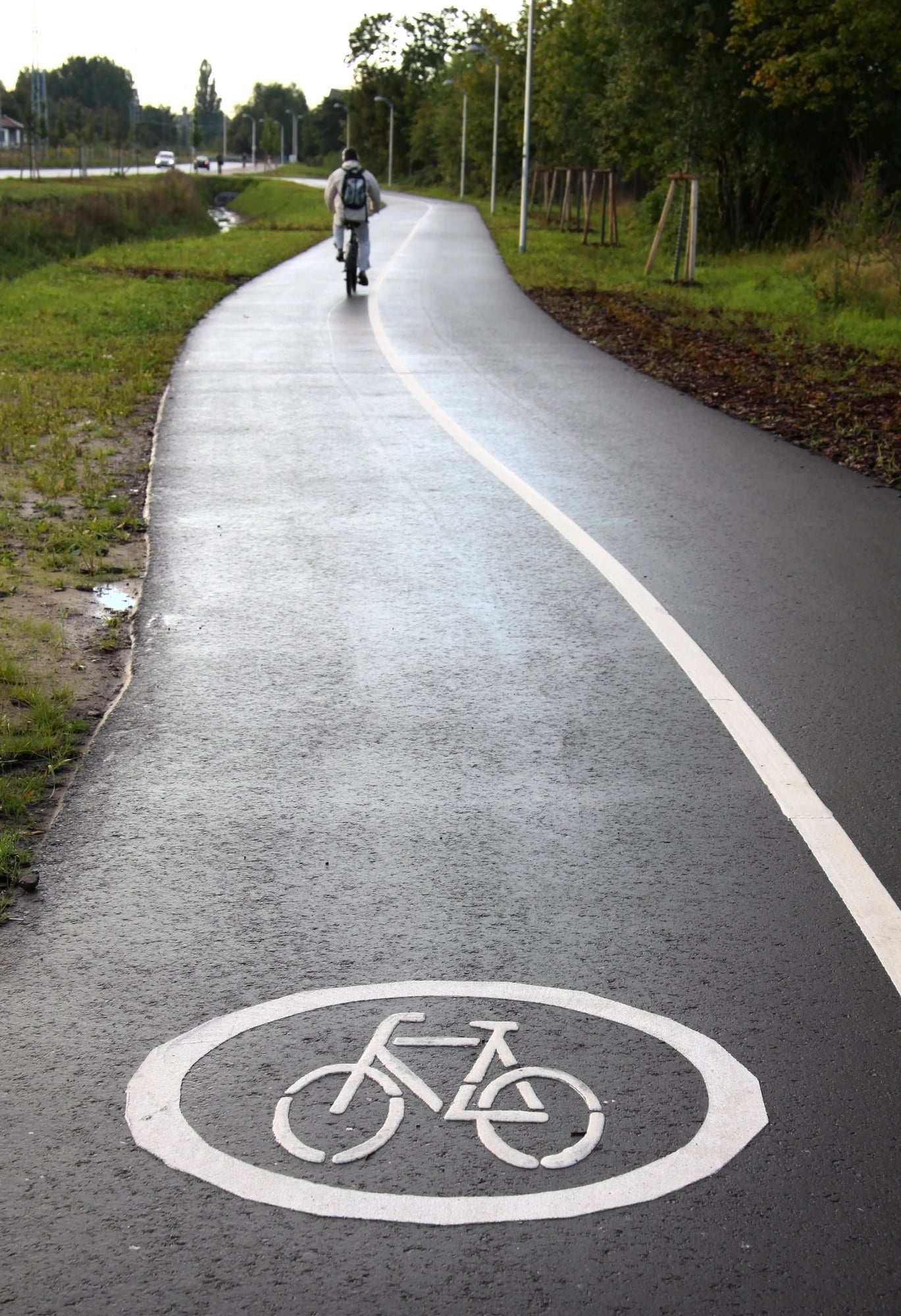
White lines that separate designated bicycle lanes from vehicle traffic, often accompanied by painted bicycle symbols and directional arrows. These markings create legally defined spaces for bicycle traffic, though the specific rules governing when vehicles may enter bicycle lanes vary significantly by location.
Some bicycle lanes permit vehicle crossing for turns or parking, while others prohibit vehicle entry entirely. The painted markings provide visual separation, but understanding the local regulations requires more than just reading the road surface.
Handicapped Parking Symbols
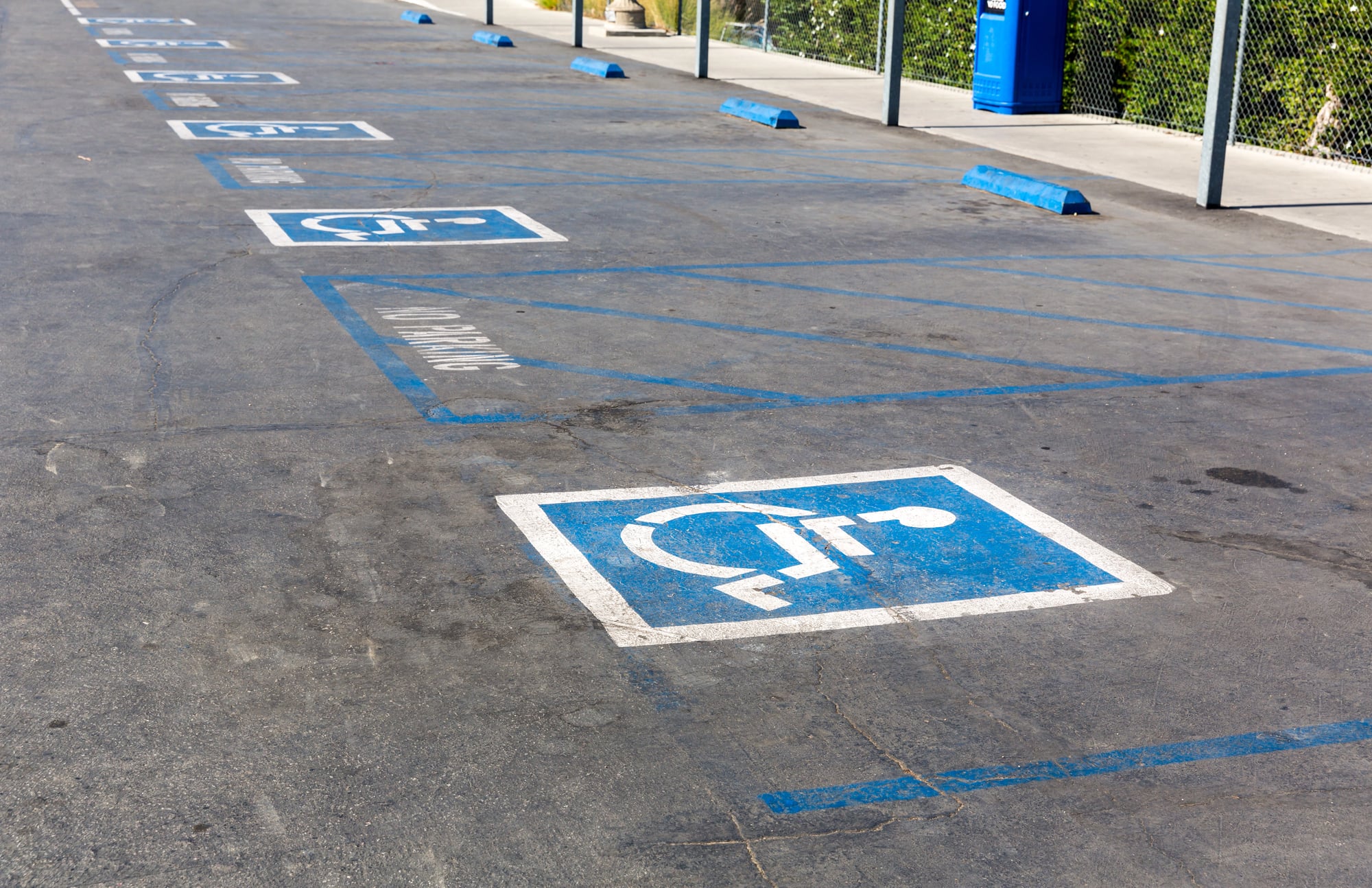
Blue and white wheelchair symbols painted in designated accessible parking spaces, typically accompanied by vertical signage. The painted symbols help identify accessible spaces from a distance and remain visible even when vertical signs might be obscured by other vehicles or weather conditions.
The markings often include additional painted elements like access aisles and loading zones that are part of the accessible parking system but might not be immediately obvious to drivers unfamiliar with accessibility requirements.
Fire Lane Markings
Red painted curbs or yellow painted zones that mark areas where parking is prohibited to ensure emergency vehicle access. These markings create visual indicators of fire department requirements that might not be obvious from building layouts or street design alone.
The specific colors and patterns vary by jurisdiction, but the underlying message remains consistent: these areas must remain clear for emergency access, regardless of how convenient they might appear for temporary parking.
Reading Between the Lines

Road markings create a language that drivers learn gradually, often without conscious effort. The painted messages that seem simple on the surface carry layers of meaning developed through decades of traffic engineering research and real-world testing.
What appears to be basic stripe work actually represents a sophisticated communication system designed to function at highway speeds in all weather conditions. The markings that feel automatic after years of driving once required careful attention to decode.
They still do, particularly in unfamiliar areas where local variations and new designs appear. The painted conversation between road and driver continues mile after mile, mostly unnoticed but always present.
More from Go2Tutors!

- The Romanov Crown Jewels and Their Tragic Fate
- 13 Historical Mysteries That Science Still Can’t Solve
- Famous Hoaxes That Fooled the World for Years
- 15 Child Stars with Tragic Adult Lives
- 16 Famous Jewelry Pieces in History
Like Go2Tutors’s content? Follow us on MSN.