Castles Converted Into Luxury Hotels
Staying in a castle used to require royal blood or a noble title. Now you just need a credit card and a sense of adventure.
Centuries-old fortresses across Europe and beyond have traded defense for hospitality, transforming battlements into balconies and throne rooms into lobbies. These conversions preserve architectural heritage while giving travelers access to spaces that were once completely off-limits to ordinary people.
Ashford Castle, Ireland
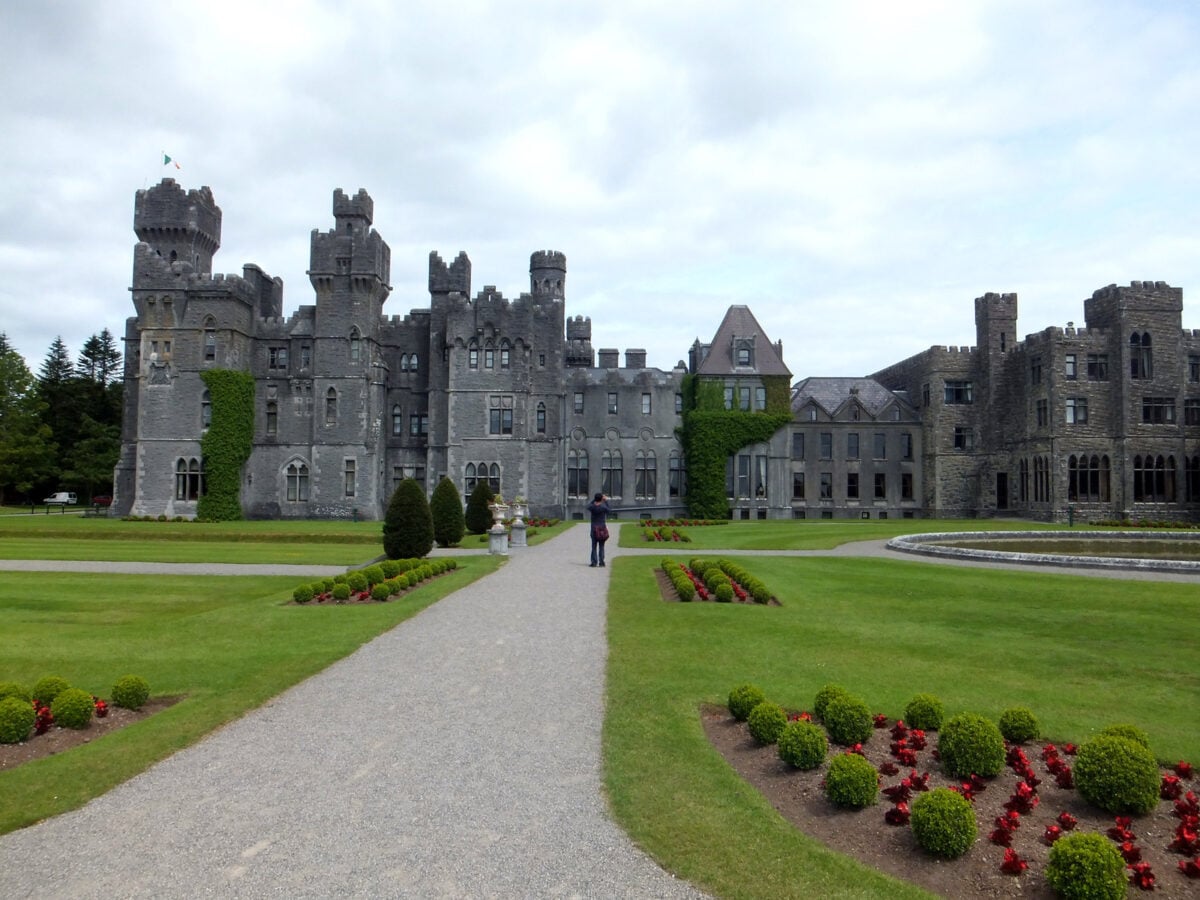
This 800-year-old fortress sits on the edge of Lough Corrib in County Mayo, surrounded by forests and manicured gardens. The castle passed through various noble families before becoming a hotel in 1939.
The current owners have maintained the medieval architecture while adding the amenities that modern luxury travelers expect. Suits of armor still line the hallways, and tapestries hang in rooms where knights once gathered.
The falconry school on the grounds teaches ancient hunting techniques, connecting guests to centuries of tradition. You can fish for salmon in the lake or walk the same paths that Victorian aristocrats strolled.
The stone walls hold stories from nearly a millennium, and the staff share them freely.
Château de la Côte, France

Built in the 13th century in Burgundy, this castle started as a defensive position before evolving into an elegant residence. The conversion to a hotel preserved the original moat and drawbridge, making your arrival feel like stepping back in time.
Only a handful of rooms are available, keeping the atmosphere intimate. The castle overlooks vineyards that produce some of Burgundy’s finest wines.
Guests can walk through the cellars where wine has been stored for hundreds of years. The rooms mix antique furniture with modern bathrooms, a combination that works better than you’d expect.
Stone fireplaces still heat the rooms on cold nights, and the four-poster beds come from estates that no longer exist.
Parador de Cardona, Spain
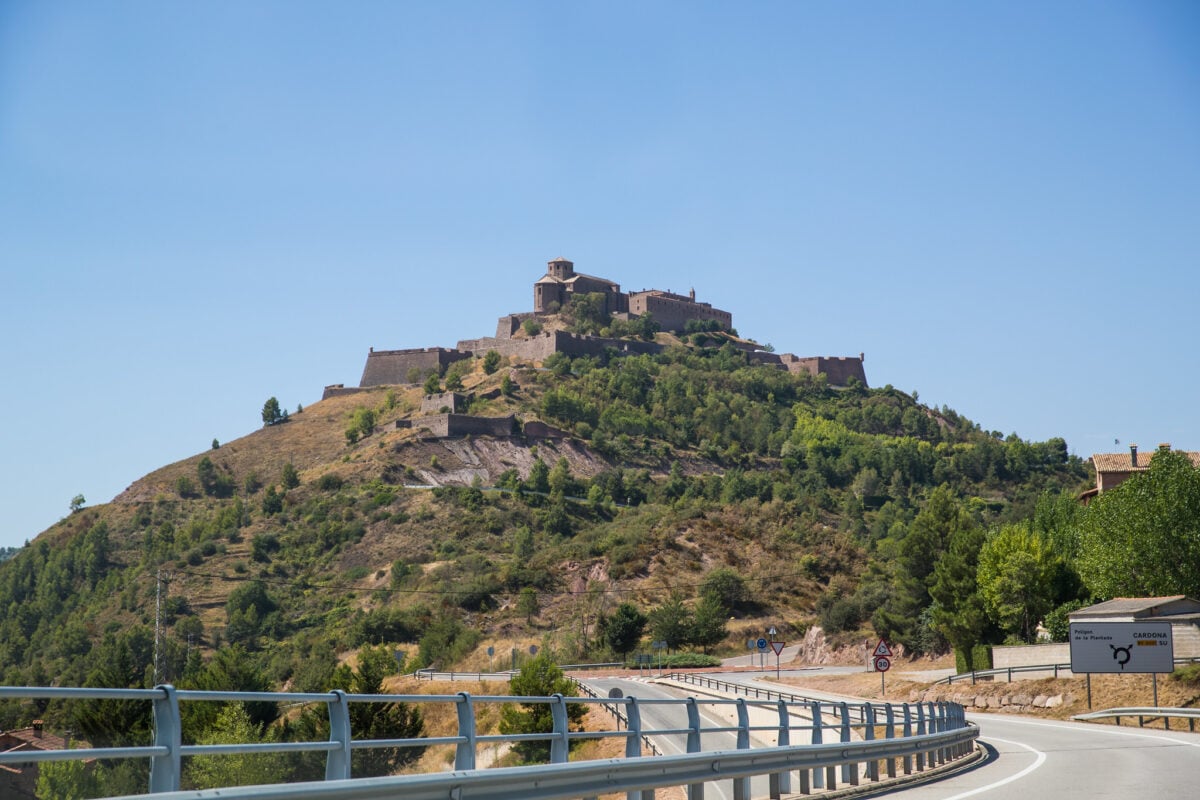
This fortress has stood atop a salt mountain in Catalonia since the 9th century. The Spanish government converted it into a luxury hotel as part of their Parador system, which rescues historic buildings by turning them into accommodations.
The location alone is worth the visit, with views extending across valleys that have barely changed in centuries. The tower rises so high that clouds sometimes drift past the windows.
The original stone walls are several feet thick, keeping rooms cool even in summer heat. A Romanesque church sits within the castle grounds, still consecrated and open for services.
The hotel serves traditional Catalan cuisine in dining rooms that once fed armies, and the recipes have been adapted but not modernized.
Thornbury Castle, England

King Henry VIII stayed here with Anne Boleyn in 1535, and the castle has been collecting royal connections ever since. The Tudor architecture remains intact, with chimneys that are considered some of the finest examples from that period.
The conversion to a hotel happened in the 1960s, making it one of the earlier castle hotels. Only 27 rooms exist within the castle walls, each one different from the others.
Some have four-poster beds that belonged to actual nobility, while others feature fireplaces carved with Tudor roses. The vineyard produces wine from grapes that grow in English soil, a relatively recent development that would have seemed impossible during the castle’s early years.
Guests can walk the grounds that Henry and Anne walked, though the gardens are now considerably more romantic.
Castello di Casole, Italy
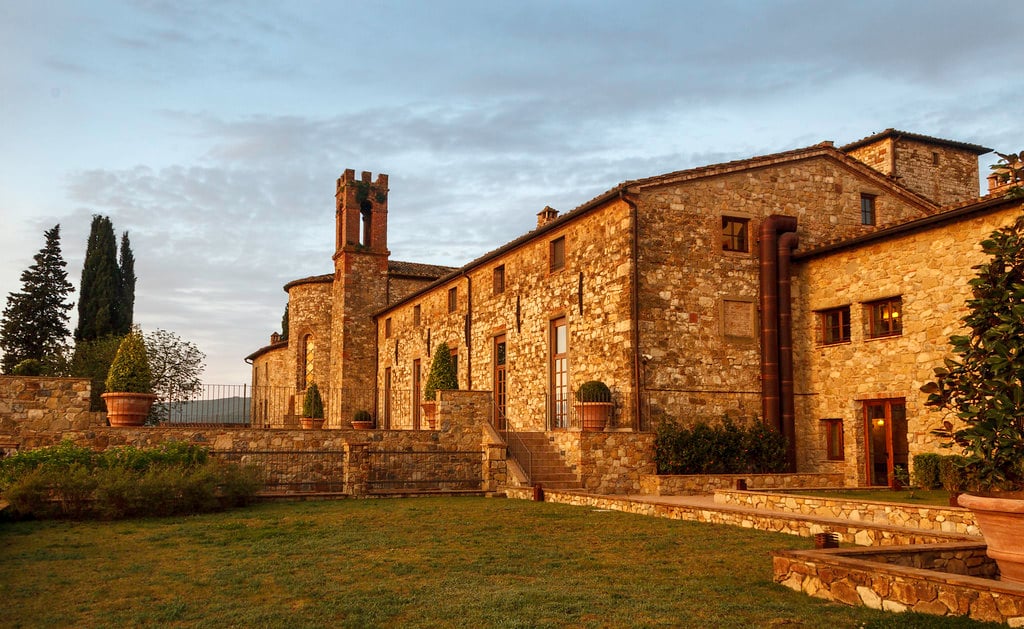
This Tuscan castle dates to the 10th century and spent most of its existence as the seat of local lords. Timbers Entertainment purchased it in the 2000s and spent years converting it into a hotel that respects the original architecture.
The restoration won awards for how carefully it balanced preservation with modernization. The estate includes a working farm, olive groves, and a restored village where craftspeople still practice traditional trades.
Rooms feature frescoed ceilings and terracotta floors, with subtle updates that don’t announce themselves. The infinity pool overlooks hills that look exactly as they did when artists painted the Tuscan landscape centuries ago.
You can take cooking classes using vegetables from the castle’s garden or learn to make olive oil from the estate’s own trees.
Dromoland Castle, Ireland
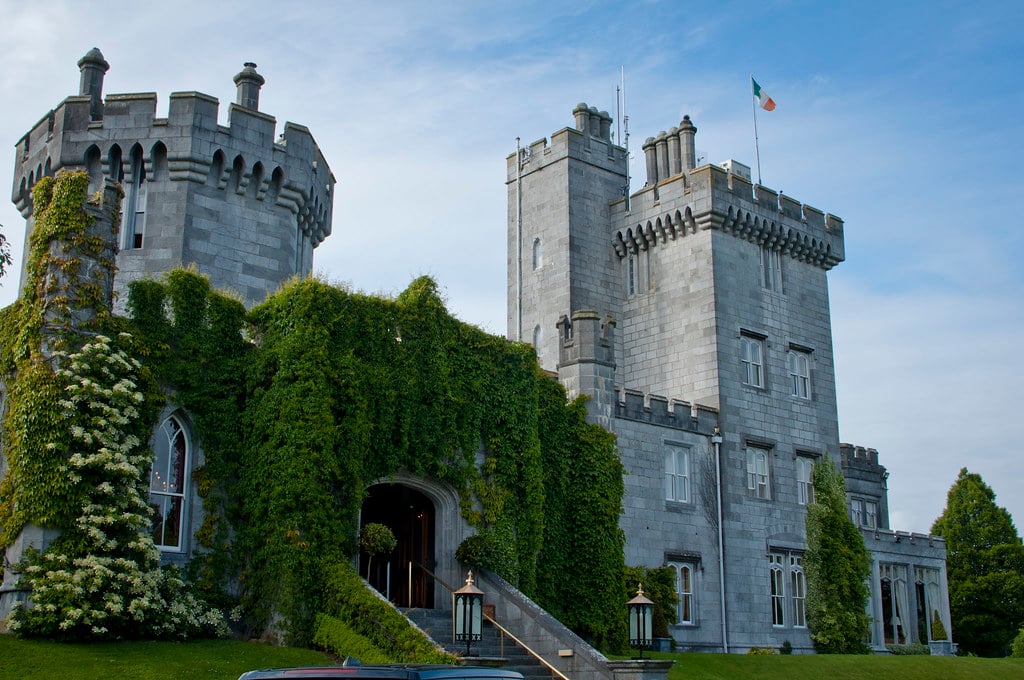
The O’Brien clan controlled this land for over a thousand years before the castle was built in the 16th century. The current structure dates to the 1800s, with Gothic Revival details that were fashionable at the time.
The conversion to a hotel happened gradually, with the family eventually selling to investors who maintained the property’s character. A championship golf course winds through the estate, designed to complement rather than dominate the landscape.
The castle still feels like a private residence, with drawing rooms full of antiques and libraries stocked with rare books. Falconry demonstrations happen daily on the grounds, using birds descended from the raptors that medieval nobles flew.
The formal gardens change with the seasons, and the greenhouse grows fruit varieties that have nearly disappeared from commercial production.
Amberley Castle, England
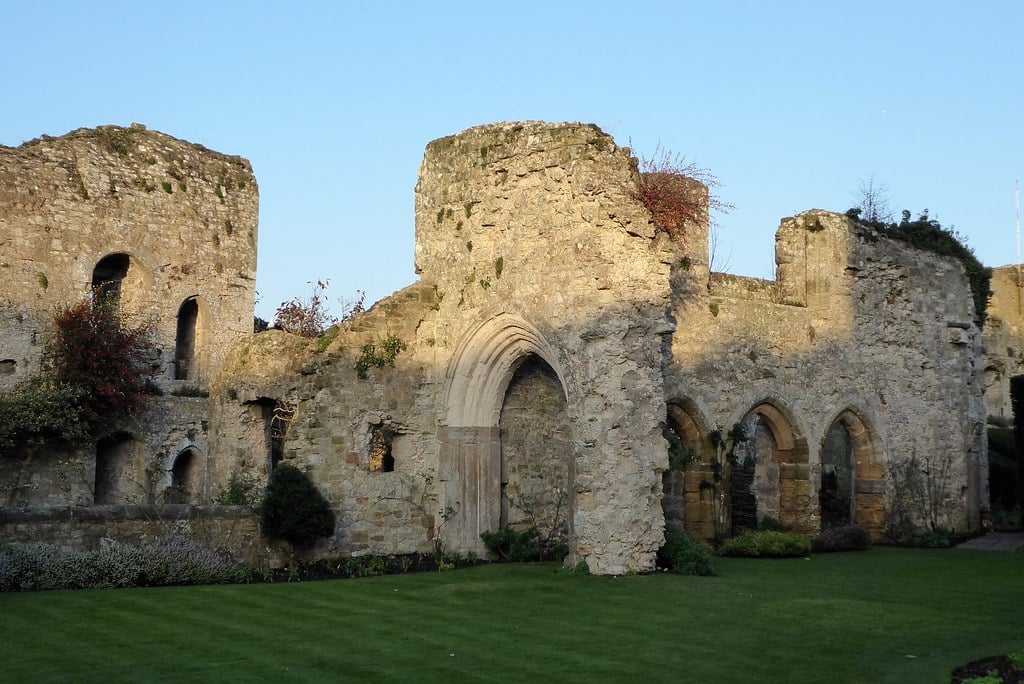
This castle survived a siege in 1643 during the English Civil War, and you can still see marks from cannon fire on the outer walls. The 900-year-old structure became a hotel in 1988, with owners who decided to emphasize the medieval atmosphere rather than minimize it.
The portcullis still functions, and it’s raised and lowered for arriving guests. Only 19 rooms are available, many with canopied beds and original features like arrow slits and exposed beams.
The castle sits within 12 acres of grounds that include a croquet lawn and a medieval-style garden. Dinner happens in the vaulted barrel room, where the stone walls create acoustics that make conversation feel conspiratorial.
The castle offers archery lessons using traditional longbows, connecting modern guests to England’s military history.
Château de Bagnols, France
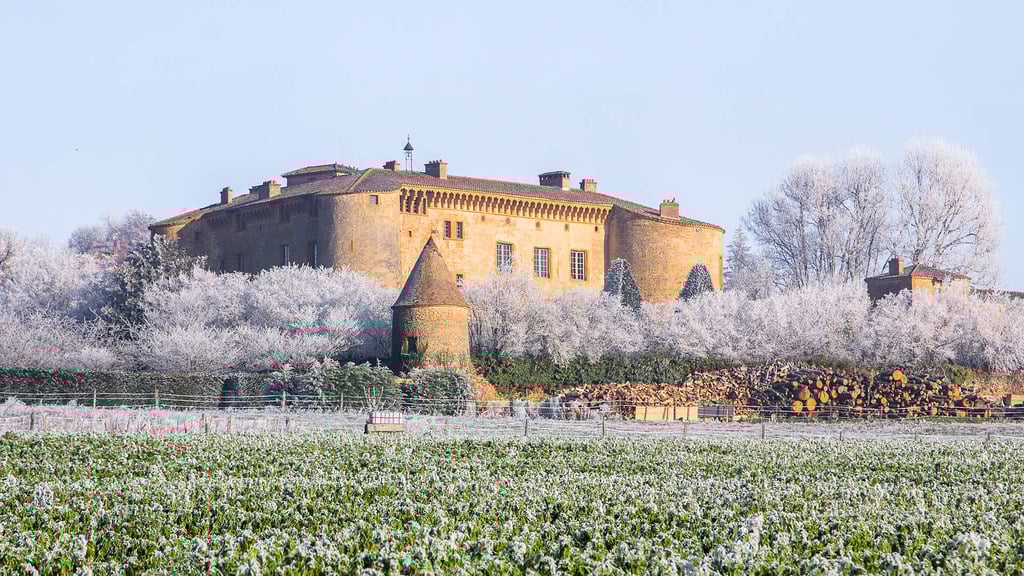
Built in the 13th century in the Beaujolais region, this castle remained with the same family for 700 years before being sold and converted into a hotel. The restoration took five years and involved bringing back techniques that had almost been forgotten.
Frescoes that had been painted over were carefully uncovered, revealing artwork that hadn’t been seen in centuries. The castle produces its own wine from vineyards that surround the property.
Rooms feature hand-painted walls and antique furniture collected from throughout France. The inner courtyard contains a garden designed in the Renaissance style, with geometric patterns that look best from the upper windows.
Candlelit dinners in the Great Hall feel appropriately grand, with service that matches the setting.
Schlosshotel Kronberg, Germany
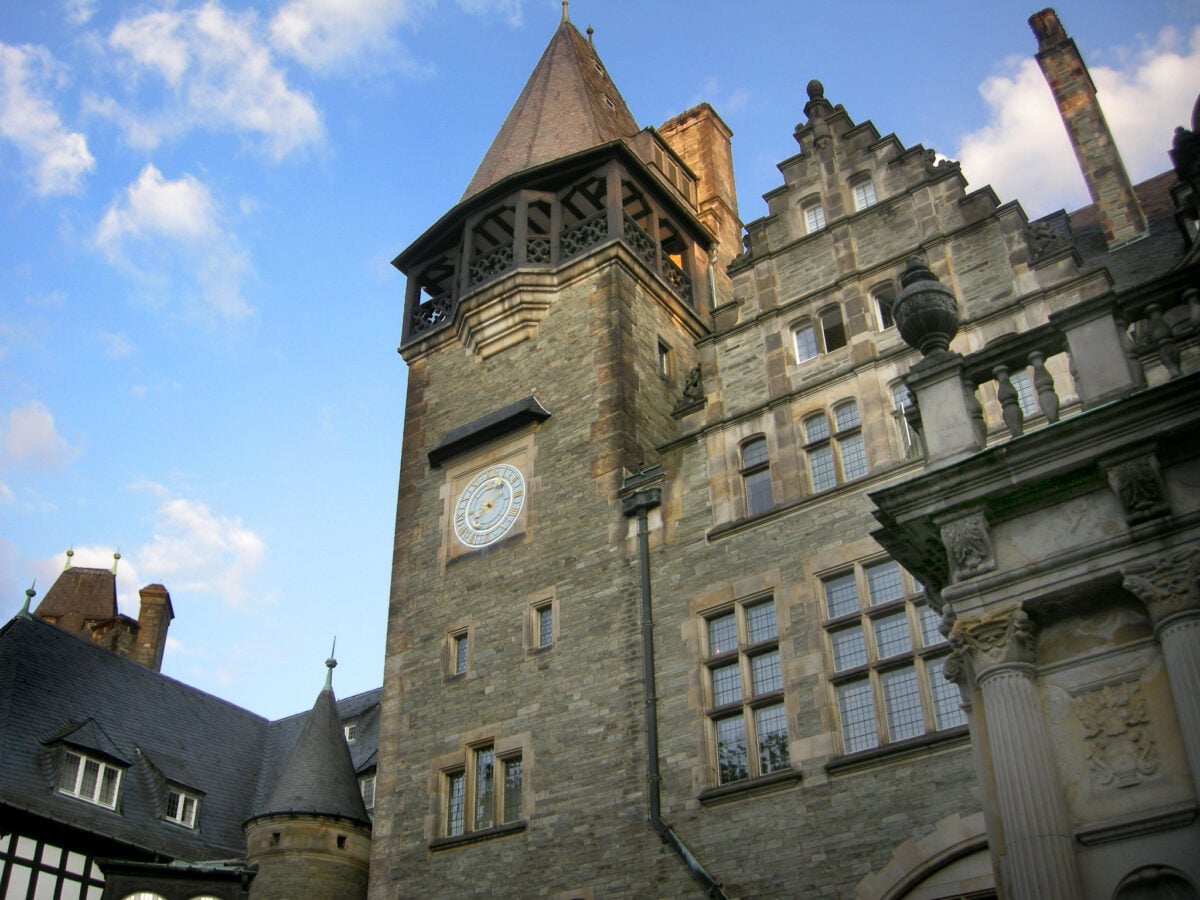
Empress Victoria built this castle in the 1890s as her retirement residence after her husband’s death. The architecture combines English and German styles, reflecting her heritage as the daughter of Queen Victoria.
The castle became a hotel in 1954, and it retains much of the Empress’s personal touch. Furniture and artwork from the original construction remain throughout the building.
The golf course that surrounds the castle is one of Germany’s oldest, dating to 1895. Rooms range from relatively modest to genuinely palatial, with the best suites occupying the same spaces where royalty once lived.
The castle sits on the edge of Frankfurt but feels completely removed from the modern city, protected by forests and time.
Ballygally Castle, Northern Ireland
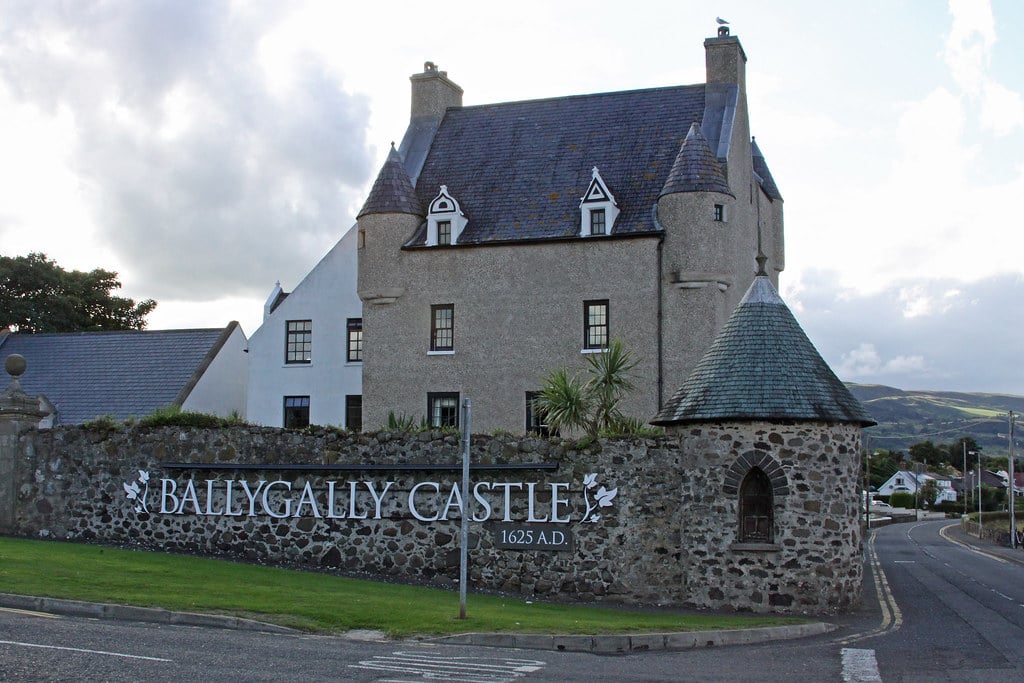
This 17th-century castle sits directly on the Antrim coast, with waves sometimes reaching the outer walls during storms. Built by a Scottish family, it served as a fortified residence during troubled times in Irish history.
The conversion to a hotel maintained the defensive features, including narrow staircases and thick walls. The castle has a resident ghost, Lady Isabella Shaw, who supposedly haunts the tower.
Whether you believe in spirits or not, the tower rooms offer the best views of the coastline. The restaurant serves local seafood caught the same day, and the bar stocks whiskeys from nearby distilleries.
You can walk the coastal path directly from the castle entrance, following trails that smugglers once used.
Pousada Castelo de Óbidos, Portugal
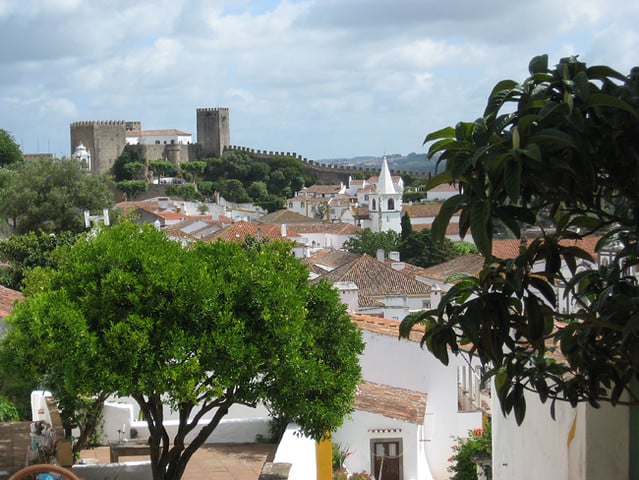
The castle walls encircle the entire medieval town of Óbidos, and the hotel occupies the actual castle keep. This is part of Portugal’s Pousada system, similar to Spain’s Paradors, which rescues historic buildings.
The location within a fully preserved medieval town creates an atmosphere that few other castle hotels can match. Rooms are sparse by luxury standards but authentic to the medieval period.
The castle hosts a medieval fair each summer, when the entire town participates in recreating the past. You can walk the ramparts that surround the town, looking out over the countryside that still shows evidence of Roman occupation.
The ginjinha liqueur served in chocolate cups is a local specialty that dates back centuries.
Château de Mercuès, France
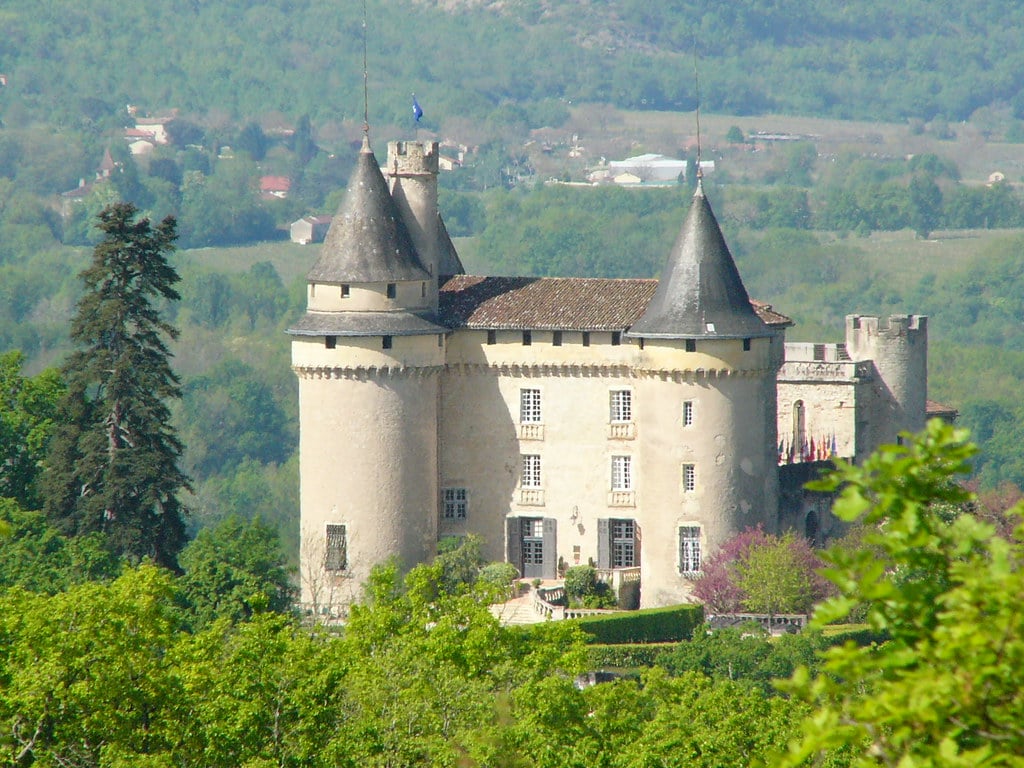
This old fortress sits high above the Lot River, built on land guarded since medieval times. Because it stood strong for centuries, the leaders of Cahors chose it as their warm-weather home.
Over six hundred years, they kept expanding the place bit by bit. When turned into lodging, workers kept its church-like charm but fixed it up for today’s travelers.
The estate has wide vineyards growing top-quality Cahors wine. On a terrace, the pool sits with sweeping views stretching far off.
Inside, rooms blend different eras, showing how the castle evolved over time. Services still happen in the chapel, while the cloisters offer calm spots to think.
Meals focus on regional picks – think truffles, duck, stuff from nearby.
Schloss Fuschl, Austria
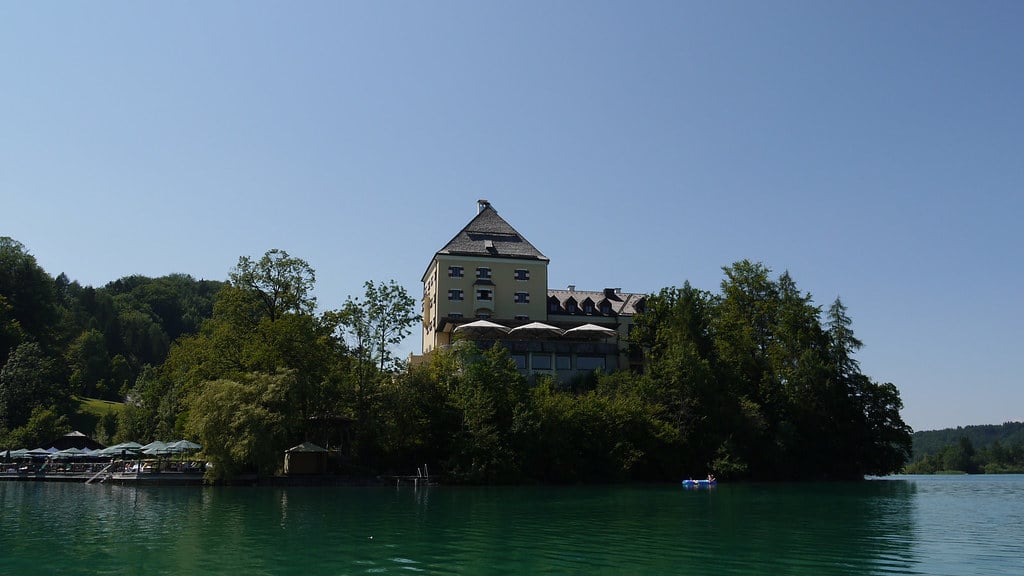
This 15th-century castle sits on a peninsula jutting into Lake Fuschl, just outside Salzburg. The archbishop of Salzburg built it as a hunting lodge, though calling it a lodge understates its grandeur.
The castle changed hands repeatedly before becoming a hotel that emphasizes its connection to the natural surroundings. Water views dominate every room, and the proximity to the lake makes water sports easy.
The castle maintains a traditional Austrian feel, with carved wood paneling and ceramic stoves in many rooms. You can take boats directly from the castle dock, exploring the lake that remains remarkably clean.
The mountains surrounding the lake create a backdrop that changes with the weather, and the castle staff can arrange hikes that start from the grounds.
Where History Sleeps

Those castles show that ancient structures can get fresh roles while keeping their original charm. Each transformed fortress reflects a decision to save instead of tear down, adjust but not walk away from.
Want to learn about medieval times? Read pages – or spend nights in spaces where history unfolded.
The stones hold every memory, though purposes shift. Where secret deals once unfolded, couples now celebrate marriage.
Arrows flew from towers; today, cameras click there instead. Old times don’t fade by making spaces cozy.
They simply open up to folks who’d have been turned away at the door when these fortresses first stood.
More from Go2Tutors!

- The Romanov Crown Jewels and Their Tragic Fate
- 13 Historical Mysteries That Science Still Can’t Solve
- Famous Hoaxes That Fooled the World for Years
- 15 Child Stars with Tragic Adult Lives
- 16 Famous Jewelry Pieces in History
Like Go2Tutors’s content? Follow us on MSN.