Fascinating Origins of Memorial Day Traditions
Most Americans know Memorial Day as the unofficial start of summer, complete with barbecues, parades, and long weekend getaways. But beneath the festivities lies a deeply moving history that stretches back over 150 years.
The traditions that define this holiday today emerged from genuine grief, community bonds, and a nation’s attempt to honor its fallen soldiers in meaningful ways. These customs didn’t appear overnight—they evolved from small, local acts of remembrance that gradually spread across the country, each carrying its own story of how Americans chose to remember those who never came home.
Decoration Day Beginnings
The original name tells the whole story. Decoration Day started in 1868 when communities began placing flowers on soldiers’ graves from the Civil War.
No elaborate ceremonies, no official proclamations—just people who missed someone covering burial sites with whatever blooms they could find.
General John Logan made it official that year, designating May 30th as the day for decorating graves of those who died in service. The date wasn’t random.
It was chosen because flowers would be in bloom across most of the country.
Waterloo’s Disputed Claim
Waterloo, New York insists it hosted the first Memorial Day observance in 1866. The federal government even backed their claim in 1966, declaring Waterloo the official birthplace of Memorial Day.
But here’s the thing about grief and remembrance—it doesn’t wait for official recognition, and it certainly doesn’t limit itself to one location at a time (which any historian worth their salt will tell you), because communities across the country were simultaneously grappling with the staggering loss of life from the Civil War, and when people need to mourn, they create rituals organically. They don’t check with neighboring towns first.
And yet the Waterloo claim persists, even though Boalsburg, Pennsylvania and Columbus, Georgia both have equally compelling stories about their early Memorial Day observances—so maybe the real origin story isn’t about one place at all, but about a entire nation learning how to grieve together.
Women’s Memorial Associations
Memorial Day exists because women refused to let the dead be forgotten. After the Civil War ended, ladies’ memorial associations formed in towns across the South and North, taking on the work that no government agency was prepared to handle.
These weren’t casual volunteer groups. The women organized fundraising campaigns, purchased cemetery plots, and established the protocols that became Memorial Day traditions.
They decided which flowers to plant, when to hold services, and how to maintain the graves year-round.
The associations also created the template for community involvement that still defines Memorial Day. They understood that remembrance works best when it becomes a shared responsibility rather than a government mandate.
Poppies and World War I
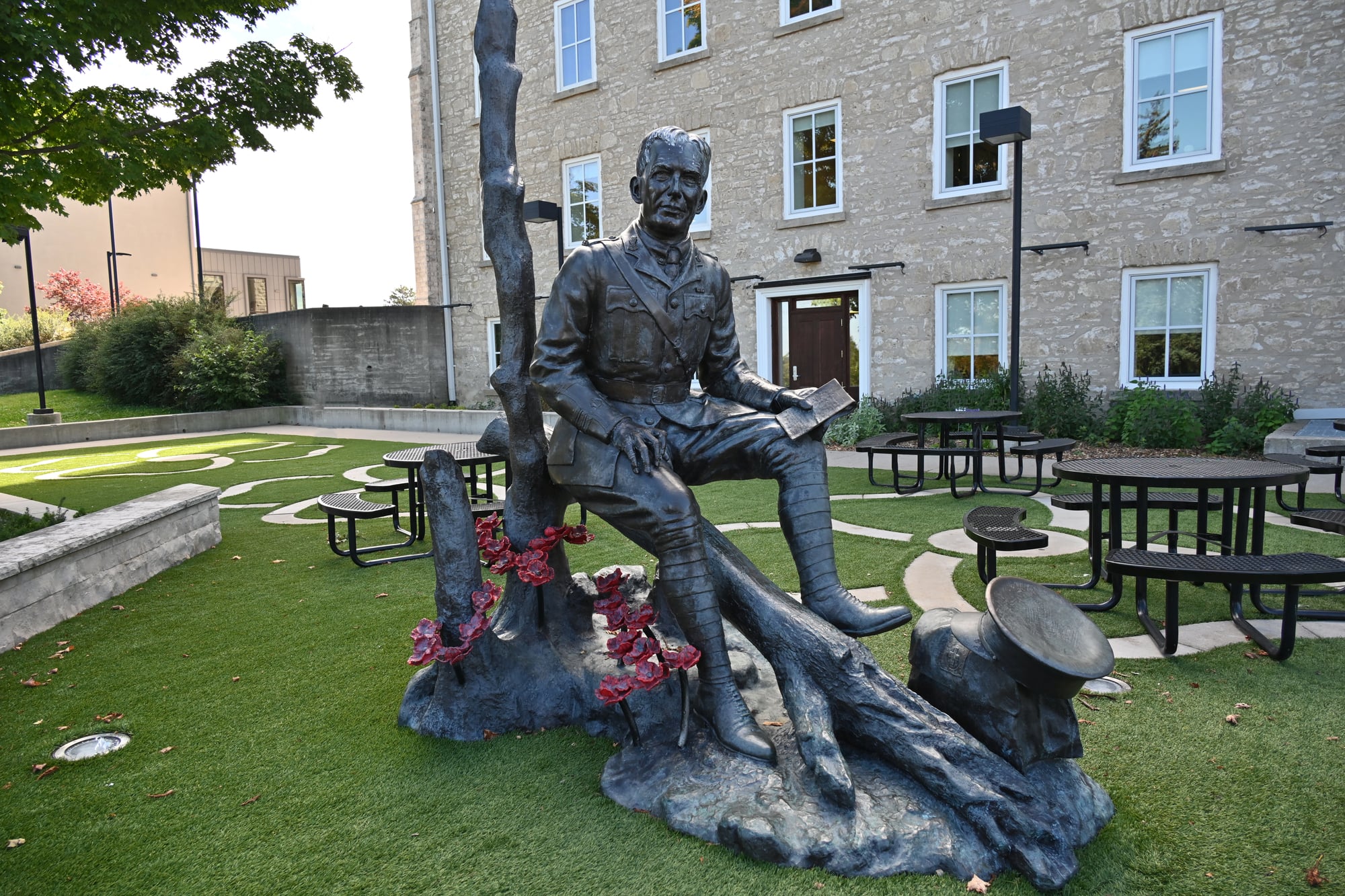
The red poppy became Memorial Day’s signature flower because of a poem and a woman who refused to let it remain just words on paper. “In Flanders Fields” was written by Canadian physician John McCrae after his friend died in World War I—those lines about poppies growing between crosses in military cemeteries weren’t metaphorical, they were literal observations from the battlefield.
But poems don’t become traditions without someone deciding to act on them.
Moina Michael read McCrae’s poem in 1918 and immediately started wearing a red poppy as a personal symbol of remembrance. She convinced others to join her, and by 1921, the American Legion had adopted the poppy as their official Memorial Day symbol.
The Veterans of Foreign Wars followed suit, and what began as one woman’s response to a poem became a national tradition.
Arlington National Cemetery’s Role
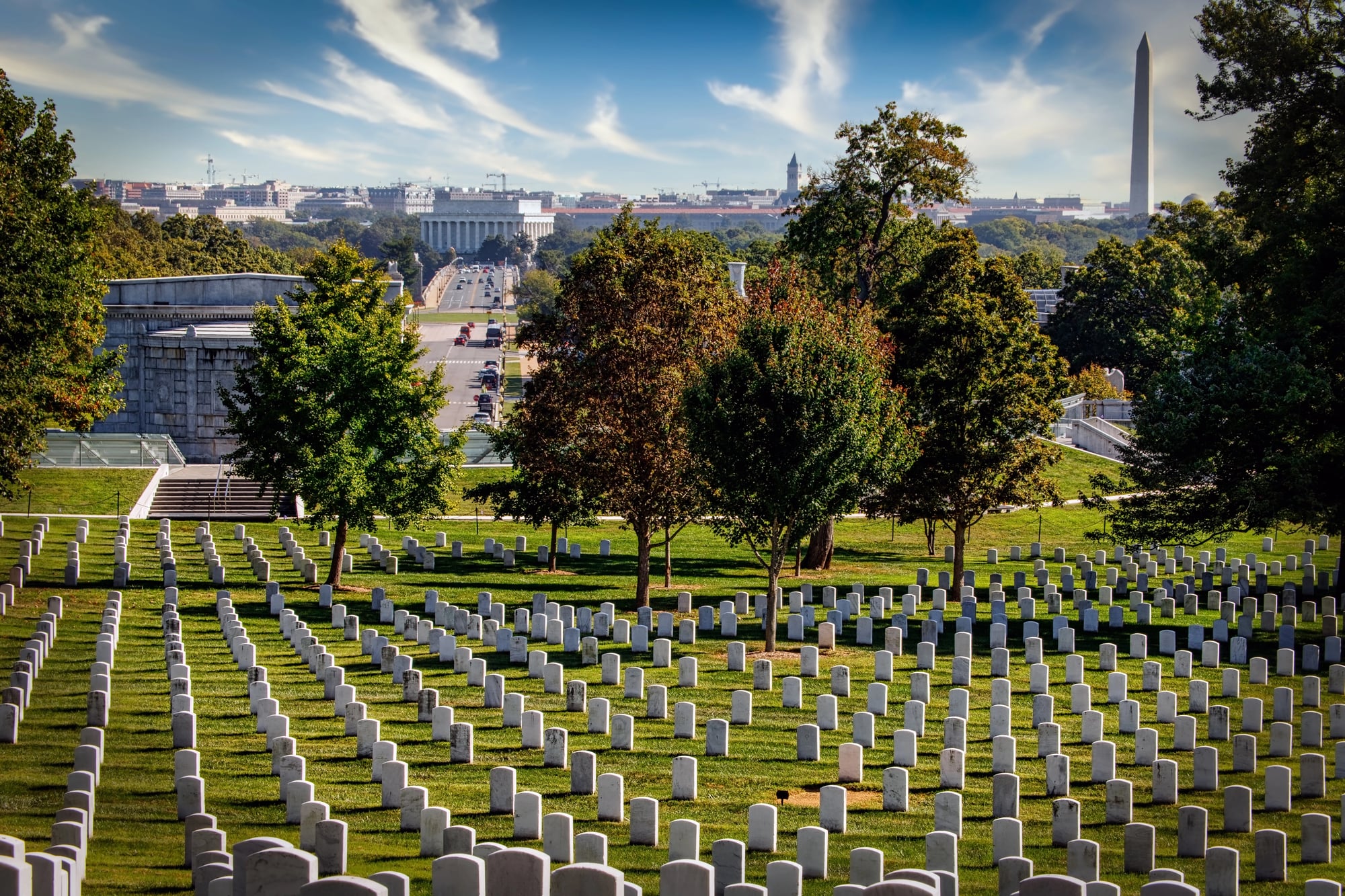
Arlington National Cemetery doesn’t just host Memorial Day ceremonies—it practically defines them. The location was chosen deliberately as a statement: Robert E. Lee’s former estate transformed into a burial ground for Union soldiers.
The first large-scale Decoration Day ceremony happened here in 1868. Twenty thousand participants showed up to place flowers on graves and listen to speeches.
The event established the template that most Memorial Day observances still follow: formal ceremonies, speeches about sacrifice and service, and the decoration of graves with flags and flowers.
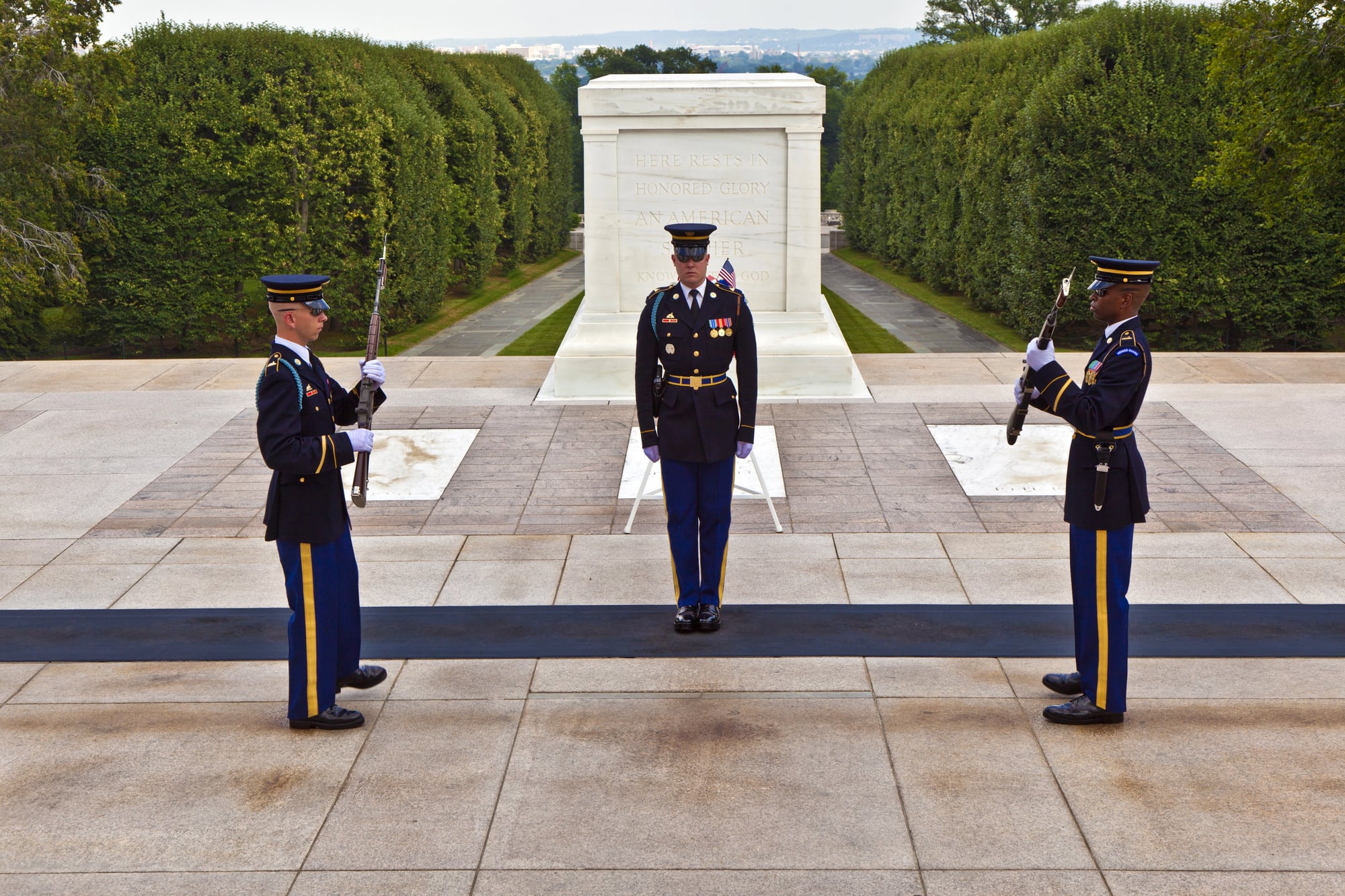
Arlington’s annual ceremony became the standard that other communities measured themselves against. The wreath-laying at the Tomb of the Unknown Soldier, the formal military honors, the carefully choreographed proceedings—these elements spread to Memorial Day events nationwide.
Moment of Remembrance
Congress created the National Moment of Remembrance in 2000, asking Americans to pause at 3:00 PM local time on Memorial Day for one minute of silence. The timing isn’t arbitrary—3:00 PM was chosen because it represents a moment when most Americans would be engaged in their Memorial Day activities, whether that’s attending parades, enjoying family gatherings, or participating in community events.
But asking an entire country to stop what they’re doing simultaneously requires more than congressional resolutions. The initiative succeeded because it gave people a simple, concrete way to acknowledge the holiday’s meaning without disrupting their plans or requiring them to attend formal ceremonies.
Three-Day Weekend Transformation
The Uniform Monday Holiday Act of 1968 moved Memorial Day from May 30th to the last Monday in May, and that single change altered the holiday’s character permanently. What had been a solemn day of remembrance became a three-day weekend that signals summer’s arrival.
Veterans’ organizations opposed the change, arguing that the fixed date of May 30th held historical significance that shouldn’t be sacrificed for convenience. They were right—the long weekend format inevitably shifted focus from remembrance to recreation.
And yet the three-day weekend also democratized Memorial Day participation. Families who couldn’t attend weekday ceremonies now had time for cemetery visits and community events.
The format created space for both solemn observance and celebration, even if the balance doesn’t always feel right.
Parade Traditions
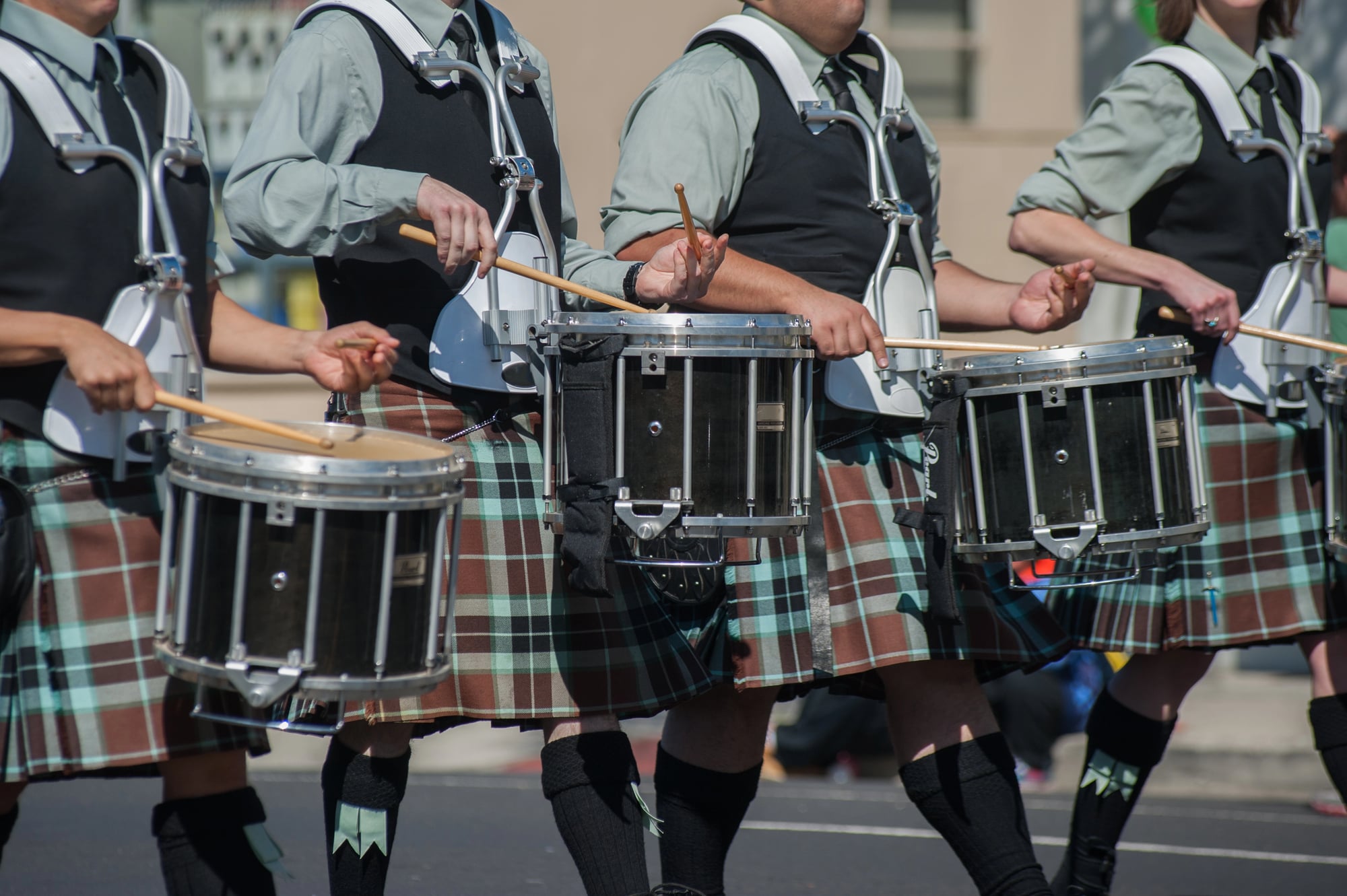
Memorial Day parades follow a formula that’s remained remarkably consistent since the 1870s: veterans march, military units present colors, bands play patriotic music, and communities line the streets to watch. The predictability isn’t accidental—it’s the point.
These parades serve as annual reminders of military service in communities where such service might otherwise remain invisible. They create a shared experience that connects generations and provides a public forum for honoring military sacrifice.
The parades also demonstrate how Memorial Day traditions adapted to changing circumstances. As the number of Civil War veterans dwindled, World War I veterans took their place.
When those ranks thinned, World War II, Korea, and Vietnam veterans stepped forward. The format remained constant even as the faces changed.
Flags at Half-Staff
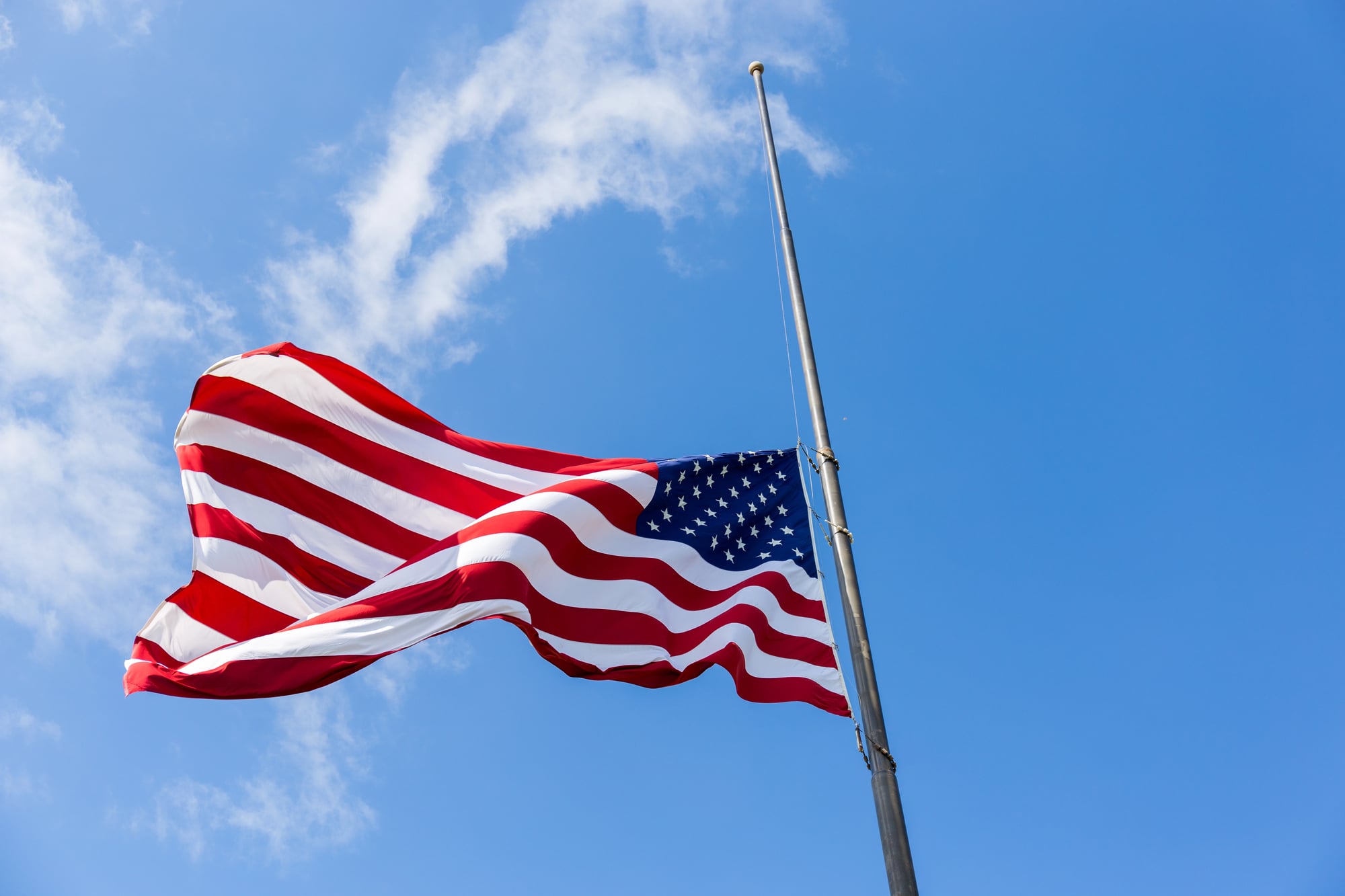
The half-staff flag tradition on Memorial Day follows specific protocols that most people don’t realize exist. Flags should be raised to full staff at sunrise, then lowered to half-staff until noon, then raised to full staff again until sunset.
The sunrise-to-noon half-staff period honors the dead. The noon-to-sunset full-staff display honors the living who fought and survived.
The protocol acknowledges both loss and survival, grief and gratitude.
But the timing matters less than the gesture itself. The lowered flag creates a visual reminder that this isn’t just another holiday.
It signals that the day carries weight beyond barbecues and beach trips.
National Memorial Day Concert
The National Memorial Day Concert has aired annually from the West Lawn of the U.S. Capitol since 1989, and it represents Memorial Day’s evolution into a made-for-television event. The concert features celebrity hosts, musical performances, and personal stories of military sacrifice designed to reach audiences who might not attend local ceremonies.
Critics argue that the televised format sentimentalizes military sacrifice and reduces complex issues to emotional entertainment. Supporters counter that the broadcast brings Memorial Day’s meaning into homes across the country and honors military families in a way that resonates with contemporary audiences.
The concert’s success reflects Memorial Day’s ongoing tension between remembrance and entertainment, between local community traditions and national media events. It works because it doesn’t try to resolve that tension—it embraces both elements simultaneously.
Cemetery Decorating Customs
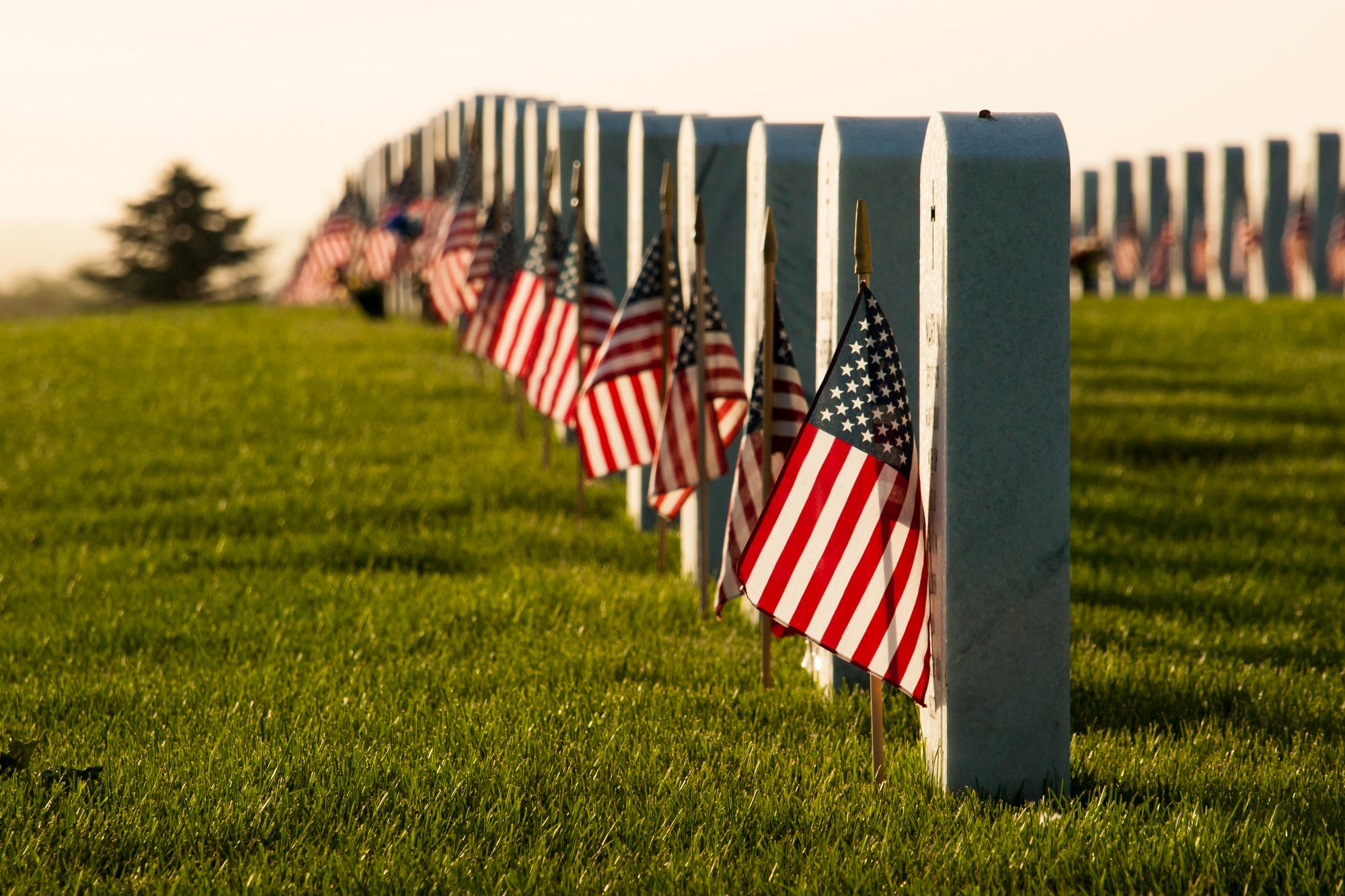
Different regions developed distinct approaches to grave decoration that persist today. Southern communities favored elaborate floral arrangements and extended family gatherings at cemeteries.
Northern traditions emphasized flags and simpler decorations, often organized by veterans’ groups rather than families.
These regional differences reflected broader cultural attitudes about death, mourning, and public display of grief. But they shared common elements: the use of flowers or flags as symbols of remembrance, the involvement of community organizations, and the transformation of cemeteries into gathering places for collective mourning.
Modern cemetery decorating has standardized somewhat, but local variations remain. Some communities still hold elaborate picnics in cemeteries on Memorial Day.
Others maintain strict protocols about the types of decorations permitted on graves.
Military Taps Tradition
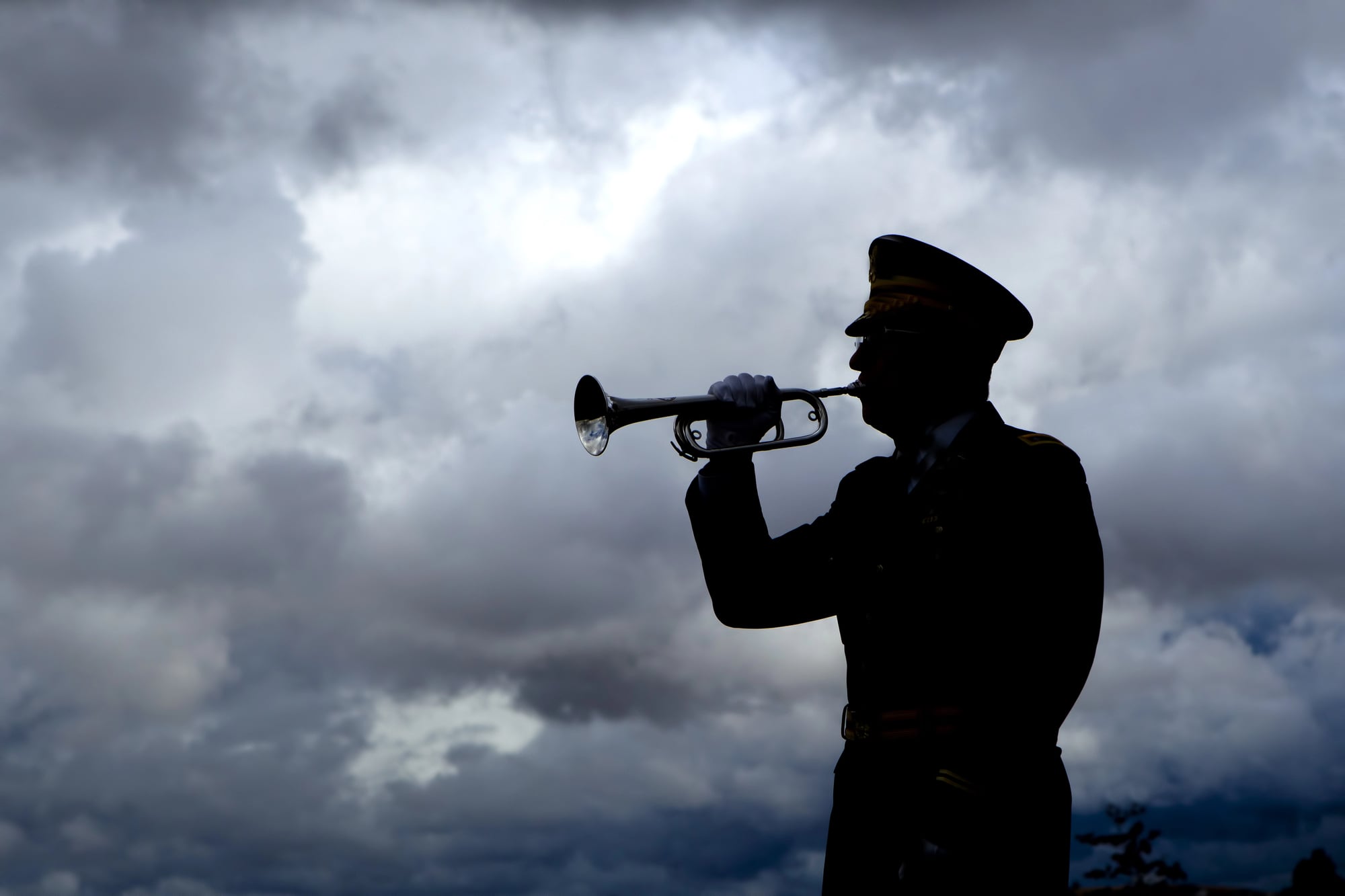
The playing of Taps at Memorial Day ceremonies connects the holiday to daily military ritual in a way that civilians rarely experience. The 24-note bugle call was composed during the Civil War as a replacement for the more complex French bugle call that ended the military day.
Taps became associated with military funerals because its haunting melody seemed to capture the finality of death better than words could. The absence of lyrics allows listeners to project their own meanings onto the music—grief, gratitude, loss, honor, or simple acknowledgment of sacrifice.
At Memorial Day ceremonies, Taps serves as both conclusion and climax. It provides a moment of shared silence that unifies diverse audiences around a common emotional experience.
The bugle call transforms individual grief into collective remembrance.
A Living Memorial
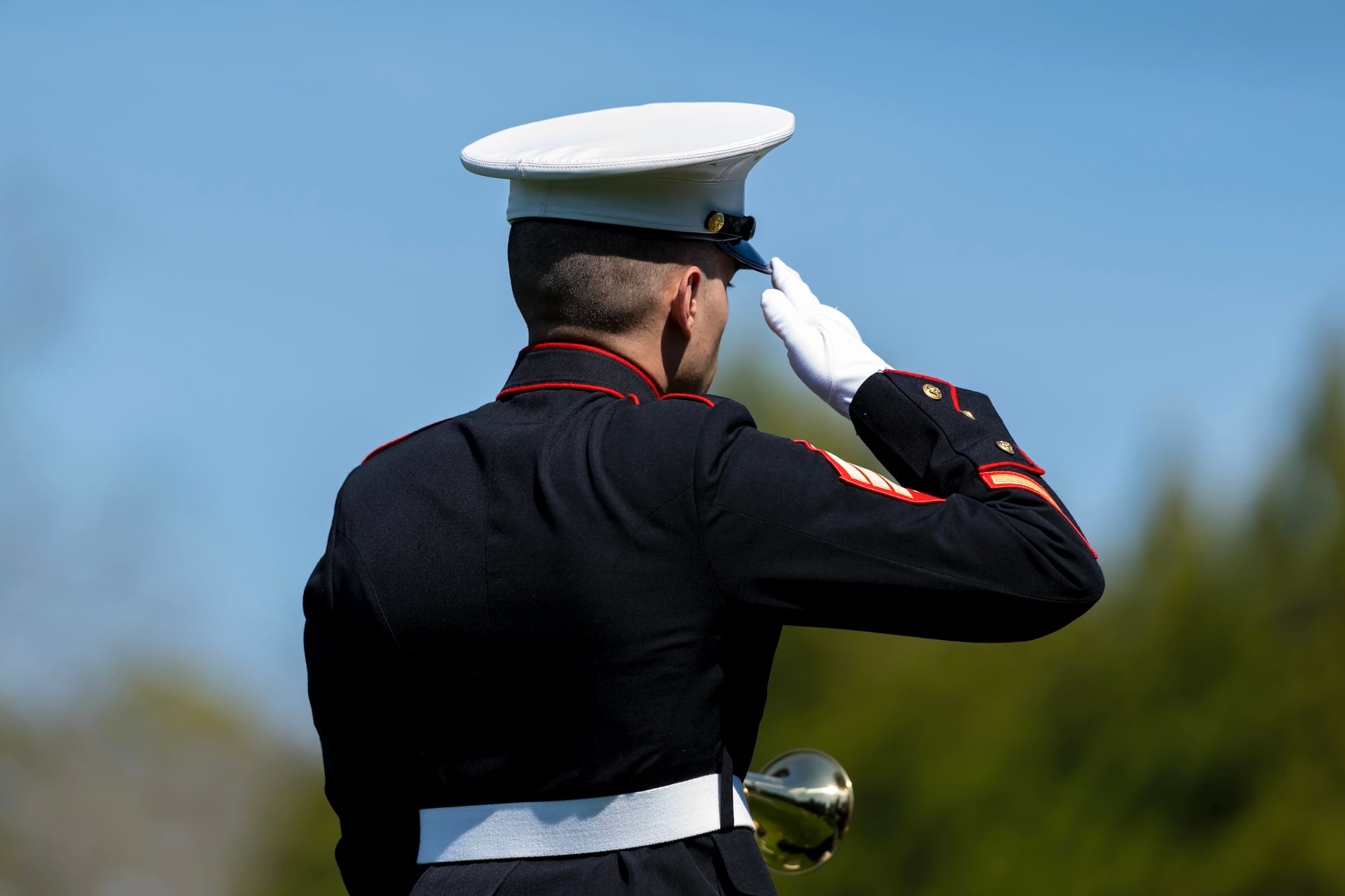
Memorial Day traditions endure because they serve the living as much as they honor the dead. The ceremonies, parades, and customs provide frameworks for processing loss that extends far beyond military casualties.
They create space for communities to gather, remember, and reaffirm connections that daily life often obscures.
The holiday’s evolution from Decoration Day to Memorial Day Weekend reflects America’s changing relationship with military service, death, and public mourning. But the core impulse remains unchanged: the need to ensure that sacrifice is recognized, remembered, and given meaning through collective action.
These traditions matter not because they’re perfect, but because they’re persistent—annual reminders that some things deserve to be remembered, even when remembering is difficult.
More from Go2Tutors!

- The Romanov Crown Jewels and Their Tragic Fate
- 13 Historical Mysteries That Science Still Can’t Solve
- Famous Hoaxes That Fooled the World for Years
- 15 Child Stars with Tragic Adult Lives
- 16 Famous Jewelry Pieces in History
Like Go2Tutors’s content? Follow us on MSN.