Highest Grossing Blockbuster Movies in Modern History
Hollywood’s pursuit of the billion-dollar box office has become something of an obsession. The numbers tell a story that goes beyond entertainment — they reveal what audiences around the world will show up for, what resonates across cultures, and what keeps people coming back to theaters even when streaming dominates the conversation.
These films didn’t just entertain; they created global phenomena that redefined what commercial success could look like in cinema.
Avatar
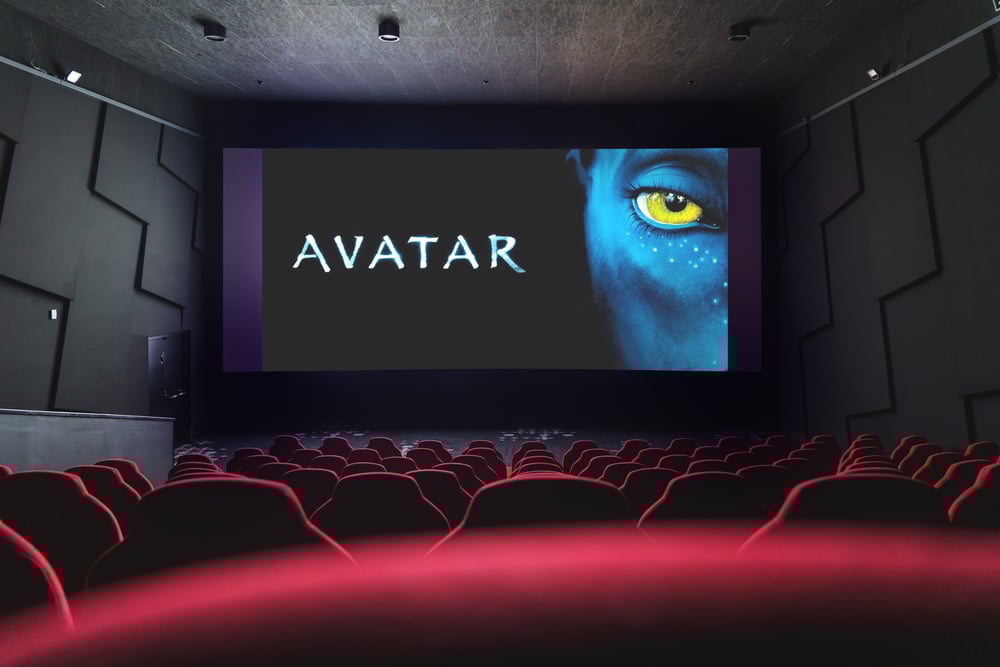
James Cameron spent over a decade perfecting the technology that would bring Pandora to life. The result was a film that earned $2.9 billion worldwide, holding the top spot for over a decade.
Audiences weren’t just watching a movie — they were experiencing a world that felt tangible, breathing, alive in ways that previous films had only hinted at. The 3D experience wasn’t a gimmick here.
Cameron built every frame around the technology, creating depth and immersion that made the premium ticket prices feel justified. So theaters charged more, audiences paid it, and the box office numbers reflected a new ceiling for what was possible.
Avengers: Endgame
The Marvel Cinematic Universe spent eleven years building toward this moment, and audiences responded by making it the only film to briefly dethrone Avatar. $2.79 billion worldwide represents more than just ticket sales — it’s the payoff for a decade of storytelling that convinced viewers to invest in a shared universe across dozens of films.
Opening weekend numbers shattered records not just in the United States but globally, with fans lining up for marathon screenings and multiple viewings (because processing three hours of plot threads being resolved in one sitting proved challenging even for devoted fans, which is saying something when you consider how much Marvel content these audiences had already consumed). The film proved that when you build anticipation properly — and when the payoff feels earned — there’s no ceiling on what audiences will support.
Titanic
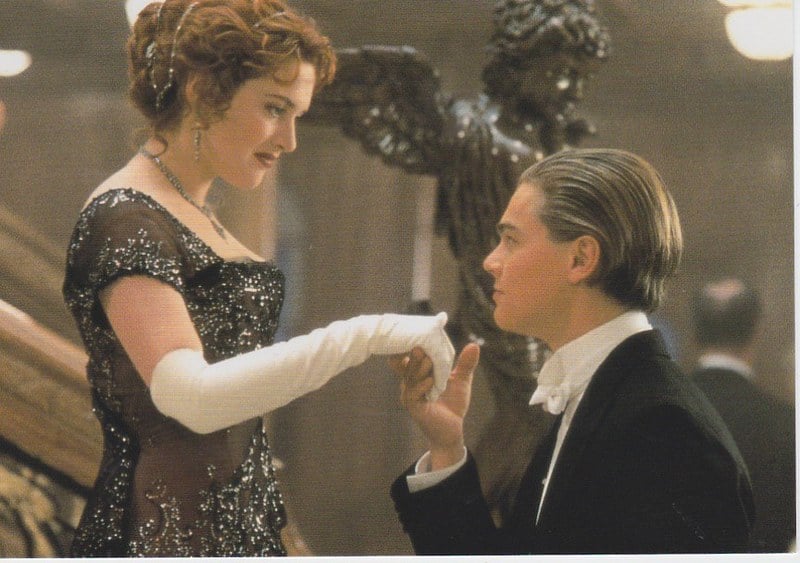
There’s something to be said for a disaster movie that makes people want to experience the disaster repeatedly. Cameron’s earlier masterpiece became a cultural phenomenon that transcended typical movie-going demographics, drawing audiences who rarely set foot in theaters and convincing them to return multiple times.
The film found its emotional center in a love story that could have been cliché but instead felt inevitable — the way certain songs make you understand why people write love songs at all. And the technical achievement of recreating the ship’s final hours gave weight to the romance, grounding it in something that felt both epic and intimate.
The $2.2 billion worldwide gross reflected not just the scale of the production but the way it connected with audiences who weren’t typically drawn to blockbuster spectacle.
Spider-Man: No Way Home
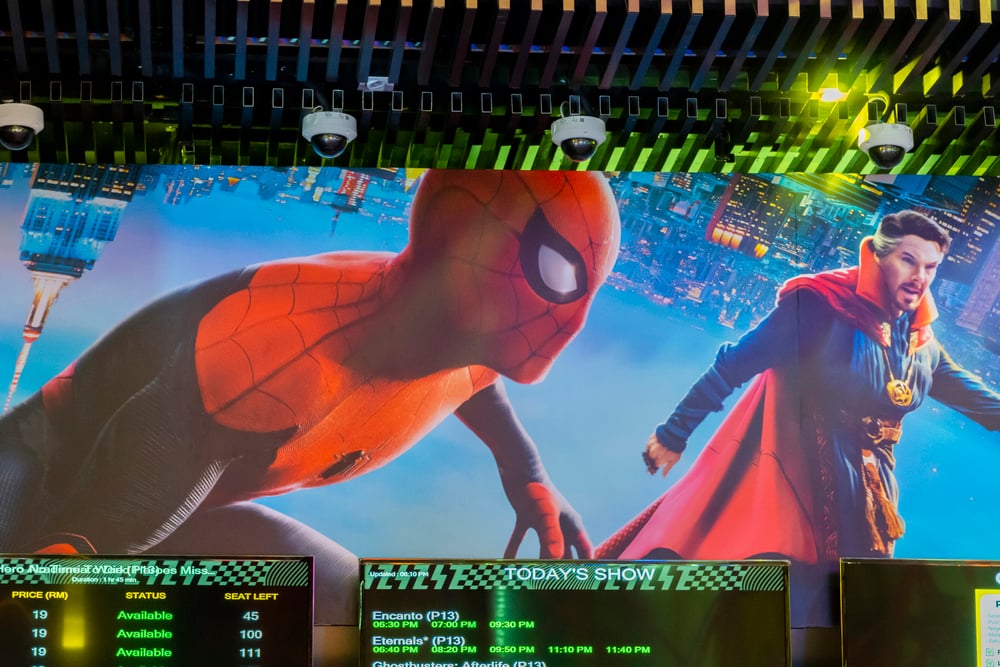
Sony figured out how to make nostalgia feel fresh by bringing together three generations of Spider-Man films. The result was a movie that shouldn’t have worked — too many characters, too much fan service, too much riding on audiences caring about connections across different film series.
Turns out audiences cared more than anyone anticipated. The film earned $1.9 billion by treating fan expectations as a feature rather than a burden, delivering moments that felt like payoffs to conversations that had been happening online for years.
The pandemic made the success even more impressive, proving that the right movie could still draw people to theaters when everything else was moving to streaming.
Avengers: Infinity War
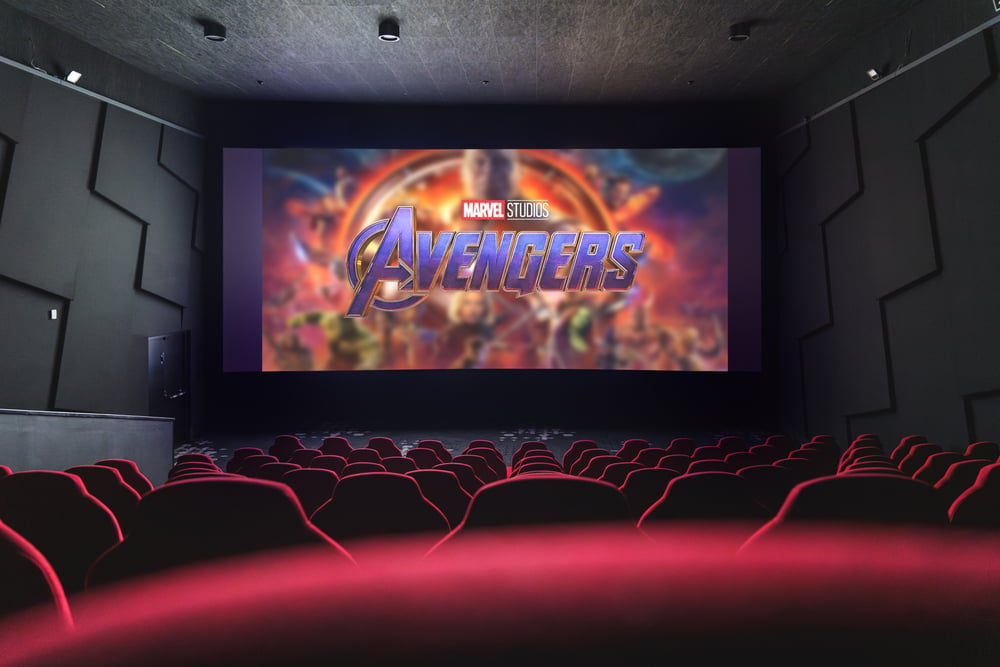
Marvel had trained audiences to expect post-credits scenes and happy endings wrapped in spectacular action sequences. Then they delivered a movie where half the universe gets erased and the heroes fail completely.
The bold choice to end on a cliffhanger — not just any cliffhanger, but one that eliminated beloved characters audiences had followed for years — created a cultural moment that extended far beyond the theater. Social media exploded with reactions, theories, and genuine emotional responses to watching heroes lose in ways that felt permanent.
The $2.04 billion gross represented audiences rewarding Marvel for taking risks with characters they’d grown attached to, even when those risks meant leaving the theater feeling unsettled rather than satisfied.
Top Gun: Maverick

Tom Cruise spent thirty-six years between Top Gun movies, and somehow the wait felt worth it. The sequel earned $1.48 billion by understanding what made the original work while acknowledging that both Cruise and audiences had changed in the decades since.
The film’s success came from treating nostalgia as a starting point rather than the destination. Maverick’s struggle with obsolescence mirrored concerns about whether practical effects and movie star charisma could still compete with CGI spectacle and franchise filmmaking.
Audiences responded by showing up in numbers that surprised even optimistic projections, proving that sometimes the old ways still work when executed with care and genuine craftsmanship.
Black Panther
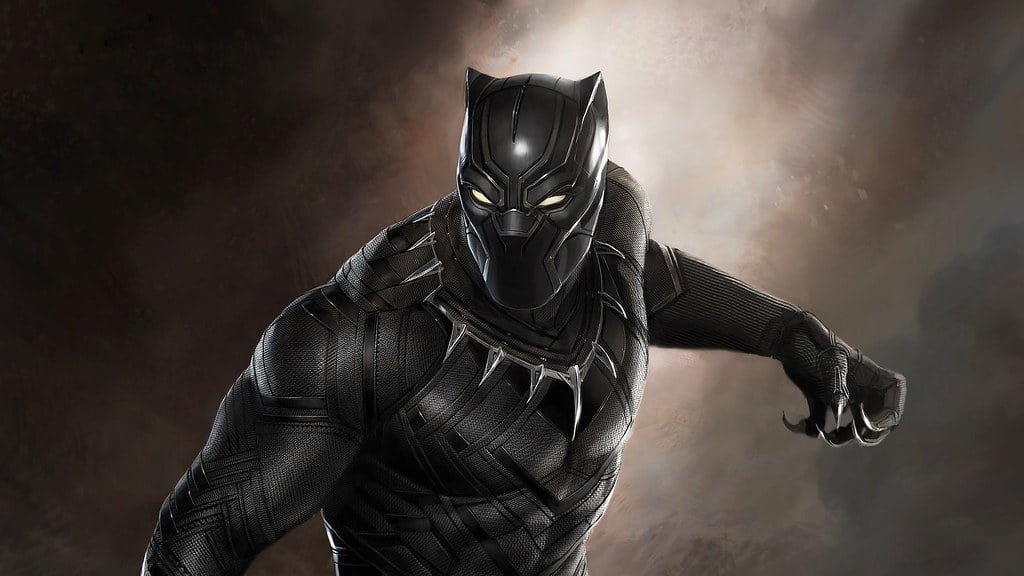
Ryan Coogler created a superhero film that carried cultural weight beyond the typical Marvel formula. The movie became a phenomenon that transcended entertainment, representing something audiences had been waiting to see without fully realizing they were waiting.
Wakanda felt like more than a fictional location — it became a symbol of possibility, of what African excellence could look like when imagined without the constraints of colonial history or Western perspective. And the film’s $1.34 billion gross proved that representation wasn’t just morally right but commercially powerful, opening doors for stories that Hollywood had previously considered too risky or niche for blockbuster treatment.
Avengers: Age of Ultron
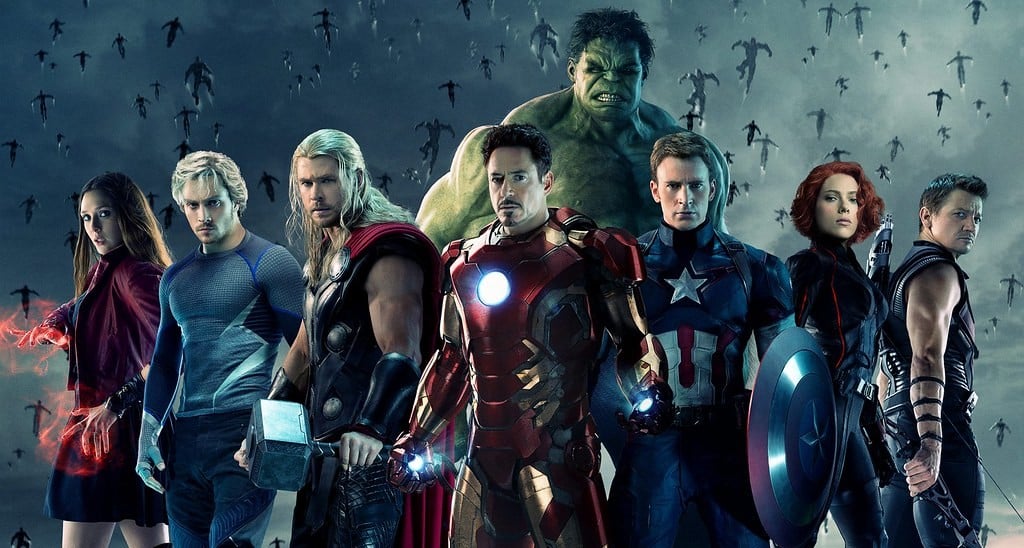
Joss Whedon’s second Avengers film earned $1.4 billion while feeling like a disappointment to many fans. The success reveals something important about blockbuster filmmaking — sometimes audiences will show up for spectacle even when the story doesn’t quite land.
The film delivered on action and humor but struggled under the weight of setting up future Marvel films, turning what should have been character moments into plot mechanics for movies that wouldn’t arrive for years. Yet the box office numbers proved that Marvel had built enough goodwill and anticipation that audiences would support even the franchise’s weaker entries, creating a buffer that allowed for creative risks in later films.
Frozen II
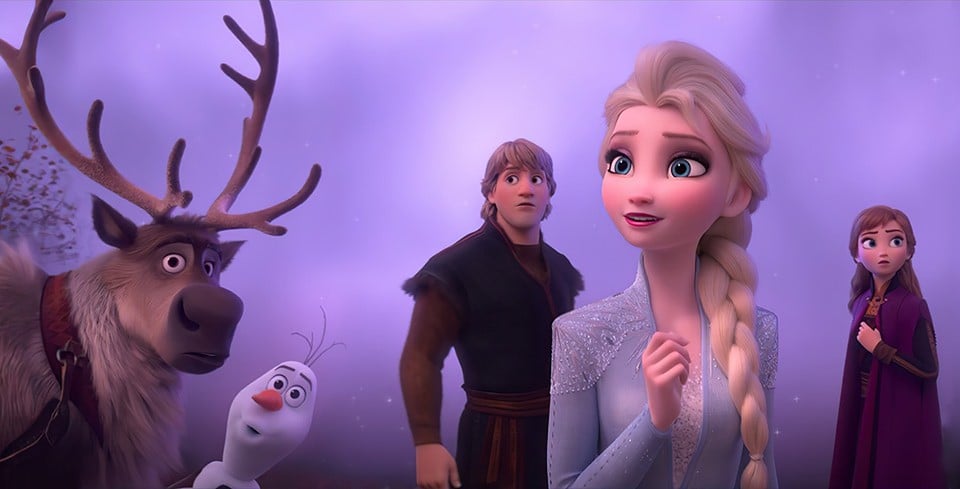
Disney’s sequel to their animated phenomenon earned $1.45 billion by understanding that audiences had grown attached to these characters in ways that went beyond typical merchandising. Parents who had endured endless renditions of “Let It Go” found themselves genuinely invested in Elsa’s continued journey.
The film succeeded by taking its characters seriously rather than simply recycling the formula that made the original work. Anna and Elsa’s relationship evolved in ways that felt earned, and the songs — while not reaching the cultural penetration of “Let It Go” — served the story rather than existing purely for soundtrack sales.
The global success proved that animated films could achieve blockbuster numbers without relying on celebrity voice casting or pop culture references that would date the material.
Frozen
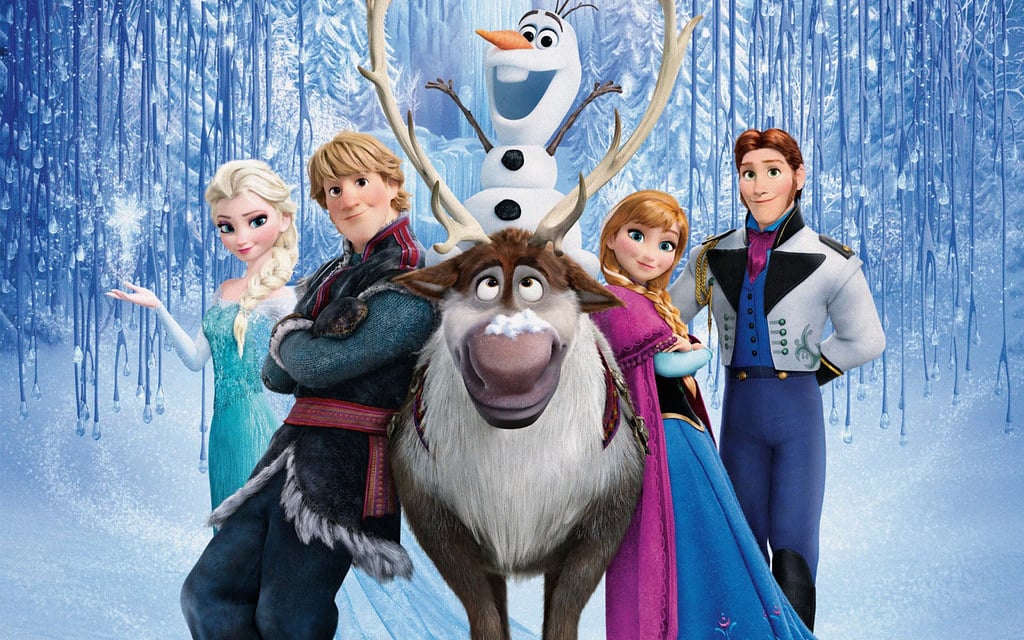
Sometimes a film captures something in the cultural zeitgeist that nobody saw coming. Disney’s Frozen became a global phenomenon that extended far beyond its $1.28 billion box office, spawning merchandise, Broadway shows, and theme park attractions that continue generating revenue years later.
“Let It Go” became more than a song — it became an anthem for anyone who had ever felt constrained by expectations or afraid of their own power. The film’s success came from treating its themes seriously while wrapping them in the kind of spectacle and humor that made the medicine go down easily.
And Elsa’s character design struck a balance between traditional Disney princess aesthetics and something that felt modern, powerful, and genuinely empowering rather than performatively so.
Beauty and the Beast

Disney’s live-action remake of their animated classic earned $1.26 billion by banking on nostalgia while updating the material for contemporary audiences. Emma Watson’s Belle felt more active and independent than her animated predecessor, addressing criticisms of the original without abandoning what made it work.
The film’s success proved that audiences were hungry for live-action versions of beloved animated films, launching Disney’s current strategy of remaking their entire animated catalog. The musical numbers translated surprisingly well to live-action, maintaining the theatrical energy that made the animated version memorable while adding visual scope that animation couldn’t achieve.
Incredibles 2
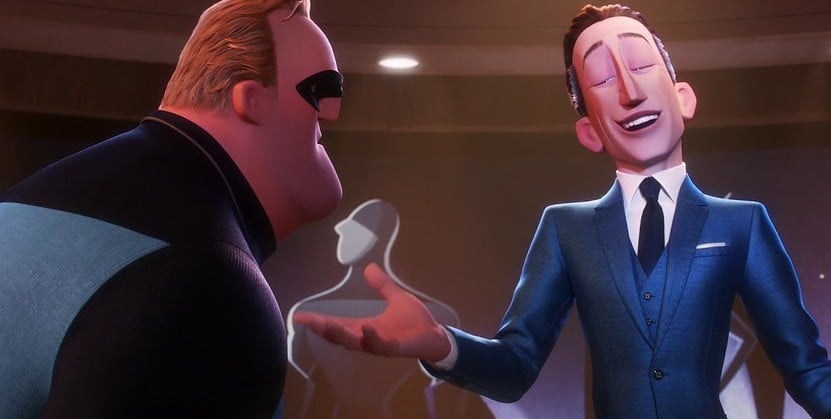
Pixar waited fourteen years to continue the Parr family’s story, and audiences responded by making it the highest-grossing animated film of all time at $1.24 billion. The sequel focused on Elastigirl taking the spotlight while Mr. Incredible handled domestic duties — a role reversal that felt both natural and long overdue.
The film’s success came from understanding that audiences had grown up with these characters and were ready for more sophisticated storytelling. The themes of family dynamics, work-life balance, and gender roles were handled with the kind of intelligence that made parents as invested as their children.
And the action sequences maintained Pixar’s reputation for creative problem-solving and visual invention that set their superhero film apart from the Marvel and DC competition.
The Lion King
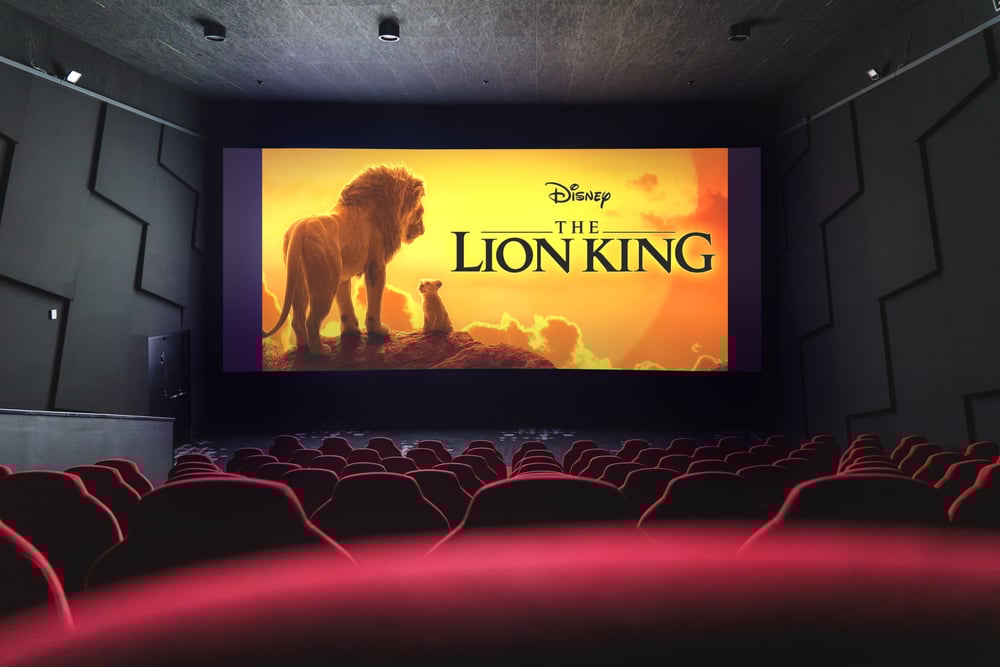
Disney’s photorealistic remake of their animated masterpiece earned $1.65 billion while sparking debates about whether the realistic animation enhanced or diminished the story’s emotional impact. The technology was undeniably impressive — every animal looked convincingly real, every landscape felt tangible.
But the realistic animation created an uncanny valley effect during emotional moments, making it difficult for audiences to connect with characters who looked like actual lions trying to express human emotions. The film’s massive success proved that brand recognition and technical achievement could overcome storytelling limitations, though it also highlighted the challenges of translating animated classics to different mediums without losing what made them special in the first place.
Reflecting on Success

These numbers represent more than box office receipts — they’re evidence of cinema’s power to create shared experiences in an increasingly fragmented world. Each film found a way to speak to audiences across cultures, languages, and demographics, proving that certain stories and spectacles transcend individual preferences.
The billion-dollar club remains exclusive not because audiences are stingy, but because reaching those heights requires a rare combination of technical achievement, emotional resonance, and cultural timing that can’t be manufactured or predicted with complete accuracy.
More from Go2Tutors!

- The Romanov Crown Jewels and Their Tragic Fate
- 13 Historical Mysteries That Science Still Can’t Solve
- Famous Hoaxes That Fooled the World for Years
- 15 Child Stars with Tragic Adult Lives
- 16 Famous Jewelry Pieces in History
Like Go2Tutors’s content? Follow us on MSN.


