Items Taxed for Strange Reasons
Governments need money. That part makes sense.
But the ways they’ve chosen to collect it throughout history? Not always logical. From facial hair to daylight, lawmakers have found creative ways to fill their coffers.
Some of these taxes made a twisted kind of sense at the time. Others just feel bizarre no matter how you look at them.
Beards Came With a Price Tag
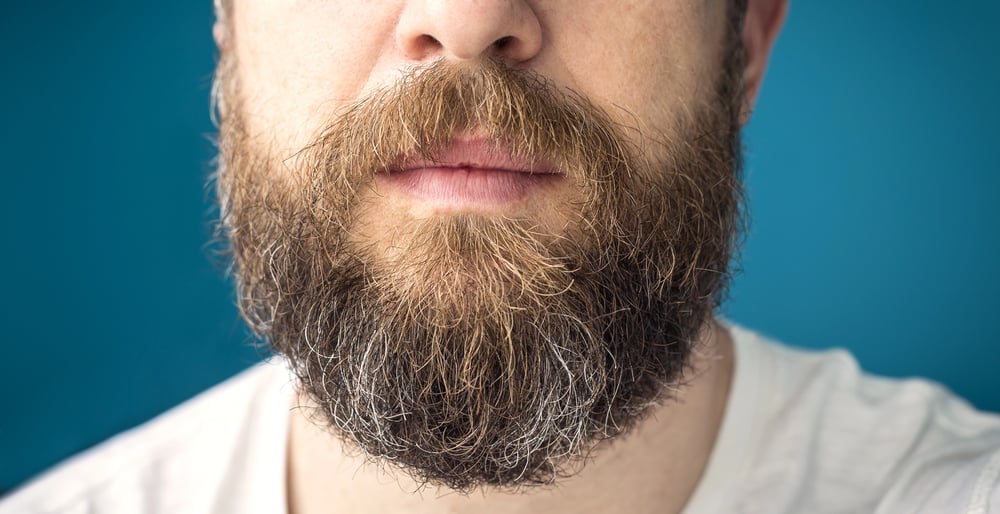
Peter the Great of Russia really hated beards. In 1698, he decided anyone who wanted to keep their facial hair would have to pay for the privilege.
The tax varied based on social status, with wealthy merchants paying the most. Those who paid received a bronze token as proof.
The reasoning? Peter wanted Russia to look more Western and modern. Beards, in his view, made Russians look backward.
Windows Let the Light In and the Money Out

England’s window tax lasted from 1696 to 1851. The government taxed houses based on how many windows they had.
More windows meant more wealth, or so the logic went. Property owners responded by bricking up their windows or building houses with fewer of them.
You can still see these bricked-up windows in old English buildings today. The tax created darker, less healthy living spaces. Eventually, people started calling it a tax on health and air.
Weren’t Just for Fun

Several countries taxed playing cards over the centuries. England started in 1615.
The government required one card in each deck to carry an official stamp proving the tax had been paid. Usually, the Ace of Spades got this honor, which is why that card often looks fancier than the others.
The tax stuck around until 1960. France, Spain, and other countries had similar taxes. Cards were entertainment, and entertainment was seen as something people could afford to pay extra for.
Hats Told the World Your Status
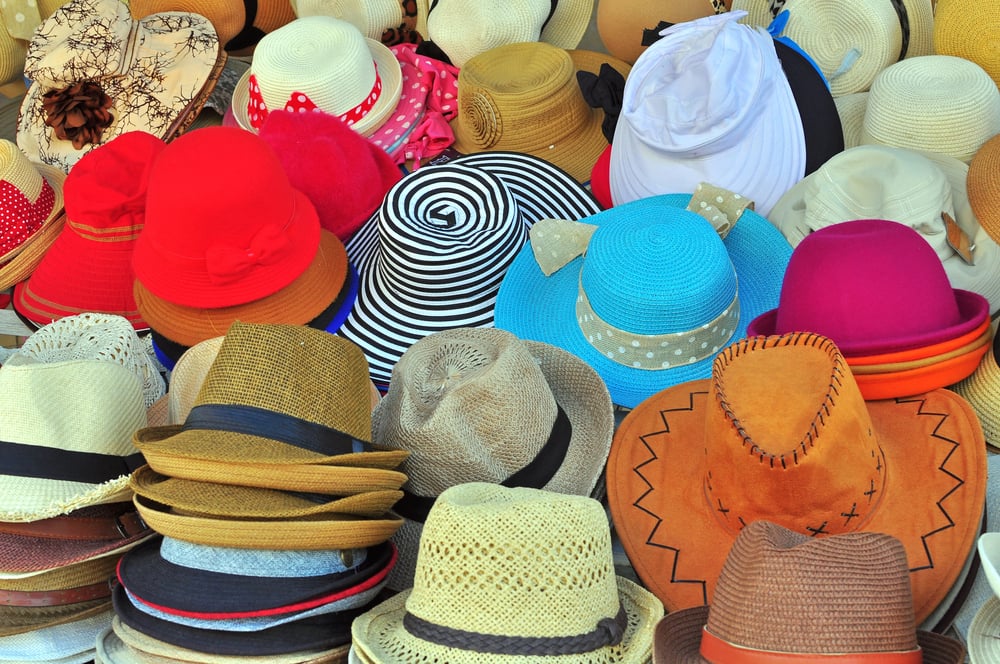
Another British invention. In 1784, the government decided hats would be taxed. The amount you paid depended on the price of the hat.
Hatmakers had to buy licenses. Hat owners had to paste a stamp inside their hats to prove they’d paid. People started making their own hats at home to avoid the tax.
The whole system became more trouble than it was worth and ended in 1811.
Candles Lit Up Tax Revenue
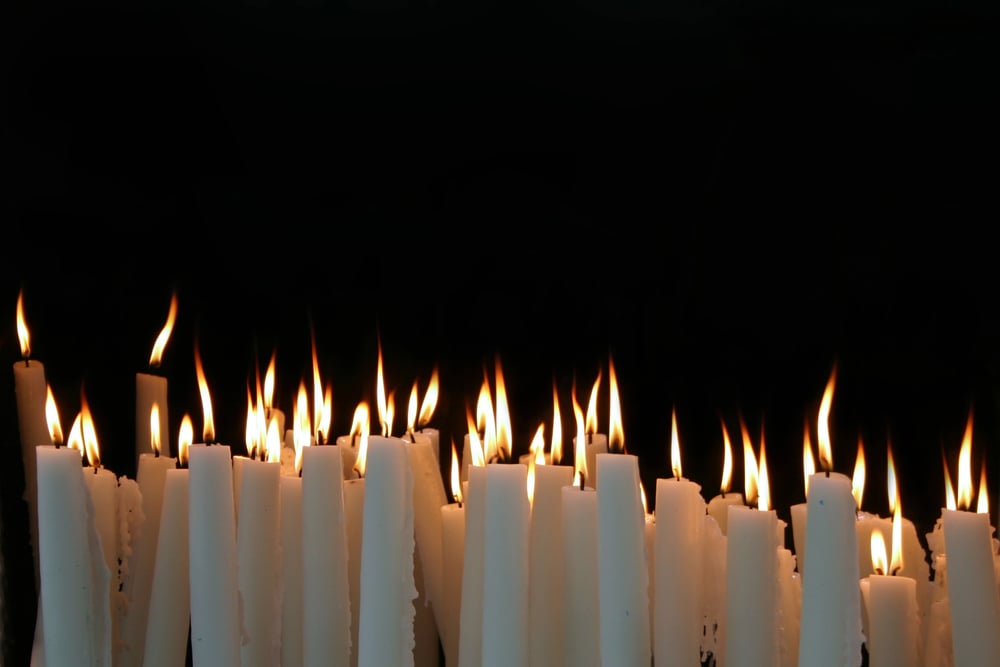
Before electricity, candles were essential. The British government saw an opportunity and taxed them starting in 1709.
This hit poor families hardest since they couldn’t afford alternatives like oil lamps. Some people resorted to making their own candles illegally.
The tax lasted until 1831, when public pressure finally killed it. Taxing light might be the most literally dark tax policy ever implemented.
Urine Actually Had Value

Ancient Rome taxed the collection of urine. Tanners and launderers used it to process leather and clean clothes because of its ammonia content.
Public urinals collected it, and the emperor Vespasian put a tax on the business. When his son complained about taxing something so disgusting, Vespasian supposedly held up a gold coin and asked if it smelled.
The phrase “money doesn’t smell” comes from this story. The tax made financial sense, even if it grossed people out.
Wallpaper Decorated Walls and Government Budgets

In 1712, Britain started taxing wallpaper. People responded by hanging plain paper and painting designs on it themselves.
The government caught on and extended the tax to include plain paper too. Some clever homeowners bought printed fabric instead, which wasn’t taxed.
The whole mess lasted until 1836. It shows how creative people get when faced with a tax they think is stupid.
Clocks Counted Money, Not Just Time
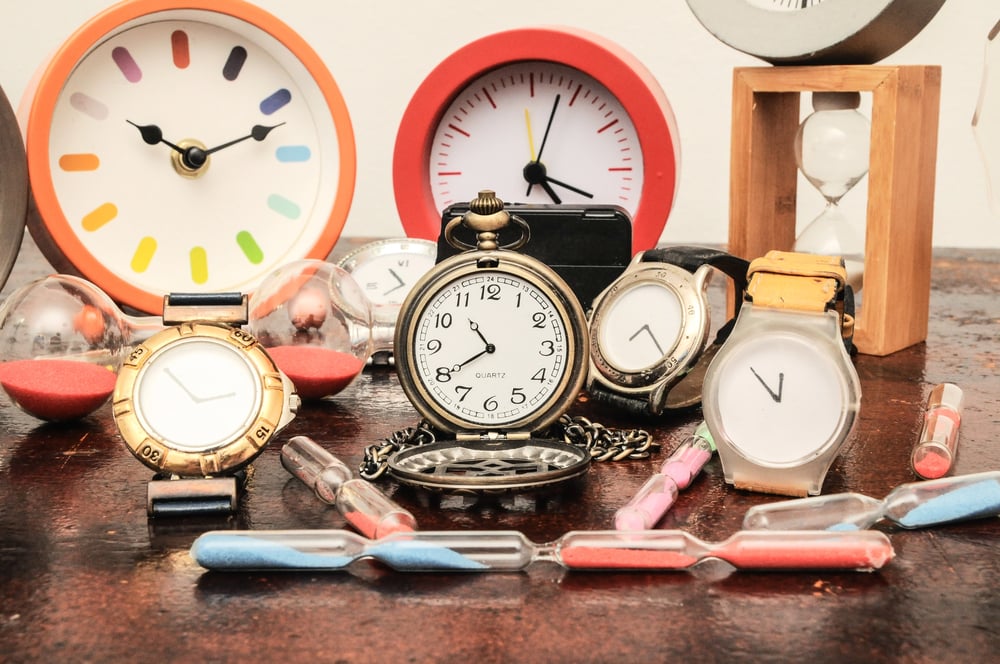
Britain again. In 1797, the government decided to tax clocks and watches. Each clock in your house costs you money.
The tax was supposed to target wealthy people who could afford timepieces. Instead, it devastated clockmakers.
People stopped buying clocks. The industry nearly collapsed.
The government repealed the tax within a year, but the damage was done. Many clockmakers never recovered.
Blueberries Got Singled Out

Maine taxes blueberries. Not other berries. Just blueberries.
The tax exists because Maine produces most of America’s wild blueberries, and the state uses the tax money to promote the industry and fund research. It’s one of the few cases where a strange tax actually supports the thing being taxed.
Farmers seem okay with it since the money goes back into helping them grow better crops.
Bagels Cost Extra in Some Places
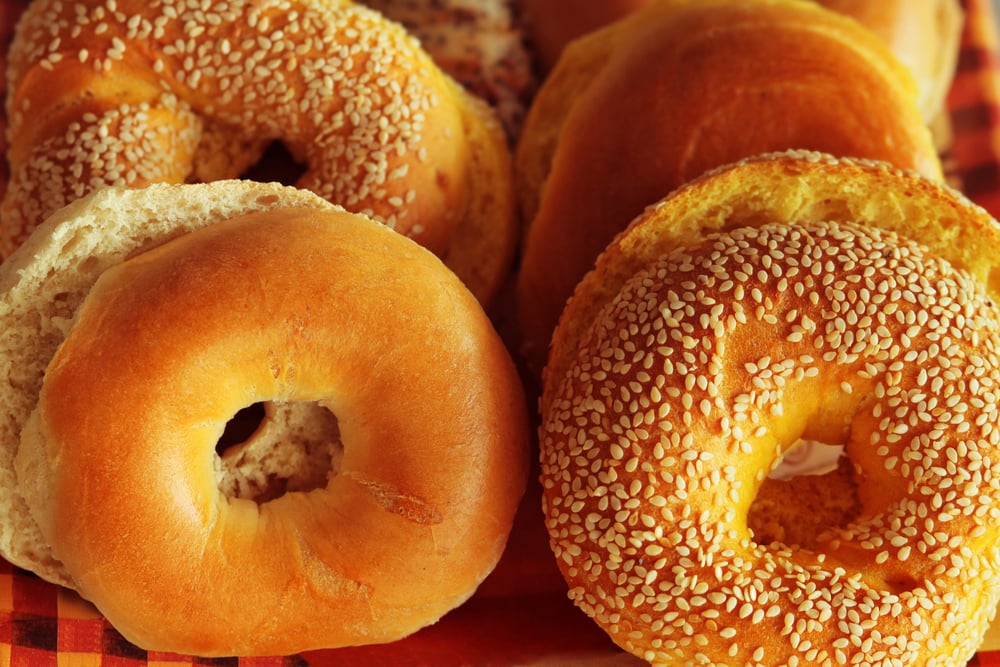
New York briefly considered a bagel tax in the 1990s based on whether the bagel was sliced and prepared. A whole bagel counted as unprepared food and wasn’t taxed.
Slice it, toast it, or spread something on it, and suddenly it became prepared food subject to sales tax. The distinction created confusion at every bagel shop.
Coffee shops had to track which bagels got cut and which didn’t. The policy still exists in some form, though enforcement varies.
Fortune Cookies Faced a Sweet Tax
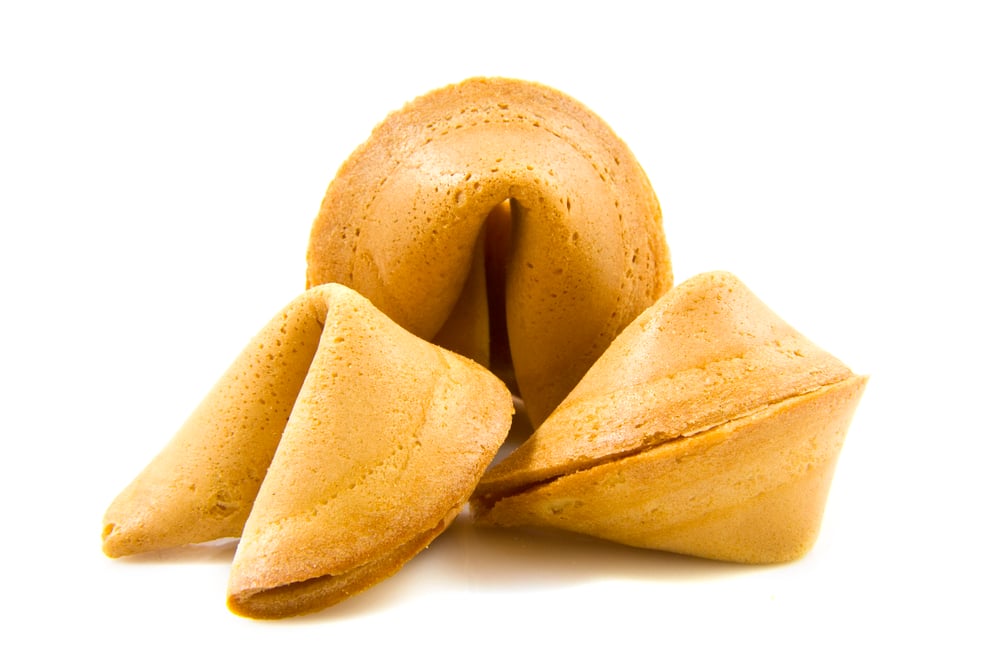
California classifies fortune cookies differently depending on where you buy them. In a restaurant, they’re not taxed.
Buy them in a package from a store, and they’re taxable. The reasoning involves whether they’re part of a meal or a standalone snack.
Bakeries that make fortune cookies have to track which ones go to restaurants and which go to retail. It’s the kind of bureaucratic split that makes everyone’s life harder.
Tattoos Draw Extra Charges

Arkansas taxes tattoos and body modifications. The state sees them as luxuries rather than necessities, which justifies the special tax rate.
Some artists pass the cost directly to customers. Others absorb it into their pricing.
Either way, getting inked costs more in Arkansas than it would in neighboring states. The tax raises questions about what counts as art, personal expression, or luxury spending.
Athletes Pay for Playing Away Games

The “jock tax” hits professional athletes when they play games in states other than their home state. California started it in 1991 after the Chicago Bulls won the NBA championship.
California taxed the Bulls players for the income they earned during games played in California. Other states retaliated with their own jock taxes.
Now athletes need specialized accountants to track their income by game location. A player earning millions still loses a significant chunk to these taxes.
Brick Walls Give Way to Clever Doors
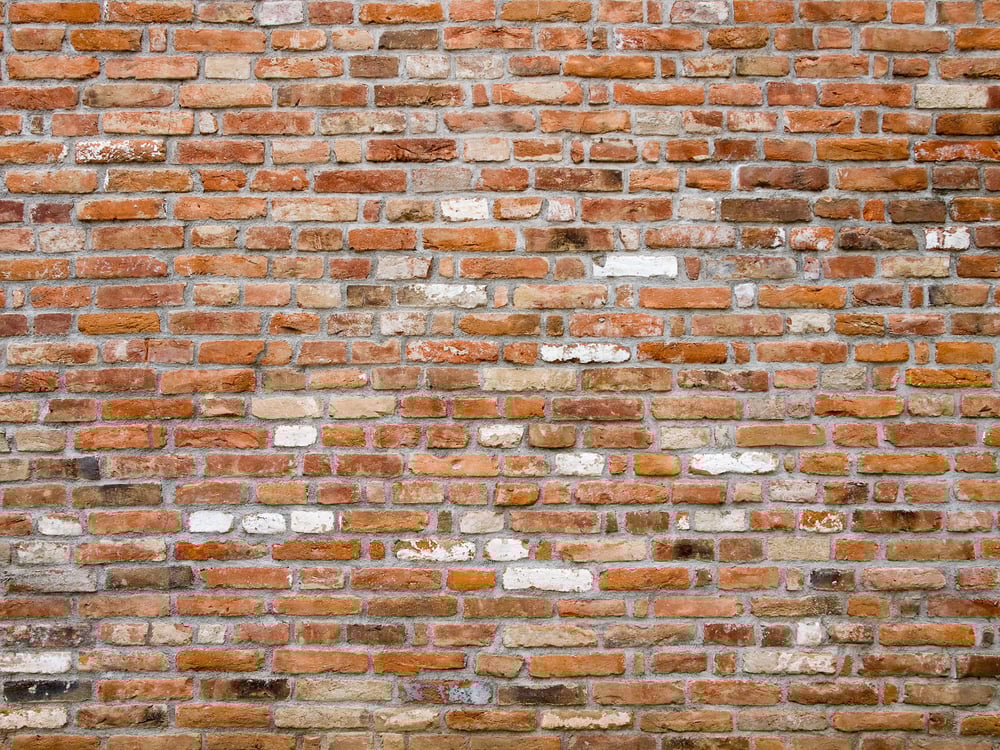
Some rulers counted doors to decide taxes on homes. So people blocked up doorways or made them less obvious.
In other places, tax was set by how many bricks a building had. Craftsmen then switched to bigger blocks – or just used wood instead.
These taxes show something clear – when leaders target obvious riches, folks figure out loopholes instead. This push-pull turns into an odd rhythm, each side shifting tactics as things change.
The Strange Logic Behind the Ledger

Tax rules show what leaders care about, worry over, or just get wrong. Odd levies usually go after pleasures – stuff folks like but can live without.
Many weird taxes fade away, killed by red tape or angry citizens. Yet echoes remain – in sealed windows, ornate decks of cards, or bean counters checking where a player stood during a catch.
The oddness sticks around in little things, showing how taxes aren’t only about collecting money. They’re tied to influence, who’s in charge, sometimes utter nonsense.
More from Go2Tutors!

- The Romanov Crown Jewels and Their Tragic Fate
- 13 Historical Mysteries That Science Still Can’t Solve
- Famous Hoaxes That Fooled the World for Years
- 15 Child Stars with Tragic Adult Lives
- 16 Famous Jewelry Pieces in History
Like Go2Tutors’s content? Follow us on MSN.