Ancient Naval Technology Dominating Early Open Oceans
The first time humans looked out at an endless stretch of water, they didn’t see an obstacle. They saw a highway.
What followed was thousands of years of brilliant engineering, desperate innovation, and technologies so effective that some of them barely changed for millennia. These weren’t just boats—they were floating cities, weapons of war, and the backbone of entire civilizations.
The Phoenician Bireme
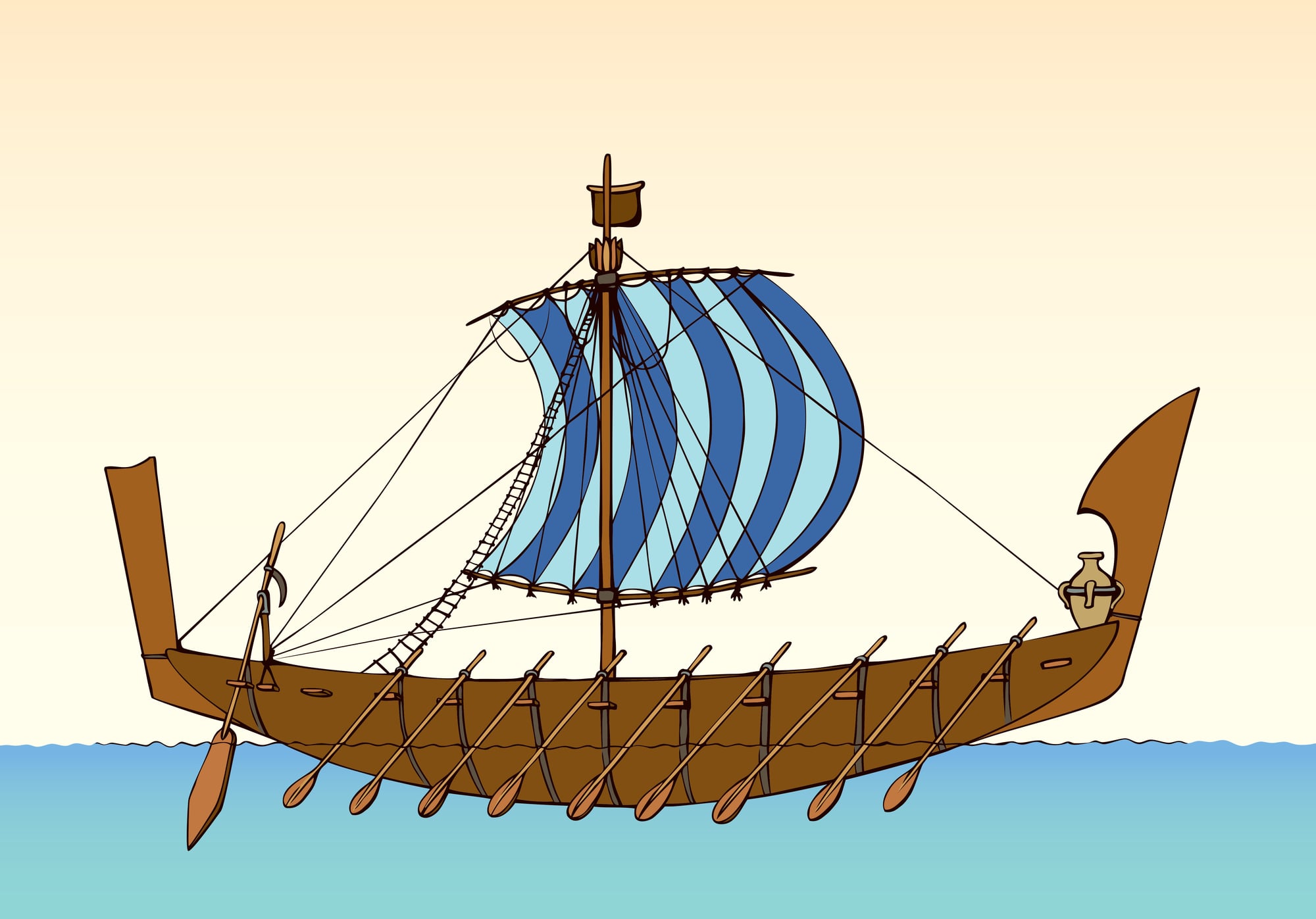
Two rows of oars. That’s what separated the civilized world from everyone else paddling around in glorified canoes.
Phoenician biremes cut through Mediterranean waters like nothing before them, and suddenly distance meant nothing.
The design was brutal in its simplicity. Fifty oars per side, two men per oar on the upper tier, one on the lower.
Raw human power organized into something unstoppable.
Mesopotamian Reed Boats
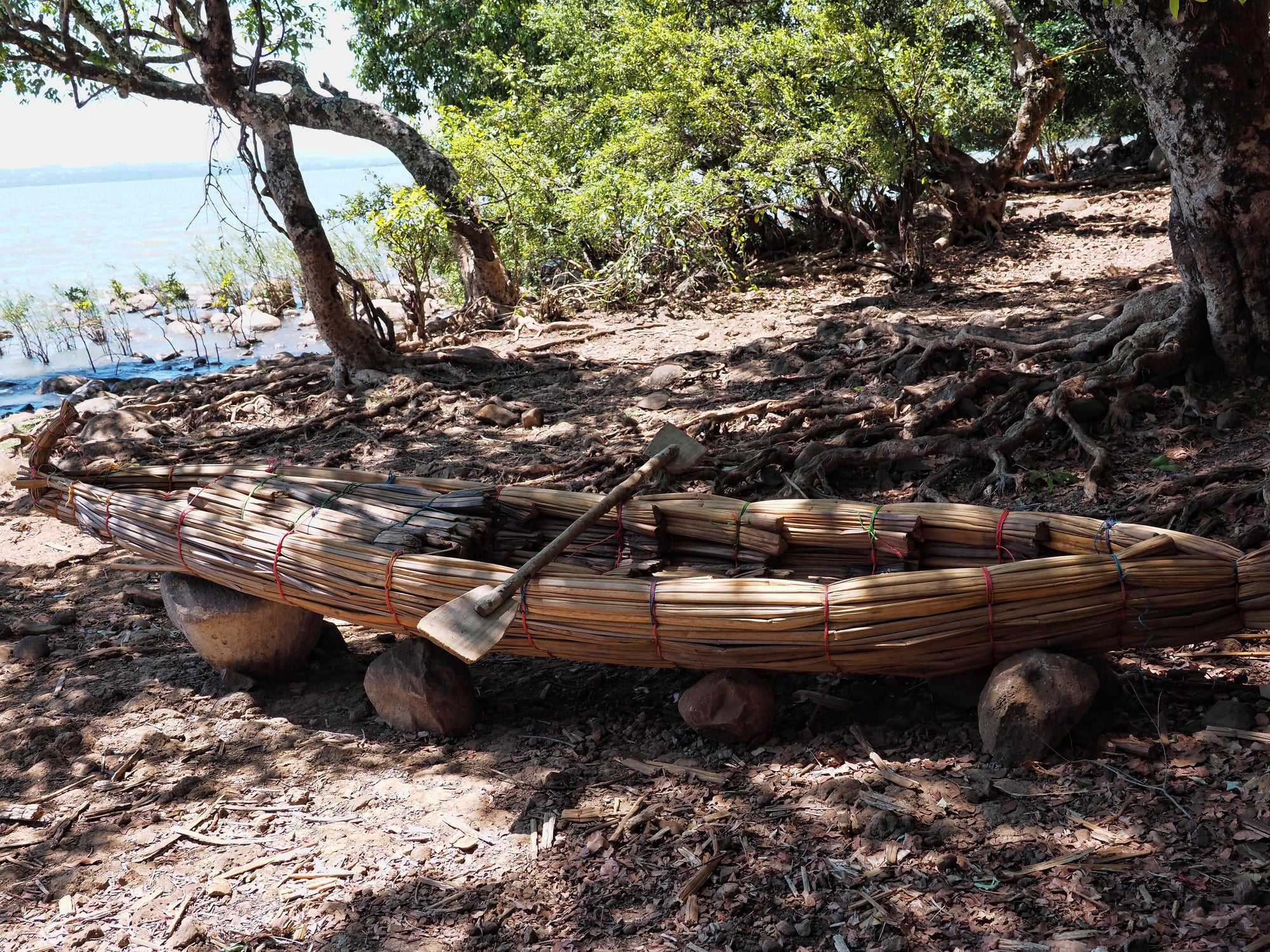
Mesopotamians figured out something that took everyone else centuries to understand (and this was back when the wheel was still considered cutting-edge technology): you don’t fight the materials, you work with them. And so they bundled reeds together—thousands of them, bound tight with rope and sealed with bitumen—creating vessels that could haul massive cargo loads down rivers that would snap wooden boats like kindling.
These weren’t pretty boats, but pretty doesn’t matter when you’re moving two tons of grain down the Euphrates and your competition is still figuring out how to make a raft that doesn’t fall apart.
The reeds flexed instead of breaking, absorbed water instead of leaking catastrophically, and when they wore out (which they did, regularly), you just built another one because the materials were literally growing in the marsh next to your house.
But here’s the thing about working with what you have instead of what you wish you had: it teaches you things. So Mesopotamian boat builders became experts at reading water, at understanding how different loads shifted weight, at predicting exactly how much abuse a vessel could take before it gave up entirely.
Which meant that when they eventually did get access to better materials, they already knew things about boat design that other civilizations were still trying to figure out.
Egyptian Papyrus Vessels
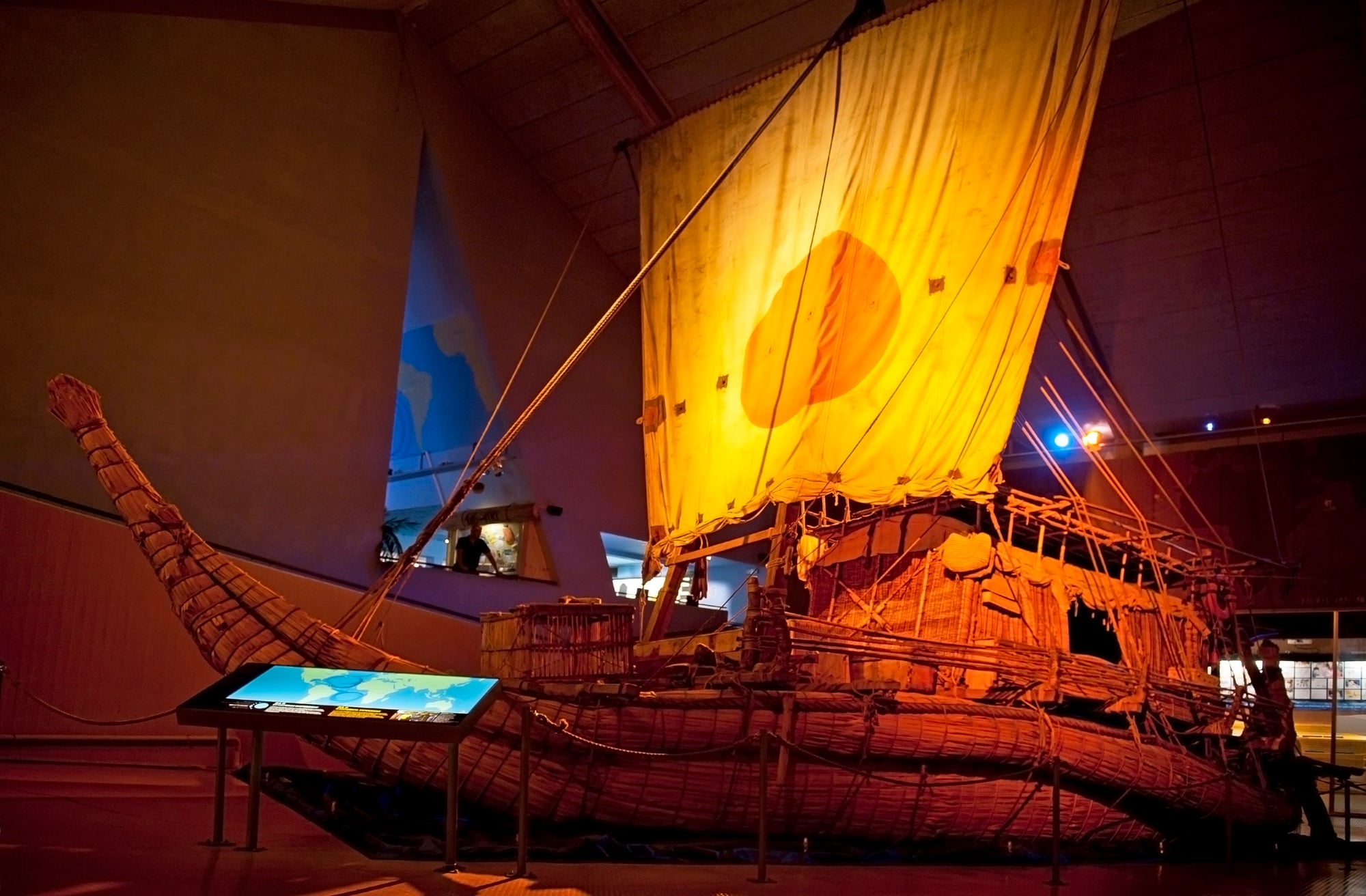
Picture this: you’re surrounded by desert, but you’ve got the longest river in the world running right through your backyard. The Egyptians looked at their papyrus plants and saw something everyone else missed—floating potential.
Papyrus boats weren’t just transportation. They were the circulatory system of an entire empire.
Every pyramid block, every grain shipment, every diplomatic mission floated on bundled reeds that grew wild along the Nile.
The construction method was almost meditative. Layer upon layer of papyrus, bound with rope in patterns that had been passed down for generations.
The boats practically built themselves once you knew the rhythm.
Chinese Junk Design
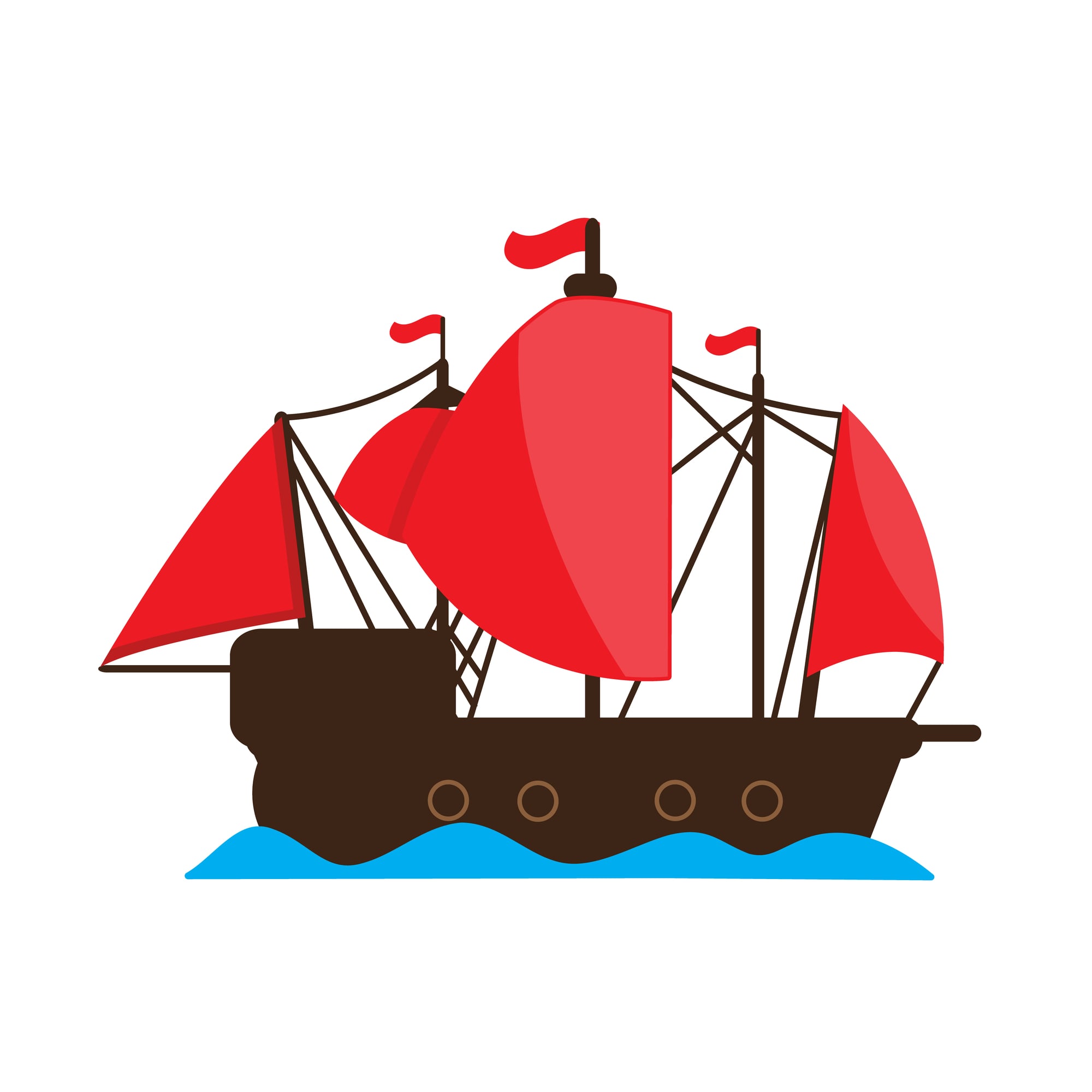
Chinese junks look wrong to Western eyes. The sails are too stiff, the hull too flat, the whole thing seems like it was designed by someone who had never seen a proper boat.
Turns out they knew exactly what they were doing.
Those weird, flat-bottomed hulls were perfect for rivers and shallow coastal waters. The rigid sails caught wind that would leave European boats dead in the water.
The compartmentalized design meant that if one section flooded, the rest of the boat just kept going.
Chinese sailors were crossing oceans while Europeans were still afraid to lose sight of land. The technology wasn’t just different—it was centuries ahead.
Polynesian Outrigger Canoes
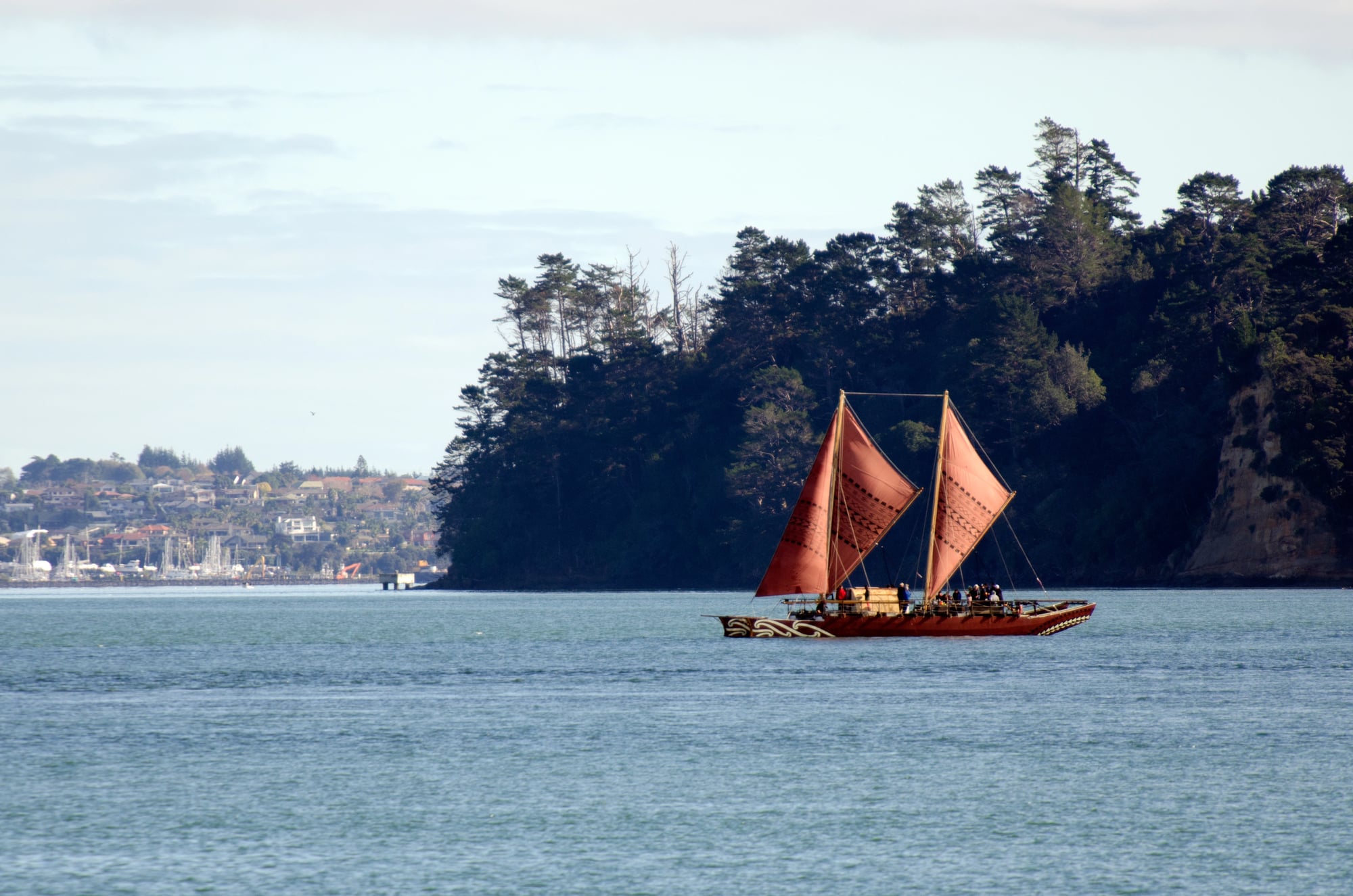
Navigation without instruments sounds impossible until you meet someone who actually knows how to do it. Polynesian sailors could read currents like a book, find islands by the way clouds formed above them, navigate by stars most people can’t even see.
Their outrigger canoes weren’t just boats—they were precision instruments designed for the most demanding maritime environment on Earth: the open Pacific.
The outrigger system (a main hull connected to one or more parallel floats) created stability that made these vessels nearly impossible to capsize, which matters when the nearest land might be a thousand miles away and there’s no coast guard coming to rescue you if things go wrong.
The canoes themselves were built from materials that varied depending on which island you happened to live on, but the design principles remained consistent across thousands of miles of ocean.
And that consistency wasn’t accidental—it was the result of generations of sailors who understood that when you’re island-hopping across the Pacific, there’s no room for engineering experiments.
Greek Trireme Warships
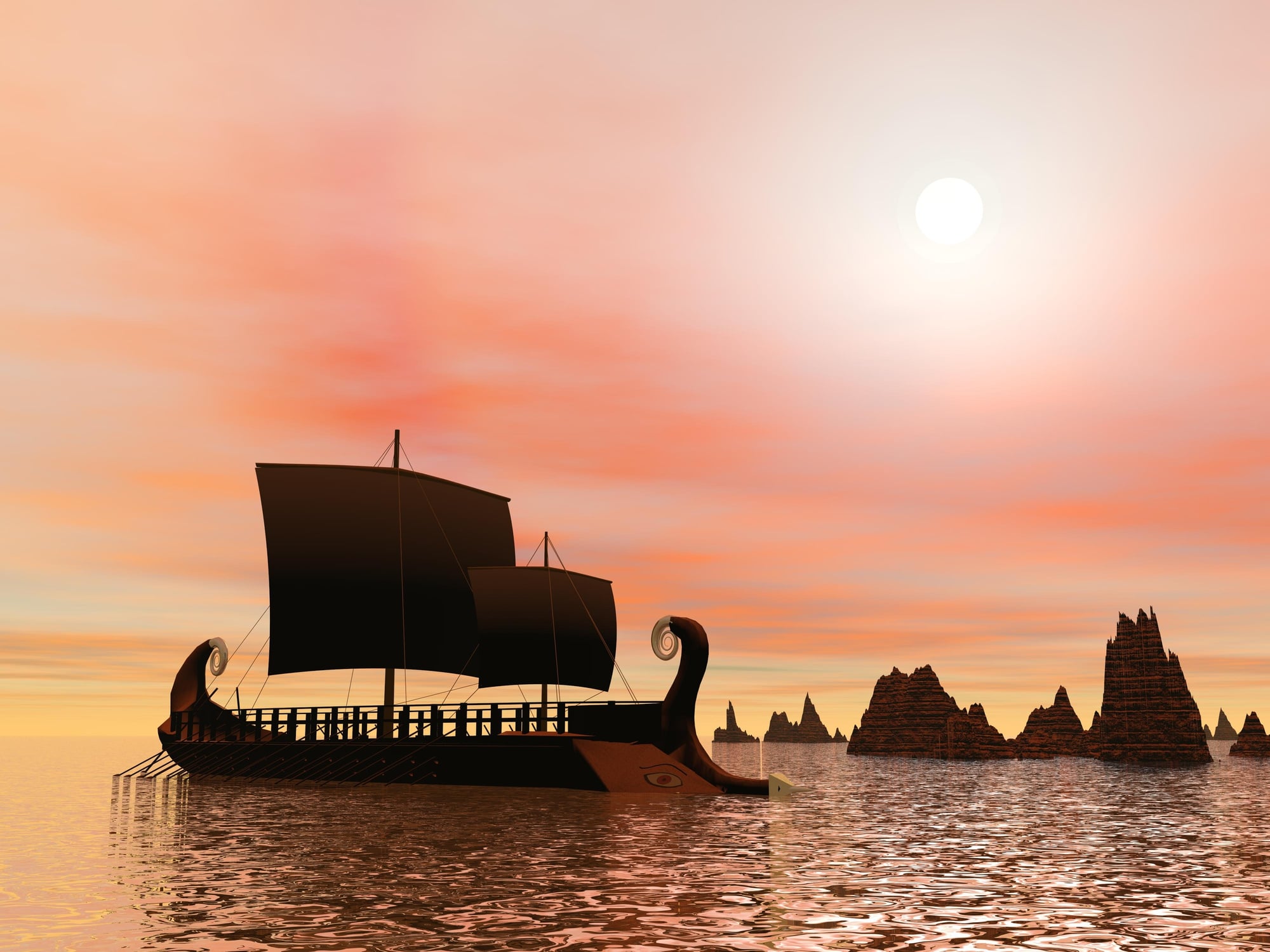
Three banks of oars, bronze ram, crew of 170. The trireme was built for one purpose: ramming enemy ships hard enough to sink them immediately.
Greek naval warfare was remarkably direct. Get close, hit fast, sink the other guy before he sank you.
Triremes were so effective at this that the basic design dominated Mediterranean warfare for centuries.
The engineering required incredible precision. All those oars had to move in perfect synchronization, or the whole system collapsed into chaos.
Greek crews drilled constantly, because in naval combat, the crew that rowed better usually went home alive.
Roman Quinquereme

Romans saw Greek triremes and thought: more is better. Quinqueremes carried five men per oar, mounted siege weapons, and carried enough marines to capture enemy vessels instead of just sinking them.
These weren’t just warships—they were floating fortresses. Roman naval tactics involved getting close enough to board, then letting their superior infantry training decide the battle.
The scale was staggering. A single quinquereme required 300 rowers, 120 marines, and a crew of officers and specialists.
Building and maintaining a fleet of these ships required the resources of an empire.
Viking Longships
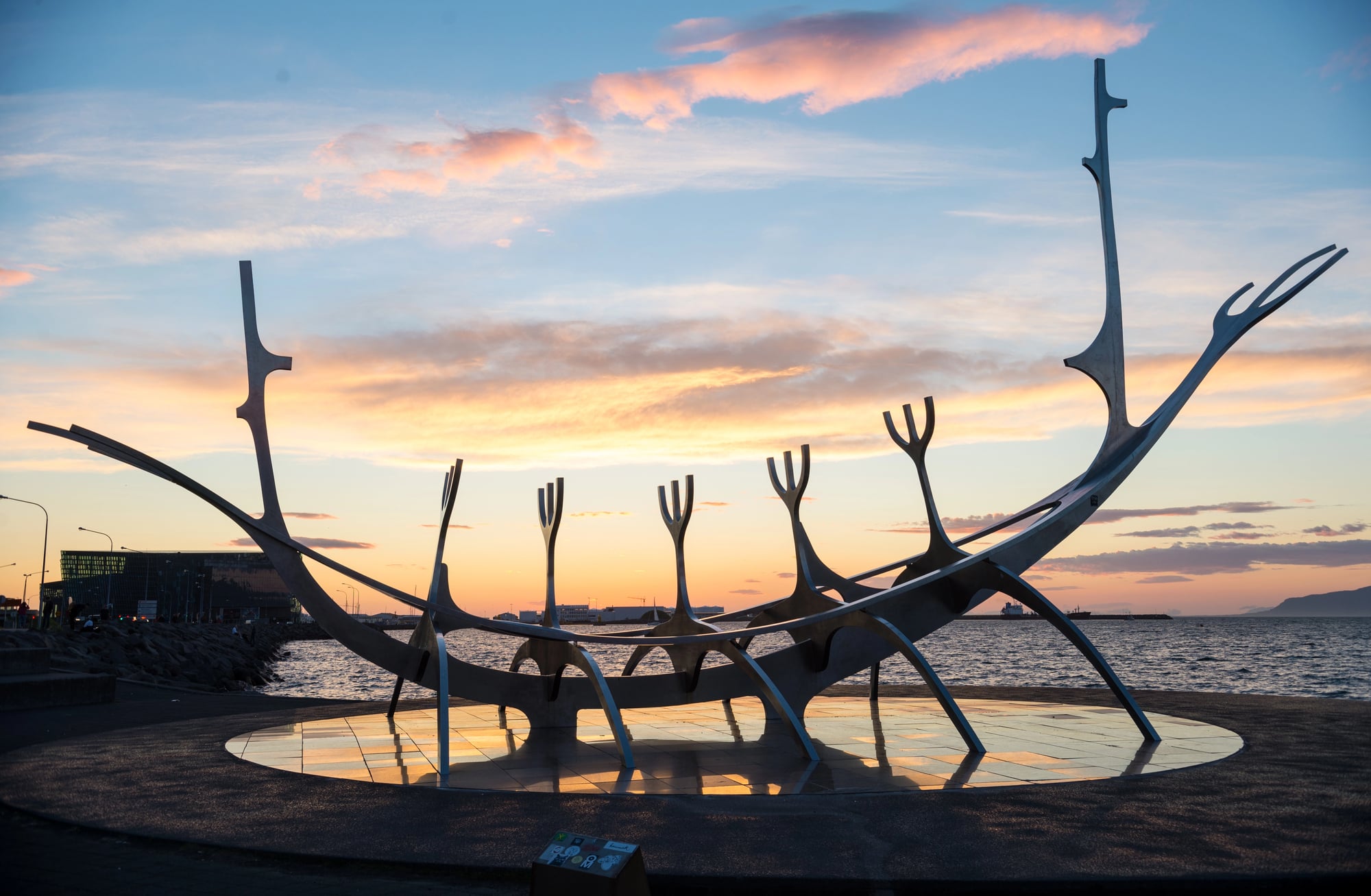
The shallow draft was everything. While other ships had to stay in deep water, Viking longships could sail right up rivers, beach on any shore, and disappear into marshes where heavier vessels couldn’t follow.
This wasn’t just a design choice—it was a complete military strategy built into the hull of every ship.
Vikings could strike anywhere there was enough water to float a boat, which turned out to be almost everywhere.
The clinker-built construction (overlapping planks instead of edge-to-edge) made the hulls incredibly flexible. These ships could flex with waves that would break the back of a rigid vessel.
And when Vikings needed to get from one river system to another, they just picked up the entire boat and carried it overland. Try doing that with a Roman galley.
Arabian Dhow
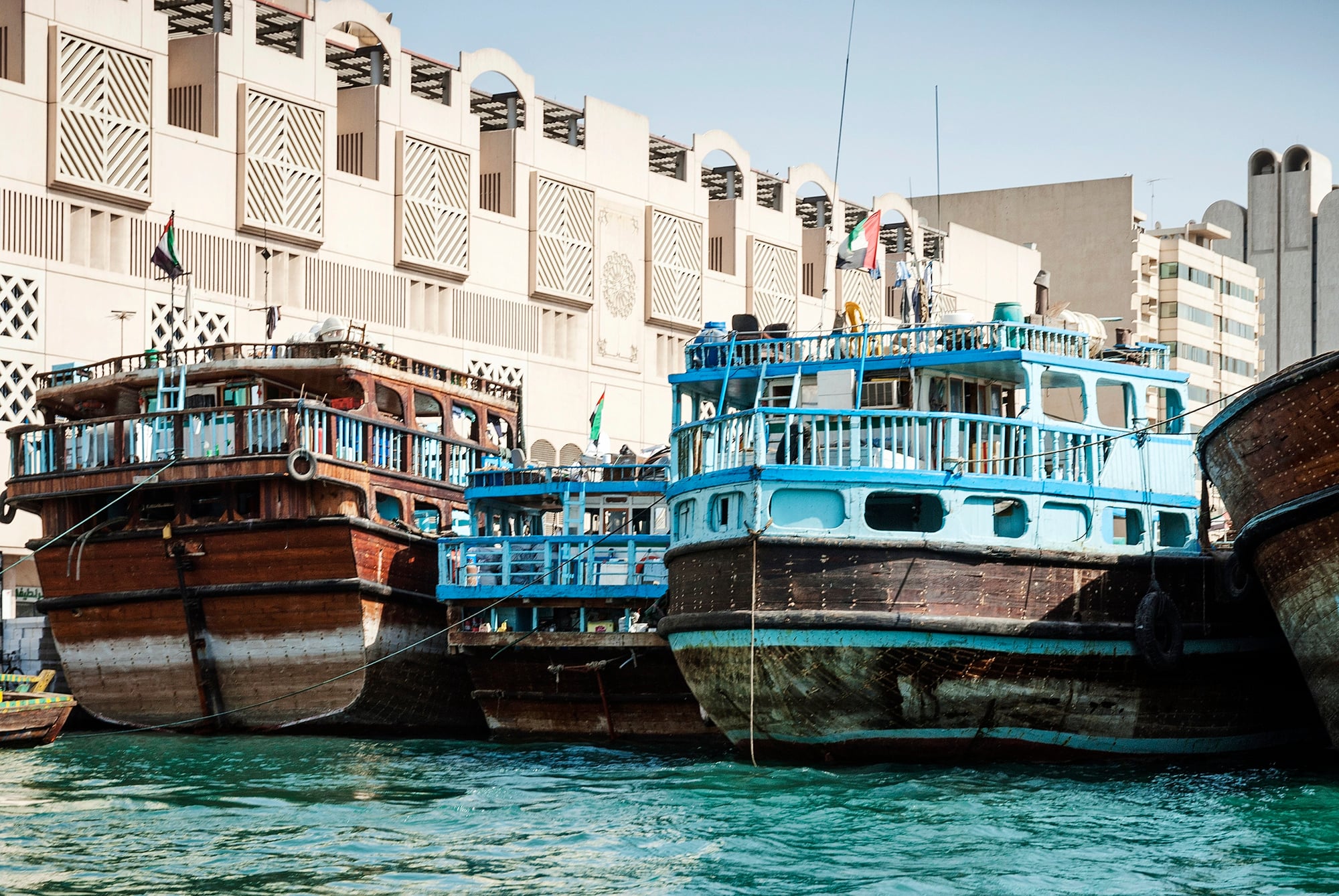
The lateen sail changed everything. Arabs developed triangular sails that could catch wind from almost any angle, making long ocean voyages practical for the first time.
Dhows connected the Indian Ocean like nothing before them. Spices from Indonesia, gold from Africa, silk from China—all carried in boats that could sail closer to the wind than anyone thought possible.
The construction used no nails. Everything was sewn together with coconut fiber, creating hulls that flexed with the waves instead of fighting them.
Indian Ocean Catamaran
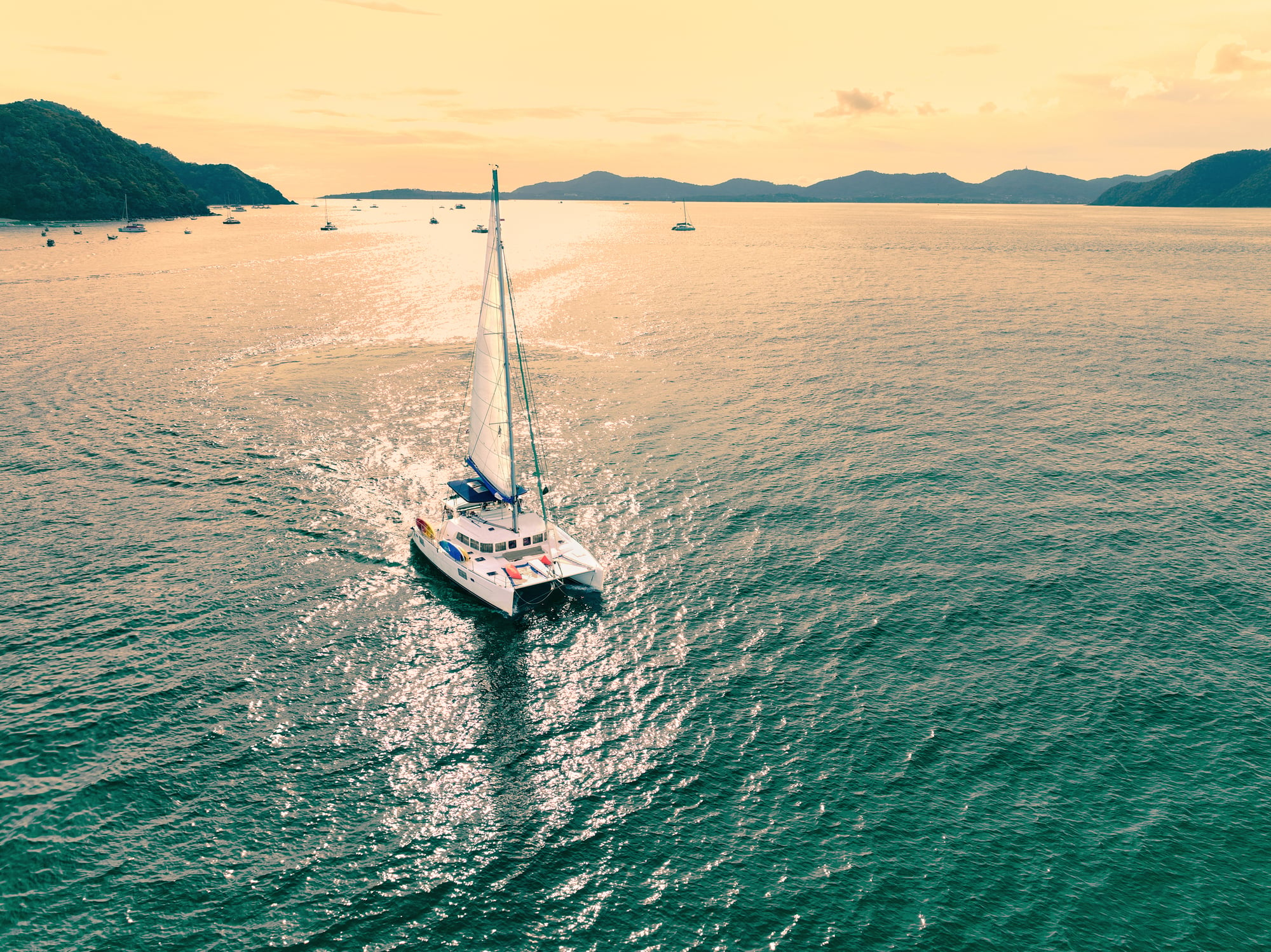
Two hulls connected by a platform. Indian Ocean fishermen invented catamarans because single-hull boats couldn’t handle the rough seas off their coasts.
The design was counterintuitive but brilliant. Two narrow hulls moved through water more efficiently than one wide one, and the platform between them provided stability and workspace.
These weren’t just fishing boats—they were the prototype for modern high-speed ferries and racing yachts. The basic principle turned out to be so sound that it’s still used today.
Mediterranean Galley Cargo Ships
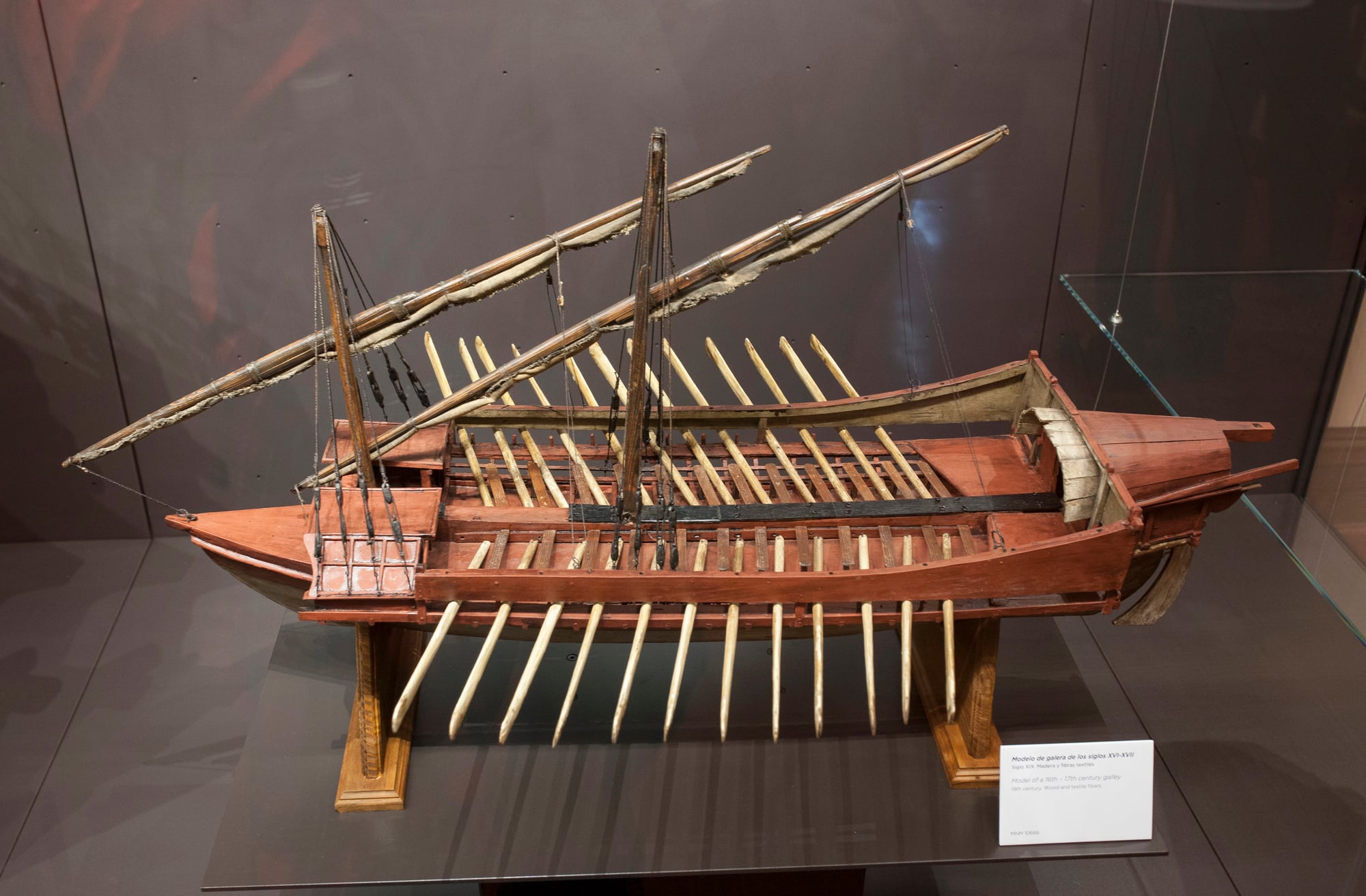
Size mattered when you were feeding an empire. Mediterranean cargo galleys were floating warehouses, designed to move grain from Egypt to Rome in quantities that smaller ships couldn’t handle.
The logistics were staggering. A single grain ship could carry enough wheat to feed 1,200 people for a year.
Roman supply lines depended on these vessels making regular runs across hundreds of miles of open water.
Weather was everything. Captains learned to read Mediterranean conditions like a text, because losing a grain ship meant people starved in Rome.
Scandinavian Clinker Building
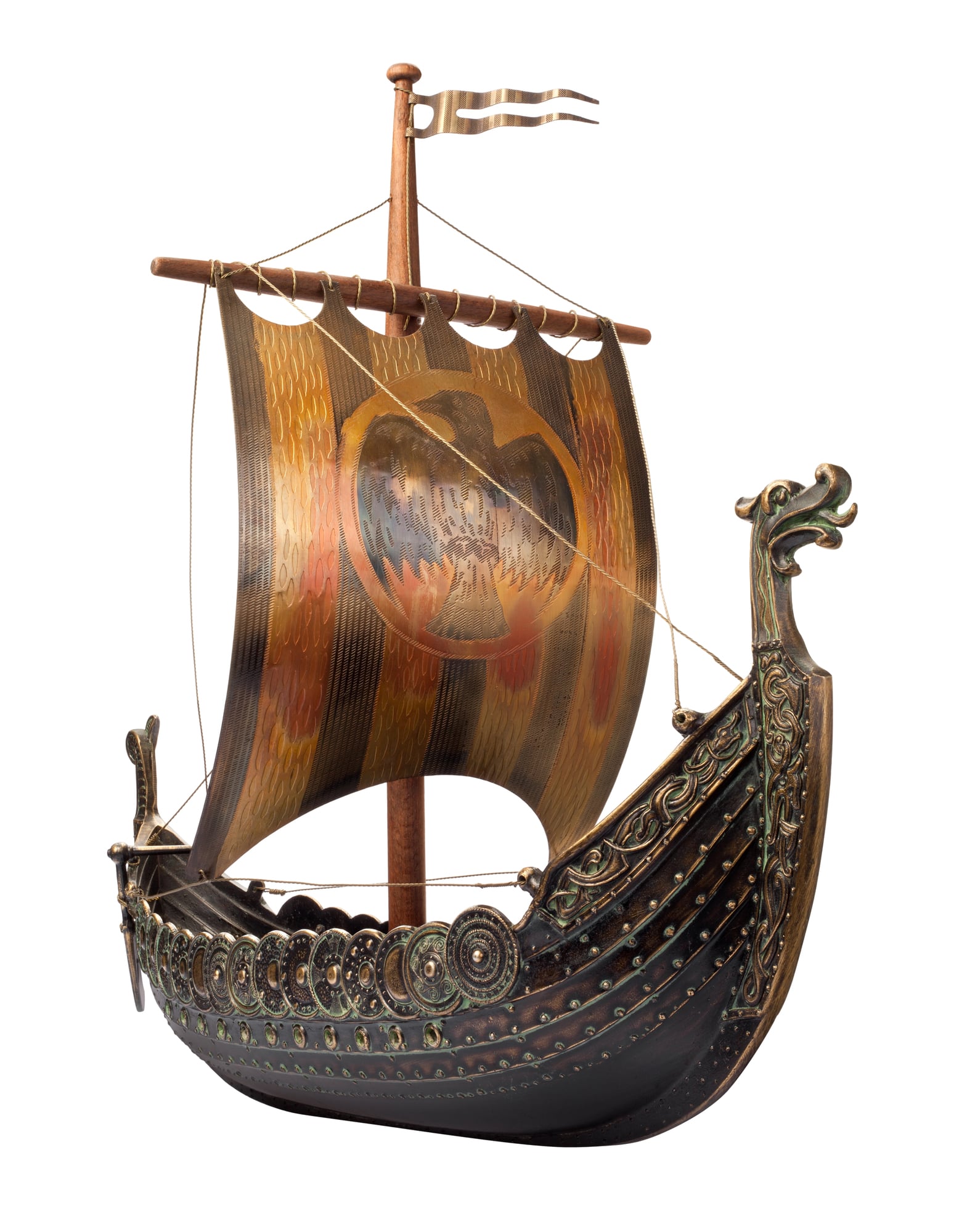
Overlapping planks sealed with tar and animal hair. Scandinavian shipbuilders developed clinker construction because their climate demanded hulls that could flex with ice and rough seas.
The technique spread throughout Northern Europe because it worked. Clinker-built ships lasted longer, handled rough weather better, and could be repaired with basic tools and materials.
Every plank overlapped the one below it, creating a hull that was stronger than the sum of its parts. The construction method became so standard that variations of it are still used in boat building today.
When Wood Met Water
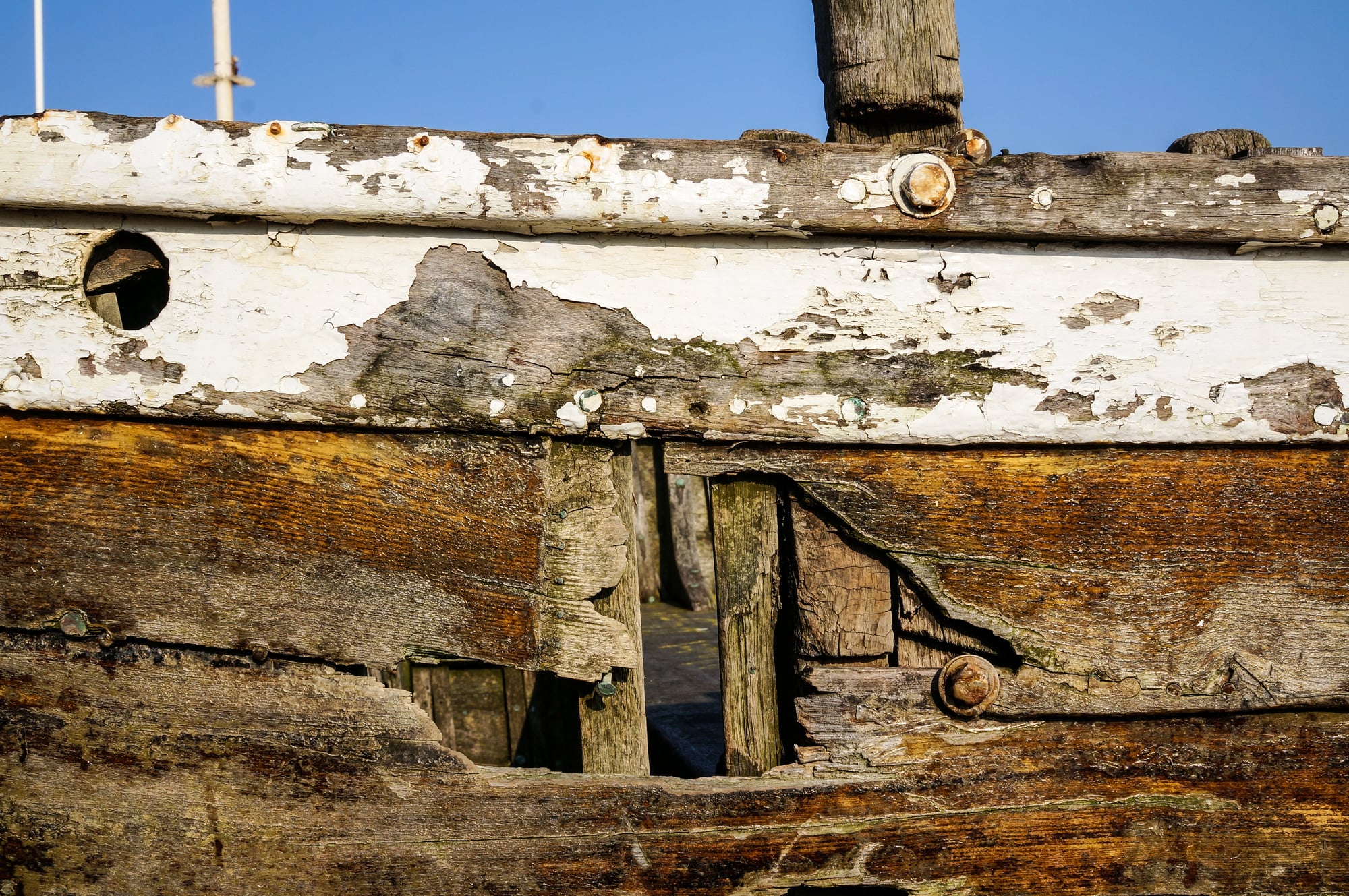
There’s something almost inevitable about the way ancient maritime technology developed—not the specific solutions, but the underlying logic. Every civilization that lived near water eventually figured out that floating was better than swimming, that sails were more efficient than oars, that bigger usually meant more stable.
But the details of how they got there reveal everything about who they were and what they needed.
The technologies that dominated early open oceans weren’t just clever engineering solutions. They were expressions of entire cultures, economic systems, and ways of understanding the relationship between human ambition and natural forces.
The boats that worked best were the ones that acknowledged the ocean as a partner rather than an opponent—and that wisdom, more than any specific design feature, might be the real technology that ancient sailors passed down to us.
More from Go2Tutors!

- The Romanov Crown Jewels and Their Tragic Fate
- 13 Historical Mysteries That Science Still Can’t Solve
- Famous Hoaxes That Fooled the World for Years
- 15 Child Stars with Tragic Adult Lives
- 16 Famous Jewelry Pieces in History
Like Go2Tutors’s content? Follow us on MSN.