Most Secluded Beaches On the US Coastline
Winding past jagged bluffs, the U.S. shoreline covers well over 12,000 miles – twisting through salt marshes, offshore islands, then wide swaths of bleached sand hills. Though busy coasts buzz with snack shacks and rows of bright umbrellas, hidden spots remain if you’re ready to go beyond the usual route.
Here, human marks fade; structures grow thin; noise shrinks until only gusts break the quiet. Alone doesn’t have to mean far off the map.
Often, it’s just fewer cars passing by, nowhere to park easily, or rules that stop buildings from going up. Here and there, out of sight, quiet coasts give room to move – proof the sea doesn’t need crowds watching.
Quiet places still exist, even close to where people live. Away from crowds, hidden stretches of sand wait along the American shore.
Not many know these quiet spots exist. Some sit tucked behind dunes others follow wild coastal trails.
Few visitors reach them simply because they’re hard to find. Each one stays peaceful by accident more than design.
Rugged access keeps people away naturally. Seclusion comes easily where roads stop and footpaths begin.
Dry Tortugas National Park, Florida
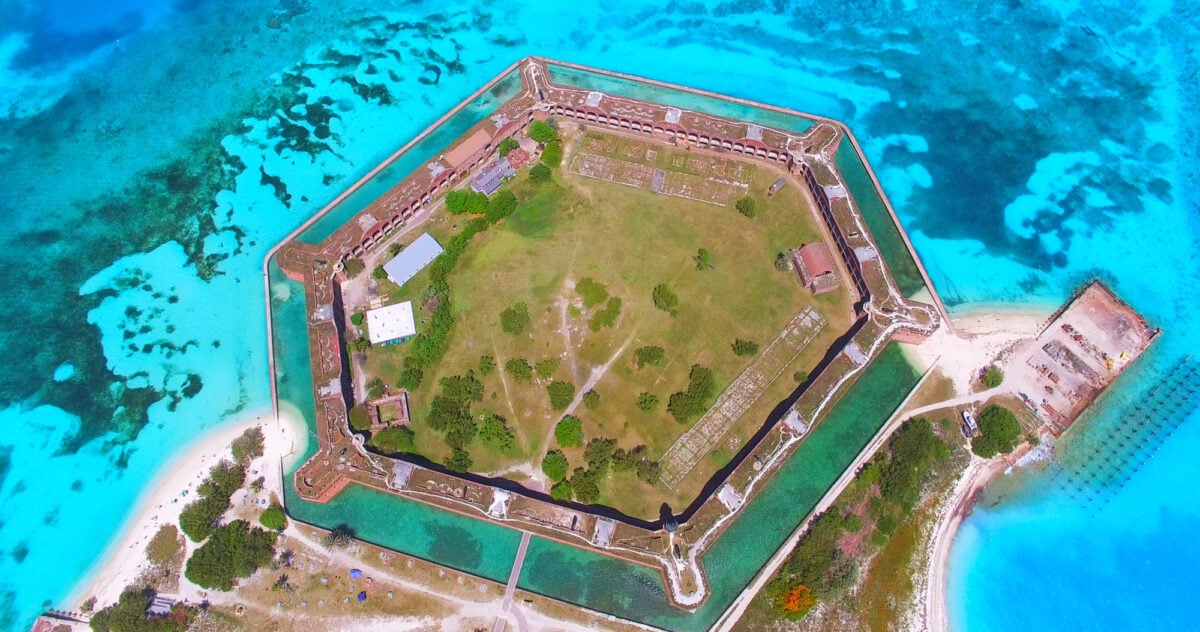
Roughly 70 miles west of Key West, the beaches of Dry Tortugas National Park feel worlds away from the mainland. Accessible only by boat or seaplane, the park’s remoteness naturally limits daily visitors.
White sand curves around turquoise water, framed by the massive brick walls of Fort Jefferson. Because there are no roads, hotels, or restaurants, the shoreline remains largely untouched.
Snorkelers share the water with sea turtles and reef fish rather than jet skis. The journey itself filters out casual traffic, preserving the sense of isolation.
Cumberland Island, Georgia
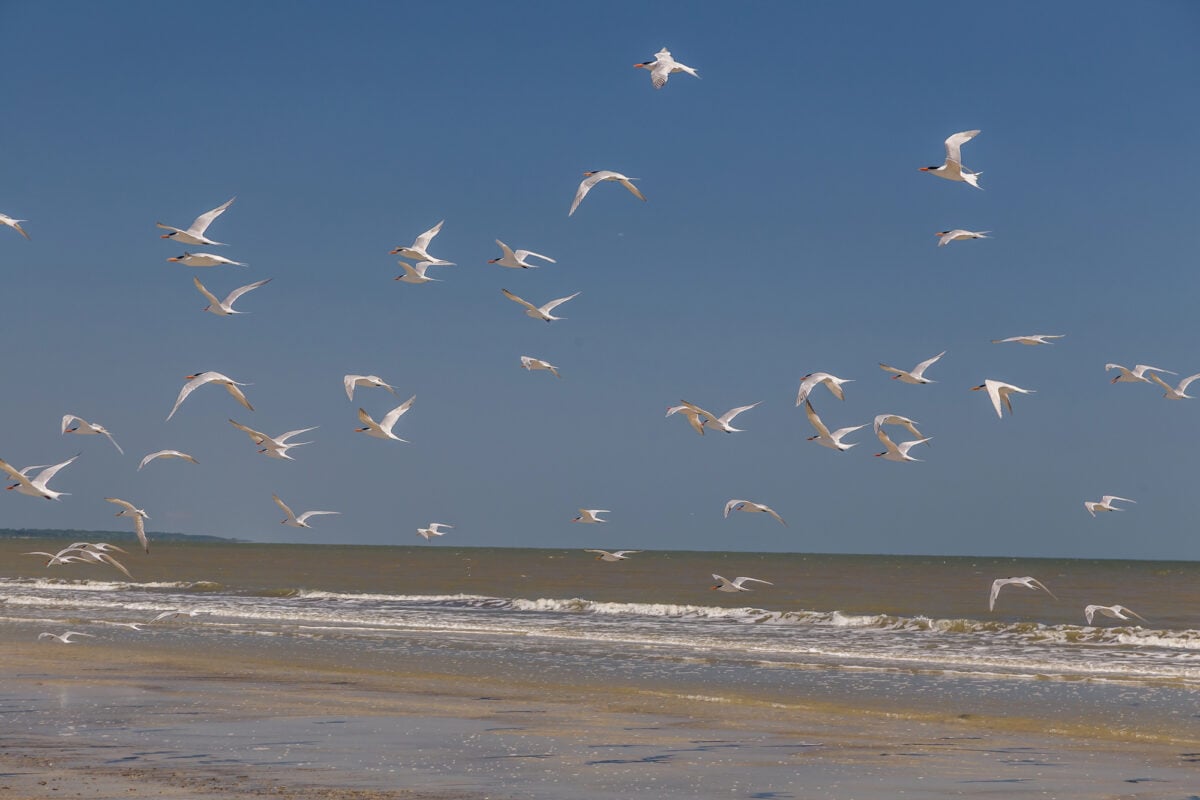
Cumberland Island stretches nearly 18 miles along Georgia’s coast, yet development is almost nonexistent. A ferry ride is required to reach it, and daily visitor numbers are capped to protect the fragile ecosystem.
Wild horses roam near the dunes, and maritime forests edge the beach. Even during peak travel months, long stretches of sand remain empty.
The absence of high-rise condos or beach bars creates a quiet atmosphere that feels closer to the 19th century than the modern era.
Assateague Island, Maryland And Virginia
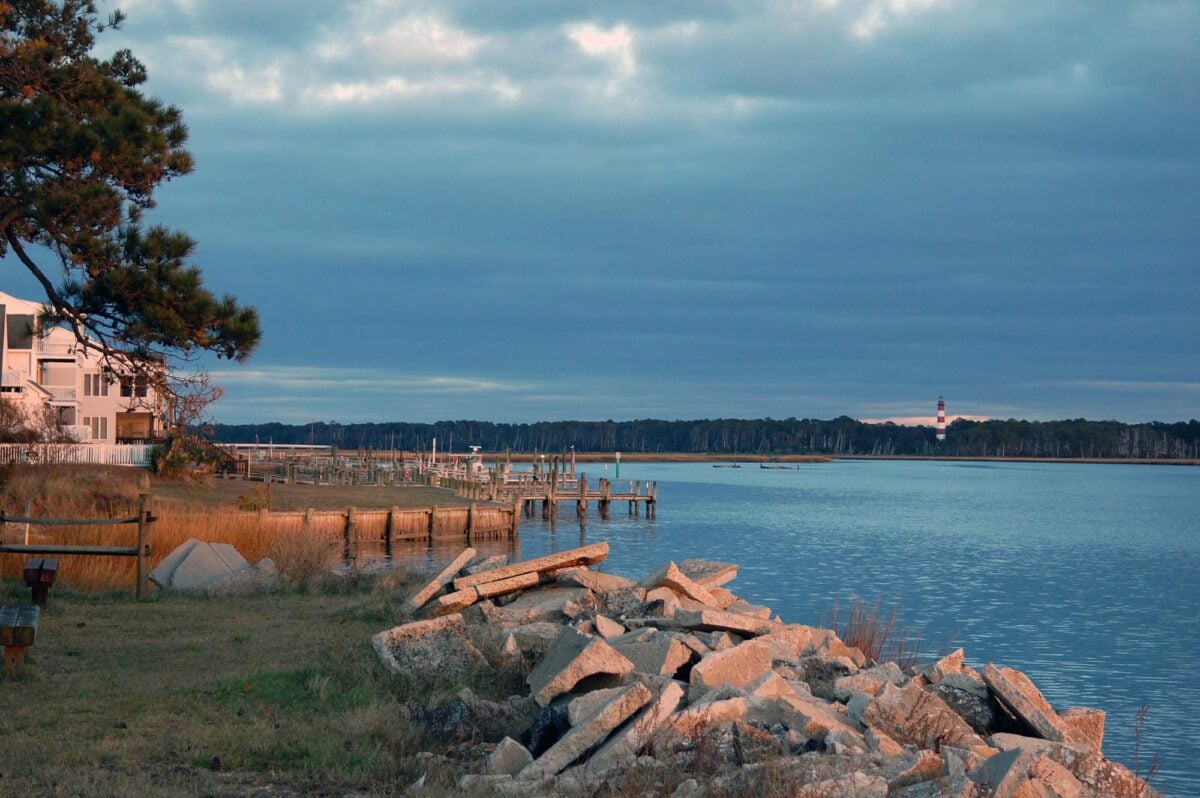
Barrier islands tend to shift and reshape over time, and Assateague Island National Seashore embodies that wild character. Famous for its wild ponies, the island offers miles of undeveloped shoreline divided between Maryland and Virginia.
Vehicle access is limited, and certain sections require hiking across dunes. The farther one walks from designated entrances, the quieter it becomes.
Wind patterns sculpt the sand into ridges that feel untouched by crowds.
Cape Lookout National Seashore, North Carolina
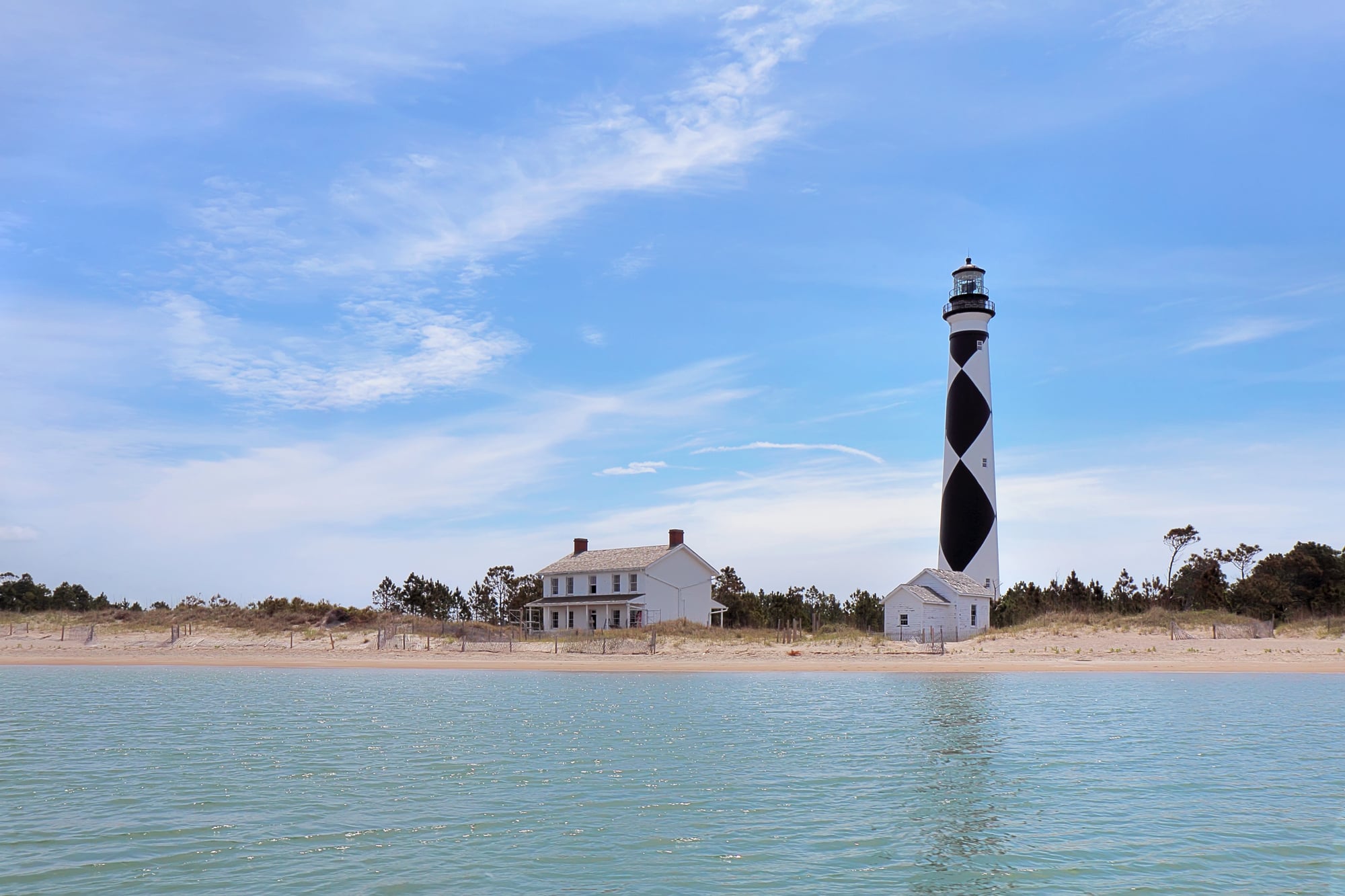
Separated from the mainland by broad sounds and accessible mainly by ferry, Cape Lookout National Seashore preserves 56 miles of barrier island coastline. There are no bridges connecting it to major highways, which keeps visitor numbers modest.
The result is a shoreline defined by solitude. Historic lighthouses rise above empty sand, and the Atlantic rolls in without the backdrop of development.
Even in summer, it is possible to walk for long stretches without encountering more than a handful of people.
Second Beach, Washington
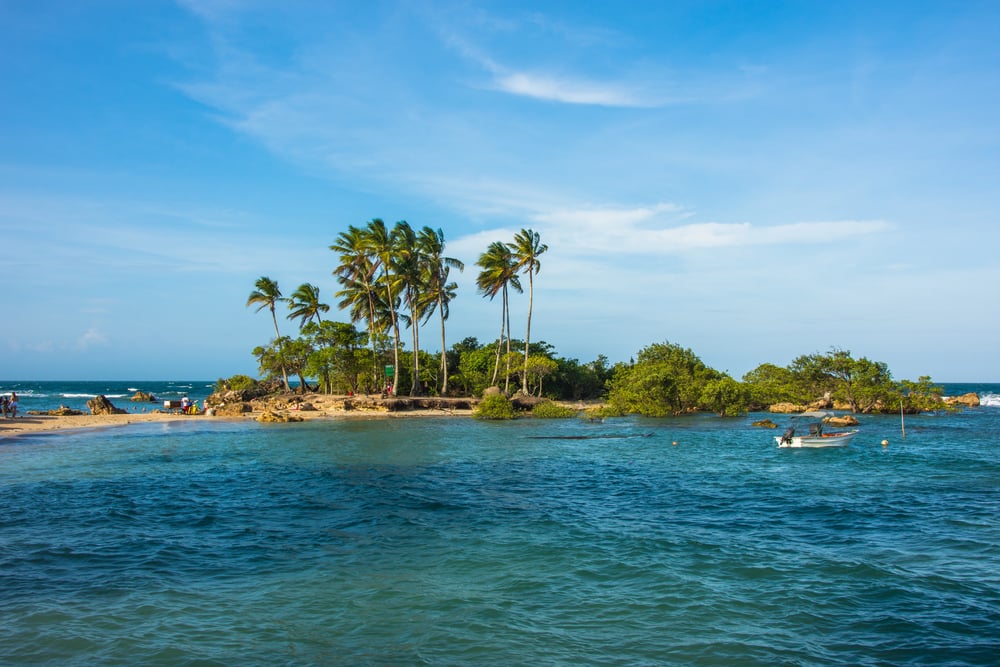
On the Olympic Peninsula, Second Beach lies at the end of a forested trail that filters out casual visitors. The half-mile hike descends through moss-covered trees before opening onto a rugged Pacific shoreline dotted with sea stacks.
Unlike wide, sunbathing beaches elsewhere in the country, this stretch feels dramatic and moody. Driftwood piles along the tide line, and fog often softens the horizon.
The remoteness is less about distance and more about effort.
Sandbridge Beach, Virginia
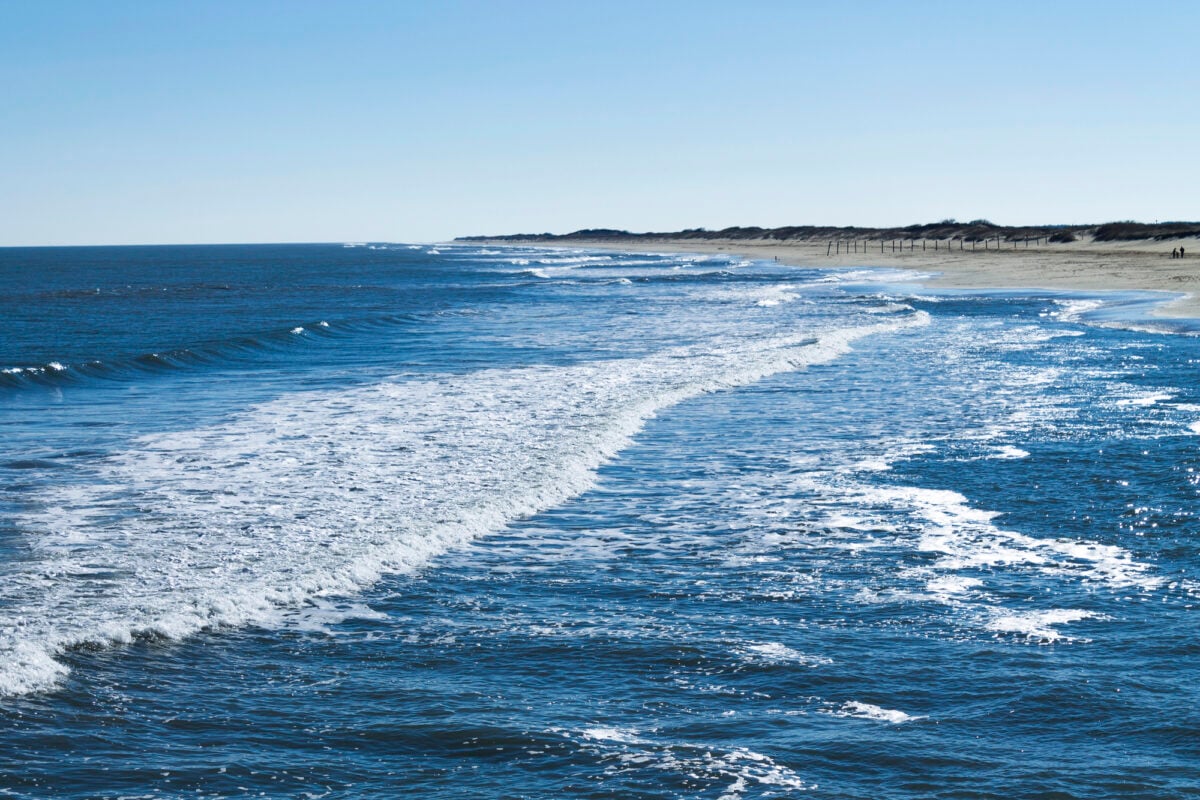
Just south of Virginia Beach’s resort strip, Sandbridge Beach offers a quieter alternative. There are no boardwalk arcades or high-rise hotels, only vacation homes and long, uninterrupted views of the Atlantic.
Its relative isolation comes from location rather than inaccessibility. Without the heavy tourism infrastructure of neighboring areas, the shoreline feels residential and calm, particularly during shoulder seasons.
Kalalau Beach, Hawaii
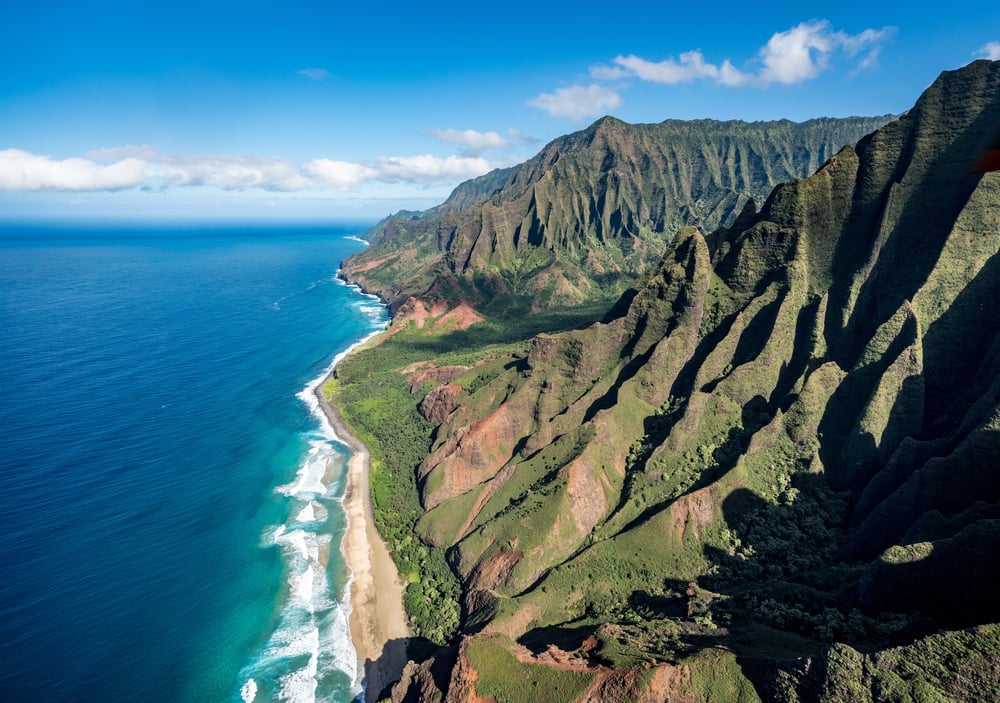
Reaching Kalalau Beach requires an 11-mile hike along the Nā Pali Coast, a demanding trek that deters all but the most committed visitors. The beach sits beneath towering cliffs, with no road access and no commercial development.
Permits regulate overnight stays, further limiting crowds. The journey rewards hikers with a shoreline that feels entirely removed from modern convenience.
Water, sand, and jungle meet without interruption.
Carova Beach, North Carolina
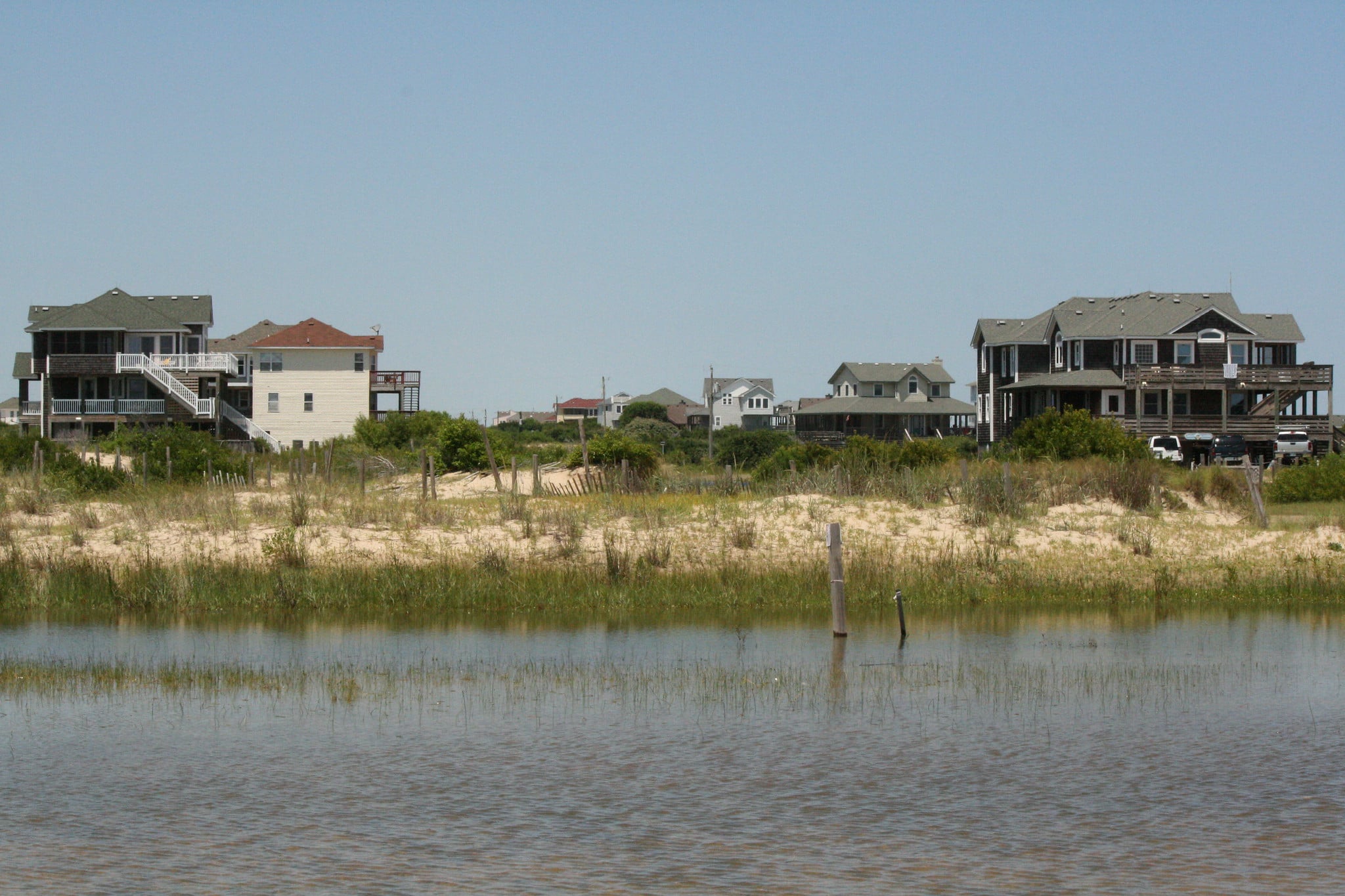
At the northernmost edge of North Carolina’s Outer Banks, Carova Beach lacks paved roads. Four-wheel-drive vehicles travel along the sand itself, and wild horses graze among the dunes.
Because access requires preparation and suitable vehicles, the area avoids heavy tourism. Homes are scattered, and the sense of separation from urban life is immediate.
The ocean stretches wide without the usual beachside bustle.
Shi Shi Beach, Washington
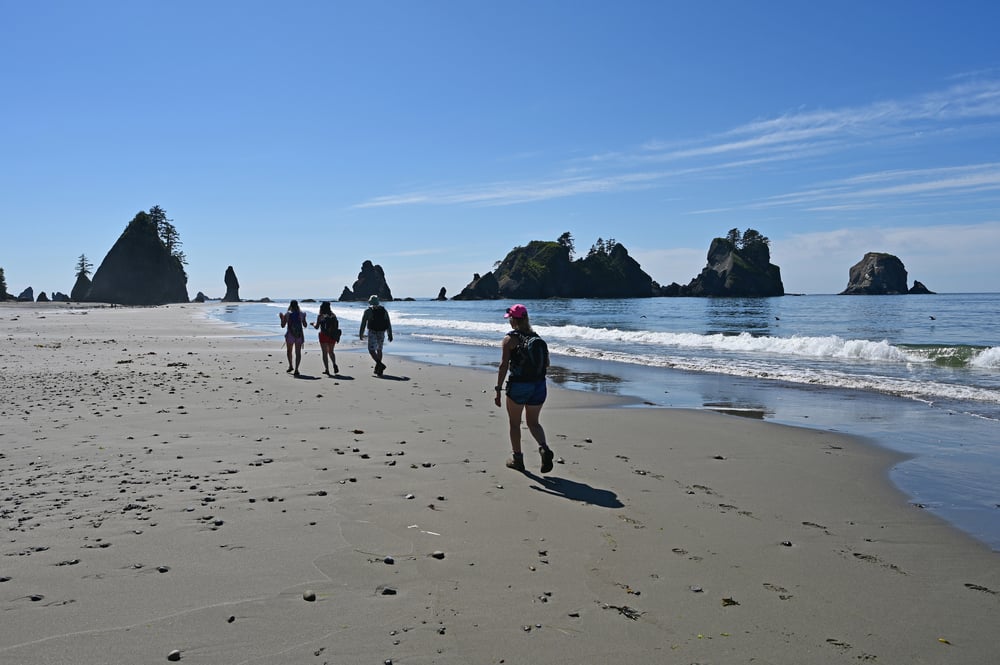
Within the boundaries of Olympic National Park, Shi Shi Beach requires a multi-mile hike through forest and mud before revealing its windswept shoreline. Tide pools dot the coast, and sea stacks rise sharply offshore.
Permits and weather conditions naturally limit traffic. The reward is a beach where nature sets the schedule.
Storm clouds move quickly, and sunsets reflect against wet sand without distraction.
Playa Tortuga, Texas
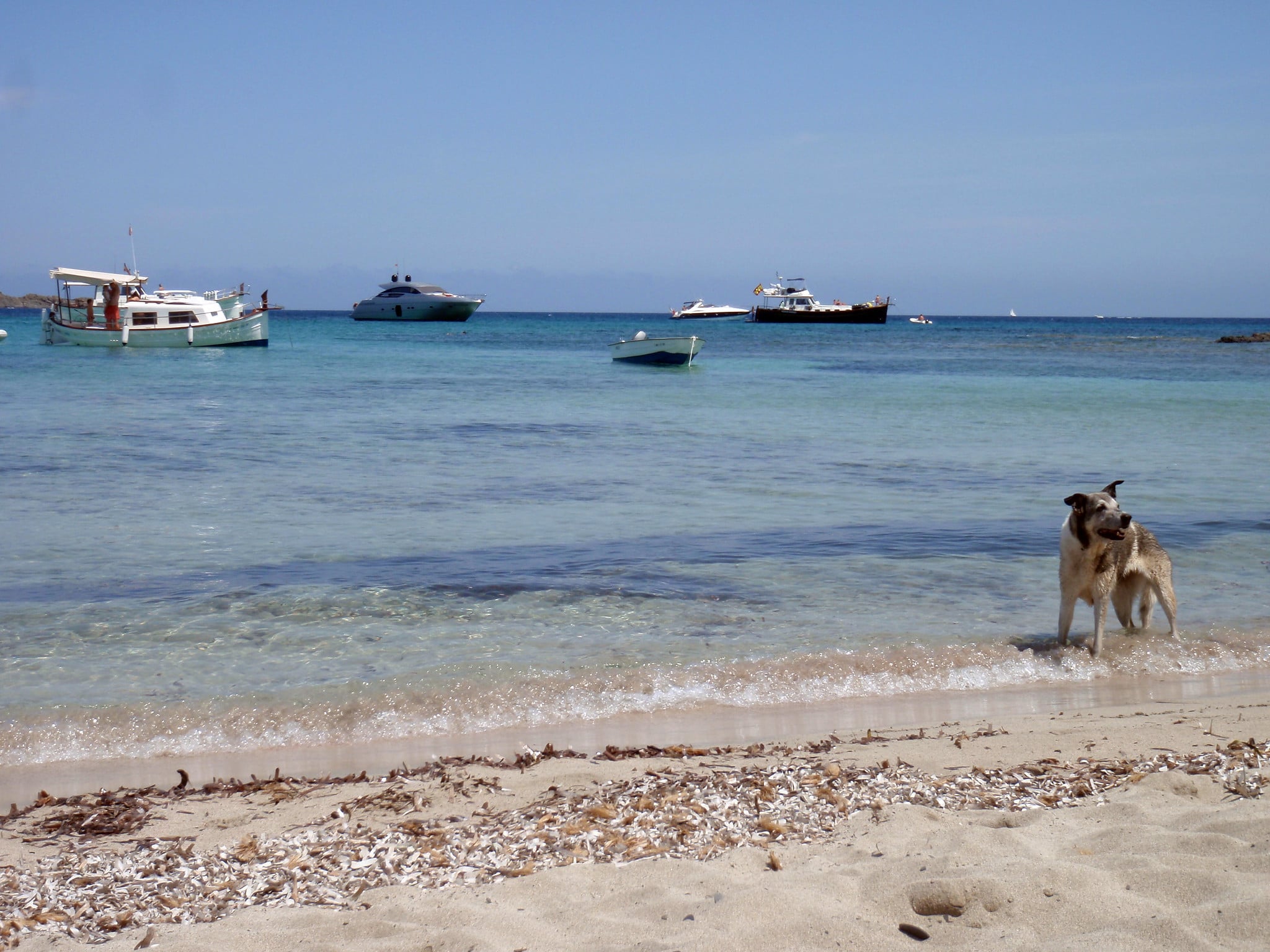
On South Padre Island’s southern tip, Playa Tortuga remains one of the quieter sections of the Texas coastline. While nearby areas draw spring break crowds, this stretch retains a calmer character.
The dunes act as a buffer against development, and the wide Gulf shoreline disperses visitors. Even during warmer months, space is easy to find.
Enderts Beach, California
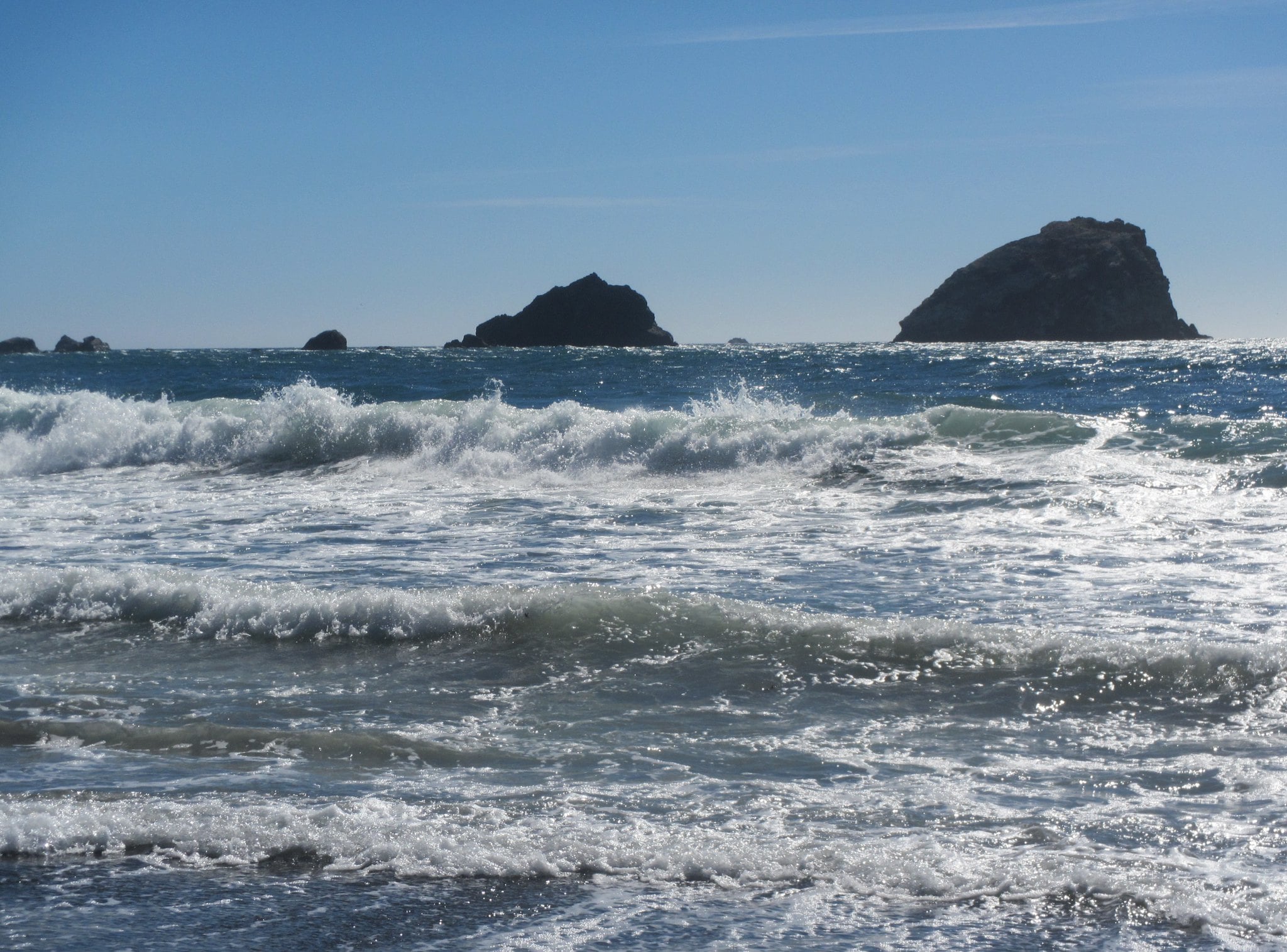
Hidden within Redwood National and State Parks, Enderts Beach lies at the end of a descending trail through towering redwoods. The Pacific crashes against rock formations and tide pools rather than wide expanses of sand.
The setting feels layered, forest meeting ocean without suburban interruption. Access requires effort, and that effort preserves the quiet.
Where Silence Still Exists
Hidden stretches of the American coast usually have a reason. Not every spot sits far from crowds by chance.
Distance plays a part, sometimes miles of trail stand between road and sand. Water can act like a wall too – sounds cutting off barrier islands keep visitors low.
Roads that never got built help some places stay quiet. Parks draw tourists, yet their rules also protect certain shores.
Fewer people reach beaches deep inside protected land. Nature itself slows who arrives where.
Still, these spots are part of a larger tale about how shorelines across the country have changed. Where there were peaceful shores, now resorts rise one after another.
Leftover hidden coves show us life along the sea long before roads cut through and tall buildings took hold.
Why They Still Matter
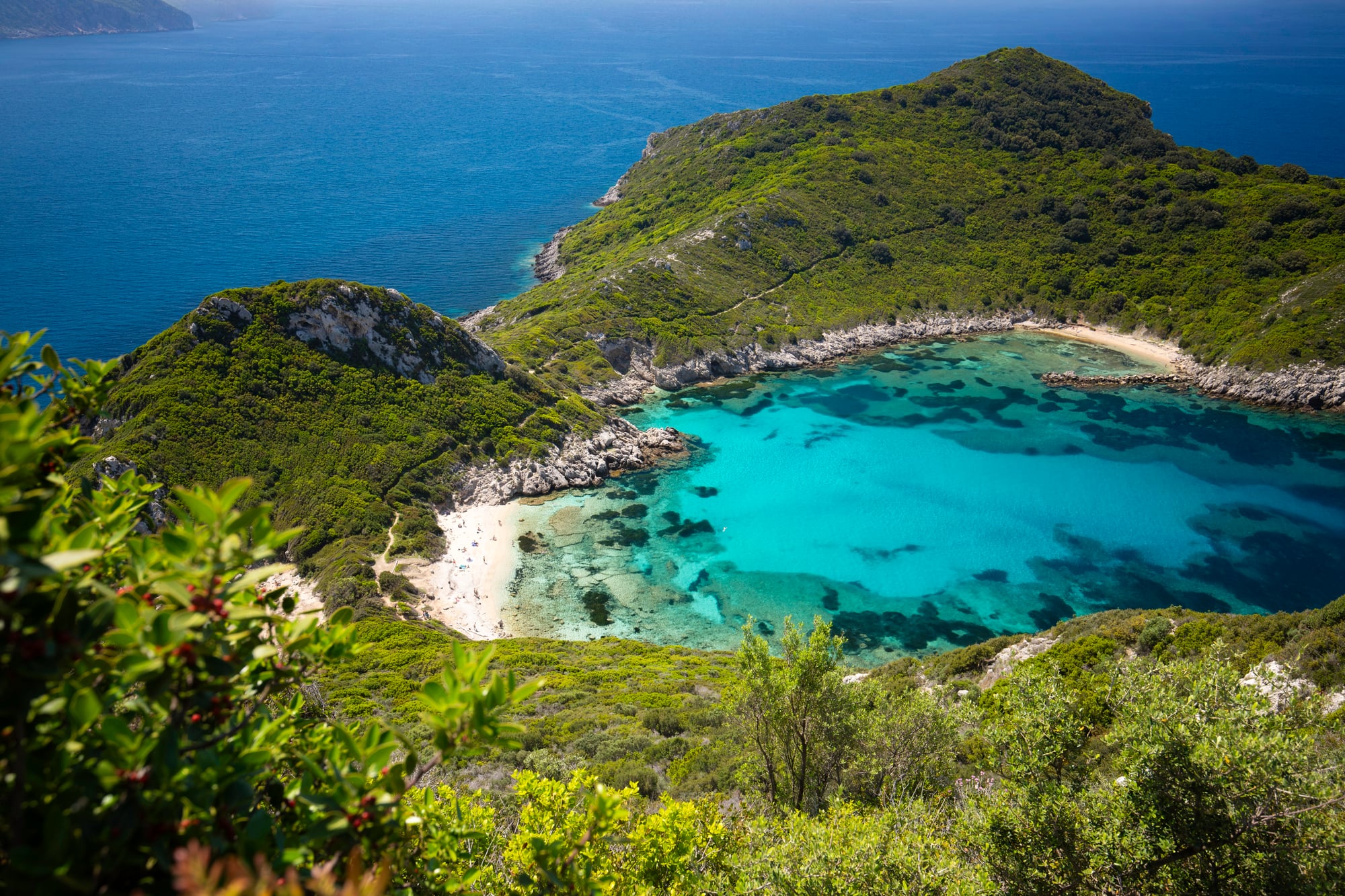
Quiet coastlines survive simply due to limited paths and tight building rules. While almost every pretty view now shows up online with ratings and snapshots, true stillness feels unusual these days.
Such stretches of sand do more than lie unused. Given room, natural systems keep working undisturbed while people find moments near water without noise pulling at them.
Peace keeps them alive. When fewer people come, money goes toward care, while mindful visits help hold back change – each part tugging at the whole.
With more folks near coasts and travelers seeking sand, these still shores whisper: space can matter more than spotlight. Quiet, it turns out, holds weight when everything else shouts.
More from Go2Tutors!

- The Romanov Crown Jewels and Their Tragic Fate
- 13 Historical Mysteries That Science Still Can’t Solve
- Famous Hoaxes That Fooled the World for Years
- 15 Child Stars with Tragic Adult Lives
- 16 Famous Jewelry Pieces in History
Like Go2Tutors’s content? Follow us on MSN.