15 Retro Store Freebies Now Collector Favorites
Remember when stores handed out things just for walking through the door? Not coupons or loyalty points, but actual stuff you could hold.
Matchbooks with restaurant logos, paper bags that doubled as book covers, little calendars that hung on kitchen walls for years. Most of it ended up in junk drawers or trash cans, but some people held onto these throwaway treasures.
Turns out that was smart.
Matchbooks
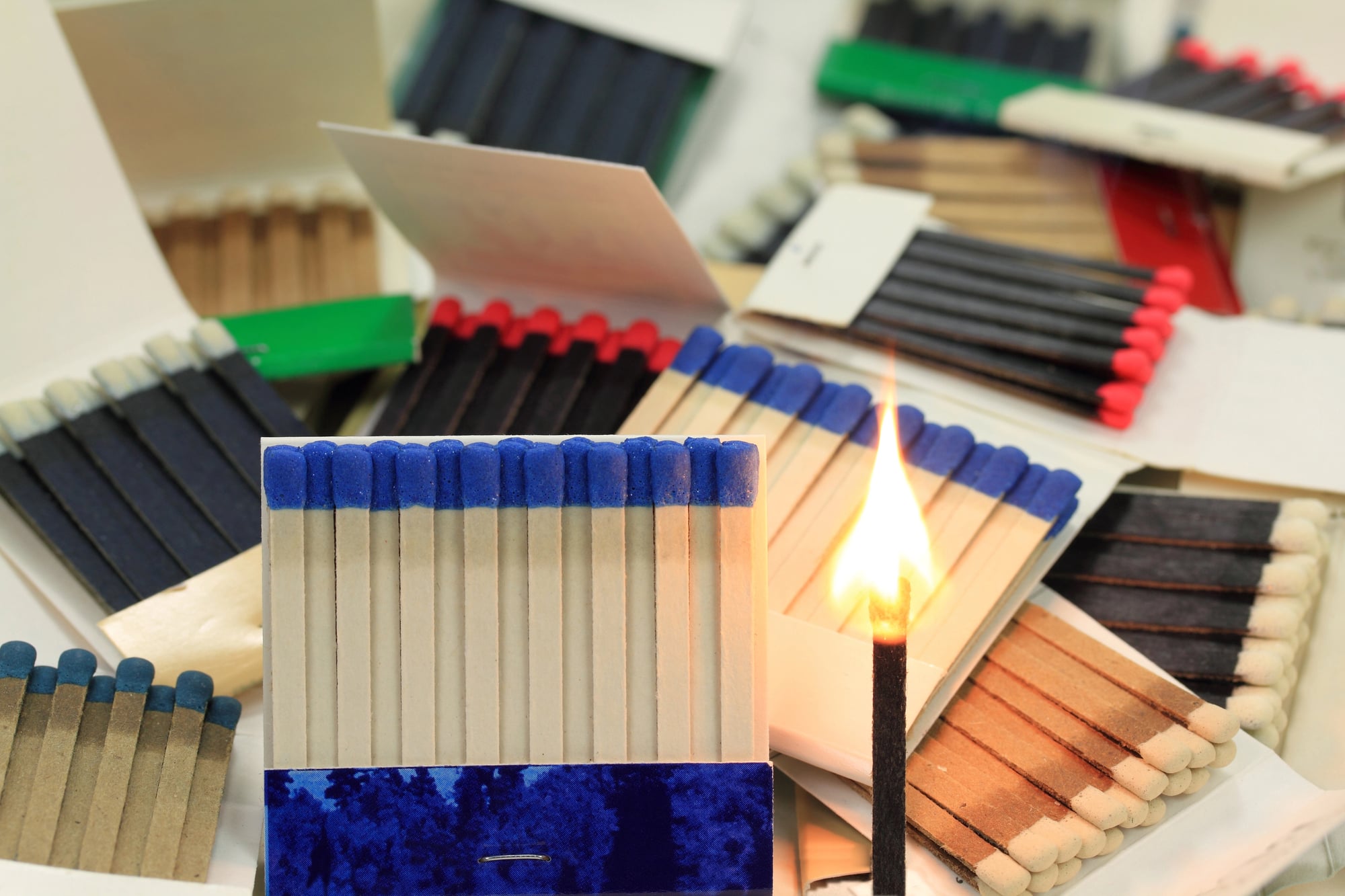
Every restaurant had them. Every bar, too.
You grabbed one on the way out without thinking about it — not because you needed matches, but because it felt natural to take something free. The covers displayed phone numbers, addresses, cartoon mascots, and slogans that tried too hard to be memorable.
Trading Stamps

S&H Green Stamps turned grocery shopping into a collection game. One stamp per dollar spent, licked and pressed into booklets with the dedication of a philatelist.
The redemption catalogs (thick as phone books and twice as optimistic) promised toasters, camping gear, and furniture in exchange for thousands of stamps. But here’s the thing about delayed gratification: it only works if you actually delay it, and most people discovered they’d rather have the stamps than whatever the stamps could buy.
So into drawers they went, booklet after booklet, until someone eventually threw them away or (if luck held) stored them in an attic where they’d be discovered decades later by someone who understood their peculiar value.
The stamps themselves weren’t worth much individually — a penny here, a penny there — but in bulk, with their booklets intact, they’ve become something like folk art. And the catalogs? Those thick, optimistic promises of a better life through accumulation?
Even better.
Paper Shopping Bags

Before plastic took over, paper bags carried everything home. But these weren’t the plain brown variety — department stores commissioned artists to design their bags like miniature billboards.
Bloomingdale’s, Saks, local boutiques with names no one remembers now. Each bag declared where you’d been and, by extension, who you were or wanted to be.
The bags were sturdy enough to reuse, pretty enough to save, and common enough that saving them seemed pointless. Perfect recipe for accidental scarcity.
Restaurant Ashtrays

Every table had one. Heavy glass or thick ceramic, stamped with restaurant names and logos that graphic designers had labored over.
The ashtrays were functional, sure, but they were also advertisements that people carried home in purses and jacket pockets.
The irony is thick here: objects designed to facilitate a habit that’s since become socially unacceptable have transformed into nostalgic artifacts of a different time. To be fair, they were always better as little dishes than ashtrays anyway.
Promotional Drinking Glasses

Like finding messages in bottles, these glasses arrived with your meal and told stories. Fast food chains used them to promote movies.
Restaurants gave them away during grand openings. Gas stations offered them with fill-ups — one glass per visit until you’d collected the whole set, assuming you had the patience and brand loyalty to keep coming back.
The glass itself was usually thin, the kind that would crack if you looked at it wrong, but the designs were often surprisingly charming. Characters from cartoons, sports team logos, commemorative artwork that captured a specific moment in corporate marketing history.
They were meant to be used and discarded, replaced by the next promotion, the next set. But glasses are stubborn things — they tend to stick around in kitchen cabinets long after their promotional purpose has been forgotten, until someone realizes they’ve been holding onto something that other people are now willing to pay good money for.
Seed Packets
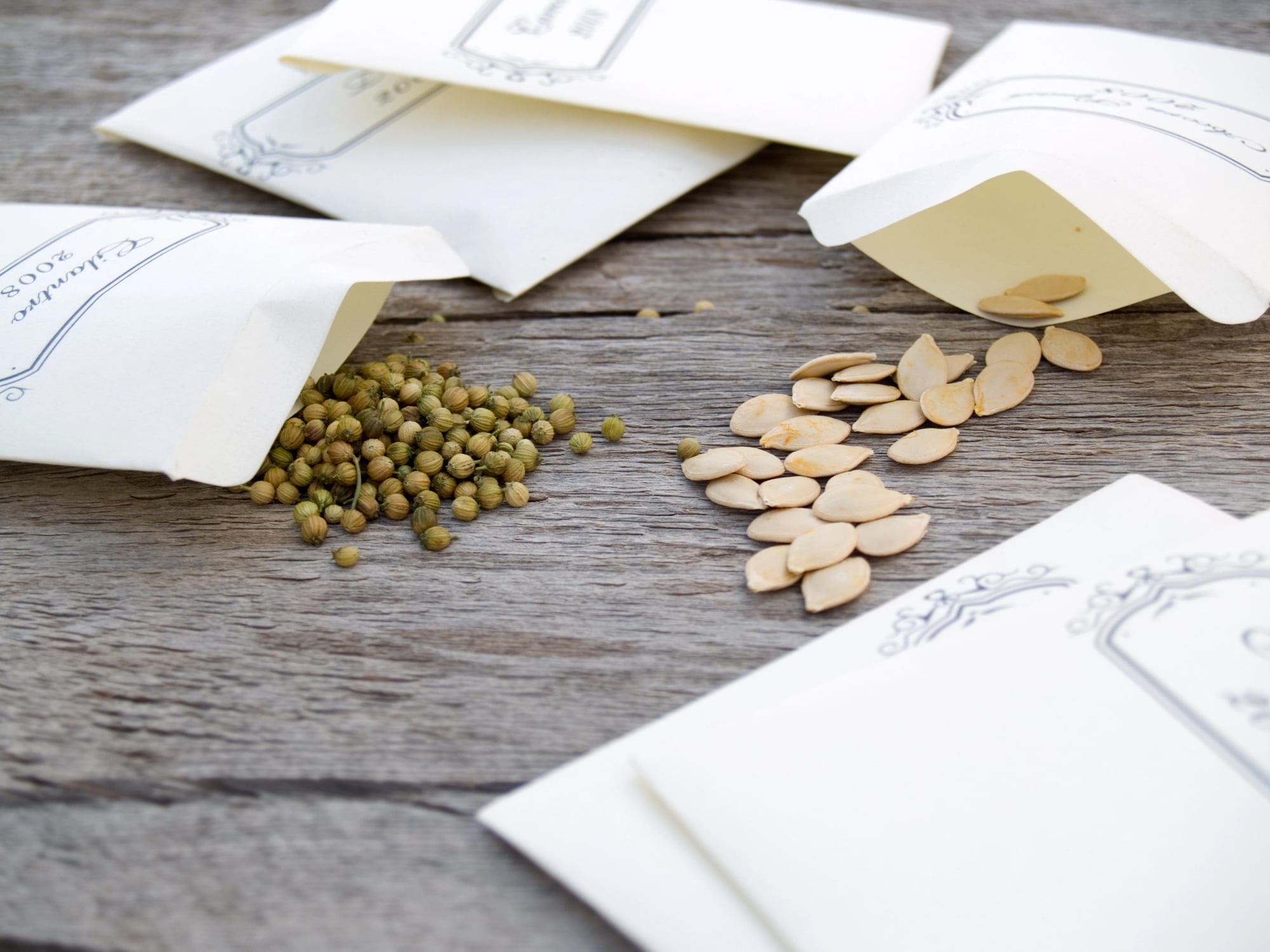
Hardware stores and garden centers gave these away like candy. Flower seeds, vegetable varieties, herbs that promised to transform suburban backyards into productive plots.
The packets themselves were small works of art — illustrated with paintings of perfect tomatoes, impossible roses, carrots so orange they seemed to glow.
Most people planted the seeds and threw away the packets. The smart ones kept the packets and forgot about the seeds.
Promotional Buttons
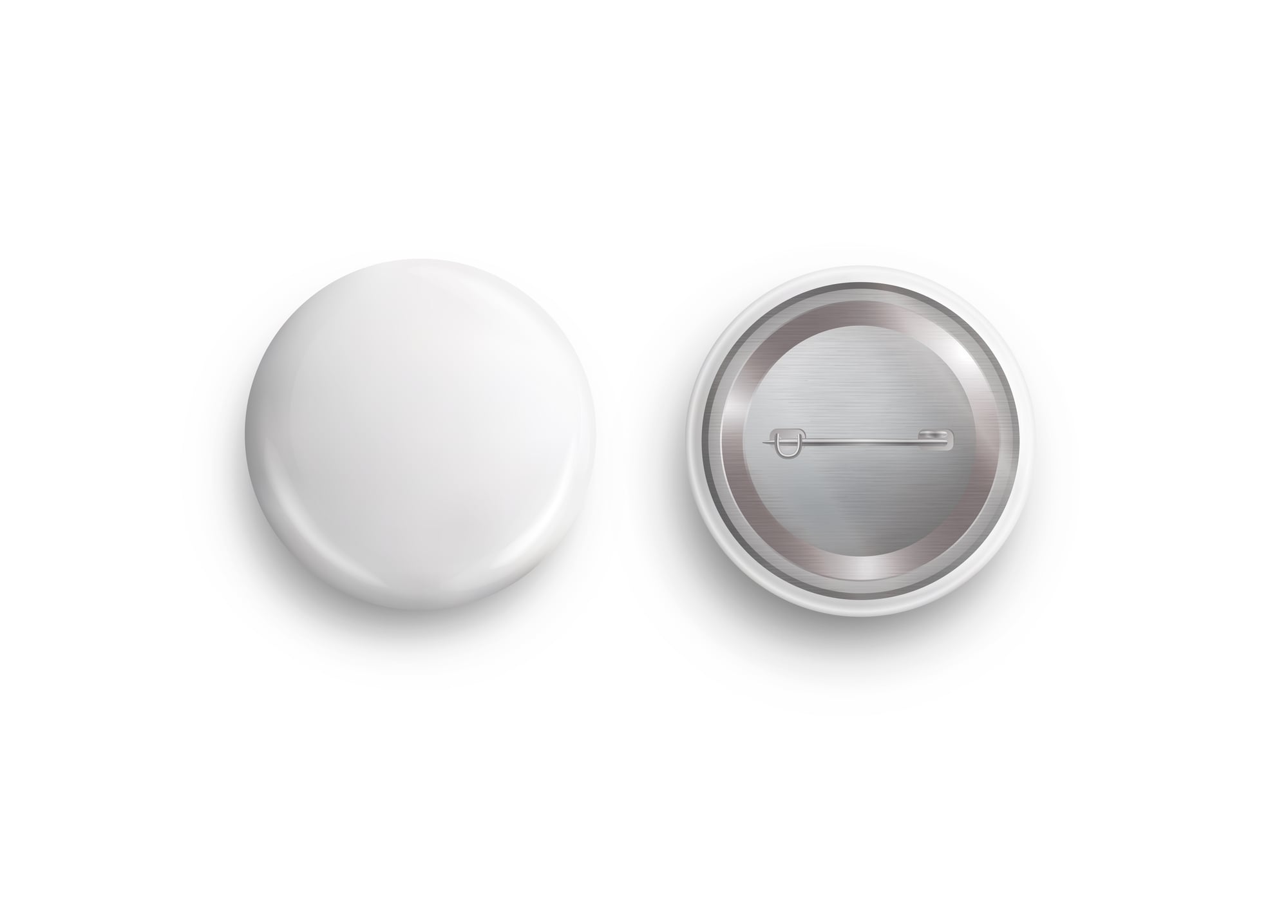
Political campaigns, store openings, corporate slogans, cartoon characters — if someone wanted you to remember something, they put it on a button and handed it out for free.
The buttons were cheap to produce and easy to distribute, which meant they were everywhere for a brief moment and then gone.
Campaigns end. Stores close. Slogans get replaced by newer slogans that seem fresher and more relevant.
But buttons are built to last, and the ones that survived have become tiny time capsules of moments that seemed important enough to commemorate in metal and plastic. The political ones are obvious collectibles, but the real treasures are the oddball promotional buttons that celebrated forgotten products or events that made sense only to the people who were there.
Calendars

Every business handed them out in December, competing for wall space in kitchens and offices across America. Banks, insurance companies, auto repair shops — each calendar announced who was paying for your awareness of what day it was.
The photographs ranged from landscapes to kittens to local landmarks, but the real value was in the utility (someone had to keep track of time) and the advertising space (twelve months of subtle brand reinforcement).
But calendars are prisoners of their own purpose. Once January 1st arrives, last year’s calendar becomes instantly obsolete — unless you’re the type of person who appreciates graphic design, vintage advertising, or the particular optimism of a business that believed it would still be around in twelve months.
Those calendars, the ones that survived their expiration date, have found new life among people who collect fragments of daily life that were never meant to last.
The mundane ones — plumbing companies, small-town banks, local real estate offices — are often the most appealing now. They capture a world where businesses were small enough that everyone knew the owner’s name and personal enough that a calendar felt like a meaningful gift.
Rulers
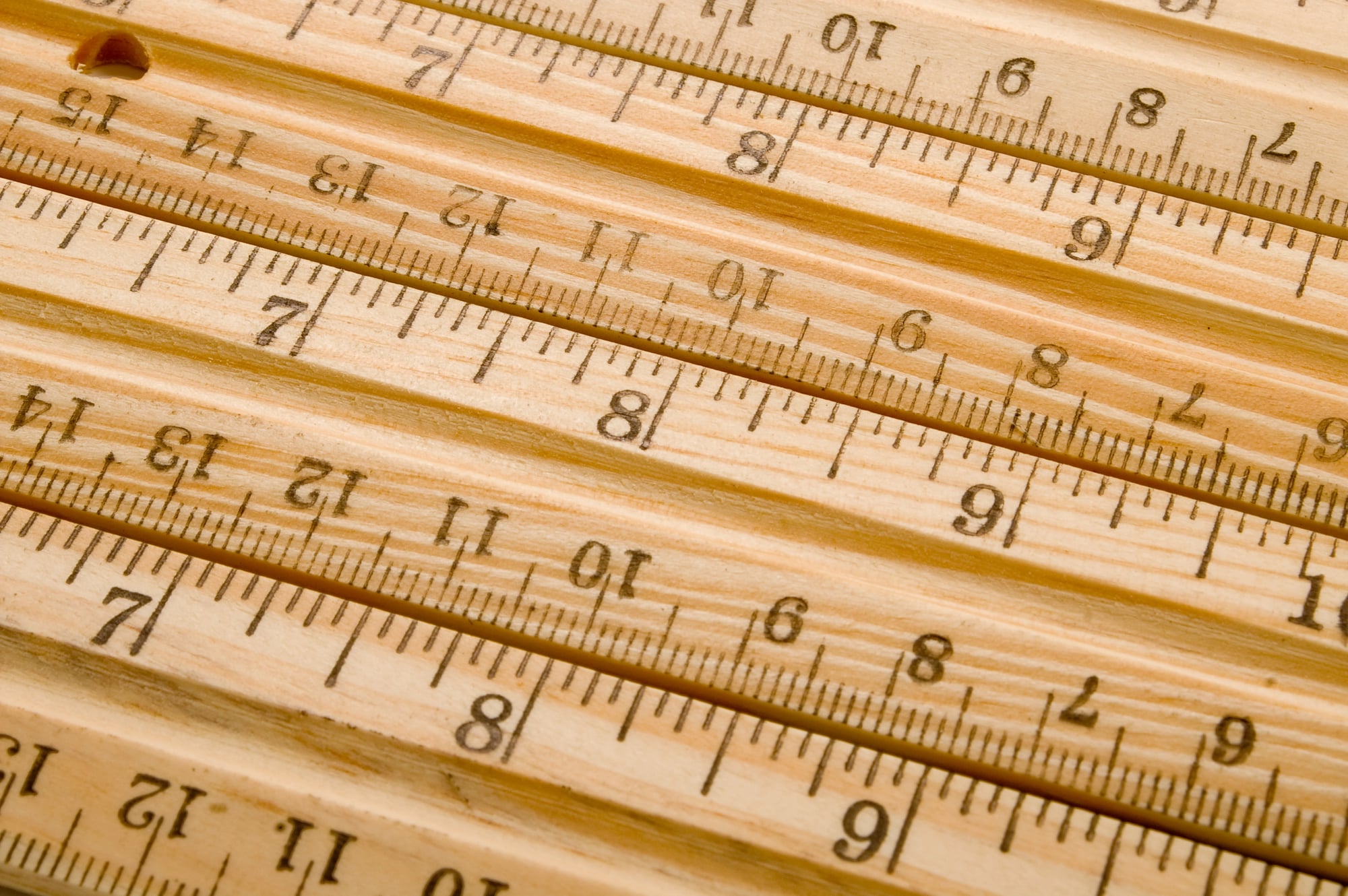
Every bank had a stack of them behind the counter. Thin plastic or wood, marked with inches and centimeters, stamped with bank names and phone numbers that customers would stare at while drawing straight lines or measuring things that needed measuring.
Schools ordered them by the gross for back-to-school promotions. Insurance companies mailed them to policy holders.
Any business that wanted to seem useful and stay visible found a way to work rulers into their marketing budget.
The genius was in the utility — rulers actually get used, which means the advertising message gets seen repeatedly over months or years. But rulers are also the kind of thing people lose, break, or replace without thinking about it.
The ones that survived intact, with their vintage typography and forgotten phone numbers, have become small monuments to an era when businesses tried to be helpful instead of just memorable.
Coasters
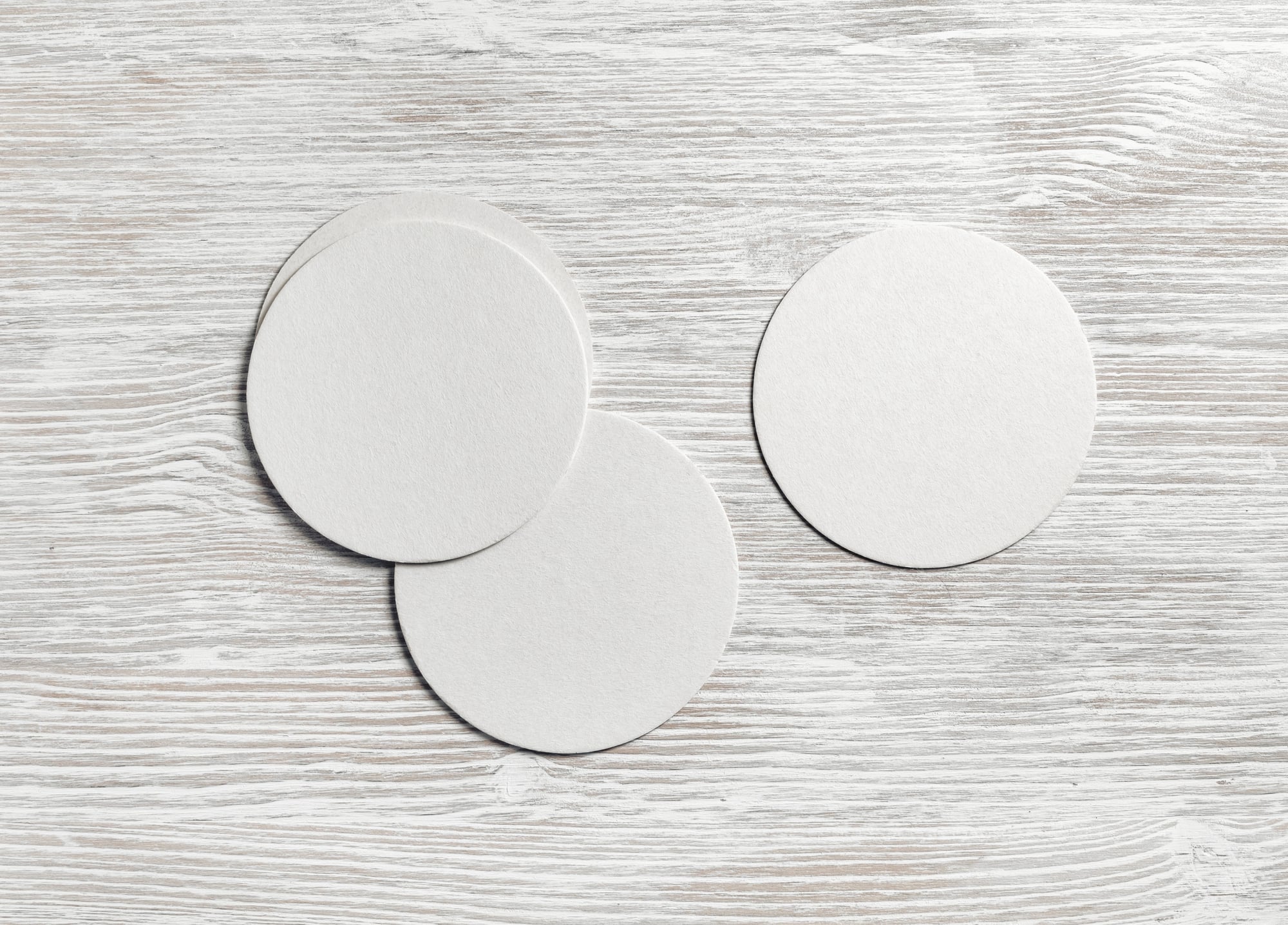
Bars and restaurants gave these away by the handful. Cardboard circles and squares, printed with beer logos, restaurant names, and jokes that seemed funnier after a few drinks.
They soaked up condensation, protected tables, and went home in pockets as unconscious souvenirs of nights that may or may not have been worth remembering.
The paper ones disintegrated quickly, but the thicker cardboard versions could last for years if they avoided spills and stayed dry.
Collectors prize them now for their graphics, their geographic specificity, and their ability to transport you to a particular barstool on a particular night in a particular decade.
Shopping Center Maps
Remember getting lost in malls? Before smartphones and GPS, shopping centers printed maps on paper and stuck them in little dispensers near the entrances.
“You Are Here” marked with a red dot, store directories listed alphabetically and by category, floor plans that showed every kiosk and bathroom.
The maps were functional, sure, but they were also snapshots of retail ecosystems that have largely vanished. Department stores that anchored entire wings.
Specialty shops with names that revealed their single purpose. Food courts arranged around fountains and artificial trees.
Most maps got crumpled up and thrown away after a single use, but the ones that survived have become archaeological artifacts of American consumer culture.
They document not just what stores existed, but how we moved through shared spaces, how we navigated commerce, and how businesses organized themselves around the promise that people would drive to a single location to do all their shopping.
Hotel Postcards
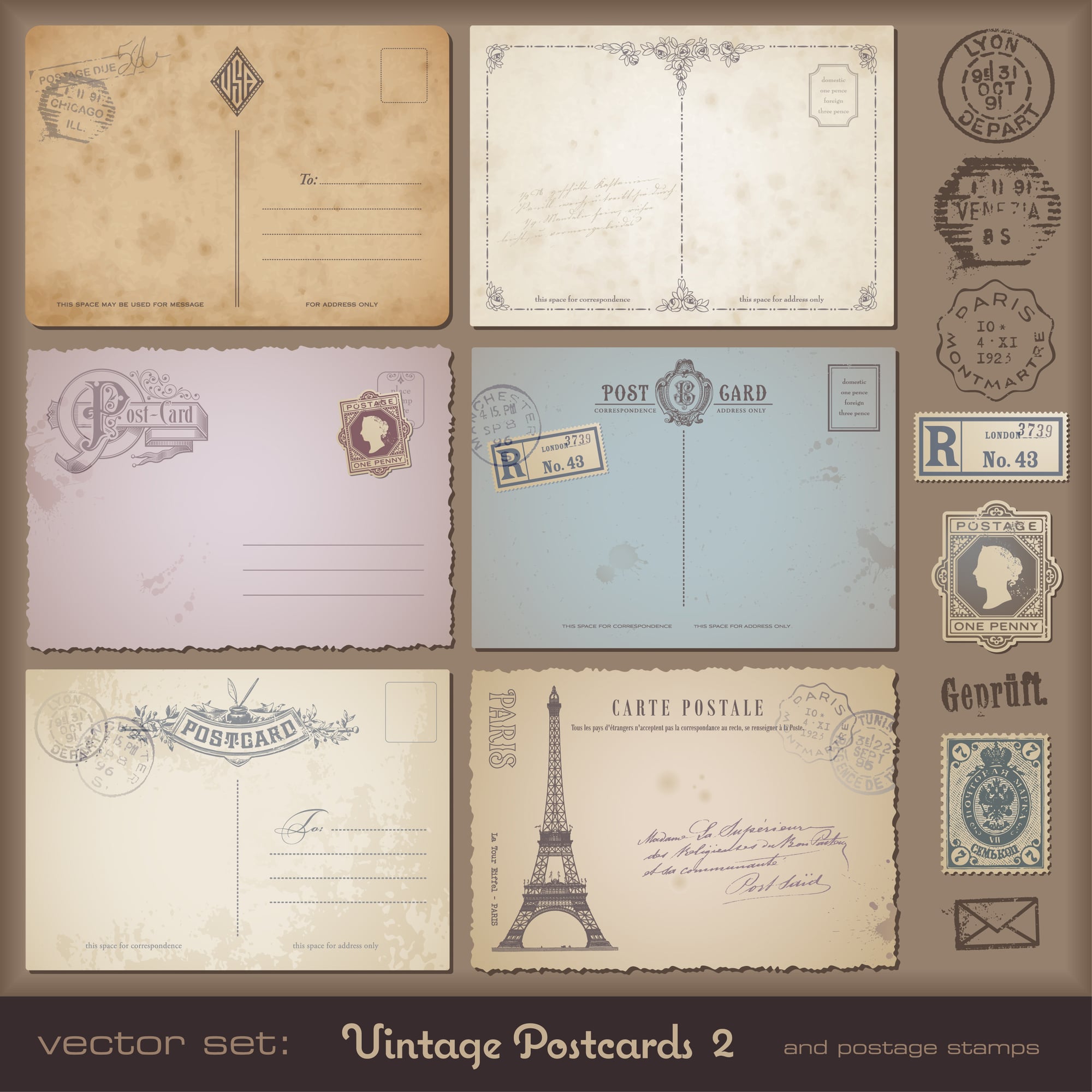
Every hotel lobby had a rack of them, free for guests who wanted to send evidence of their travels back home.
The postcards featured the hotel itself — swimming pools that looked more tropical than they actually were, dining rooms arranged for maximum elegance, guest rooms photographed with the kind of lighting that made everything seem more luxurious.
But postcards are caught between two purposes: communication and keepsake.
Most never got mailed, which means they stayed in suitcases and eventually drawers, forgotten until decades later when someone cleaning house discovered a small archive of places they’d been and decided to keep or discard based on memories that may or may not have been as good as the photography suggested.
Bookmarks
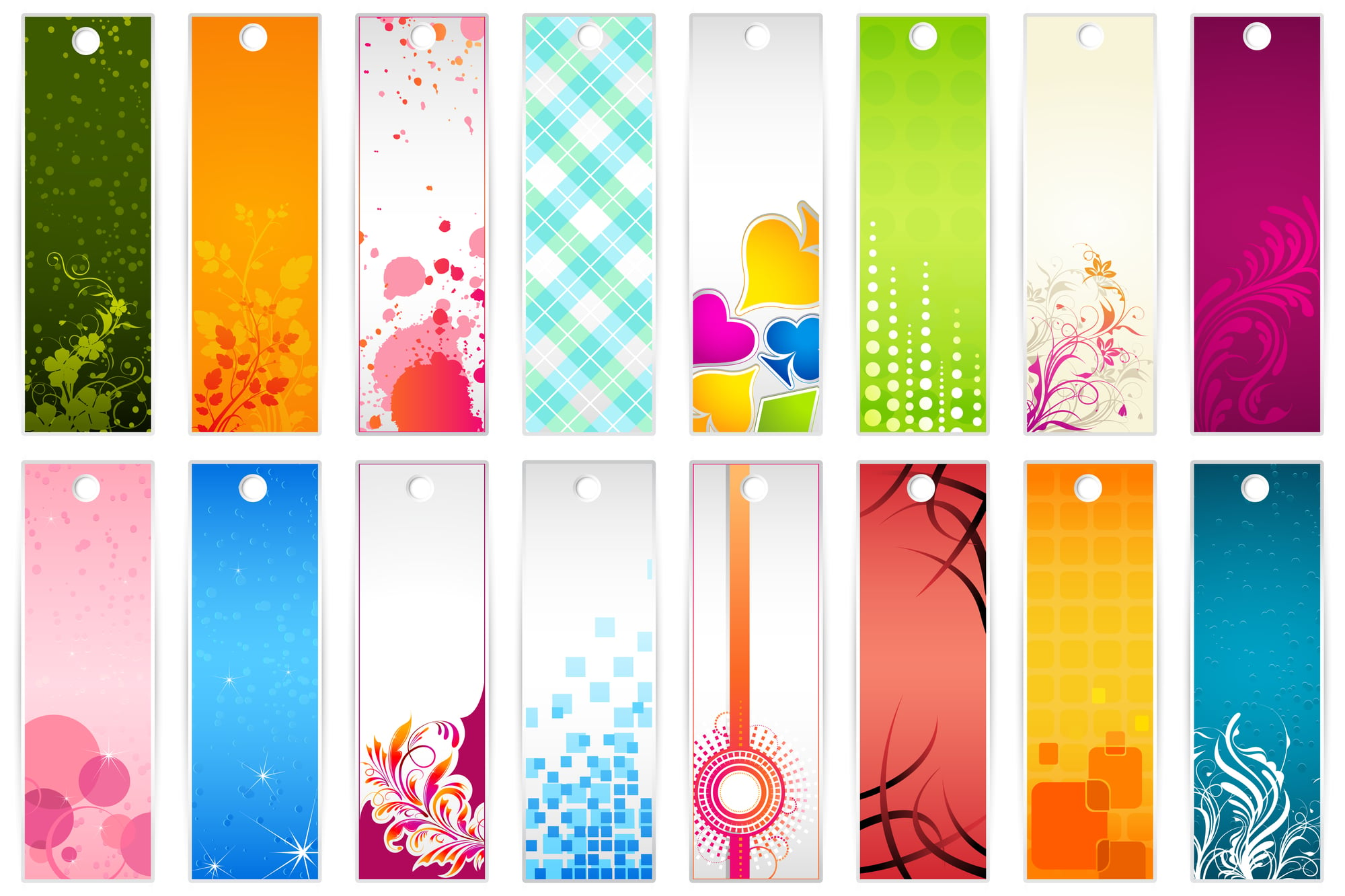
Bookstores, libraries, and publishers produced them by the thousands. Thin cardboard or laminated paper, decorated with book covers, author photos, or literary quotes designed to inspire continued reading.
They served a clear purpose — holding your place — but they also advertised upcoming releases, recommended titles, or simply reminded you where you’d acquired them.
The relationship between bookmarks and books is symbiotic but temporary. Once you finish reading, the bookmark becomes available for the next book, carrying with it a small history of everything you’ve read.
Collectors appreciate them now for their graphics, their literary connections, and their role as supporting characters in the larger story of how people used to discover and consume books.
Most bookmarks lived brief, functional lives and disappeared when they were no longer needed. But some readers are collectors by nature, and bookmarks are small enough to keep without much trouble.
The ones that survived represent a slice of literary culture — what publishers thought would sell, what bookstores wanted to promote, and what readers were curious enough to take home.
Travel Brochures
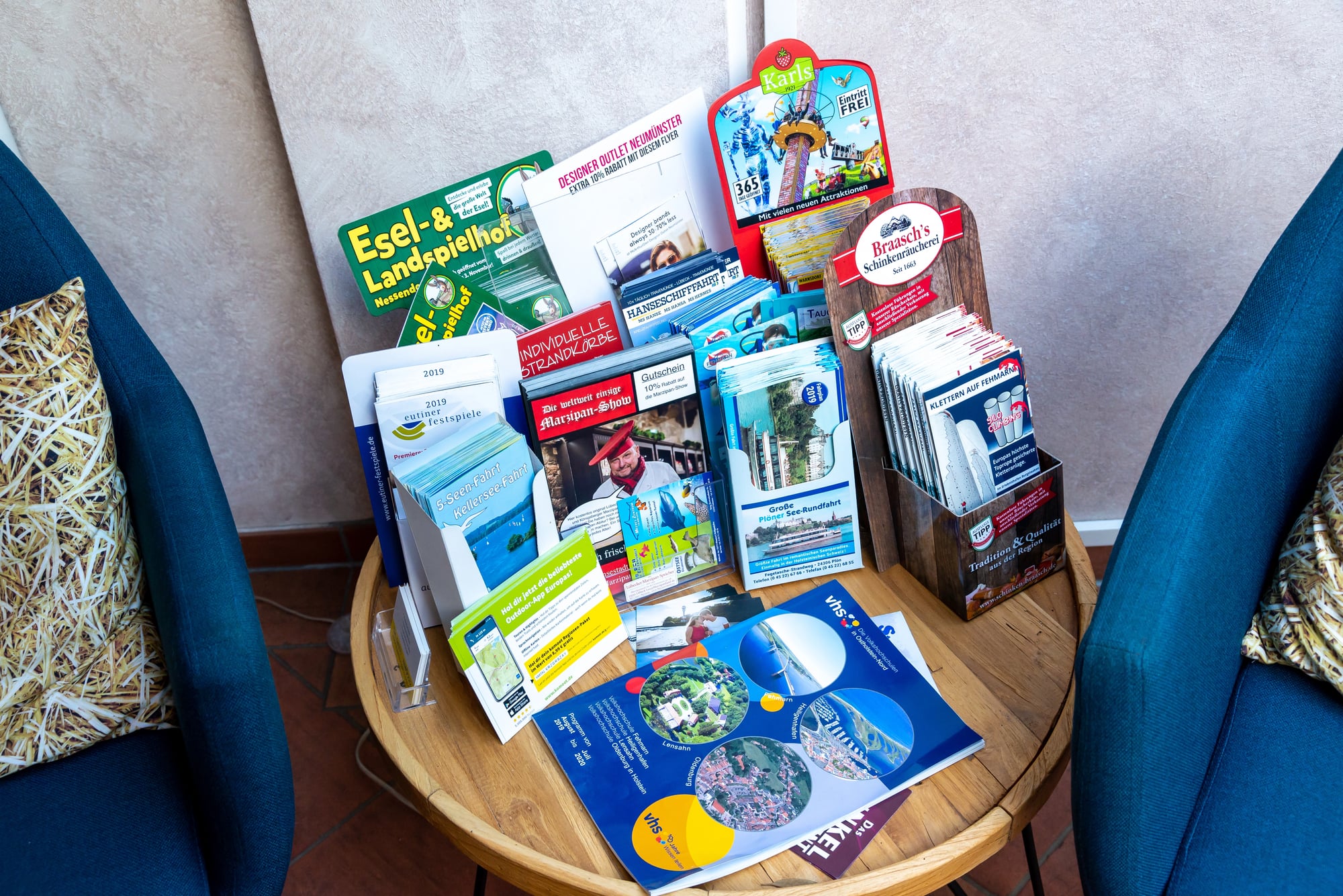
Tourism offices and attractions printed these by the millions. Folded pamphlets with glossy photos, detailed maps, and descriptions that made every destination sound like the trip of a lifetime.
Museums, state parks, roadside attractions, entire cities condensed into tri-fold advertisements for experiences you could have if you just got in the car and drove.
The brochures were designed to be taken, studied, and acted upon, but most ended up in glove compartments or desk drawers, saved for trips that never happened or kept as souvenirs of trips that did.
They promised adventure and delivered inspiration, even if you never left home.
Restaurant Menus

Take-out places printed thousands of them, delivered to every mailbox in their delivery radius whether you wanted Thai food or not.
Sit-down restaurants kept stacks by the register for customers who wanted to take decision-making home. The menus were advertisements, sure, but they were also functional documents that people actually used.
The ones that survived capture more than just what people ate — they document what things cost, how restaurants presented themselves, and what kinds of cuisine were available in specific places at specific times.
When Free Meant Forever

These objects weren’t designed to last, but some of them did anyway. They survived because people recognized something worth keeping, even when that worth wasn’t immediately obvious.
The companies that produced them are often gone. The stores that handed them out have been replaced by chains or shuttered entirely.
But the freebies remain, small ambassadors from a time when businesses tried to earn attention through utility rather than noise.
Maybe the real collection isn’t the objects themselves, but the evidence they provide of a different relationship between commerce and community. When local businesses knew their customers well enough to give them something useful, and when customers kept those gifts long enough for them to become meaningful.
More from Go2Tutors!

- The Romanov Crown Jewels and Their Tragic Fate
- 13 Historical Mysteries That Science Still Can’t Solve
- Famous Hoaxes That Fooled the World for Years
- 15 Child Stars with Tragic Adult Lives
- 16 Famous Jewelry Pieces in History
Like Go2Tutors’s content? Follow us on MSN.