17 Products That Weren’t Worth the Hype
Marketing can work wonders, turning ordinary gadgets into must-have items that everyone seems to want. Sometimes the buzz is justified — other times, it’s just clever advertising creating excitement around products that can’t deliver on their grand promises. History is littered with items that captured our imagination but left us disappointed when reality set in.
From tech gadgets to fashion trends, these products rode waves of enthusiasm only to crash on the shores of consumer disappointment. Here is a list of 17 products that generated massive excitement but ultimately failed to live up to the hype.
Google Glass

Google Glass promised to revolutionize how we interact with technology by putting a computer display right in front of our eyes. The sleek eyewear was supposed to seamlessly blend digital information with the real world, making smartphones seem outdated.
However, the reality was far less impressive — the device was clunky, expensive at $1,500, and raised serious privacy concerns when people realized others could secretly record them. The battery life was terrible, and the interface was frustrating to use, leading Google to quietly shelve the consumer version.
Segway Personal Transporter

The Segway was marketed as the transportation revolution that would transform cities and make walking obsolete. Inventor Dean Kamen claimed it would be as significant as the automobile, generating enormous media buzz before its 2001 launch.
Yet the two-wheeled scooter never caught on with regular consumers due to its hefty $5,000 price tag, safety concerns, and the simple fact that most people found walking or biking more practical. The device found niche uses in tourism and security, but it never became the game-changer everyone expected.
Like Go2Tutors’s content? Follow us on MSN.
New Coke

Coca-Cola’s decision to reformulate their classic recipe in 1985 created one of marketing’s biggest disasters. The company spent millions on research and taste tests, convinced that New Coke’s sweeter formula would help them compete better against Pepsi.
Instead, loyal customers revolted, flooding the company with angry calls and letters demanding their original Coke back. The backlash was so intense that Coca-Cola brought back the original formula as ‘Coca-Cola Classic’ just 79 days later, essentially admitting their mistake.
HD-DVD

Toshiba’s HD-DVD format was supposed to be the successor to regular DVDs, offering crystal-clear high-definition video that would make standard DVDs look ancient. The format launched with great fanfare and backing from major studios like Universal and Paramount.
However, it faced fierce competition from Sony’s Blu-ray format, leading to a costly format war that confused consumers and split the market. HD-DVD ultimately lost when key supporters switched sides, and Toshiba discontinued the format in 2008, making early adopters’ players expensive paperweights.
Microsoft Zune

Microsoft’s Zune was positioned as the iPod killer, featuring a larger screen, wireless sharing capabilities, and integration with the company’s music subscription service. The marketing campaign emphasized the device’s social features and tried to paint iPod users as isolated and antisocial.
Despite some genuinely innovative features, the Zune arrived too late to challenge Apple’s dominance and suffered from clunky software, limited song selection, and restrictive sharing that only worked with other Zune users. The device never gained meaningful market share and was quietly discontinued in 2011.
Like Go2Tutors’s content? Follow us on MSN.
Crystal Pepsi
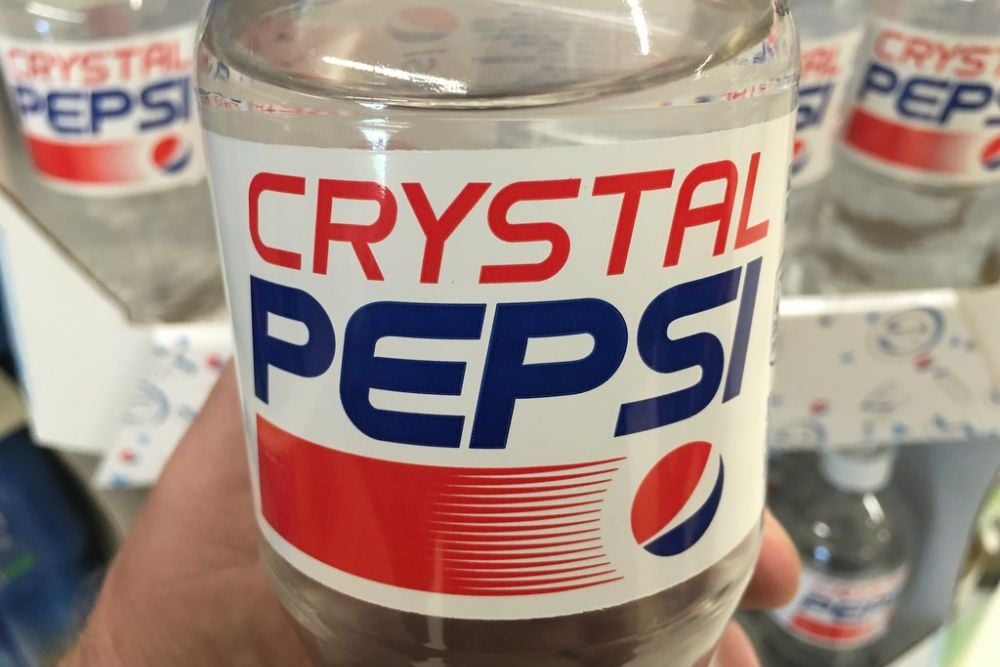
Crystal Pepsi promised all the taste of regular Pepsi but with a clear, pure appearance that suggested health and cleanliness. PepsiCo spent enormous amounts promoting this colorless cola as a revolutionary breakthrough in 1992.
The reality was that removing the caramel coloring also changed the taste, creating a product that confused consumers who expected regular Pepsi flavor but got something that tasted more like flat lemon-lime soda. The novelty wore off quickly, and Crystal Pepsi disappeared from shelves within a year.
Betamax

Sony’s Betamax offered superior video quality compared to VHS tapes, with better picture resolution and more compact cassettes that seemed like the obvious choice for home recording. Sony heavily promoted the format’s technical advantages and believed quality would triumph over everything else.
However, VHS won the format war through longer recording times, lower prices, and better availability of movie rentals. Despite being technically superior, Betamax became a textbook example of how the best technology doesn’t always win in the marketplace.
Virtual Reality in the 1990s

Virtual reality was supposed to transport us into entirely new digital worlds, with companies like Virtual Boy and various arcade systems promising immersive experiences that would make regular video games obsolete. The technology was hyped relentlessly in movies, TV shows, and tech magazines as the next big thing in entertainment.
Unfortunately, the hardware was primitive, causing headaches and nausea for many users, while the graphics were blocky and unconvincing. The systems were also incredibly expensive, keeping them out of reach for most consumers and relegating VR to a novelty that wouldn’t become viable for another two decades.
Like Go2Tutors’s content? Follow us on MSN.
Palm Pilot (Later Models)
Palm Pilots revolutionized personal organization in the 1990s, but later models like the Palm Pre were hyped as iPhone killers that would reclaim the company’s mobile dominance. The Palm Pre featured innovative gesture controls, wireless charging, and multitasking capabilities that seemed ahead of their time.
However, the device suffered from poor build quality, a limited app selection, and marketing that failed to clearly communicate its advantages over established competitors. Palm’s comeback attempt ultimately failed, and the company was eventually acquired and discontinued.
Fyre Festival

Fyre Festival was marketed as an exclusive luxury music festival in the Bahamas, with promotional materials featuring supermodels and promises of gourmet dining, luxury accommodations, and performances by major artists. Social media influencers promoted it as the ultimate party destination for wealthy millennials.
Instead, attendees arrived to find disaster relief tents, cheese sandwiches, and no musical acts, turning the event into a massive fraud that left people stranded. The festival became a cautionary tale about social media marketing and unrealistic promises.
Theranos Blood Testing

Elizabeth Holmes and Theranos claimed they had developed revolutionary blood testing technology that could run hundreds of tests from a single drop of blood, promising to make medical testing faster, cheaper, and more convenient. The company attracted massive investment and media attention, with Holmes appearing on magazine covers and speaking at major conferences.
Investigation revealed that the technology didn’t work as advertised, with the company using traditional machines for most tests and producing unreliable results that could have endangered patient health.
Like Go2Tutors’s content? Follow us on MSN.
Samsung Galaxy Note 7
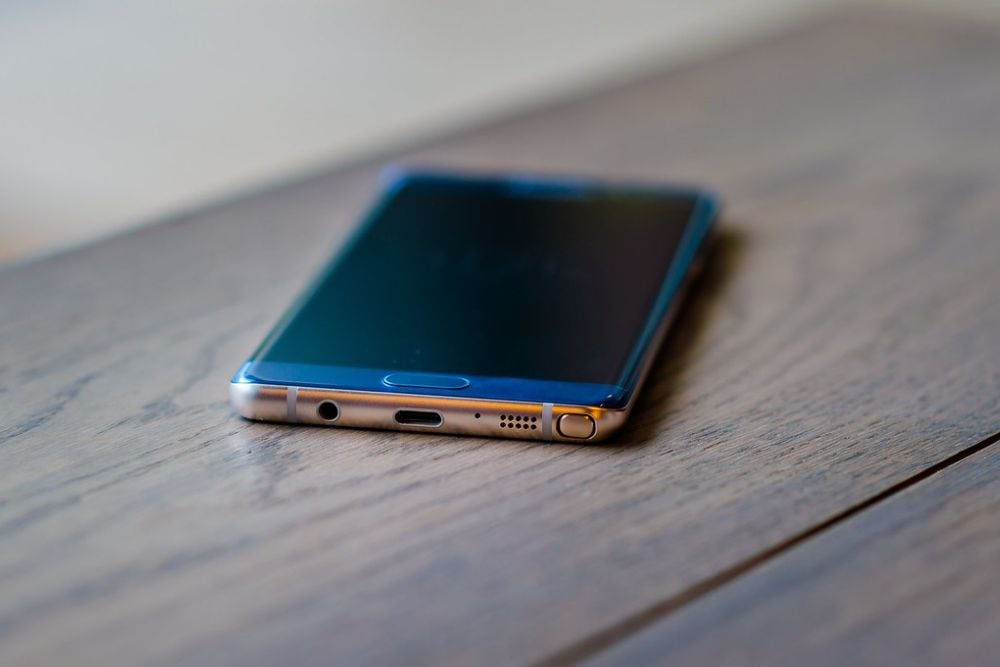
Samsung’s Galaxy Note 7 was positioned as the ultimate smartphone, featuring a large display, advanced stylus capabilities, and cutting-edge design that would compete directly with Apple’s iPhone. Early reviews were overwhelmingly positive, praising the device’s performance and innovative features.
However, battery defects caused some units to overheat and catch fire, leading to reports of phones igniting in pockets, cars, and even airplanes. Samsung had to recall millions of devices and permanently discontinue the model, creating a public relations nightmare.
McDonald’s Arch Deluxe

McDonald’s spent over $300 million promoting the Arch Deluxe as their premium burger designed for sophisticated adult tastes, complete with gourmet ingredients and upscale marketing campaigns. The company believed they could expand beyond their family-friendly image and compete in the premium burger market.
Unfortunately, McDonald’s customers weren’t looking for fancy burgers — they wanted fast, affordable food, and the Arch Deluxe was neither fast nor affordable enough to justify the higher price. The burger was quietly removed from menus after poor sales.
Nintendo Power Glove

The Power Glove promised to bring gesture control to Nintendo games, allowing players to control characters with hand movements instead of traditional button presses. Nintendo’s marketing made it seem like science fiction technology that would revolutionize gaming forever.
In reality, the device was incredibly inaccurate and frustrating to use, making games harder rather than more enjoyable. Most games didn’t support the Power Glove properly, and even those that did worked better with regular controllers.
Like Go2Tutors’s content? Follow us on MSN.
Facebook Home

Facebook Home was supposed to transform Android phones into social networking machines, replacing the traditional home screen with a constant stream of Facebook updates and messages. The company positioned it as a way to put people first and make social interaction the center of the mobile experience.
Users quickly grew tired of having Facebook dominate their entire phone interface, finding it intrusive and limiting their ability to use other apps effectively. The software was quietly discontinued after poor adoption rates.
Windows Vista

Microsoft heavily promoted Windows Vista as a revolutionary upgrade that would make computers more secure, beautiful, and powerful than ever before. The operating system featured a completely redesigned interface and promised enhanced multimedia capabilities that would transform how people used computers.
Instead, Vista was plagued with compatibility problems, slow performance, and annoying security prompts that frustrated users and made many stick with Windows XP. The operating system became synonymous with bloated software and poor user experience.
LaserDisc

LaserDisc offered movie quality that was far superior to VHS tapes, with crisp digital audio and video that made home theaters possible years before DVDs existed. Electronics companies promoted the format as the future of home entertainment, emphasizing its technical superiority and special features like director commentaries.
However, the discs were expensive, the players cost a fortune, and each movie took up multiple discs that had to be flipped midway through. Most consumers stuck with VHS despite the quality difference, making LaserDisc a niche product for enthusiasts.
Like Go2Tutors’s content? Follow us on MSN.
When Promise Meets Reality

These products remind us that flashy marketing campaigns and impressive technology demonstrations don’t guarantee real-world success. Consumer needs, practical limitations, and market timing often matter more than technical specifications or celebrity endorsements.
The gap between what companies promise and what they actually deliver can turn exciting launches into expensive lessons. Today’s consumers have become more skeptical of bold claims, having learned that sometimes the most revolutionary products are the ones that solve simple problems well rather than promising to change everything at once.
More from Go2Tutors!

- 16 Historical Figures Who Were Nothing Like You Think
- 12 Things Sold in the 80s That Are Now Illegal
- 15 VHS Tapes That Could Be Worth Thousands
- 17 Historical “What Ifs” That Would Have Changed Everything
- 18 TV Shows That Vanished Without a Finale
Like Go2Tutors’s content? Follow us on MSN.