16 Old Game Cartridges Now Selling for High Value
Remember digging through dusty boxes at garage sales, hoping to find something interesting? Those old video game cartridges scattered in plastic bins might have seemed like childhood relics, but some of them have quietly become serious investments.
What started as entertainment for kids has transformed into a collector’s market where pristine condition and rarity can mean the difference between pocket change and a house down payment.
Stadium Events
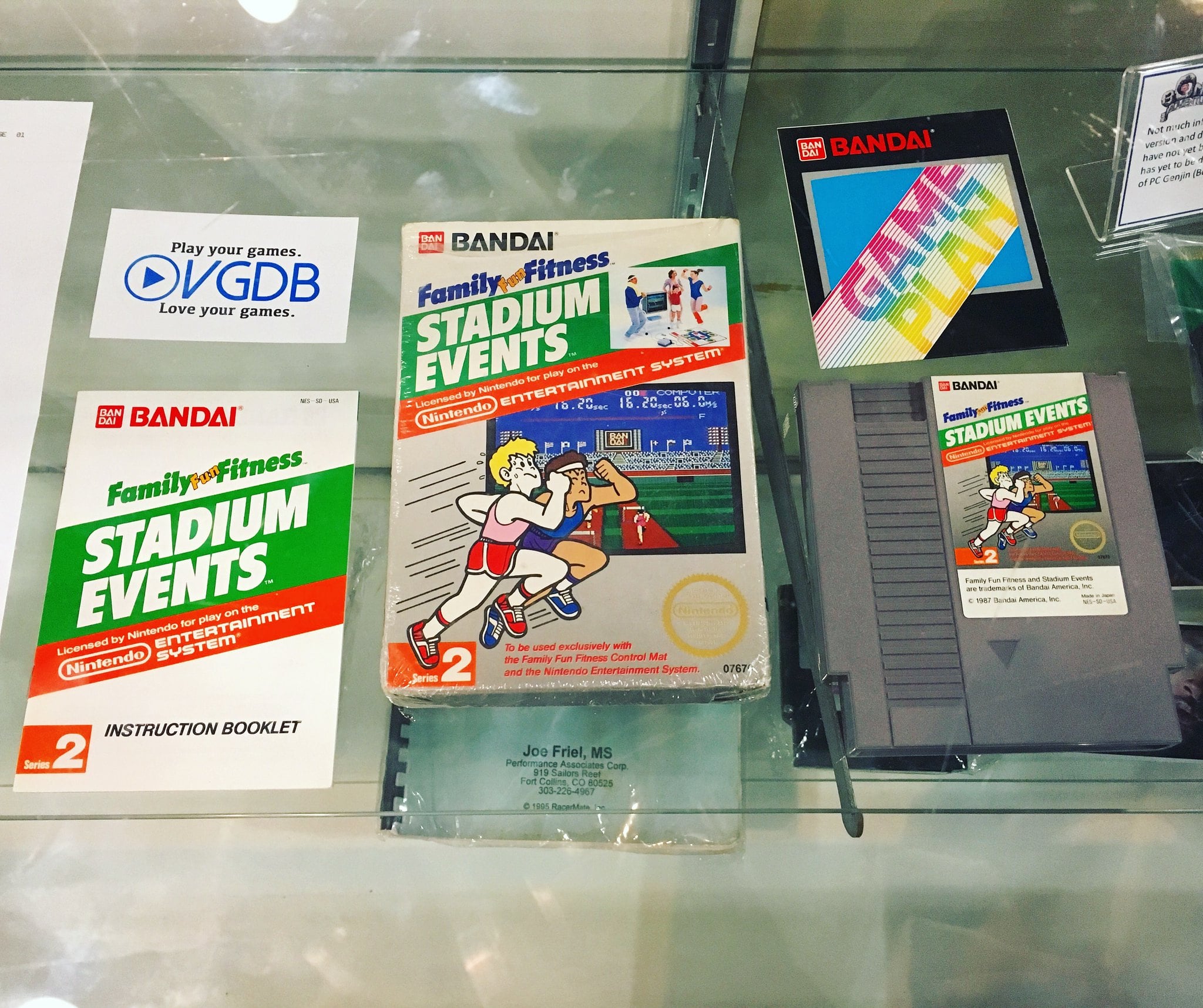
Stadium Events stands alone as the holy grail of Nintendo collecting. Only 200 copies were produced before Nintendo pulled it from shelves and rebranded it as World Class Track Meet (which came bundled with the Power Pad).
A factory-sealed copy sold for $41,300 in 2010, and prices have only climbed since then. The cartridge’s value stems from its incredibly brief retail window — Nintendo realized they could make more money bundling the game with their accessory rather than selling it separately.
So they bought back nearly every copy from stores, making it one of the rarest officially released NES games.
Nintendo World Championships 1990
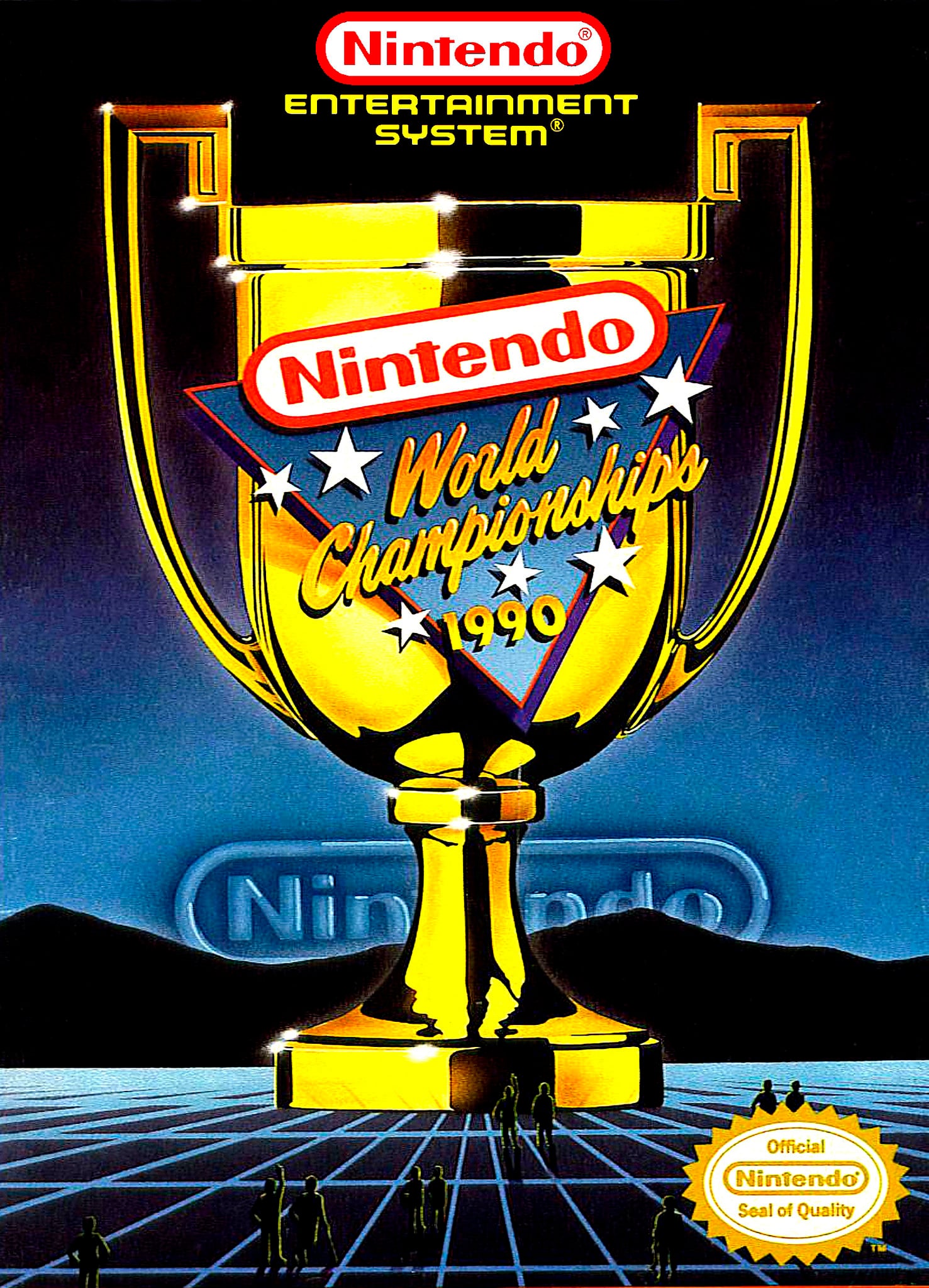
This cartridge wasn’t sold in stores at all. Nintendo created 116 copies for their 1990 gaming tournament, where players competed in a timed challenge combining Super Mario Bros., Rad Racer, and Tetris.
After the competition, participants got to keep their cartridges as souvenirs. The gray tournament version regularly sells for $15,000 to $25,000.
But there’s also a gold version — only 26 were made for a Nintendo Power contest — and those can fetch upwards of $100,000. The cartridge represents a specific moment in gaming history when Nintendo was at its cultural peak.
Little Samson
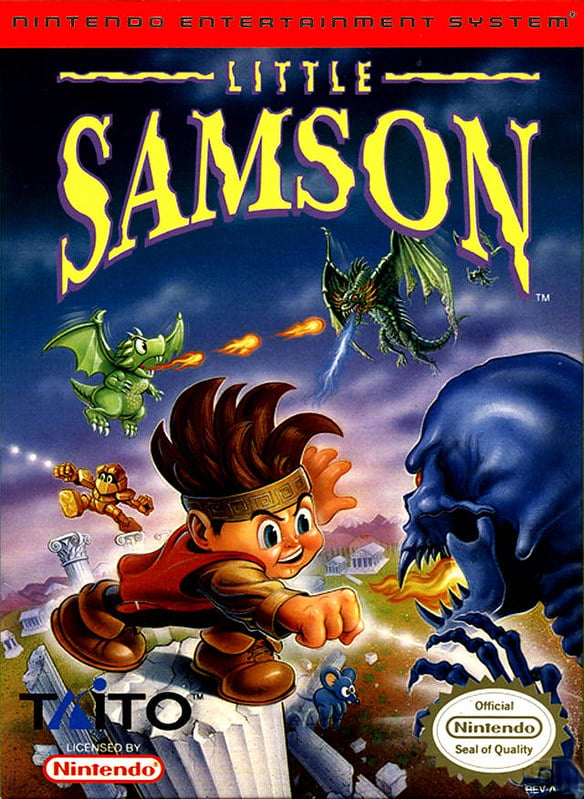
Little Samson arrived in 1992, right as the Super Nintendo was taking over and NES games were becoming afterthoughts. The timing couldn’t have been worse for sales, but it couldn’t have been better for future collectors.
This side-scrolling adventure game featuring a boy and his three animal companions received critical praise but sold poorly due to limited distribution and lack of marketing. Now it’s considered one of the best platformers on the NES that most people never played.
Complete copies with the box and manual can sell for $3,000 to $5,000 (and that’s assuming you can find one, which is becoming increasingly difficult). The game’s tight controls and creative level design have earned it a cult following among serious NES enthusiasts.
Flintstones: Surprise at Dinosaur Peak
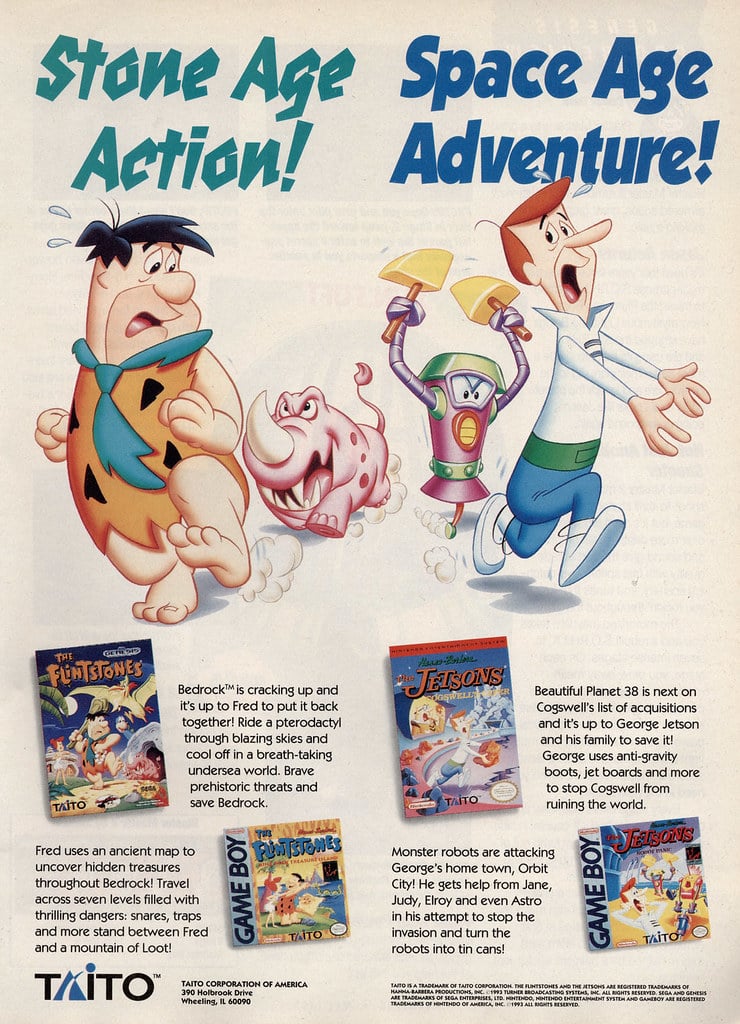
Taito released this Flintstones game exclusively through Blockbuster Video stores in 1994. The rental-only distribution model seemed reasonable at the time — parents could rent it for their kids without committing to a purchase.
But rental exclusivity meant very few copies made it into private hands. Most Blockbuster locations eventually sold off their rental inventory, though many cartridges were damaged from repeated handling.
Clean copies now sell for $1,500 to $3,000, depending on condition. And here’s the thing about condition: it matters enormously in this market, sometimes doubling or tripling a cartridge’s value based solely on how well the label has held up over three decades.
Bonk’s Adventure
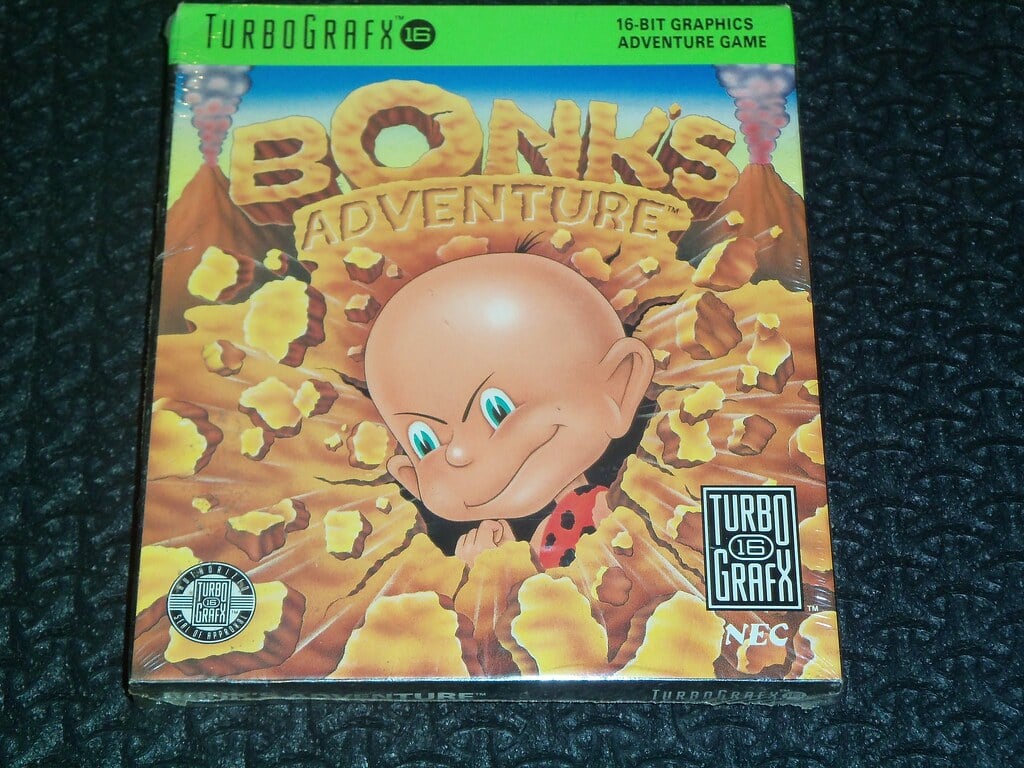
Working Designs published this TurboGrafx-16 title in extremely limited quantities, making it one of the rarest games for an already niche console. The TurboGrafx-16 never gained significant market share in the United States, which initially seemed like bad news for game values.
Turns out, limited console adoption plus limited game production creates the perfect storm for collector interest. Bonk’s Adventure can sell for $400 to $800 depending on condition, but finding one requires patience.
The TurboGrafx-16 library contains several hidden gems that were overlooked during the console’s brief retail life but are now highly sought after by collectors who appreciate the system’s unique catalog. Sometimes being ignored by the masses works in a collector’s favor decades later.
Panzer Dragoon Saga
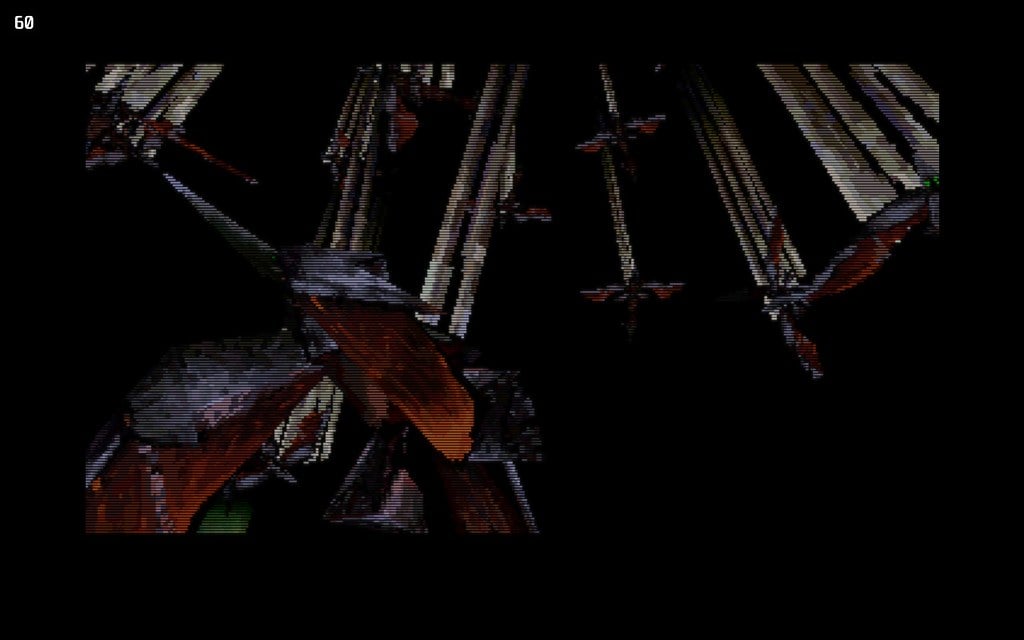
Sega released this four-disc RPG for the Saturn in 1998, right as they were preparing to discontinue the console. The Saturn was already struggling in the marketplace, and Sega printed minimal copies of what would become the system’s swan song.
This epic tale of dragons and ancient civilizations represented everything the Saturn could accomplish — stunning visuals, complex storytelling, memorable music — but arrived too late to save the platform. Complete copies with all four discs, the case, and manual now sell for $1,000 to $1,500.
Collectors consider it one of the finest JRPGs ever made, and its scarcity has only enhanced its legendary status. The game’s reputation has grown through word of mouth and online communities, creating demand that far exceeds the limited supply.
Earthbound
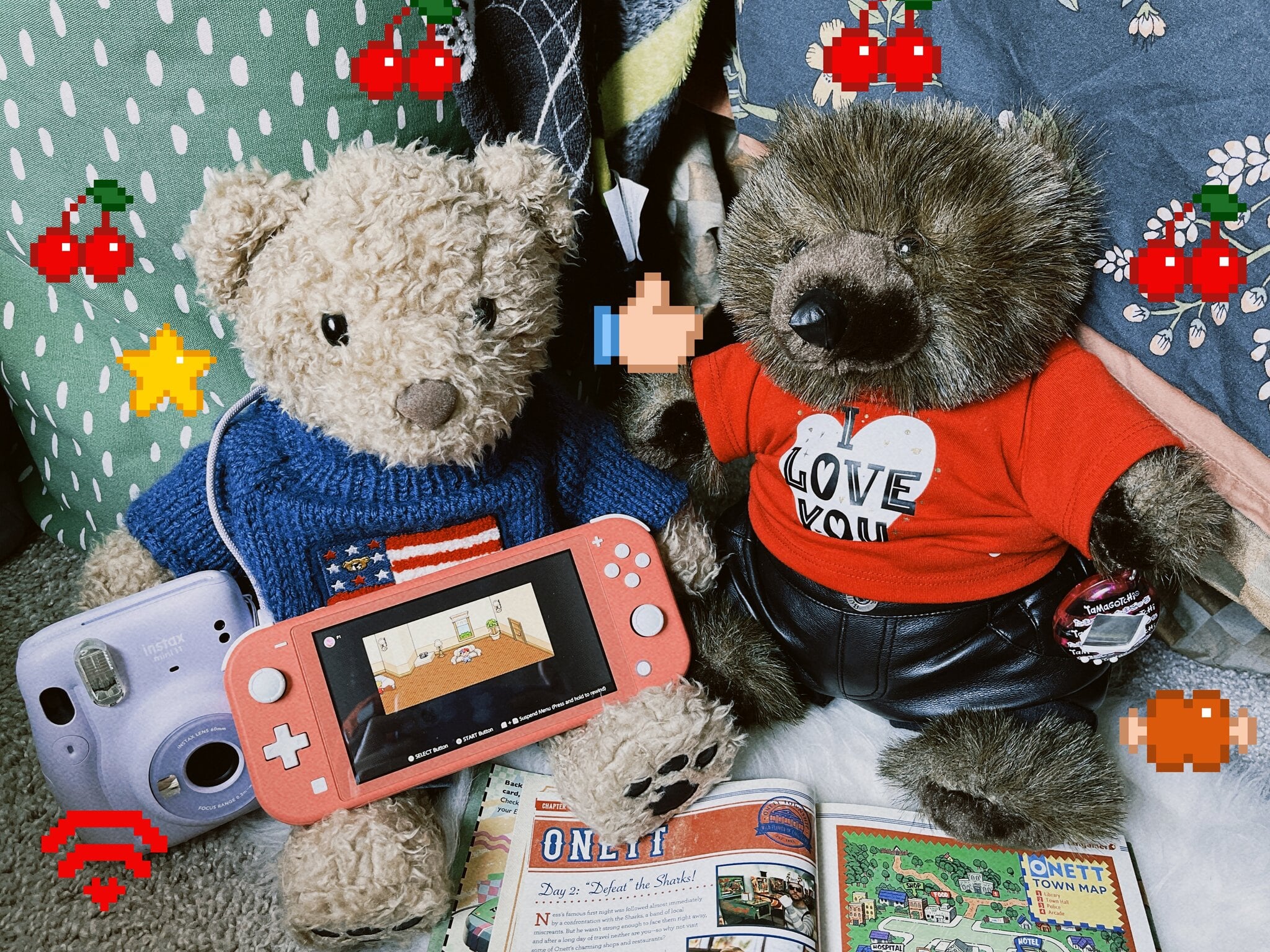
Nintendo’s decision to bundle this quirky RPG with a strategy guide seemed generous in 1995, but it nearly killed the game’s sales. The oversized box took up too much shelf space, retailers ordered fewer copies, and the game’s offbeat humor didn’t connect with mainstream audiences.
Critics loved it, but commercial success remained elusive. Two decades later, Earthbound has achieved cult status that drives serious collector demand.
Complete big-box copies with the guide sell for $300 to $500, while cartridge-only versions still command $150 to $200. The game’s influence on indie developers and its devoted fanbase have transformed it from a commercial disappointment into one of the most beloved RPGs of the 16-bit era.
Rule of Rose
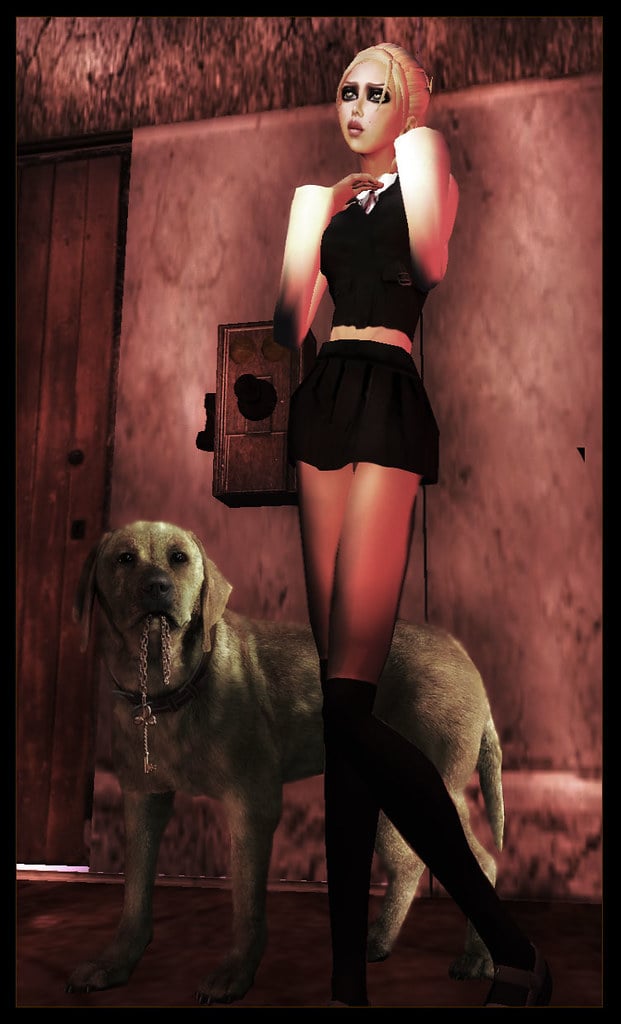
This PlayStation 2 psychological horror game faced controversy and limited release in 2006. Several European countries banned it due to violent content, while American retailers were hesitant to stock it.
The controversy actually hurt sales rather than helping them — most people never got a chance to form their own opinions about the game. Complete copies now sell for $300 to $600, driven by collector interest in rare horror games and the title’s notoriety.
The game’s themes of bullying and psychological trauma were ahead of their time, and modern audiences have found deeper meaning in its storytelling. Sometimes a game needs distance from its original release to find its proper audience.
ClayFighter: Sculptor’s Cut
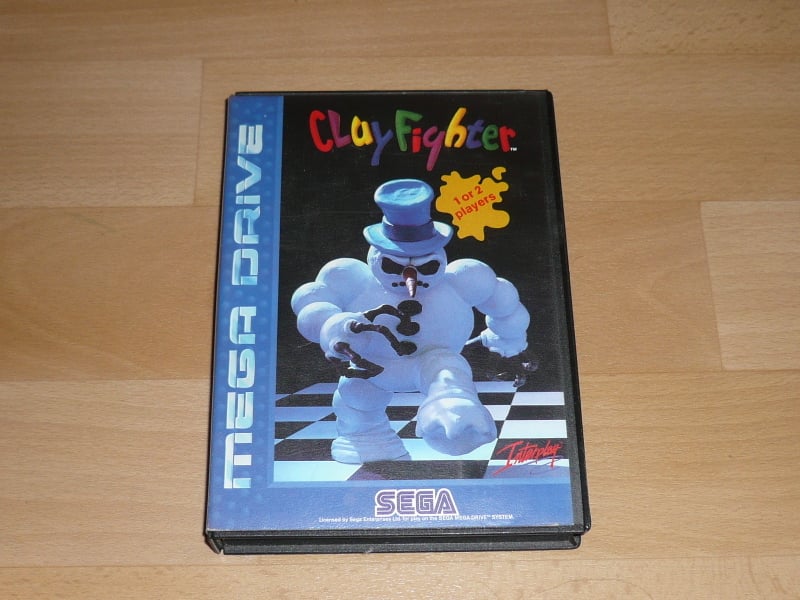
This Nintendo 64 exclusive was only available at Blockbuster Video locations, making it one of the rarest fighting games of the 64-bit era. The Sculptor’s Cut featured additional characters and moves not found in the standard ClayFighter 63⅓, but the rental-exclusive distribution severely limited availability.
Cartridges sell for $200 to $400 depending on label condition, though finding one requires hunting through online auctions and specialty game stores. The ClayFighter series never achieved the popularity of Street Fighter or Mortal Kombat, but rental exclusivity transformed this overlooked fighting game into a legitimate collectible.
Magical Chase
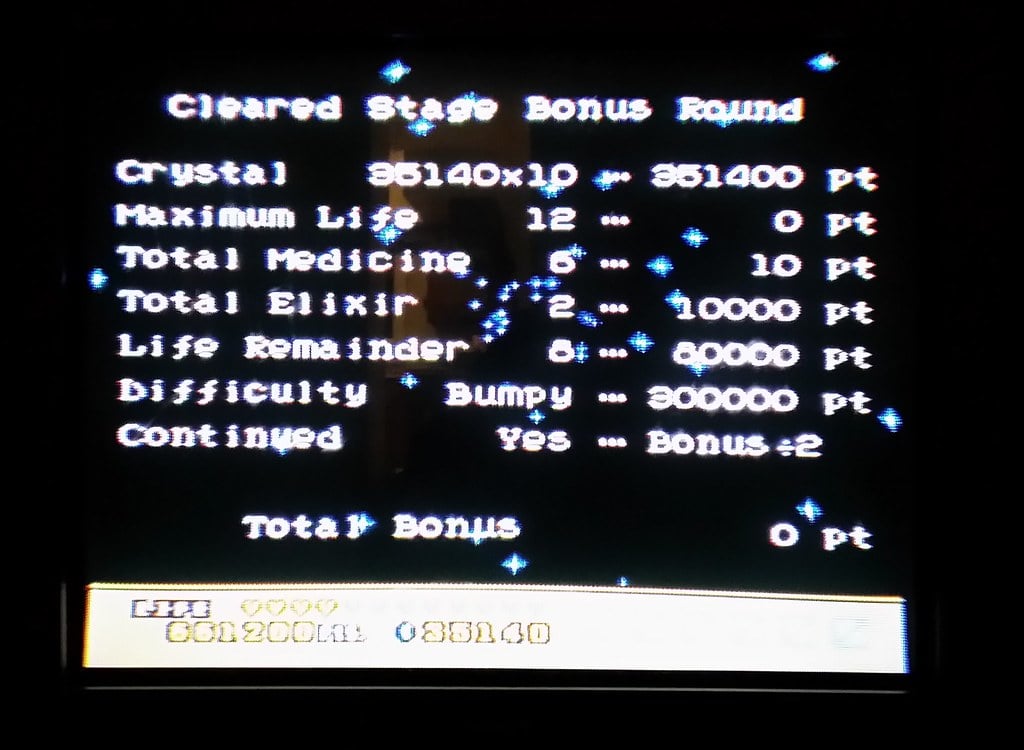
This cute-em-up for the TurboGrafx-16 received minimal promotion and distribution from Quest in 1992. The game features a young witch flying through colorful stages while collecting gems and power-ups, but its charming presentation couldn’t overcome the console’s limited audience.
Working Designs later published it, but production remained extremely low. Complete copies can sell for $3,000 to $4,000, making it one of the most expensive TurboGrafx-16 games.
The combination of limited production, excellent gameplay, and nostalgic appeal has created a perfect storm for collector interest. Cute-em-ups have developed a dedicated following among shoot-em-up enthusiasts, and Magical Chase represents the subgenre at its most refined.
Harvest Moon 64
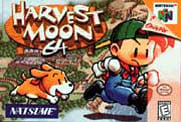
Natsume’s farming simulation arrived on Nintendo 64 near the end of the console’s lifespan, when most gamers were looking ahead to the GameCube and PlayStation 2. The peaceful gameplay and relationship mechanics appealed to a niche audience, but broader market adoption remained limited.
The game’s contemplative pace felt out of step with the faster, more action-oriented titles dominating the platform. Cartridges now sell for $80 to $150, with complete boxed copies commanding significantly more.
The Harvest Moon series has since found mainstream success, but this N64 entry remains beloved by fans for its depth and charm. Rural life simulation has proven more enduring than anyone expected in 1999, and this cartridge represents the genre’s evolution from niche curiosity to established category.
Suikoden II

Konami printed very few copies of this PlayStation RPG in 2000, despite the original Suikoden building a dedicated fanbase. The game’s complex political storyline and 108 recruitable characters created an epic scope that critics praised but mainstream audiences largely ignored.
Limited marketing and distribution meant most RPG fans discovered it years after release through online recommendations. Complete copies with case and manual sell for $300 to $500, while loose discs still command $100 to $200.
The game regularly appears on “greatest RPGs ever made” lists, and its reputation has only grown through emulation and digital re-releases. Sometimes word of mouth takes decades to build, but when it does, collector prices follow.
Snow Brothers
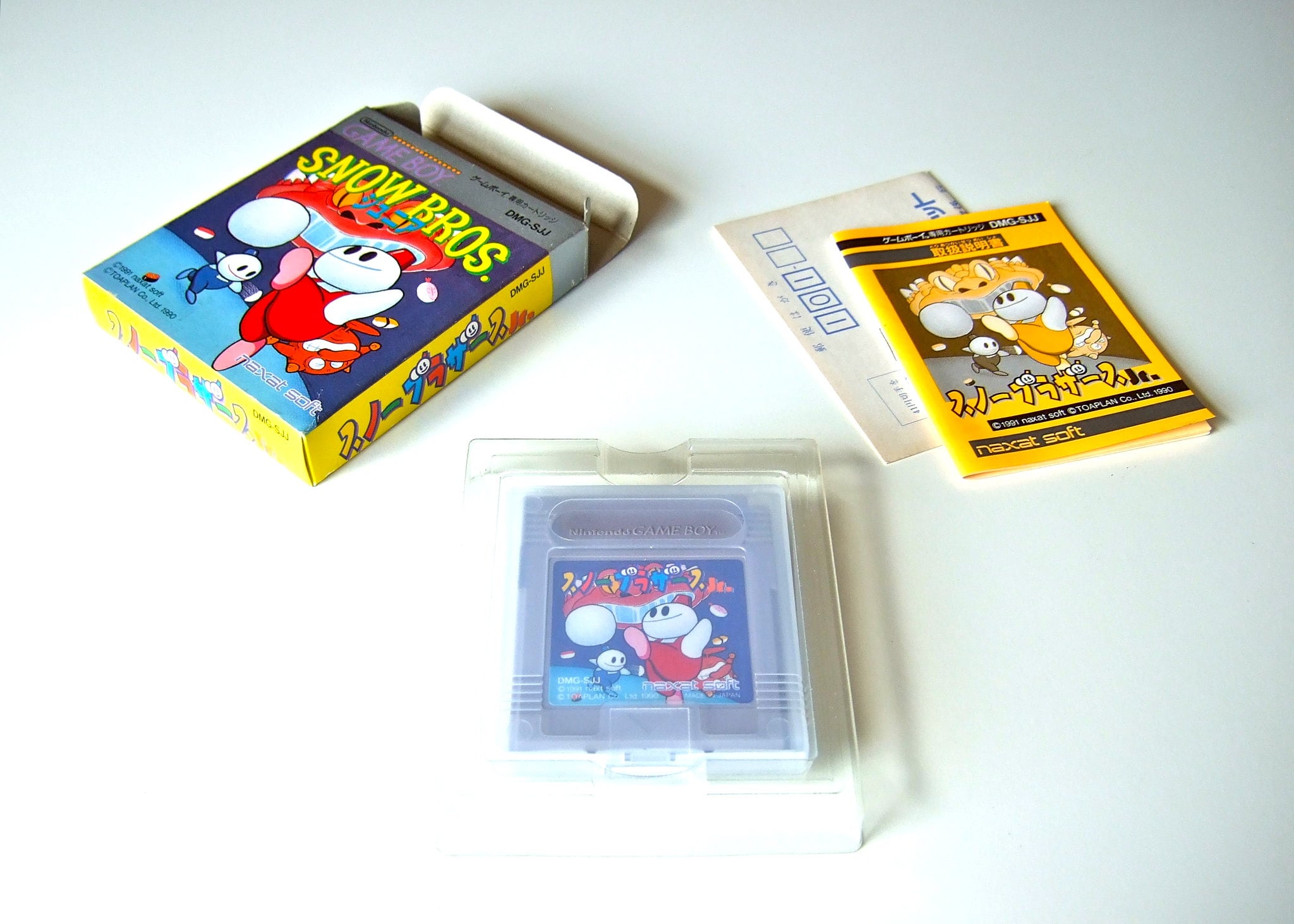
This arcade-style platformer for the NES received limited distribution from Capcom in 1991. The game tasks players with freezing enemies and turning them into snowballs to clear each stage — simple concept, challenging execution.
Platform games were becoming increasingly sophisticated during this period, and Snow Brothers’ arcade sensibilities felt somewhat dated compared to titles like Super Mario Bros. 3. Cartridges sell for $150 to $300 depending on condition, driven by collector interest in complete NES libraries and the game’s tight gameplay.
Arcade ports often struggled to find their audience on home consoles, but decades later, that arcade purity has become appealing to collectors who appreciate straightforward, skill-based gaming.
Hagane

This Super Nintendo action-platformer received extremely limited distribution from Hudson Soft in 1995. The game features a ninja protagonist with shape-shifting abilities, allowing players to transform into various forms to overcome obstacles.
The late release date and minimal marketing meant most SNES owners never encountered it during the console’s active lifespan. Cartridges now sell for $400 to $800, making it one of the most expensive common SNES games.
The gameplay combines elements from several genres — platforming, shooting, puzzle-solving — in ways that feel fresh even today. Limited production runs can transform even mediocre games into collectibles, but Hagane’s genuine quality has sustained its high prices over time.
Metal Storm
This NES shooter from Irem showcased impressive technical achievements in 1991, including gravity-flipping mechanics and detailed sprite work that pushed the hardware to its limits. The game received critical praise for its innovative level design and tight controls, but limited distribution kept it from reaching a wider audience during its original release.
Complete copies sell for $200 to $400, driven by recognition among shoot-em-up enthusiasts and collectors of technical showcase titles. The gravity mechanics feel ahead of their time, predating similar concepts in more famous games by several years.
Technical innovation doesn’t always translate to commercial success, but it often translates to collector interest decades later.
Cowboy Kid
This Wild West-themed action-RPG from Romstar combined exploration, combat, and character progression in ways that felt unique on the NES. The game’s open-world structure allowed players to tackle objectives in multiple orders, creating a sense of freedom that was uncommon in 8-bit gaming.
Limited promotion and an overcrowded release schedule meant most players discovered other games instead. Cartridges sell for $150 to $250, appealing to collectors who appreciate innovative gameplay concepts and Western-themed games.
The combination of action and RPG elements would become standard in later gaming generations, but Cowboy Kid was exploring this territory when few other developers were willing to experiment. Early innovation often goes unnoticed until collectors start digging through gaming history with fresh perspective.
Treasure Hunter
Nostalgia has a way of transforming forgotten objects into coveted prizes, and game cartridges follow this pattern with mathematical precision. The same factors that made these games commercial failures — limited distribution, poor timing, niche appeal — are exactly what makes them valuable today.
Scarcity creates desire, but lasting value requires something deeper: games that were genuinely good but never got their proper chance to be discovered. The collectors driving these prices aren’t just buying plastic and silicon; they’re preserving pieces of gaming history that mainstream culture overlooked.
Each cartridge represents a road not taken, a creative vision that found its audience decades too late. Sometimes the most interesting stories are the ones that took thirty years to unfold.
More from Go2Tutors!

- The Romanov Crown Jewels and Their Tragic Fate
- 13 Historical Mysteries That Science Still Can’t Solve
- Famous Hoaxes That Fooled the World for Years
- 15 Child Stars with Tragic Adult Lives
- 16 Famous Jewelry Pieces in History
Like Go2Tutors’s content? Follow us on MSN.