Historic World Capitals Then and Now in Color Photos
Standing in the middle of a bustling modern city, it’s almost impossible to imagine the same streets centuries ago. The honking cars replaced by horse-drawn carriages, glass towers where wooden houses once stood, electric lights illuminating paths that candlelight barely touched.
Historic world capitals carry these layered stories within their bones, and thanks to early color photography and modern restoration techniques, we can see exactly how dramatic these transformations have been. Some changes feel inevitable, others completely shocking.
Rome
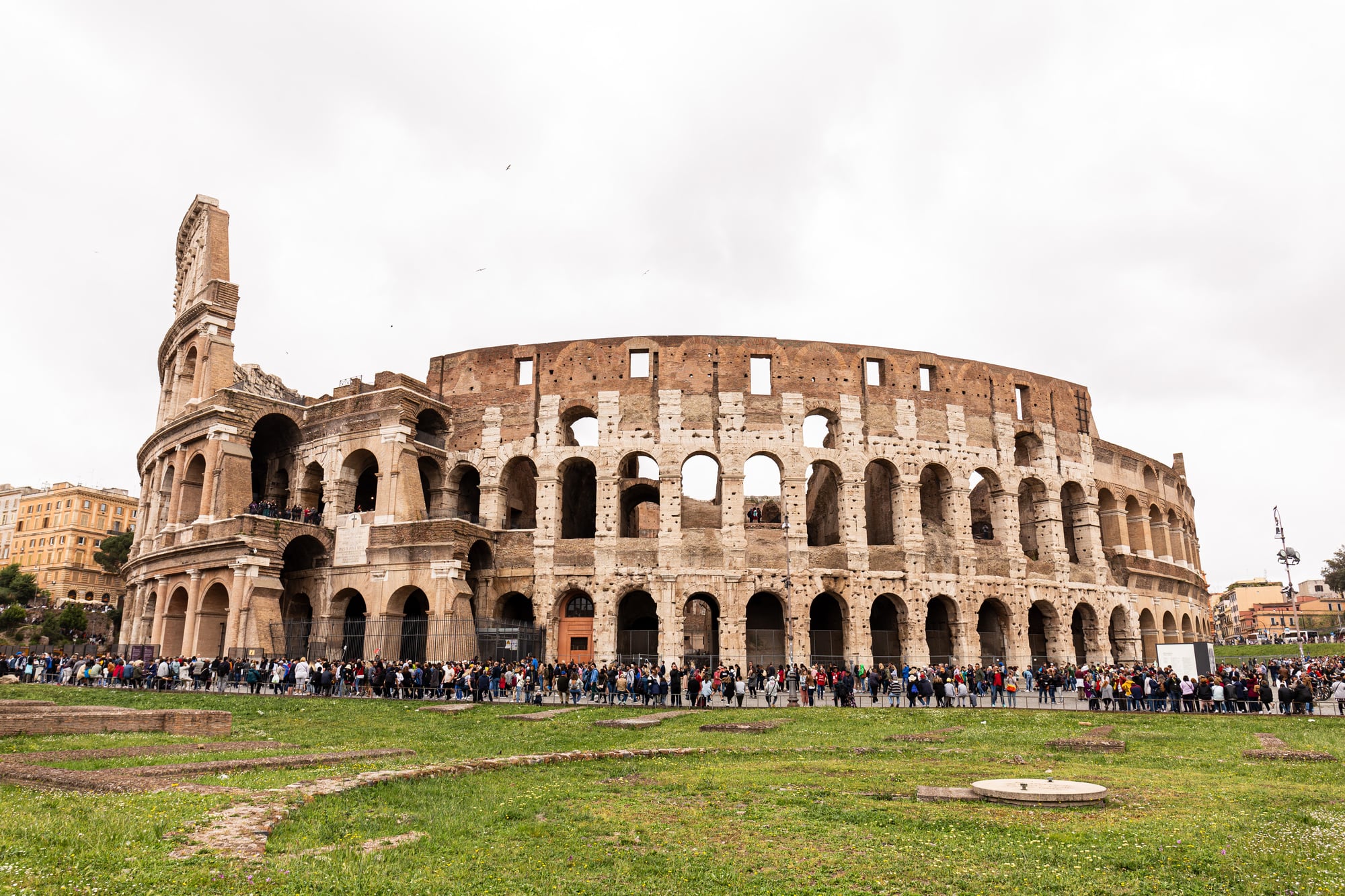
The Eternal City earned its nickname, but that doesn’t mean it stayed frozen in time. Early color photographs from the 1920s show a Rome where shepherds still grazed sheep in the Forum, where the Spanish Steps weren’t surrounded by luxury boutiques, and where you could actually see the Colosseum without fighting through crowds of tourists snapping selfies.
Modern Rome layered shopping districts and traffic jams over ancient cobblestones. The monuments survived, but the context shifted entirely.
London
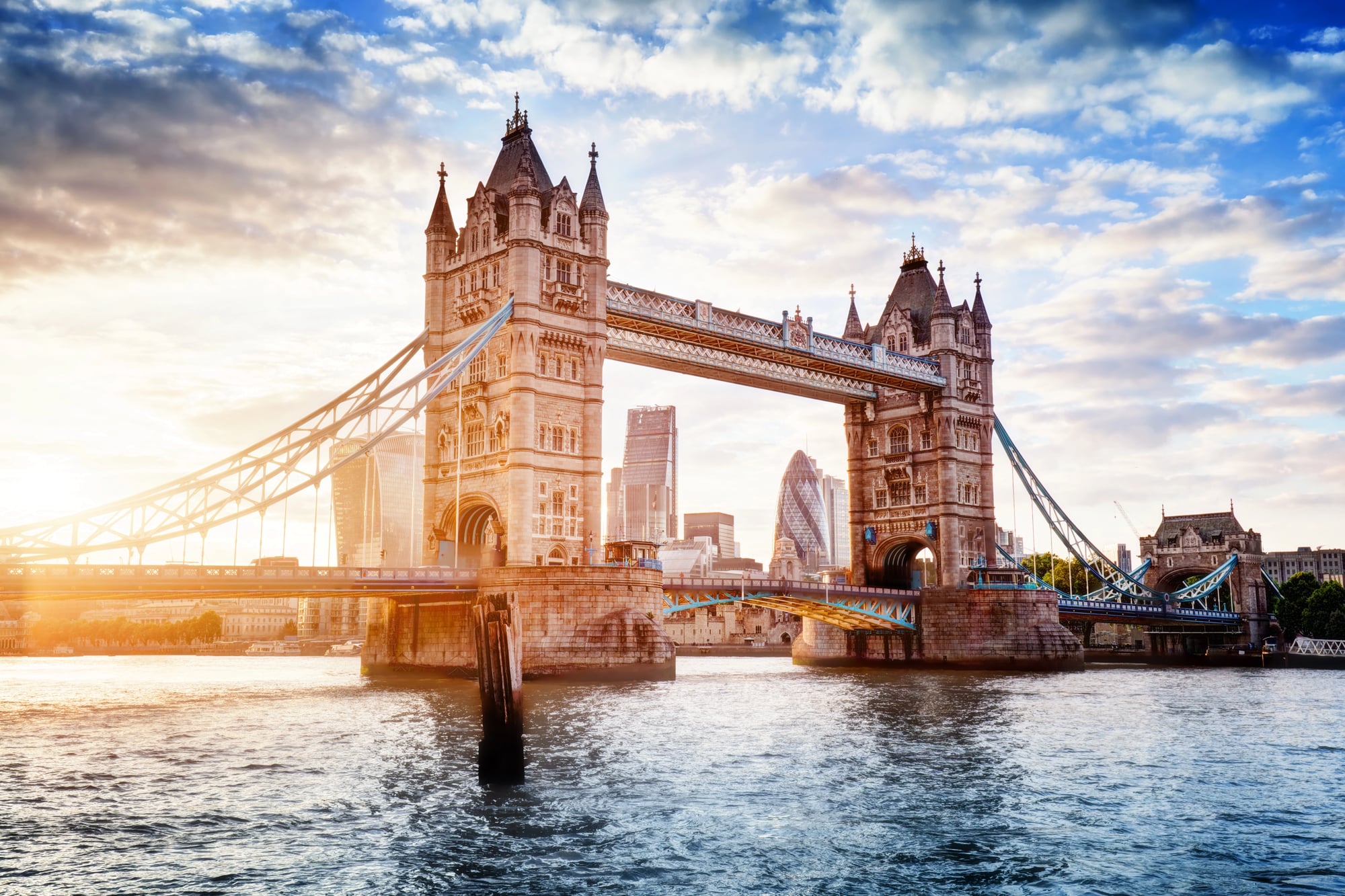
London’s transformation reads like a masterclass in resilience and reinvention. The 1940s color photos—rare and precious—show a city rebuilding itself after the Blitz, where bomb sites sat next to centuries-old churches, and where the Thames still functioned as a working river rather than a tourist attraction.
Smog was real then, thick enough that people disappeared into it just blocks away from their homes (which explains why those photos often look slightly hazy, even when the technique was perfect). And yet the London that emerged from reconstruction bears almost no resemblance to that wounded, determined city.
The financial district now gleams with glass and steel that would have been unimaginable to someone standing in the same spot seventy years ago, watching cranes slowly lift rubble from what had been their neighborhood just months before—though the pigeons, as it turns out, have remained remarkably consistent in both number and attitude.
Paris
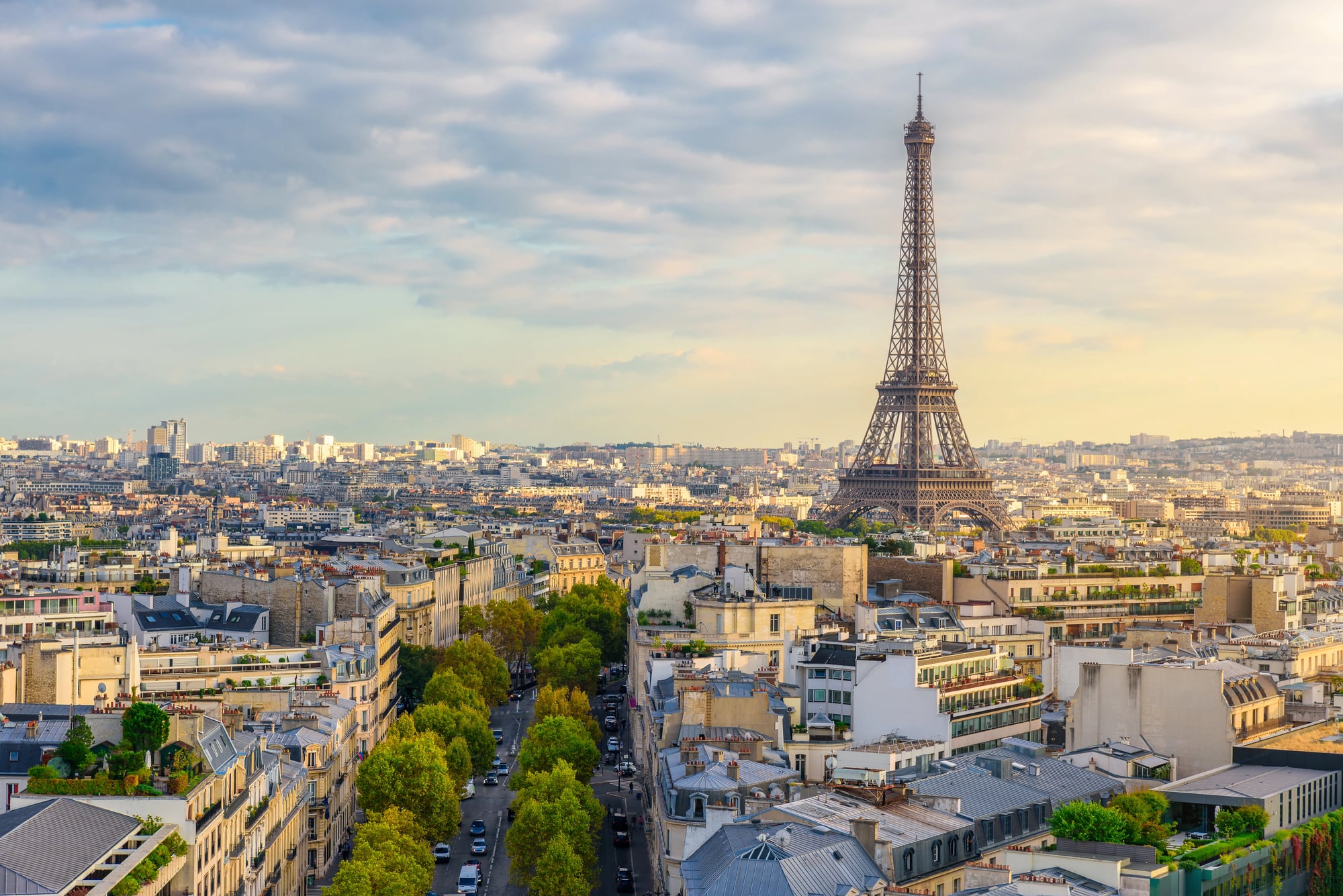
Paris refuses to let anyone forget that it was designed to be beautiful. Color photographs from the 1950s reveal a city already aware of its own elegance but not yet convinced it needed to preserve every detail as a museum piece.
The café culture existed, but without the self-consciousness. People sat at outdoor tables because they wanted coffee, not because they wanted to recreate scenes from movies.
The Eiffel Tower drew visitors, but it hadn’t yet become the sort of landmark that required two-hour lines just to climb it.
Tokyo
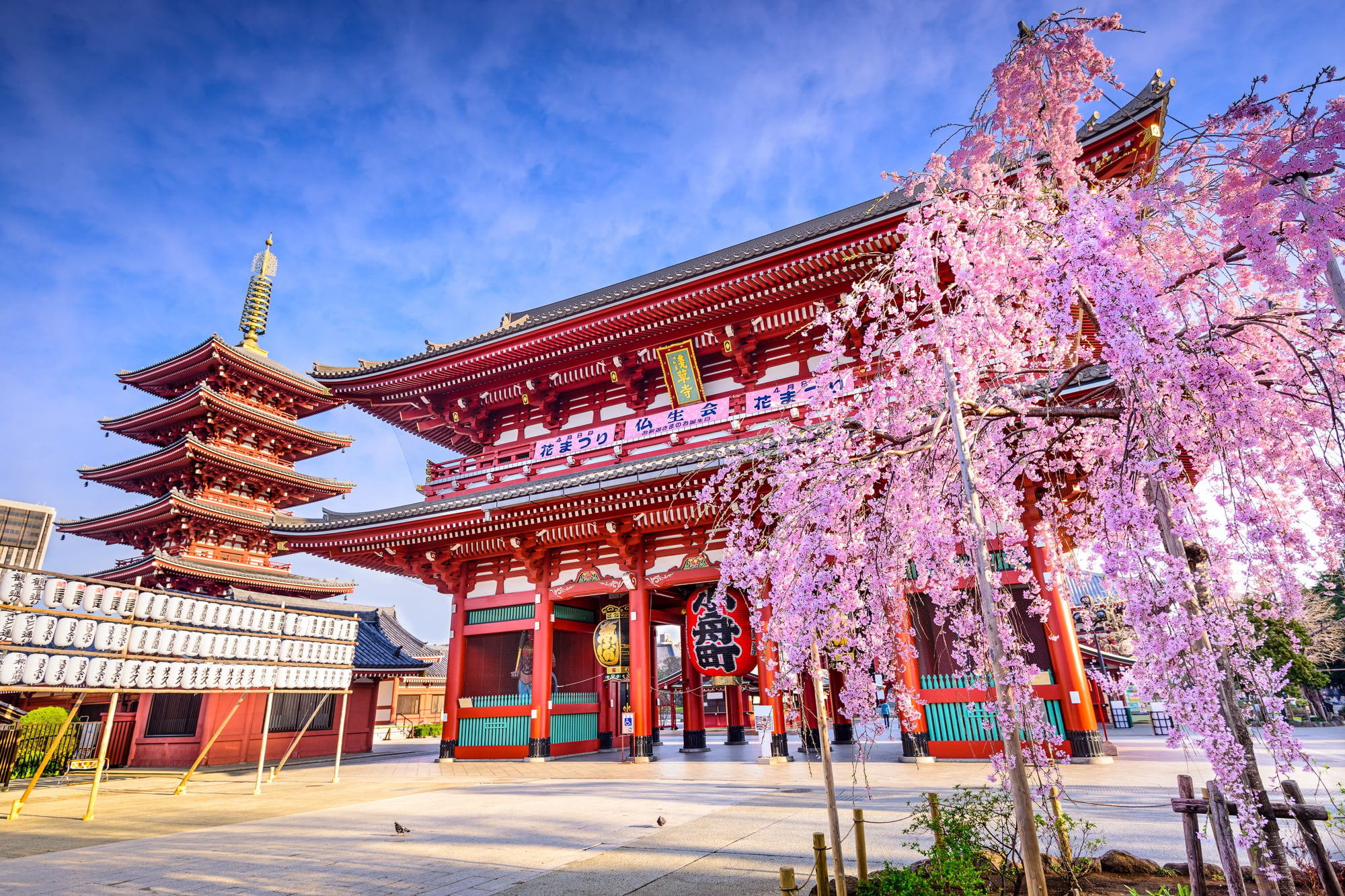
Tokyo’s before-and-after story makes every other capital transformation look modest. Color photos from the 1960s show a city caught between wooden temples and the first hints of the neon jungle it would become.
Traditional architecture still dominated neighborhoods that would be completely unrecognizable within a decade.
The speed of change was brutal and breathtaking. What took London centuries and Rome millennia, Tokyo accomplished in roughly thirty years.
And then kept going.
Istanbul
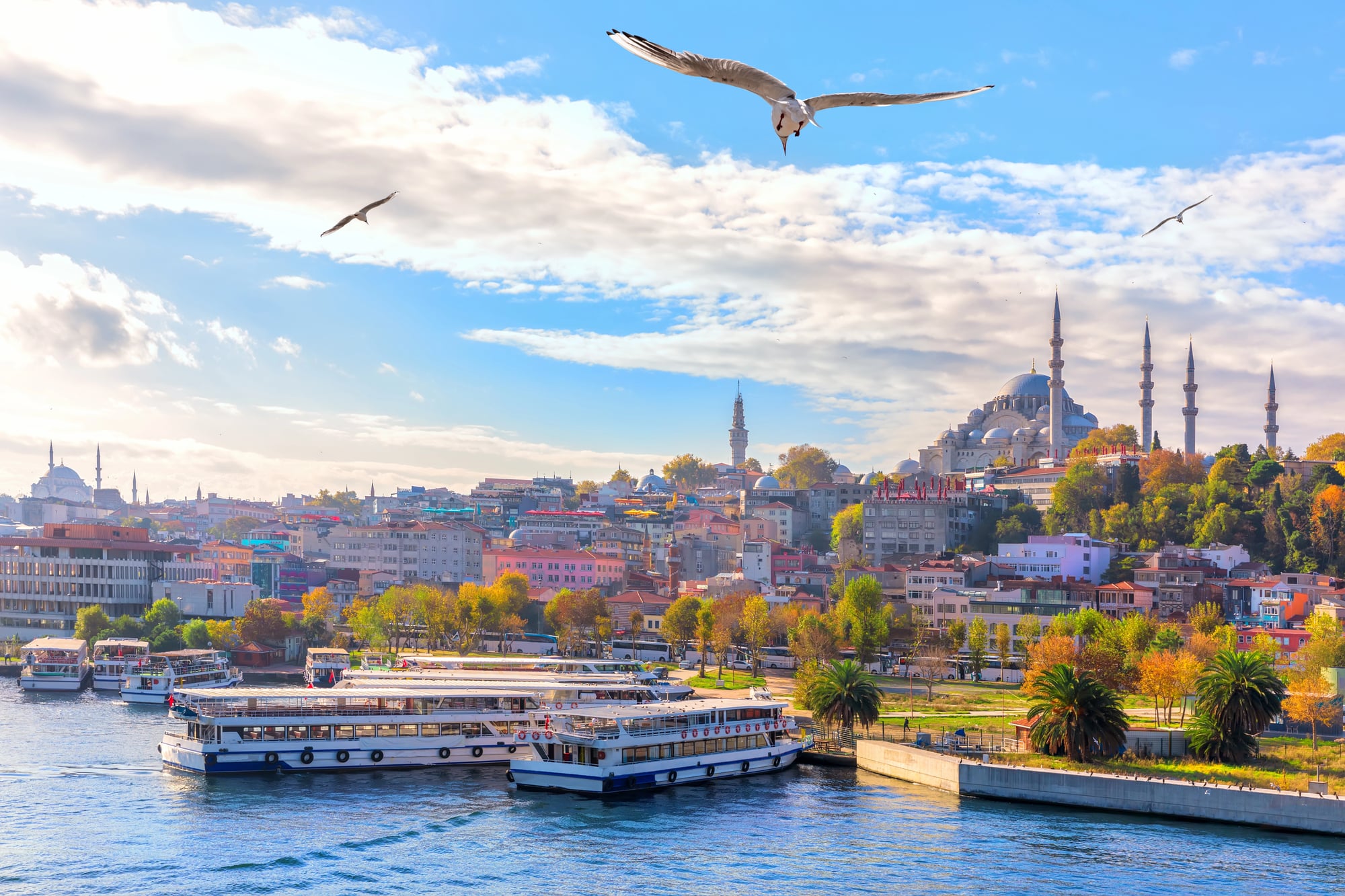
Istanbul bridges more than just two continents—it bridges empires, religions, and entirely different concepts of what a city should be. Early color photographs capture a place where minarets shared skylines with Byzantine domes, where the Bosphorus still served as a highway for local fishermen rather than cruise ships, and where the Grand Bazaar operated without the aggressive tourist industry that now defines much of the old city.
The layers remain visible, but the balance shifted. Modern Istanbul wears its history like jewelry now—beautiful, valuable, but no longer functional in quite the same way it once was.
So you can still find moments where the old city emerges, usually early in the morning before the crowds arrive, when the light hits the water at just the right angle and the call to prayer echoes off stones that have heard the same sound for centuries.
Beijing
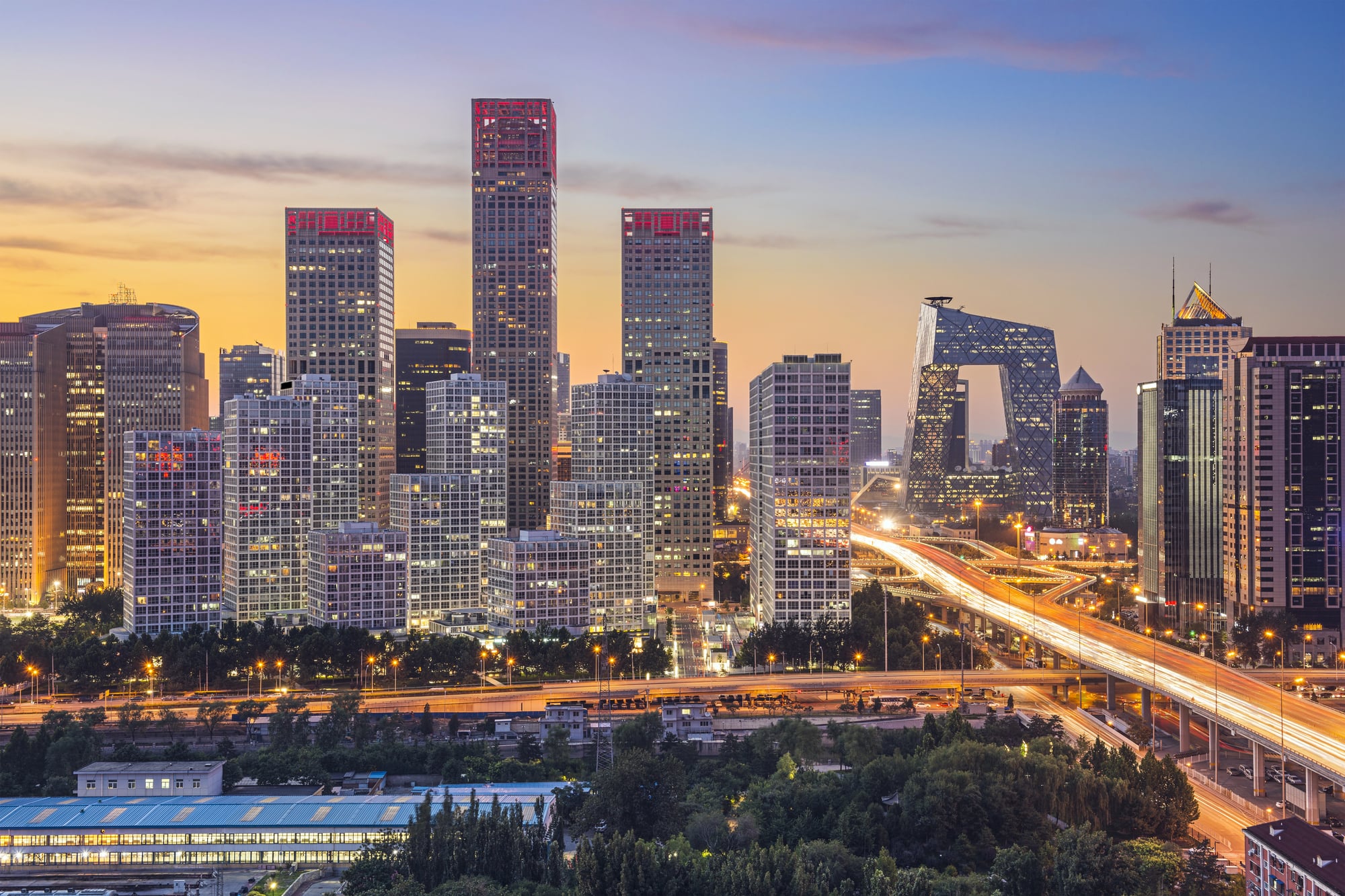
Beijing’s transformation amounts to controlled demolition and reconstruction on a scale that defies comprehension. Color photographs from the 1980s show a city of hutongs—narrow alleys lined with traditional courtyard houses where families had lived for generations.
The Forbidden City dominated the center, but it felt connected to the neighborhoods around it rather than isolated as a tourist destination.
Modern Beijing buried most of that intimate architecture under highways and high-rises. The old city still exists, but in fragments, like archaeological sites scattered throughout a completely different civilization.
Vienna
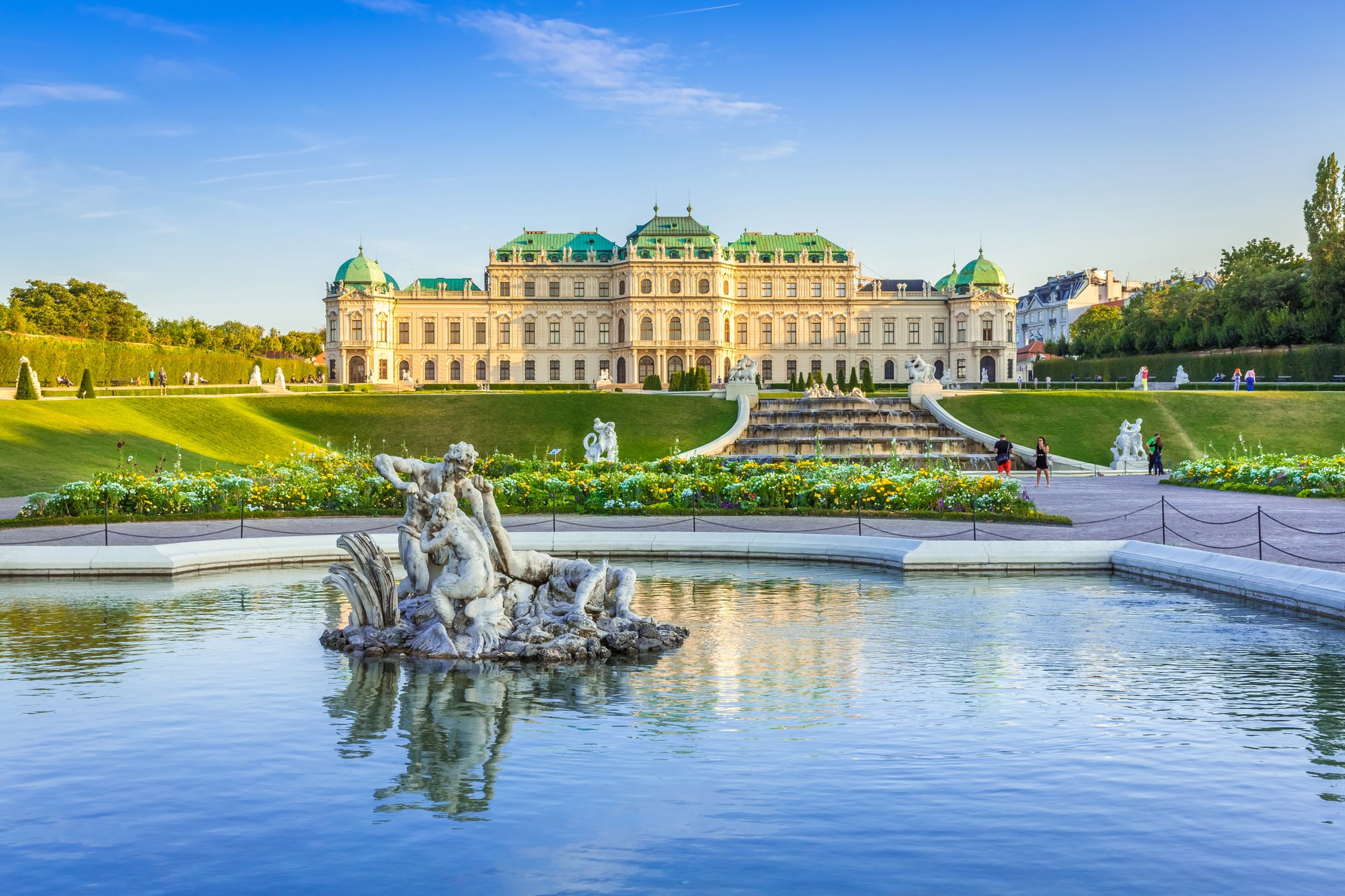
Vienna polished itself until it gleamed, then decided that level of perfection was sustainable forever. Color photos from the post-war era show a city rebuilding with characteristic Austrian precision—every detail considered, every restoration executed to standards that bordered on obsessive.
The result feels almost too beautiful to be entirely real. Modern Vienna maintains its imperial architecture so meticulously that walking through the city center can feel like touring a very expensive movie set.
Nothing looks old because everything has been maintained to look exactly as it did when it was new.
Cairo
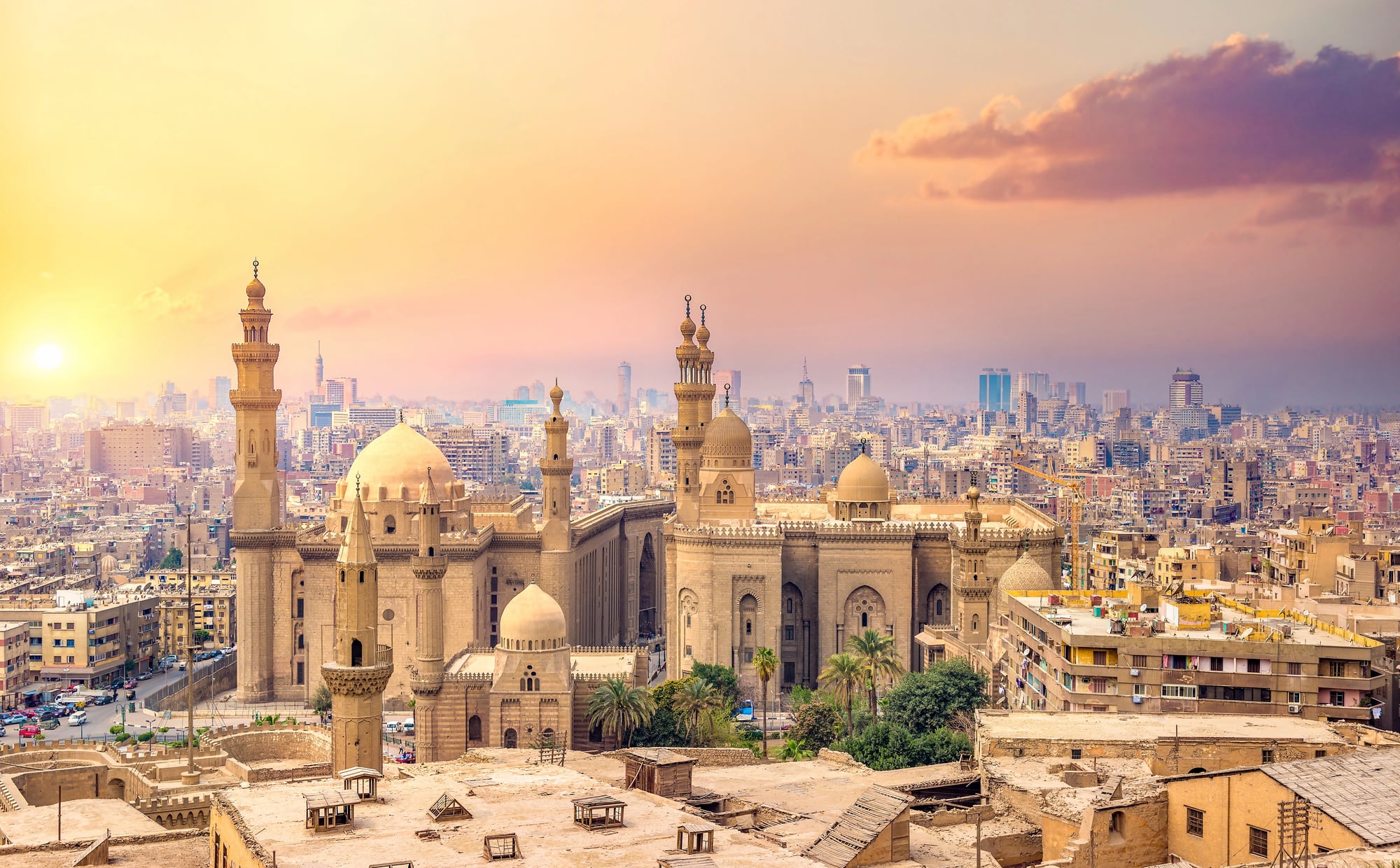
Cairo’s story unfolds in dust and centuries, where pharaonic monuments share the same neighborhoods as medieval Islamic architecture and modern concrete apartment blocks. Early color photography captured a city where the ancient and the everyday coexisted without the careful separation that tourism would later demand (and where the Pyramids still felt connected to the city rather than isolated in their own carefully managed bubble of historical preservation).
The Nile ran cleaner then, and the population was perhaps a third of what it is today. You could still see the desert from the city center without squinting through smog and construction dust—though the calls of street vendors and the sound of donkey carts on cobblestones created the same symphony of organized chaos that defines Cairo today, just at a different volume and tempo.
St. Petersburg
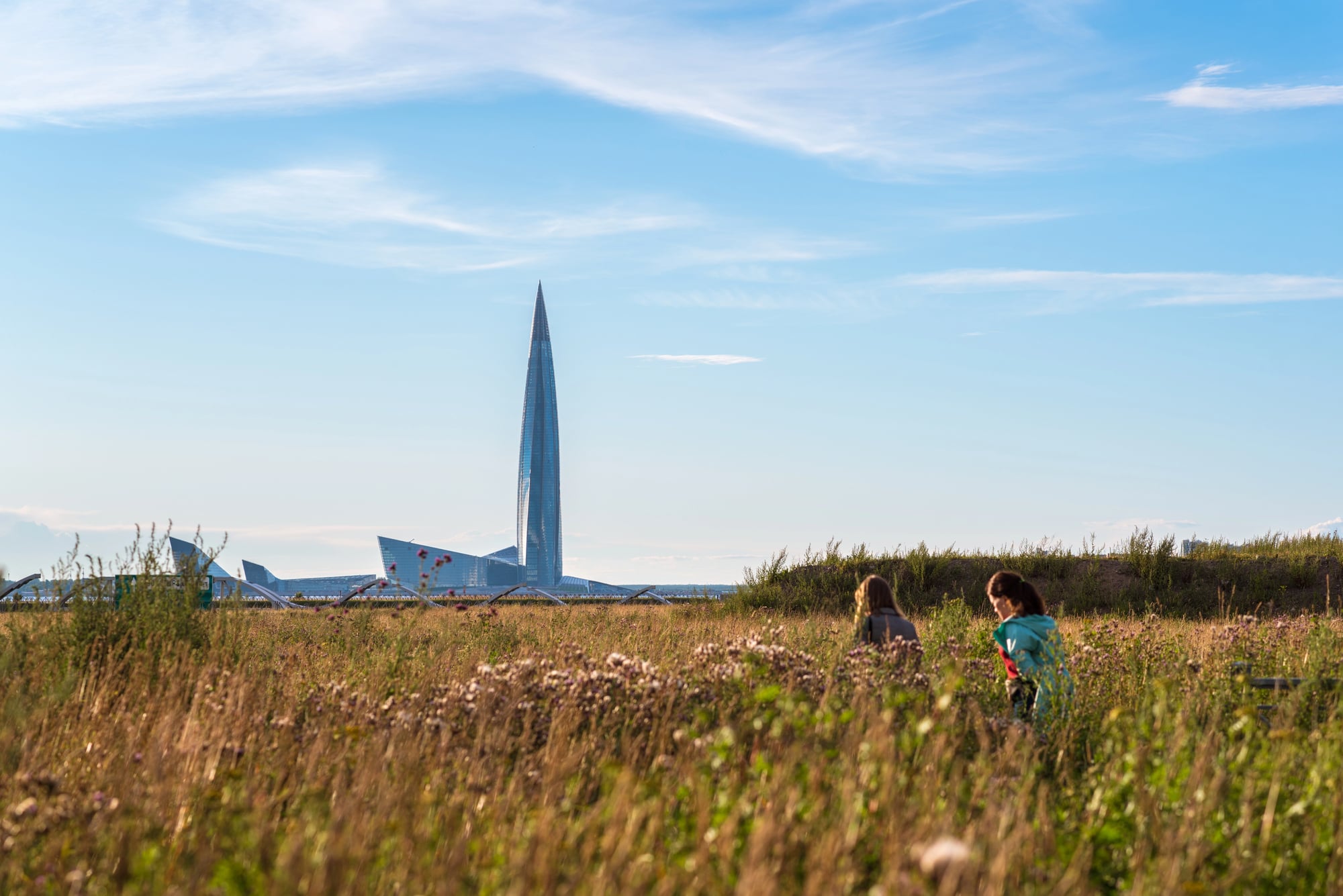
St. Petersburg survived revolutions, sieges, and name changes to emerge as something like a miracle of preservation. Color photographs from the Soviet era show a city maintaining its imperial grandeur through sheer stubborn pride, even when the political system that created that grandeur had been completely dismantled.
The palaces and canals remained intact, but the context transformed entirely. Modern St. Petersburg restored its original name and much of its original splendor, though the city now functions as a monument to a lost world rather than the living capital it once was.
Mexico City
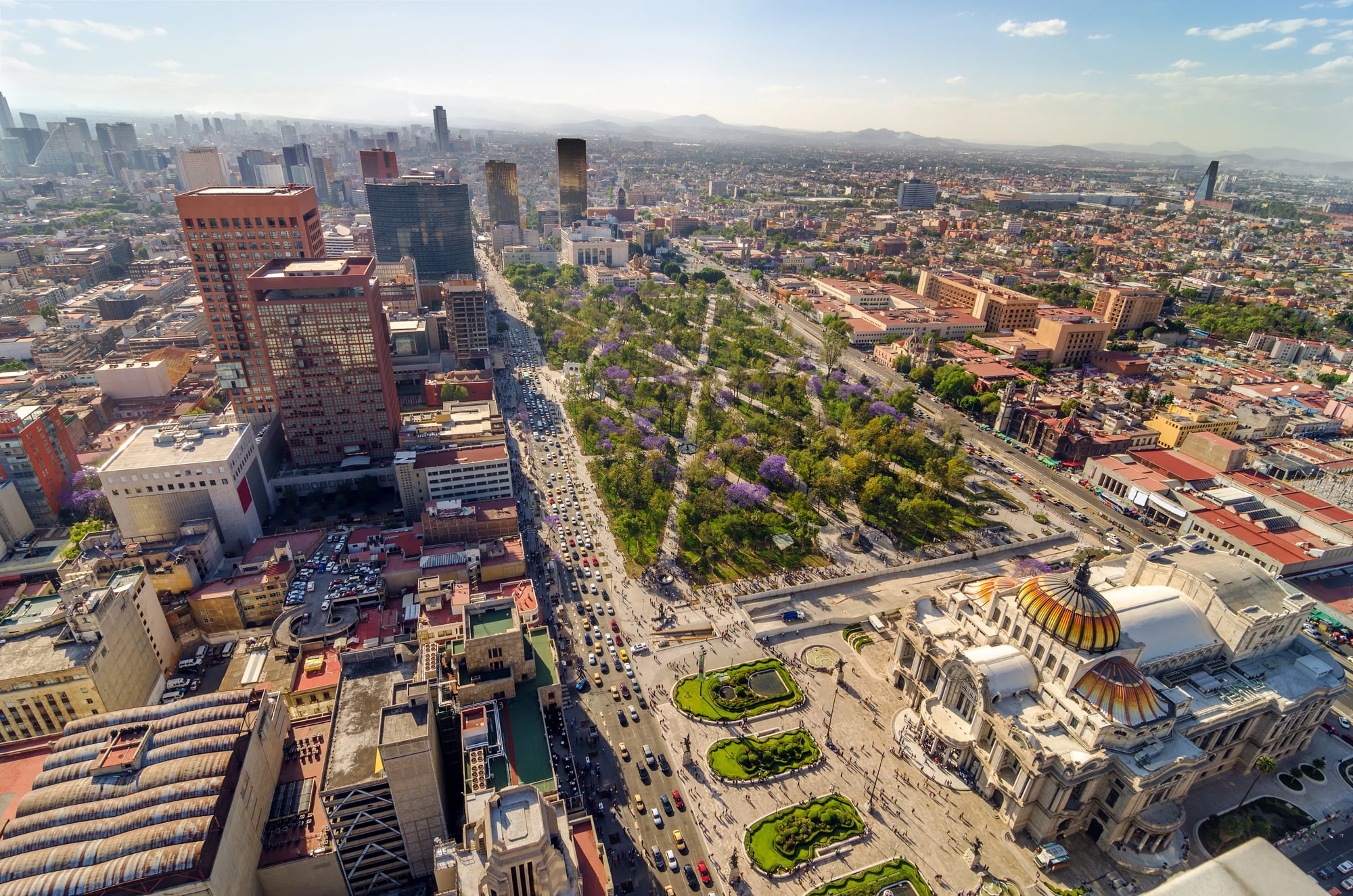
Mexico City built itself on top of itself so many times that archaeologists still discover Aztec temples underneath colonial churches underneath modern buildings. Color photos from the mid-20th century show a city where these layers remained visible—where you could see the ancient lake bed in the way buildings settled, and where indigenous markets operated alongside Spanish colonial architecture without the self-conscious preservation efforts that would come later.
The growth since then has been explosive and largely uncontrolled. Modern Mexico City spreads across the valley floor in a sprawl that would be unrecognizable to someone from just fifty years ago.
Athens
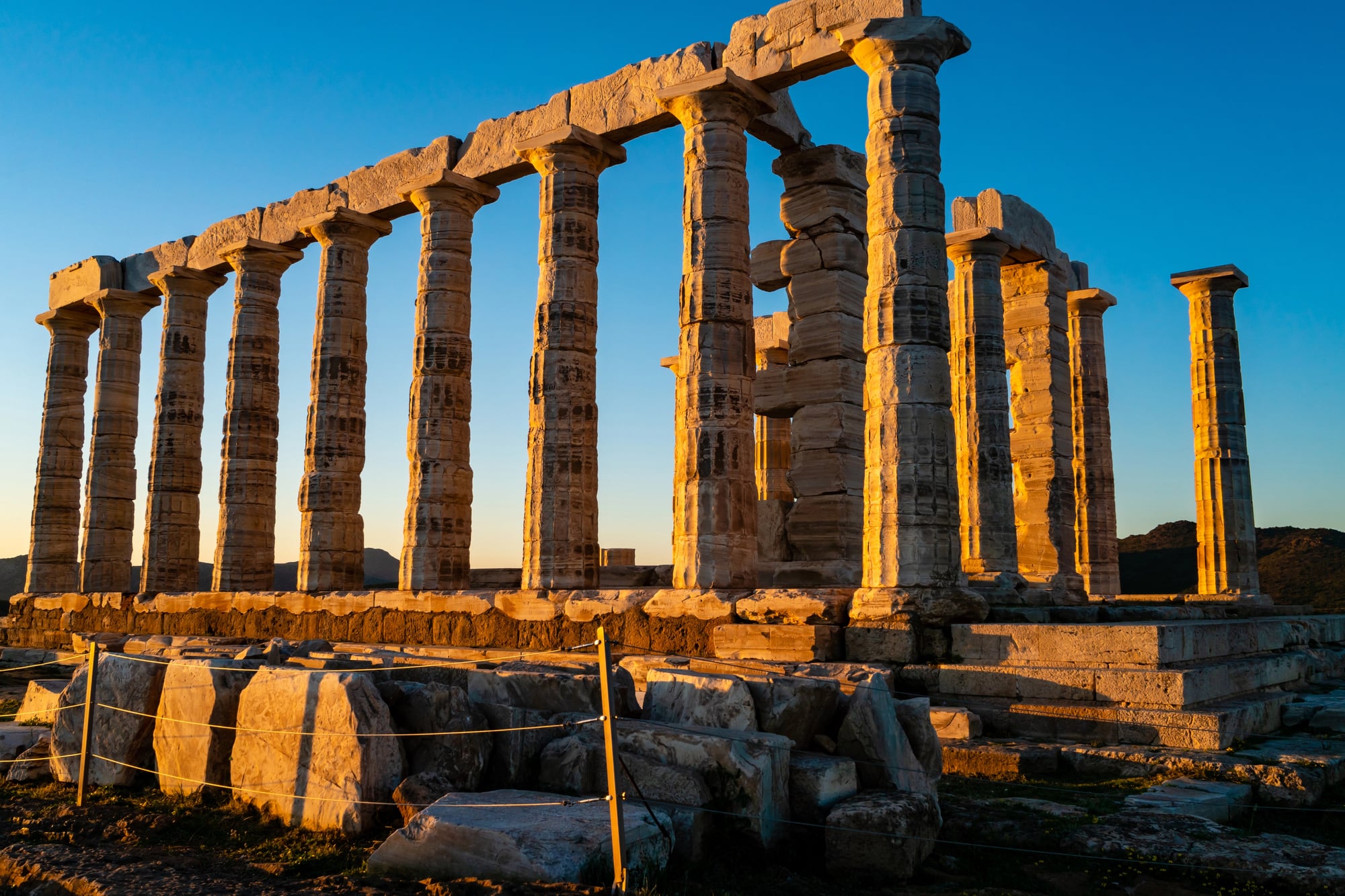
Athens wears its ancient history like an uncomfortable crown—beautiful, significant, and occasionally overwhelming for everyone involved. Early color photographs show the Acropolis rising above a relatively modest city where classical ruins felt integrated into daily life rather than cordoned off as tourist attractions.
Modern Athens struggles with the weight of its own importance. The ancient sites remain spectacular, but they now exist within a contemporary city that often feels overshadowed by its own past.
Moscow
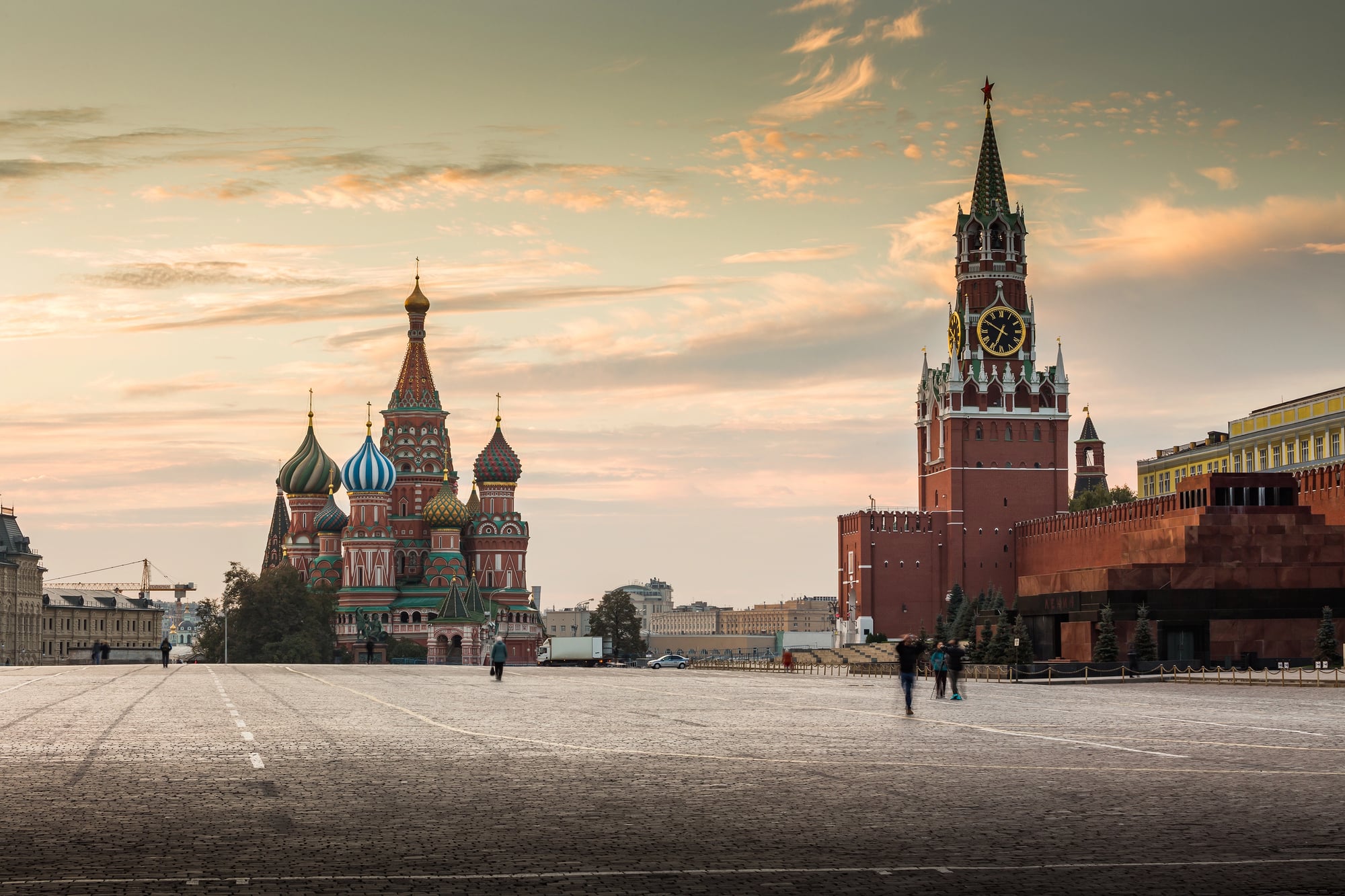
Moscow’s transformation reads like political theory expressed in architecture. Color photographs from the Soviet era show Red Square as the ceremonial heart of a communist empire, where the Kremlin’s medieval walls enclosed the nerve center of a modern superpower, and where St. Basil’s Cathedral stood as a reminder of the Orthodox Christian world that socialism had supposedly replaced.
The political system collapsed, but the buildings remained, now serving completely different purposes for a completely different society. Modern Moscow gleams with capitalism while maintaining the monumental architecture of its communist decades, creating a visual contradiction that somehow works.
Delhi
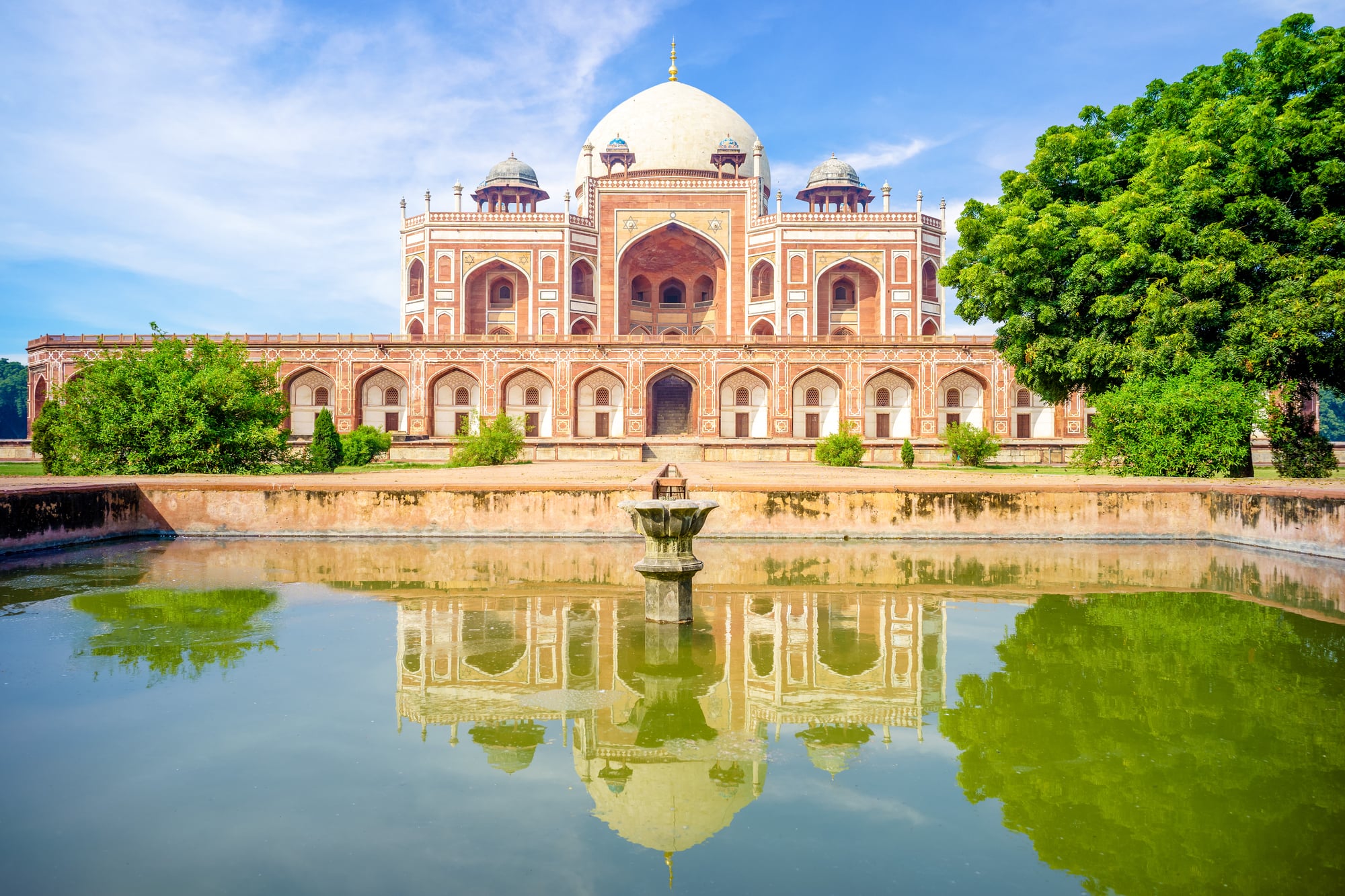
Delhi contains multiple cities within its current borders—each built by different empires, each representing a different vision of what the capital of India should look like. Color photographs from the early independence era show Old Delhi’s Mughal architecture and New Delhi’s British colonial planning coexisting as separate worlds within the same metropolitan area.
Modern Delhi added a third layer of contemporary India—tech centers, shopping malls, and highways that connect and sometimes overwhelm the historical cities underneath. The result feels less like urban planning and more like geological stratification, where different eras of civilization pile on top of each other until the original ground level becomes a matter of archaeological speculation.
Living History in Motion
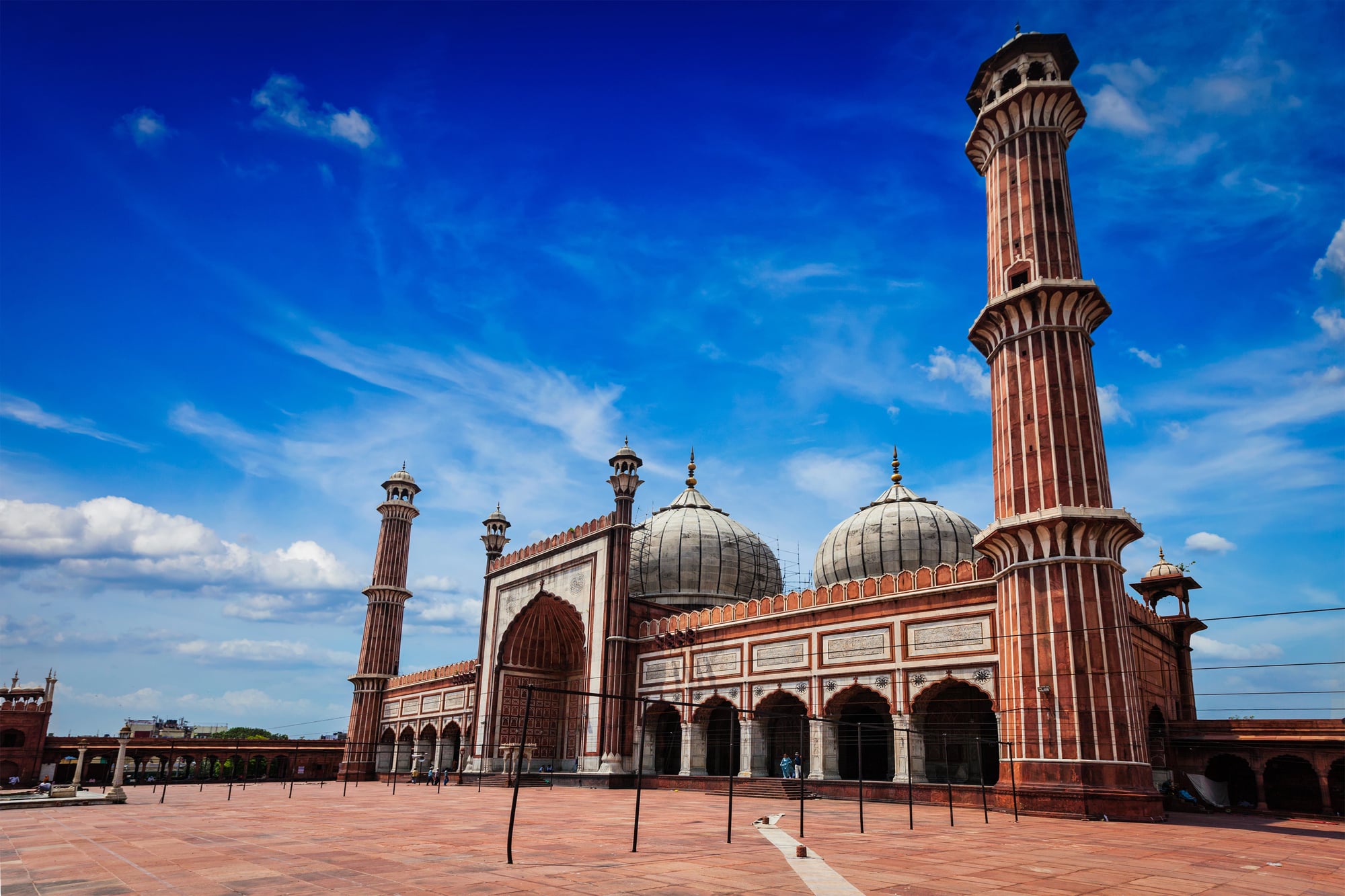
Cities breathe differently when they’re not trying to preserve themselves. The color photographs of these historic capitals reveal places that were simply going about the business of daily life, unaware they were creating the “before” images for future comparisons.
People walked these streets to get somewhere, not to experience history. Buildings housed families and businesses, not museums dedicated to their own significance.
Perhaps that’s what makes these images so compelling—they caught these capitals in the act of becoming themselves rather than performing the roles they now play. The transformation continues, of course, but now it happens under the weight of awareness that every change becomes part of the historical record.
These cities have become conscious of their own importance in a way that changes how they grow, how they preserve themselves, and how they balance the needs of people who live there with the expectations of people who visit to witness history in progress.
More from Go2Tutors!

- The Romanov Crown Jewels and Their Tragic Fate
- 13 Historical Mysteries That Science Still Can’t Solve
- Famous Hoaxes That Fooled the World for Years
- 15 Child Stars with Tragic Adult Lives
- 16 Famous Jewelry Pieces in History
Like Go2Tutors’s content? Follow us on MSN.