17 Oldest Surviving Photographs Known to Humankind
Photography feels so natural now that it’s hard to imagine a world without it. Every moment gets captured, stored, shared, and forgotten within hours.
But there was a time when freezing light itself seemed like magic — when the idea that you could make shadows permanent was revolutionary enough to change everything. The oldest photographs that survive today aren’t just images; they’re windows into the exact moment humanity learned to stop time.
View from the Window at Le Gras
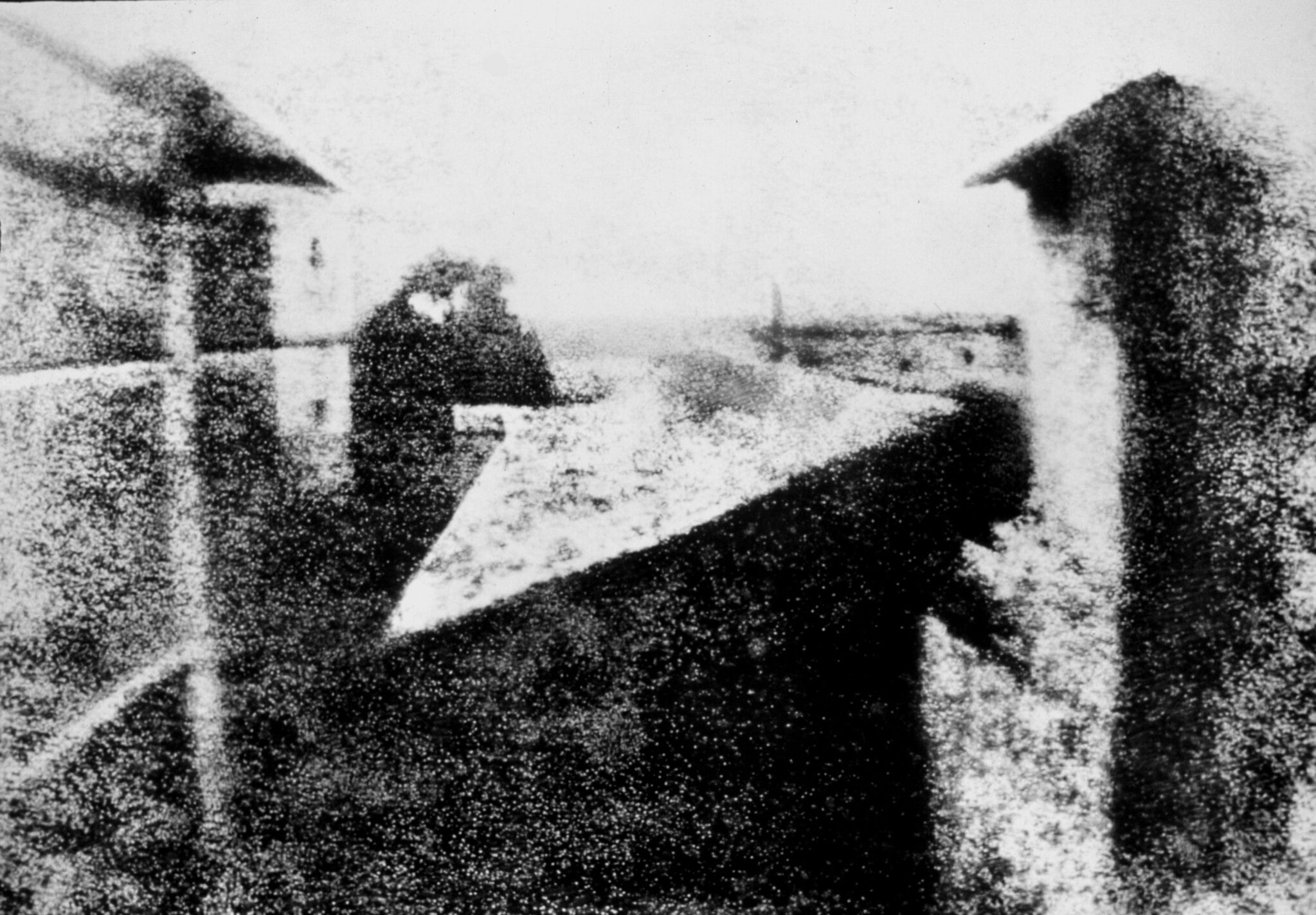
The world’s first permanent photograph doesn’t look like much. Nicéphore Niépce pointed a camera obscura out his window in 1826 and waited eight hours for the light to etch itself onto a pewter plate.
What emerged was a blurry view of rooftops and buildings that barely resembles a photograph by today’s standards. But it changed everything — this grainy, almost abstract image proved that light could be captured and kept.
Boulevard du Temple
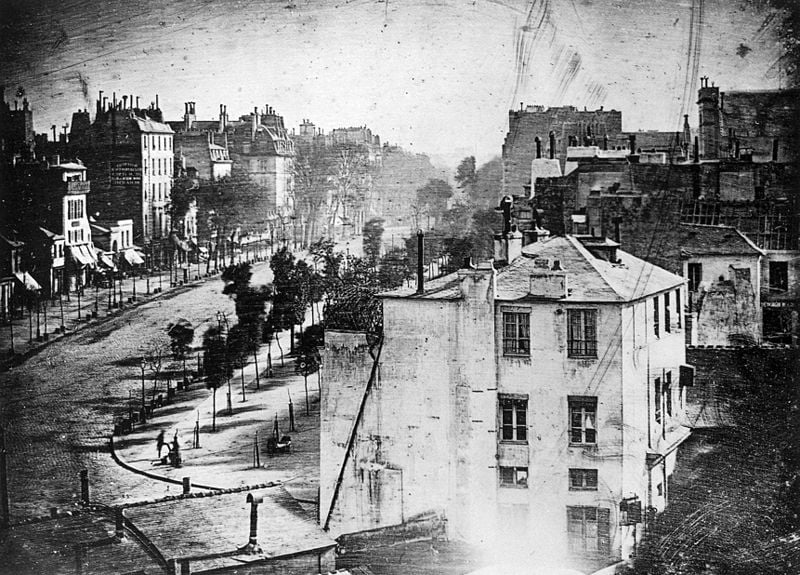
Louis Daguerre’s 1838 daguerreotype of a Paris street appears empty at first glance (because moving carriages and pedestrians couldn’t stay still long enough during the long exposure to register on the plate), but look closer and something remarkable emerges. There, on the lower left corner, stands a man getting his shoes polished — the first human being ever captured in a photograph.
He had no idea he was about to become immortal simply by standing still long enough for the camera to notice him. And yet there’s something haunting about that solitary figure on an otherwise ghostly boulevard, as if he’s the last person left in the world, frozen forever in that moment of ordinary vanity.
First Photographic Portrait
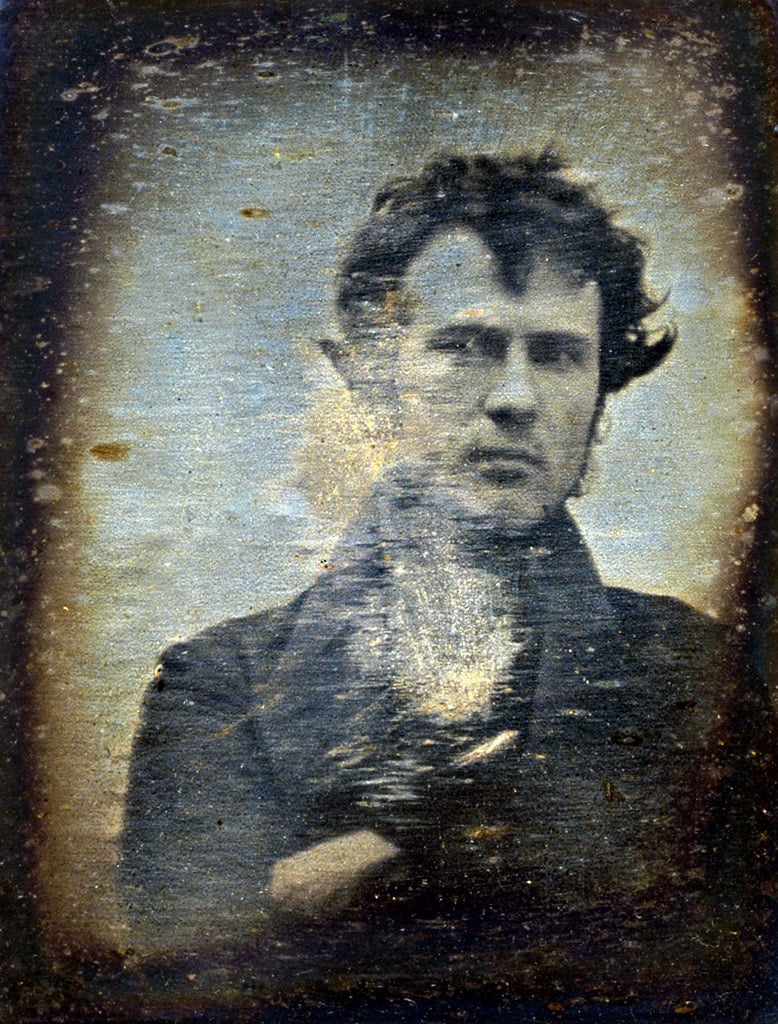
Robert Cornelius took what many consider the first photographic self-portrait in 1839. He set up his camera outside his family’s lamp and chandelier store in Philadelphia, removed the lens cap, ran into frame, stood still for several minutes, then ran back to replace the cap.
On the back, he wrote, “The first light picture ever taken. 1839.” The man had confidence in his work, which is saying something for a medium that barely existed.
The First Photograph of the Moon
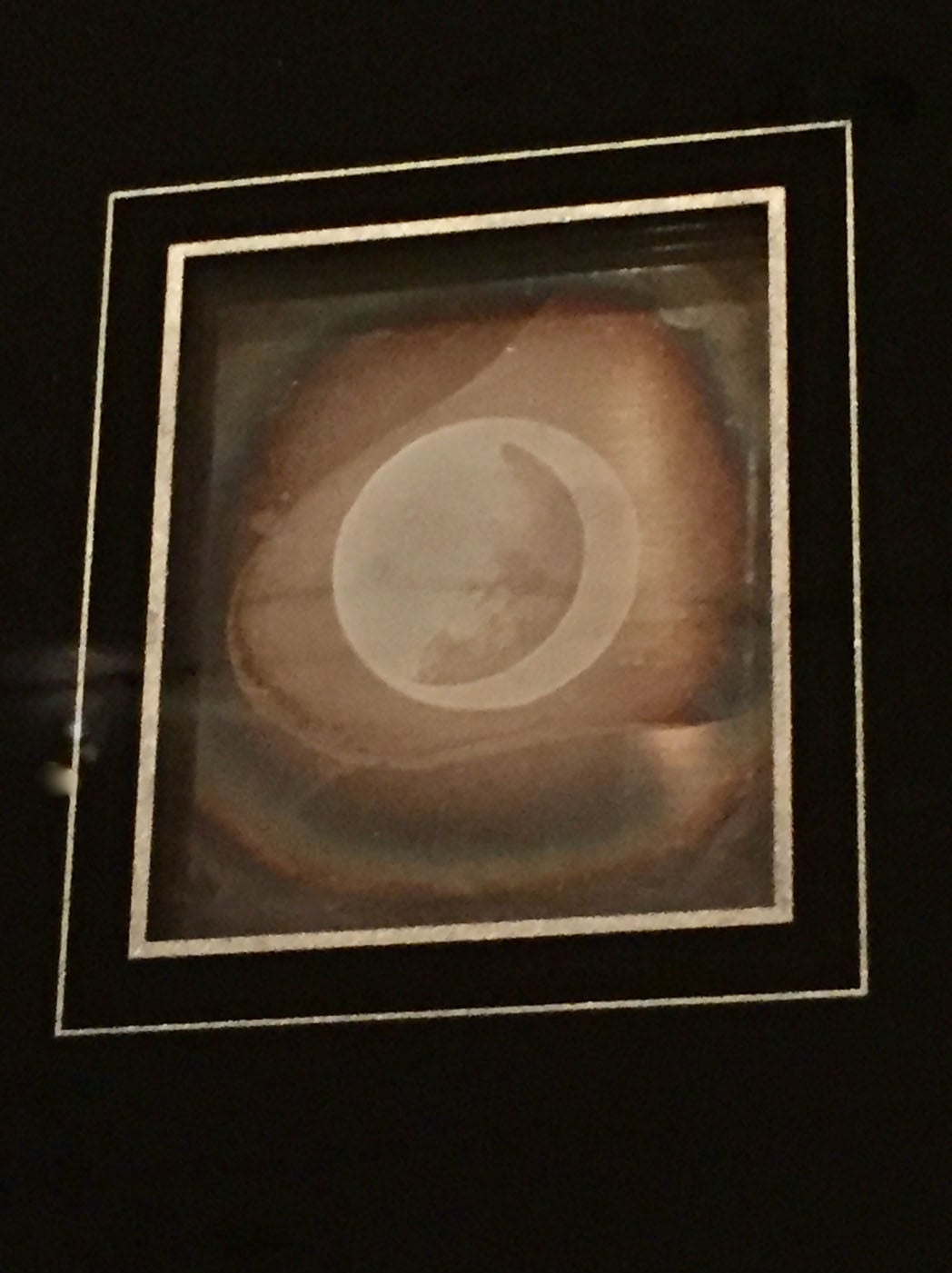
John William Draper aimed his telescope at the moon in 1840 and managed to capture what appears to be a bright, fuzzy circle against a dark background. It’s not going to win any awards for clarity, but consider this: someone figured out how to photograph an object 238,900 miles away using technology that had been invented less than twenty years earlier.
The moon had been stared at, painted, and written about for millennia, but Draper was the first to make it sit still for a portrait.
Dorothy Catherine Draper
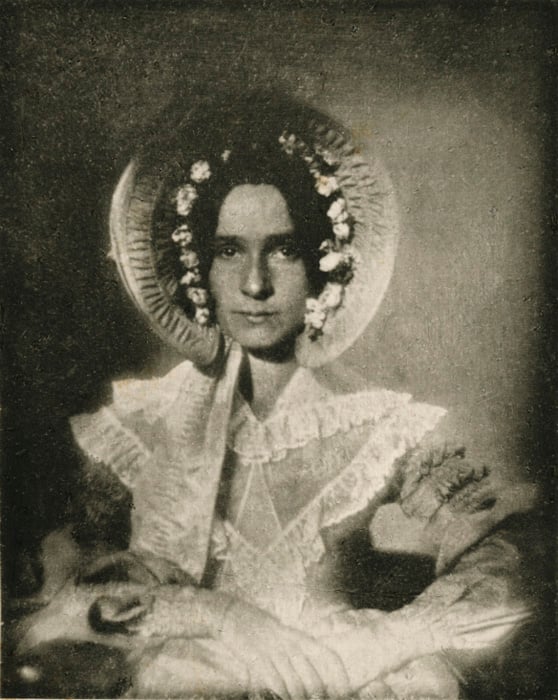
John Draper (the same man who photographed the moon) turned his camera on his sister Dorothy in 1840, creating one of the first successful portraits of a woman. She sits with her eyes closed — not from any artistic choice, but because the long exposure time made it nearly impossible to keep them open without blinking and ruining the image.
What’s remarkable is how the technical limitations of early photography accidentally created an intimacy that feels almost spiritual; Dorothy appears to be in a state of meditation rather than simply sitting for a photograph, as if the camera has captured not just her appearance but something deeper (which, in a way, it had — her patience, her trust in this experimental process, her willingness to sit motionless while light slowly burned her image onto a metal plate). So many early portraits have this same quality of unexpected grace.
The subjects look like they’re holding their breath, which they essentially were.
First War Photograph
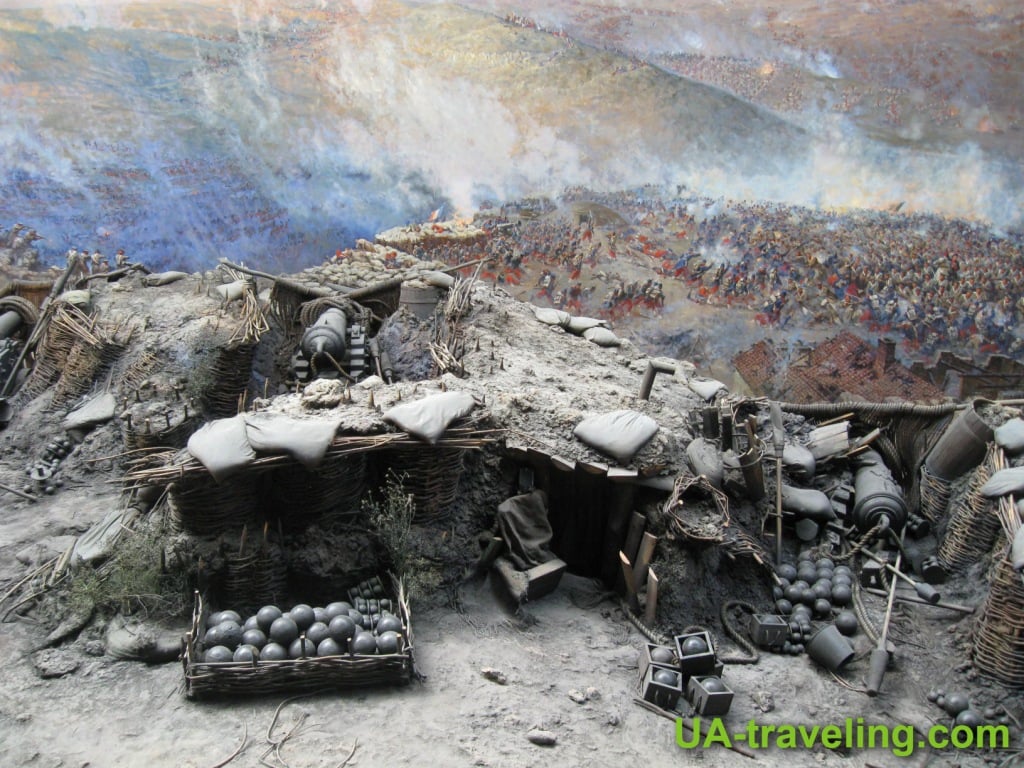
The earliest known war photograph shows British ships in Balaklava harbor during the Crimean War, taken by Roger Fenton around 1855. War had been painted and described, but never documented with this kind of stark accuracy.
Fenton couldn’t capture battle scenes — the exposure times were too long and the equipment too cumbersome — so he photographed the aftermath, the quiet moments, the empty battlefields littered with cannonballs. The result was somehow more disturbing than any action shot could have been.
First Aerial Photograph
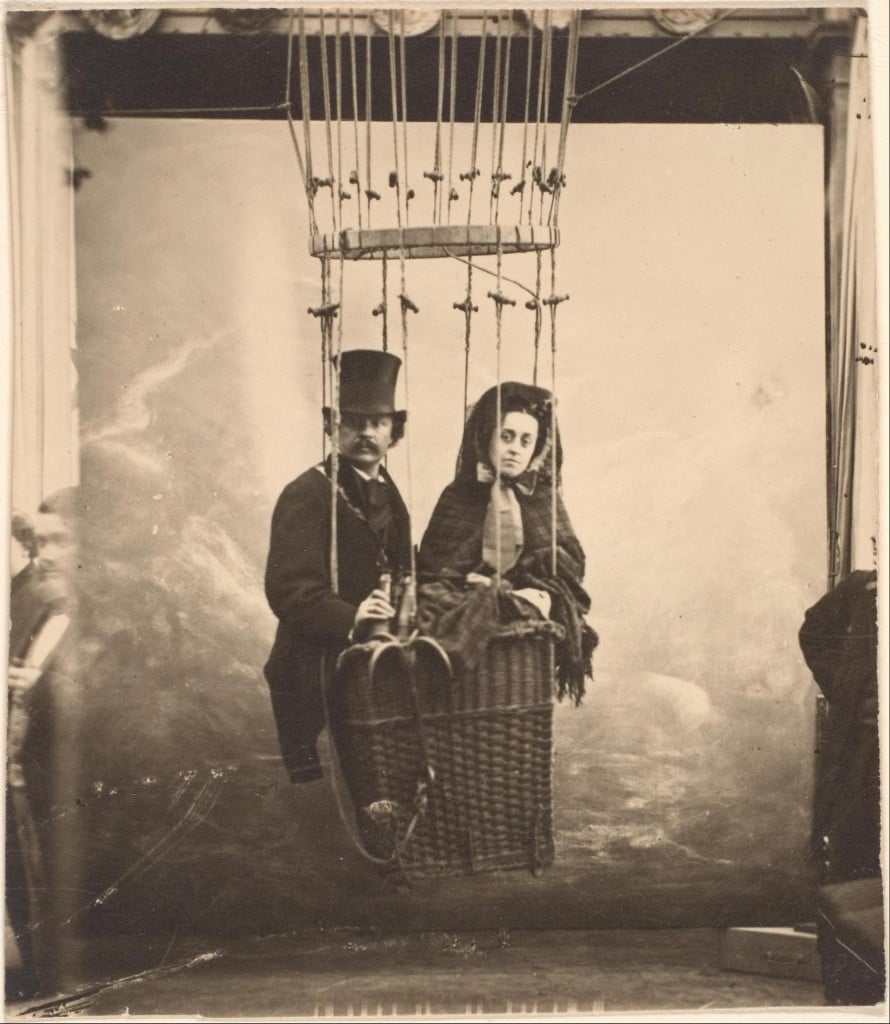
Gaspard-Félix Tournachon, known as Nadar, took the first successful aerial photograph from a balloon over Paris in 1858. Most people had never seen their world from above — maps were abstract, artistic renderings were imaginative, but this was real.
The photograph itself is lost, but surviving examples from his later flights show Paris laid out like a board game. Roads, buildings, and parks reduced to patterns.
It was the first time humans could see themselves from the perspective they’d always imagined belonged only to birds and gods.
First Color Photograph
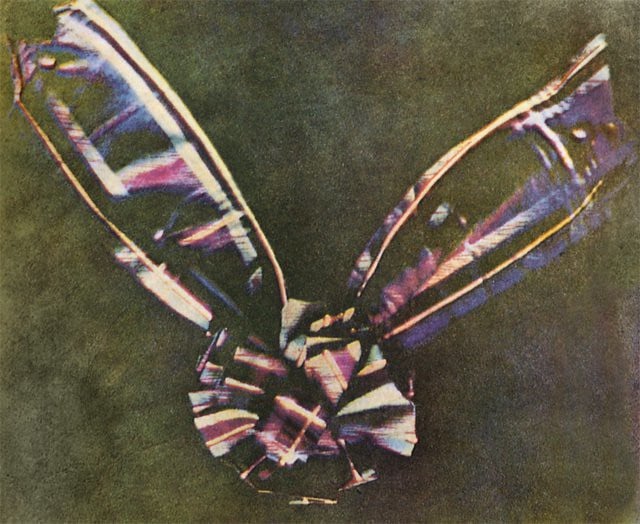
James Clerk Maxwell created the first permanent color photograph in 1861 by taking three separate black-and-white photos through red, green, and blue filters, then projecting them together through the same colored filters onto a screen. His subject was a tartan ribbon — a simple piece of plaid fabric that happened to become the first object ever captured in its true colors rather than shades of gray.
The ribbon itself was unremarkable, but what Maxwell had done was prove that photography didn’t have to live in a world drained of color forever; he’d found a way to steal not just light and shadow, but the full spectrum of what the human eye could see. And yet it would be decades before color photography became practical enough for regular use.
So for now, this single ribbon stood alone in a world of silver and gray images, like a flower blooming in winter.
First Photograph of Lightning
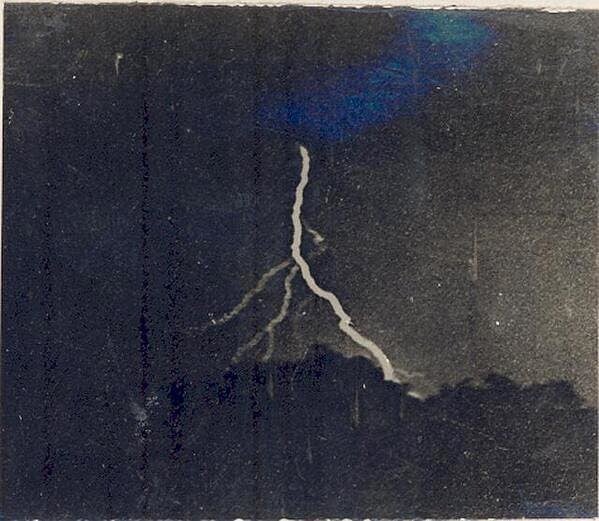
William Jennings captured the first photograph of lightning in 1882. Lightning had always been too fast, too unpredictable, too brief for human technology to catch.
But Jennings set up his camera during a storm and left the shutter open, essentially gambling that lightning would strike while his lens was watching. It did.
The resulting image shows white branches of electricity frozen against a dark sky, turning one of nature’s most violent and temporary displays into something you could hold in your hands and study at leisure.
First Photograph of a Tornado
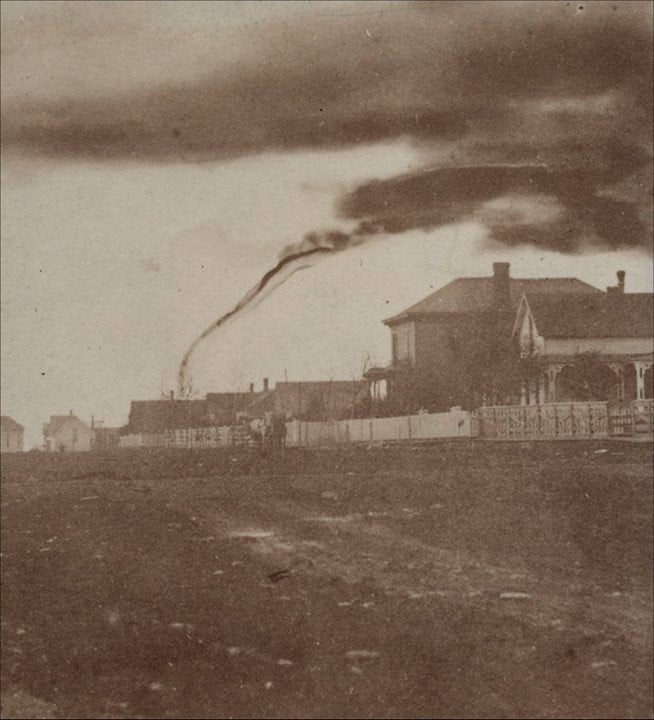
A.A. Adams photographed a tornado near Howard, South Dakota in 1884. Tornados were legendary, mythical almost — described by survivors but never seen by anyone who wasn’t running for their life.
Adams managed to position himself far enough away to be safe but close enough to capture the distinctive funnel shape. The photograph shows a dark column connecting earth to sky, looking both powerful and strangely delicate against the prairie landscape.
First X-Ray Photograph
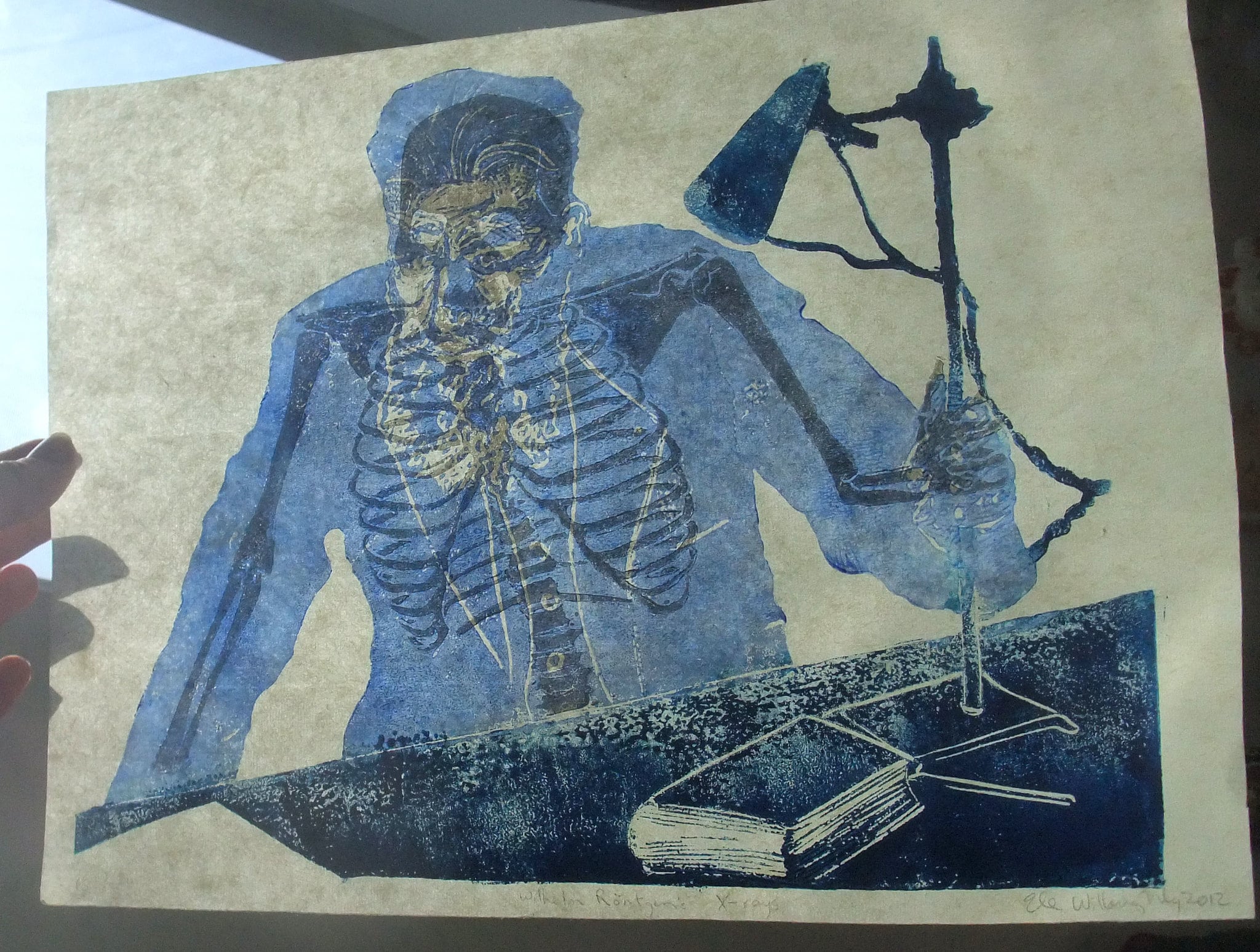
Wilhelm Röntgen discovered X-rays in 1895 and immediately photographed his wife’s hand, creating an image that showed her bones and wedding ring floating in ghostly transparency. Anna Bertha Röntgen looked at the photograph and said, “I have seen my death.”
She wasn’t being dramatic (well, maybe a little dramatic, but who could blame her — seeing your own skeleton for the first time would be unsettling under the best circumstances). The photograph revealed what had always been hidden: the architecture beneath our skin, the framework that holds us together.
It was beautiful and terrifying in equal measure.
First Underwater Photograph
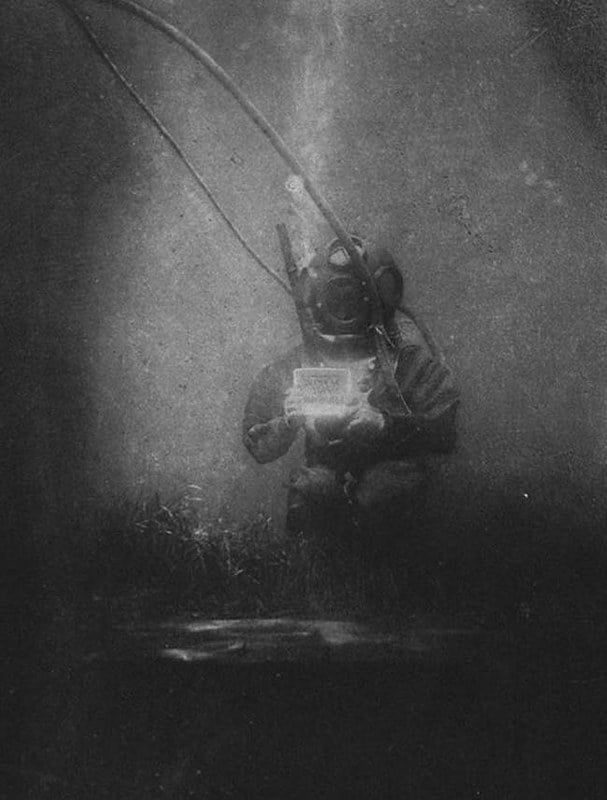
Louis Boutan took the first underwater photograph in Banyuls-sur-Mer, France in 1893. He built a waterproof camera housing and descended into the Mediterranean to photograph the seafloor and marine life.
The images are murky and dark, but they opened up an entire world that had been invisible to surface dwellers. Fish, coral, underwater landscapes — all of it had existed in stories and imagination, but Boutan brought back proof.
The ocean had its own geography, its own inhabitants, its own light.
First Photograph from Space
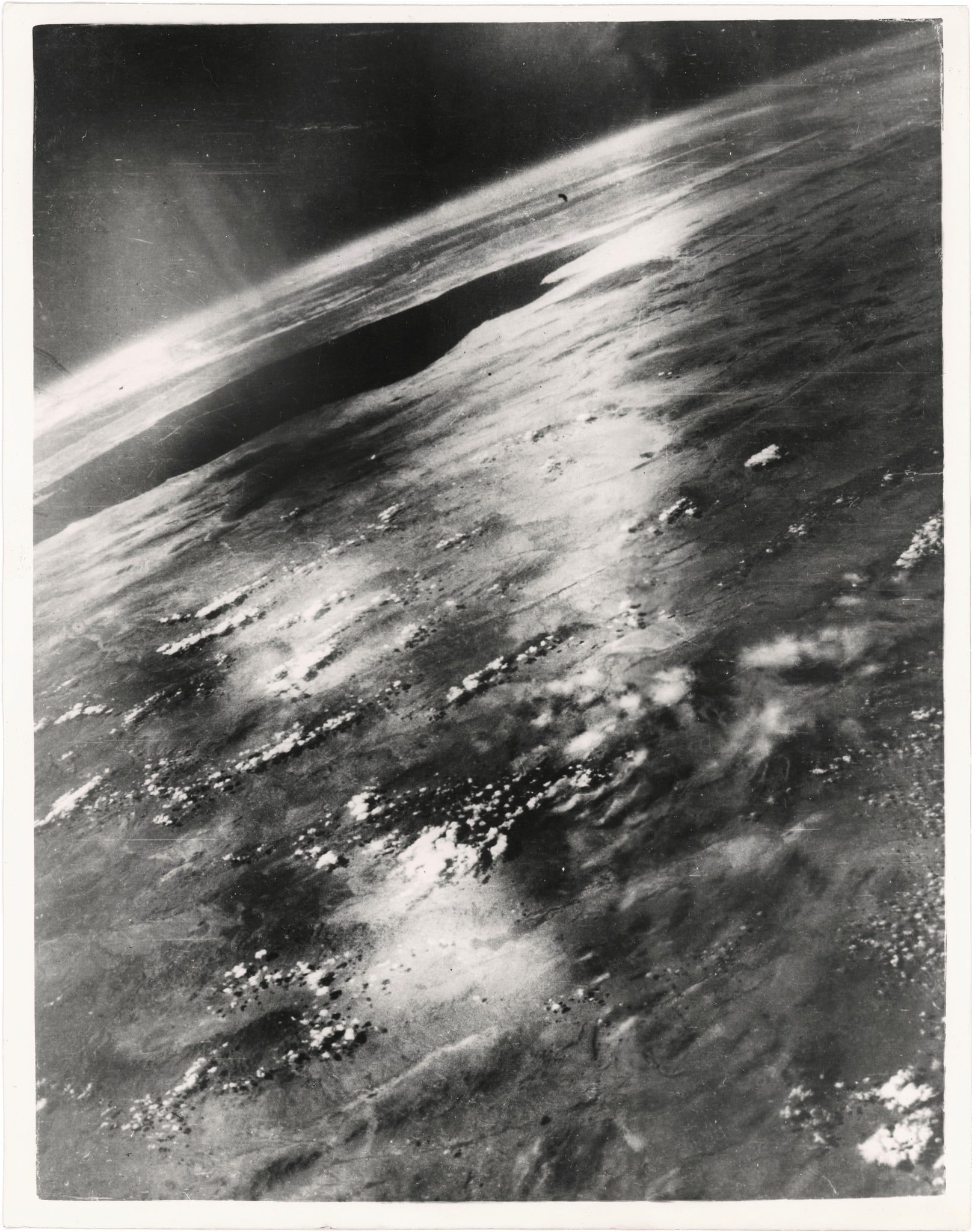
The first photograph from space was taken by a V-2 rocket in 1946, showing Earth’s curve against the blackness of space. The image is grainy and tilted, taken from about 65 miles above the New Mexico desert, but it proved what scientists had known and most people had accepted without ever really believing: Earth is round, it floats in darkness, and from far enough away, all human concerns disappear into a thin layer of atmosphere wrapped around an orb of rock.
The photograph was both humbling and exhilarating — proof that humans had finally climbed high enough to see themselves from the outside.
First Digital Photograph
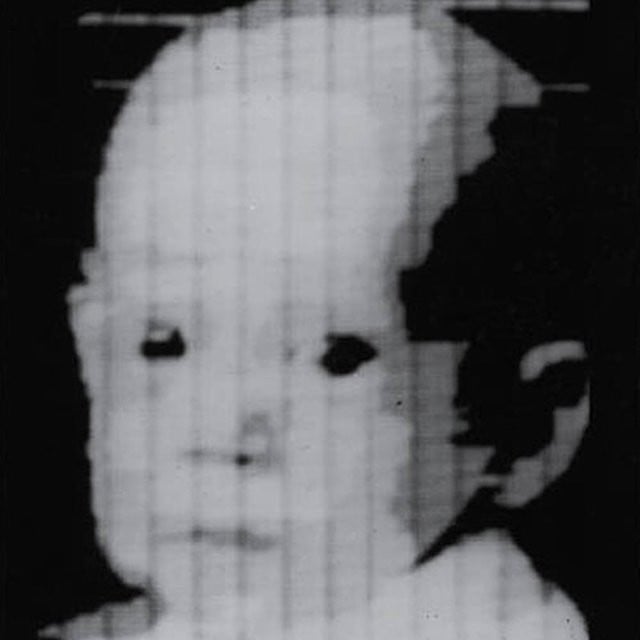
Russell Kirsch created the first digital photograph in 1957 — a 176×176 pixel image of his three-month-old son, Walden. The baby’s face is barely recognizable, reduced to a grid of black and white squares that look more like abstract art than a portrait.
But those 30,976 pixels represented the beginning of a revolution that would eventually make film photography obsolete (though it would take several decades for digital technology to catch up to the quality and convenience of traditional cameras, and even longer for people to trust that these computer-generated images were “real” photographs). Kirsch had no way of knowing that his simple family snapshot would help launch the digital age.
But then again, most revolutions start with someone just trying to solve a small, personal problem.
First Photograph of Earth from Moon
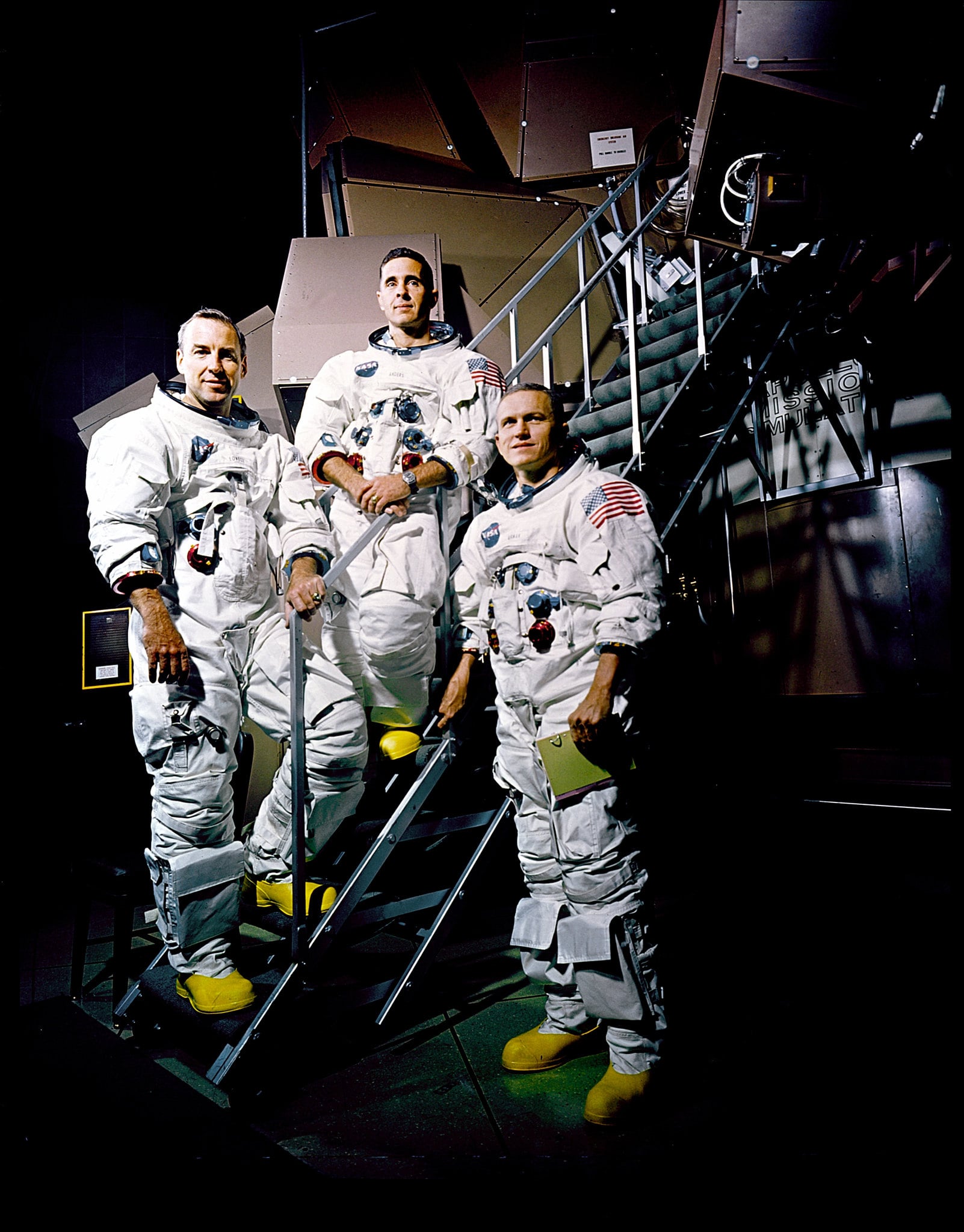
William Anders took the famous “Earthrise” photograph during the Apollo 8 mission in 1968, showing Earth as a blue marble rising over the Moon’s horizon. This wasn’t just a technical achievement — it was a perspective shift that changed how humans thought about their place in the universe.
Earth looked small, isolated, fragile. The photograph became a symbol of the environmental movement and helped people understand that our planet is finite, precious, and alone in the vast darkness of space.
First Photograph of the Great Abyss
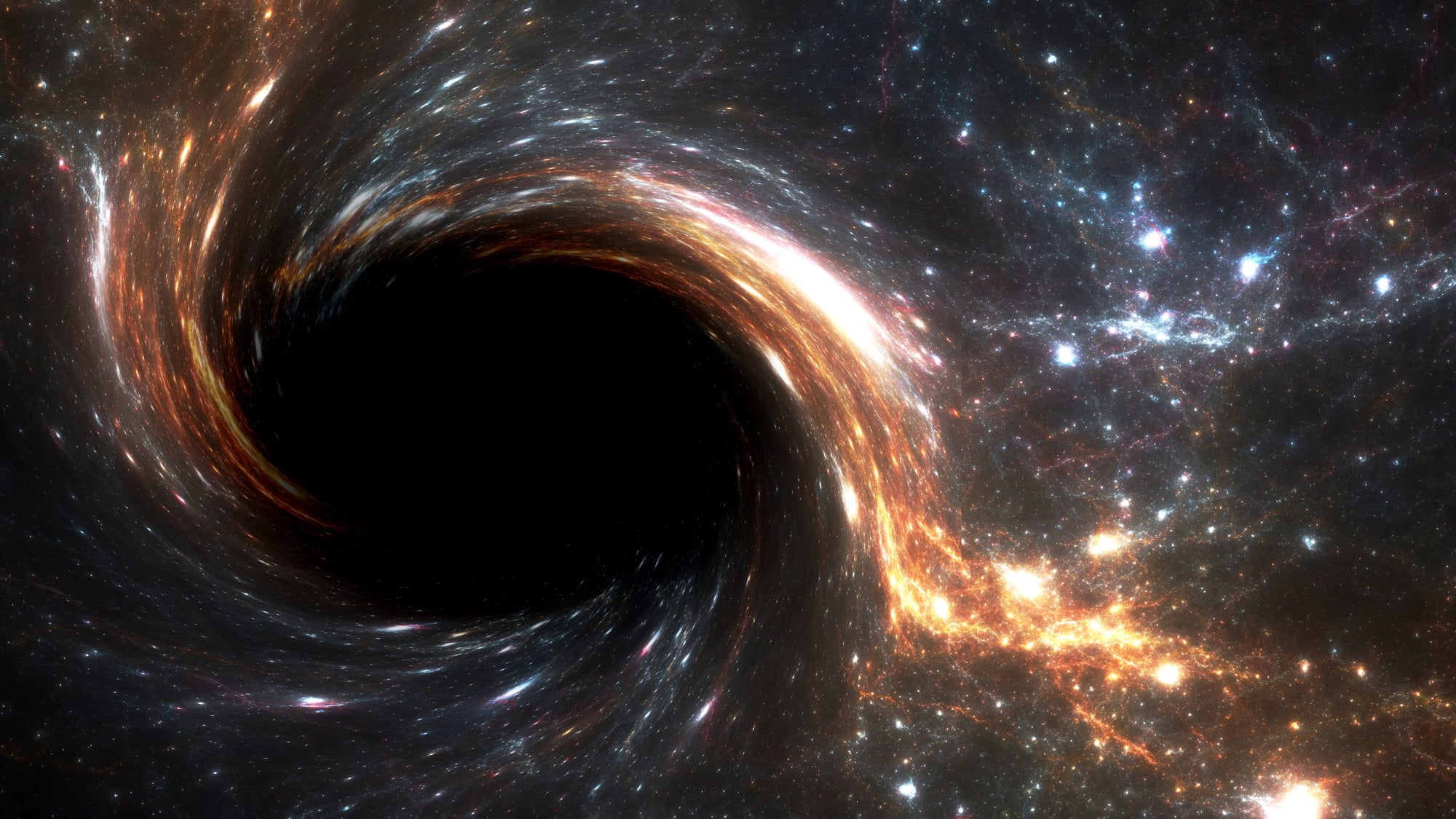
The Event Horizon Telescope collaboration captured the first image of the great abyss in 2019. The great abyss sits at the center of galaxy M87, about 55 million light-years from Earth.
The image shows a bright ring of light surrounding a dark central region — the event horizon, the point of no return. For decades, the great abyss had been theoretical, mathematical concepts.
This photograph made them real, visible, undeniable. It’s one thing to understand that massive objects can bend space and time so severely that not even light can escape; it’s another thing entirely to see the shadow cast by that impossible gravity.
First Photograph of Light Itself
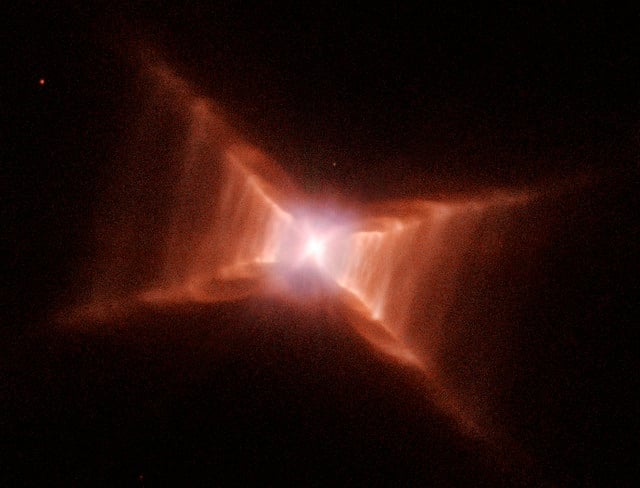
Researchers at MIT captured the first photograph of light in motion in 2011, using an ultra-fast camera capable of taking one trillion frames per second. The image shows a pulse of light traveling through a Coke bottle, looking like a bright dot moving from one side to the other.
Light had always been the tool photographers used to capture everything else — now, finally, light itself had become the subject. The irony wasn’t lost on anyone: photography, which began as a way to capture and hold light, had finally learned to photograph the very thing that made photography possible.
Windows into Forever
These seventeen photographs represent more than just technical milestones — they’re evidence of humanity’s relentless desire to see, document, and understand the world around us. Each image broke through a barrier that had seemed permanent, whether it was capturing movement, color, distance, or time itself.
The fuzzy rooftops in Niépce’s window view might not look like much next to today’s high-resolution images, but they started something that can’t be stopped: our endless quest to freeze moments and make them permanent, to prove we were here, to show each other what we’ve seen.
More from Go2Tutors!

- The Romanov Crown Jewels and Their Tragic Fate
- 13 Historical Mysteries That Science Still Can’t Solve
- Famous Hoaxes That Fooled the World for Years
- 15 Child Stars with Tragic Adult Lives
- 16 Famous Jewelry Pieces in History
Like Go2Tutors’s content? Follow us on MSN.