16 Wedding Superstitions That People Still Follow Today
Weddings aren’t just about vows and cake—they’re steeped in customs, myths, and centuries-old beliefs. Even in a fast-paced world where traditions evolve and technology leads the way, many couples still hold tight to superstitions passed down through generations. Some are charming, others downright odd, yet each carries its own layer of meaning that connects the present to the past.
From veils that protect against spirits to the mysterious power of rain on your big day, here are 16 wedding superstitions that continue to hold sway—whether out of belief, tradition, or simply the magic of ritual.
Something Old, Something New, Something Borrowed, Something Blue
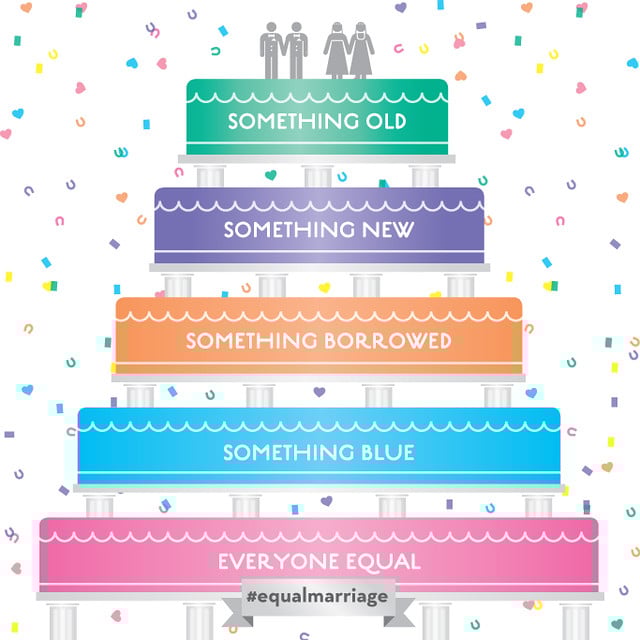
This iconic rhyme dates back to Victorian England—and it’s still going strong. “Something old” honors family and history—maybe a grandmother’s brooch or a vintage lace handkerchief. “Something new” looks ahead to the future, full of hope. “Something borrowed” comes from a happily married friend, thought to pass along their good fortune. And “something blue”? That one represents fidelity and lasting love—often hidden in a garter or stitched into the dress.
Not Seeing Each Other Before the Ceremony

Once rooted in arranged marriage customs—where couples were kept apart in case they’d bolt if they didn’t like what they saw—this tradition has transformed into something more sentimental. Many modern couples still wait for the aisle moment, hoping to lock eyes and feel the emotion all at once. Others go for a “first look” photo session instead, yet the superstition still shapes how the day unfolds.
Rain Means Good Luck

No one wants soggy shoes on their wedding day—but in many cultures, rain is seen as a sign of good fortune. Hindu belief ties it to fertility and cleansing, while other traditions say it symbolizes renewal and growth. Like a downpour that feeds the land, rain on the big day is said to bring abundance to the marriage.
The Wedding Veil as a Shield

Long before veils became high-fashion, they were used to guard brides against evil spirits and envious eyes—especially in ancient Roman and Greek weddings. Later on, veils also helped conceal a bride’s identity in arranged unions. Nowadays, the veil is mostly a style choice, yet many still see it as more than just a beautiful accessory.
Carrying the Bride Over the Threshold
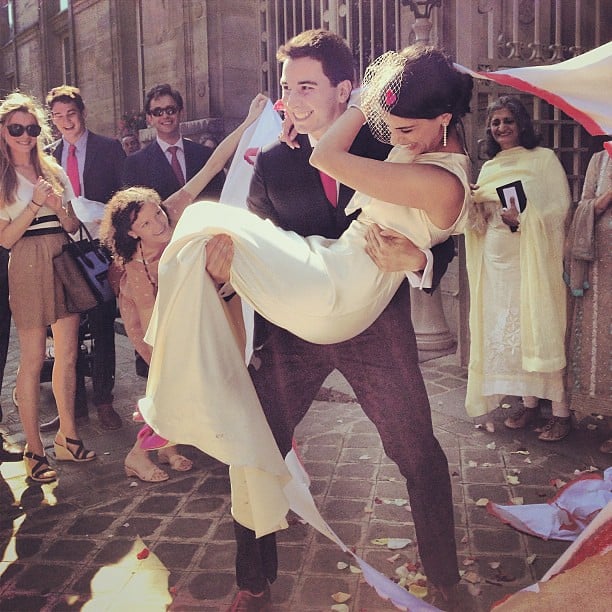
It’s sweet, symbolic—and has surprising origins. The Romans believed doorways were hotspots for bad spirits. By carrying the bride inside, the groom shielded her from any lingering negativity. Today, this gesture lives on as a romantic tradition, representing care, protection, and the first step into married life together.
Tossing Rice (or Something Like It)

Whether it’s rice, rose petals, birdseed—or even bubbles—the idea behind the toss is the same: wishing prosperity and fertility for the couple. Ancient Romans used nuts and grains, while modern ceremonies lean eco-friendly. Whatever’s thrown, it symbolizes joy showered on the newlyweds.
Rings on the “Love Vein”
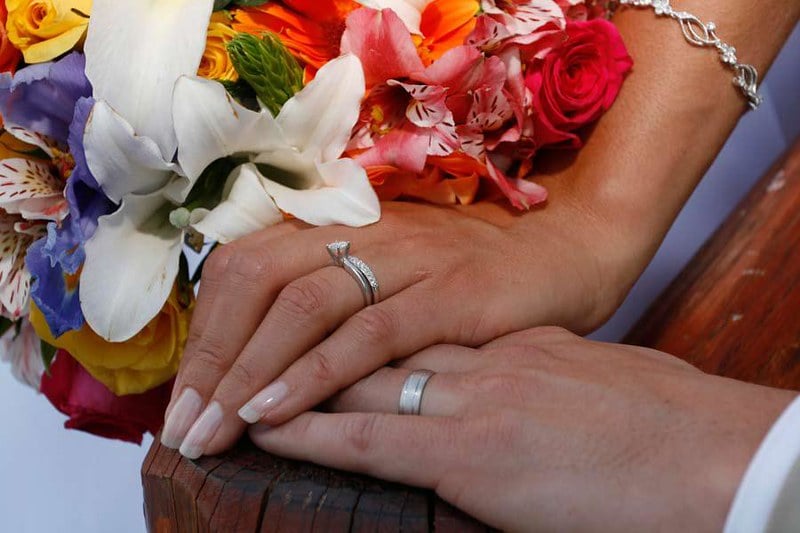
The fourth finger on the left hand—where most wear their wedding rings—was once believed to contain a vein that led straight to the heart. Science eventually debunked the idea, yet the romance behind it stuck. Even now, that spot holds deep symbolism in cultures around the world.
The Bouquet and Garter Toss

Originally, guests would scramble for pieces of the bride’s dress—seen as lucky souvenirs. To avoid having their gowns ripped apart, brides started tossing flowers instead. The garter toss shares similar roots, though it’s become less popular over time. Catching the bouquet still signals who might tie the knot next—or at least have a good story to tell.
Breaking Glass or Plates
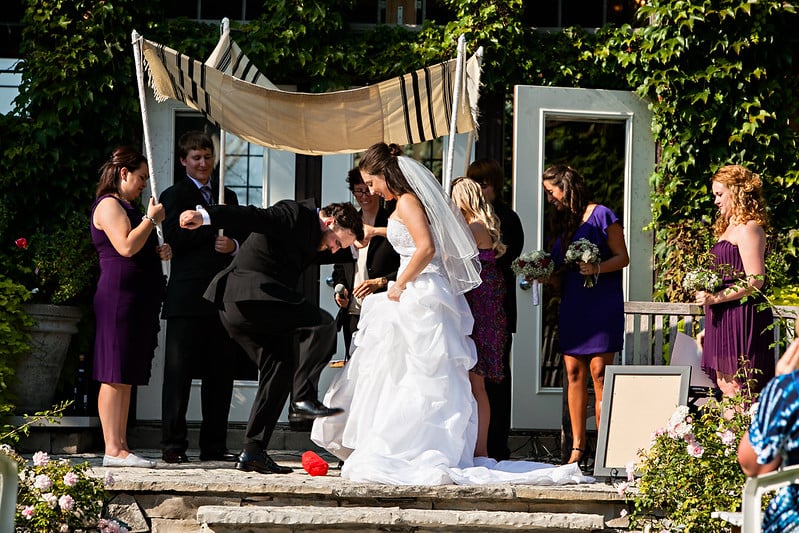
In Italy, shattered glass equals blessings—the more pieces, the better the marriage. Germans have a tradition called Polterabend, where porcelain is smashed the night before the wedding to scare off bad spirits. The bride and groom then clean up together—symbolizing teamwork before the vows even begin.
Ringing Wedding Bells

Bells have long been associated with warding off dark forces. In Irish tradition, they’re believed to drive away negativity and bring harmony. Some couples include tiny bells in décor or even bouquets, while others stick to church bells. Either way, the chime is meant to signal joy and protection.
Pearls Might Bring Tears

Despite their elegance, pearls come with mixed reputations. Their teardrop shape has led some to believe they’ll bring sorrow into the marriage. While many steer clear, others embrace pearls as symbols of purity and wisdom. Belief tends to vary across cultures—and brides.
Burying a Sausage for Sunny Weather

In certain parts of the UK, burying a raw sausage the night before the wedding is thought to keep rain away. Odd as it sounds, many swear by it—especially those banking on outdoor venues. It’s one of those quirky customs that survives simply because… sometimes it works.
A Spider in the Dress Means Luck
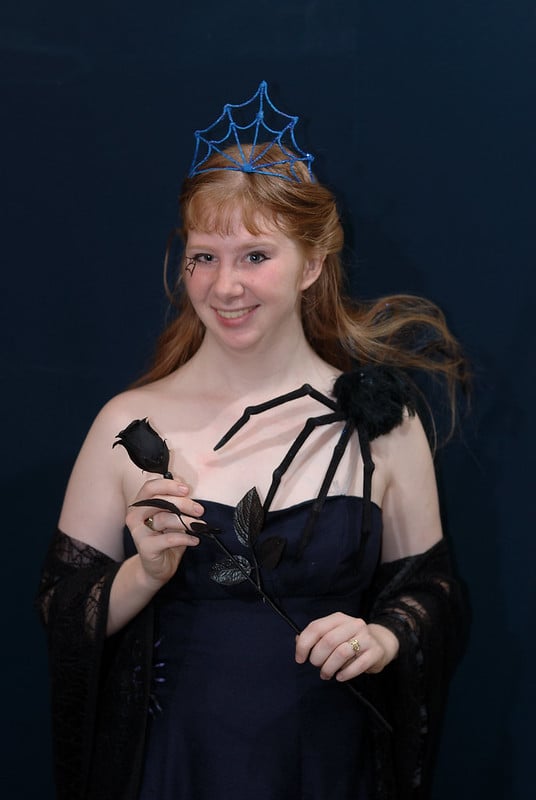
According to English folklore, spotting a spider in your wedding gown is a lucky omen—though it may not feel that way at the moment. The creepy crawler is seen as a bringer of wealth and success. Not every bride agrees with that interpretation, especially during the pre-ceremony nerves.
Knives as Gifts? Not Without a Coin

Gifting knives is said to “cut” the bond between the newlyweds—bad luck in many cultures. To offset this, guests often tape a small coin to the box, turning the gift into a “purchase” rather than a present. Problem solved—superstition dodged.
Picking Wedding Colors Carefully
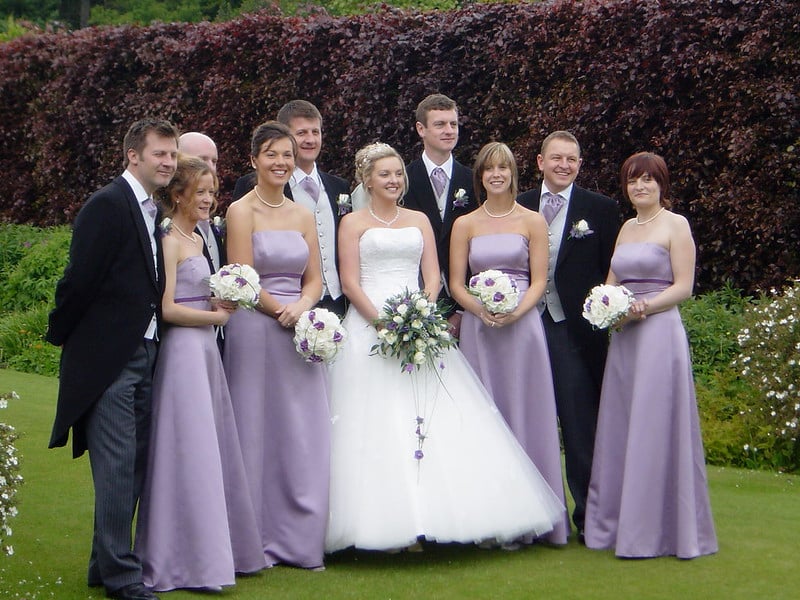
Back in Victorian times, rhymes predicted marriage outcomes based on dress color: “Married in red, you’ll wish yourself dead.” Harsh, right? While most brides today go with white, the tradition lives on in subtler ways—through flowers, décor, and bridesmaid palettes that still whisper superstition.
Saving the Top Tier of the Cake

Couples once saved the top tier of their wedding cake to serve at their child’s christening—since both events often happened close together. Now, it’s more about eating it on the first anniversary. It’s sweet (sometimes literally) and marks continuity from the wedding to future milestones.
Tradition with a Modern Twist

While not everyone believes in these old customs, many couples still follow them—for good luck, family ties, or just the charm they bring to the celebration. These superstitions act as threads, stitching the past into the present. They remind us that, across cultures and centuries, weddings have always been about more than two people saying “I do.” They’re about hope, legacy, and the timeless wish for a happy ever after.
More from Go2Tutors!

- The Romanov Crown Jewels and Their Tragic Fate
- 13 Historical Mysteries That Science Still Can’t Solve
- Famous Hoaxes That Fooled the World for Years
- 15 Child Stars with Tragic Adult Lives
- 16 Famous Jewelry Pieces in History
Like Go2Tutors’s content? Follow us on MSN.