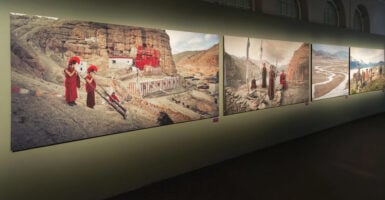
Iconic Movie Locations Completely Abandoned Now
Movie magic has a way of transforming ordinary places into unforgettable settings that live in our collective memory long after the credits roll. These locations become pilgrimages sites for fans, tourism goldmines for local communities, and permanent fixtures in pop culture history.
But time has a different agenda. While some filming locations thrive as tourist destinations, others have been left to face the elements alone, slowly returning to nature or succumbing to urban decay.
Tunisia’s Tatooine
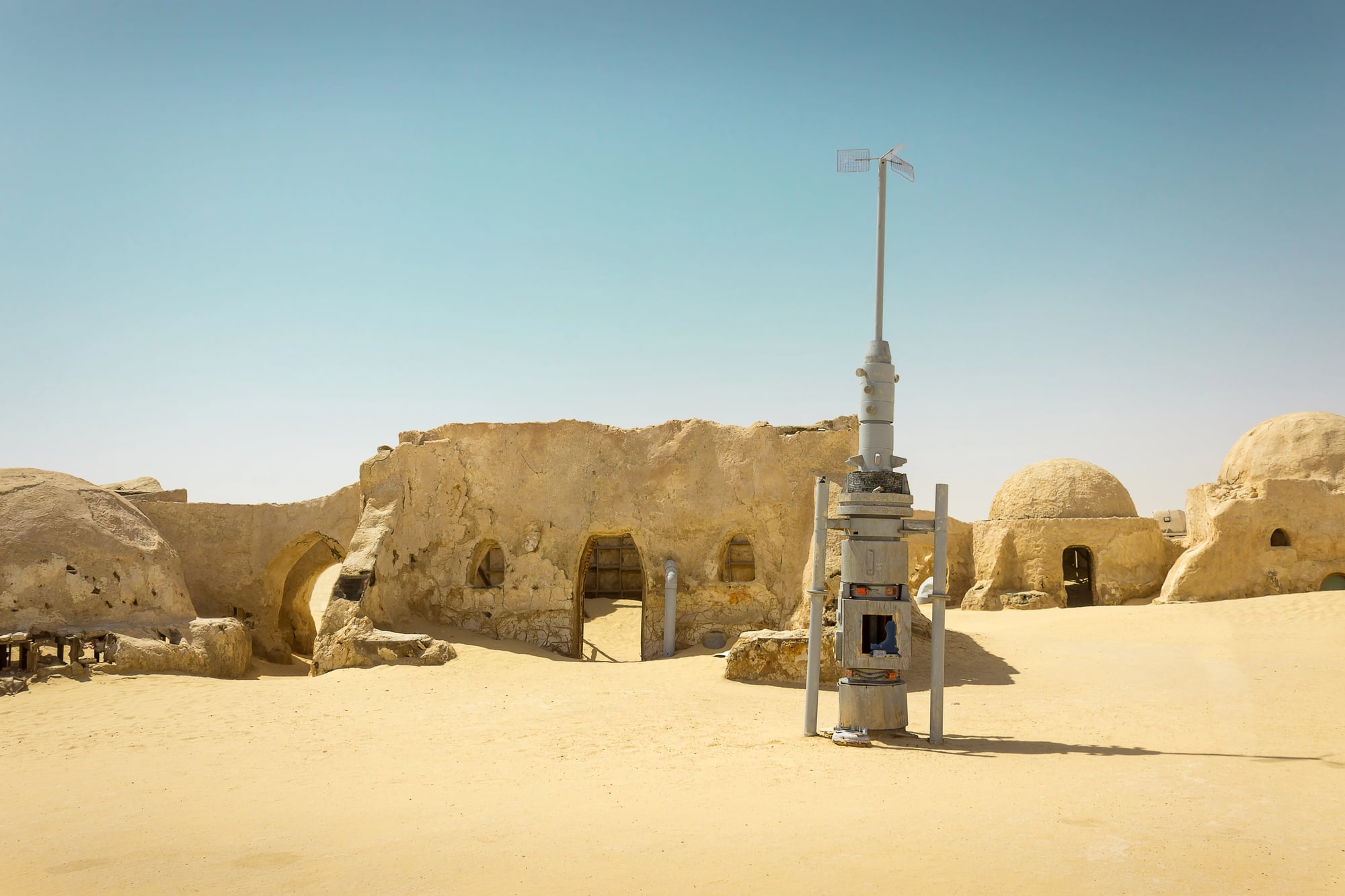
The Sahara Desert doesn’t negotiate with Hollywood nostalgia. Lucas chose Tunisia to double as Luke Skywalker’s home planet, building elaborate sets that were meant to last just long enough for filming.
The iconic moisture farm structures near Chott el Djerid have been slowly consumed by sand dunes for decades now.
Desert winds don’t pause for Star Wars fans making pilgrimages to see where it all began. Some structures remain visible, half-buried monuments to a galaxy far, far away, but they’re increasingly difficult to reach and recognize.
The Kentucky School from Stripes
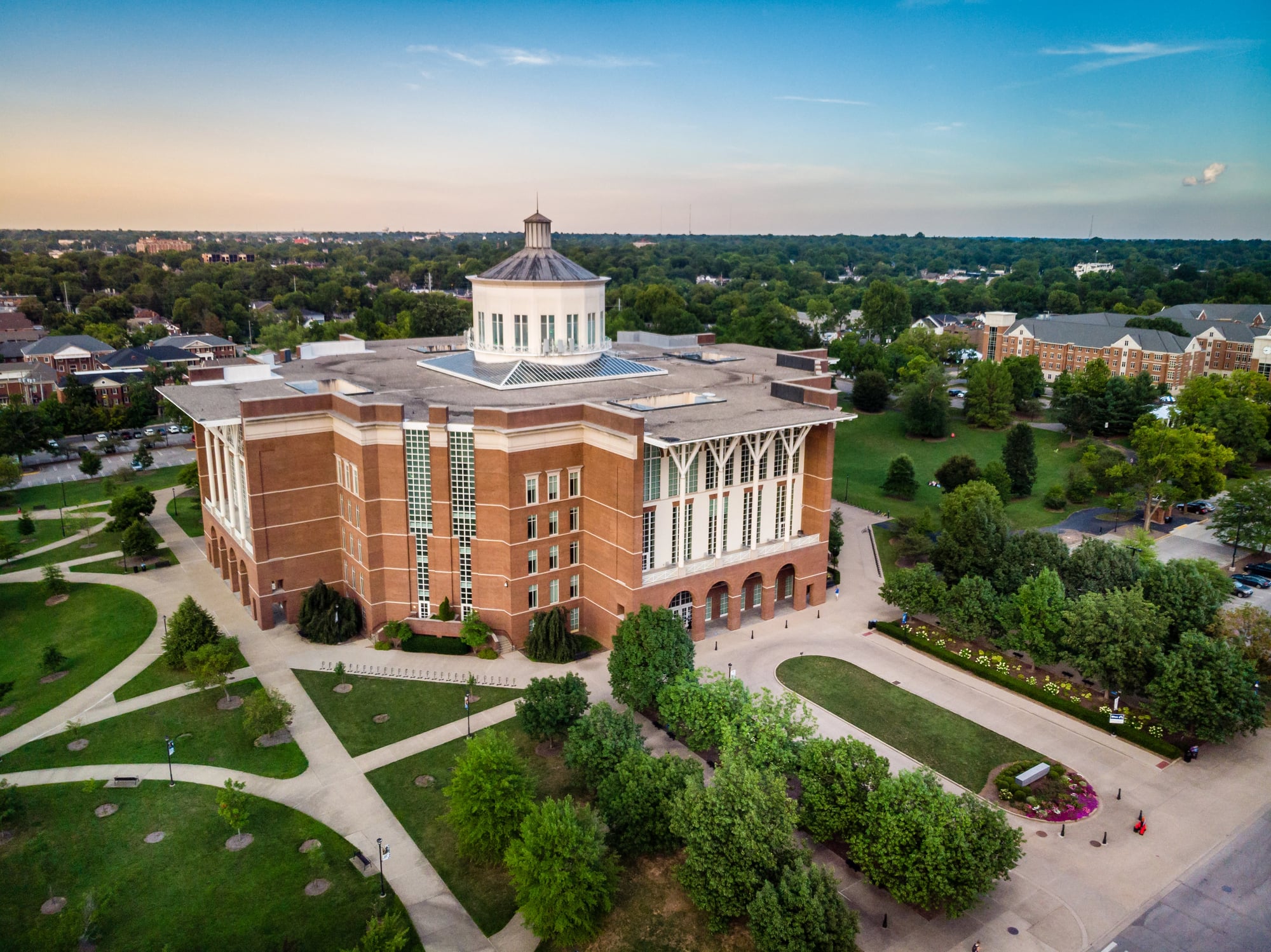
Bill Murray’s army comedy turned a defunct reform school in Kentucky into Camp North Star, but the transformation was temporary in more ways than the filmmakers intended. The building sat empty for years after filming wrapped in 1981, and rather than finding new purpose (the way abandoned locations sometimes do when Hollywood attention brings unexpected opportunities), it fell deeper into disrepair.
The structure that once housed Murray’s irreverent boot camp scenes has been largely reclaimed by vegetation and time.
And yet there’s something oddly fitting about a place that celebrated chaos in the film slowly surrendering to the more patient chaos of decay. Even so, local urbex enthusiasts sometimes venture inside to photograph what remains of the dormitories and mess hall where movie magic briefly interrupted decades of institutional emptiness.
Bombay Beach from Into the Wild
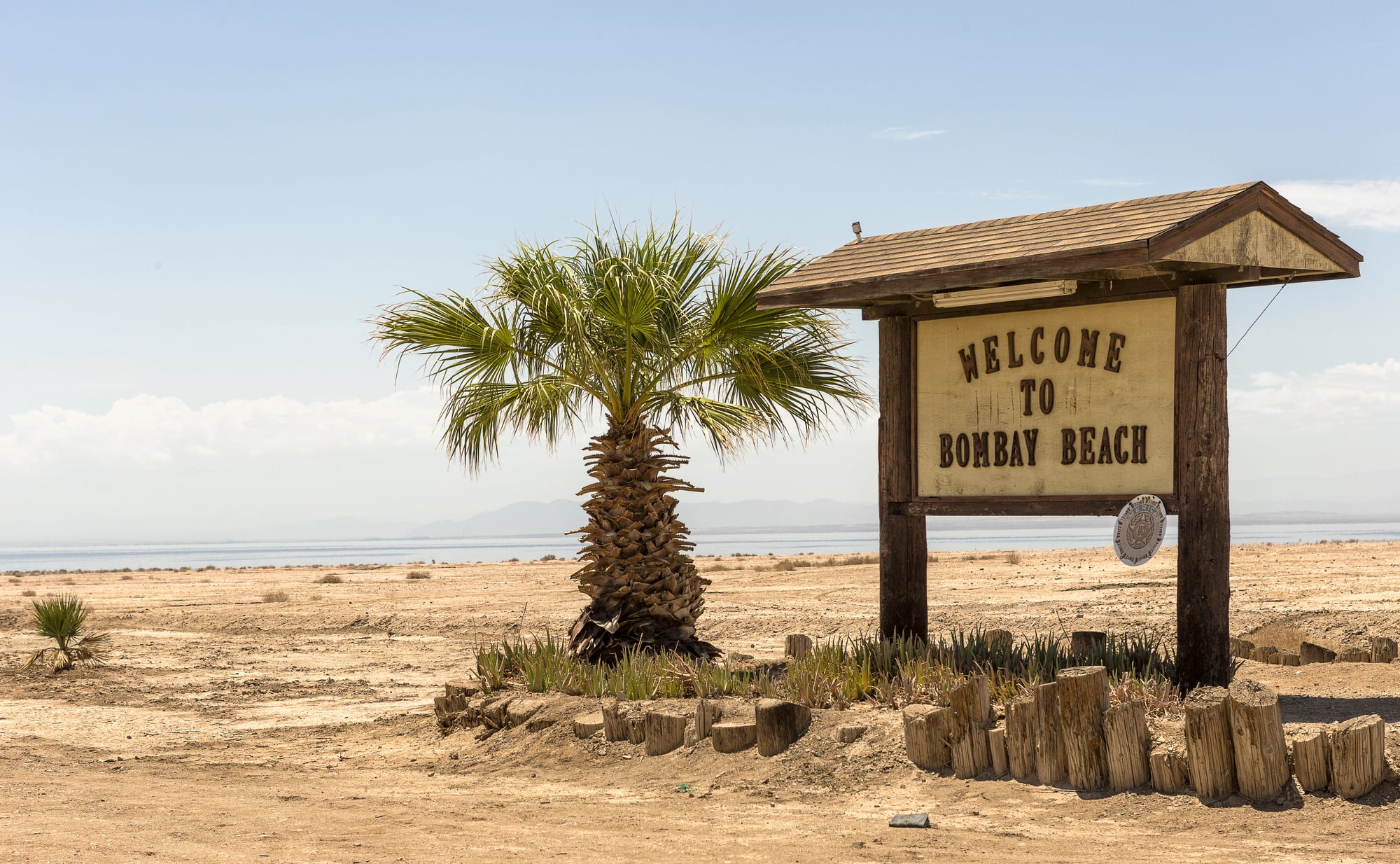
This isn’t just abandonment—it’s apocalyptic. The Salton Sea’s accidental resort town served as a haunting backdrop in Sean Penn’s adaptation, but the location was already dying when cameras arrived.
Created by engineering accident in 1905, the Salton Sea became a 1950s playground before ecological disaster turned it toxic.
Bombay Beach looks like civilization’s rough draft. Dead fish. Rotting piers.
Mobile homes slowly sinking into salt-crusted earth. The movie captured a place where the American Dream had already started decomposing, and things have only gotten more surreal since then.
The Diner from Steel Magnolias
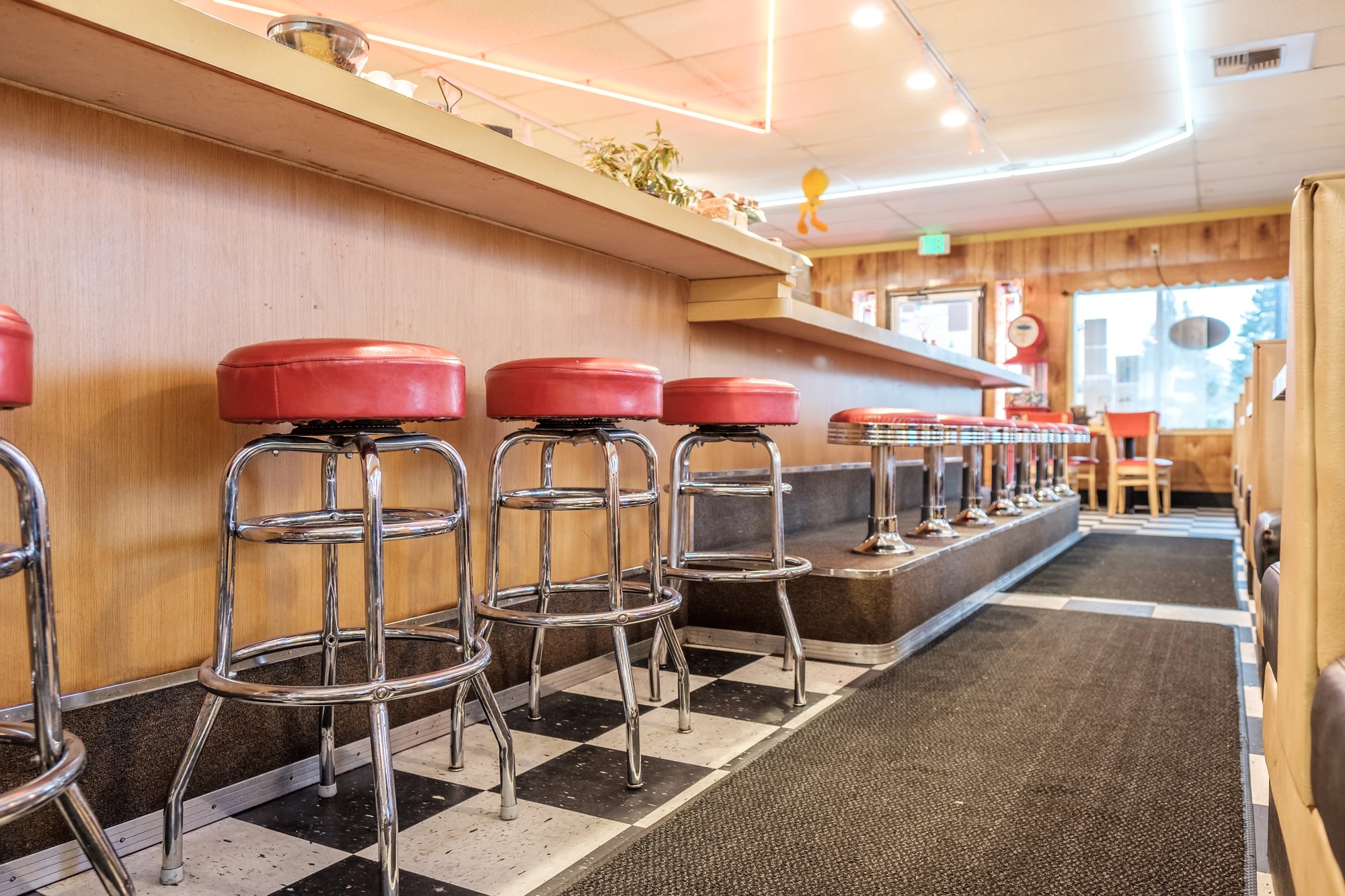
Southern charm has its limits, and even the most beloved local institution can’t always survive the decades that follow brief Hollywood fame. The beauty shop scenes were filmed on a soundstage, but several exterior locations in Natchitoches, Louisiana became part of the film’s authentic small-town fabric.
Some of these businesses have since closed, leaving empty storefronts where tourists still arrive expecting to find traces of Dolly Parton and Julia Roberts (and finding instead the particular melancholy that settles over places where community gathering spots used to be, where you can still imagine the conversations that filled the space before economics or changing times moved everyone elsewhere).
But that’s the thing about small towns—they know how to hold onto memories even when the physical spaces can’t be maintained. So the abandonment feels different here, less like decay and more like a natural conclusion to stories that had their moment.
Camp Crystal Lake from Friday the 13th

Camp No-Be-Bo-Sco in New Jersey doubled as the infamous Camp Crystal Lake, though the real camp’s history is considerably less murderous than Jason Voorhees would suggest. The camp operated normally for years after filming, hosting actual summer programs where kids presumably had wholesome outdoor experiences rather than encounters with hockey-masked killers.
The camp eventually closed for financial reasons rather than supernatural ones.
Buildings that once sheltered both fictional counselors and real campers now stand empty, slowly being reclaimed by the New Jersey woods. Nature is patient—it doesn’t care about horror movie fame.
Kellerman’s Resort from Dirty Dancing
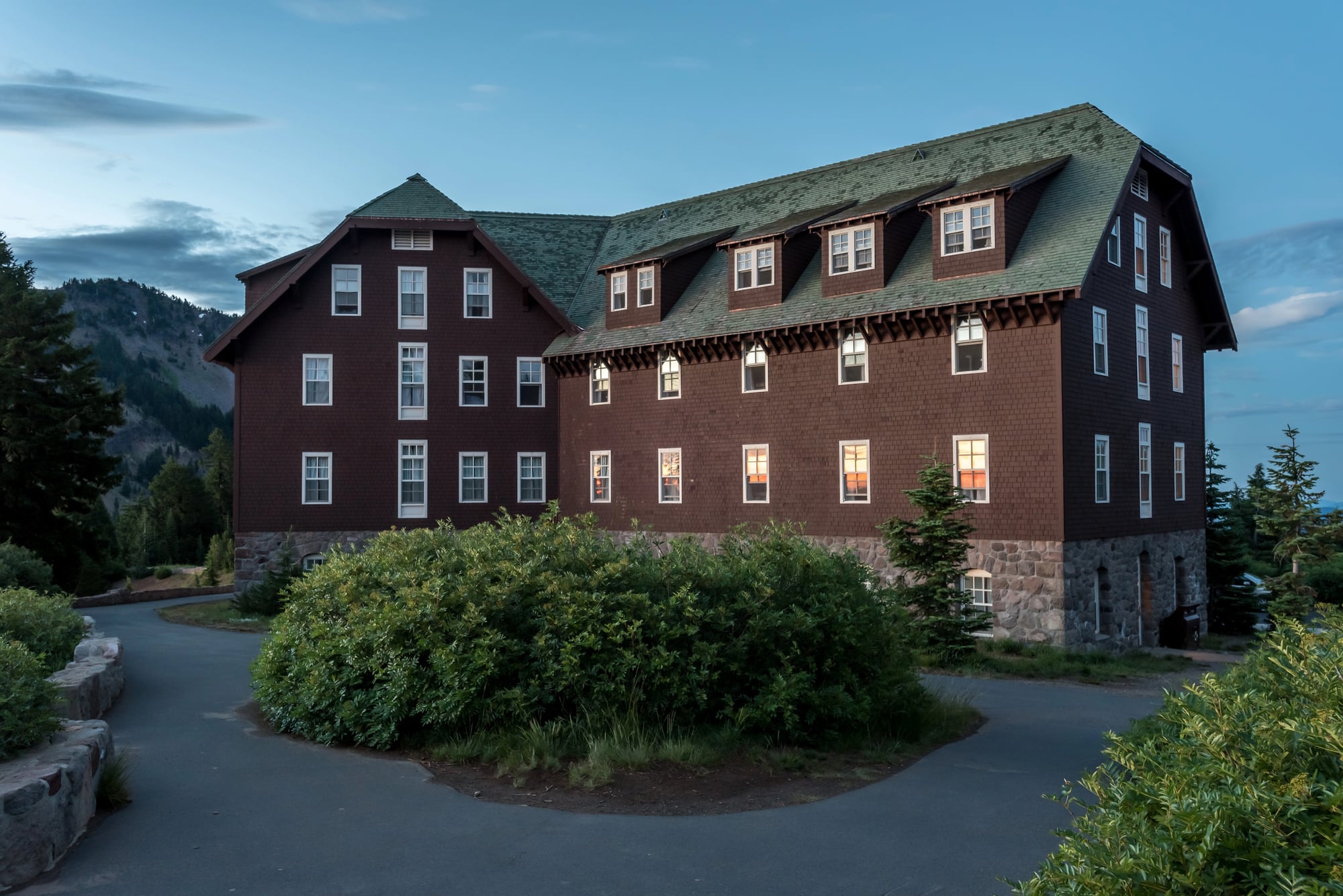
Nobody puts Baby in a corner, but economic reality eventually put the Mountain Lake Lodge in Virginia in a tough spot. While the resort itself never fully closed (it’s actually still operating, though with significant changes), the lake that gave it its name has mysteriously drained twice since the film was made, most recently starting in 2008.
The lake sits nearly empty now—a muddy basin where Patrick Swayze once carried Jennifer Grey through romantic dance sequences (and where you can still walk out to where the water used to be, though it feels like visiting a stage after the performance has ended and the props have been removed, leaving only the odd intimacy of seeing behind the illusion).
Mountain lakes aren’t supposed to disappear, but this one apparently didn’t get the memo about its responsibilities to movie history.
The Village from A Quiet Place
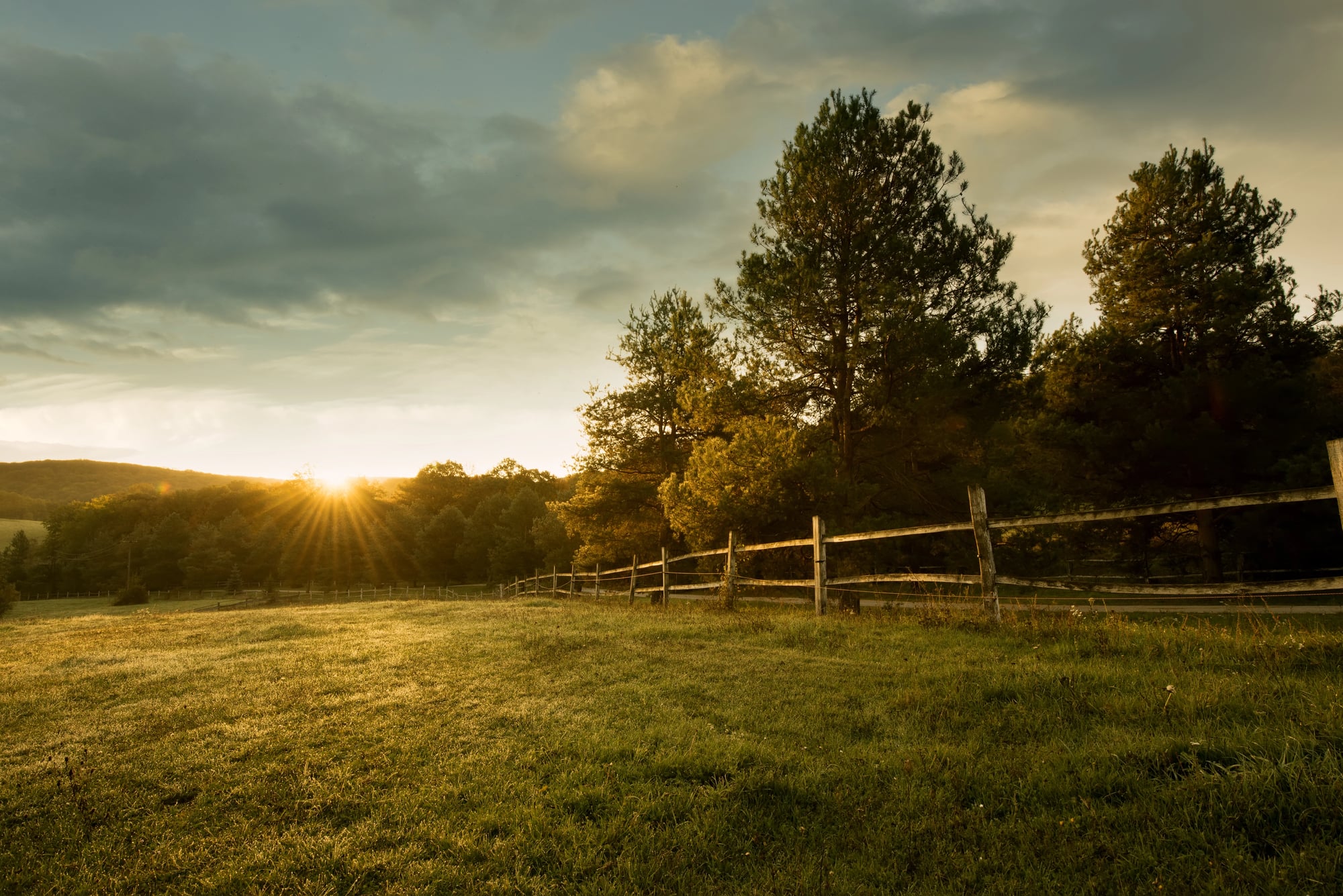
The movie’s post-apocalyptic farm setting was filmed in upstate New York, where several rural properties were modified to create the Abbott family’s silent world. The filmmakers built grain silos, modified existing farmhouses, and created the sand pathways that allowed the family to move quietly past the monsters that hunt by sound.
Most of these modifications were temporary, but some structures remain scattered across the original properties.
The sand paths have blown away or been reclaimed by normal farm operations. What’s left feels oddly peaceful for a location associated with such intense film tension.
Astoria from The Goonies
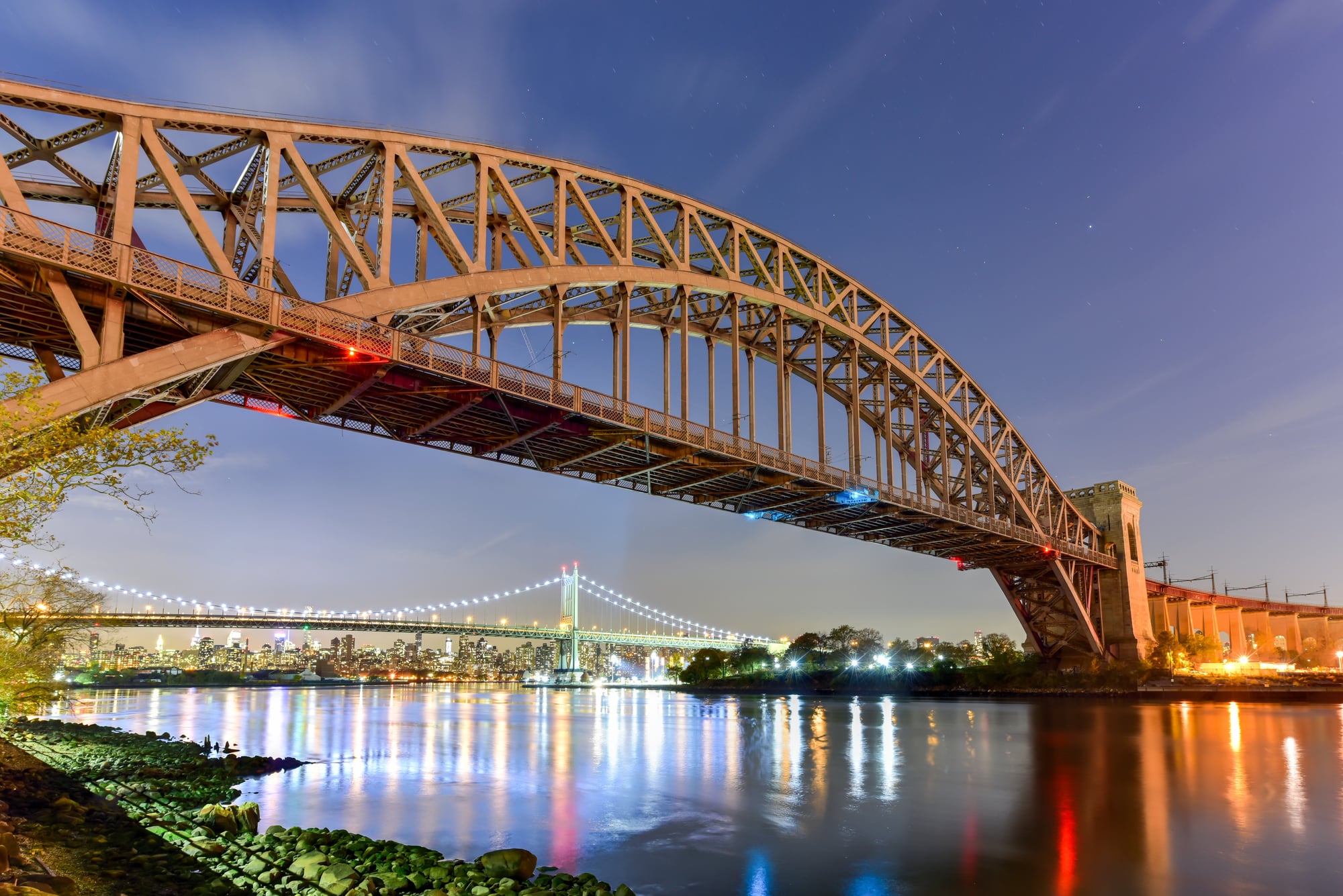
The Oregon coast doesn’t abandon anything—it just slowly transforms it. While much of Astoria remains intact and celebrates its Goonies connection, some specific filming locations have changed dramatically or disappeared entirely.
The house used for the Walsh family home still stands and attracts tourists, but other locations have been developed or altered beyond recognition.
The beach caves where the final treasure scenes were filmed were always temporary, accessible only at specific tides and weather conditions.
Natural erosion has changed their configuration over the decades (so fans making pilgrimages to Cannon Beach find themselves searching for entrances that may no longer exist in the same form, or that require local knowledge and favorable conditions to access safely, which somehow makes the treasure-hunting aspect of visiting feel authentically Goonies-esque, even if it’s more frustrating than nostalgic).
But the Oregon coast was shaping and reshaping those rocks long before Hollywood arrived, and it continues that work regardless of what movies were filmed there.
The Paper Mill from Zodiac
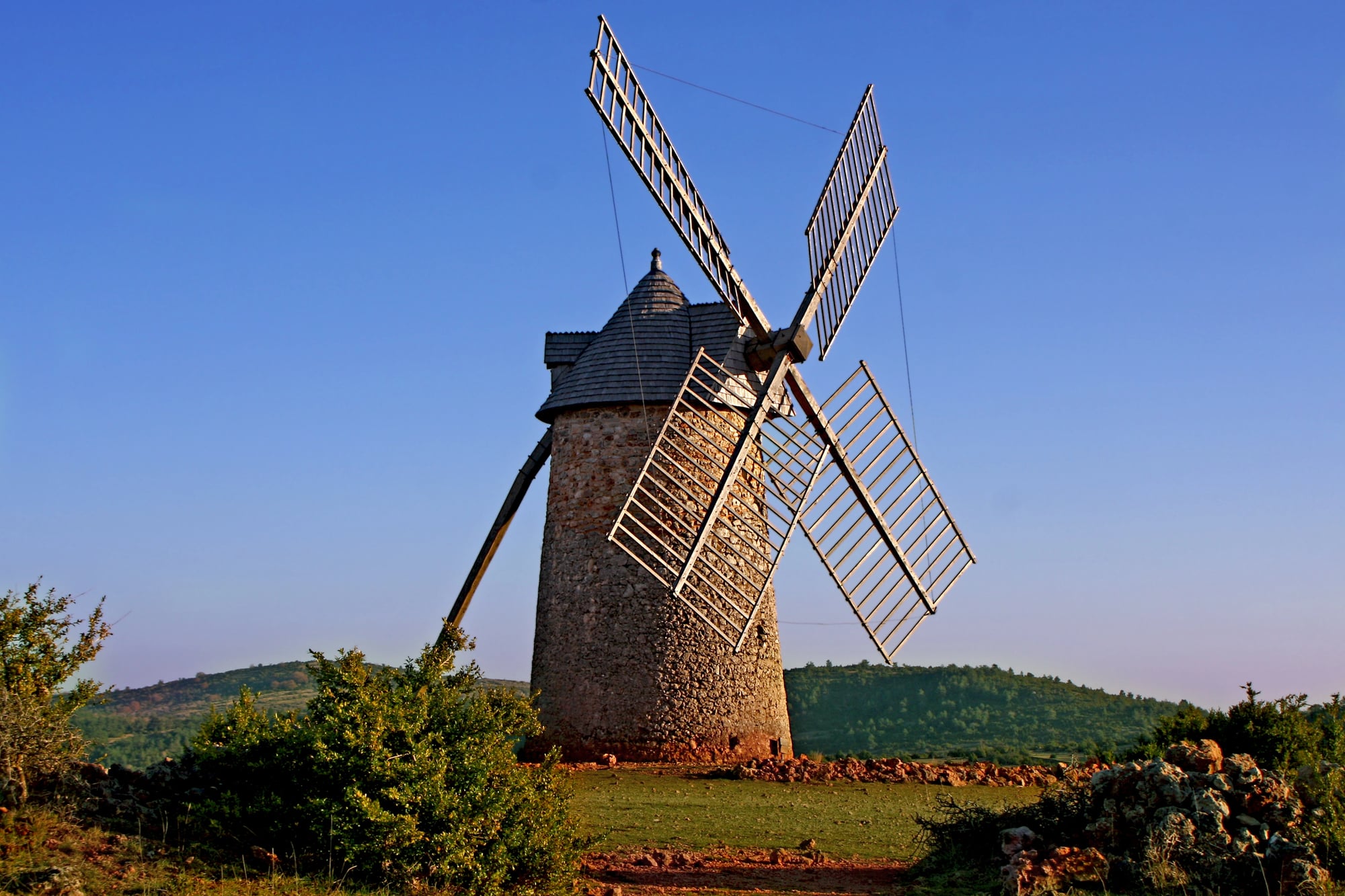
David Fincher’s meticulous thriller used several Bay Area locations to recreate the Zodiac killer’s 1970s reign of terror. One key location was an old paper mill in the East Bay, chosen for its period-appropriate industrial decay and its ability to evoke the economic decline that was already affecting the region by the time the murders occurred.
The mill has been demolished since filming.
Where Fincher’s cameras once captured the eerie intersection of industrial ruin and criminal investigation, developers have built modern housing. The location existed in a specific moment between abandonment and redevelopment, and the film caught it during that brief window.
The Brewery from Stripes

Not the same building as the Kentucky school, but another victim of the same economic forces that closed so many American industrial sites in the 1980s. The exterior shots of the army base were filmed at a former brewery in Louisville that had been empty for years before the production arrived.
The building was demolished in the 1990s as part of urban renewal efforts.
The site now hosts a shopping development, though locals occasionally remember when it briefly became famous as the backdrop for Bill Murray’s military hijinks.
The Mall from Fast Times at Ridgemont High

Sherman Oaks Galleria represented the peak of American mall culture when Amy Heckerling filmed there in 1982. The indoor shopping center was new, crowded, and perfectly positioned to capture the teenage consumer landscape of Reagan-era California.
Malls across America have struggled with changing shopping habits and online retail competition.
Sherman Oaks Galleria closed in 1999 and was eventually demolished. The site now houses a mixed-use development with outdoor shopping areas—still commercial, but designed for a different era of consumer behavior.
The Prison from The Shawshank Redemption
Ohio State Reformatory in Mansfield served as Shawshank State Penitentiary, bringing Stephen King’s story to life within walls that had housed real prisoners for decades. The reformatory closed in 1990, just a few years before filming began, which gave the production access to an authentic prison environment without disrupting active operations.
The building still stands and operates as a museum and tourist attraction, so this isn’t complete abandonment.
But the reformatory’s original purpose is finished, and much of the structure remains empty. Visitors can walk through cellblocks where both real inmates and fictional characters served their time.
The High School from Sixteen Candles
John Hughes filmed at several Chicago-area high schools, but some of the buildings used for exterior and interior shots have since been demolished or substantially renovated. The economics of public education and changing enrollment patterns have forced many school districts to consolidate or rebuild facilities that were state-of-the-art in the 1980s.
One building that served as a key location was demolished in the early 2000s, taking with it the hallways where Molly Ringwald navigated teenage humiliation.
New schools have been built to serve the same communities, but the specific spaces where Hughes captured teenage anxiety no longer exist.
Time Keeps Moving

These abandoned movie locations remind us that film preservation is complicated business. Hollywood captures moments and places, but it can’t freeze them permanently.
The magic lives on in the movies themselves, while the physical spaces continue their own stories—sometimes thriving, sometimes struggling, sometimes simply returning to whatever they were before the cameras arrived.
More from Go2Tutors!

- The Romanov Crown Jewels and Their Tragic Fate
- 13 Historical Mysteries That Science Still Can’t Solve
- Famous Hoaxes That Fooled the World for Years
- 15 Child Stars with Tragic Adult Lives
- 16 Famous Jewelry Pieces in History
Like Go2Tutors’s content? Follow us on MSN.