Fashion Trends Popular in Ancient History
Walking through modern city streets, you can’t help but notice fashion cycles that seem to repeat endlessly. Trends appear, vanish, and somehow return decades later as if they were brand new discoveries.
But this cyclical nature of style isn’t a modern phenomenon — it reaches back thousands of years, connecting us to civilizations that rose and fell long before department stores or fashion weeks existed.
Ancient cultures developed distinctive looks that weren’t just about covering the body or staying warm. Fashion served as a language of power, spirituality, social status, and identity.
Some trends lasted centuries while others flickered briefly across decades before disappearing into history books.
Toga Draping in Rome
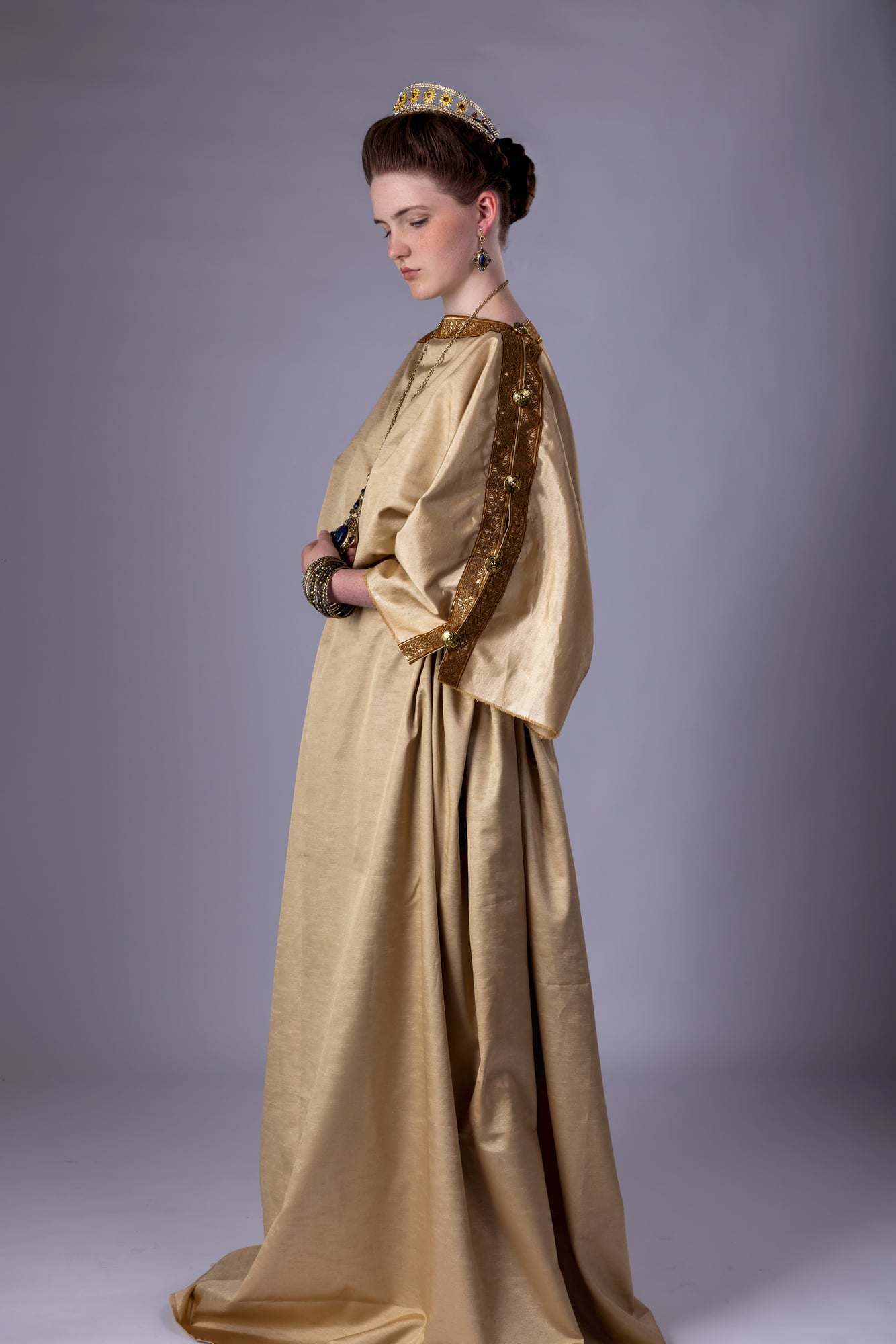
The toga wasn’t just clothing — it was citizenship made visible. Only Roman citizens could legally wear this draped woolen garment, and the way it fell across the shoulders announced your place in society before you spoke a word.
Different colored stripes indicated different ranks. Senators wore togas with broad purple borders, while young men from noble families displayed narrow purple stripes until they came of age.
Getting the draping right required practice and often an assistant, which meant owning a perfectly arranged toga was itself a display of leisure and wealth.
Elaborate Eye Makeup in Egypt
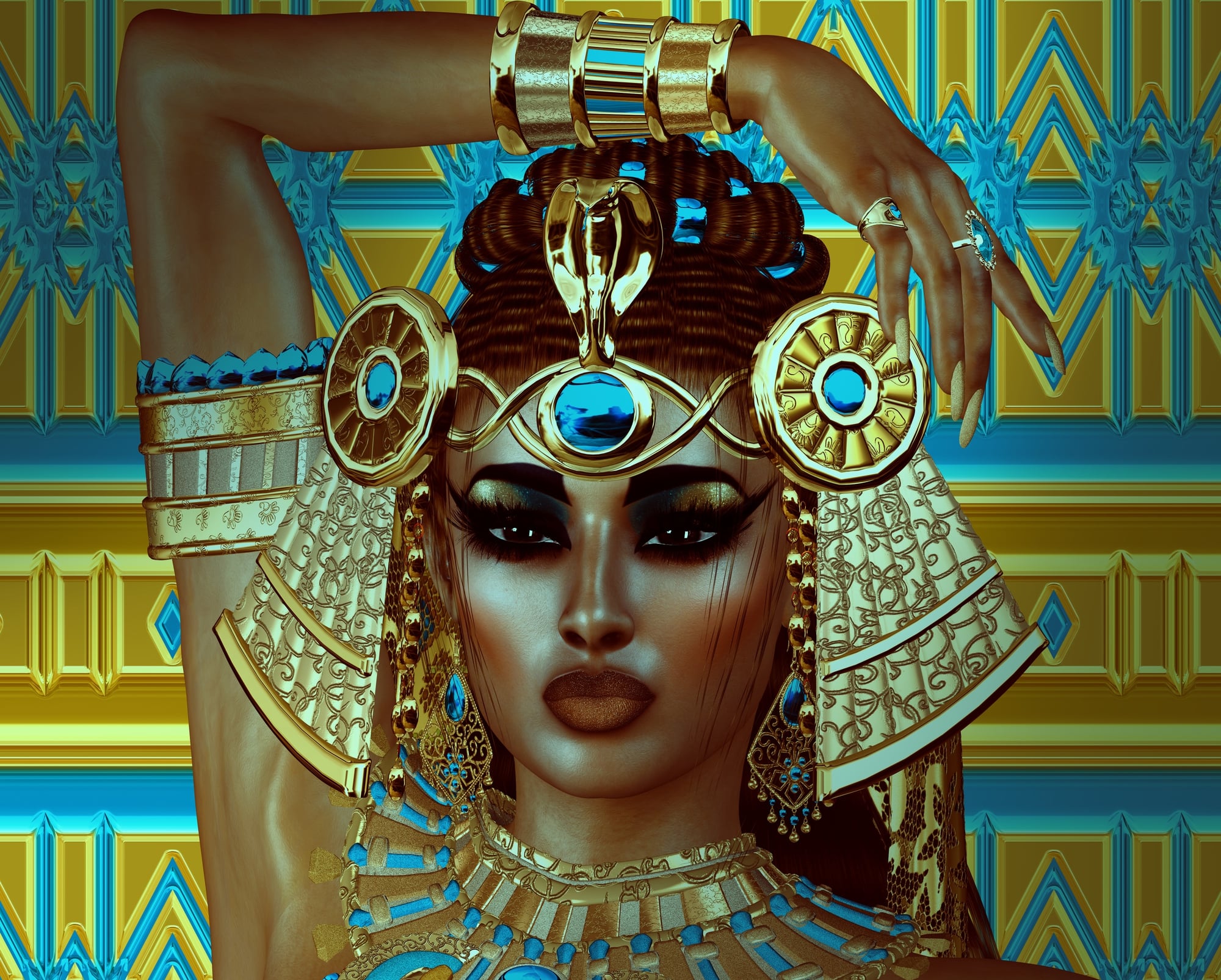
Egyptian eye makeup went far beyond vanity (though vanity certainly played a role — ancient Egyptians were hardly immune to the appeal of looking striking). The dramatic kohl lines served practical purposes: reducing glare from desert sun and supposedly protecting against eye infections.
But the spiritual component mattered just as much: those bold, elongated lines mimicked the eyes of gods like Horus and Ra.
Both men and women lined their eyes with ground minerals — galena for deep black, malachite for green. The application process was ritualistic, almost meditative.
And here’s something that turns conventional wisdom on its head: recent archaeological evidence suggests the lead-based cosmetics actually did have antibacterial properties, so the health claims weren’t entirely wishful thinking.
Flowing Chitons in Greece
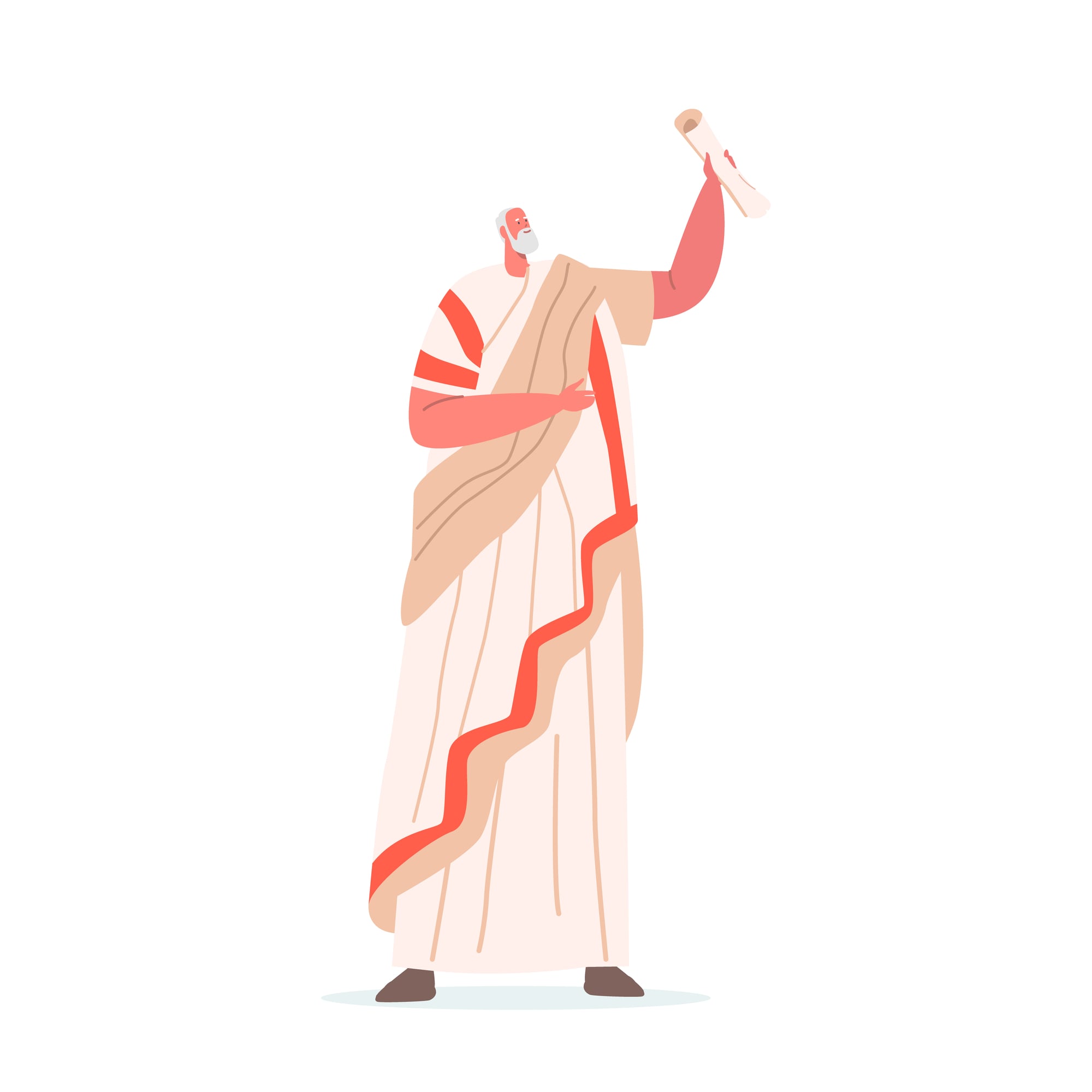
Picture fabric that moves like water when you walk — that’s what the Greek chiton achieved when draped correctly. This wasn’t the structured, fitted clothing that would dominate later European fashion, but something far more fluid and forgiving.
The garment was essentially a rectangle of linen or wool, pinned at the shoulders and belted at the waist. Sounds simple, but the way it fell and moved became an art form.
Wealthy Greeks could afford finer fabrics that created more elegant draping, while the length and styling varied between city-states. Spartan women famously wore shorter chitons than their Athenian counterparts, which other Greeks found scandalously revealing.
Ornate Headdresses Across Cultures
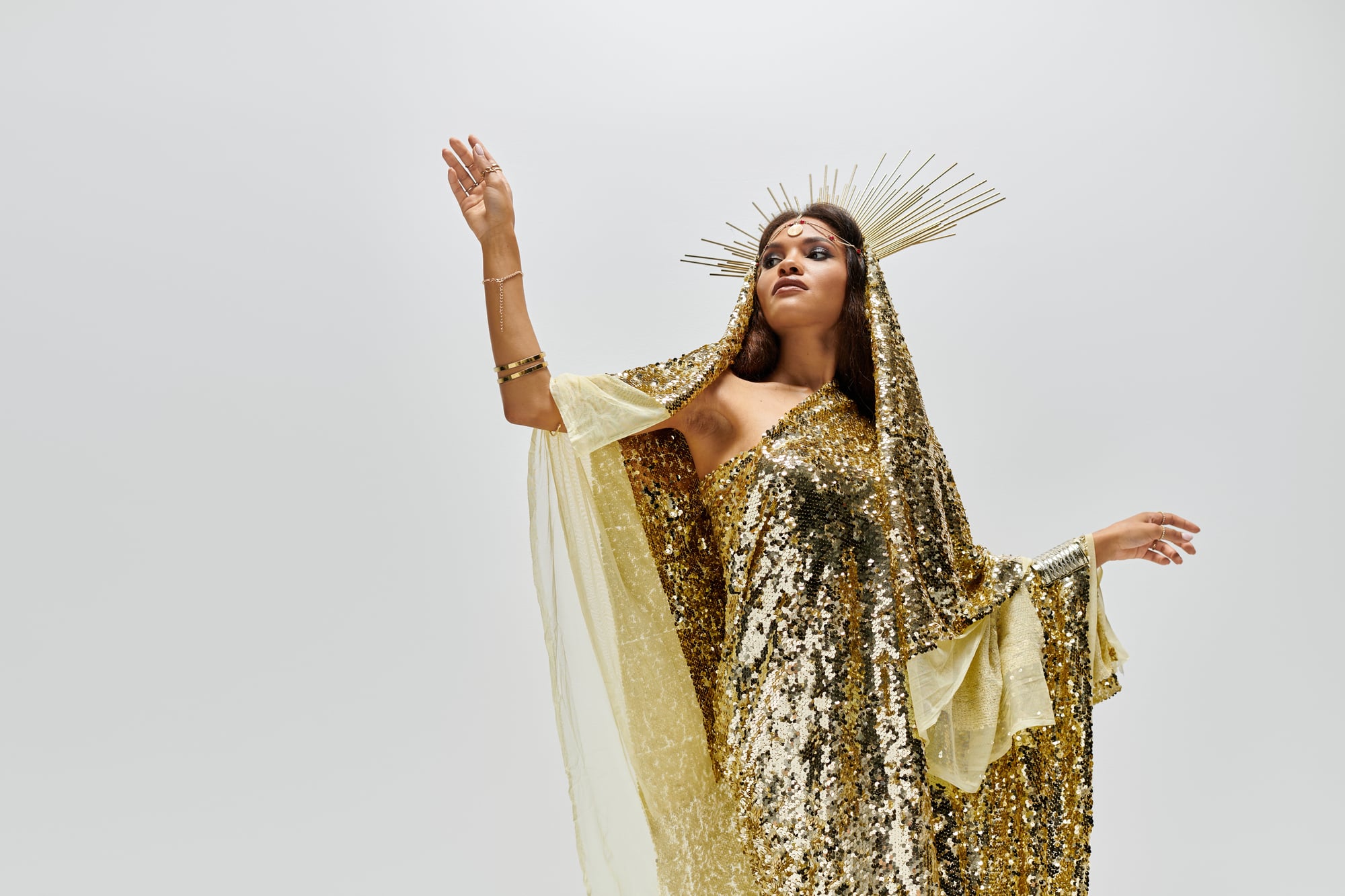
A crown tells a story before the person wearing it says anything at all. Ancient civilizations understood this power and pushed ceremonial headwear to extraordinary artistic heights, creating pieces that were part sculpture, part spiritual symbol, part political statement.
Egyptian pharaohs wore the distinctive nemes headdress (think King Tut’s golden burial mask), while Mesopotamian rulers favored elaborate turbans studded with precious stones. Celtic chieftains displayed their status through distinctive ornaments including intricately crafted torcs — heavy twisted metal collars worn around the neck that served as symbols of authority and wealth.
And these weren’t just for special occasions — many rulers wore ceremonial headpieces and ornaments during daily court proceedings, turning every public appearance into a reminder of divine authority. The weight alone must have been considerable, but that was part of the point: leadership, these cultures suggested, was meant to be a burden as much as a privilege.
Draped Saris in India
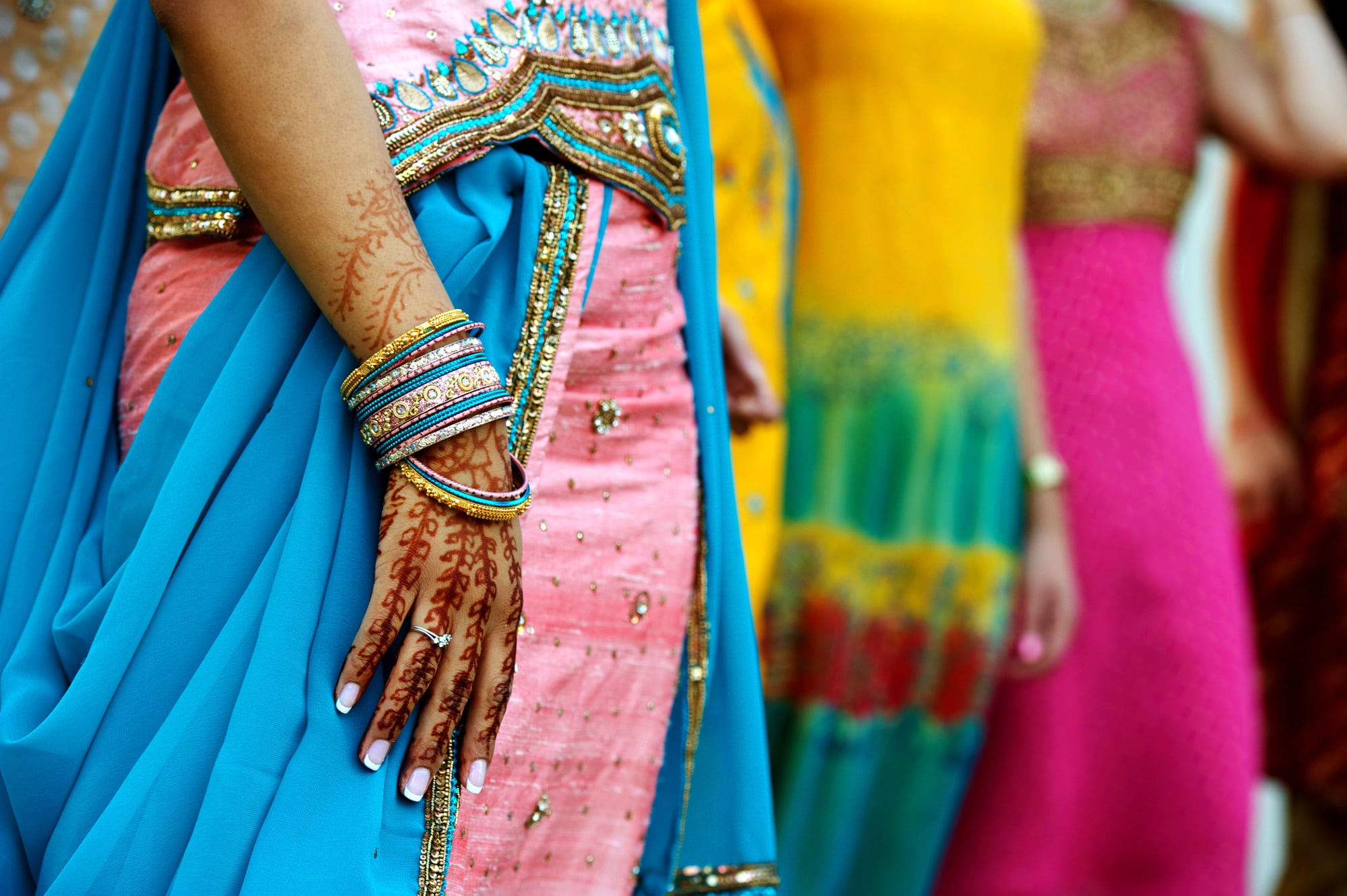
Saris are geometry made elegant. Six yards of unstitched fabric transforms into one of history’s most sophisticated garments through nothing but strategic folding, draping, and tucking.
The technique varies dramatically by region — Bengali women drape differently than Tamil women, and Gujarati styles follow their own distinct patterns. But the basic principle remains unchanged: the fabric speaks through its movement.
Silk saris for formal occasions, cotton for daily wear, and specific colors for different life stages and religious ceremonies.
Layered Kimono in Japan
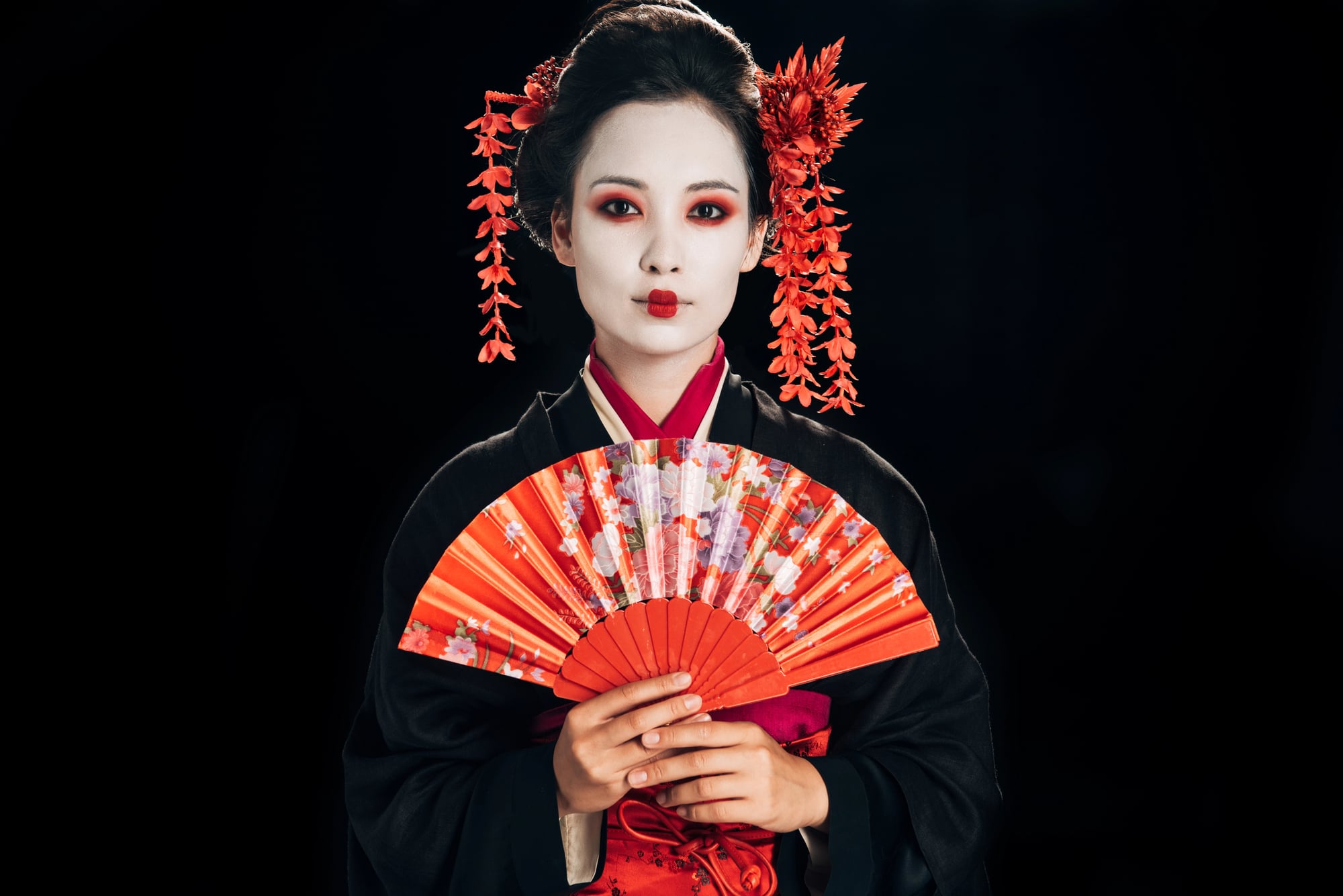
Japanese fashion approached layering like musical composition, with each piece contributing to a harmonious whole rather than competing for attention. Court ladies during the Heian period (794-1185) wore multiple kimonos simultaneously, with colors carefully chosen so sleeves would cascade in complementary or contrasting shades.
The art lay in the combinations. Seasonal appropriateness mattered enormously — wearing autumn colors in spring wasn’t just poor taste, it suggested a fundamental disconnection from the natural world.
Sleeve arrangements followed strict protocols, and the overall silhouette created by multiple layers became a canvas for displaying both wealth and aesthetic sophistication. Some court arrangements involved a dozen separate garments, each visible at specific points along the arms, neckline, and hem.
Bronze Age Jewelry
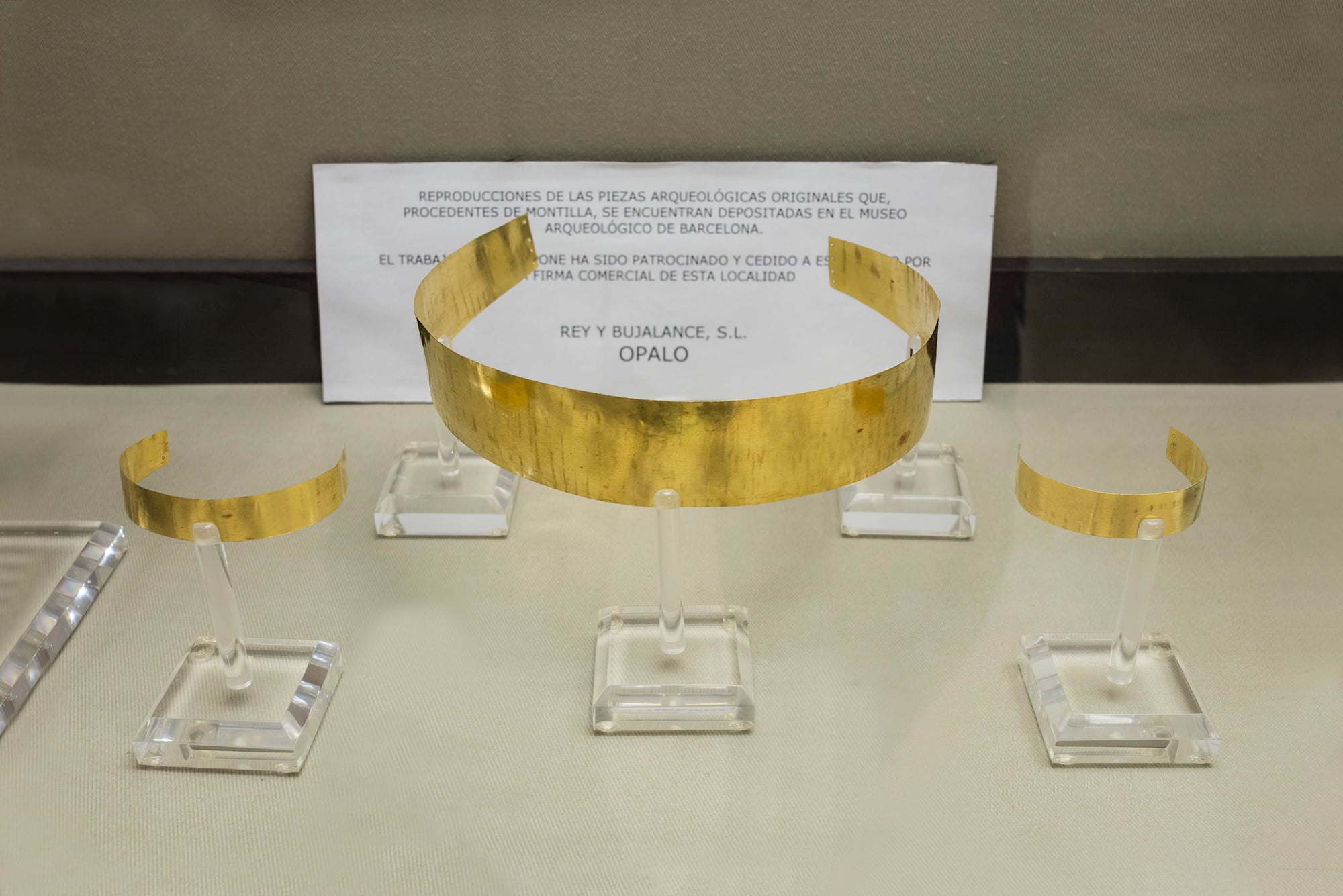
Metal jewelry in the Bronze Age wasn’t delicate or understated. These pieces announced themselves boldly, often serving as both ornament and armor, decoration and protection.
Torcs — those distinctive twisted metal collars — appeared across Celtic Europe, often weighing several pounds and requiring serious neck strength to wear comfortably. Mesopotamian cultures created elaborate ear ornaments that stretched and reshaped earlobes permanently.
And Viking arm rings weren’t just decorative: they functioned as portable currency, with pieces broken off for transactions when needed.
Painted Body Decoration
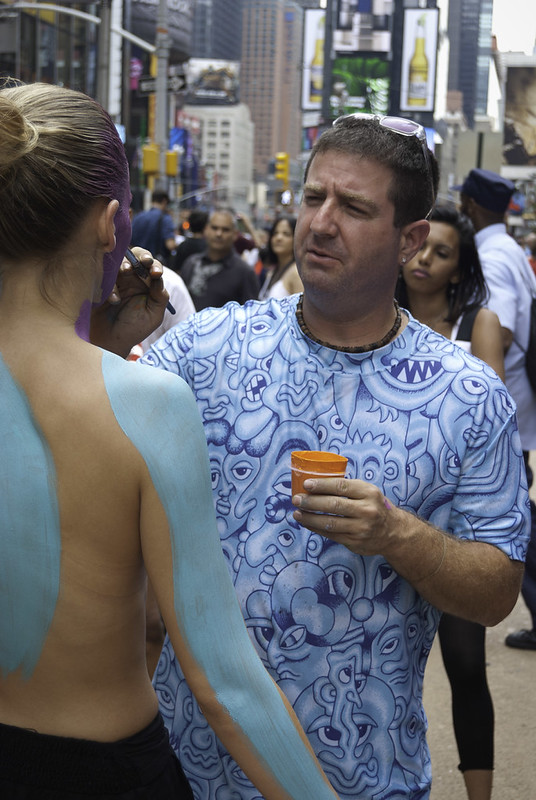
Skin became canvas long before tattoo parlors existed. Ancient cultures developed sophisticated temporary and permanent body decoration techniques that served spiritual, social, and aesthetic purposes simultaneously.
Celtic warriors painted themselves with woad before battle, creating blue patterns meant to intimidate enemies and invoke protection from gods. Polynesian cultures developed intricate tattooing traditions where specific designs indicated tribal affiliation, social rank, and personal achievements.
Ancient Britons used various plant dyes to create temporary decorations for festivals and ceremonies. The patterns weren’t random — each culture developed its own symbolic language expressed through skin art.
Elaborate Roman Hairstyles
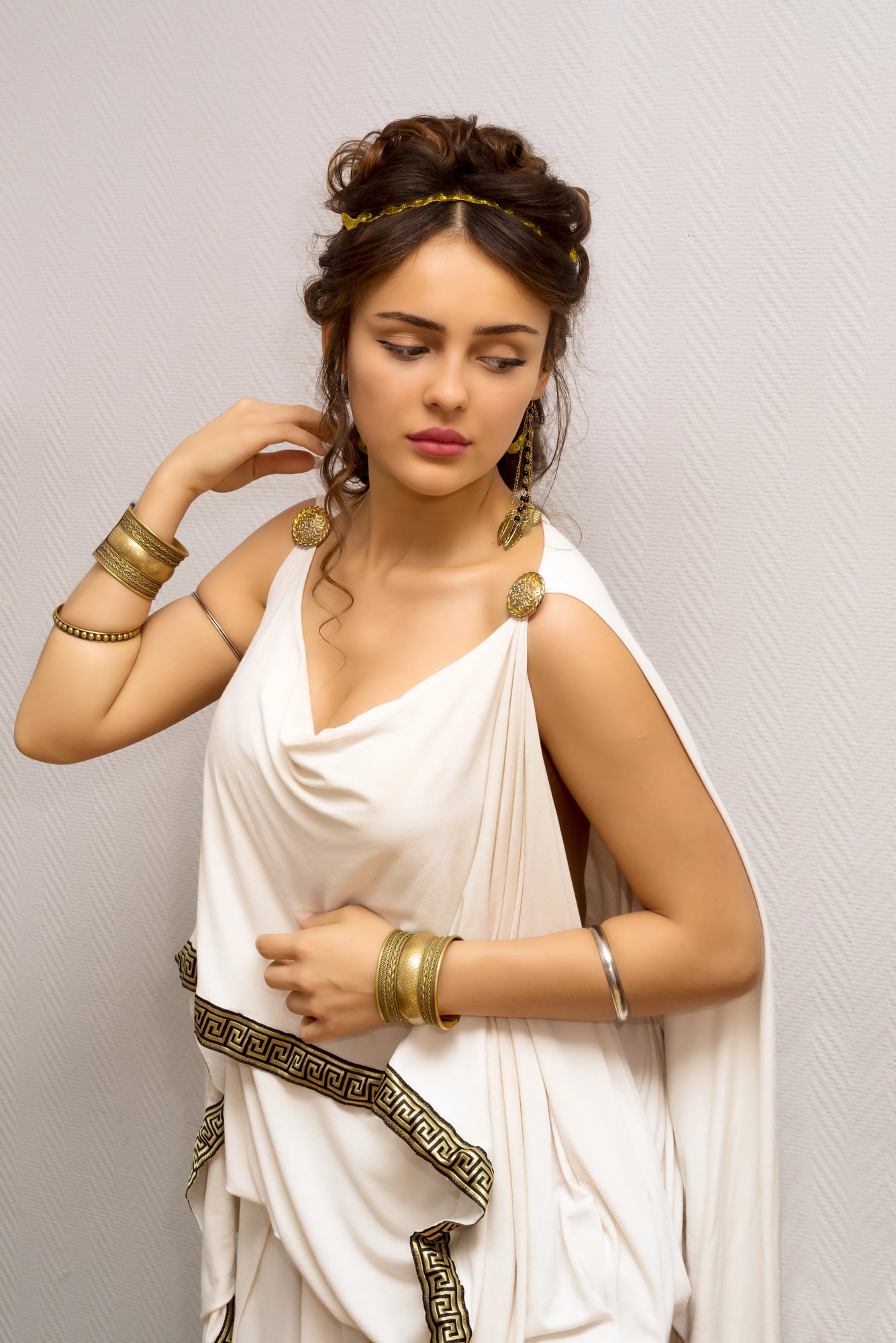
Roman women treated hairstyling as architectural engineering. The towering arrangements that became fashionable during the Imperial period required hours of preparation and often incorporated hairpieces, wigs, and structural supports to achieve the desired height and complexity.
These weren’t just vanity projects. Hairstyles indicated marital status, social class, and current fashion allegiances.
Following the empress’s latest look demonstrated loyalty and awareness of court trends. Some styles required so many hairpins and combs that archaeologists can reconstruct popular arrangements just from burial goods.
And when political fortunes shifted, hairstyles shifted with them — supporting the wrong emperor could make your elaborate coiffure a liability rather than an asset.
Dyed Fabrics and Status Colors
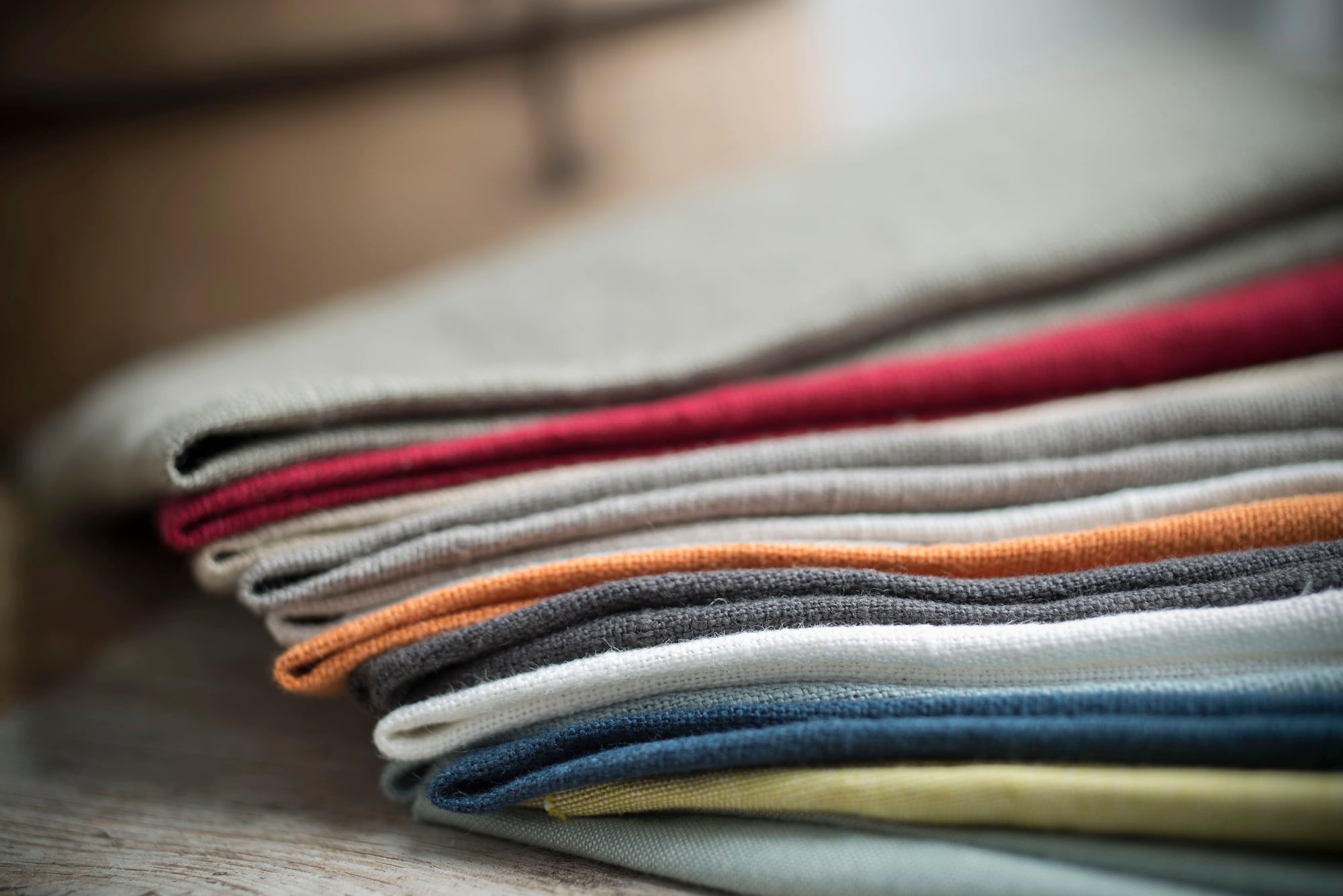
Color was power made visible, and ancient civilizations developed elaborate systems connecting specific dyes to social hierarchies. Tyrian purple, extracted from thousands of murex shells, cost more than gold and became legally restricted to imperial use in Rome and Byzantium.
But purple wasn’t the only status color. Egyptian blue, created through complex chemical processes, adorned the clothing of priests and nobility.
Chinese yellow silk could only be worn by emperors, while certain shades of red indicated specific military ranks. The expense involved in creating these colors — combined with legal restrictions — meant that spotting someone in the wrong shade could be genuinely dangerous for both parties.
Intricate Celtic Knotwork Designs
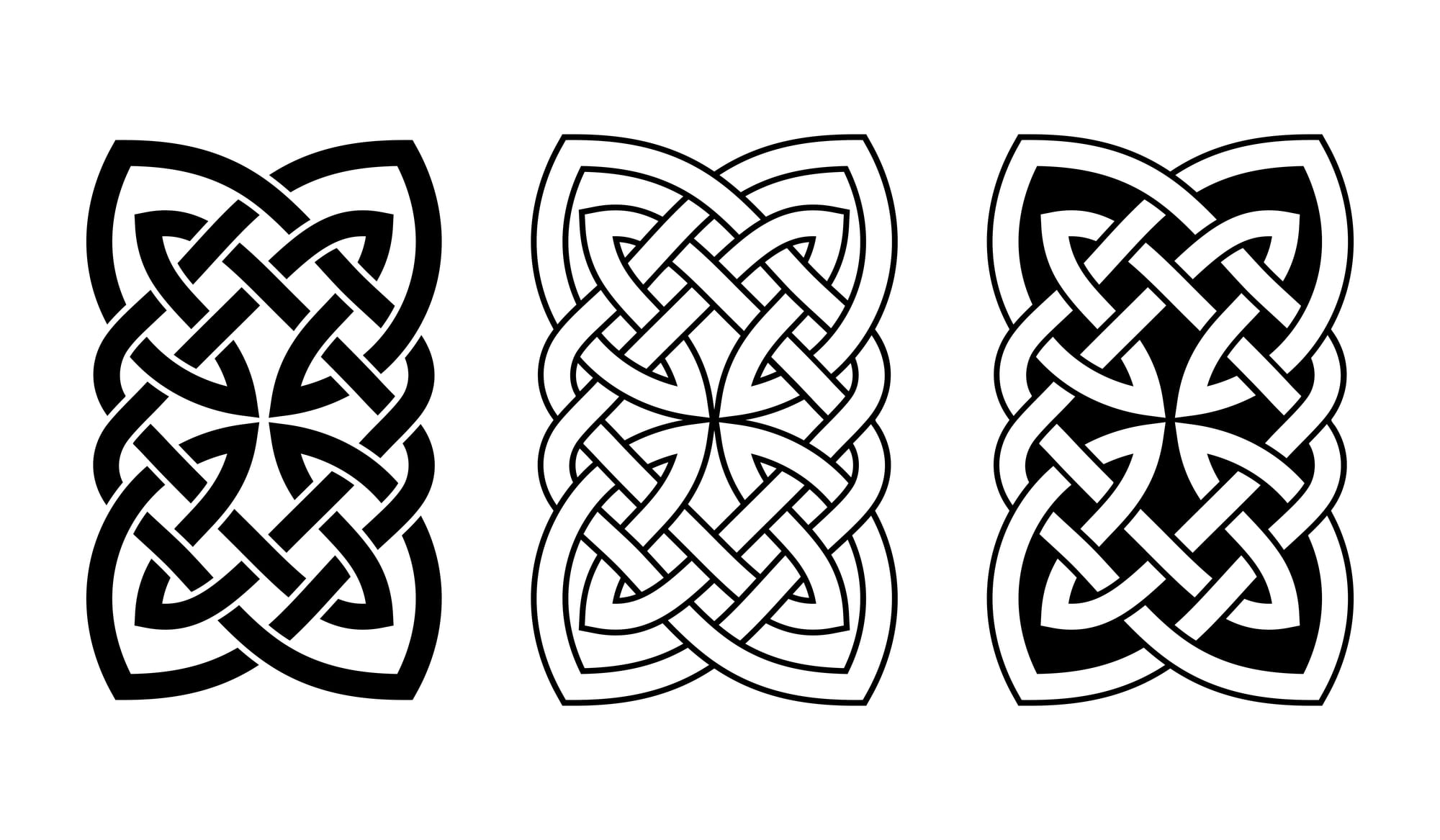
Celtic artisans approached pattern-making like mathematicians discovering infinity. Their interlacing designs, which appeared on clothing, jewelry, and ceremonial objects, followed complex geometric principles that created seemingly endless loops and interconnections.
These patterns weren’t just decorative. Different knot configurations carried specific meanings related to spirituality, protection, and tribal identity.
The craftsmanship required to execute these designs on metalwork, stone carving, and textile decoration represented years of specialized training. And the patterns influenced each other across different media — a knot design that originated in jewelry might appear later in illuminated manuscripts or architectural details.
Flowing Capes and Cloaks
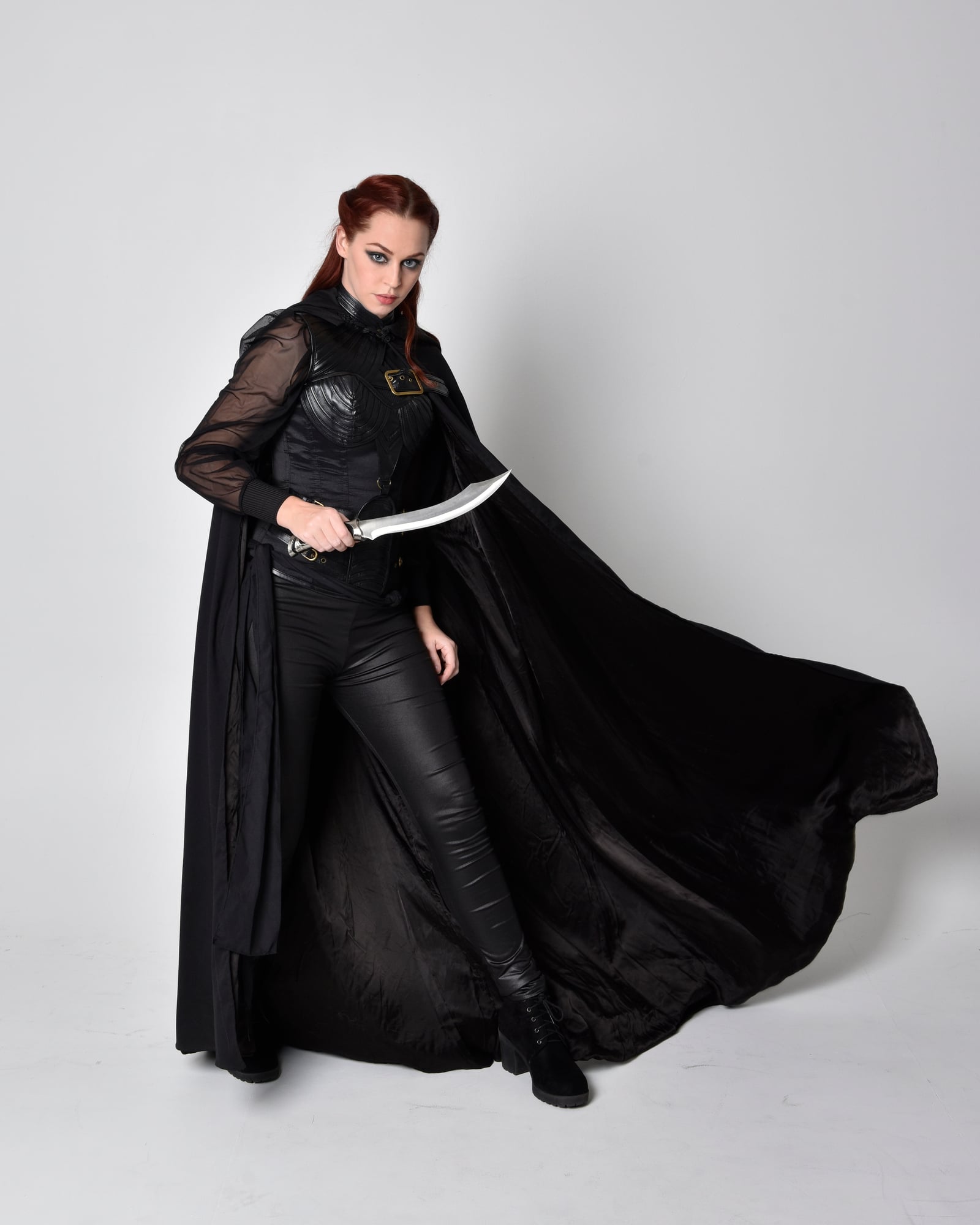
The cloak was theater you could wear. Ancient cultures from Mesopotamia to Medieval Europe used these flowing outer garments to create dramatic silhouettes that transformed the human form into something larger and more imposing.
Roman military cloaks indicated rank through color and fabric quality, while Celtic cloaks often featured distinctive patterns that identified tribal affiliation. The way a cloak moved conveyed as much information as its appearance — confident wearers let their cloaks flow freely, while nervous individuals clutched them tightly.
Length, fabric weight, and fastening styles all carried social implications. A well-chosen cloak could make an entrance unforgettable.
Decorative Armor as Fashion
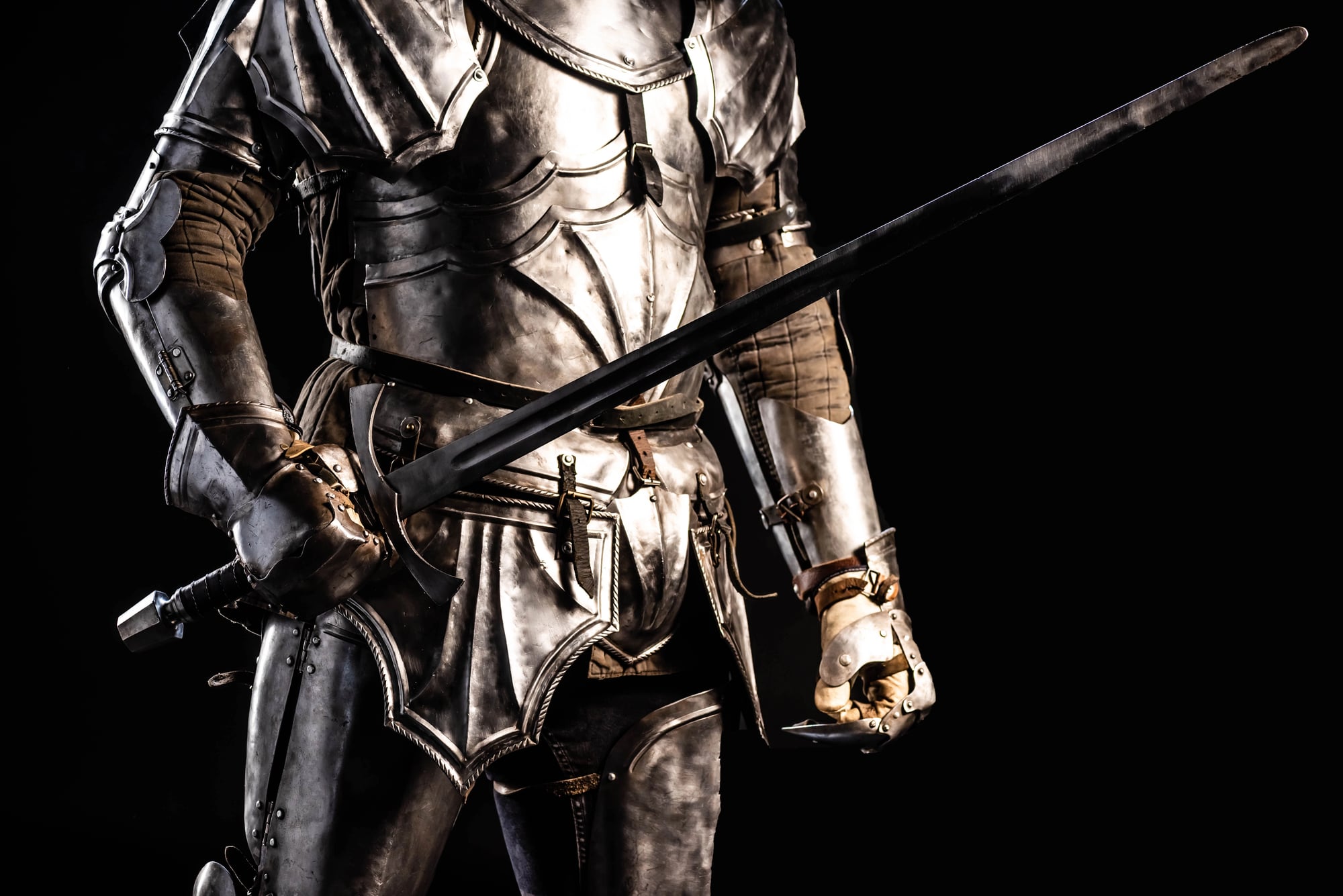
Armor evolved beyond pure functionality to become one of history’s most elaborate fashion statements. Elite warriors across cultures commissioned pieces that prioritized appearance alongside protection, creating garments that were equal parts battlefield necessity and artistic expression.
Greek hoplite armor featured intricate metalwork and personalized designs that identified the wearer from a distance. Roman centurions wore distinctive crests and decorative elements that conveyed rank and unit affiliation.
Celtic warriors incorporated symbolic animals and knotwork into their protective gear. And in many cultures, ceremonial armor was worn during peacetime as formal attire, transforming military gear into court fashion.
The message was clear: those who could afford beautiful armor possessed both the wealth to commission it and the skill to survive wearing it into battle.
Ancient Luxury That Never Faded
Fashion trends from thousands of years ago continue influencing modern design in ways that might surprise anyone paying attention to current runways. Those flowing Greek chitons reappear as contemporary evening gowns, while Roman draping techniques inform modern sculptural clothing.
Celtic knotwork surfaces on everything from jewelry to tattoos, and the bold eye makeup that defined ancient Egypt shows up in countless modern interpretations.
The desire to communicate identity, status, and belonging through clothing remains as strong today as it was in any ancient civilization. The specific garments change, but the underlying impulse — to transform the body into a canvas for self-expression — connects us directly to every culture that came before.
More from Go2Tutors!

- The Romanov Crown Jewels and Their Tragic Fate
- 13 Historical Mysteries That Science Still Can’t Solve
- Famous Hoaxes That Fooled the World for Years
- 15 Child Stars with Tragic Adult Lives
- 16 Famous Jewelry Pieces in History
Like Go2Tutors’s content? Follow us on MSN.