Most Successful Broadway Shows in History
Broadway has always been a place where dreams collide with reality, where three-hour commitments can change lives, and where success gets measured in ways that would confuse accountants anywhere else. Some shows run for decades, others pack theaters so tightly that scalpers retire early, and a few become cultural touchstones that outlive the actors who made them famous.
The most successful Broadway productions don’t just fill seats — they create their own gravity, pulling audiences back night after night, year after year, sometimes generation after generation.
The Lion King

The Lion King proves that sometimes the most obvious choice is also the right one. Disney took their biggest animated hit and handed it to Julie Taymor, who turned it into something that makes grown adults forget they’re watching people in elaborate costumes pretend to be animals.
The show opened in 1997 and never really stopped. It’s grossed over $1.8 billion on Broadway alone, which puts it ahead of most Hollywood blockbusters.
The costumes are engineering marvels disguised as art, and the opening number still makes people cry in ways they can’t explain to their friends later.
Chicago
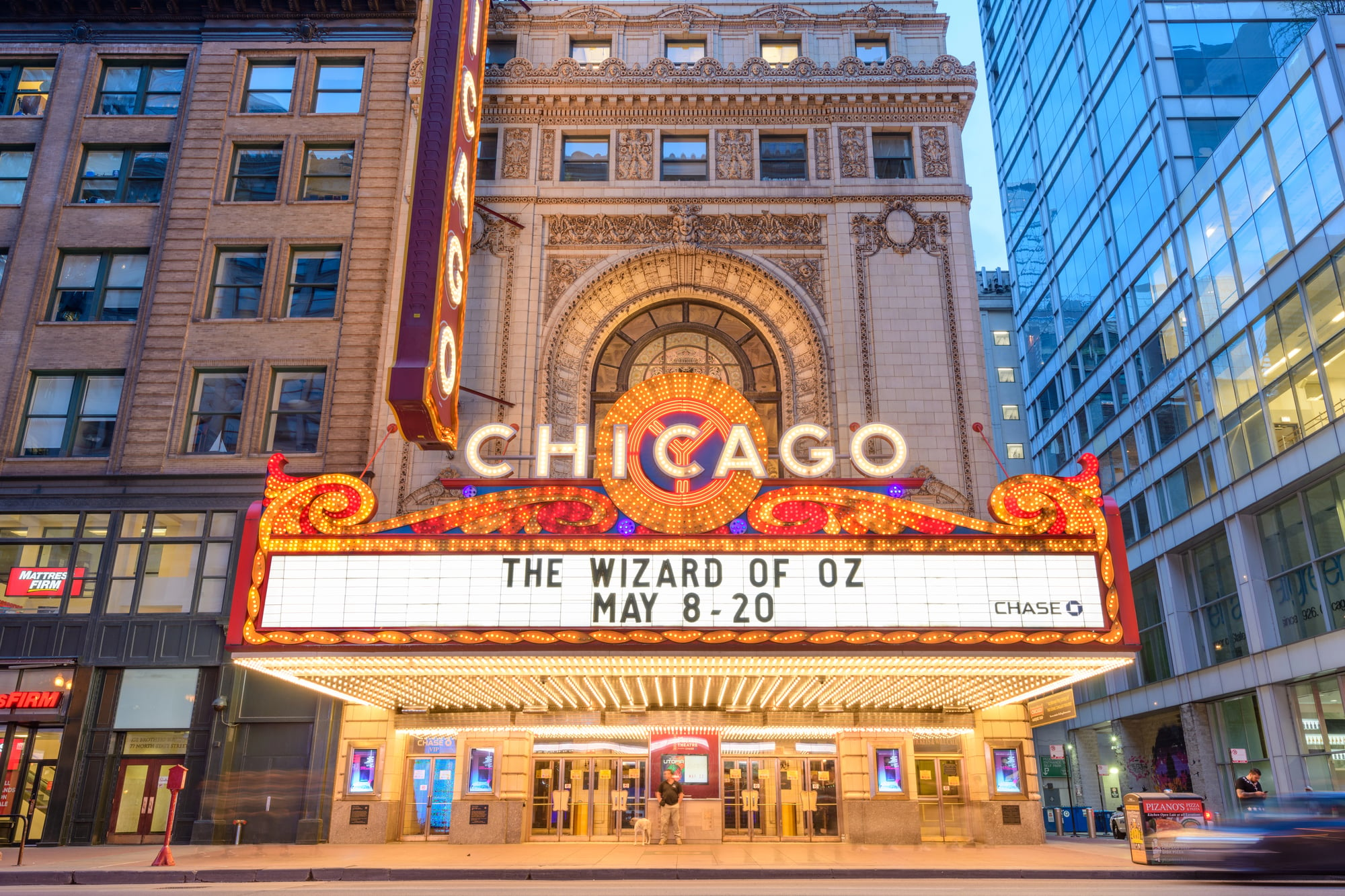
Chicago had the good fortune to open during a national scandal involving a famous football player, which meant audiences were primed for a story about celebrity, murder, and the American legal system’s relationship with fame — though the timing was entirely coincidental (the show originally opened in 1975, then was revived in 1996). Sometimes luck matters more than anyone wants to admit in this business.
But what’s kept Chicago running for over 25 years in its current revival isn’t luck. It’s that Bob Fosse’s choreography still looks like nothing else on Broadway, the music has the kind of sharp edges that cut through decades of imitation, and the story feels fresher every time someone famous does something terrible on the news.
Which is often.
The Phantom of the Opera
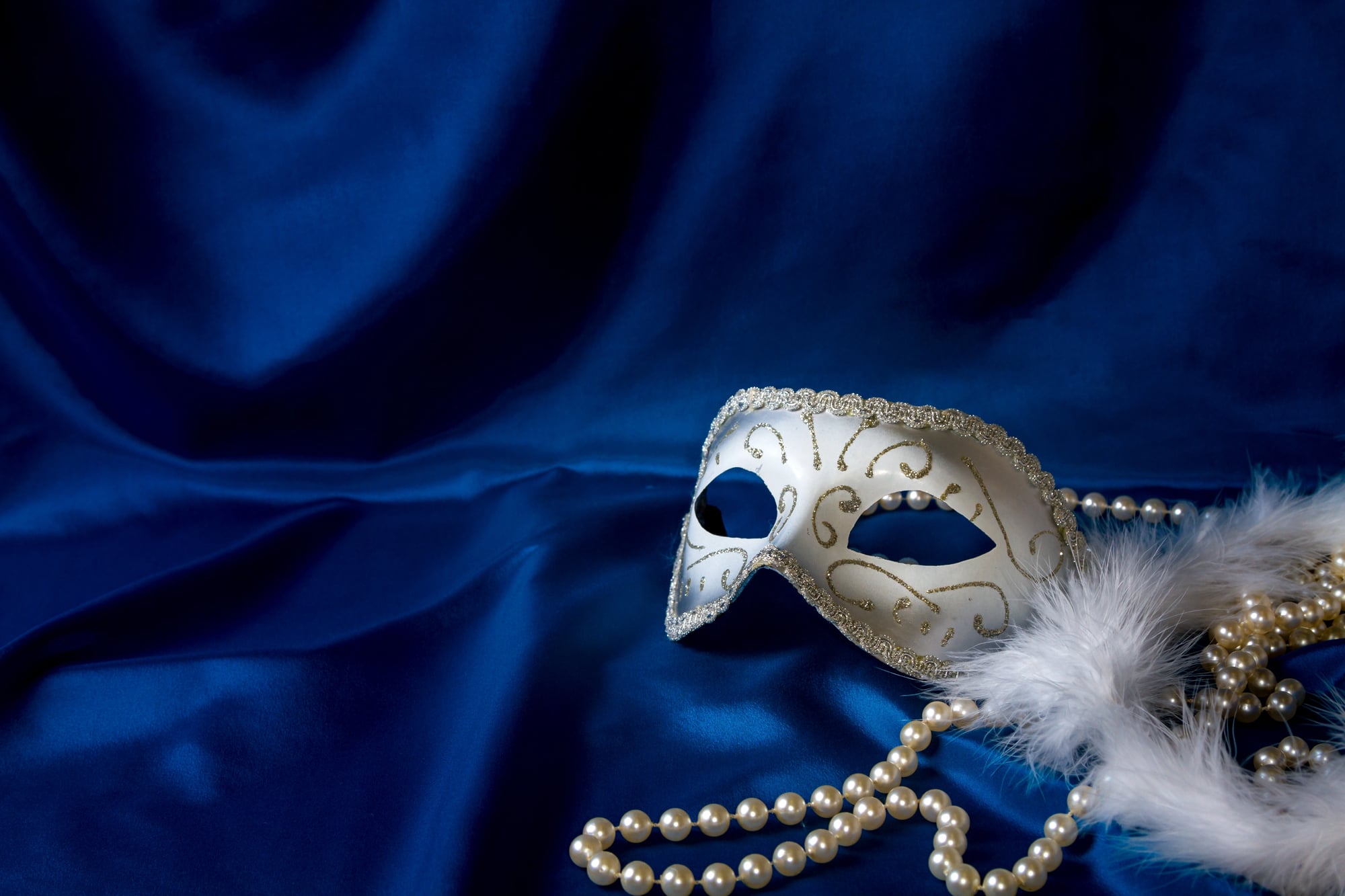
When The Phantom of the Opera finally closed in 2023, it had been running for 35 years — long enough for some people to take their children to see the same show they’d seen on dates, back when they thought Andrew Lloyd Webber might be the future of musical theater (which, depending on how you count it, he was).
The show succeeded because it understood something essential about Broadway audiences: they want spectacle, romance, and a chandelier that crashes in a way that feels genuinely dangerous even though everyone knows it’s perfectly safe. Phantom delivered all three with the kind of shameless commitment that makes cynicism irrelevant.
And the marketing didn’t hurt — that half-mask became as recognizable as any logo in American entertainment.
Wicked
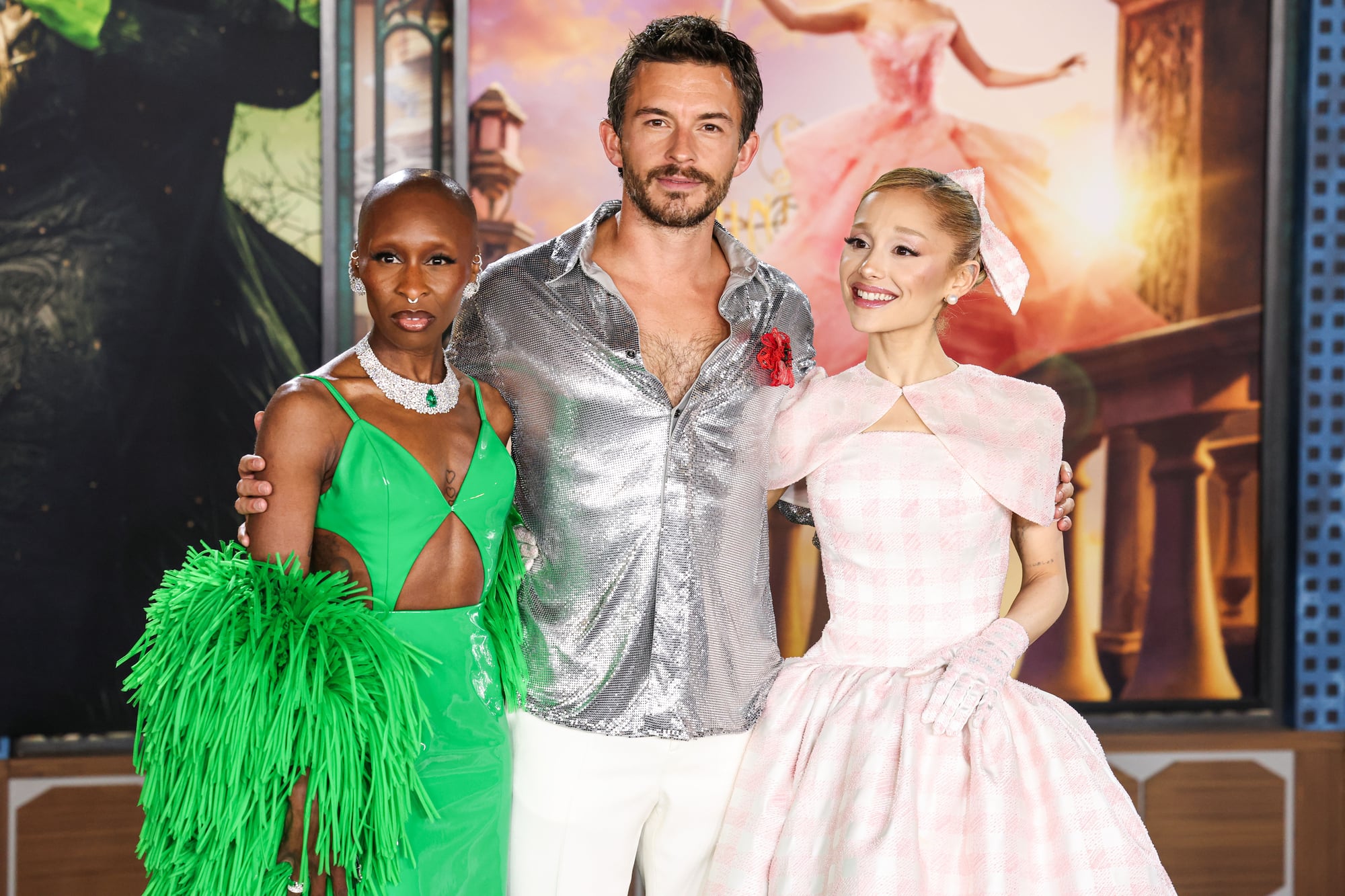
Wicked walks the line between Broadway musical and religious experience, at least based on how some audience members react to “Defying Gravity.” The show took L. Frank Baum’s Wizard of Oz and asked what would happen if the Wicked Witch had been the hero all along — which is the kind of revisionist storytelling that usually crashes into its own cleverness, except that Stephen Schwartz wrote songs that actually support the premise.
So you end up with something genuinely strange: a musical where the villain wins by refusing to compromise her principles, sung by performers who have to hit notes that would challenge opera singers. And it works because the story earns its big moments (even if some of those moments require wireless microphones and enough stage machinery to launch a small aircraft).
The show has been running since 2003, which means there are college students who’ve never lived in a world without Elphaba.
Hamilton
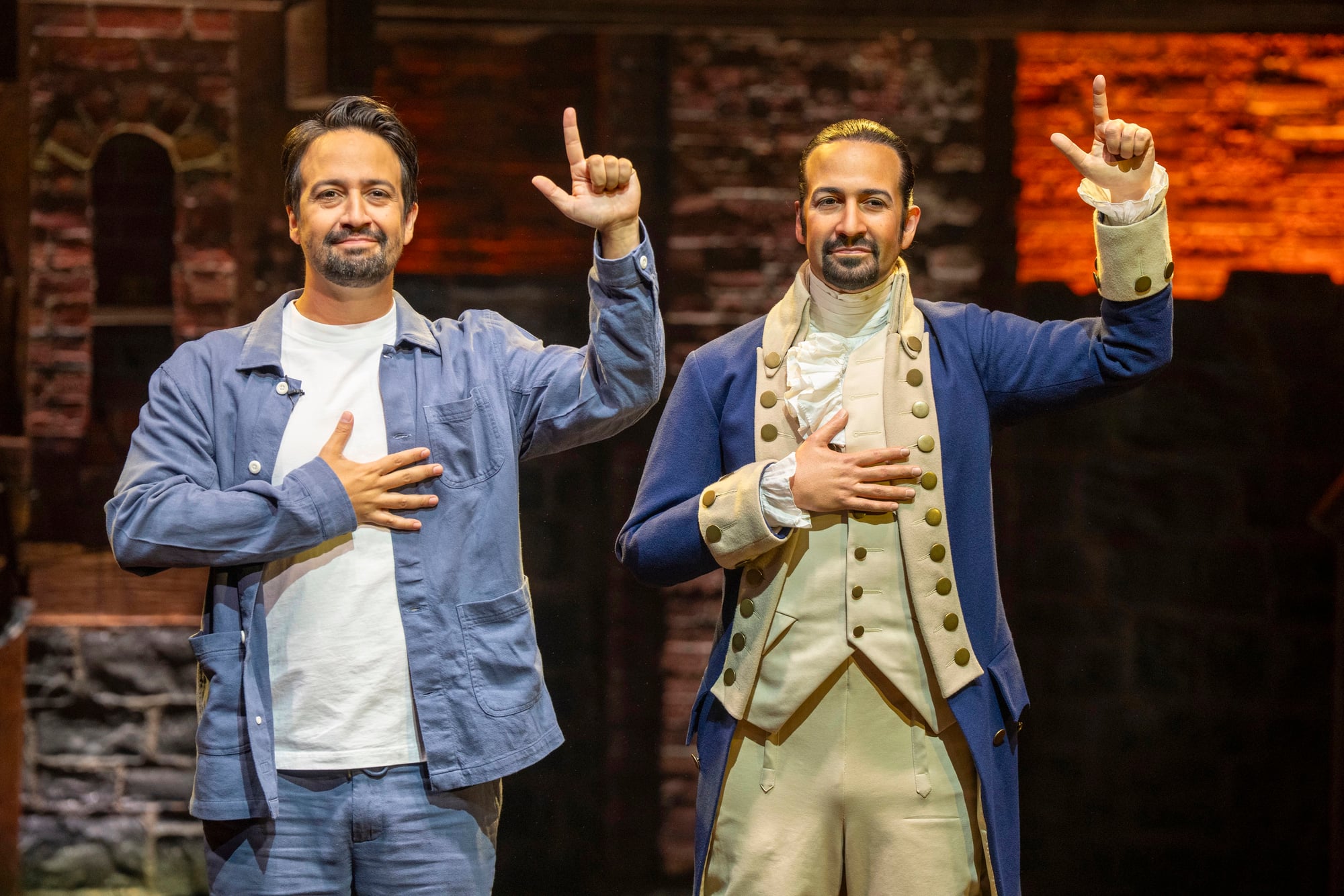
Hamilton broke Broadway the way certain albums break radio — suddenly everything else sounds smaller and more predictable by comparison. Lin-Manuel Miranda took one of the most well-documented stories in American history and made it feel like breaking news, partly through hip-hop and partly through casting choices that turned the Revolutionary War into something that looked like modern America rather than a museum exhibit.
The demand was so intense that tickets became a form of currency among people who could afford them, and everyone else waited for the Disney+ recording like it was a national event. Which it was, as it turned out.
The show proved that Broadway could still produce genuine cultural phenomena — not just successful shows, but works that change how people think about what musical theater can do.
Cats
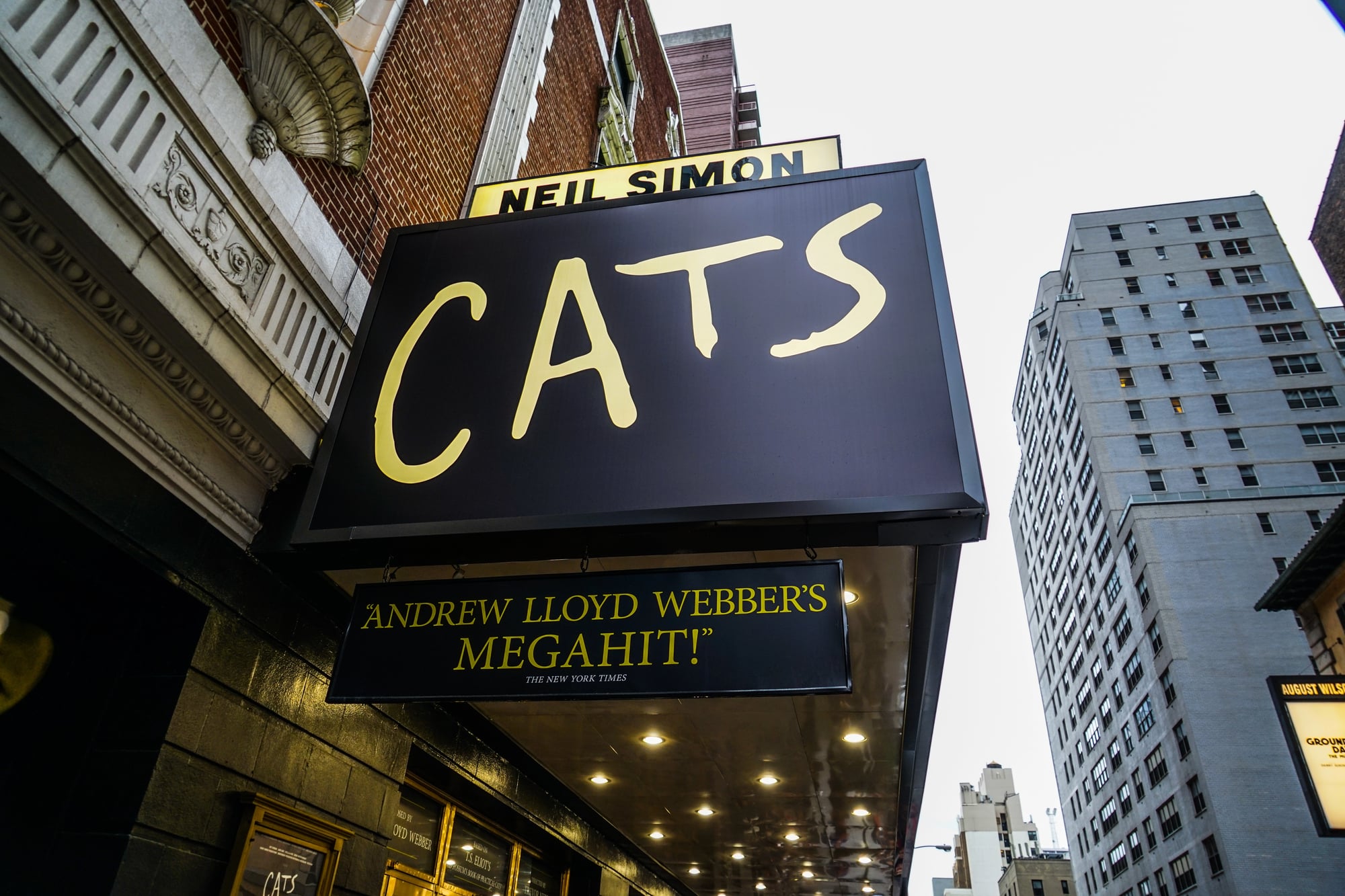
Cats ran for 18 years on Broadway, which means it did something right, even if nobody can quite explain what that something was. The show is based on T.S. Eliot poems about cats, features performers in elaborate cat costumes singing about being cats, and culminates with a cat ascending to cat heaven while the audience watches in what can only be described as respectful confusion.
And yet people kept buying tickets. “Memory” became a standard that singers still perform at auditions and cabarets, the costumes influenced a generation of Halloween choices, and the show proved that Broadway audiences were willing to embrace the genuinely weird if it was executed with enough conviction.
The 2019 movie adaptation reminded everyone why the stage version worked — some things are meant to be experienced live, in a theater, with other people who are also trying to figure out what they’re watching.
The Book of Mormon
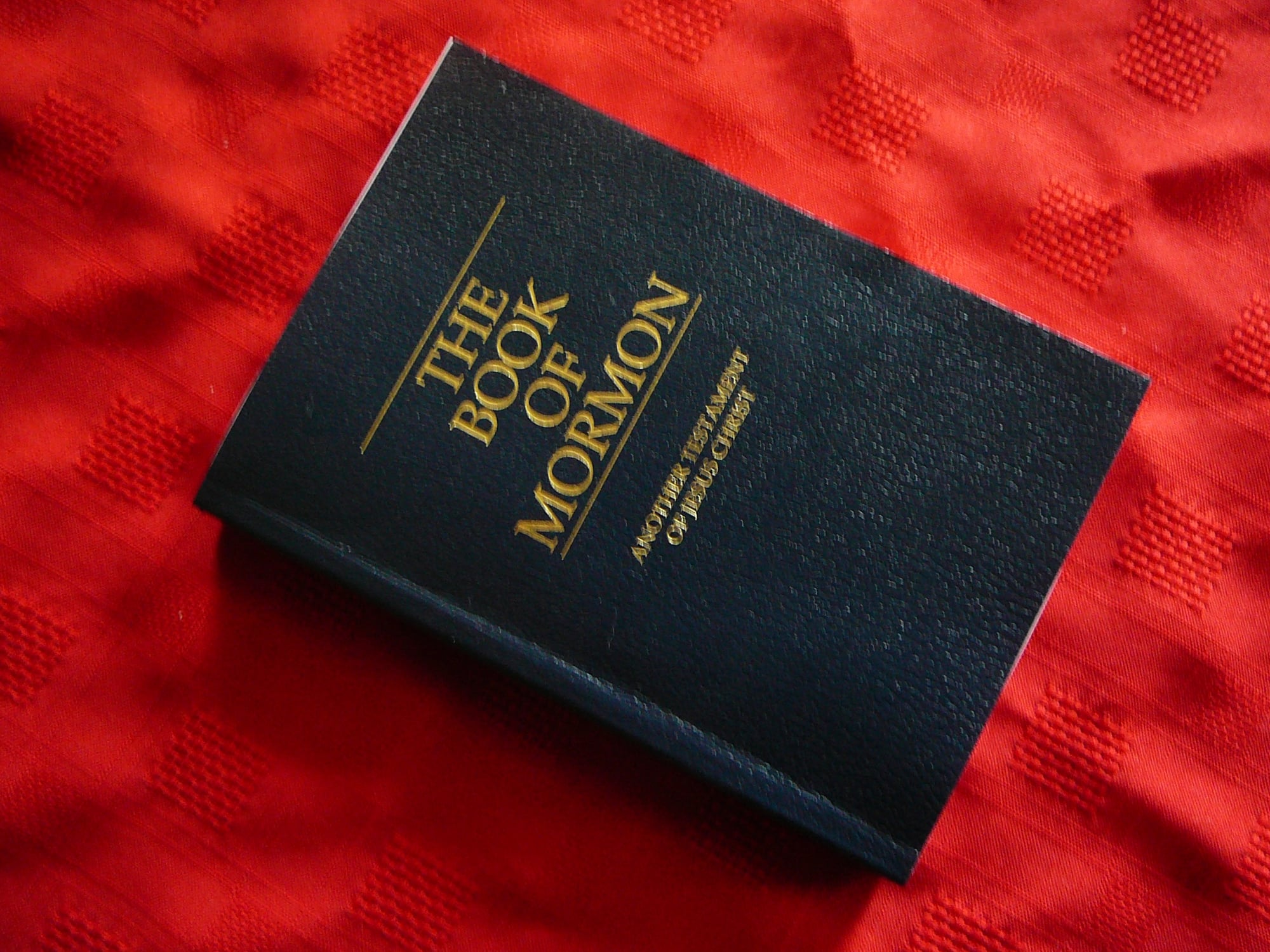
Trey Parker and Matt Stone, the creators of South Park, wrote a musical about Mormon missionaries in Uganda that somehow managed to be simultaneously respectful and irreverent, which shouldn’t have been possible but turned out to be exactly what Broadway needed in 2011. The show won nine Tony Awards and has been selling out theaters ever since.
What makes The Book of Mormon work isn’t just that it’s funny (though it is, often hilariously so) but that it takes its characters seriously even when mocking everything around them. The songs are genuinely catchy, the performances require real skill, and the story lands on sincerity in spite of itself.
It’s the rare comedy that doesn’t condescend to its audience or its subject matter, which explains why it’s still running more than a decade later.
A Chorus Line
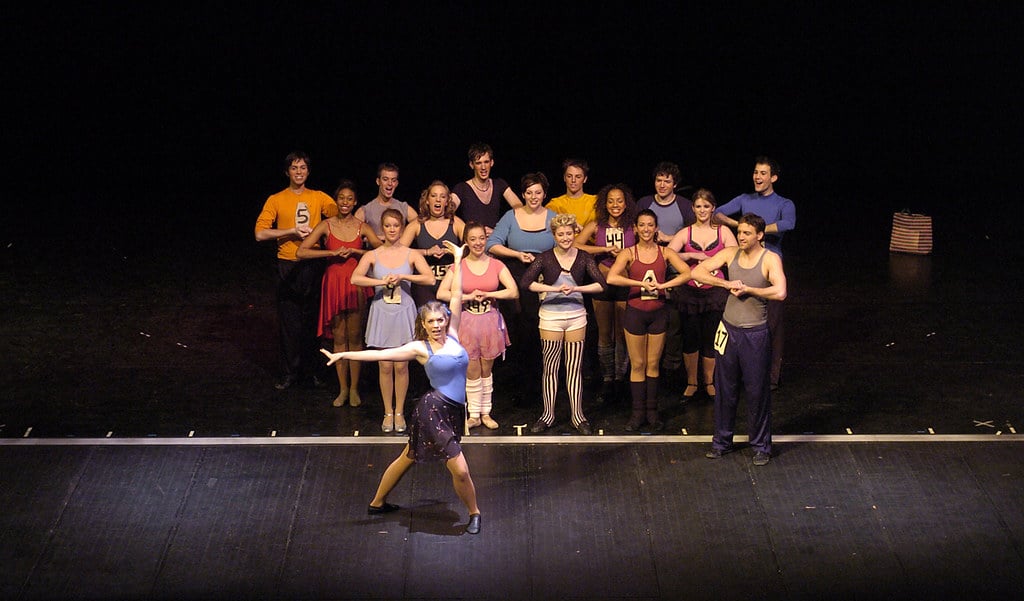
A Chorus Line succeeded by doing what most musicals avoid: it made the audience complicit in the audition process they were watching. The show is about dancers trying out for a chorus line, which means it’s about rejection, desperation, and the small cruelties of an industry that treats people like replaceable parts.
And the audience sits there, in the dark, essentially serving as the director who will decide these characters’ fates.
The device shouldn’t work — it’s too meta, too inside-baseball, too willing to make people uncomfortable. But Marvin Hamlisch’s music and the stories these characters tell about their lives create something that feels more honest than most Broadway shows attempt.
A Chorus Line ran for 15 years in its original run and has been revived multiple times, which suggests that audiences appreciate being trusted with uncomfortable truths about the business that’s entertaining them.
Les Misérables
Les Misérables is what happens when someone decides to adapt a 1,400-page French novel into a sung-through musical and somehow makes it work. The show covers revolution, redemption, love, death, and the French class system, all set to music that ranges from gentle ballads to full-company anthems that sound like they could start actual revolutions.
Claude-Michel Schönberg and Alain Boublil created something that feels both intimate and epic — characters sing about personal struggles against the backdrop of historical events that dwarf individual concerns, but the personal stories never get lost. “I Dreamed a Dream” and “On My Own” became standards, while “Do You Hear the People Sing?” became the kind of song that gets performed at graduation ceremonies and political rallies.
The show ran for 16 years on Broadway and continues in revivals and touring productions, because apparently there’s always an audience for French people singing about justice and redemption.
Mamma Mia!
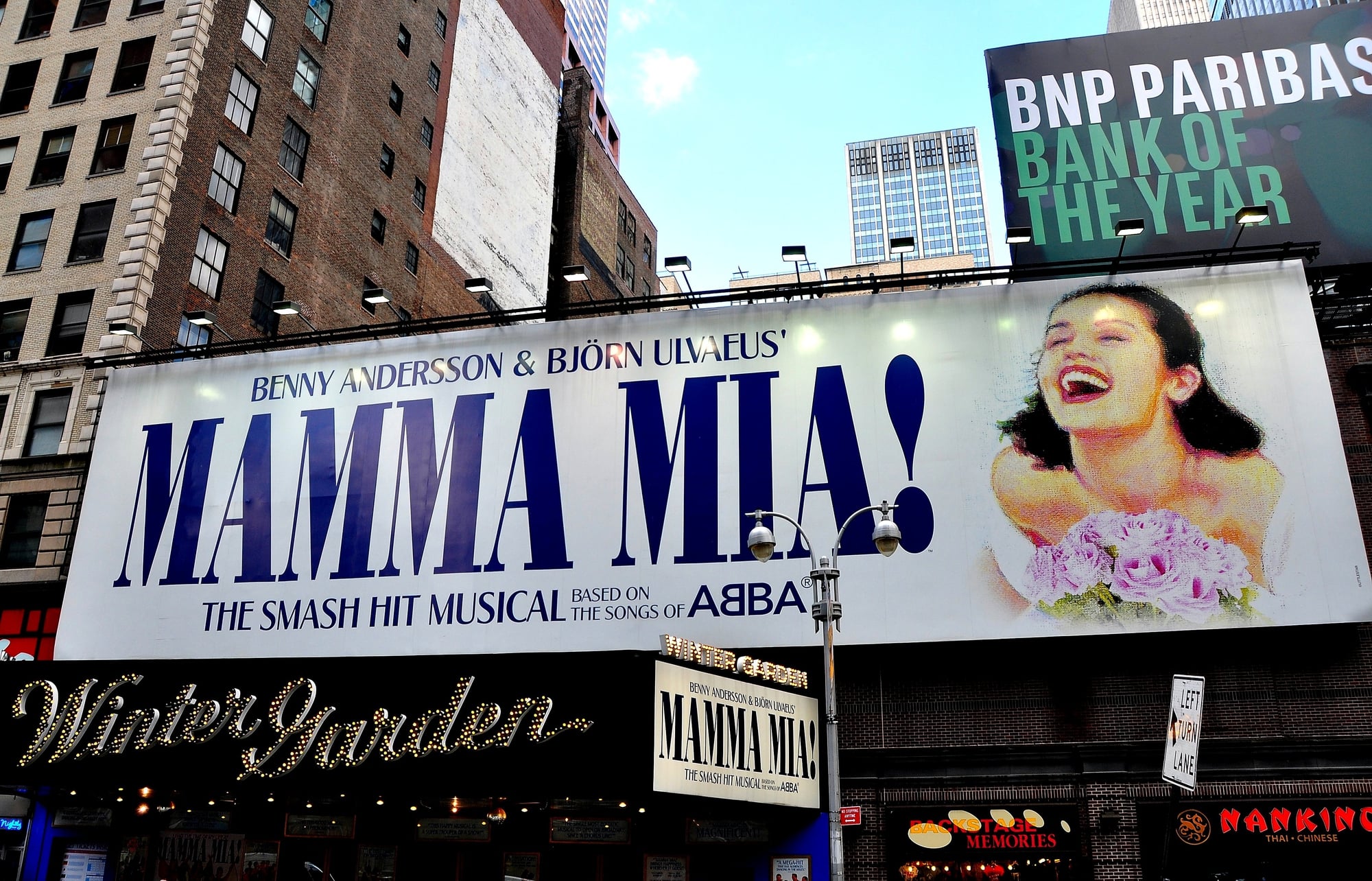
Mamma Mia! took ABBA’s greatest hits and built a story around them, which sounds like the kind of jukebox musical that gets assembled by committee and dies quickly. Instead, it became a global phenomenon that spawned movie adaptations and convinced a generation of theatergoers that plot was negotiable as long as the songs were good enough.
The story — about a woman trying to figure out which of three men might be her father — is functional rather than inspired, but that turns out not to matter when the cast is performing “Dancing Queen” and “Waterloo” with the kind of commitment usually reserved for Sondheim.
The show understands that sometimes audiences want to leave the theater humming, and that there’s nothing wrong with building an entire evening around that simple goal.
Jersey Boys
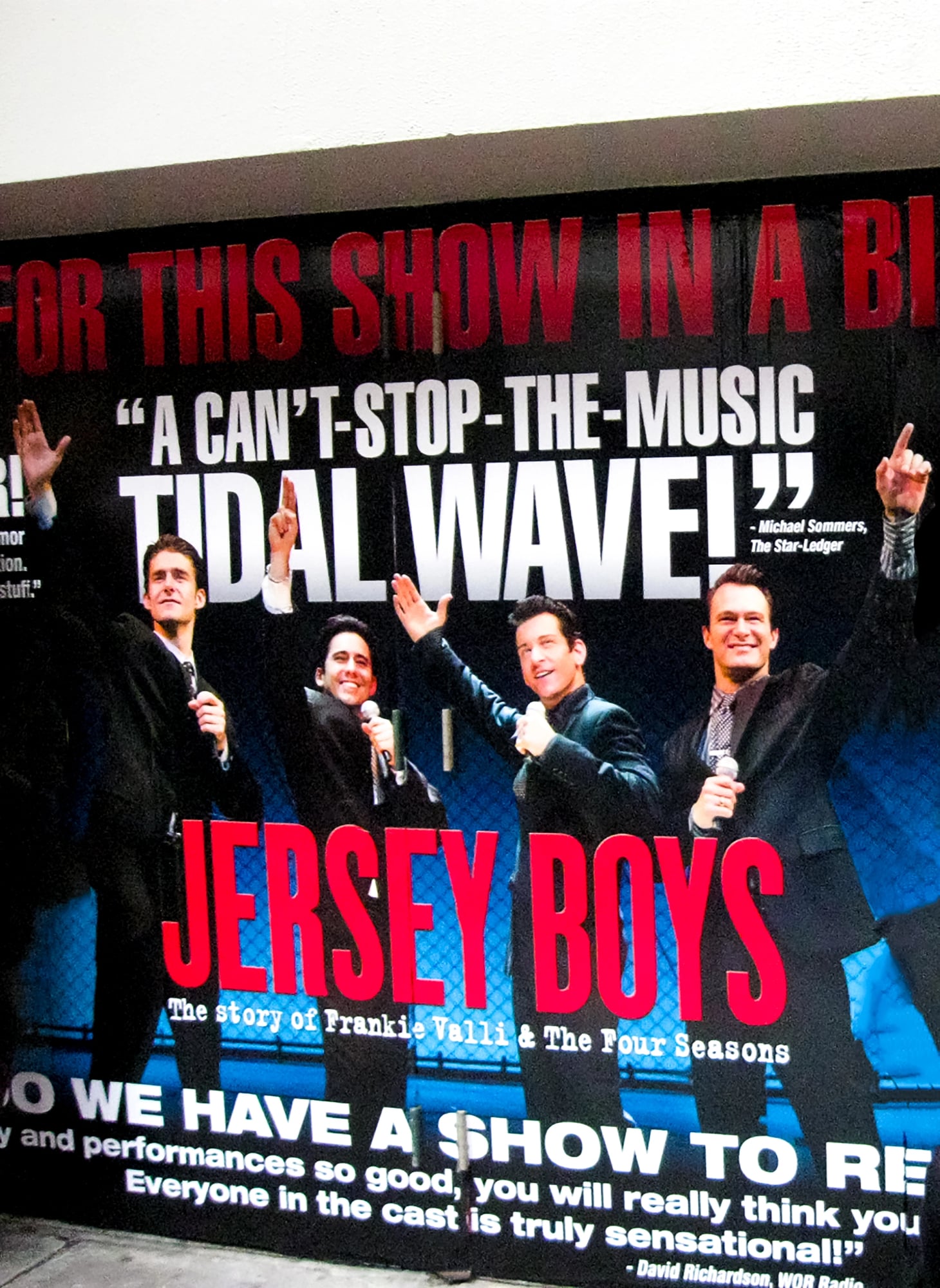
Jersey Boys tells the story of Frankie Valli and the Four Seasons, which means it’s both a biographical musical and a jukebox musical, combining the narrative satisfaction of the former with the familiar pleasures of the latter. The show follows the group from their working-class New Jersey origins through their rise to fame, their internal conflicts, and their eventual dissolution.
What makes Jersey Boys work is that it doesn’t sanitize its subjects — these characters make bad decisions, treat each other poorly, and deal with consequences that extend beyond their professional lives. The music is performed with the kind of precision that makes familiar songs sound fresh, and the story earns its emotional moments instead of assuming that nostalgia will do the work.
The show ran for 11 years on Broadway and continues to tour, proving that audiences will invest in stories about real people if those stories are told honestly.
Rent
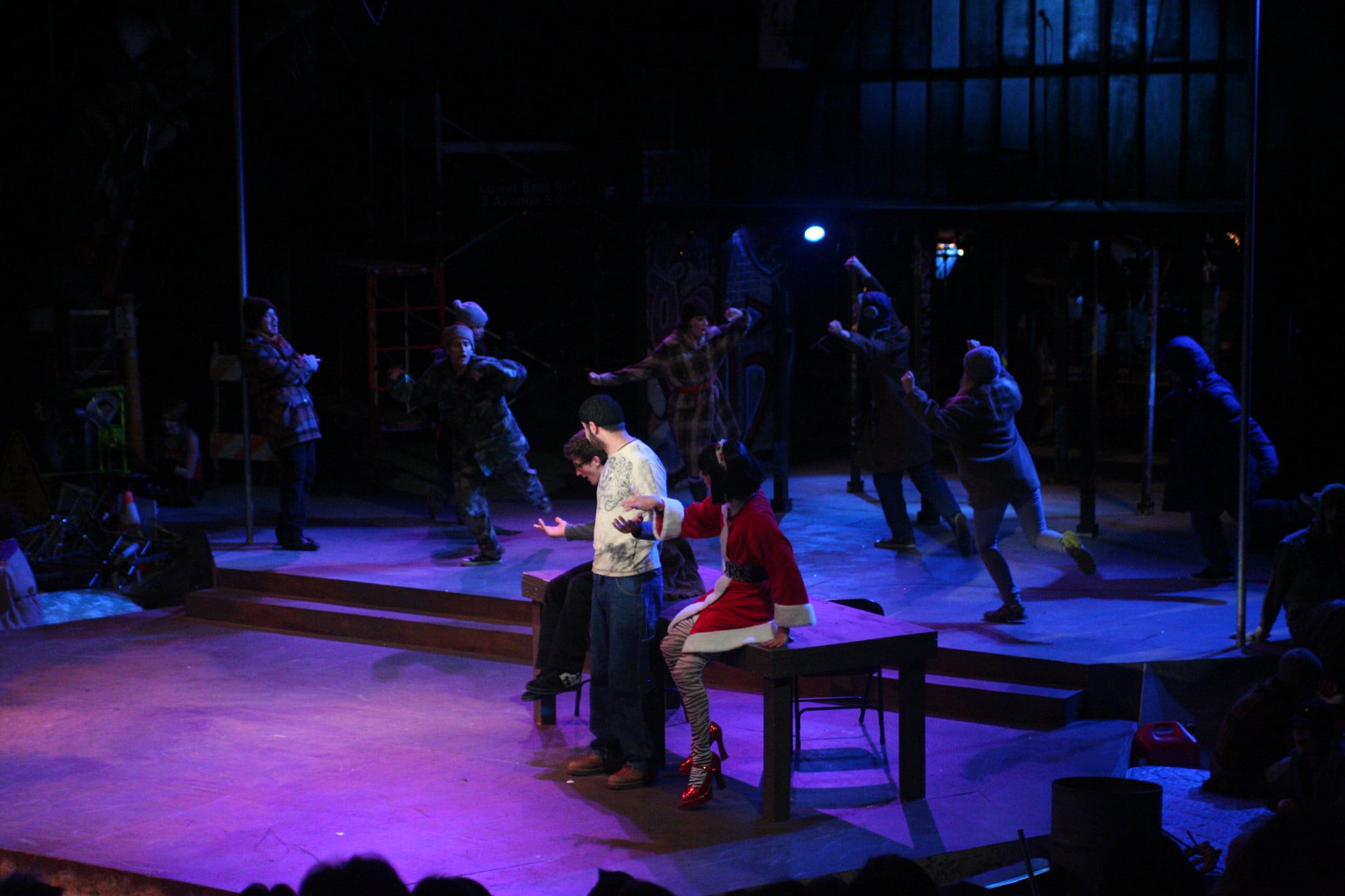
Rent opened in 1996, shortly after Jonathan Larson died unexpectedly, which gave the show a tragic backstory that probably influenced its initial reception. But Rent succeeded because it brought contemporary issues — AIDS, poverty, gentrification, addiction — to a Broadway stage that had been largely ignoring them, and did so with music that sounded like the radio rather than show tunes.
The show made young audiences feel like Broadway was finally speaking to them instead of their parents, and the story of artists struggling to survive in New York resonated with anyone who’d ever chosen passion over financial security. “Seasons of Love” became the kind of song that gets performed at graduations and memorial services, while the entire score influenced a generation of musical theater composers who realized they didn’t have to choose between contemporary relevance and theatrical effectiveness.
Beauty and the Beast

Disney’s Beauty and the Beast was one of the first major studio efforts to adapt an animated film for Broadway, and its success established a template that the company has been following ever since. The show took songs that were already familiar from the movie and expanded them into full theatrical numbers, added new material that deepened the story, and created costumes and sets that translated cartoon magic into live performance.
The result was something that satisfied both children who knew the movie and adults who were experiencing the story in a new format. Beauty and the Beast ran for 13 years on Broadway, proving that family-friendly musicals could sustain long runs if they took their theatrical responsibilities seriously.
The show’s success also demonstrated that movie studios could become major players in Broadway production, which changed the economics of musical theater in ways that are still being felt.
Avenue Q
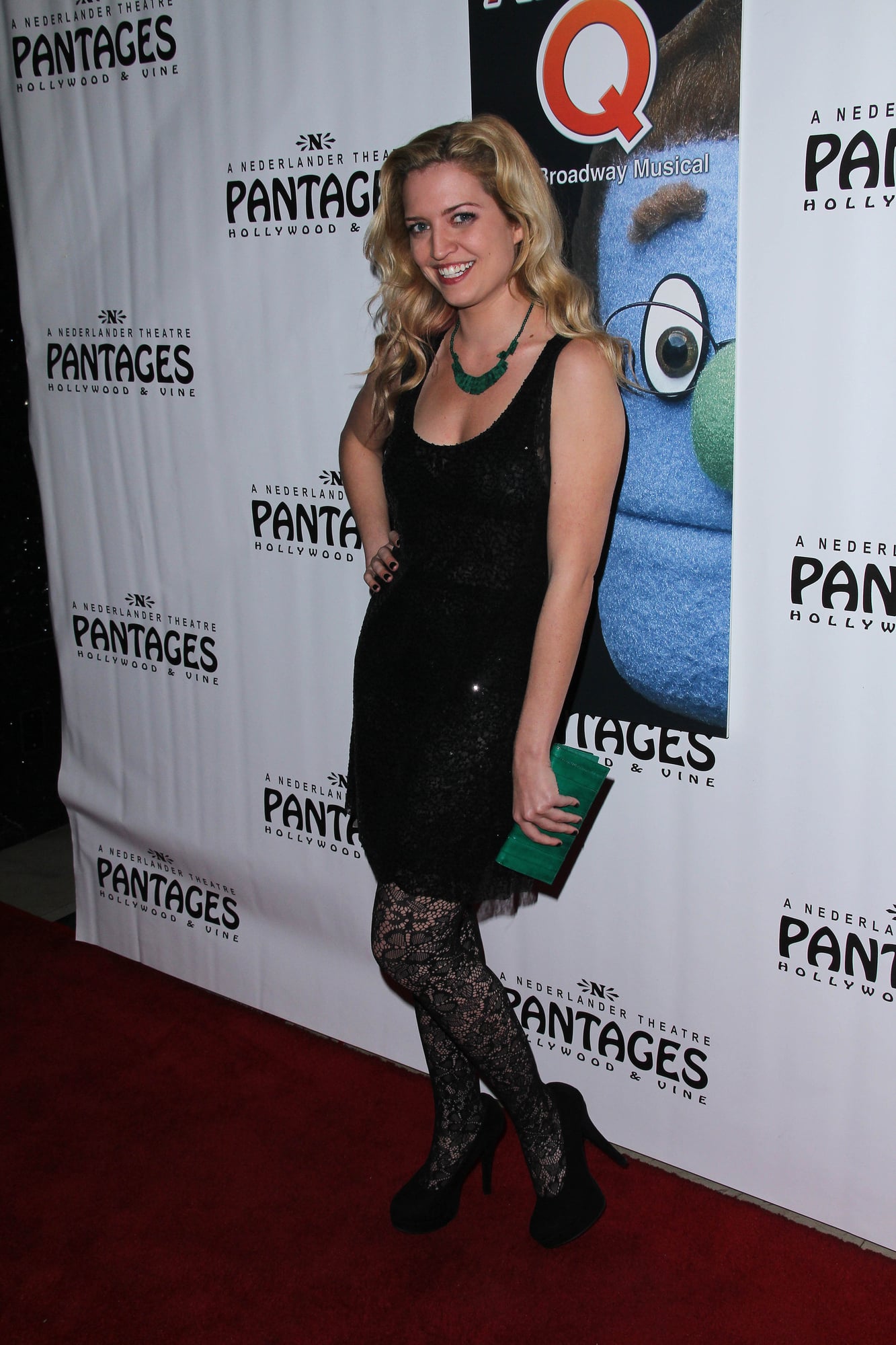
Avenue Q looks like Sesame Street for adults, which is exactly what it is — a musical featuring puppets and human actors dealing with adult problems like unemployment, romantic confusion, and the general disappointment of discovering that life after college is harder than anyone mentioned. The show won the Tony Award for Best Musical in 2004, beating Wicked, which says something about the voting preferences of theater professionals.
What makes Avenue Q work is that it uses the inherent absurdity of adult puppets to address genuinely serious issues. Songs like “Everyone’s a Little Bit Racist” and “The Internet Is for Porn” tackle subjects that would be difficult to handle in a conventional musical, but the puppet format creates enough distance for audiences to laugh at uncomfortable truths.
The show’s success proved that Broadway audiences were ready for comedy that didn’t shy away from contemporary anxieties.
Looking Back at the Stage

Broadway success stories share certain characteristics that have nothing to do with critical reviews or industry predictions. They create moments that audiences remember long after they’ve forgotten the plot details.
They feature music that works both within the theatrical context and as standalone songs. And they understand that spectacle without substance is just expensive noise, while substance without spectacle is just expensive conversation.
The most successful shows also seem to arrive at the right cultural moment, though it’s never clear whether they’re responding to that moment or creating it. Hamilton spoke to contemporary conversations about American identity.
Rent addressed issues that mainstream theater had been avoiding. The Lion King proved that Broadway could compete with any entertainment medium in terms of pure visual impact.
These shows didn’t just fill theaters — they reminded people why live theater matters in a world full of other entertainment options.
More from Go2Tutors!

- The Romanov Crown Jewels and Their Tragic Fate
- 13 Historical Mysteries That Science Still Can’t Solve
- Famous Hoaxes That Fooled the World for Years
- 15 Child Stars with Tragic Adult Lives
- 16 Famous Jewelry Pieces in History
Like Go2Tutors’s content? Follow us on MSN.