Bizarre Animal Migrations That Defy Scientific Logic
Every year, millions of animals pack up and move. Some travel a few miles, others cross entire continents or oceans. Most of these journeys make sense when you dig into the science — following food sources, avoiding harsh weather, seeking better breeding grounds. But then there are the migrations that leave researchers scratching their heads, pulling out calculators, and wondering if these animals might know something about navigation that humans haven’t figured out yet.
These aren’t your typical seasonal moves. These are the migrations that seem to break every rule about energy conservation, logical routing, and basic survival instincts. The animals that take impossible detours, navigate by methods that shouldn’t work, or show up in places they have no business being.
Arctic Terns
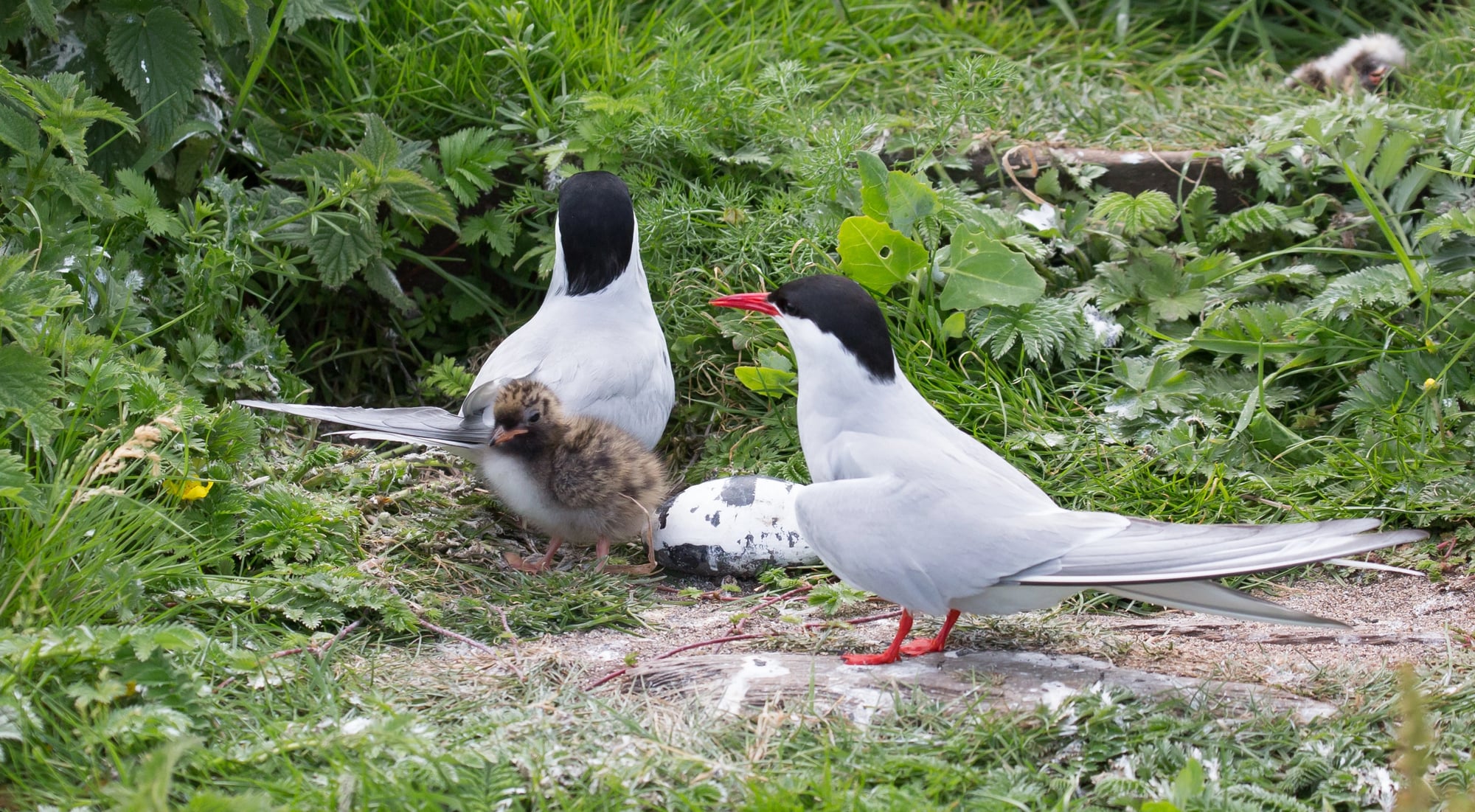
Arctic terns don’t just migrate — they commit to the most extreme commute on Earth. These seabirds fly from Arctic to Antarctic and back again every single year. That’s roughly 44,000 miles annually. For perspective, that’s nearly twice around the planet.
The part that baffles scientists isn’t just the distance. It’s the route. These birds don’t take anything resembling a straight line. They zigzag across the Atlantic, following wind patterns that shouldn’t provide any obvious advantage, making detours that add thousands of extra miles to an already impossible journey. And they do this while weighing less than four ounces.
Bar-Headed Geese
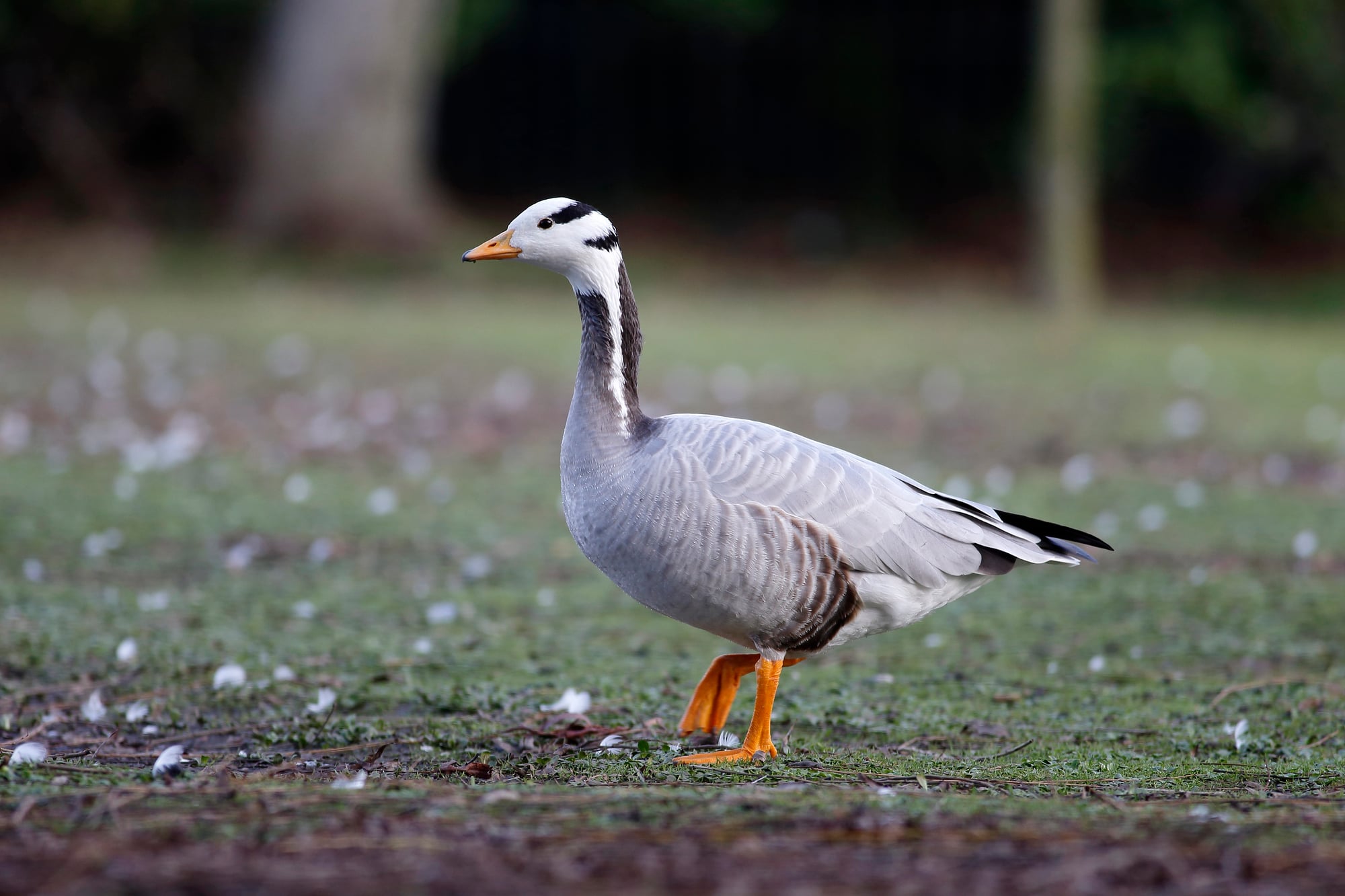
Bar-headed geese fly over Mount Everest twice a year, because apparently they’ve decided the world’s tallest mountain range is just a minor inconvenience on their way between breeding grounds in Mongolia and wintering spots in India. At 29,000 feet, there’s barely any oxygen — so little that human climbers need supplemental oxygen just to think clearly, let alone engage in strenuous physical activity.
But these geese (and this is where it gets genuinely strange) don’t just muscle through the thin air by flying harder. They’ve developed a completely different type of hemoglobin that grabs oxygen more aggressively than other birds, plus lung modifications that would make a free diver jealous. The mystery isn’t that they can do it — evolution explains the physical adaptations well enough. The mystery is why they started doing it in the first place, when perfectly reasonable routes around the mountains exist and are used by other migratory species. So they chose the hardest possible path, then spent millennia evolving to handle it.
Christmas Island Red Crabs
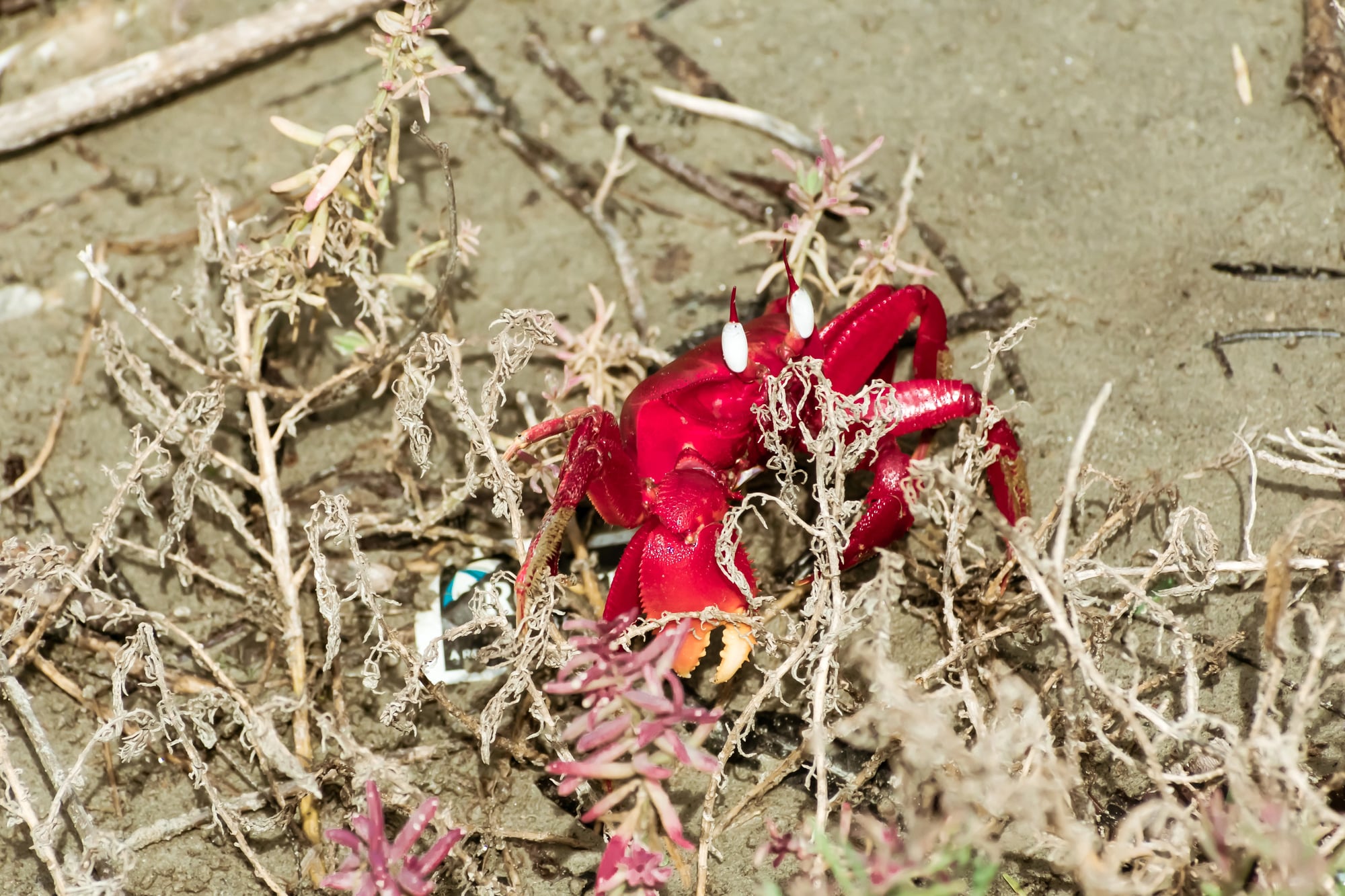
Christmas Island red crabs spend most of their lives as landlubbers, munching on fallen leaves in the island’s forests. But every year, when the wet season arrives, around 50 million of them drop everything and march to the ocean. Not some of them — all of them. The entire adult population of the species participates in what looks like the world’s largest coordinated road trip.
Here’s where it gets weird: these crabs can’t swim, and saltwater will kill them if they stay in it too long. Yet they march directly to the ocean, mate in the surf, and the females wade in just far enough to release their eggs before scrambling back to dry land. The timing has to be perfect — too early and the moon phases are wrong for the larvae, too late and the dry season starts before they can make the return journey.
The part that confuses researchers is how 50 million individual crabs coordinate this timing without any apparent communication system. No pheromone trails, no leader crabs, no advance scouts. They just all decide to go at roughly the same time, creating a red carpet of crustaceans that covers roads, beaches, and forest floors.
Monarch Butterflies
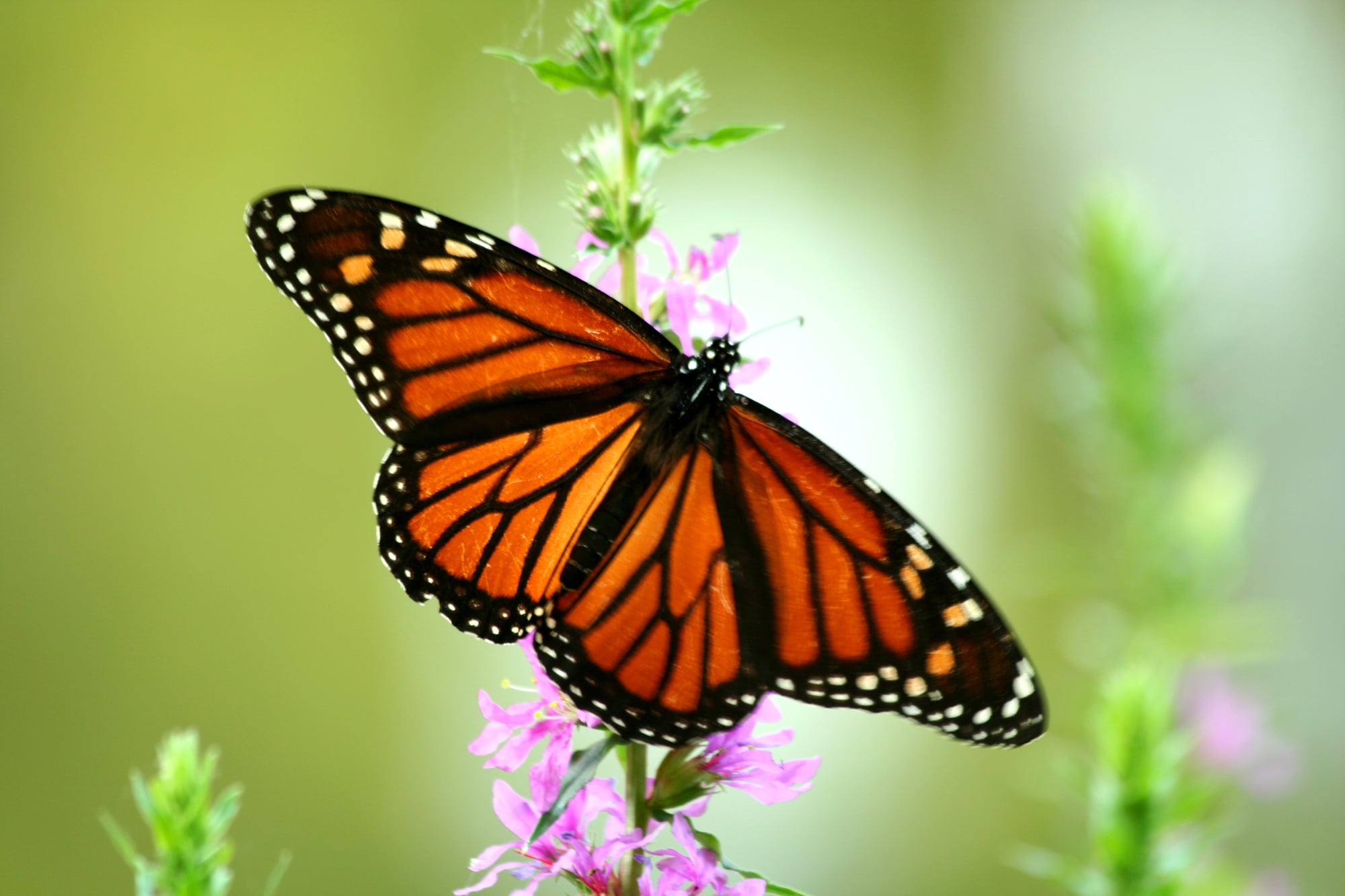
No single monarch butterfly has ever made the full migration cycle. Think about that for a moment — the butterflies that arrive in Mexico each winter have never been there before, because their great-great-grandparents were the last ones to make the trip. Four generations live and die during the northward journey each spring, but somehow the final generation of each year knows exactly where to go when it’s time to return south.
This isn’t just impressive navigation for an insect with a brain the size of a pinhead. The monarchs that begin the southward migration are physiologically different from their parents and grandparents — they live eight times longer, don’t reproduce immediately, and have stronger flight muscles. But here’s the thing that keeps scientists up at night: there’s no clear environmental trigger that tells a monarch caterpillar to develop into the long-distance version instead of the regular version. It’s as if they’re consulting a calendar that shouldn’t exist.
And yet, every fourth generation emerges with the biological equipment needed for a 3,000-mile journey to a place they’ve never seen, guided by magnetic fields they can somehow sense and a sun compass that accounts for the time of day. Which is saying something for an animal that weighs less than a paperclip.
Ruby-Throated Hummingbirds
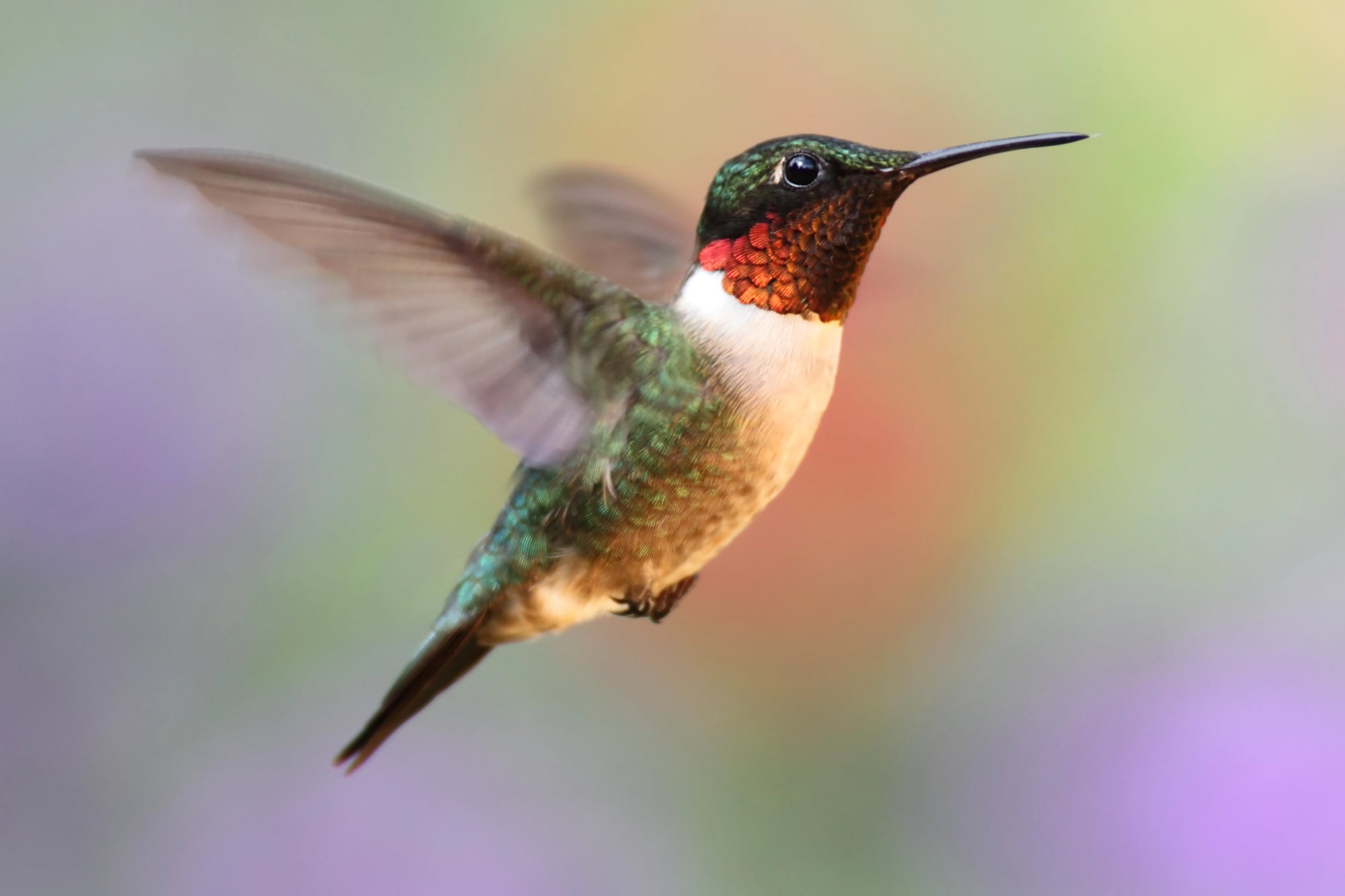
Ruby-throated hummingbirds weigh about as much as a penny, but every fall, they fly 500 miles nonstop across the Gulf of Mexico. For a bird that normally burns through its body weight in nectar every day, this presents some obvious logistical problems. There are no flower pit stops in the middle of the Gulf.
The solution these hummingbirds have developed borders on physiological impossibility — they nearly double their body weight with fat stores before attempting the crossing, turning themselves into tiny flying fuel tanks. But even with maximum fuel loading, the energy math barely works. These birds are operating on such tight margins that a headwind or a navigation error of just a few degrees means they run out of fuel and drop into the ocean.
The truly puzzling part is that other hummingbird species take the sensible route around the Gulf, following the coastline through Texas and Mexico. Ruby-throated hummingbirds could do the same — there’s nothing preventing them from taking the safer path. Instead, they’ve committed to what amounts to an aerial endurance test that kills a significant percentage of them each year. Evolution usually weeds out behaviors this risky unless there’s a compelling advantage, but researchers haven’t identified what that advantage might be.
Sooty Shearwaters
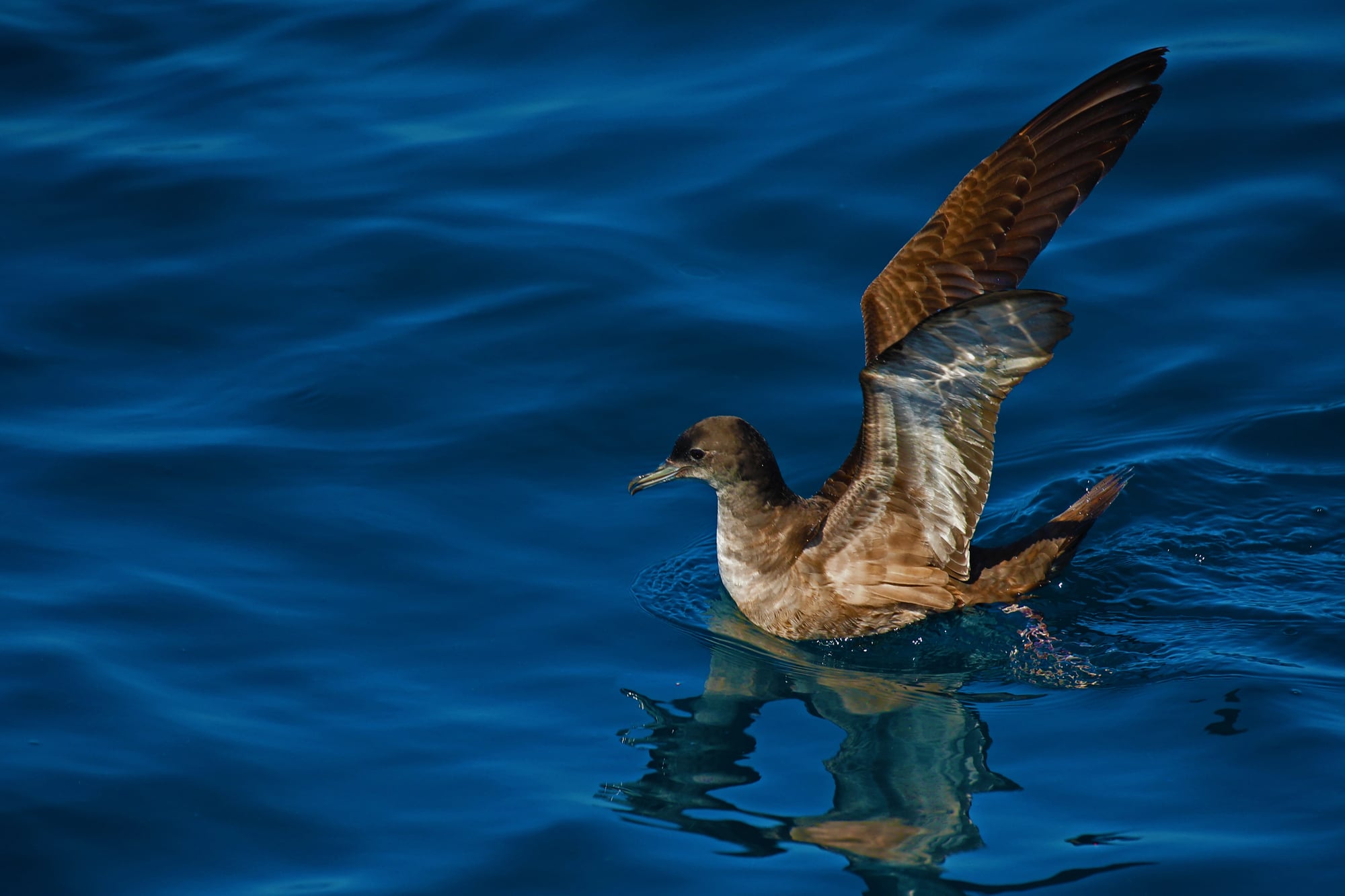
Sooty shearwaters execute what can only be described as a figure-eight migration that spans the entire Pacific Ocean — a 40,000-mile annual journey that takes them from New Zealand to Alaska and back again, with stops in Japan, California, and Chile along the way. They’re essentially circumnavigating the world’s largest ocean every single year.
The route makes no obvious sense from an energy conservation standpoint (and this is coming from birds that spend most of their lives in flight, so they should know something about efficient travel). Instead of following the shortest path between feeding grounds, they trace these enormous loops that seem designed to hit every major ocean current and wind pattern in the Pacific. It’s as if someone gave them a checklist of every remote patch of ocean and told them to visit each one annually.
But here’s the part that breaks the brain: young shearwaters, flying this route for the first time, don’t get lost. They don’t need experienced birds to show them the way. Somehow, these first-year birds instinctively know to fly north from New Zealand, hook west toward Japan, then east to Alaska, then south along the American coast, then west again toward Chile, then back to New Zealand. That’s not navigation — that’s following a flight plan that spans three continents and requires precise timing to hit seasonal feeding opportunities at each stop.
Caribou
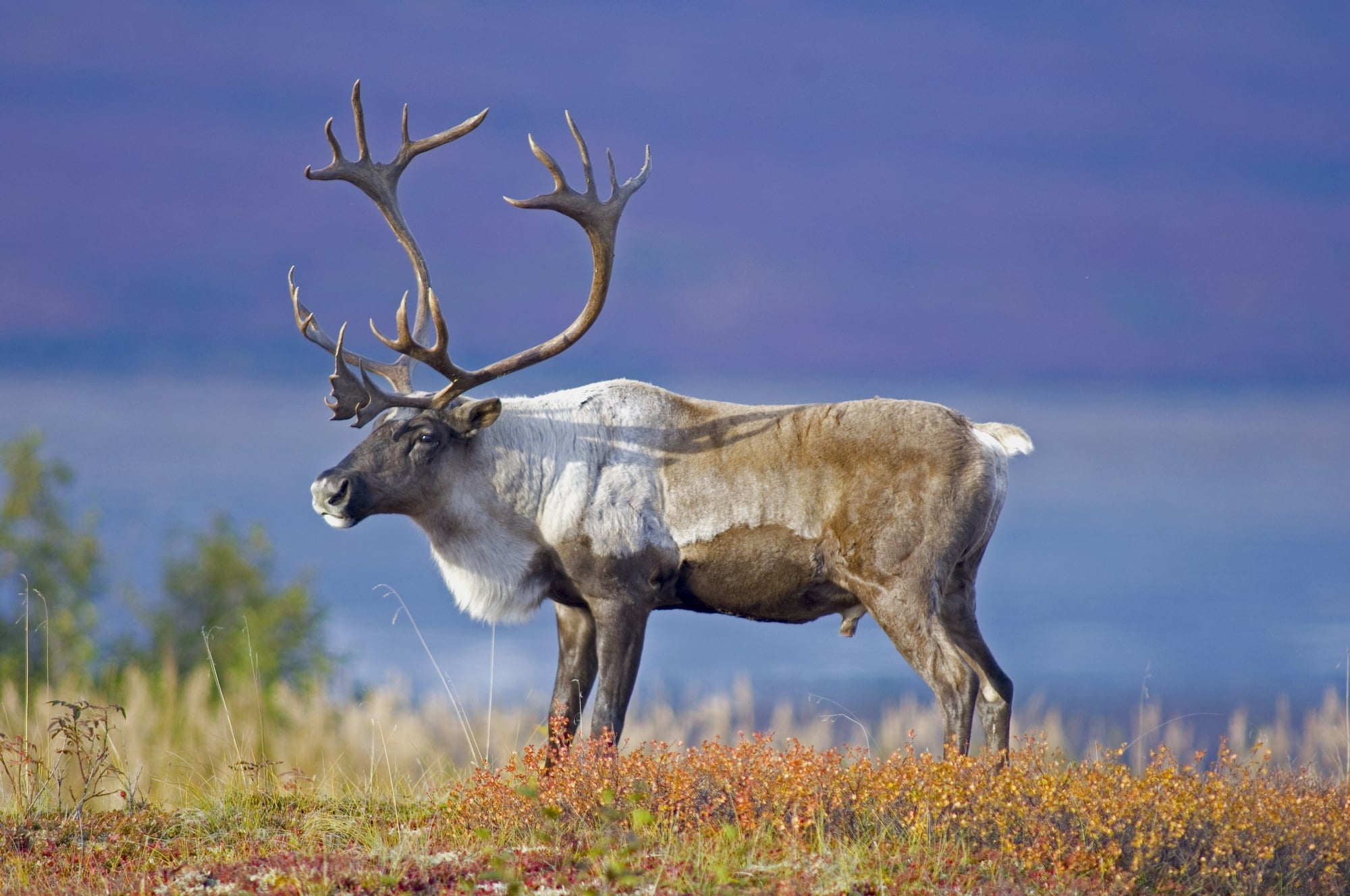
Caribou migrations look like someone drew random lines on a map of the Arctic tundra. These herds — sometimes numbering in the hundreds of thousands — will travel 3,000 miles annually in routes that seem to wander aimlessly across northern Canada and Alaska. They’ll walk in enormous circles, backtrack for no apparent reason, and take detours that add weeks to their journey.
The traditional explanation is that they’re following seasonal changes in food availability and avoiding insects, which makes sense until you start looking at the actual routes. Caribou herds will walk past perfectly good grazing areas to reach identical grazing areas hundreds of miles away. They’ll cross the same river multiple times instead of following it to their destination. They’ll split into smaller groups, take completely different paths, and somehow arrive at the same place within days of each other.
Even more puzzling, individual caribou that get separated from the herd — whether by injury, giving birth, or simply falling behind — can somehow figure out where the herd is going and catch up, even when the herd has changed direction multiple times since the separation occurred. This suggests either a communication system that operates over hundreds of miles, or some kind of shared mental map that researchers haven’t been able to identify.
Bogong Moths
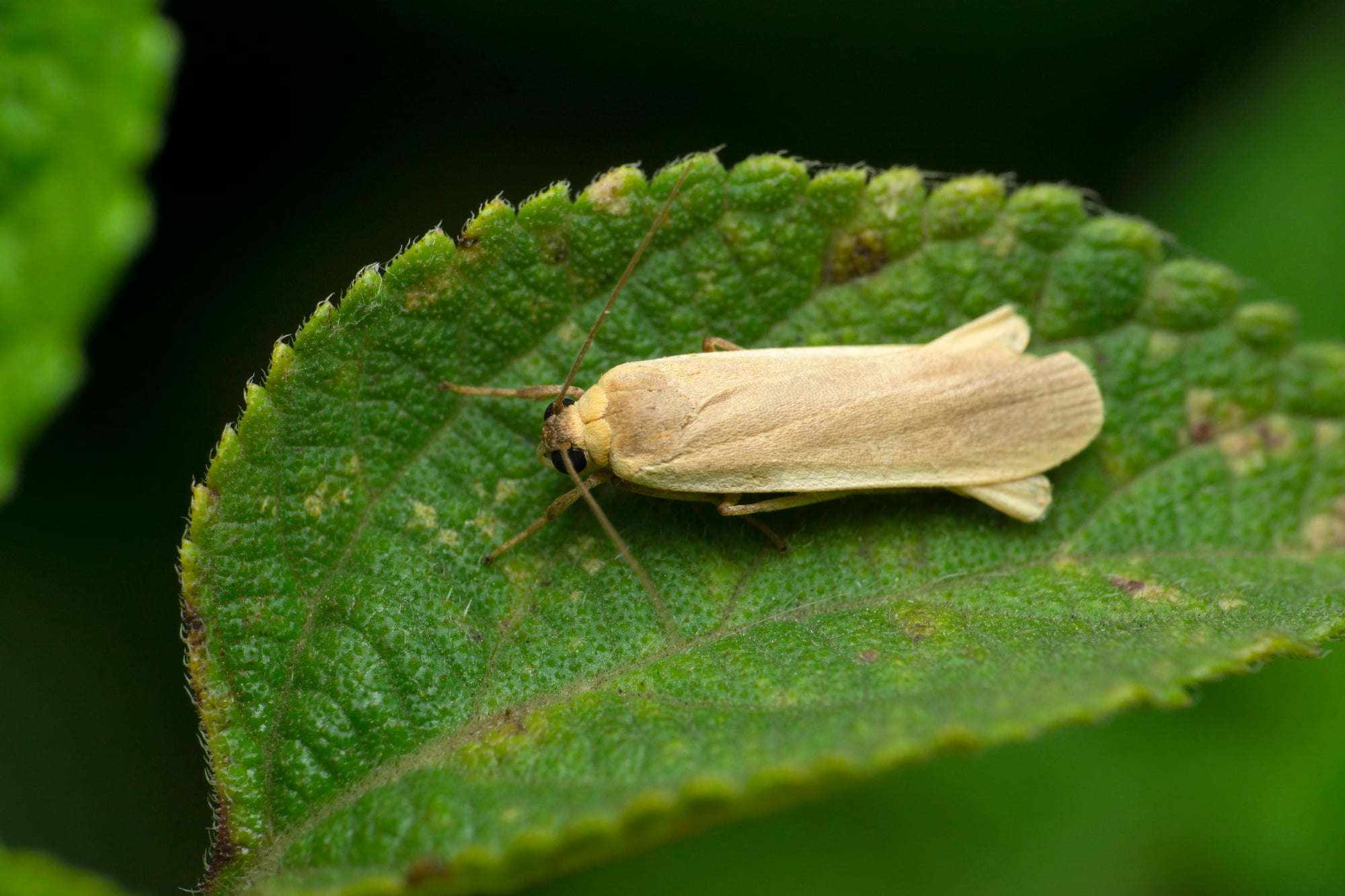
Every spring, bogong moths across southeastern Australia drop their normal routines and fly toward the Australian Alps — not just toward the general mountain region, but to specific caves at specific elevations where they’ll spend the summer months in a state that’s not quite hibernation but isn’t normal activity either. Come autumn, they fly back to the exact regions where they were born.
The navigation challenge here is that these moths are flying hundreds of miles to reach caves they’ve never seen, in mountain ranges that are tiny targets in a vast landscape. And they’re doing this at night, when visual landmarks are limited. Recent research has shown they’re using visual cues from the Milky Way — essentially navigating by the structure of the galaxy — which is the kind of celestial navigation that would impress ancient mariners.
But the truly mind-bending part is what happens when they reach the caves. Millions of moths pack into these underground chambers and enter a dormant state that slows their metabolism to almost nothing. They don’t eat, they barely move, and they somehow time their emergence perfectly with the seasonal changes hundreds of miles away in their breeding grounds. There’s no environmental cue in these dark caves that should tell them when autumn has arrived in the lowlands, yet they all wake up and leave at roughly the same time.
Dragonflies
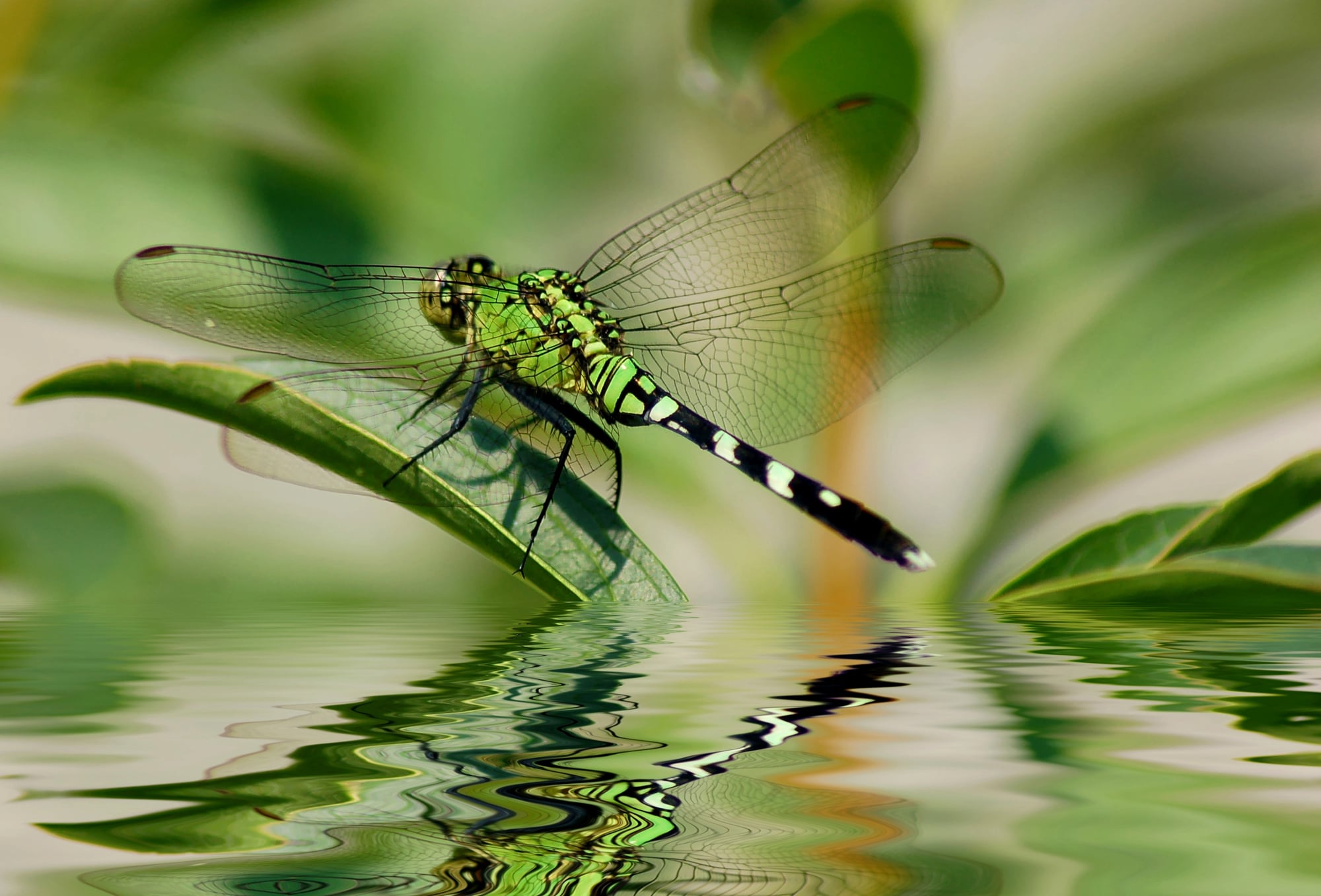
Globe skimmer dragonflies migrate 11,000 miles across the Indian Ocean, which is remarkable enough for an insect with a two-inch wingspan. But the route they take involves island-hopping across vast stretches of open water, hitting tiny specks of land that are barely visible from more than a few miles away.
The flight path goes from southern India to the Maldives to the Seychelles to East Africa, then south along the African coast. Each leg of this journey pushes these dragonflies to the absolute limit of their flight range. Missing any of these islands means certain death in the ocean, yet somehow generation after generation of dragonflies — insects with extremely simple nervous systems — manages to hit these navigational targets with precision that would challenge modern GPS systems.
And like the monarchs, no individual dragonfly completes the full circuit. The migration spans multiple generations, with different legs handled by different groups of insects. The dragonflies that island-hop across the Indian Ocean have never made that journey before, yet they somehow know to stop at the Maldives instead of continuing toward the horizon where there’s nothing but water for thousands of miles.
Wildebeest
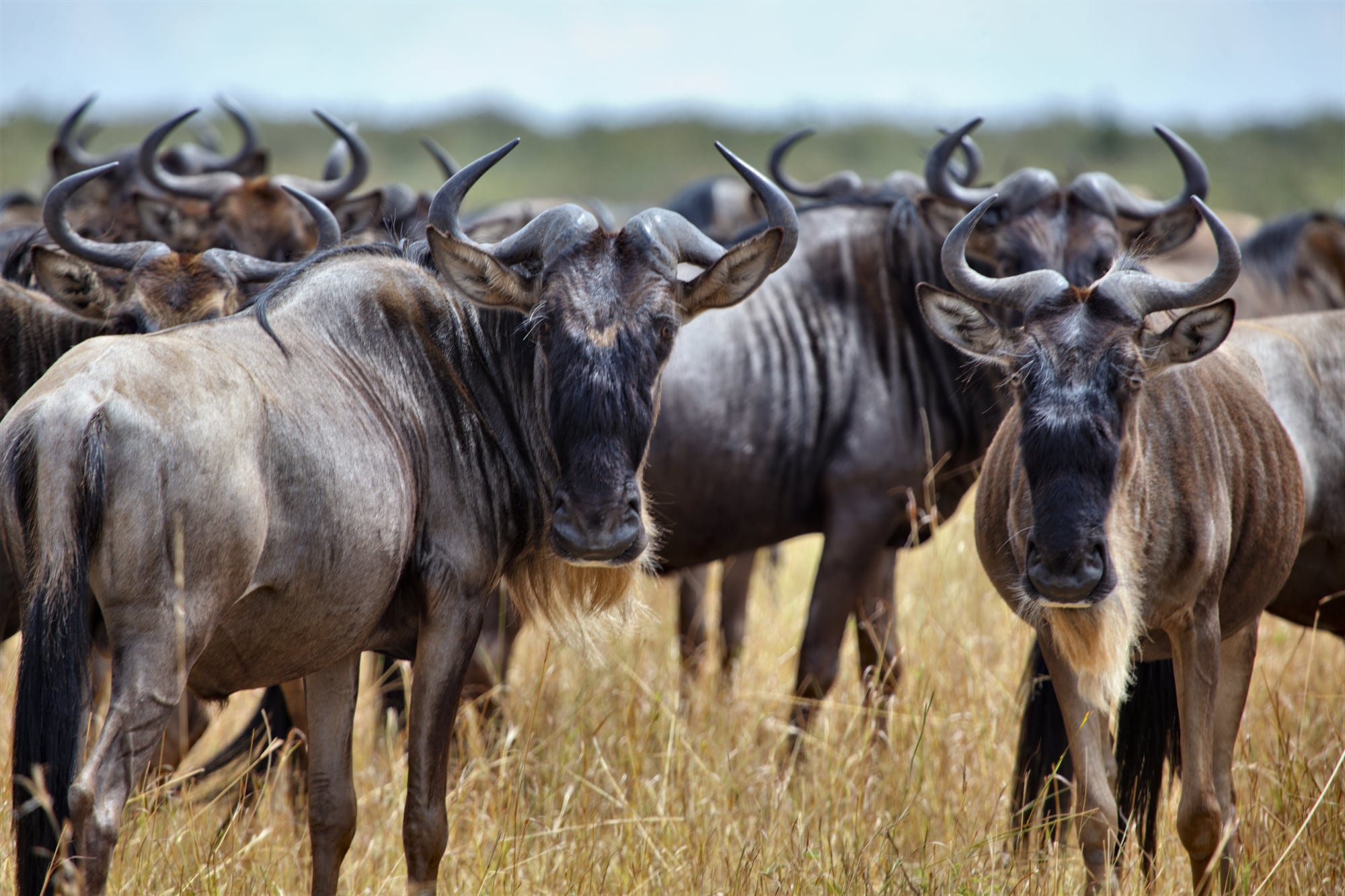
The great wildebeest migration in East Africa looks chaotic and random, but it’s actually timed to seasonal rainfall patterns with precision that would make a Swiss clockmaker jealous. More than a million wildebeest, along with zebras and other herbivores, move in a roughly circular route through Kenya and Tanzania, following the rains and the fresh grass that springs up behind them.
Here’s what doesn’t make sense: weather patterns in East Africa are notoriously unpredictable, with droughts and floods arriving with no obvious warning signs. Yet these herds somehow anticipate rainfall changes weeks in advance, moving toward areas where the rains haven’t arrived yet but will soon. They’re essentially predicting weather in a region where meteorologists with satellite data struggle to forecast accurately beyond a few days.
The movement decisions seem to be made collectively by the herd, but there’s no obvious communication mechanism that would allow a million animals to coordinate their movements across hundreds of miles. Individual wildebeest will suddenly change direction, and within hours, the entire herd shifts course. Sometimes this happens in response to distant lightning or the smell of rain on the wind, but often it occurs when there are no apparent environmental cues at all.
Salmon
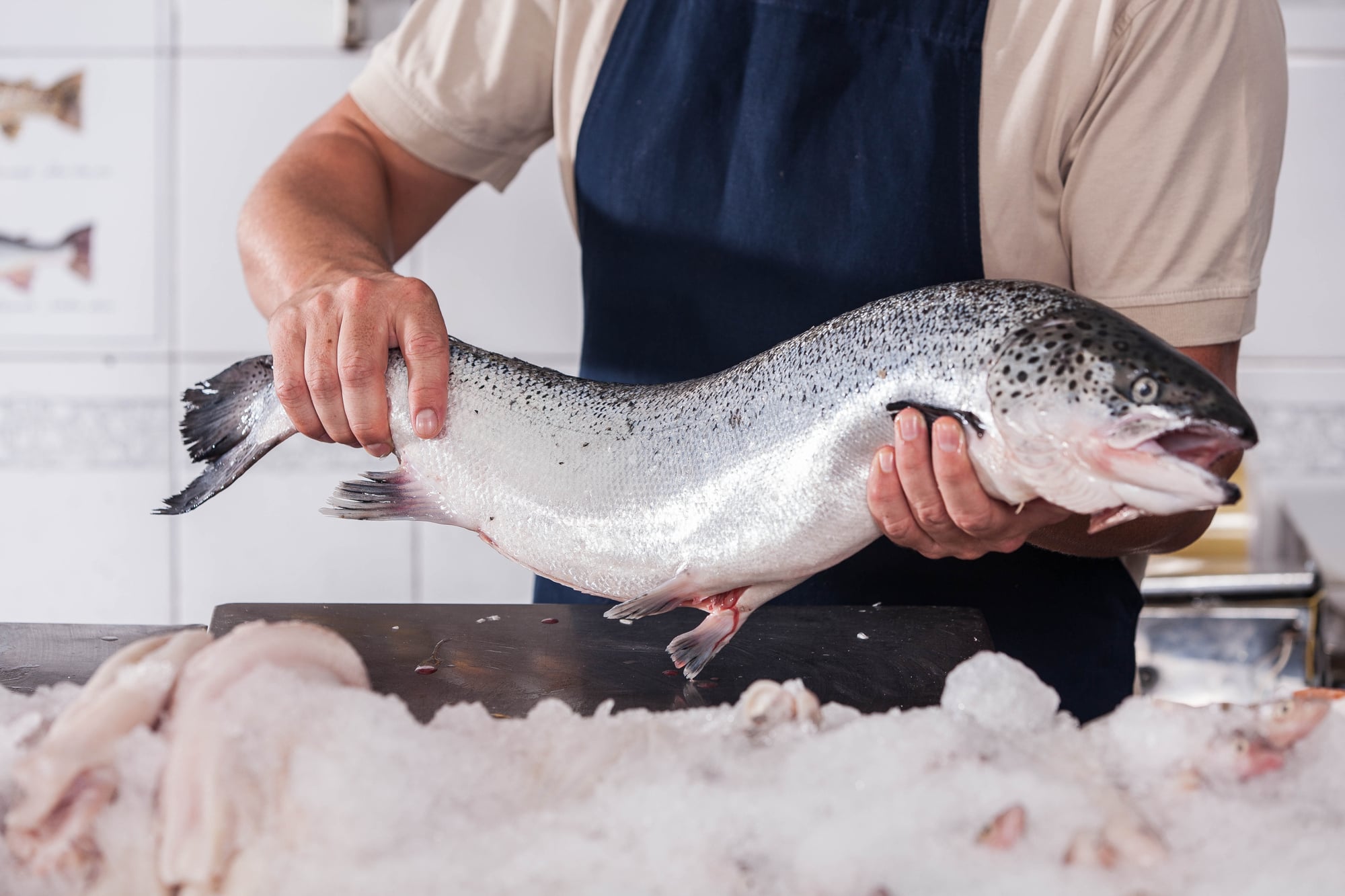
Pacific salmon spend years in the ocean, traveling thousands of miles through waters where individual rivers are chemically indistinguishable drops in an enormous bucket. Yet when it’s time to spawn, they return to the exact stream where they were born — not just the right river system, but the specific tributary, sometimes the exact pool where they hatched years earlier.
The chemical signature theory — that salmon imprint on the unique smell of their birth waters — works fine until you consider that these fish are navigating back to streams that may have changed dramatically since they left. Floods rearrange stream beds, droughts alter flow patterns, human development changes chemical inputs. The stream a salmon returns to often bears little chemical resemblance to the one it left as a juvenile.
Even stranger, salmon returning to spawn will ignore perfectly suitable streams with ideal spawning conditions to push further upstream toward their birthplace, even when that journey requires leaping waterfalls, fighting powerful currents, and dodging predators. They’re choosing the hard path to reach a destination that, from a survival standpoint, offers no obvious advantages over the easier alternatives they passed along the way.
Wandering Albatross
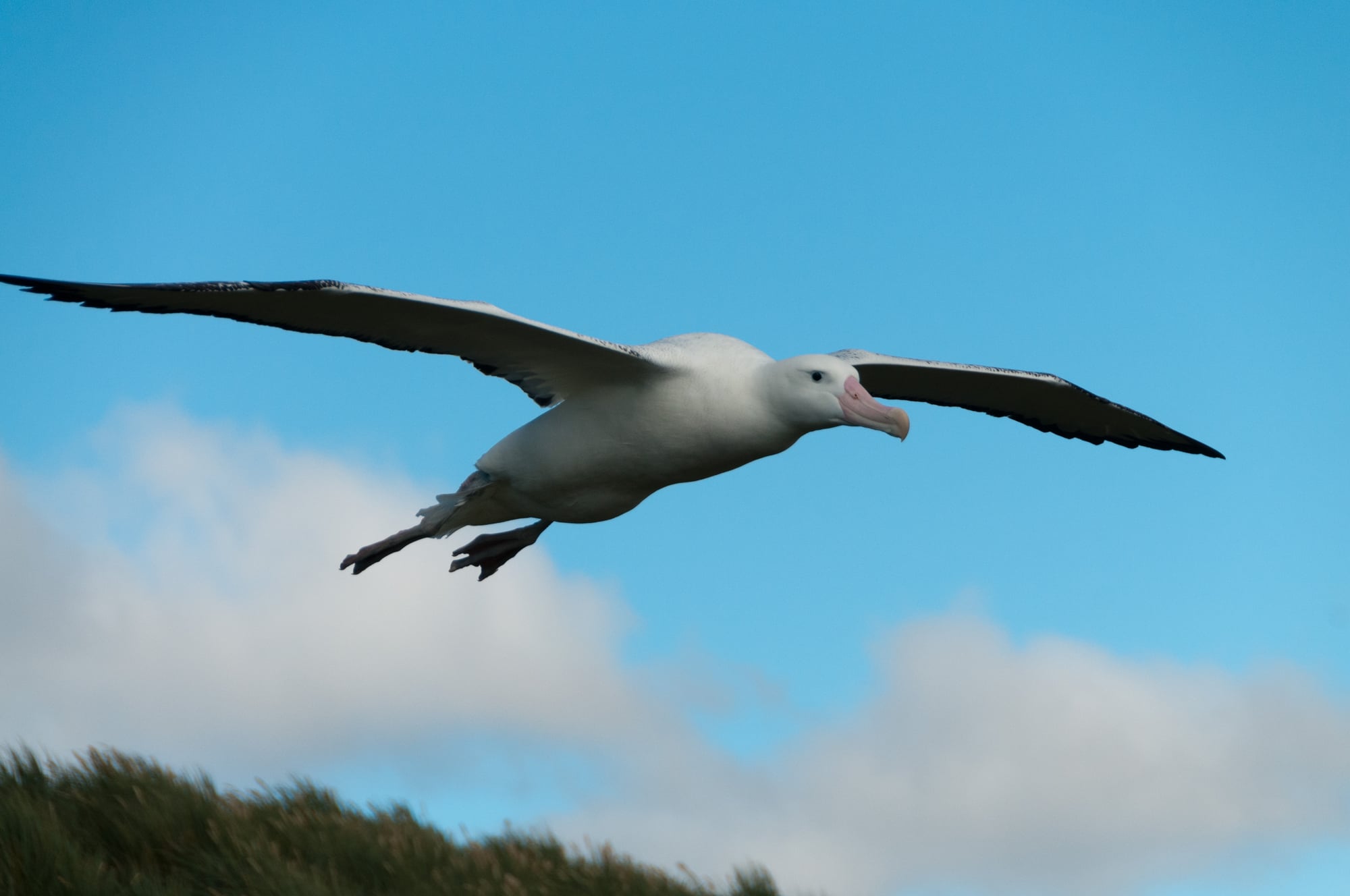
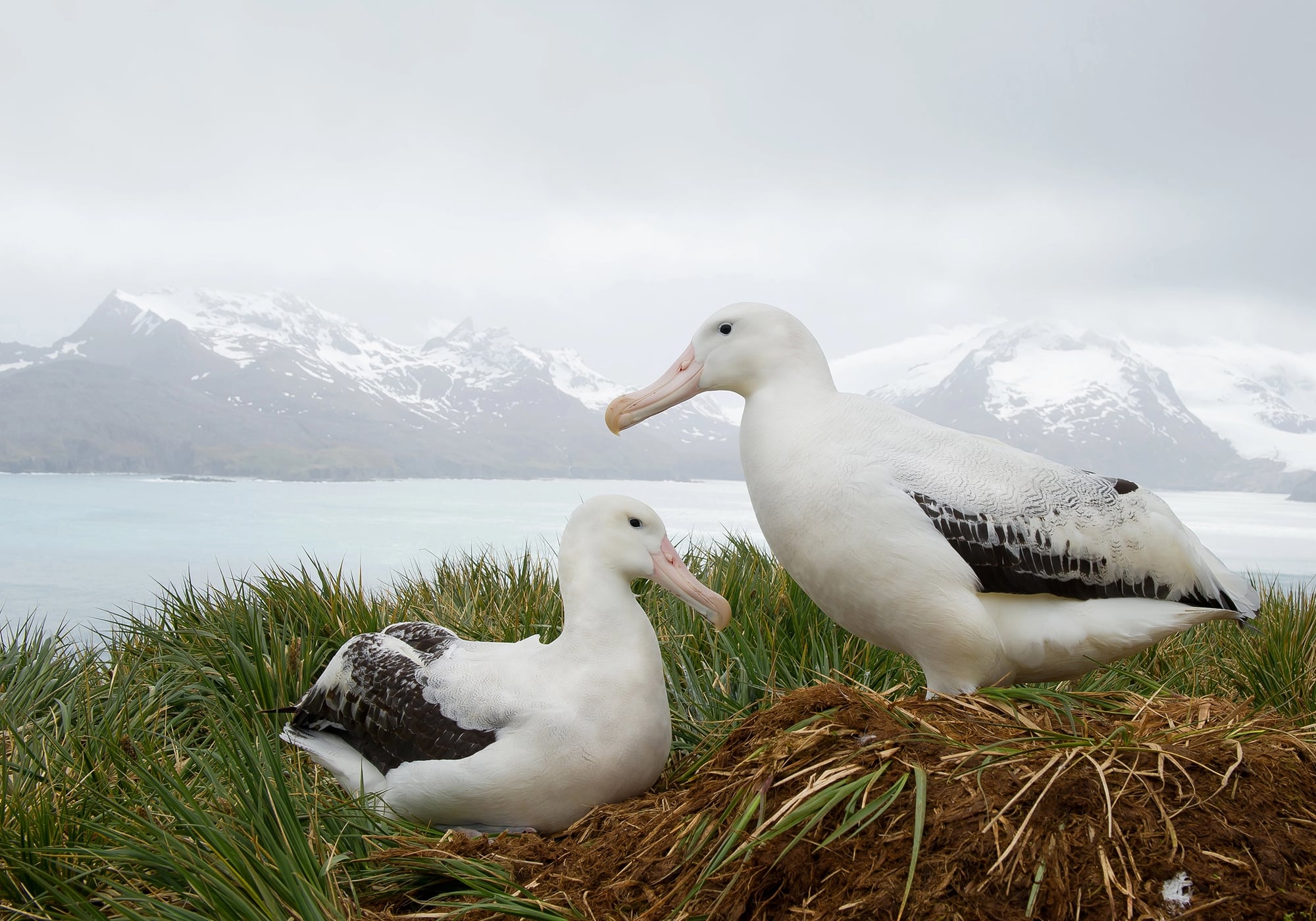
Wandering albatrosses can fly 75,000 miles in a single year without touching land, riding wind currents across the Southern Ocean in patterns that look like abstract art when plotted on a map. These birds can lock their wings in position and glide for hours without flapping, essentially using the ocean’s wind patterns as a highway system.
But calling it a highway system implies some kind of logical structure, and albatross flight paths don’t follow any obvious logic. They’ll fly in enormous loops, double back on themselves, and make detours that seem to serve no purpose other than to add thousands of miles to their journey. They’re covering distance that would take them around the Earth multiple times each year, all while searching for squid in an ocean that’s mostly empty water.
The energy efficiency is undeniably impressive — these birds can fly for days using almost no energy beyond what’s needed to make minor adjustments to their wing positions. But energy efficiency doesn’t explain why they choose such wandering routes, or how they find enough food to sustain themselves while covering such vast distances. Squid aren’t evenly distributed across the Southern Ocean, yet somehow these albatrosses manage to find them often enough to survive and reproduce.
Nature’s Navigation Mysteries
These migrations share something that conventional animal behavior doesn’t quite explain: they work despite seeming impossible. The energy costs are too high, the navigational challenges too complex, the environmental conditions too unpredictable. Yet year after year, generation after generation, these animals complete journeys that push every biological system to its absolute limits.
What’s particularly striking is how many of these migrations involve knowledge that shouldn’t exist — butterflies navigating to places they’ve never been, birds following celestial maps, mammals predicting weather patterns. It’s as if these animals have access to information that their sensory systems shouldn’t be able to detect, or processing power that their simple nervous systems shouldn’t be able to handle.
Perhaps that’s the point. These migrations remind us that the natural world operates on principles that human science is still working to understand, following rules that don’t always align with human assumptions about logic and efficiency.
More from Go2Tutors!

- The Romanov Crown Jewels and Their Tragic Fate
- 13 Historical Mysteries That Science Still Can’t Solve
- Famous Hoaxes That Fooled the World for Years
- 15 Child Stars with Tragic Adult Lives
- 16 Famous Jewelry Pieces in History
Like Go2Tutors’s content? Follow us on MSN.