Most Controversial TV Finales of All Time
Few things divide viewers quite like a TV finale. After years of investment in characters and storylines, audiences bring enormous expectations to those final moments.
When showrunners swing for the fences with bold choices, the results can be explosive. Some finales spark debates that rage for decades, splitting fandoms down the middle and redefining how people remember entire series.
These endings didn’t just conclude stories—they became cultural lightning rods.
Lost
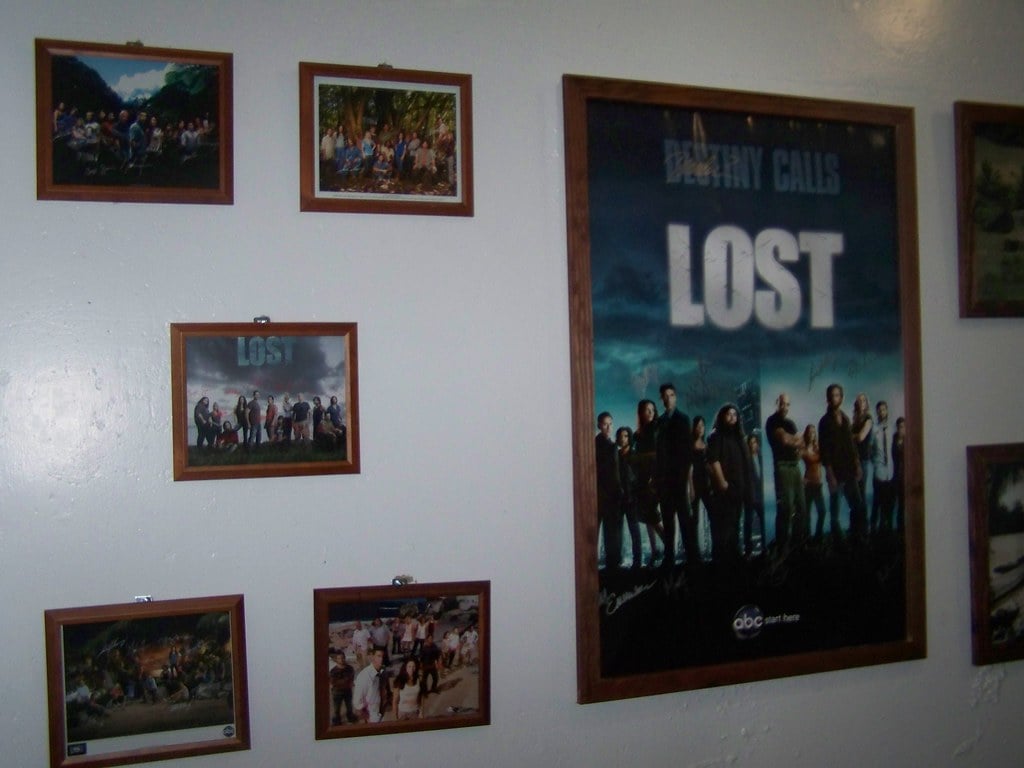
The island mysteries that captivated millions for six seasons came to a head in a finale that left more questions than answers. Jacob’s light cave, sideways purgatory, and Jack’s eye closing in the bamboo forest—none of it satisfied viewers who’d spent years theorizing about polar bears and smoke monsters.
What really stung wasn’t the spiritual ending itself, but the feeling that the writers had been making it up as they went along (which, as it turns out, they largely were). The finale asked viewers to care more about character relationships than the intricate mythology they’d been following religiously.
Fair enough, but tell that to someone who spent six years wondering what the numbers meant.
Game of Thrones
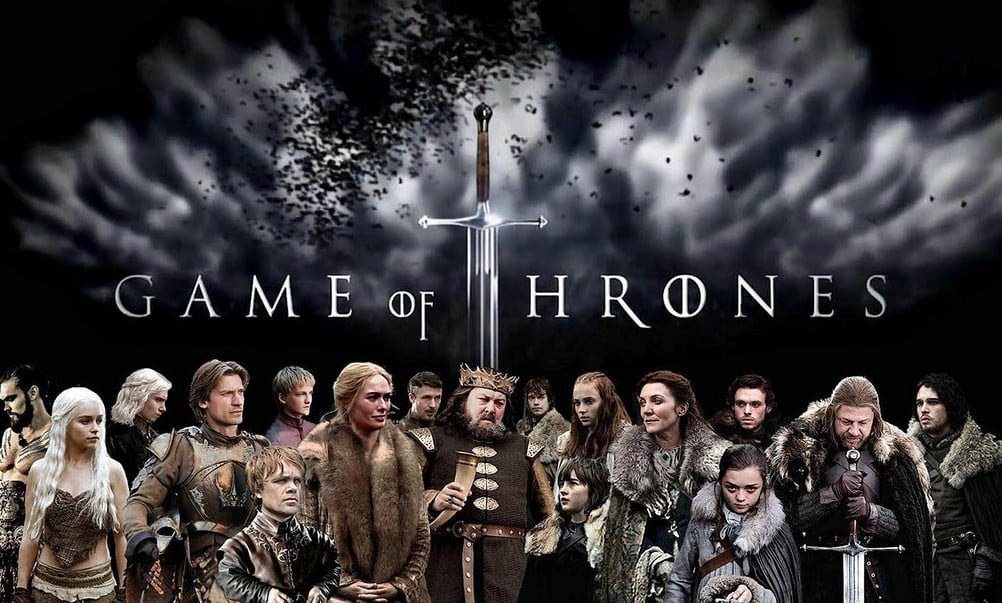
Daenerys goes from liberator to mass murderer in the span of two episodes. Bran the Broken becomes king because he has the best story, apparently.
Jon Snow gets exiled for killing a tyrant, then wanders beyond the Wall like none of it mattered. The finale wasn’t just disappointing—it felt actively hostile to everything the show had built.
Character arcs got bulldozed, political intrigue evaporated, and fan theories proved more thoughtful than the actual resolution. When your ending makes people want to forget your show existed, something has gone catastrophically wrong.
How I Met Your Mother
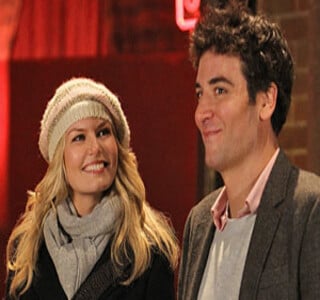
Here’s a finale that manages to feel like watching someone rewrite their diary nine years after the fact (which, considering the pre-filmed ending, isn’t far from what actually happened). Ted spends an entire season at Barney and Robin’s wedding, only to have them divorce off-screen, and the mother—the woman whose identity drove the entire series—dies so Ted can end up with Robin after all.
The show painted itself into a corner with an ending that the creators had planned from early in the series’ run. Rather than abandon it when the story evolved, the writers bent everything backward to make it fit.
But by then Robin wasn’t the same character, Ted wasn’t the same character, and the audience had spent years watching Ted grow past his Robin obsession. So when he shows up with the blue French horn again, it doesn’t feel romantic—it feels like emotional regression disguised as destiny.
The Sopranos
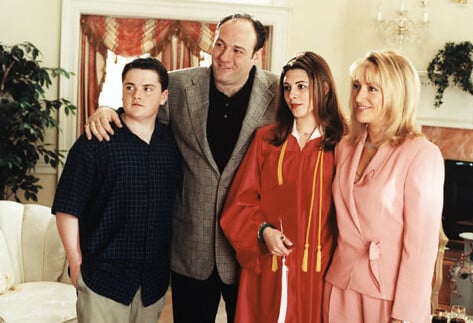
Tony sits in a diner with his family. Journey’s “Don’t Stop Believin'” plays.
The camera cuts to black mid-sentence, and that’s it. Credits roll in silence while viewers frantically check their cable boxes, convinced something went wrong.
The cut-to-black ending became instantly iconic and endlessly debated. Tony’s dead, Tony’s alive, Tony’s in witness protection—everyone had a theory.
David Chase created the most anxiety-inducing finale in television history by refusing to provide closure. The genius wasn’t in what happened to Tony Soprano, but in making the audience feel the paranoia he’d lived with for six seasons.
Death could come at any moment, from anywhere. Even from a TV screen going dark.
Seinfeld
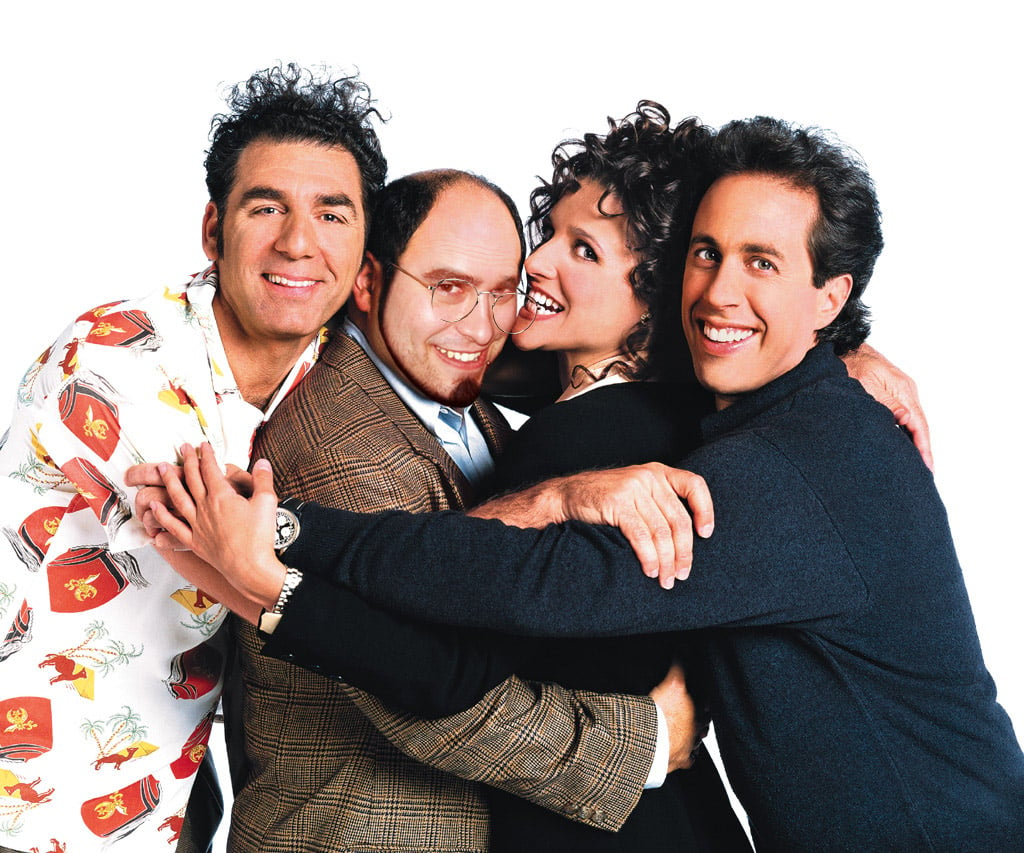
After nine seasons of celebrating selfishness and moral indifference, the show puts Seinfeld, Elaine, George, and Kramer on trial for being terrible people. They get convicted and sent to prison, learning nothing and showing no growth whatsoever.
This ending divided fans precisely because it stayed true to the show’s DNA. Seinfeld never believed in redemption arcs or character development—it was always about four narcissists bouncing off each other in increasingly absurd situations.
The finale just made that subtext literal by having society finally hold them accountable. Whether that makes for satisfying television is another question entirely, but it’s hard to argue the ending betrayed the characters.
They were exactly who they’d always been.
Dexter
Picture this: your serial killer protagonist fakes his death, abandons his son with a former lover, and becomes a lumberjack in Oregon. That’s not a parody of a bad ending—that’s what actually happened in one of television’s most bewildering conclusions.
Dexter Morgan spent eight seasons grappling with his dark passenger and learning to feel human emotions, only to decide at the last minute that everyone he loves dies because of him. So naturally, he solves this by… becoming a hermit who cuts down trees.
The finale managed to betray both Dexter’s character arc and basic narrative logic. Even the show’s own writers seemed to realize their mistake, eventually producing a limited series to course-correct the damage.
St. Elsewhere

The entire six-season medical drama turns out to be the imagination of an autistic child staring into a snow globe. Every character, every storyline, every emotional investment—all just a fantasy playing out in young Tommy Westphall’s mind.
This wasn’t just a controversial ending; it was television metaphysics. If St. Elsewhere existed only in Tommy’s imagination, and other shows had crossed over with St. Elsewhere, then those shows were also imaginary. The “Tommy Westphall Universe” theory suggests that hundreds of TV shows exist in the same fictional reality, all because of one snow globe scene.
The finale didn’t just end a series—it accidentally created a unified field theory of television that still gets debated today.
Roseanne
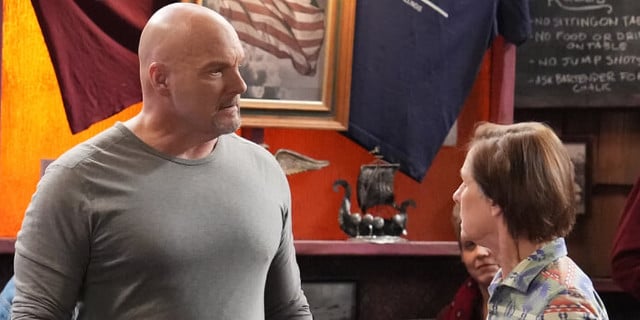
The working-class authenticity that made Roseanne groundbreaking gets tossed aside when the finale reveals that most of the final season was fiction written by Roseanne Conner to cope with Dan’s death from a heart attack. The lottery win, Jackie’s identity, even Dan being alive—all products of Roseanne’s grief-stricken imagination.
What made this particularly jarring was how it recontextualized everything viewers had just watched. The show built its reputation on honest portrayals of financial struggle and family dysfunction, then revealed that its final act was elaborate fantasy.
The twist felt like a betrayal of the show’s core values, turning genuine emotion into literary device. Even the 2018 revival initially ignored this ending before eventually acknowledging it, which tells you everything about how fans received it.
ALF
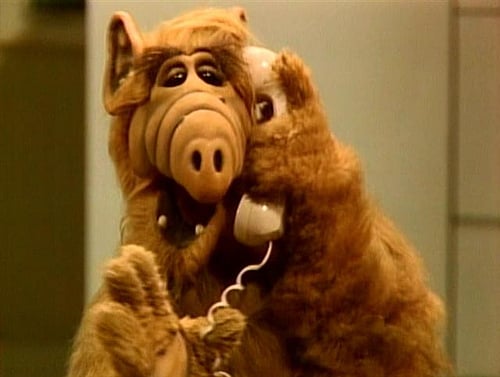
The lovable alien gets captured by government agents in what was supposed to be a cliffhanger leading into season five. Instead, the show got canceled, leaving ALF in the hands of people who definitely didn’t have his best interests at heart.
For a family sitcom about a wisecracking extraterrestrial, this was remarkably dark. Children who’d spent four seasons watching ALF eat cats and annoy the Tanner family suddenly had to imagine him being dissected in some underground facility.
The ending was so traumatically abrupt that it spawned a TV movie six years later just to give ALF a proper resolution. Not many sitcom finales require therapeutic follow-ups.
Quantum Leap
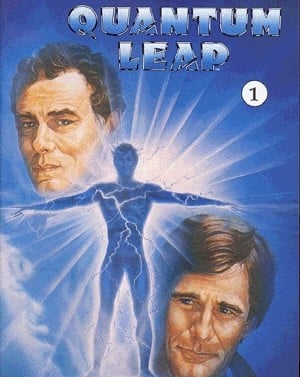
After five seasons of Sam Beckett leaping through time to “put right what once went wrong,” the series ends with him making one final leap to help his friend Al—and never returning home. A title card informs viewers that Dr. Samuel Beckett never returned, period, end of story.
The finale felt like punishment for caring about Sam’s journey. The entire premise hinged on his desire to get home, and the show spent years building toward that resolution.
Instead, viewers got a cosmic shrug and a text card that read like an obituary. The ending was so unsatisfying that it overshadowed five seasons of inventive storytelling, reducing Sam’s noble quest to an exercise in futility.
Dallas

Bobby Ewing’s death gets explained away when Pam finds him alive in the shower, revealing that an entire season was just her dream. One of television’s most iconic characters returns from the dead because the writers decided his storylines were more important than narrative logic.
This wasn’t just controversial—it became shorthand for lazy writing. “It was all a dream” entered the cultural lexicon as the ultimate cop-out, and Dallas owns that dubious legacy.
The shower scene was so transparently desperate that it felt insulting to viewers who’d invested emotionally in Bobby’s death and its aftermath. Television rarely admits its mistakes so blatantly, which is probably why this solution felt more embarrassing than triumphant.
Dinosaurs
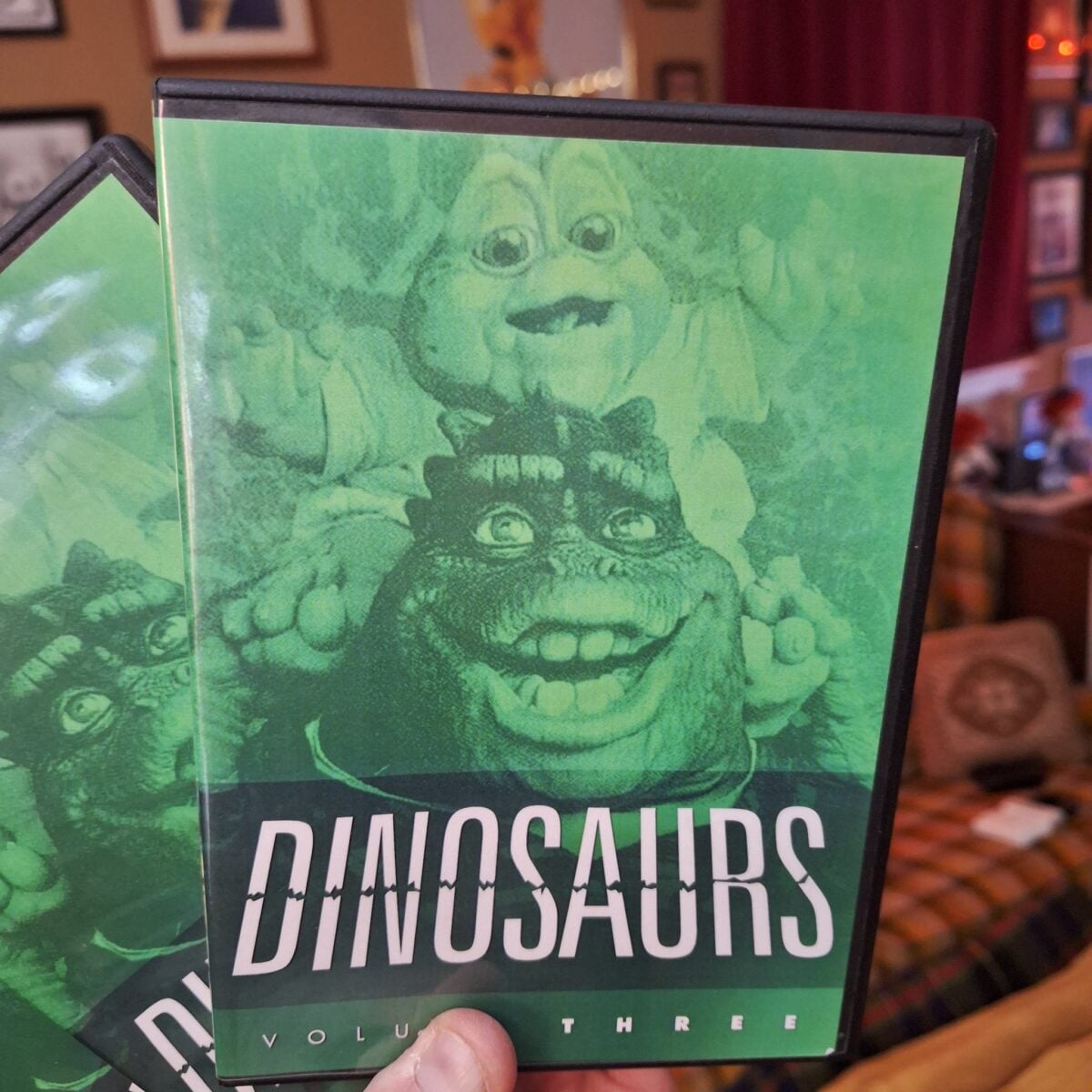
A family sitcom about anthropomorphic dinosaurs ends with ecological catastrophe and the extinction of all life on Earth. The Sinclair family huddles together as volcanic ash blocks out the sun, essentially watching their species die in real time.
The tonal whiplash was extraordinary. Four seasons of puns and family dysfunction culminated in an environmental parable about corporate greed and climate destruction.
The baby dinosaur’s final “I’m scared” while ash falls outside their cave remains one of television’s most haunting moments. For a show that aired on ABC’s Friday night family block, it was almost aggressively dark—and completely effective. Sometimes the most controversial choice is telling the truth.
Cheers
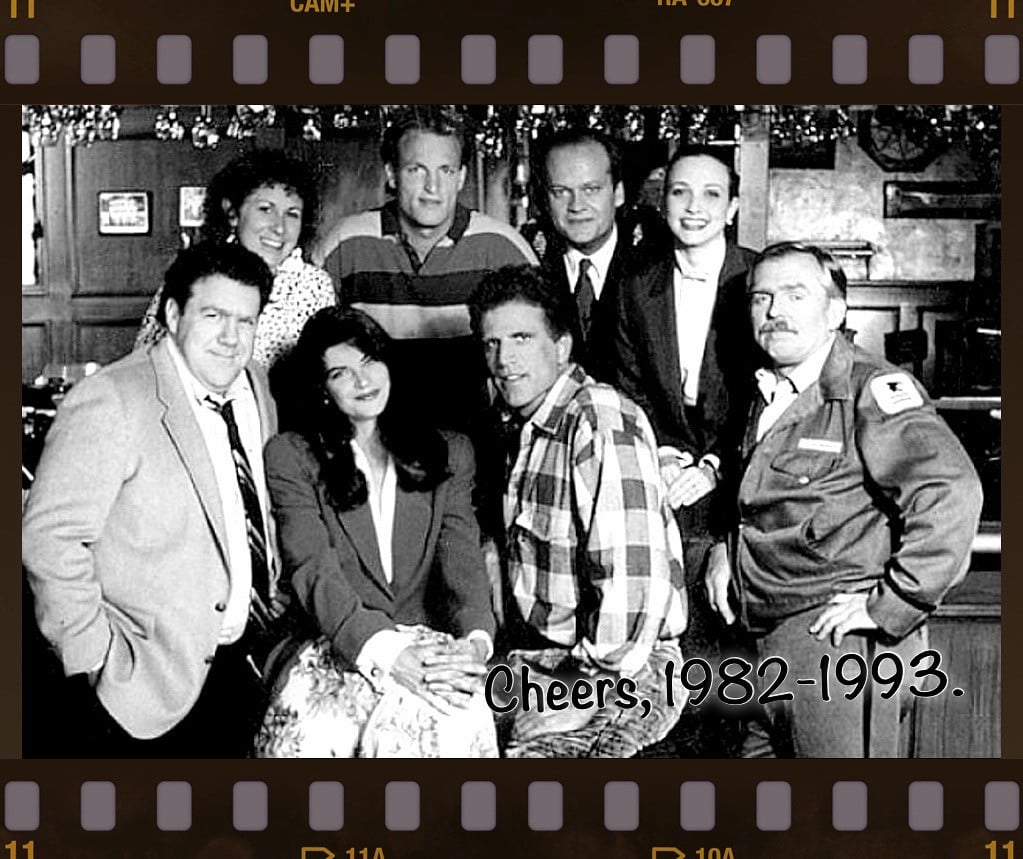
Sam Bellamy looks around his empty bar, straightens a picture, and says “Sorry, we’re closed” to a customer knocking on the door. After eleven seasons in the place where everybody knows your name, that simple moment carries the weight of television history.
The controversy here isn’t about bad writing or betrayed characters—it’s about perfection being somehow unsatisfying. Cheers ended exactly as it should have, with Sam alone in his bar, choosing the Cheers lifestyle over romantic love.
But that didn’t stop fans from wanting something more, something bigger, something that matched their emotional investment. Sometimes the most controversial ending is the one that knows when to stop talking.
Twin Peaks
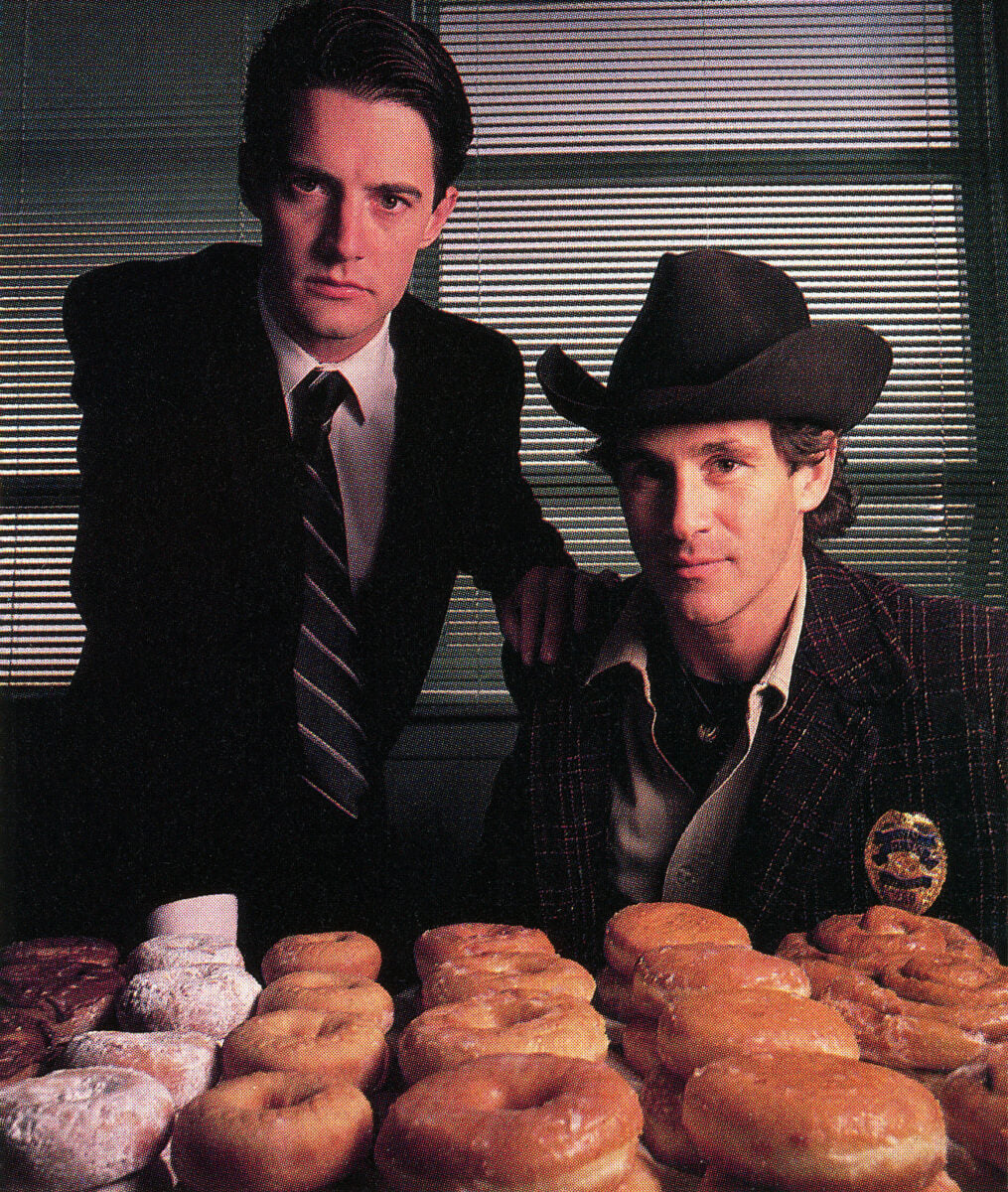
Dale Cooper gets possessed by the demon BOB and smashes his head into a mirror while laughing maniacally. Laura Palmer’s killer is revealed, the mystery is solved, and somehow none of it matters because evil has won and Cooper’s soul is trapped in the Black Lodge.
David Lynch turned a cozy murder mystery into a nightmare about the fundamental impossibility of heroism. The finale didn’t just shock viewers—it retroactively changed the entire series from a quirky detective story into a horror tale about cosmic malevolence.
The ending was so disturbing that it took 25 years and a revival series to even attempt resolution. Lynch proved that the most controversial thing you can do is succeed too well at being genuinely unsettling.
The End of the Story

Television finales carry impossible weight. They must satisfy years of viewer investment while staying true to the story being told, please both casual watchers and obsessive fans, and somehow justify the time everyone spent caring about fictional people.
When finales fail, they don’t just disappoint—they can retroactively damage everything that came before. But when they take genuine creative risks, even the controversial ones spark conversations that outlast the shows themselves.
These endings didn’t give audiences what they wanted, but they did something potentially more valuable: they refused to be forgotten.
More from Go2Tutors!

- The Romanov Crown Jewels and Their Tragic Fate
- 13 Historical Mysteries That Science Still Can’t Solve
- Famous Hoaxes That Fooled the World for Years
- 15 Child Stars with Tragic Adult Lives
- 16 Famous Jewelry Pieces in History
Like Go2Tutors’s content? Follow us on MSN.