Nostalgic Cartoons From The 70s Era
The 1970s brought a whole new world of animated shows right into living rooms across America. Kids would rush home from school, plop down in front of the television, and lose themselves in colorful adventures that felt brand new and exciting.
These cartoons weren’t just entertainment—they shaped childhoods, sparked imaginations, and created memories that still bring smiles decades later. So let’s take a trip back to those Saturday mornings and weekday afternoons when the best part of the day was catching your favorite animated characters on screen.
Scooby-Doo, Where Are You!

Four teenagers and their cowardly Great Dane solved mysteries in the most entertaining way possible. Scooby and Shaggy would stumble through haunted mansions while Fred, Daphne, and Velma actually tried to crack the case.
The formula was simple but brilliant—every episode ended with someone pulling off a monster mask to reveal the real villain underneath. Kids loved guessing who the bad guy was, and the show made being scared feel fun instead of frightening.
The Jetsons
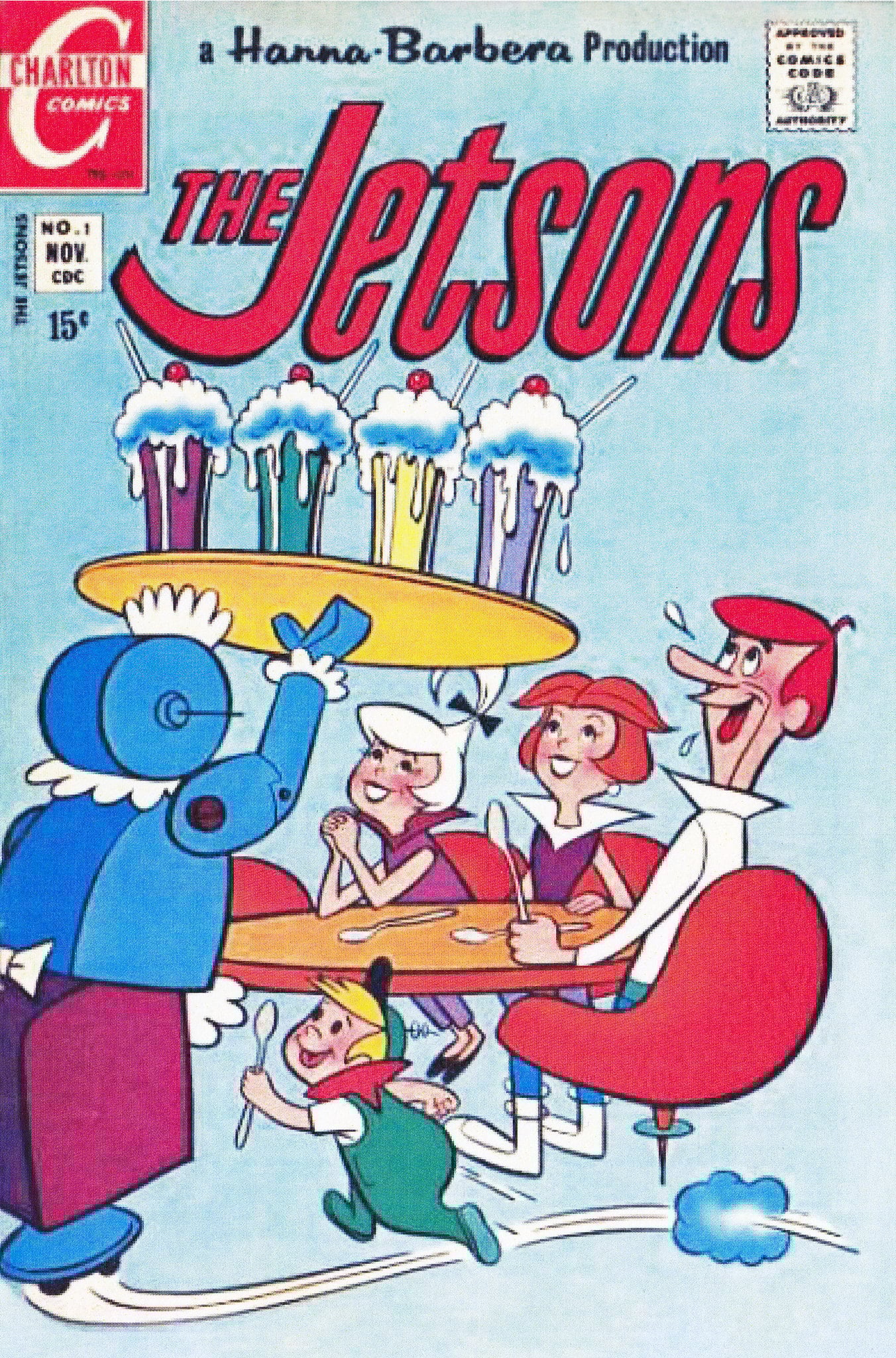
Flying cars, robot maids, and videophones seemed like pure fantasy back then. George Jetson worked at Spacely’s Space Sprockets while his family enjoyed all the conveniences of life in the future.
The show painted tomorrow as a place where technology solved every problem, though George still had the same work frustrations as any dad in the 70s. Watching it now feels funny because some of their predictions came true while others seem hilariously off base.
Fat Albert and the Cosby Kids

This show taught lessons without feeling preachy or boring. Fat Albert and his friends hung out in a Philadelphia junkyard, turning everyday situations into learning moments about friendship, honesty, and doing the right thing.
The characters felt real because they dealt with problems actual kids faced—peer pressure, family troubles, and trying to fit in. Bill Cosby’s voice work brought warmth to Albert, making him feel like that friend everyone wished they had in their neighborhood.
Hong Kong Phooey

A mild-mannered janitor transformed into a bumbling superhero who somehow always saved the day. Penrod Pooch would jump into a filing cabinet and emerge as Hong Kong Phooey, ready to fight crime with his trusty cat sidekick Spot.
The joke was that Phooey usually messed everything up while Spot quietly did the real work. Kids didn’t care that the hero was incompetent—they loved the karate chops, the Phooeymobile, and that catchy theme song that got stuck in your head for days.
Speed Buggy

Imagine a talking dune buggy with a mind of its own, and you’ve got a Speed Buggy. Three teenagers raced around with their sentient car, getting into adventures that mixed racing excitement with mystery-solving.
Speed Buggy had a stutter and a personality bigger than his engine, making him more than just a vehicle. The show rode the wave of popularity that real-life dune buggy racing was enjoying at the time.
Josie and the Pussycats

An all-girl rock band traveled the world, playing gigs and accidentally stumbling into mysteries. Josie, Melody, and Valerie made music while their manager Alexander and his scheming sister Alexandra tagged along for the chaos.
The show stood out because it featured strong female leads who didn’t need rescuing. Later, when they went into space with the same concept, things got even wilder with aliens and futuristic plots.
The Pink Panther Show

That smooth jazz theme song announced something special was about to happen. The Pink Panther never spoke a word but managed to be hilarious through pure physical comedy and that signature cool attitude.
Each cartoon told a complete story without dialogue, relying on visual gags and expressive animation. The panther outsmarted everyone around him while maintaining an effortless style that made him seem cooler than any character who actually tried.
Schoolhouse Rock!

Short cartoons between Saturday morning shows somehow made learning feel like fun. Kids absorbed lessons about grammar, math, history, and science without realizing they were being educated.
‘Conjunction Junction’ taught sentence structure better than many English teachers, while ‘I’m Just a Bill’ explained government in a way that stuck. These three-minute segments proved that animation could teach just as well as it entertained, and the songs were so catchy that adults still remember the lyrics today.
Super Friends

Superman, Batman, Wonder Woman, and Aquaman teamed up to fight evil as part of the Justice League. The show brought DC Comics heroes to television in a format that made them accessible to younger viewers.
Each episode featured the heroes working together to solve problems, teaching cooperation and teamwork along the way. The Wonder Twins, Zan and Jayna, joined later with their space monkey Gleek, adding characters kids could relate to more than the established superheroes.
The Bugs Bunny Show

Warner Brothers brought their classic characters to television in a format that felt fresh for the 70s. Bugs hosted each episode, introducing various Looney Tunes shorts featuring himself, Daffy Duck, Porky Pig, and the rest of the gang.
These weren’t new cartoons but theatrical shorts from previous decades, yet they felt timeless. The humor worked on multiple levels, keeping both kids and their parents entertained with clever wordplay and slapstick comedy.
Grape Ape

A 40-foot purple gorilla with a gentle personality became best friends with a fast-talking dog named Beegle Beagle. Grape Ape could only say his own name, but his size and strength got the duo out of trouble wherever they went.
The show played with the contrast between Grape Ape’s enormous appearance and his kind, childlike nature. Kids loved the visual gags that came from having a character so huge interacting with a normal-sized world.
Inch High, Private Eye
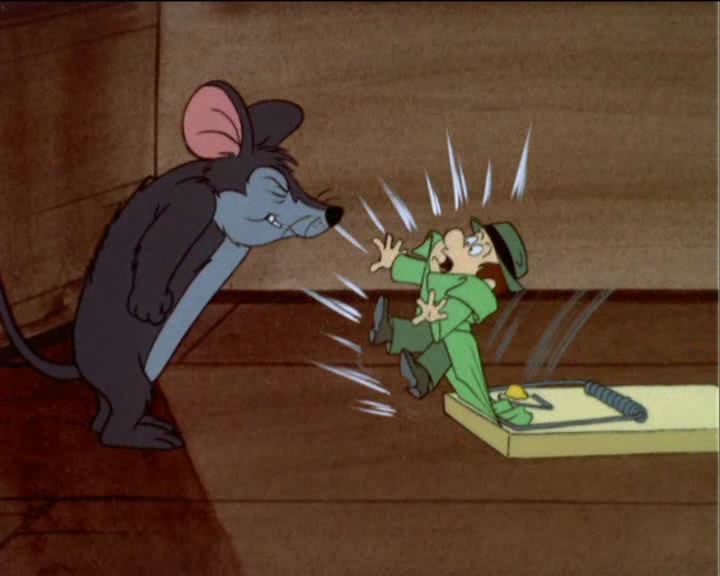
A detective who stood only an inch tall solved crimes with help from his niece and her muscle-bound boyfriend. Inch High used his tiny size to his advantage, sneaking into places normal-sized people couldn’t reach.
His loyal sidekick was a dog named Braveheart who was about as brave as his name suggested—which is to say, not very. The show took the mystery-solving formula and added a unique twist that made every case visually interesting.
The Addams Family

The creepy and kooky family from the 60s sitcom got an animated makeover for a new generation. Gomez, Morticia, Wednesday, Pugsley, and the rest of the family traveled around in a haunted camper, encountering normal people who couldn’t understand their strange ways.
The cartoon kept the dark humor and gothic style of the original while making it appropriate for younger viewers. Lurch, Thing, and Cousin Itt brought their own brand of weird to every episode.
Jabberjaw

A 15-foot shark who played drums in an underwater rock band wasn’t the weirdest part of the 70s. Jabberjaw and his human bandmates performed gigs in various undersea cities while solving mysteries on the side.
The shark constantly complained that he didn’t get any respect, delivering his lines in a voice clearly inspired by Rodney Dangerfield. The show combined the musical element of Josie and the Pussycats with the underwater setting that seemed fresh and different.
Captain Caveman and the Teen Angels

A hulking figure from ancient days, defrosted and dropped into modern life, teamed up with three clever girls chasing clues. From his tangled mane burst gadgets no one could explain, each appearing exactly when trouble struck.
Whirling his weapon overhead, he lifted off the ground, yelling his title mid-spin. The hairy hero smashed through chaos with clumsy power. His roar echoed before impact, rough charm trailing behind every move.
The New Adventures Of Batman

Out of nowhere came a new cartoon where Batman walked darker paths, much like the pages he first appeared on – far from the bright silliness seen decades earlier. Joining him wasn’t just Robin this time; Batgirl stepped into frame, shifting how the crime-fighting trio balanced each mission.
Danger here meant something – it could hurt, it could cost lives, unlike most shows airing at that hour. Surprise hit when voices from the past reappeared: Adam West speaking again as the Caped Crusader, Burt Ward once more beside him.
That old sound – the one people remembered – slid back in, making longtime watchers nod without knowing why.
Where Saturday Mornings Used to Be

Weekend mornings back then meant one thing: those old cartoons lighting up the screen for a whole generation at once. Not sharp by current standards, sure – yet somehow those tales pack emotion even now.
Think giant purple apes swinging through plots, or sharks cracking jokes; networks actually aired such odd ideas. Choice runs deep these days online, true – though nothing quite matches counting down hours till Saturday broke loose.
What mattered? Knowing exactly when things showed up, every time.
More from Go2Tutors!

- The Romanov Crown Jewels and Their Tragic Fate
- 13 Historical Mysteries That Science Still Can’t Solve
- Famous Hoaxes That Fooled the World for Years
- 15 Child Stars with Tragic Adult Lives
- 16 Famous Jewelry Pieces in History
Like Go2Tutors’s content? Follow us on MSN.



