Historic Encounters That Changed Global Relations
History shifts when folks from separate lives cross paths. Now and then, these run-ins are planned.
Other times, they’re down to luck or sheer need. Whatever the cause, some clashes between persons, societies, or countries flip the script on how places connect.
Effects ripple out, usually in directions no one saw coming.
Columbus Reaches the Americas

Christopher Columbus landed in the Caribbean in 1492, thinking he had found a route to Asia. He was wrong about where he was, but that mistake changed everything.
The meeting between European sailors and indigenous peoples in the Americas started a process that would eventually connect distant continents in ways that had never existed before. The encounter sparked centuries of colonization, trade, and conflict.
European powers raced to claim territories in the New World. Indigenous populations faced diseases they had no immunity against, along with forced labor and cultural destruction.
Meanwhile, crops like potatoes, corn, and tomatoes traveled back to Europe and transformed diets across the continent. The meeting Columbus initiated was far from peaceful or equal, but it fundamentally altered global demographics, economics, and power structures.
Marco Polo in the Mongol Court

When Marco Polo arrived at Kublai Khan’s court in China around 1275, Europeans knew almost nothing about East Asia. Polo spent 17 years in the Mongol Empire, observing its wealth, technology, and administrative systems.
He saw paper money, coal burning, and postal systems that far exceeded anything in Europe at the time. His later accounts, whether entirely accurate or embellished, fired European imaginations.
Merchants and explorers dreamed of reaching the riches of the East. The desire to find direct routes to Asia motivated much of the Age of Exploration.
Without Polo’s reports filtering back to Europe, the drive to cross oceans and seek new trade routes might have taken a very different form.
Perry Opens Japan
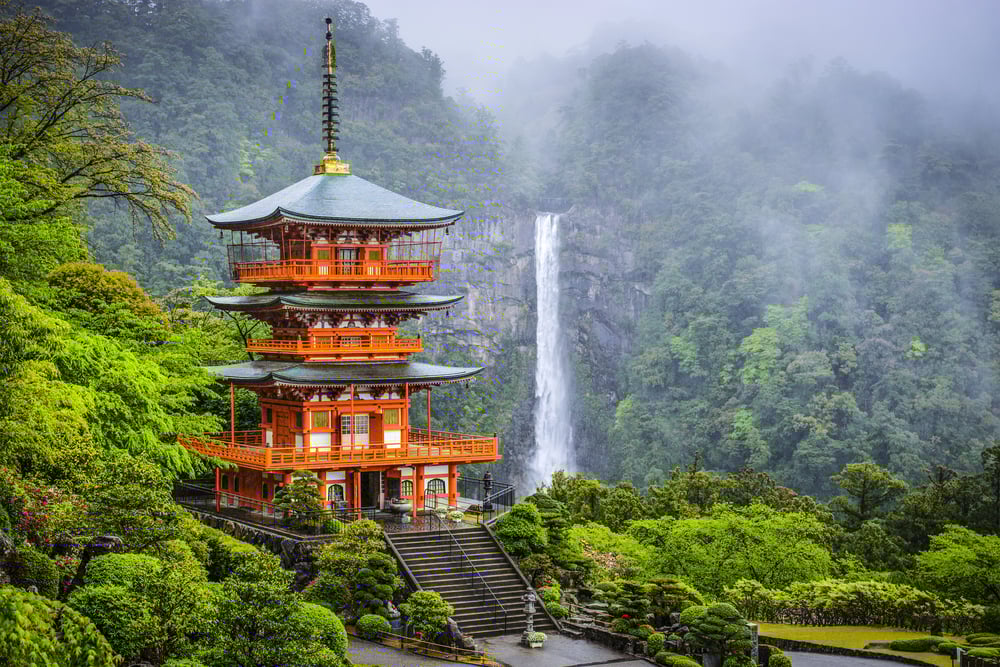
For over two centuries, Japan maintained a policy of near-total isolation from the outside world. Then, in 1853, American Commodore Matthew Perry sailed into Tokyo Bay with four warships.
His mission was simple: open Japan to American trade. The display of naval power left Japanese leaders with little choice.
Perry’s visit forced Japan to end its isolation and sign treaties that opened its ports. The shock of this encounter pushed Japan to rapidly modernize and industrialize.
Within decades, Japan transformed from a feudal society into a major military and economic power. The meeting between Perry and Japanese officials set Japan on a path that would make it a dominant force in Asia and eventually a global player.
The Congress of Vienna

After Napoleon’s defeat in 1815, representatives from European powers gathered in Vienna to redraw the map of Europe. The British, Austrians, Prussians, and Russians negotiated how to restore stability after decades of war.
France, though defeated, sent representatives too. These diplomats created a system designed to prevent any single nation from dominating Europe again.
They established the Concert of Europe, where major powers would meet regularly to resolve disputes. The system worked reasonably well for nearly a century.
The framework of international diplomacy created at Vienna influenced how nations approached conflict resolution long after the agreement itself became outdated.
Lewis and Clark Meet Sacagawea
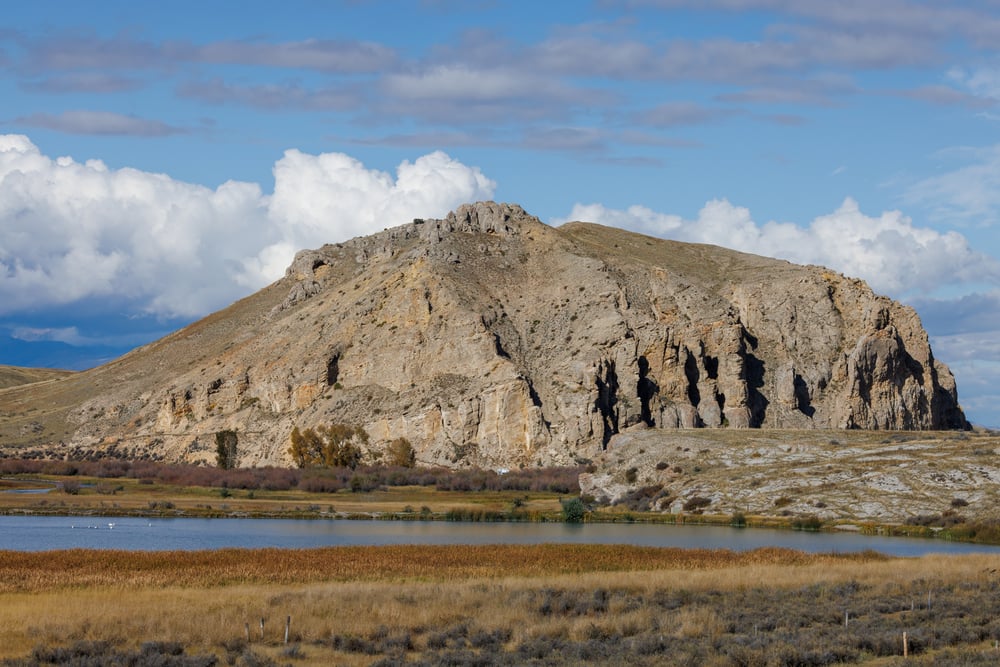
When the Lewis and Clark expedition pushed into uncharted American territory in 1804, they needed help navigating and communicating with indigenous peoples. They hired Toussaint Charbonneau as an interpreter, and his wife Sacagawea came along.
She was Shoshone, and her presence and knowledge proved essential to the expedition’s survival. Sacagawea helped negotiate with tribes, identified edible plants, and signaled peaceful intentions simply by being with the group.
Women didn’t accompany war parties. Her contributions allowed Lewis and Clark to complete their journey to the Pacific Ocean and back.
The expedition opened American eyes to the vast western territories and paved the way for westward expansion, fundamentally changing the geography of American power.
Nixon Goes to China
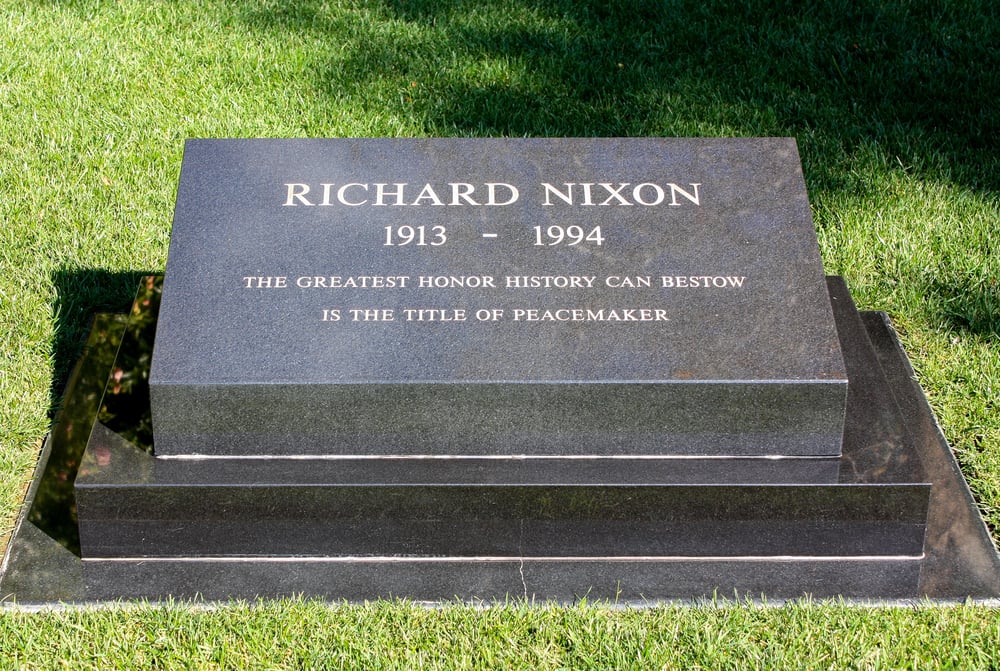
In 1972, President Richard Nixon became the first sitting American president to visit the People’s Republic of China. For more than two decades, the United States had refused to recognize the communist government in Beijing.
The Cold War made China and America adversaries. But both nations saw advantages in a new relationship.
Nixon’s visit stunned the world. He met with Mao Zedong and Zhou Enlai, discussing trade, diplomacy, and their shared concerns about Soviet power.
The meeting didn’t solve all problems, but it opened dialogue between two nations that had treated each other as enemies. The relationship between China and America that began with this visit shaped global economics, politics, and security for the next 50 years.
Vasco da Gama Reaches India
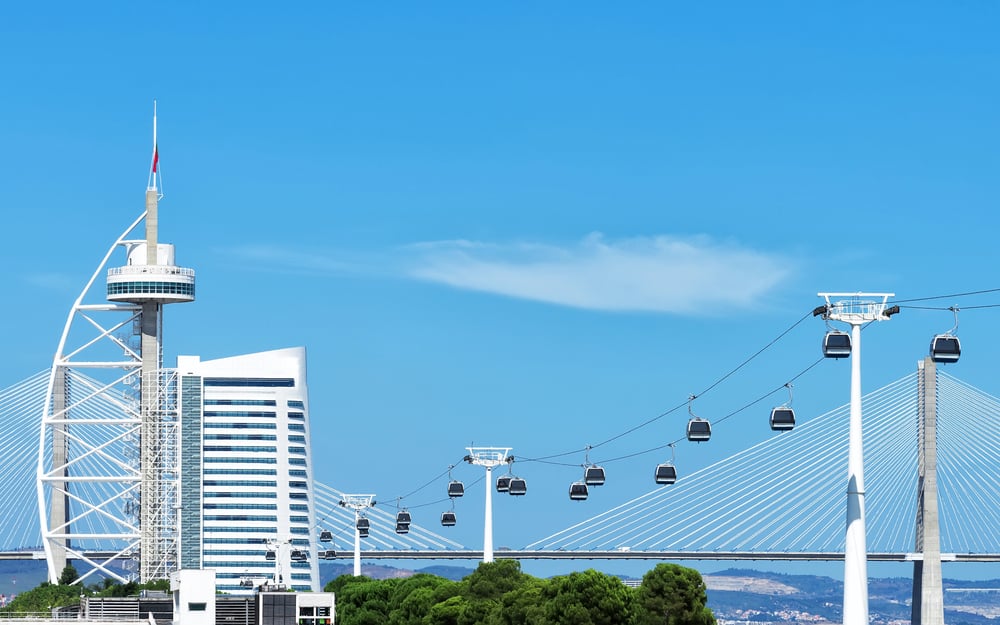
In 1498, Portuguese explorer Vasco da Gama reached the coast of India after sailing around Africa. This was the first time Europeans had successfully navigated a sea route to Asia.
Da Gama’s arrival in Calicut marked the beginning of direct European involvement in the Indian Ocean trade networks. The Portuguese established trading posts and, eventually, territorial control along the Indian coast.
Other European powers followed. The encounter between European merchants and Asian civilizations led to competition, conflict, and colonial rule that lasted for centuries.
The meeting fundamentally shifted economic power away from land-based trade routes and toward maritime empires.
The Treaty of Tordesillas
In 1494, Spain and Portugal sat down to divide the world between themselves. Pope Alexander VI had already drawn a line on the map giving Spain rights to newly discovered lands west of a certain longitude and Portugal rights to the east.
The Treaty of Tordesillas adjusted this line, giving Portugal claim to what would become Brazil and its African and Asian routes. Two nations essentially carved up the globe before most of it had even been explored.
The agreement shaped colonization patterns for centuries. It explains why Brazil speaks Portuguese while the rest of South America speaks Spanish.
The audacity of two kingdoms claiming the entire world demonstrates how profoundly European expansion changed global power dynamics.
Zheng He’s Treasure Voyages
Between 1405 and 1433, Chinese Admiral Zheng He led seven massive naval expeditions across the Indian Ocean. His fleets visited Southeast Asia, India, Arabia, and East Africa.
The ships dwarfed anything Europeans were sailing at the time. Zheng He established trade relationships and demonstrated Chinese power across vast distances.
Then China abruptly stopped. The voyages ended, and China turned inward.
Historians debate why, but the result was clear. China withdrew from aggressive maritime expansion just as Europeans were beginning theirs.
If China had continued Zheng He’s approach, the entire pattern of global colonization and trade might have unfolded differently. The decision to end these encounters shaped what didn’t happen as much as what did.
The Berlin Conference

In 1884, European powers met in Berlin to discuss how to divide Africa among themselves. No African leaders were invited.
The conference established rules for claiming African territory and drew arbitrary borders that split ethnic groups and lumped rivals together. The Berlin Conference formalized the Scramble for Africa.
Within a few decades, European nations had colonized nearly the entire continent. The borders drawn in Berlin, often with no regard for existing political or cultural realities, created problems that persist today.
This gathering of European diplomats decided the fate of millions of Africans without their input or consent, a stark example of how encounters between powerful nations can devastate those excluded from the conversation.
The Louisiana Purchase Negotiations

In 1803, American diplomats James Monroe and Robert Livingston traveled to Paris with instructions to buy New Orleans from France. They needed access to the Mississippi River for American trade.
Napoleon surprised them by offering to sell the entire Louisiana Territory, 828,000 square miles of land. The negotiations happened because Napoleon needed money for European wars and couldn’t defend distant American territories from British attack.
For America, the purchase doubled the size of the nation overnight. The encounter between these diplomats and Napoleon’s government fundamentally changed North American geography and set America on the path to becoming a continental power.
The Sykes-Picot Agreement

During World War I, British diplomat Mark Sykes and French diplomat François Georges-Picot met to plan the future of the Ottoman Empire. They assumed the Ottoman state would collapse and wanted to divide its Middle Eastern territories between Britain and France.
They drew lines on a map, creating zones of influence and control. The agreement, revealed after the war, ignored promises made to Arab leaders about independence.
The borders established by Sykes and Picot created new states like Iraq and Syria, often grouping different religious and ethnic communities together or splitting others apart. The artificial boundaries and broken promises generated resentment that fuels regional conflicts more than a century later.
Stanley and Livingstone

When journalist Henry Morton Stanley found missing missionary David Livingstone in central Africa in 1871, their meeting became famous not for what it accomplished but for what it symbolized. Stanley’s greeting, “Dr. Livingstone, I presume?” became one of history’s most quoted lines.
But the encounter did more than create a memorable moment. Stanley’s reports about Africa stirred European interest in the continent’s interior.
His writings portrayed Africa as a place ripe for exploitation and in need of European civilization. The meeting between these two men helped fuel the colonization efforts that would devastate African societies and economies for generations.
Echoes Across Time

These moments have things in common. Usually, one side holds an edge the other doesn’t like weapons, resistance to sickness, better tools, or just being quicker to move.
They tend to occur at edges, where familiar ways run into fresh chances or dangers. Some of these meetings weren’t fair unequal from the start, so pain and abuse followed.
But knowing how things played out gives clues to our present reality. National borders we see now, where goods move across continents, why certain tongues spread widely, even tensions or teamwork among groups all show signs of past clashes.
What went down wasn’t limited to separate corners of Earth. Instead, it was about cultures crashing into one another, then having to decide what step to take after.
More from Go2Tutors!

- The Romanov Crown Jewels and Their Tragic Fate
- 13 Historical Mysteries That Science Still Can’t Solve
- Famous Hoaxes That Fooled the World for Years
- 15 Child Stars with Tragic Adult Lives
- 16 Famous Jewelry Pieces in History
Like Go2Tutors’s content? Follow us on MSN.