The Most Chilling Audio Files Found in Old Hard Drives
There’s something unsettling about abandoned digital spaces. Old hard drives sit in closets and storage units like digital time capsules, holding fragments of lives that once were.
When data recovery specialists and digital archivists crack open these drives, they sometimes find more than forgotten family photos and old work documents. They discover audio files that raise questions nobody wants answered.
Recordings that capture moments when something went very wrong. Voices speaking into microphones with no idea their words would one day chill strangers to the bone.
The Vanished Podcaster
Sarah Martinez started a true crime podcast from her basement in 2019. Her final episode wasn’t supposed to be her final episode.
Data recovery specialists found 47 minutes of raw audio on her abandoned laptop, recorded the night she disappeared. The file timestamp shows 2:17 AM.
Her voice starts confident, discussing a cold case from the 1980s, then stops mid-sentence. What follows is 31 minutes of silence, broken only by footsteps that aren’t hers.
Office Building Voice Mails

The hard drive from a demolished Chicago office building contained thousands of voicemail files. Most were routine business calls, but buried in the data was a sequence of messages left on the same extension over three months.
The caller never identified himself, but his voice grew more desperate with each recording. He claimed to see people in the building after hours—people who shouldn’t exist.
The final message was left two days before a security guard was found dead in the basement. The guard’s name matched the voice.
Digital Séance Session

Technology and the supernatural make uncomfortable bedfellows, but sometimes they meet anyway (and when they do, the results are rarely what anyone expects). A hard drive recovered from an estate sale contained audio files labeled “Contact Session 01” through “Contact Session 23″—recordings of what appeared to be someone attempting to communicate with the dead using audio software and white noise generators.
The sessions progress from hopeful experiments to something darker: by Session 17, multiple voices begin responding, and they know things about the living that they shouldn’t know. The final recording captures the moment when something responds that was never invited to speak.
The most unsettling part isn’t the voices—it’s how they seem to learn from each session, becoming more coherent and more aware of being recorded. So the question becomes whether technology can create doorways that some doors should stay closed.
Missing Hiker’s Audio Log

Digital audio recorders have become standard hiking equipment. They’re lightweight, reliable, and can run for days on a single battery charge.
A recovery team found David Chen’s recorder three months after he vanished in Olympic National Forest, buried under fallen branches near a trail that doesn’t appear on any official map. His audio logs start normal—weather reports, GPS coordinates, notes about wildlife.
Day three is when his voice changes. He mentions hearing footsteps that match his pace exactly but stop when he stops.
Day four, he records whispered conversations coming from empty campsites. The final entry is 12 minutes of David breathing heavily, describing something following him through the trees.
The recording cuts to silence, then picks up again with a voice that sounds exactly like David’s—but speaks words David never said.
The Collector’s Confession
Some people collect stamps or coins. Others develop more troubling hobbies, and sometimes those hobbies leave behind audio evidence that investigators wish they’d never found.
A hard drive seized during an estate settlement contained 200+ audio files spanning fifteen years—detailed confessions of someone describing their “collection” of personal items taken from crime scenes. The voice is calm, methodical, almost clinical in describing how each item was acquired and what it meant to the collection.
But it’s the background sounds that make investigators’ skin crawl: distant sirens, police radio chatter, and what sounds like crime scene tape rustling in the wind. The timestamps suggest these recordings were made while active investigations were taking place, sometimes within hours of discoveries being made public.
Apartment 4B Recordings

Audio surveillance isn’t uncommon in apartment complexes, but sometimes it captures more than property managers bargain for (especially when the recordings span months and the sounds they contain start following patterns that human behavior doesn’t typically follow). A hard drive from a building’s security system contained ambient audio from Apartment 4B, which had been vacant for eight months.
The recordings shouldn’t contain anything beyond settling walls and passing traffic. Instead, they document conversations, furniture moving, and what sounds like someone living a normal life in an empty apartment—complete with phone calls to numbers that were disconnected years ago.
And yet the truly disturbing element is how the phantom resident’s routine perfectly mirrors that of the apartment’s previous tenant, who died of natural causes two years earlier. Same morning routine, same television programs, even the same argument that neighbors reported hearing the week before his death.
But played out again and again, like a broken record that refuses to stop spinning.
Emergency Service Audio
Emergency dispatch recordings are typically routine—medical calls, fender benders, noise complaints. But a corrupted hard drive from a 911 center contained audio files that shouldn’t exist.
Calls logged from phone numbers assigned to people who died months earlier, all reporting emergencies at their former addresses. The voices match perfectly with family members’ recollections, down to speech patterns and regional accents.
Each caller describes situations that mirror their actual cause of death—house fires, car accidents, medical emergencies—but speaks about them in present tense, as if experiencing them again. The calls always end the same way: with the sound of the line going dead, followed by a dial tone that continues for exactly four minutes and seventeen seconds.
Digital Audio Workstation Sessions
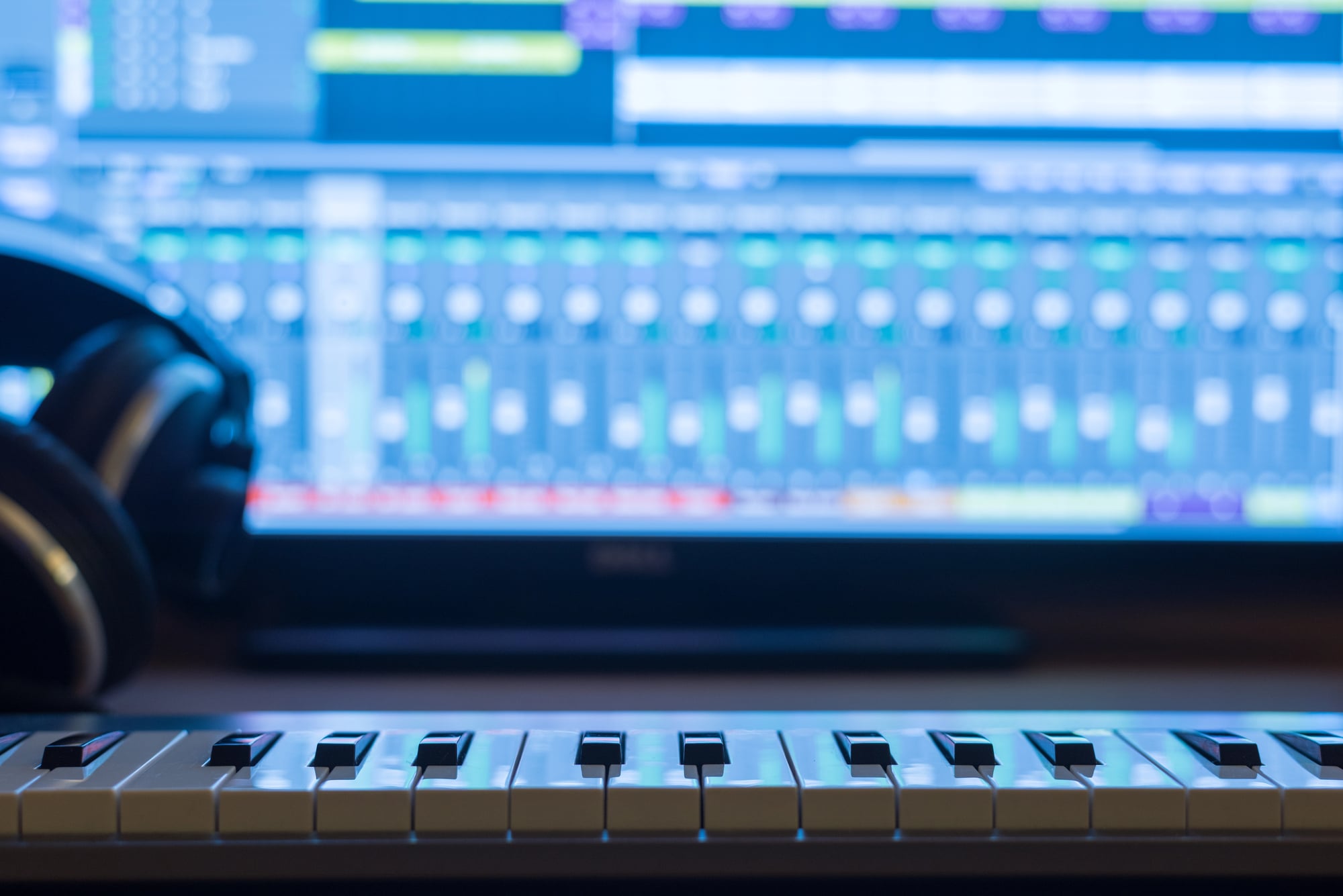
Musicians and producers save everything—rough takes, experimental sounds, random studio chatter. A hard drive recovered from a bankrupt recording studio contained session files from a band that never officially recorded there.
The audio captures what sounds like a full recording session: count-offs, instrument tuning, even discussions about mixing levels. The problem is that three of the four band members had been dead for over a decade when these files were created.
Their voices are unmistakable—family members confirmed the vocal patterns and mannerisms. The recordings include new songs, written in the style the band was developing before their deaths.
The surviving member, when confronted with the audio, insisted he’d never been to that studio and had no memory of those sessions. He recognized the songs, though.
He’d been hearing them in his dreams for years.
Child Monitor Recordings
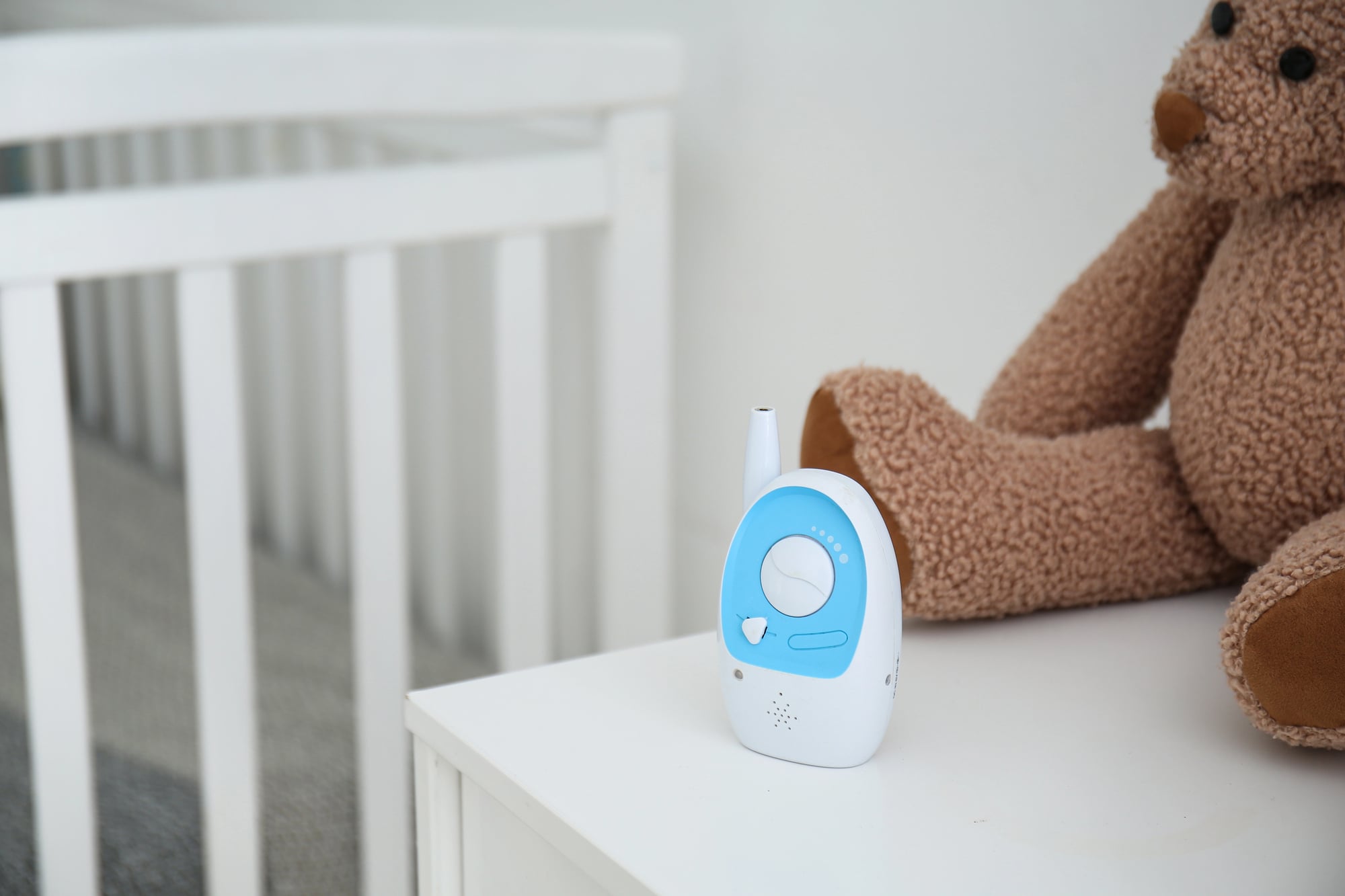
Baby monitors are designed to capture everything (which makes sense for keeping infants safe, but becomes problematic when they start recording sounds that shouldn’t be there in the first place). A hard drive from a family’s home security system contained months of audio from their toddler’s bedroom, including conversations between their two-year-old daughter and someone who responded in a voice the family didn’t recognize.
The conversations follow a pattern: the child asks questions about family members, daily routines, and household rules, while the unknown voice provides answers with information only someone living in the house would know. But the voice knew things about the family that even the parents had never discussed openly—financial troubles, marital problems, and fears they’d only shared with each other in private conversations far from their daughter’s room.
Even so, the most unsettling element is how the unknown voice begins teaching the child things she shouldn’t know—family secrets, the combination to the father’s safe, and details about where important documents were hidden.
Corporate Training Files
Employee training recordings are among the most mundane audio files imaginable. Safety procedures, company policies, harassment prevention seminars—the kind of content that exists purely for legal compliance.
A corrupted server drive from a demolished office building contained what appeared to be standard training materials, until investigators noticed the timestamps. The recordings were made during company training sessions, but featured employees who had quit or been fired months before the sessions supposedly took place.
Their voices contained the same bored, mandatory-attendance tone familiar to anyone who’s sat through corporate training, but they were discussing company policies for departments that had never existed and procedures for handling situations the company had never encountered.
Therapy Session Recordings

Patient confidentiality makes therapy recordings extremely rare, but a hard drive from a psychologist’s office contained audio files that raised questions about more than just privacy violations. The sessions appeared to document legitimate therapy appointments, complete with standard intake procedures and therapeutic dialogue techniques.
The unsettling element is that the patient’s voice belongs to someone who died six months before the first session was recorded. Family members confirmed the vocal patterns and personal details discussed during the sessions.
The therapy focused on processing trauma from the patient’s death—an event they described with the clarity of someone who had experienced it firsthand. The psychologist’s license had been revoked three years earlier following a patient’s death, but the voice on the recordings matched their professional style perfectly.
Weather Station Data
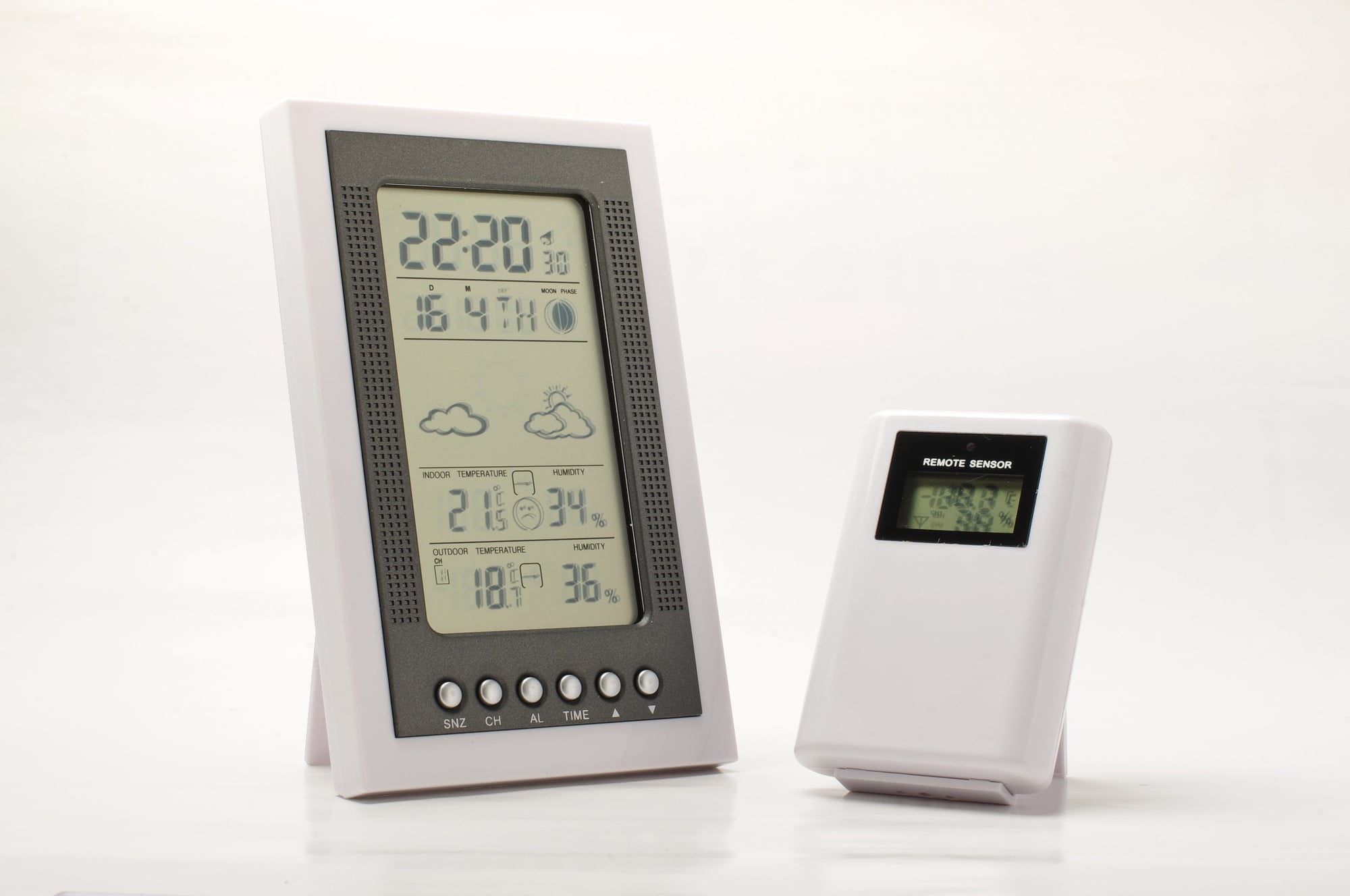
Automated weather stations record ambient audio along with meteorological data—wind patterns, precipitation, temperature fluctuations. A hard drive from an abandoned research station contained months of routine weather monitoring, but buried in the data were audio anomalies that defied explanation.
Human voices could be heard during severe storm events, calling out coordinates and weather reports in formats the station had never used. The voices provided accurate forecasts for weather events that occurred exactly as predicted, sometimes days in advance of official meteorological services.
But the coordinates they referenced pointed to locations that didn’t exist on any known maps, and the weather patterns they described included phenomena that current science doesn’t recognize. The final recordings capture voices warning about a storm system that never appeared on radar, predicting destruction that never occurred—as if describing weather for a different world entirely.
Home Security System
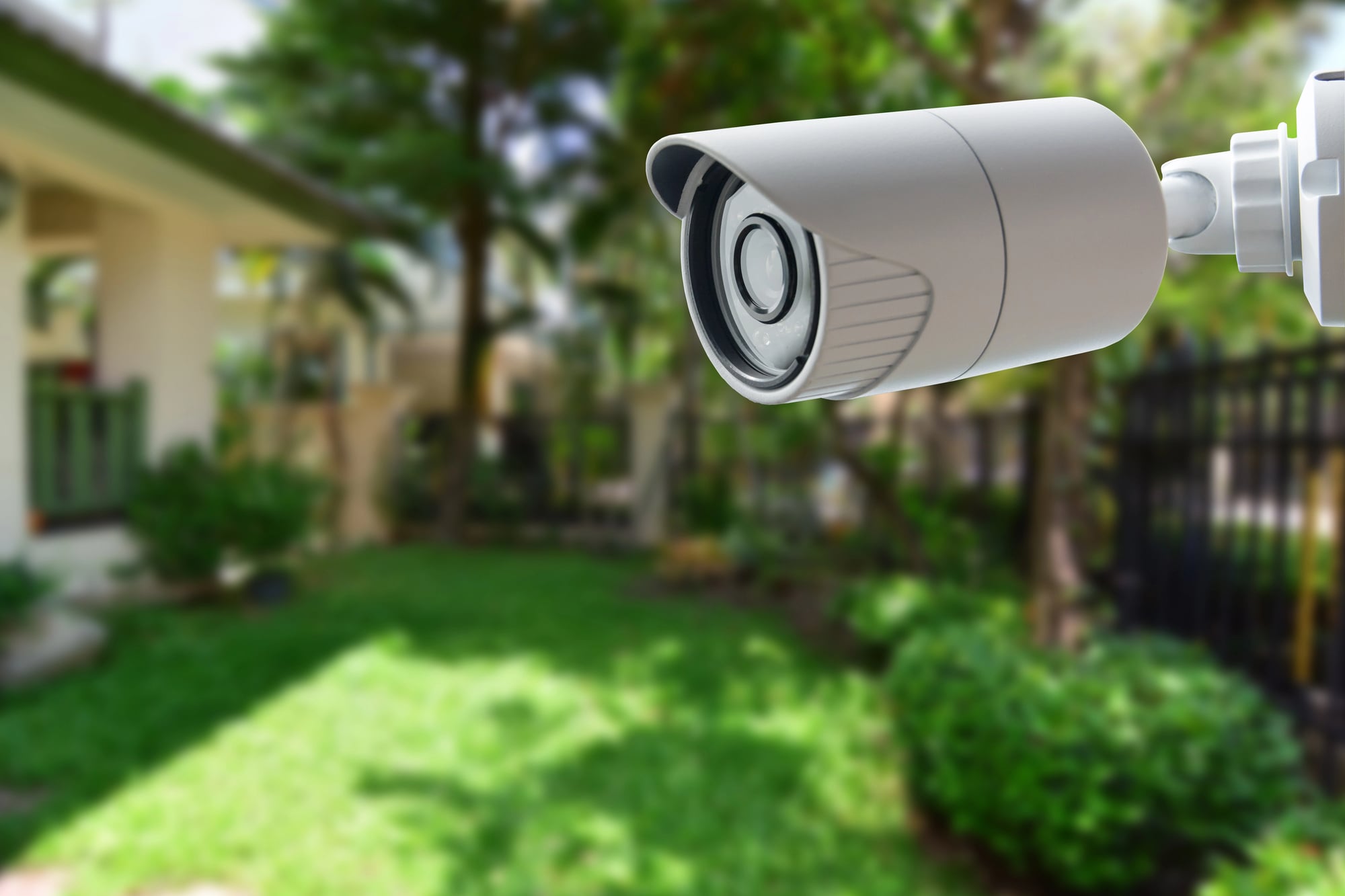
Modern security systems record everything, creating digital archives of daily life that extend far beyond their intended purpose. A hard drive from a smart home security network contained audio files spanning two years of a family’s routine activities—meals, conversations, television watching, normal domestic life.
The timeline matches perfectly with the family’s known schedule, except for one problem: the family moved out three years before these recordings were made. The voices belong to the previous residents, continuing their daily routines in precise detail.
Morning coffee preparation, children getting ready for school, evening dinner conversations—all captured with the mundane familiarity of people living their normal lives. But the children heard in the recordings had grown up and moved away years earlier, and the father’s voice continues despite his death from cancer 18 months before the first file was created.
The house sold twice during the period these recordings were made, but new residents reported feeling like they were never alone.
When Technology Remembers

Digital storage was supposed to be temporary, a way to preserve information until we decided whether it was worth keeping. But hard drives sometimes hold onto things longer than intended, creating archives of moments that were never meant to survive.
These audio files raise questions about the permanence of digital memory and whether some recordings capture more than just sound waves and electromagnetic signatures. The common thread isn’t supernatural phenomena or unexplained events—it’s the persistence of human presence in digital spaces, even when that presence should no longer exist.
Technology creates perfect copies of imperfect moments, preserving voices and conversations with a fidelity that makes the impossible sound absolutely real.
More from Go2Tutors!

- The Romanov Crown Jewels and Their Tragic Fate
- 13 Historical Mysteries That Science Still Can’t Solve
- Famous Hoaxes That Fooled the World for Years
- 15 Child Stars with Tragic Adult Lives
- 16 Famous Jewelry Pieces in History
Like Go2Tutors’s content? Follow us on MSN.