Most Common Last Names Globally
Names carry history. Your last name connects you to ancestors who lived centuries ago, shaped by geography, occupation, or some distinguishing characteristic that stuck. But when you look at the most common surnames worldwide, patterns emerge.
Certain names dominate because of population size, cultural naming practices, or historical circumstances. China’s massive population means Chinese surnames top global lists by sheer numbers.
Other names spread through colonization, migration, and cultural influence. Understanding which surnames appear most frequently reveals something about human history, demographics, and how naming traditions evolved across different societies.
Wang

Over 100 million people carry this Chinese surname. That makes Wang the most common last name on Earth.
The name means “king” or “monarch” in Mandarin. Multiple Chinese royal families used Wang as their surname throughout history.
When these dynasties fell, former nobles and their descendants kept the name. Commoners sometimes adopted it too, hoping to claim connection to royalty.
The surname’s prevalence also comes from China’s practice of using relatively few family names. While Western countries have hundreds of thousands of surnames, China operates with only about 100 common ones.
Wang ranks at the top of that limited pool. You’ll find people named Wang throughout China, Taiwan, and Chinese diaspora communities worldwide.
The concentration of this single surname in the world’s most populous country guarantees its position as the global leader.
Li
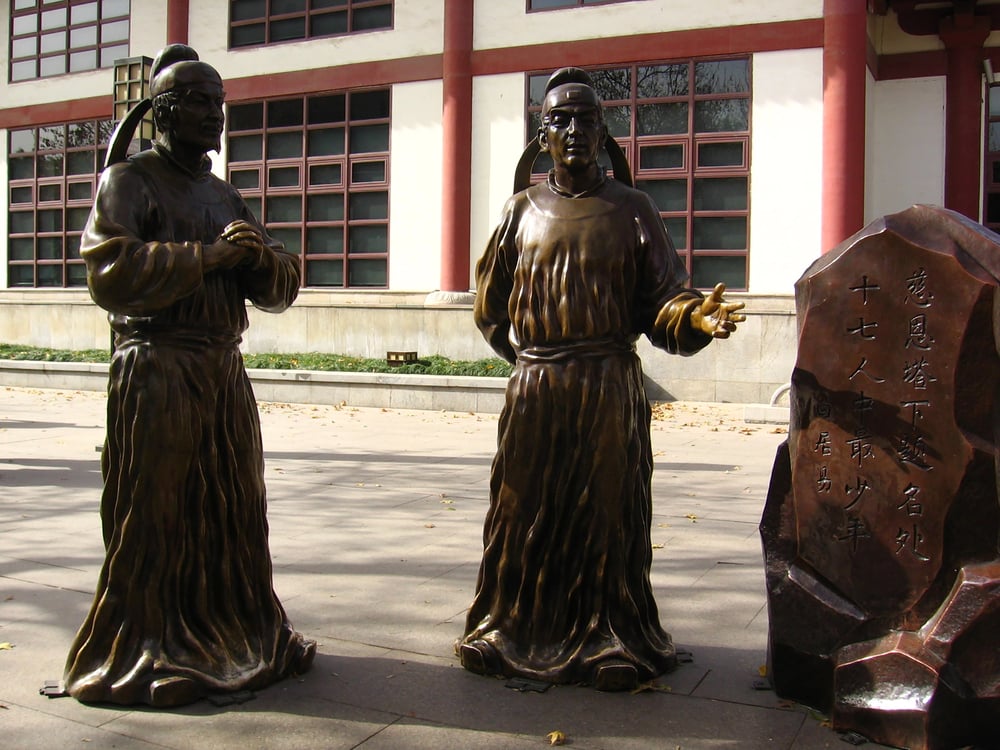
Another Chinese surname, Li, follows closely behind Wang with approximately 100 million bearers. The name means “plum” in Mandarin, though its origins trace to various sources.
Some Li families descended from the Tang Dynasty emperors who ruled China from 618 to 907 CE. Others adopted the surname later for different reasons.
Li appears so frequently that Chinese people often joke about the impossibility of holding a meeting without at least one person named Li attending. The surname spread beyond China through immigration.
You’ll find Li families in Southeast Asia, North America, Europe, and Australia. The global Chinese diaspora carries these surnames wherever they settle.
Zhang

Zhang completes the trio of the most common Chinese surnames. Roughly 90 million people worldwide use this name.
It means “to draw a bow” and originated from a legendary archer in Chinese mythology. The surname has ancient roots, dating back over 4,000 years.
Like Wang and Li, Zhang’s prevalence stems from China’s population size and limited surname diversity. The three surnames—Wang, Li, and Zhang—account for over 20% of China’s total population.
That concentration seems unusual to people from cultures with greater surname variety, but it reflects different historical naming practices. Chinese surnames passed down patrilineally for thousands of years with little variation or creation of new names.
Garcia

Spanish surnames dominate across Spain, Latin America, and Hispanic communities worldwide. Garcia is the most common Hispanic surname globally.
The name likely originated from the Basque word meaning “young” or “youth.” It spread throughout the Iberian Peninsula during medieval times.
Spanish colonization carried Garcia to the Americas. The surname appears frequently in Mexico, Colombia, Argentina, Venezuela, and other Spanish-speaking countries.
Immigration brought Garcia to the United States, where it ranks among the top ten most common surnames. Garcia families trace their ancestry to Spain, but generations have lived in the Americas, creating distinct regional branches while maintaining the shared name.
Kim

Korean surnames work differently from Chinese or Western names. Korea uses even fewer surnames than China—only about 250 exist in regular use.
Kim dominates, with roughly 20% of all Koreans sharing this surname. That translates to over 10 million people just within the Korean Peninsula, plus millions more in the Korean diaspora.
Kim means “gold” in Korean. Three main Kim clans exist, each with different ancestral origins. Despite sharing a surname, members of different Kim clans aren’t considered related.
Korean naming traditions emphasize clan lineage alongside the surname. Still, the sheer number of people named Kim creates practical challenges.
Korean culture adapted by using full names more consistently and avoiding marriage between people with the same surname and clan origin.
Nguyen

Vietnam’s most common surname, Nguyen, is shared by roughly 40% of the Vietnamese population. That concentration exceeds even Korea’s Kim. The name’s prevalence comes from historical circumstances.
When Chinese dynasties ruled Vietnam, many Vietnamese adopted Chinese surnames to gain favor or avoid persecution. The Nguyen Dynasty later ruled Vietnam from 1802 to 1945, and the royal surname became even more widespread.
People named Nguyen live throughout Vietnam and in Vietnamese communities worldwide. The name’s extreme commonality means you can’t assume any relationship between two people named Nguyen.
The Vietnamese diaspora, particularly strong in the United States, France, and Australia, carried this surname globally. In some American cities, Nguyen appears among the ten most common surnames.
Smith
English occupational surnames dominate Anglo-American naming traditions. Smith ranks as the most common surname in the United Kingdom, United States, Canada, and Australia.
The name simply referred to metalworkers—blacksmiths, goldsmiths, silversmiths, and other craftsmen who worked with metal. Every village in medieval England needed a smith.
The occupation’s necessity meant many families carried this surname. British colonization spread Smith globally.
The name appears frequently in former British colonies and areas with English-speaking populations. Over 4 million people worldwide carry Smith as their surname.
The name’s simplicity and the occupation’s ubiquity across different regions explain its lasting prevalence.
Johnson
Another Anglo-American surname, Johnson means “son of John.” Patronymic surnames—names derived from a father’s given name—were common in English, Scandinavian, and other European naming traditions.
John was an extremely popular first name in medieval England, so many families adopted Johnson as their surname. The name followed British and Scandinavian emigrants worldwide.
Johnson appears frequently in the United States, United Kingdom, Canada, and Australia. Swedish and Norwegian immigrants also brought variations like Johansson and Johansen.
The name’s prevalence reflects both the popularity of “John” as a given name and the common practice of patronymic surnames in Northern Europe. Roughly 2 million people worldwide use some variation of Johnson.
Williams

Williams follows the same patronymic pattern as Johnson, meaning “son of William.” William was another highly popular medieval name in England and Wales.
The Norman Conquest of 1066 brought French influences to England, and William—from the Germanic “Wilhelm”—became fashionable among the English nobility. Welsh naming traditions also contributed to Williams’ prevalence.
Wales traditionally used patronymic naming, where each generation took a new surname based on the father’s name. When the English government required fixed surnames, many Welsh families adopted Williams because William was common at that time.
The surname spread through British colonization to North America, Australia, and other English-speaking regions. Over 2 million people carry Williams as their surname.
Brown

Color surnames appear in many cultures, often describing physical characteristics of ancestral family members. Brown likely originated to describe someone with brown hair, brown eyes, or brown clothing.
The surname became fixed in medieval England and spread through British emigration. Brown ranks among the most common surnames in English-speaking countries.
The name’s simplicity and the characteristic’s commonality—many people have brown features—explain its prevalence. You’ll find Brown families throughout the United States, United Kingdom, Canada, and Australia.
The surname carries no specific regional association within the British Isles, appearing evenly across England, Scotland, and Wales.
Jones

Jones means “son of John” in Welsh. The name’s Welsh origins explain its particular concentration in Wales, where it’s by far the most common surname.
Like Williams, Jones reflects the Welsh practice of adopting fixed patronymic surnames when required by English law. John was popular in Wales, so Jones became extremely common.
British emigration carried Jones worldwide. The surname appears frequently in England, the United States, Canada, Australia, and other English-speaking countries.
Over 1.5 million people worldwide use Jones as their surname. In Wales specifically, Jones accounts for roughly 6% of the population—an extraordinarily high concentration for a single surname in a Western country.
Müller

German occupational surnames follow similar patterns to English ones. Müller, meaning “miller,” ranks as the most common surname in Germany, Austria, and Switzerland.
Every community needed a mill for grinding grain, and the miller held an important economic position. The occupation’s necessity meant many families carried this surname.
German immigration spread Müller globally. The name appears in German-speaking communities worldwide, often anglicized to Miller in English-speaking countries.
If you count Müller and Miller together, the surname’s global prevalence rivals Smith. The consistency of the occupation across different German-speaking regions explains why Müller tops surname lists throughout the German-speaking world.
Martínez
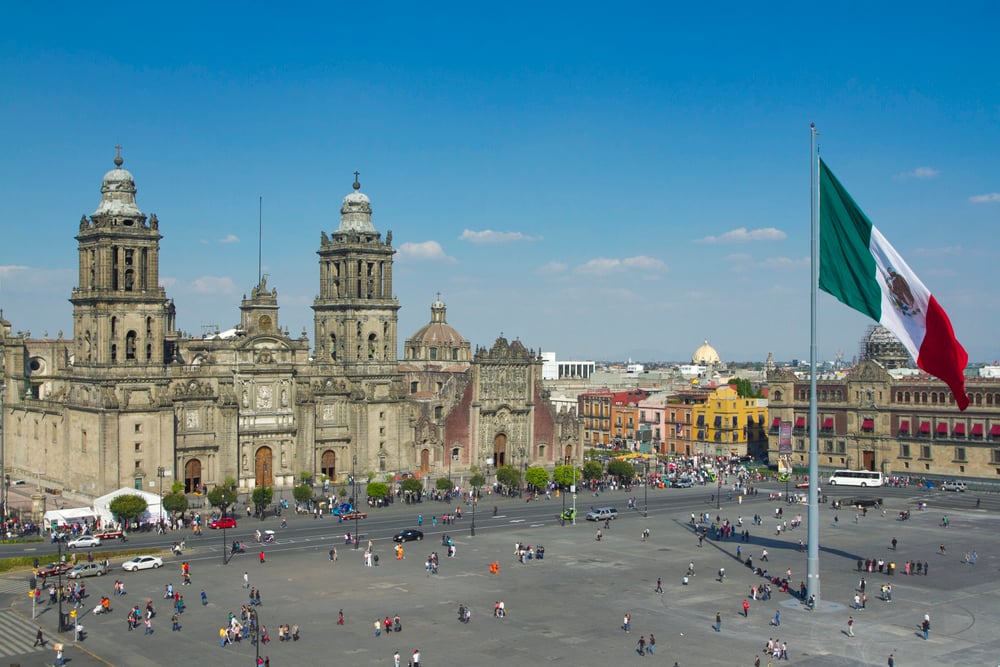
Spanish patronymic surnames often end in “-ez,” meaning “son of.” Martínez means “son of Martín” (Martin).
The name spread throughout Spain and followed Spanish colonization to Latin America. You’ll find Martínez as a common surname in Mexico, Argentina, Colombia, Venezuela, and other Spanish-speaking countries.
The name also appears frequently in the United States due to immigration from Latin America. In some southwestern U.S. states, Martínez ranks among the top surnames.
The combination of Spain’s population, Latin America’s Spanish-speaking nations, and Hispanic immigration to North America gives Martínez a significant global presence. Over 3 million people worldwide carry this surname.
Hernández
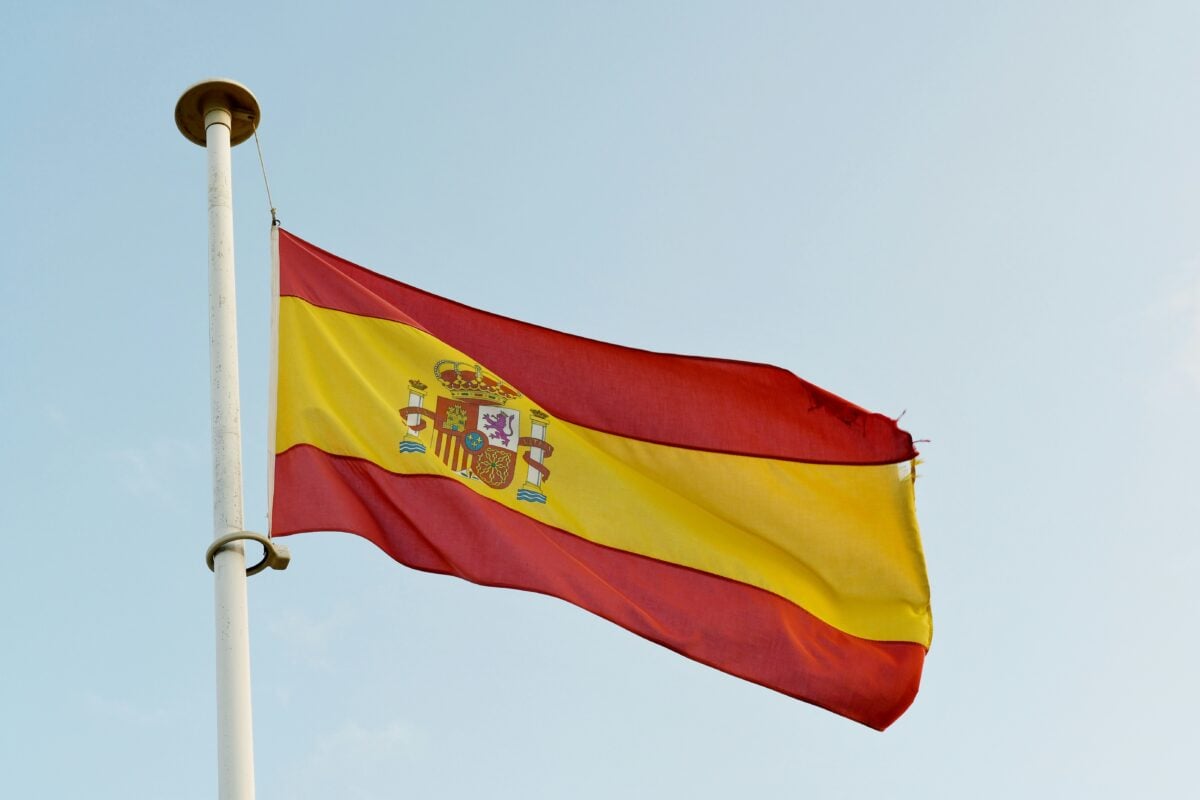
Hernández means “son of Hernando” (Ferdinand), following the Spanish patronymic pattern. Like Martínez, this surname appears throughout Spain and Latin America.
The name particularly dominates in Mexico, where it ranks among the most common surnames. Spanish naming customs allow people to carry two surnames—one from each parent—but Hernández appears frequently enough that many families use it as their primary identifier.
Immigration carried Hernández to the United States, where it appears among the top 25 surnames. The name’s prevalence reflects both Spanish colonization of the Americas and ongoing cultural connections between Spain and Latin American countries.
What Names Reveal

The most common surnames worldwide aren’t distributed evenly. Chinese surnames dominate global counts because China’s population dwarfs most other countries.
Spanish surnames spread across multiple continents through colonization. English surnames followed British expansion.
Korean and Vietnamese surnames reflect different cultural traditions that limit surname diversity even more than in China. These naming patterns reveal historical power dynamics, migration flows, and cultural practices.
Occupational surnames like Smith and Müller show that certain professions existed everywhere. Patronymic surnames like Johnson and Martínez demonstrate the common practice of naming children after their fathers.
Chinese surnames’ ancient origins and continuity reflect cultural stability spanning thousands of years. Your surname connects you to these larger patterns.
Whether you’re part of a massive Chinese surname clan, descended from medieval European craftsmen, or carry a name spread by colonization, that surname ties you to specific historical circumstances. The most common names globally are common because of particular events—dynasty changes, colonial expansion, occupational necessity, or naming customs that limited surname creation.
Understanding these patterns gives context to the simple question of what your last name means and why millions of others might share it.
More from Go2Tutors!

- The Romanov Crown Jewels and Their Tragic Fate
- 13 Historical Mysteries That Science Still Can’t Solve
- Famous Hoaxes That Fooled the World for Years
- 15 Child Stars with Tragic Adult Lives
- 16 Famous Jewelry Pieces in History
Like Go2Tutors’s content? Follow us on MSN.