27 Brands People Think Are American but Aren’t
The red, white, and blue mythology runs deeper than most people realize. Walk through any American shopping mall, flip through cable channels, or scroll past social media ads, and certain brands feel so fundamentally tied to the American experience that questioning their origins seems almost unpatriotic.
These companies have woven themselves so seamlessly into daily life that their foreign roots have been quietly forgotten — or never learned in the first place. Geography becomes irrelevant when a brand masters the art of cultural assimilation, and some of the most “American” companies in the marketplace were actually born thousands of miles away.
Budweiser
Anheuser-Busch built an empire on the idea that Budweiser was America’s beer. The Super Bowl ads, the patriotic imagery, the “King of Beers” slogan — all designed to make you forget one inconvenient truth.
InBev, a Belgian company, bought the entire operation in 2008 for $52 billion. When someone cracks open a Bud Light at a Fourth of July barbecue, they’re technically drinking Belgian beer manufactured in America.
7-Eleven
The convenience store that feels more American than apple pie actually started in Dallas, Texas, in 1927 — so far, so good for the home team. But Seven & i Holdings, a Japanese retail conglomerate, purchased the entire chain in 2005 for $18 billion.
Every transaction at every Slurpee machine technically flows back to Tokyo, even though the stores occupy this uniquely American cultural space as neighborhood institutions.
Burger King
Restaurant Brands International, which owns Burger King, is headquartered in Canada and controlled by Brazilian investment firm 3G Capital. The Whopper might taste the same, but the profits cross international borders before landing in shareholders’ pockets.
It’s the kind of detail that gets lost in the drive-through experience.
Shell
Shell stations dot the American landscape from coast to coast, their red and yellow signs as familiar as mailboxes, and somewhere along the way people assumed the company grew up alongside the interstate highway system. But Shell is British-Dutch, founded in 1907 as Royal Dutch Shell, and has never been anything other than a European company that happens to sell gasoline in America.
The corporate headquarters sits in London and always has.
T-Mobile
The magenta-colored rebellion against Verizon and AT&T. John Legere’s anti-establishment CEO persona.
The “Un-carrier” campaign that positioned the company as the scrappy American underdog. All carefully designed theater, because T-Mobile is owned by Deutsche Telekom, a German company.
The David-versus-Goliath narrative was essentially a German telecommunications giant pretending to be the little guy.
Ben & Jerry’s
Two guys from Vermont making ice cream in a converted gas station in Burlington, fighting corporate America with flavors like Cherry Garcia and progressive politics printed right on the pint. The origin story hits every note of American entrepreneurial mythology, and for a long time it was true.
But Unilever, the British-Dutch conglomerate, bought Ben & Jerry’s in 2000 for $326 million. The political activism continues, the flavors remain creative, and the Vermont imagery stays intact, but the profits flow to London and Rotterdam.
Anheuser-Busch
Beyond just Budweiser, the entire Anheuser-Busch empire — Stella Artois, Corona, Michelob, Busch — belongs to AB InBev, a Belgian company. American beer culture is essentially Belgian-owned.
The St. Louis headquarters still exists and the Clydesdale horses still appear in commercials, but corporate decisions get made in Leuven, Belgium.
Purina
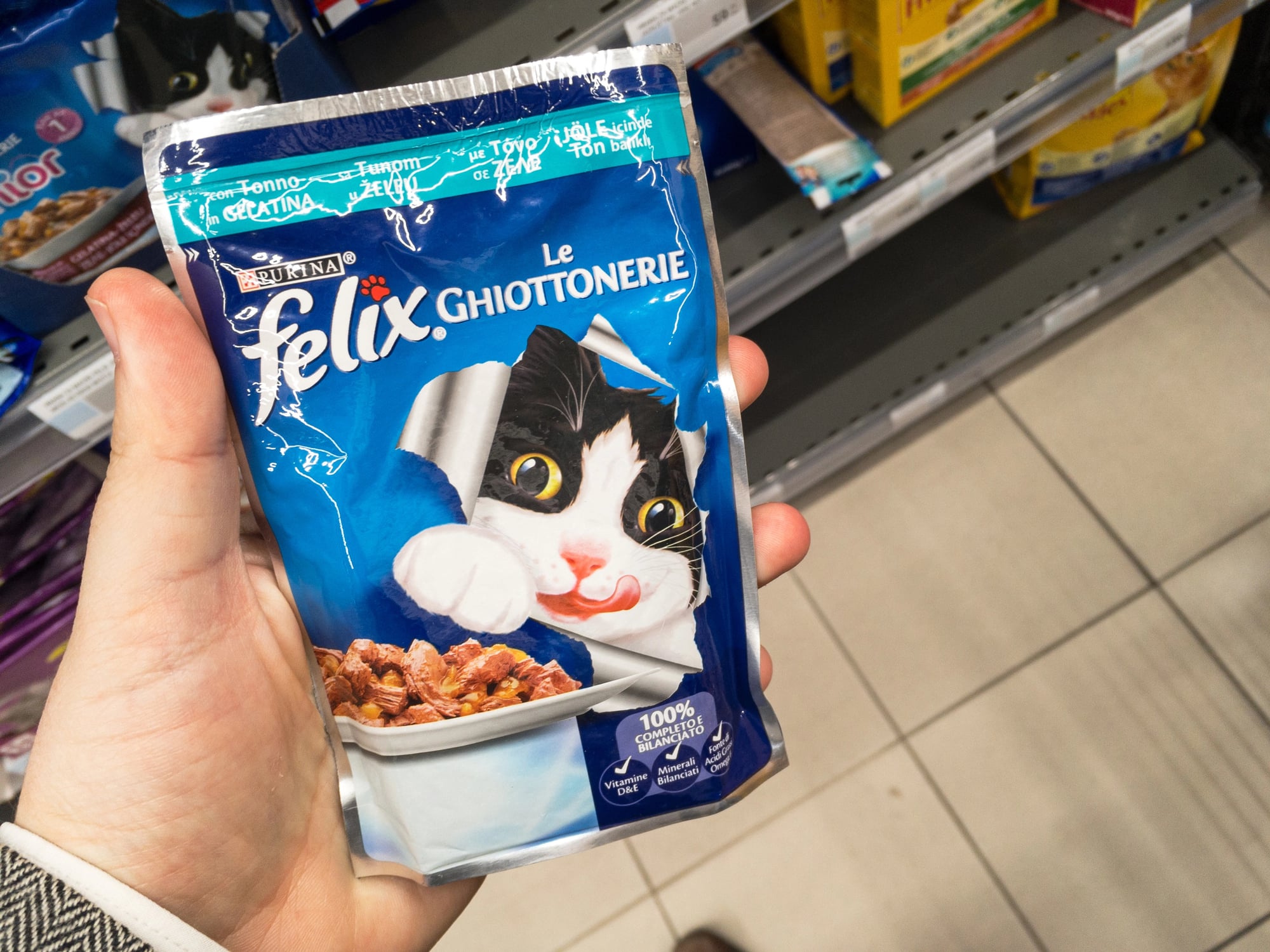
Purina has been part of the American pet food landscape for so long that it feels like a Midwestern institution, the kind of company that should have a corporate campus full of golden retrievers. Instead it’s owned by Nestlé, the Swiss food conglomerate, which acquired it in 2001.
When Americans pour kibble into their dog’s bowl, they’re participating in a Swiss-controlled supply chain that feels exactly as domestic as mowing the lawn.
Trader Joe’s
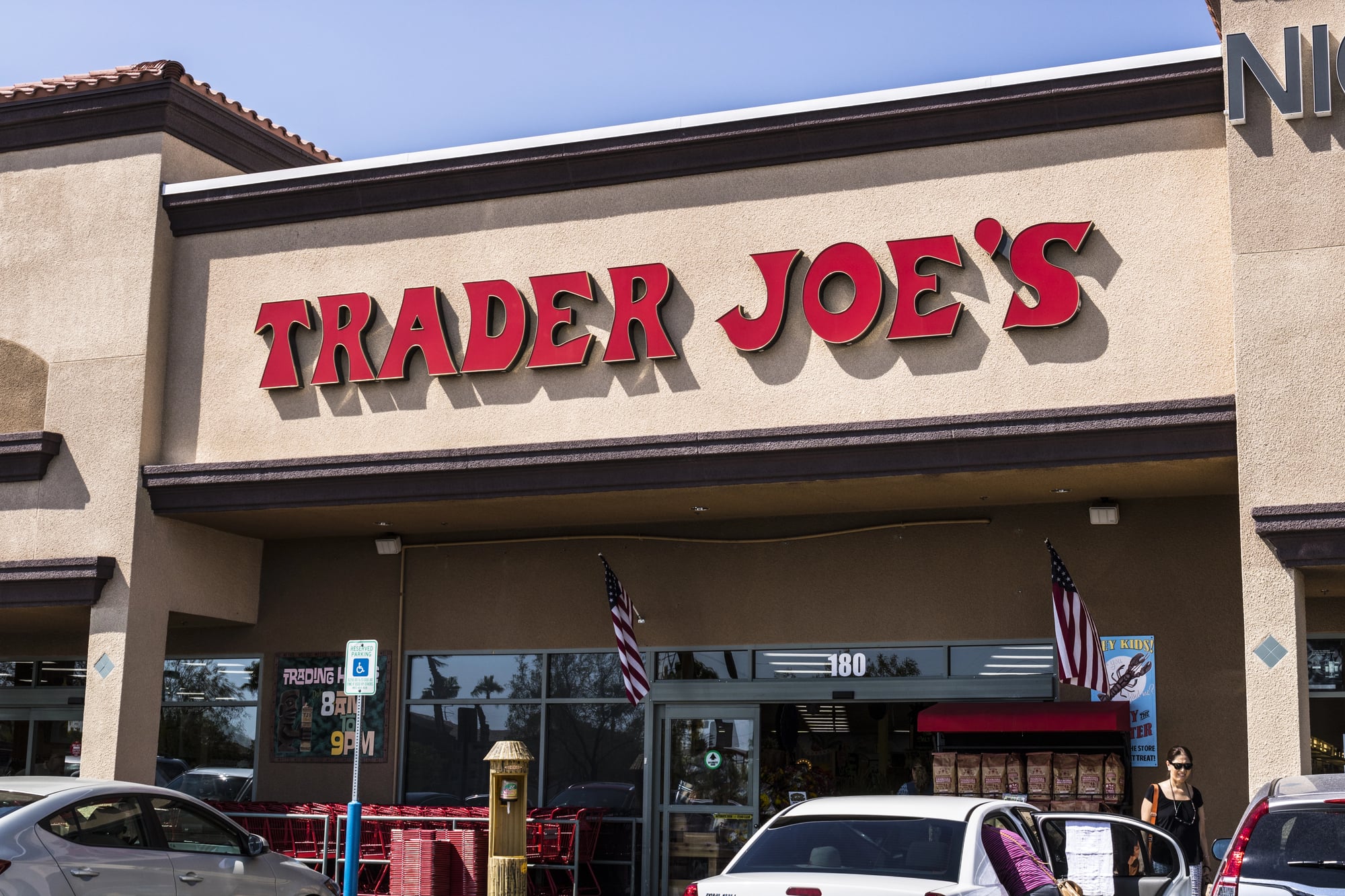
The quirky product names, the Hawaiian shirts, the deliberate rejection of corporate polish in favor of neighborhood market charm — Trader Joe’s built its brand on being the anti-Walmart. The whole aesthetic screams California counterculture.
But the Albrecht family, German billionaires who also own the Aldi supermarket chain, purchased Trader Joe’s in 1979. The brand maintains its American personality entirely, but the ownership structure is European.
Chrysler
Detroit. Motor City.
American automotive pride. Chrysler represents everything people want to believe about American manufacturing, and the government bailout during the 2008 financial crisis felt like a patriotic act of preservation.
But Stellantis, the multinational conglomerate formed by merging Italian-American Fiat Chrysler and French PSA Group, now owns the brand. Chrysler exists as a nameplate within a company whose executive decisions involve Italian and French boardrooms alongside American history.
Holiday Inn
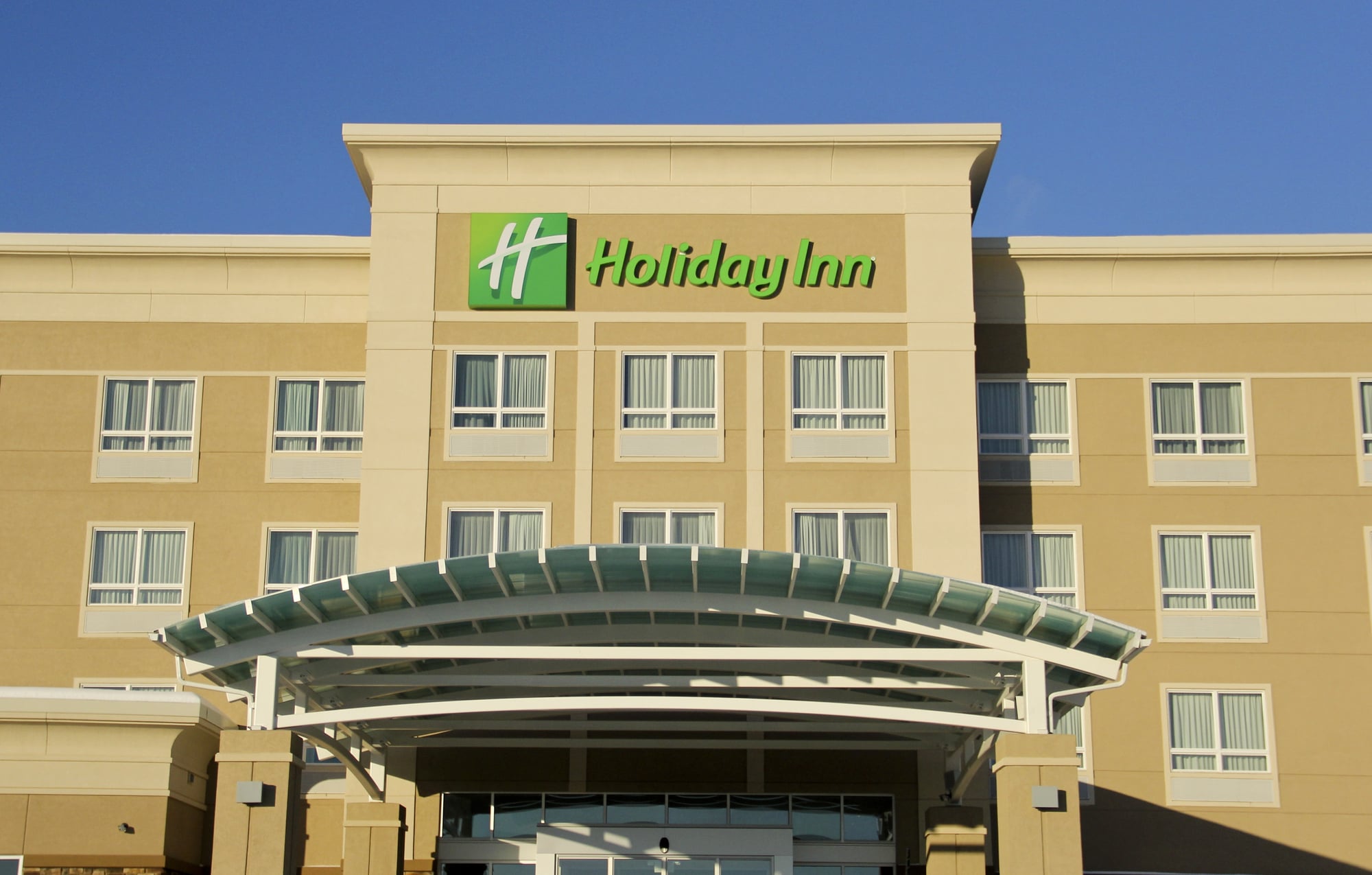
The brand became synonymous with reliable, middle-class American road travel — clean rooms, consistent service, the kind of predictable comfort that made cross-country driving feasible for ordinary families. But InterContinental Hotels Group, a British multinational, has owned Holiday Inn since 1988.
Every family vacation memory tied to Holiday Inn pools technically involves a British hospitality company, though the brand’s American identity never wavered.
Firestone
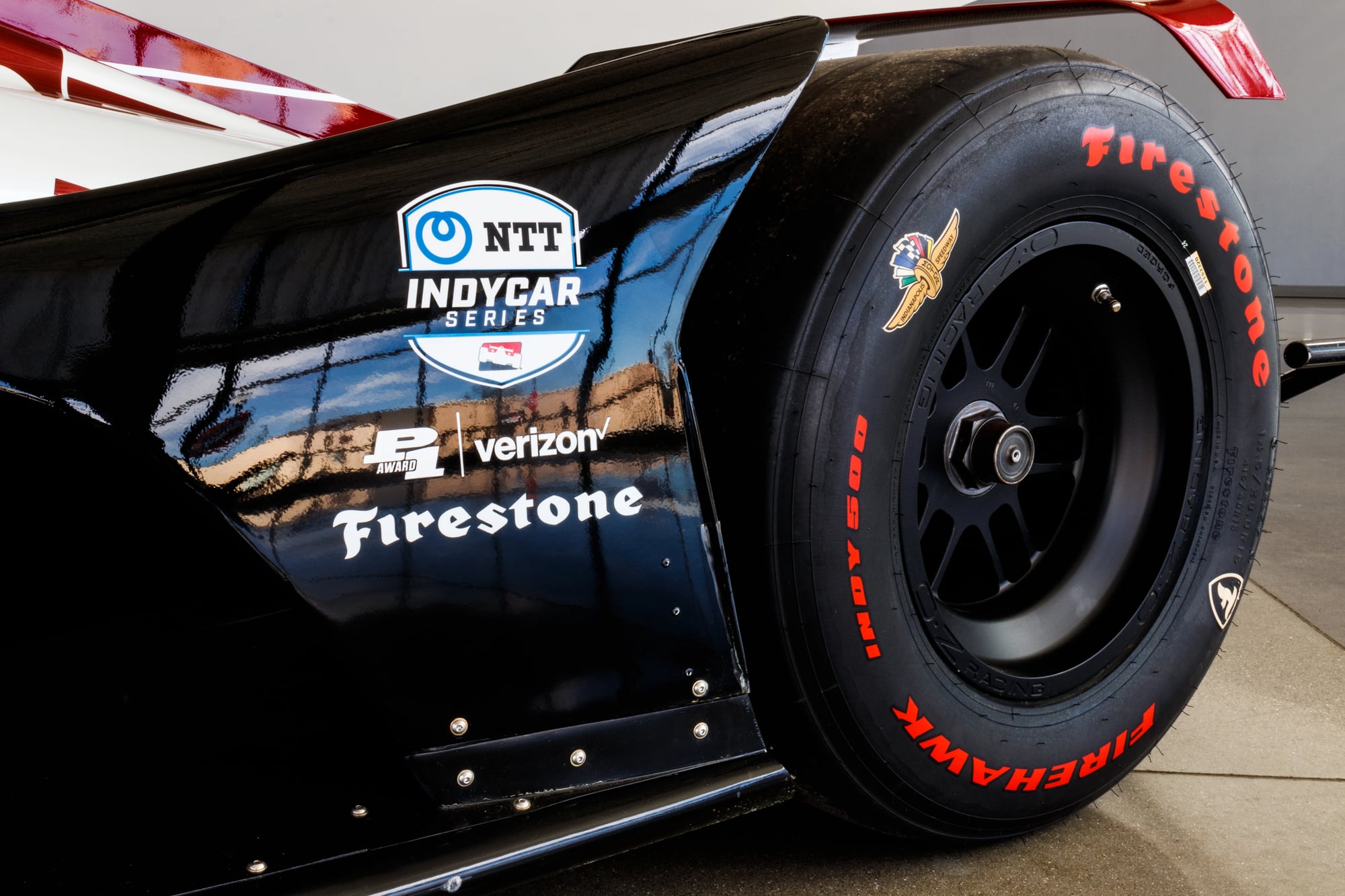
Harvey Firestone founded the company in Akron, Ohio, in 1900, and for most of the 20th century Firestone represented American industrial strength. But Bridgestone, the Japanese tire manufacturer, purchased Firestone in 1988 for $2.6 billion.
The brand name survives, the tire stores remain familiar fixtures in American strip malls, but the corporate ownership shifted to Japan more than three decades ago.
Lucky Strike
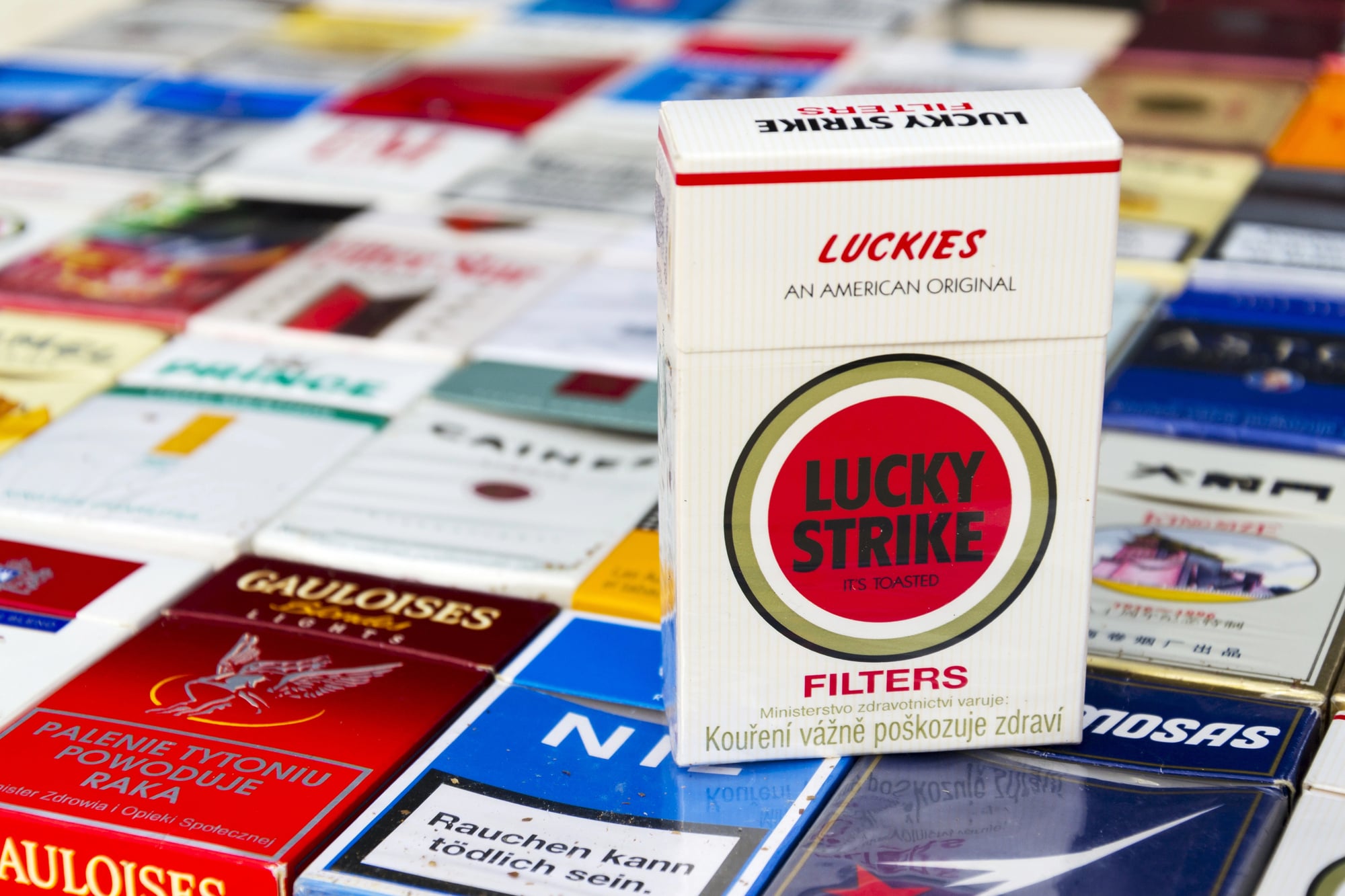
Lucky Strike managed to position itself as quintessentially American — the smoke of choice for soldiers and factory workers, with advertising that emphasized patriotic themes and American imagery. Its association with World War II-era America still defines how people think about the brand.
But British American Tobacco, a London-based multinational, has owned Lucky Strike since 1994. The brand’s American identity persists even though the profits cross the Atlantic and corporate decisions are made in British boardrooms.
Carnation
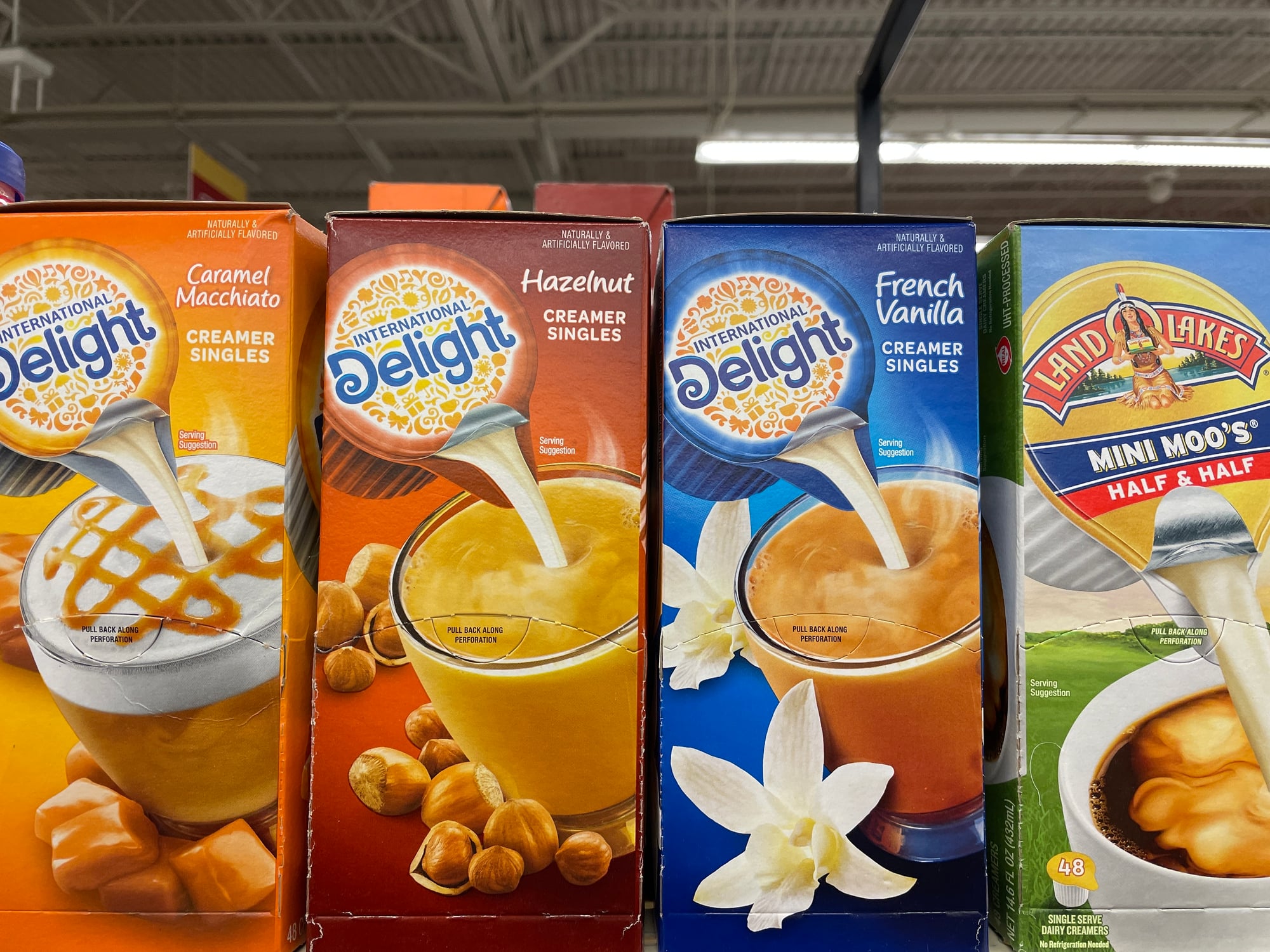
The red and white evaporated milk cans that could sit on shelves indefinitely, trusted by grandmothers and passed down to the next generation. Carnation grew up in the Pacific Northwest, starting as a small dairy operation in Kent, Washington, in 1899.
But Nestlé acquired Carnation in 1985 for $3 billion, making it part of the Swiss food conglomerate’s global dairy empire. The familiar cans still line American grocery aisles, but the brand’s ownership shifted to Europe four decades ago.
Gerber
The iconic baby face logo has appeared on jars and marketing materials since 1928, creating an emotional connection that spans generations of American families. Parents still reach for Gerber products in grocery store aisles, trusting the familiar logo and brand heritage.
But Nestlé purchased Gerber in 2007 for $5.5 billion, absorbing the American baby food icon into its Swiss-based portfolio.
Smirnoff
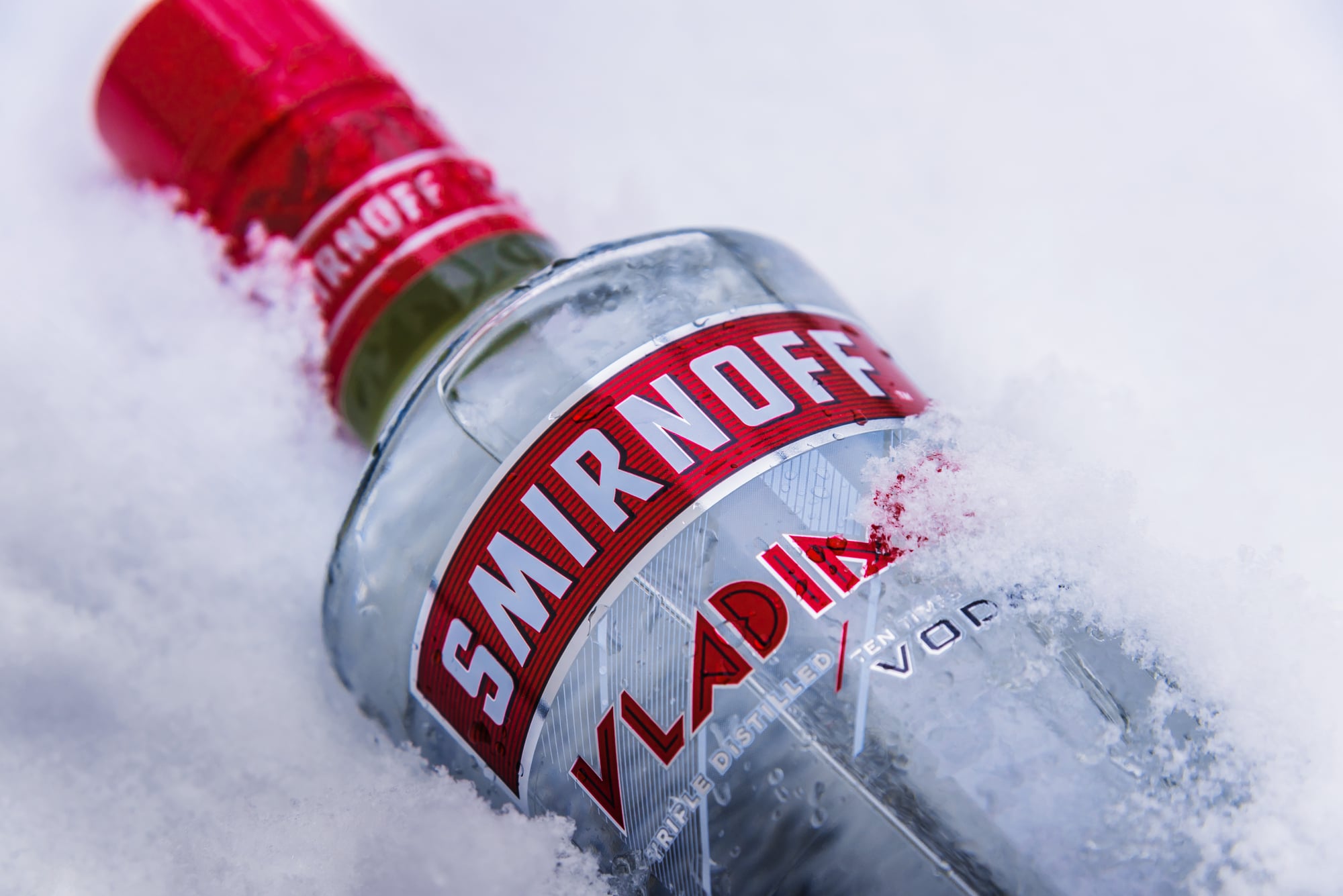
The brand sponsors music festivals and reality television, positioning itself as the premium choice for American nightlife. But Diageo, a British multinational beverage company, owns Smirnoff.
The brand that powers American parties generates profits for British shareholders, though that detail never makes it into the promotional materials.
Häagen-Dazs
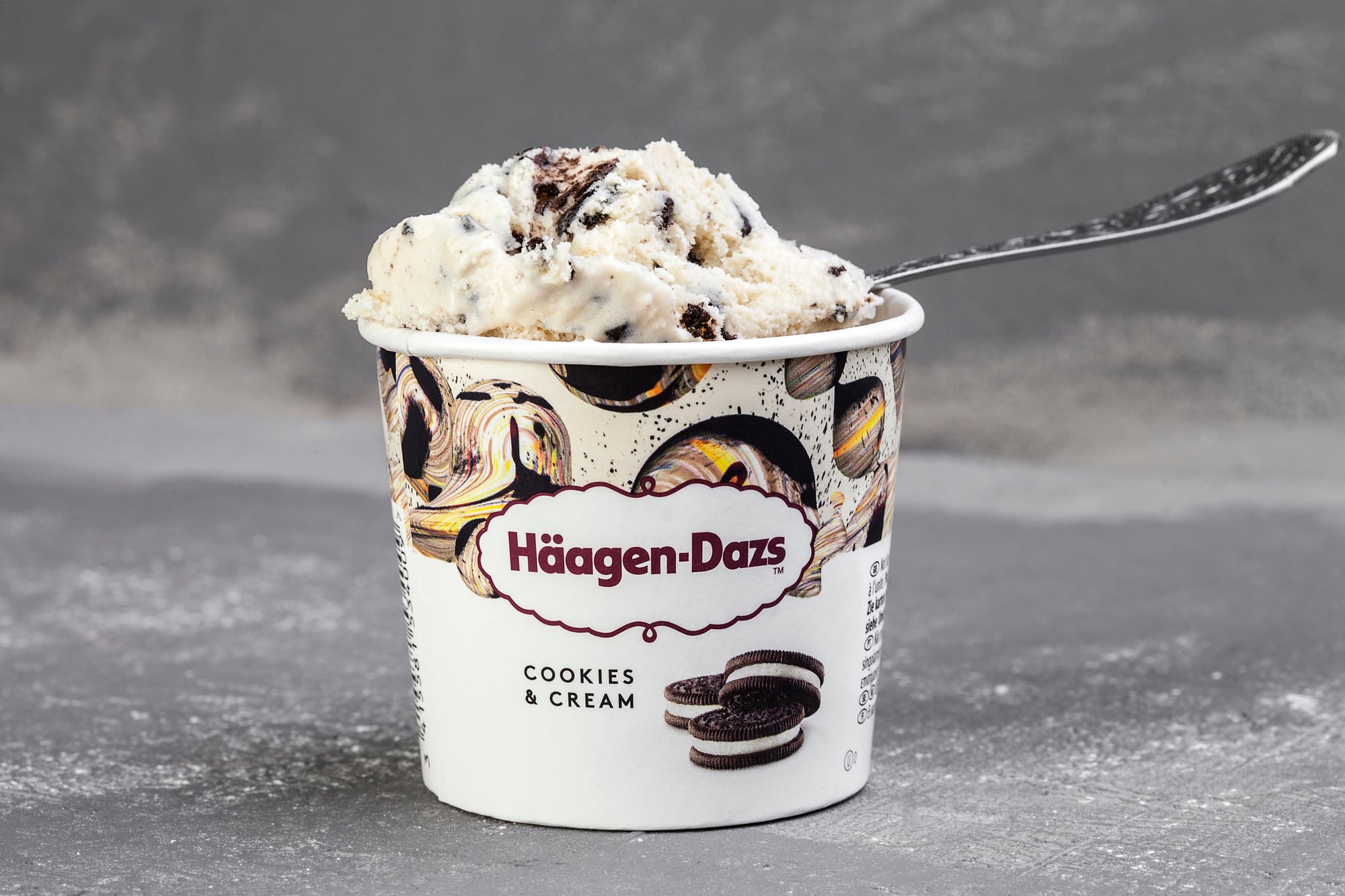
The name sounds Scandinavian or German, but the umlaut and pronunciation were pure marketing fiction created by Polish-American Reuben Mattus in the Bronx in 1960. He wanted a premium ice cream that sounded sophisticatedly foreign.
For decades, Americans paid premium prices for what they assumed was European craftsmanship — never questioning why this supposedly imported luxury was available in every American freezer section. Nestlé now controls the brand that still trades on European sophistication, even though the identity was invented in New York.
Popsicle
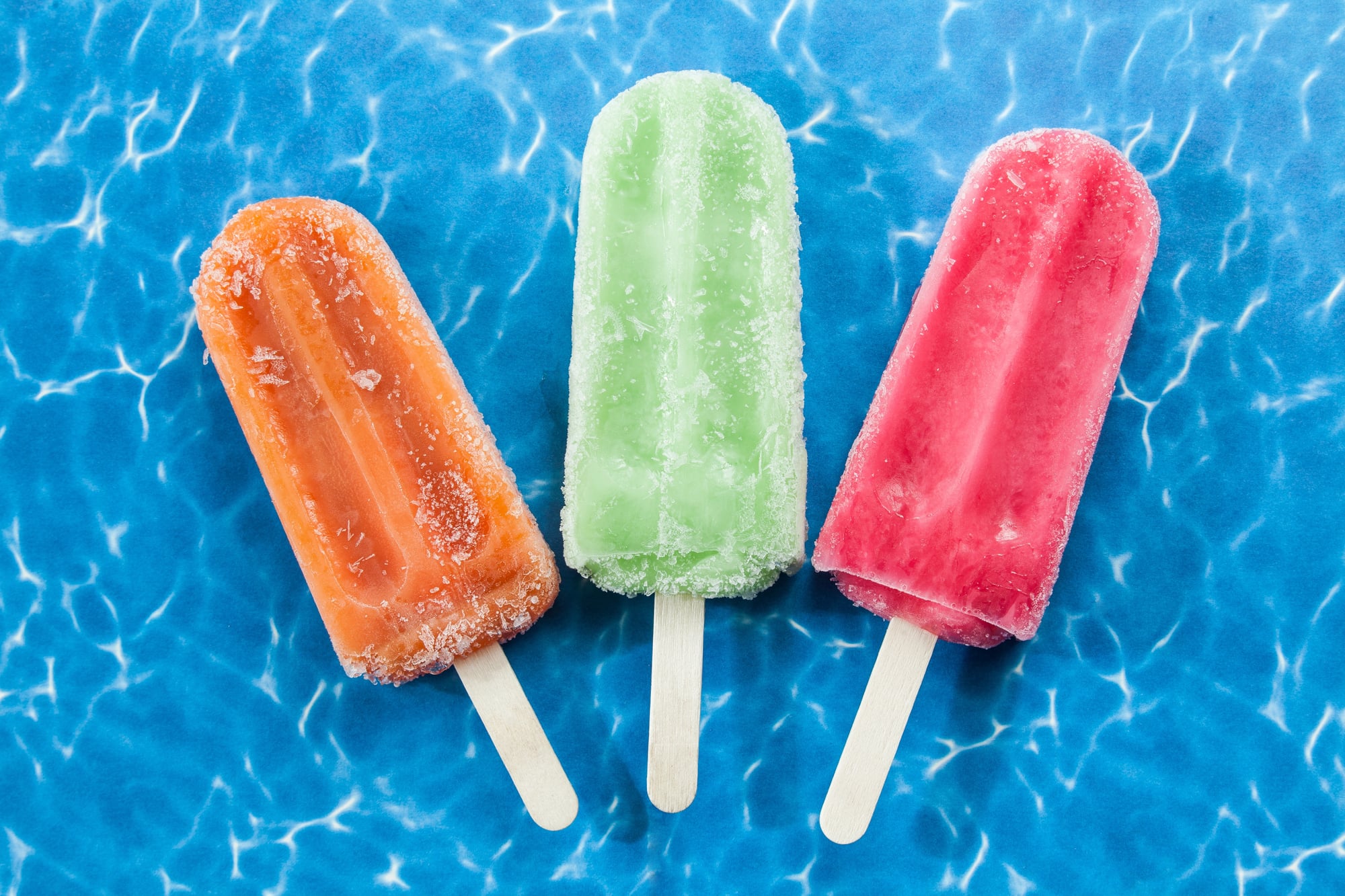
Summer afternoons and Popsicles go together like baseball and hot dogs — the frozen treat that defined American childhood for generations. Frank Epperson invented the Popsicle accidentally in 1905 in California, and the product remained an American original for much of its existence.
But Unilever, the British-Dutch conglomerate, now owns Popsicle, having acquired it through a series of corporate purchases. The brand name has become so generic that it functions as a common noun regardless of manufacturer.
Snapple
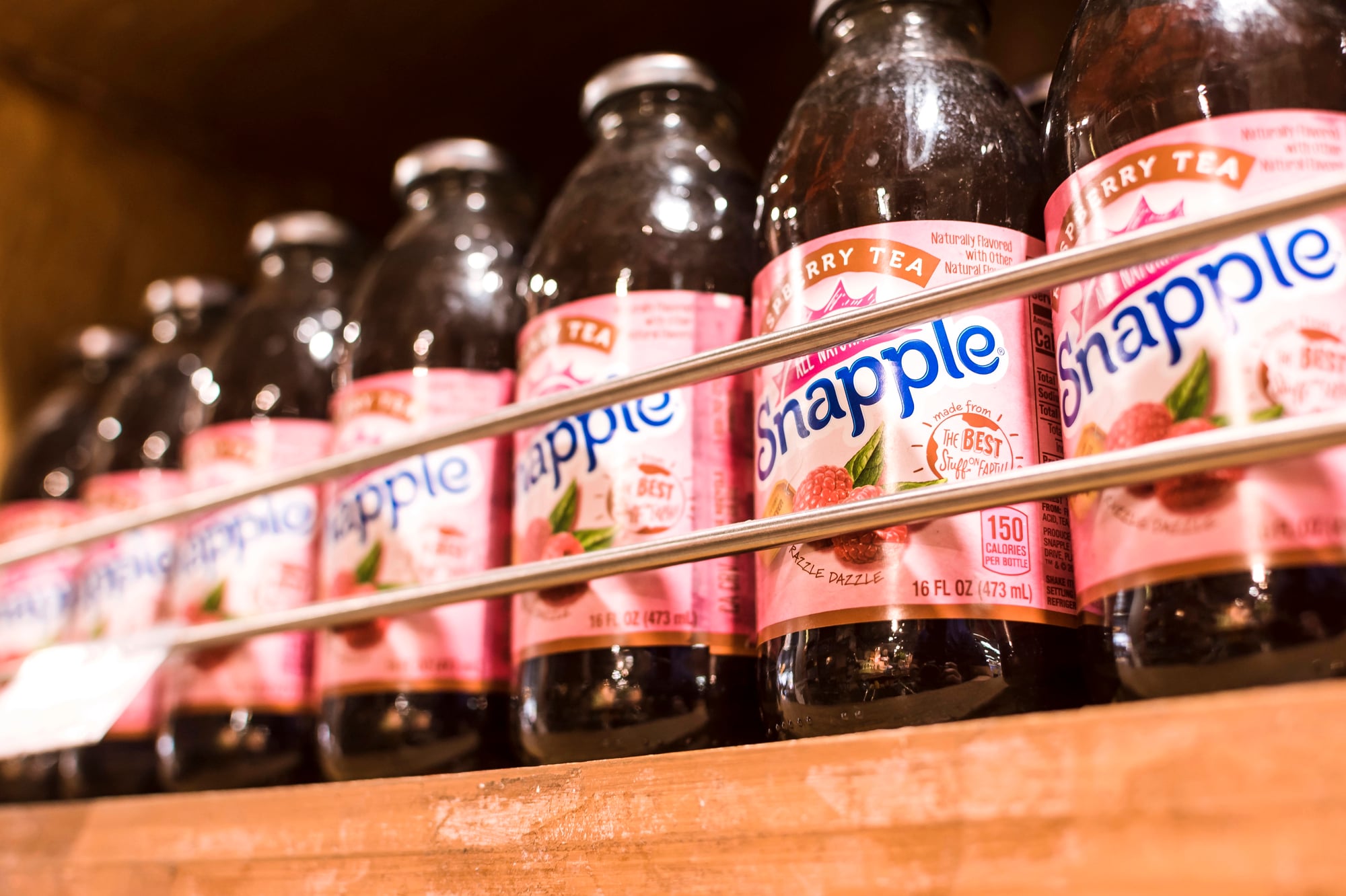
Iced teas and fruit drinks that tasted homemade rather than mass-produced, with quirky bottle cap facts and advertising that emphasized small-batch authenticity. The company started in Queens, New York, founded by three friends who wanted better alternatives to artificial drinks.
But Snapple has been bought and sold multiple times since the 1990s and now sits within the Keurig Dr Pepper portfolio, having lost its independent status while retaining its authentic marketing voice. Dr Pepper itself traces roots to the 1880s American South, but Keurig’s parent ownership includes significant Dutch investment firm involvement.
Jeep
Off-road capability and American ruggedness combined into a brand that represents freedom and the ability to go anywhere. Jeep’s association with military history and outdoor recreation created a mythology that extends far beyond transportation.
But Stellantis, the multinational conglomerate formed by merging Fiat Chrysler and PSA Group, now controls Jeep as part of its global automotive portfolio. The vehicles still embody American outdoor culture, but Italian and French corporate structures sit alongside the American heritage.
Planters
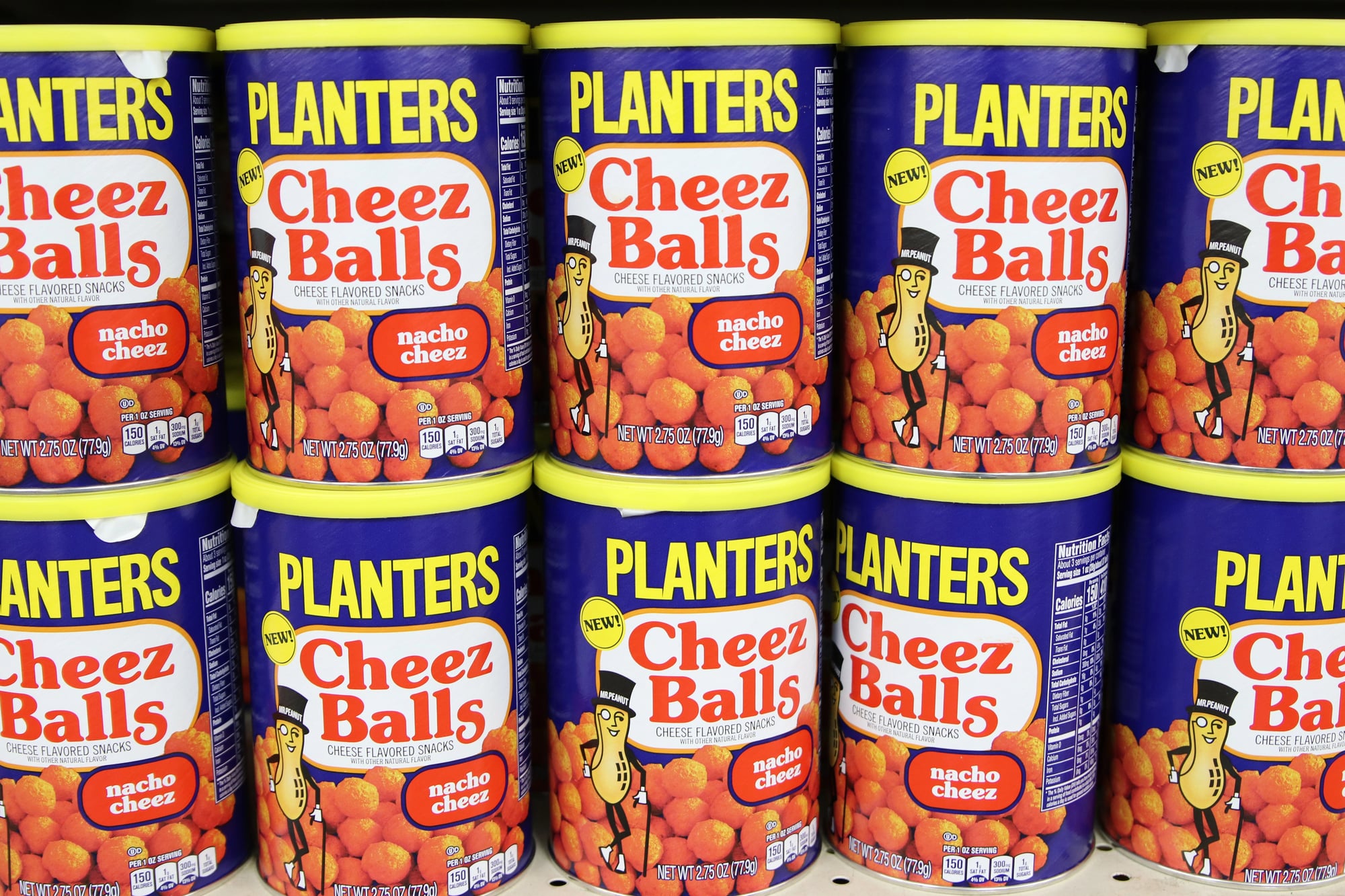
Mr. Peanut occupied a peculiar space in American advertising culture for over a century — the monocled, top-hatted peanut man whose image became inseparable from snack culture. The brand started in Wilkes-Barre, Pennsylvania, in 1906.
But Planters is now owned by Hormel Foods after being sold by Kraft Heinz in 2021 — Kraft Heinz itself being a company with significant Brazilian investment firm involvement through 3G Capital. The snack that feels definitively American has international financial hands in its supply chain.
Vaseline
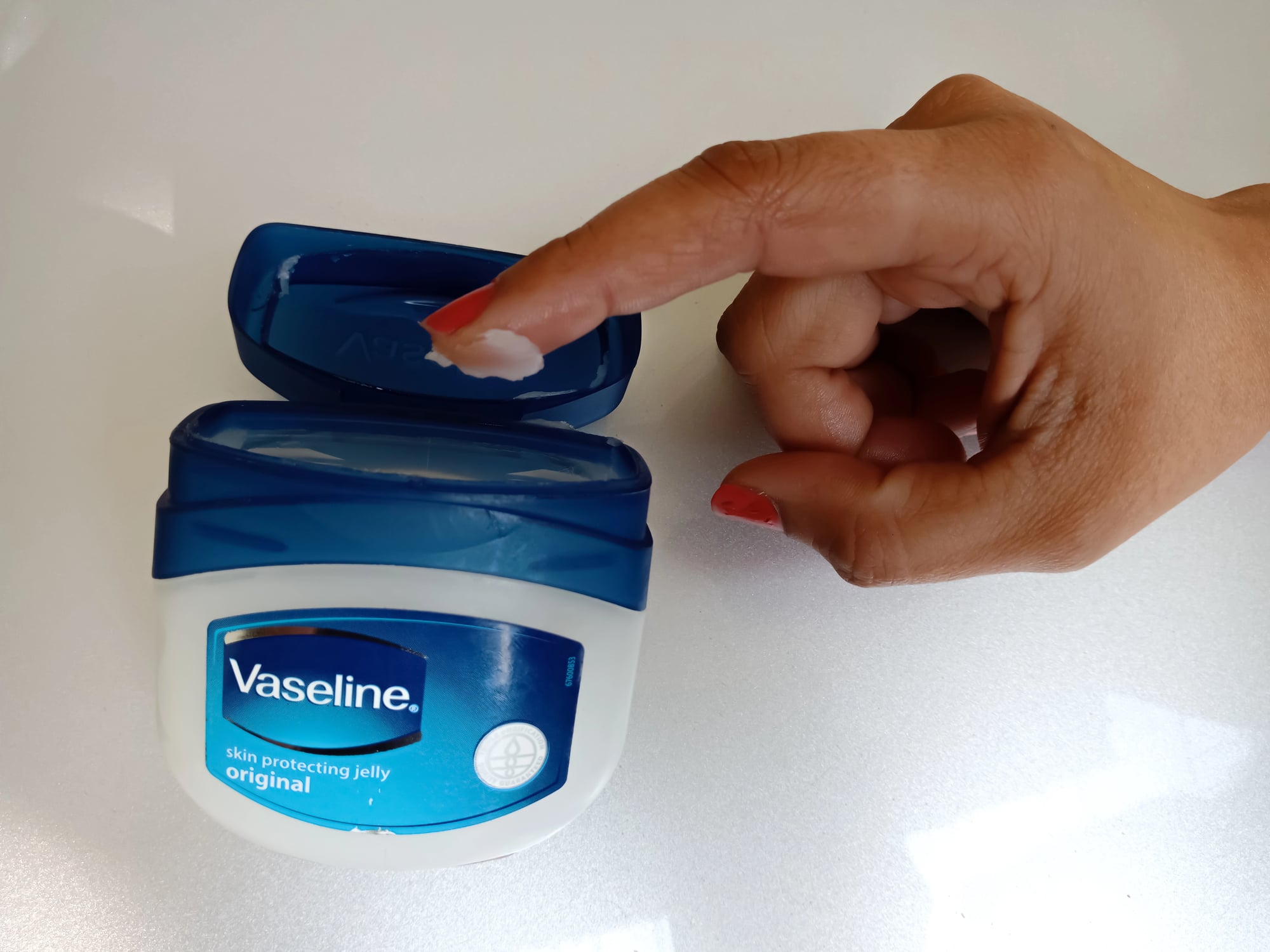
Petroleum jelly became so universally associated with the American medicine cabinet that Vaseline effectively defined the category. Robert Chesebrough invented it in Brooklyn in 1859 after observing oil workers using residue from drilling rods to heal cuts.
But Unilever, the British-Dutch conglomerate, acquired Vaseline as part of its Chesebrough-Ponds purchase in 1987. The humble jar in the bathroom cabinet has been British-Dutch property for nearly four decades.
Q-Tips
Cotton swabs feel as American as Band-Aids — the practical household staple that’s been in bathroom drawers for generations. Leo Gerstenzang invented them in the 1920s in New York, inspired by watching his wife attach cotton to a toothpick.
Q-tips are now owned by Unilever, the same British-Dutch conglomerate that owns Vaseline and Ben & Jerry’s. Unilever’s grip on the American bathroom cabinet is remarkable in its quiet completeness.
Alka-Seltzer
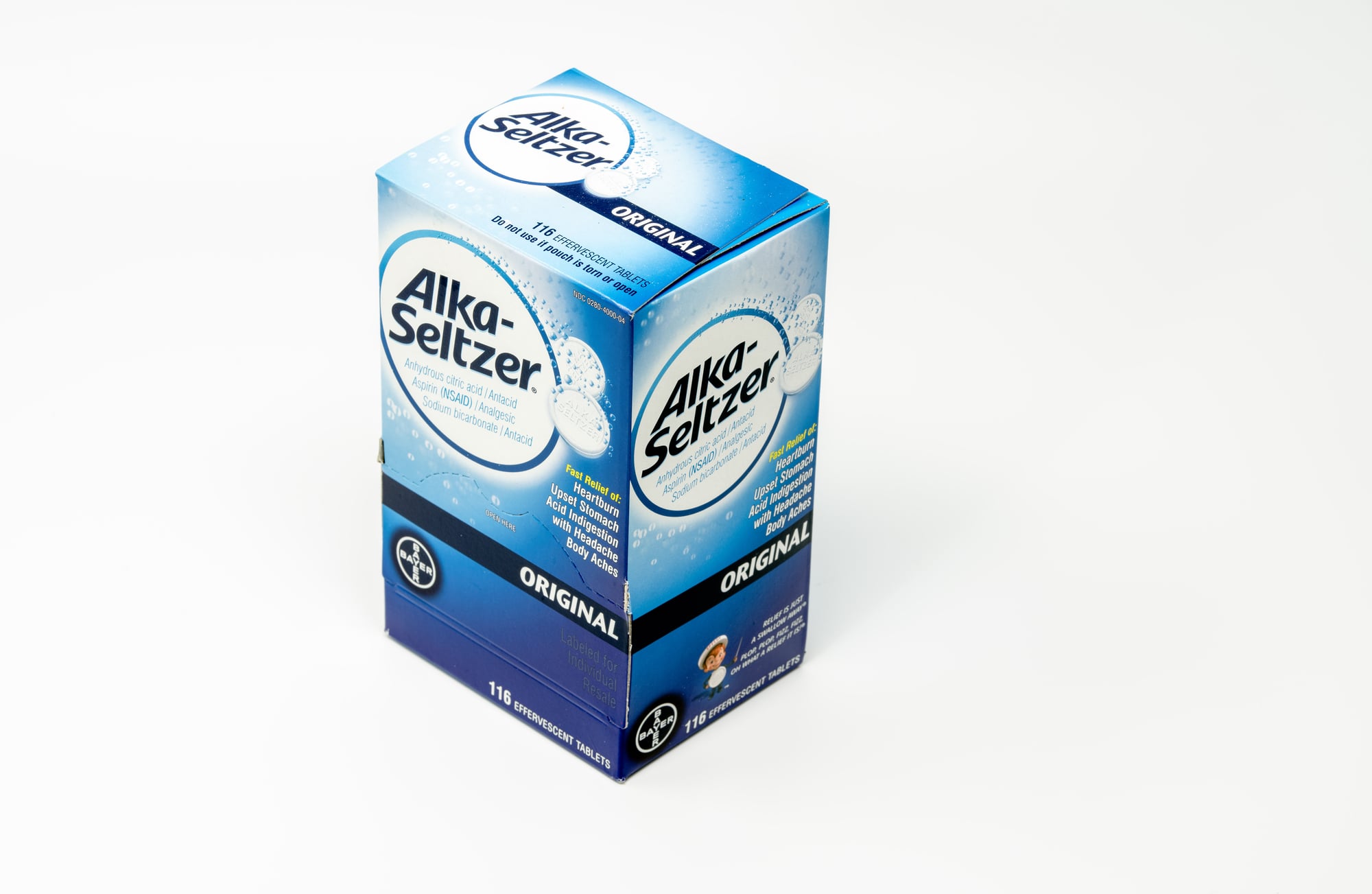
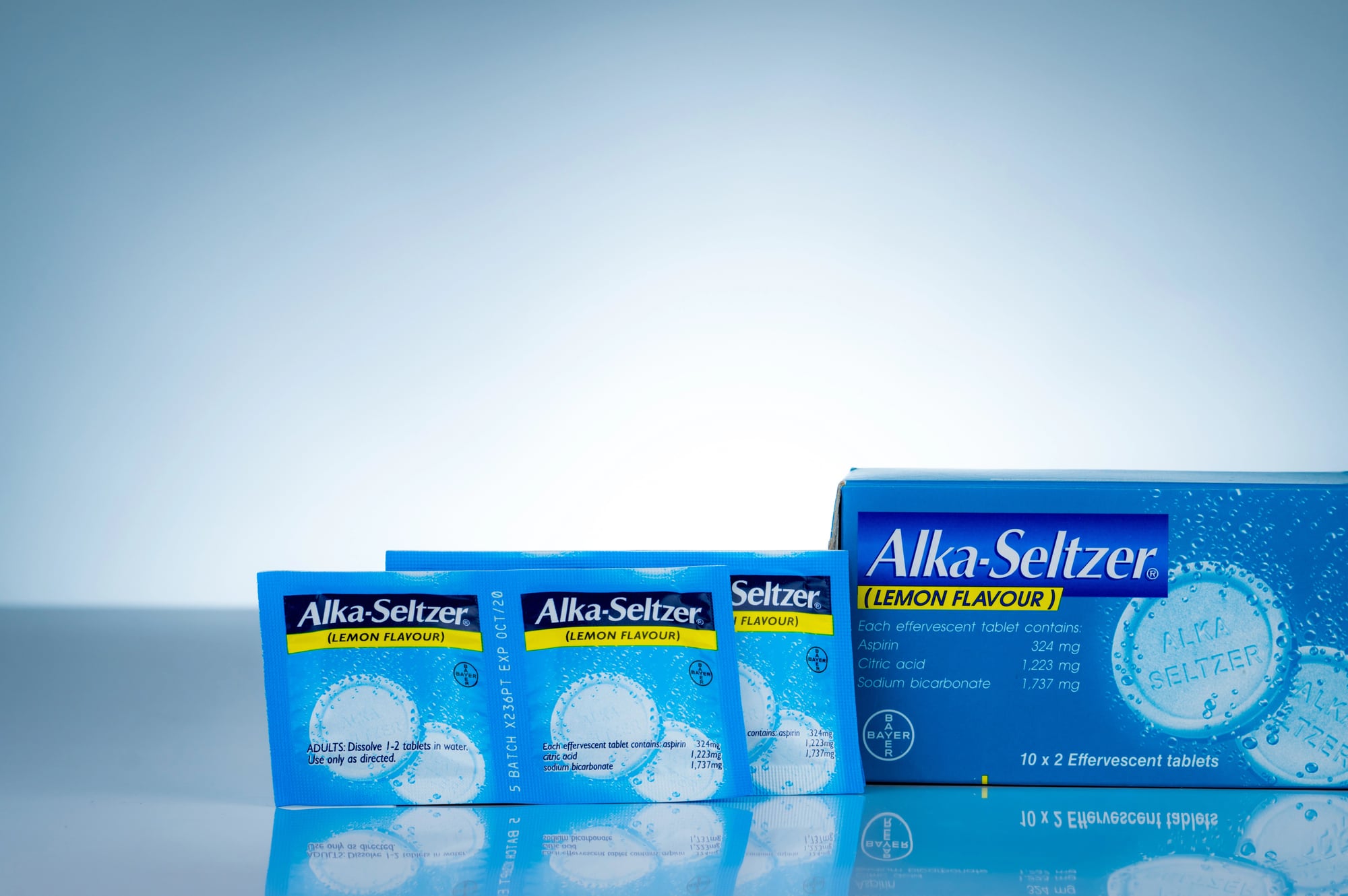
The fizzing tablet that Americans have reached for after overeating or with a headache since 1931 was developed by Miles Laboratories in Elkhart, Indiana — entirely American in origin. But Bayer AG, the German pharmaceutical giant, acquired Miles Laboratories in 1977 and has owned Alka-Seltzer ever since.
The plop-plop-fizz-fizz that defines hangover mornings across America generates profits in Leverkusen, Germany.
Hellmann’s
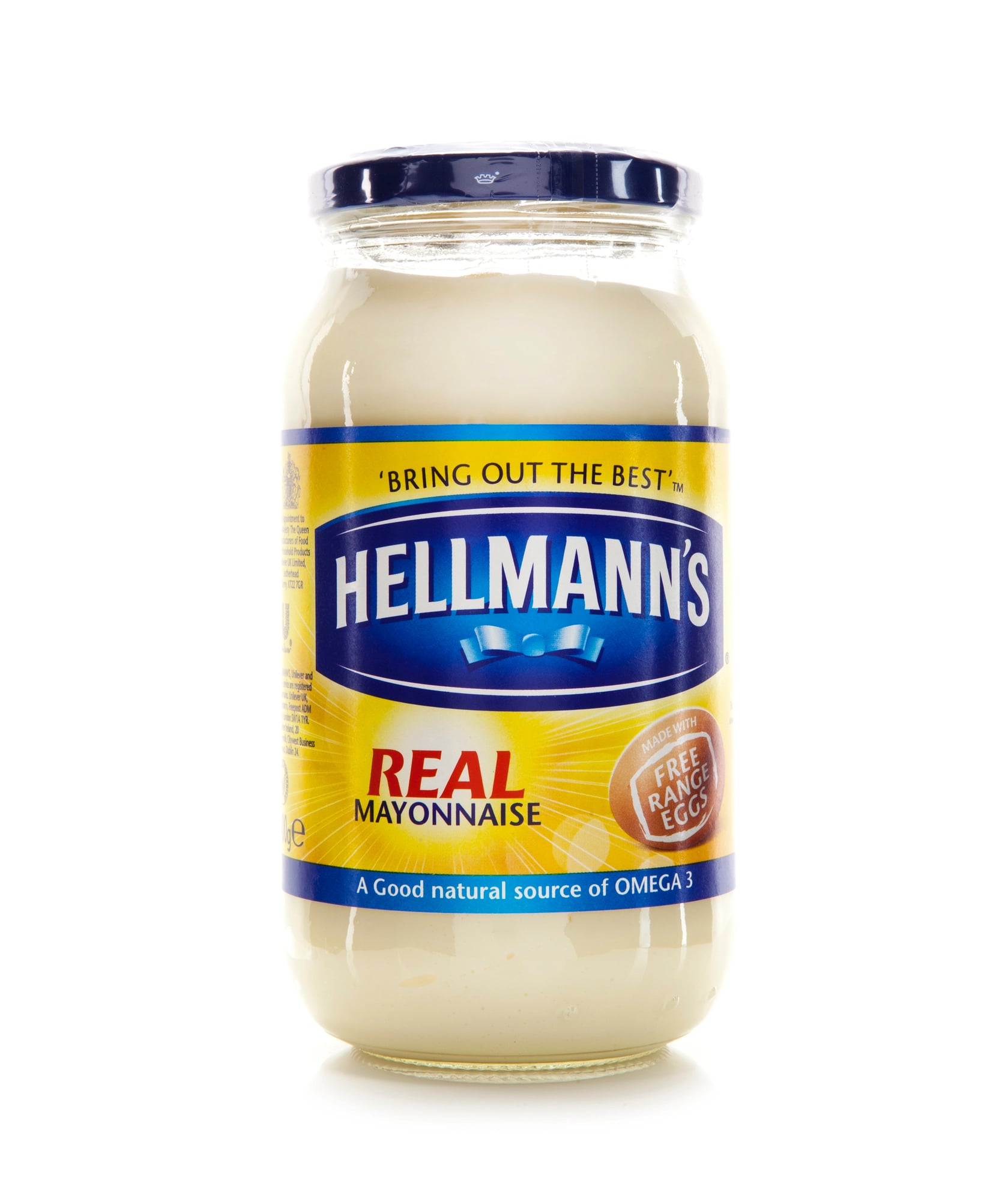
Hellmann’s mayonnaise is so embedded in American food culture that it functions as the default — the jar that appears in potato salad, coleslaw, sandwiches, and dressings without anyone questioning whether it belongs there. Richard Hellmann started selling his wife’s mayonnaise recipe at his New York delicatessen in 1905.
But Unilever has owned the brand since 2000. In the American South and West, where the same product is sold as Best Foods, the British-Dutch ownership is equally invisible.
Dove
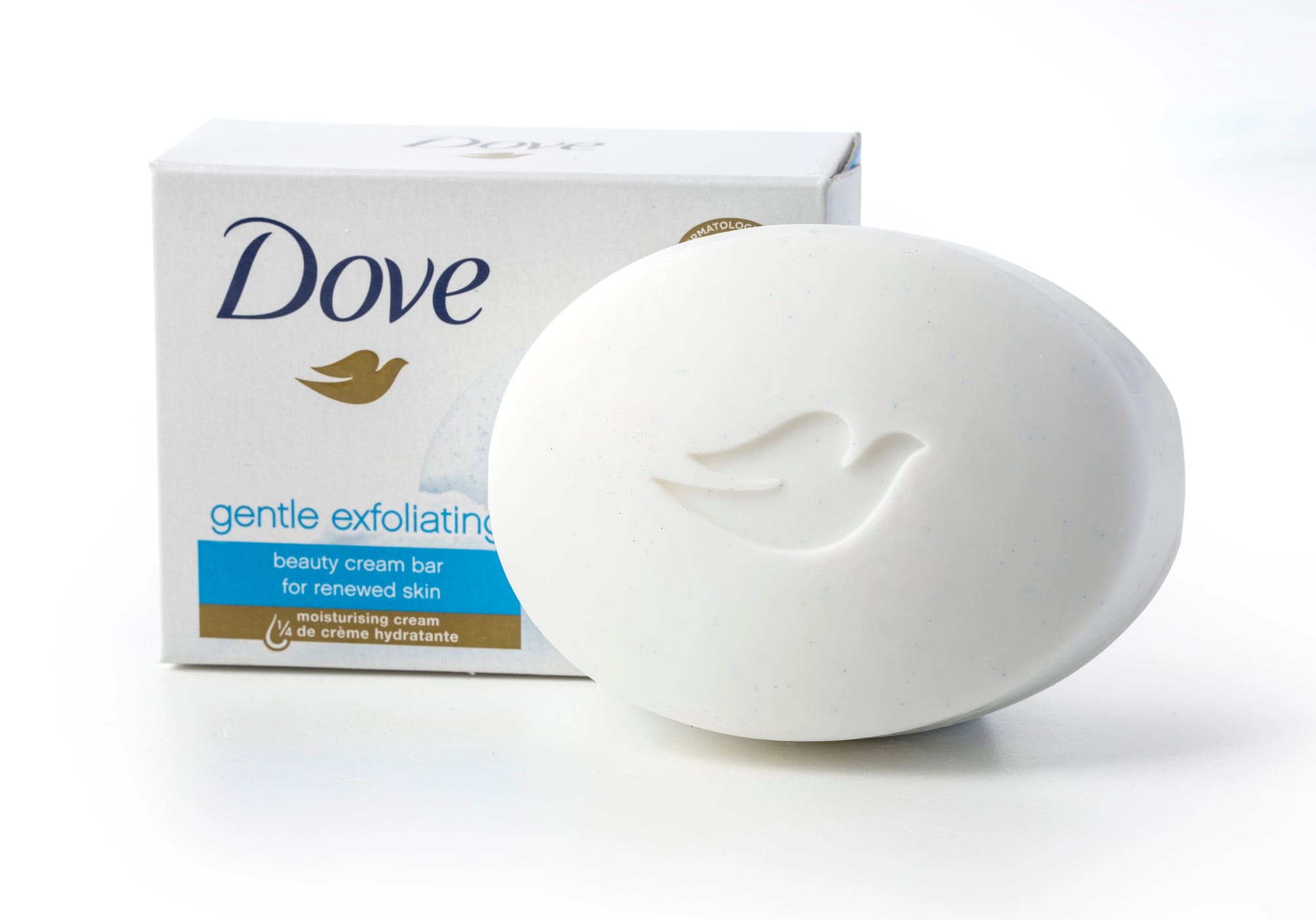
Dove soap built its American following on the premise of being gentler than regular soap, with advertising that emphasized authenticity and real skin rather than Hollywood perfection. The brand launched in the United States in 1957 and has been a fixture in American bathrooms ever since.
But Dove is owned by Unilever, making it part of the same British-Dutch conglomerate that owns Vaseline, Q-tips, Hellmann’s, Ben & Jerry’s, and Popsicle. Unilever has assembled something close to a monopoly on the things Americans keep in their bathrooms and kitchens without anyone noticing.
Lipton Tea
Iced tea is among the most American of beverages — consumed in quantities that would baffle most of the world — and Lipton is the brand most associated with it. But Sir Thomas Lipton was Scottish, the company was founded in London in 1871, and the brand has been owned by Unilever for decades.
When Americans pour a glass of Lipton iced tea on a hot afternoon, they’re reaching for a Scottish-founded, British-built, Dutch-co-owned brand that has convinced them it’s as American as the summer itself.
The Truth About American Brands
What makes this list interesting isn’t the individual facts — it’s the pattern. The brands that feel most deeply American often succeeded precisely because they mastered the art of local identity while operating as global corporations.
They learned the language of American daily life so fluently that their foreign ownership became background noise, inaudible beneath the Super Bowl ads and the familiar packaging and the decades of habit.
The lesson isn’t that these brands are somehow fraudulent or that consumers should care about corporate ownership when choosing mayonnaise or ice cream. It’s that brand identity and corporate identity are almost entirely separate things, and the most effective companies know how to make you forget the difference.
The Budweiser Clydesdales will always feel American, regardless of which Belgian boardroom approved the campaign.
More from Go2Tutors!

- The Romanov Crown Jewels and Their Tragic Fate
- 13 Historical Mysteries That Science Still Can’t Solve
- Famous Hoaxes That Fooled the World for Years
- 15 Child Stars with Tragic Adult Lives
- 16 Famous Jewelry Pieces in History
Like Go2Tutors’s content? Follow us on MSN.



