17 Vintage Bedroom Decor Items 90s Teens Owned
The 90s bedroom was a sacred space where teen angst met creative expression, and every surface told a story. Between the flannel sheets and the carefully curated mix of rebellion and comfort, these rooms were time capsules of a generation coming of age during one of pop culture’s most distinctive decades.
Walk into any teen’s room between 1990 and 1999, and certain items were practically guaranteed to make an appearance.
Lava Lamps
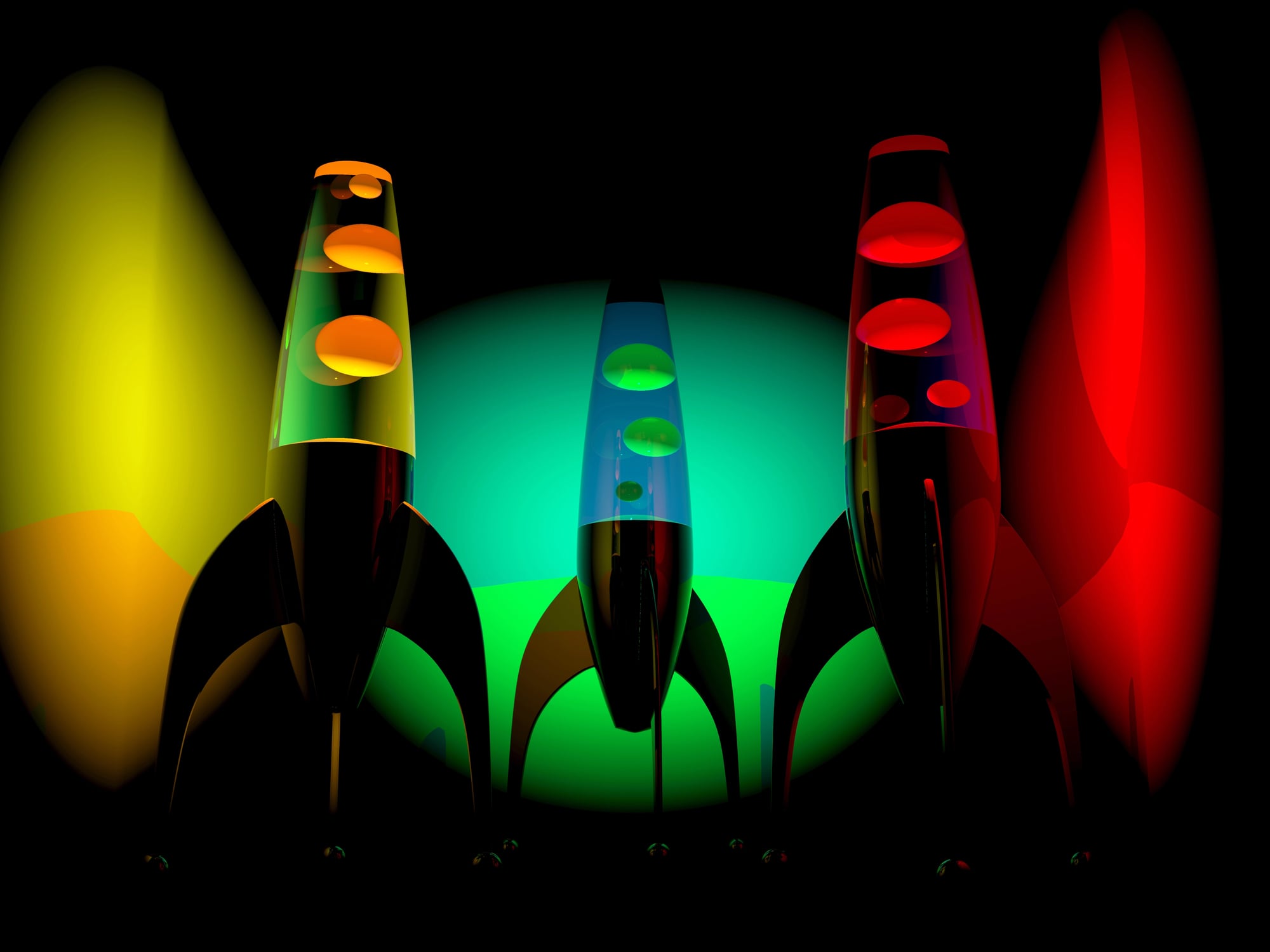
The lava lamp wasn’t just lighting — it was atmosphere in a glass bottle. That slow, hypnotic dance of colored wax floating through liquid turned any corner into something approaching mystical.
You’d plug it in after school and wait the eternal 20 minutes for it to warm up, watching those first bubbles form and rise like tiny alien life forms.
Blacklight Posters

Blacklights revealed a hidden world where regular posters transformed into glowing masterpieces. The effect was immediate and undeniable: flip the switch, and suddenly that Pink Floyd poster wasn’t just artwork hanging on the wall.
It pulsed with electric blues and greens that seemed to move on their own, turning an ordinary bedroom into something that felt distinctly otherworldly.
Beanbag Chairs

Here was furniture that understood the teenage body’s complete rejection of formal sitting (which, as it happens, makes perfect sense when you consider how much time adults spent telling kids to sit up straight everywhere else).
A beanbag chair molded itself to whatever position felt right in the moment — sprawled for homework, curled up for phone calls, or that particular teenage slouch that somehow managed to be both defiant and comfortable.
And when friends came over, you could drag it anywhere without the elaborate furniture-moving productions that regular chairs demanded.
Mood Rings
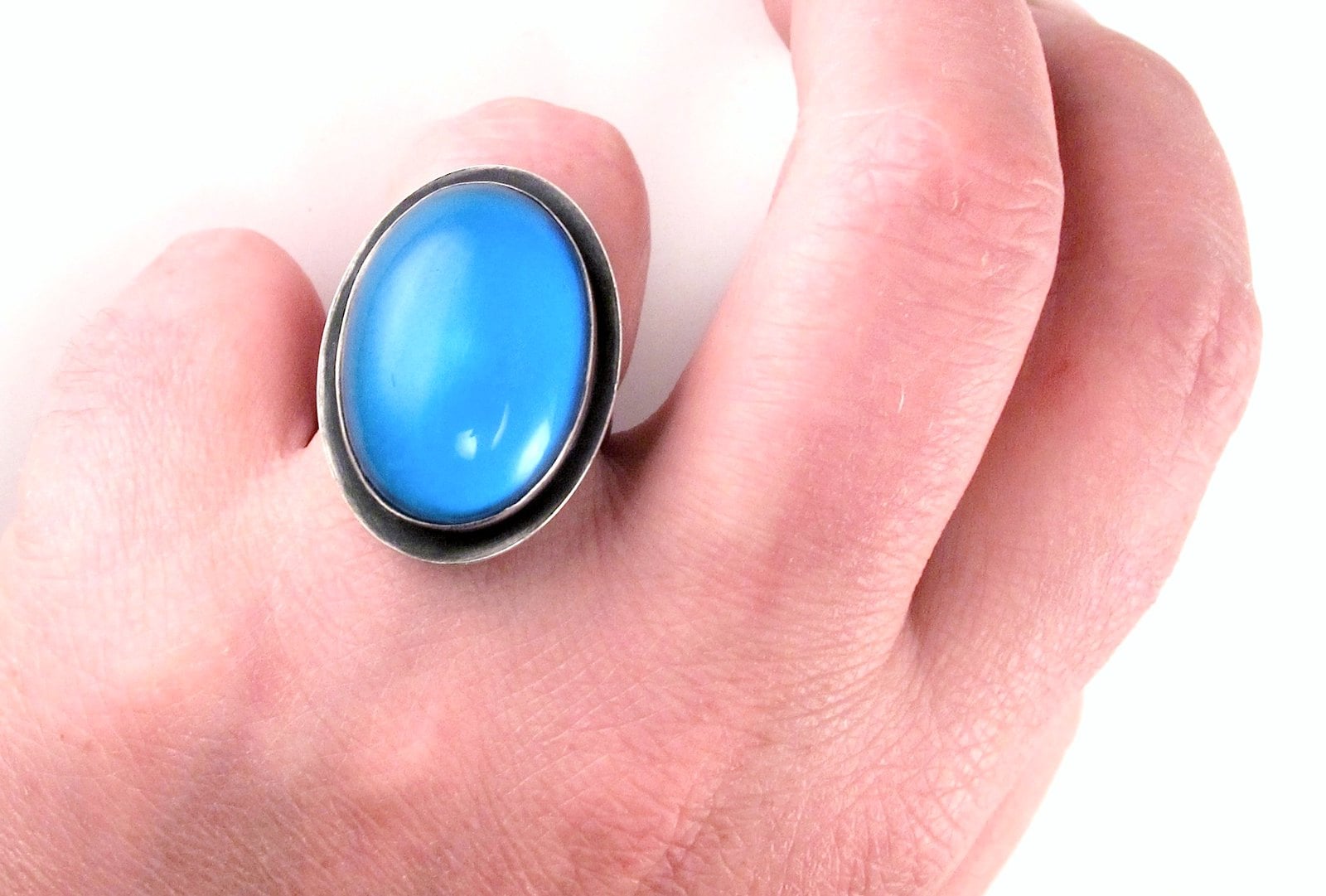
Mood rings occupied that sweet spot between science and magic that defined so much of 90s teen culture. The liquid crystal technology was real enough — your body temperature genuinely did change the colors — but the emotional readings felt like something borrowed from fortune telling.
Blue meant calm, green meant normal, black meant stressed or possibly dead inside, which described the average Tuesday of high school with startling accuracy.
Inflatable Furniture

Inflatable chairs and ottomans made perfect sense for a generation that changed their minds about everything every six months. Clear plastic furniture looked like it belonged in the future, which felt important when the present involved algebra homework and curfews.
The fact that it occasionally deflated overnight was just part of the charm — nothing in the 90s teen bedroom was meant to be permanent.
Butterfly Hair Clips
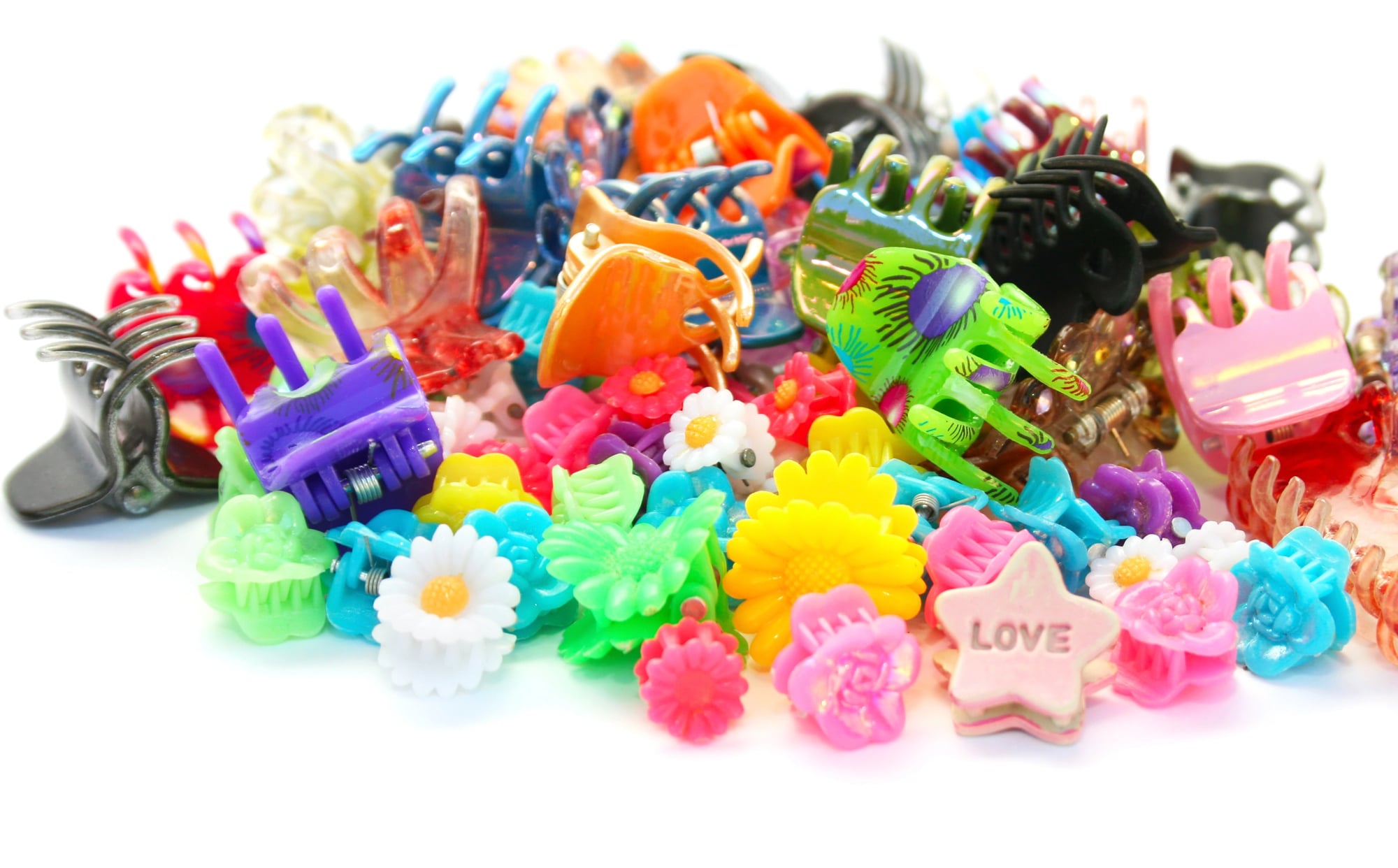
Those tiny butterfly clips scattered across dressers and nightstands like they’d migrated there naturally. Girls used them to create intricate patterns in their hair, dozens at a time, turning hairstyling into something approaching performance art.
The clips came in every color imaginable and cost practically nothing, which meant you could own hundreds without making any serious financial commitment.
Glow-In-The-Dark Stars

The ceiling became a canvas for personal constellation mapping, and these plastic stars delivered exactly what they promised. You’d arrange them carefully during daylight — sometimes in actual star patterns, sometimes in words, sometimes just scattered like cosmic confetti.
Then lights-out revealed your handiwork: a gentle green glow that lasted just long enough to fall asleep under your own private universe.
String Lights
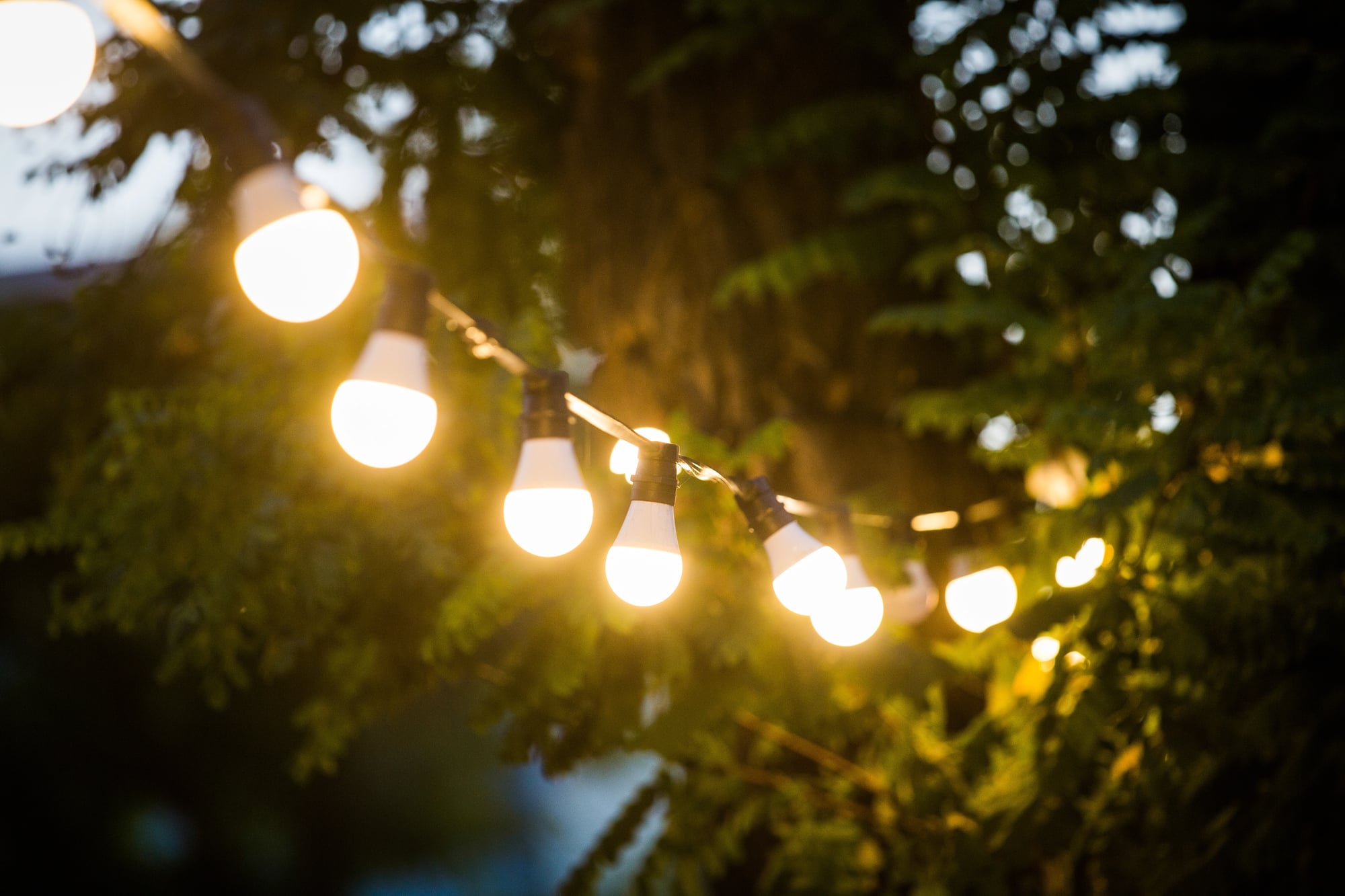
Before fairy lights became a Pinterest obsession, 90s teens were already stringing tiny bulbs around their bedrooms (and the results, frankly, were just as magical without the social media documentation).
The warm, steady glow softened harsh overhead lighting and created instant coziness — like having a permanent sleepover atmosphere.
You could wind them around bed frames, drape them across walls, or create light curtains that divided spaces without the commitment of actual room dividers.
Furby
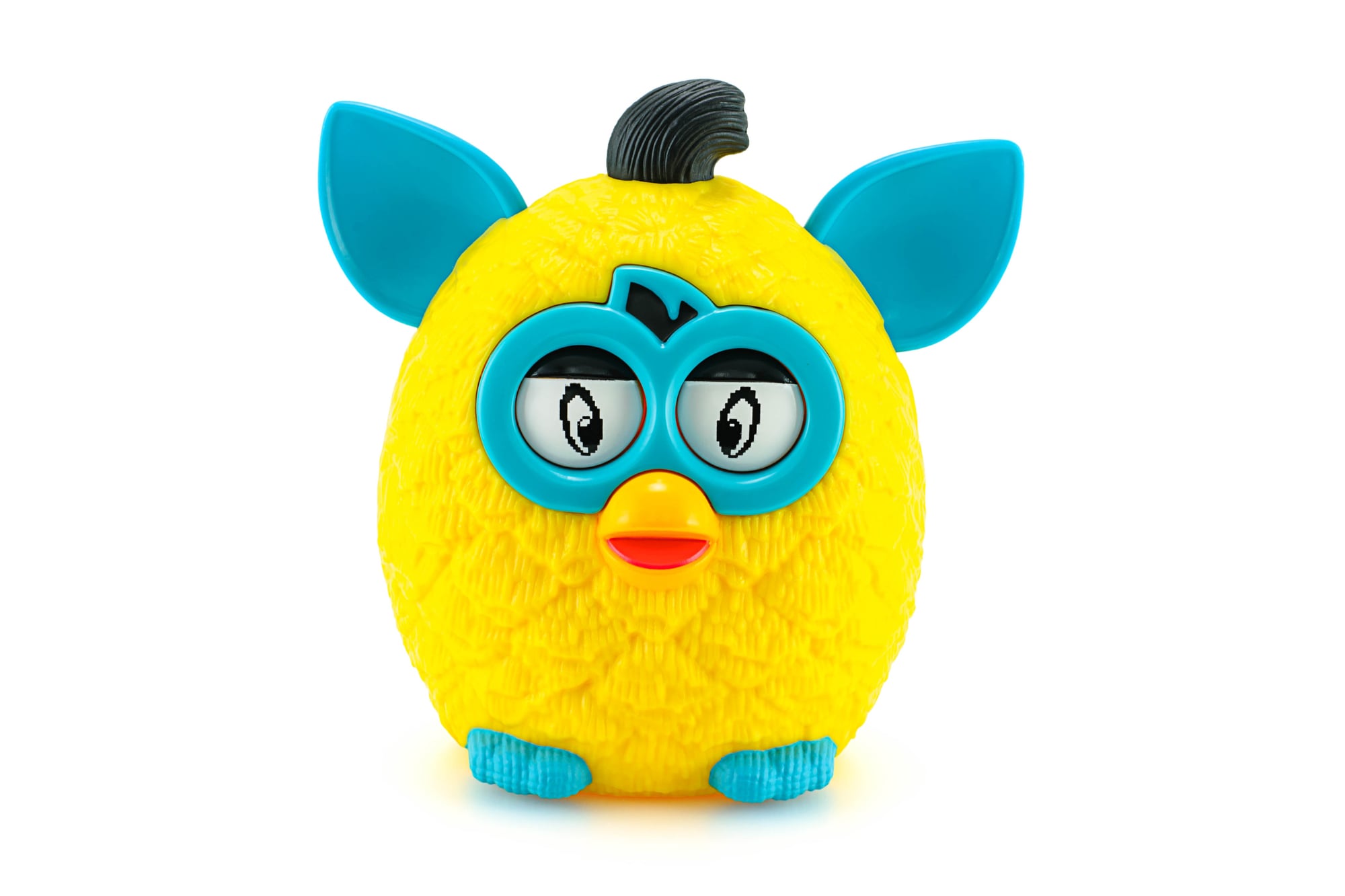
That electronic pet with the unsettling eyes and the gibberish that gradually morphed into English phrases occupied nightstands across America. Furbies learned from their environment, which meant they’d occasionally wake up in the middle of the night speaking fragments of conversation they’d absorbed during the day.
The effect was either charming or deeply creepy, depending on your tolerance for robots that seemed just a little too lifelike.
Tamagotchi
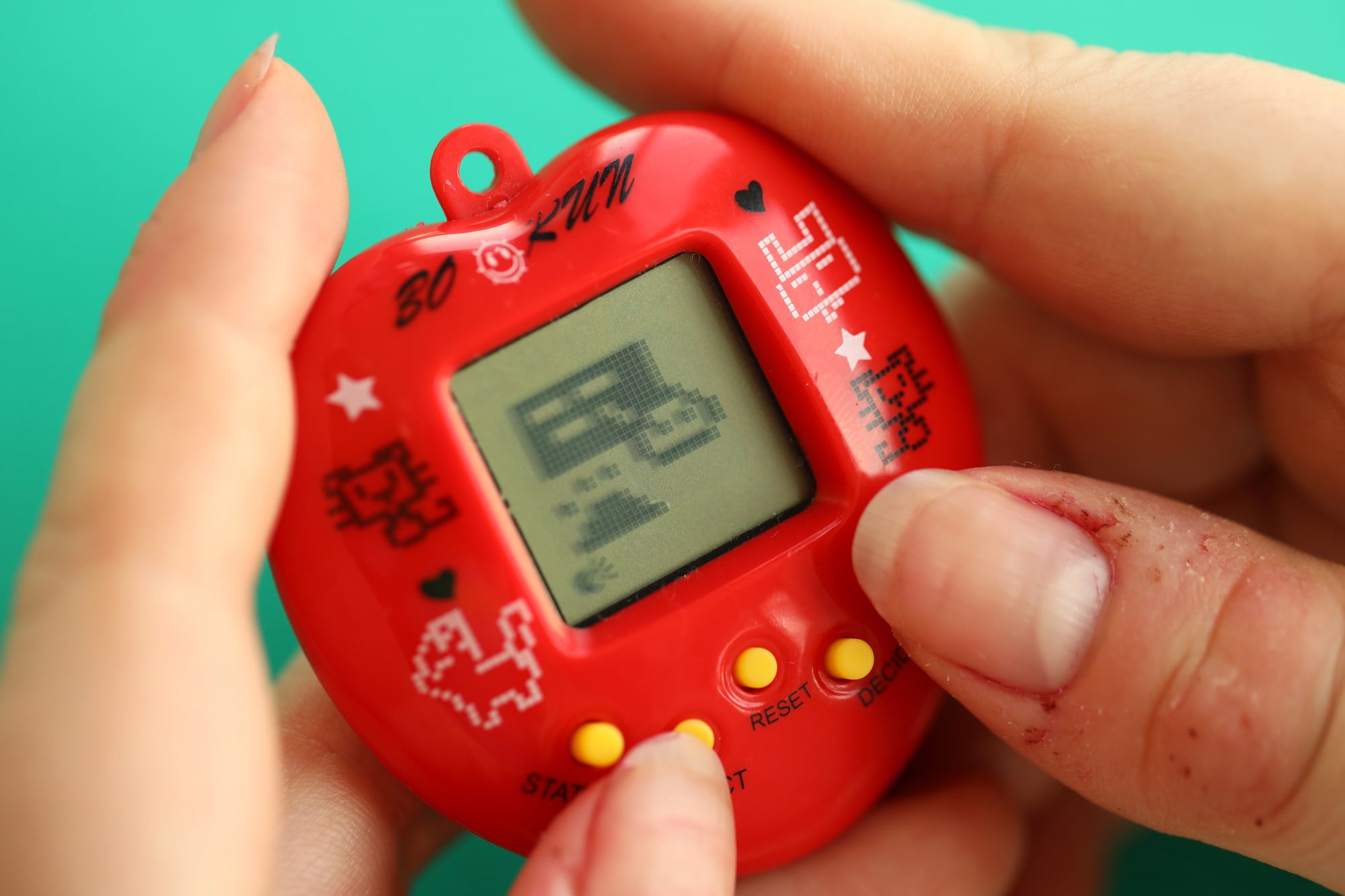
Like carrying a small, demanding alien life form in your pocket, except this one beeped incessantly and died if you forgot to feed it during third-period English.
The Tamagotchi turned pet ownership into a digital responsibility that followed you everywhere — no weekend breaks, no calling in sick.
Your virtual pet needed attention every few hours, and the guilt of finding it dead after forgetting to check was surprisingly real for something that never actually existed.
CD Tower Racks

These clear plastic towers became monuments to musical identity, displaying your carefully curated collection like trophies. The see-through design meant every album cover was visible, turning your taste in music into bedroom decor.
You’d arrange and rearrange the order obsessively — alphabetical felt too rigid, but chronological by purchase date told the story of your evolving musical sophistication.
Door Beads
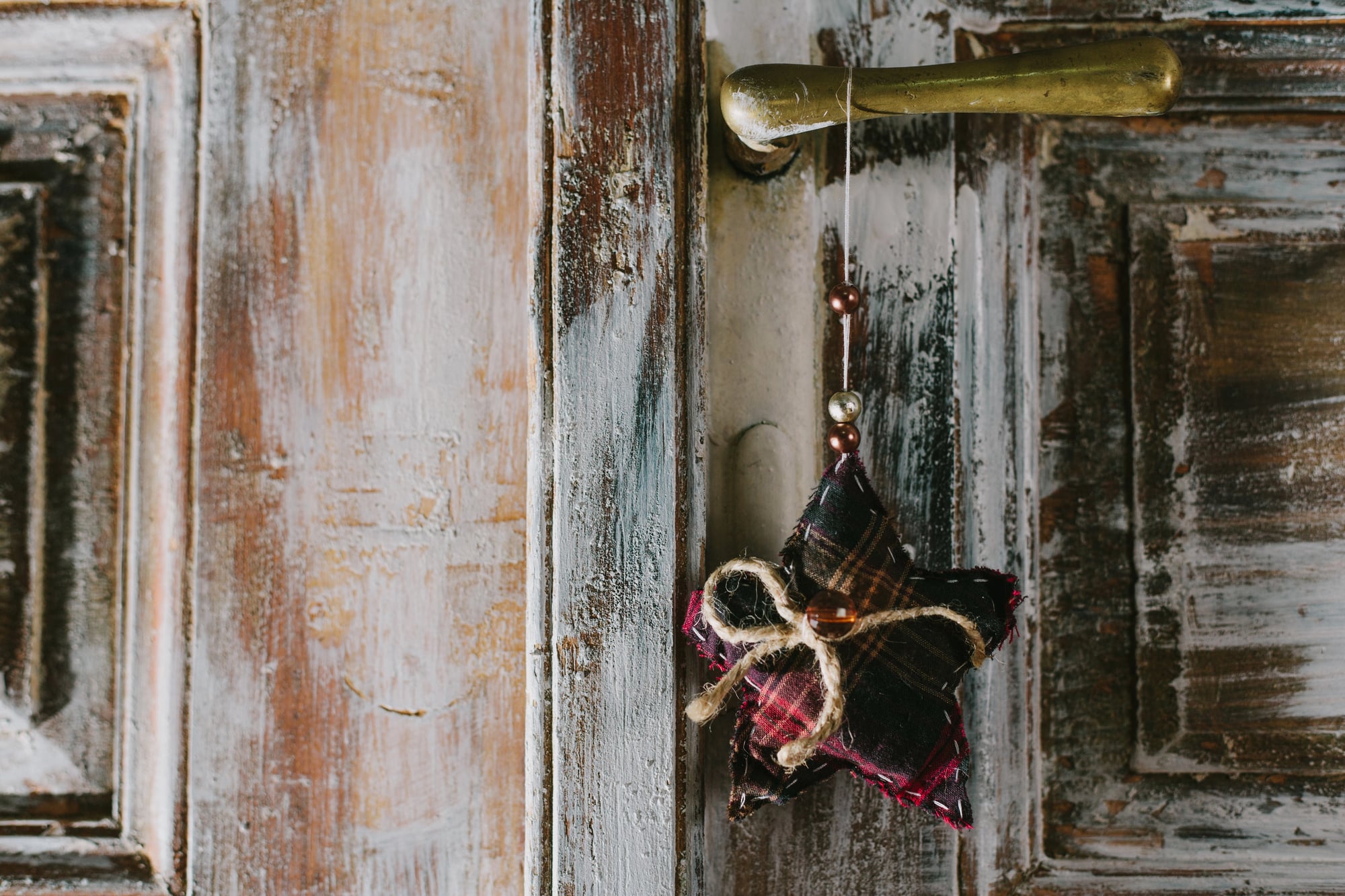
Hanging beads in doorways created privacy without the finality of closing a door, and they announced every entrance and exit with a gentle clicking that somehow managed to sound both mysterious and homey.
The strands came in every color and material imaginable — wooden, plastic, glass — and walking through them felt like passing through a portal into your own personal space.
Platform Shoes
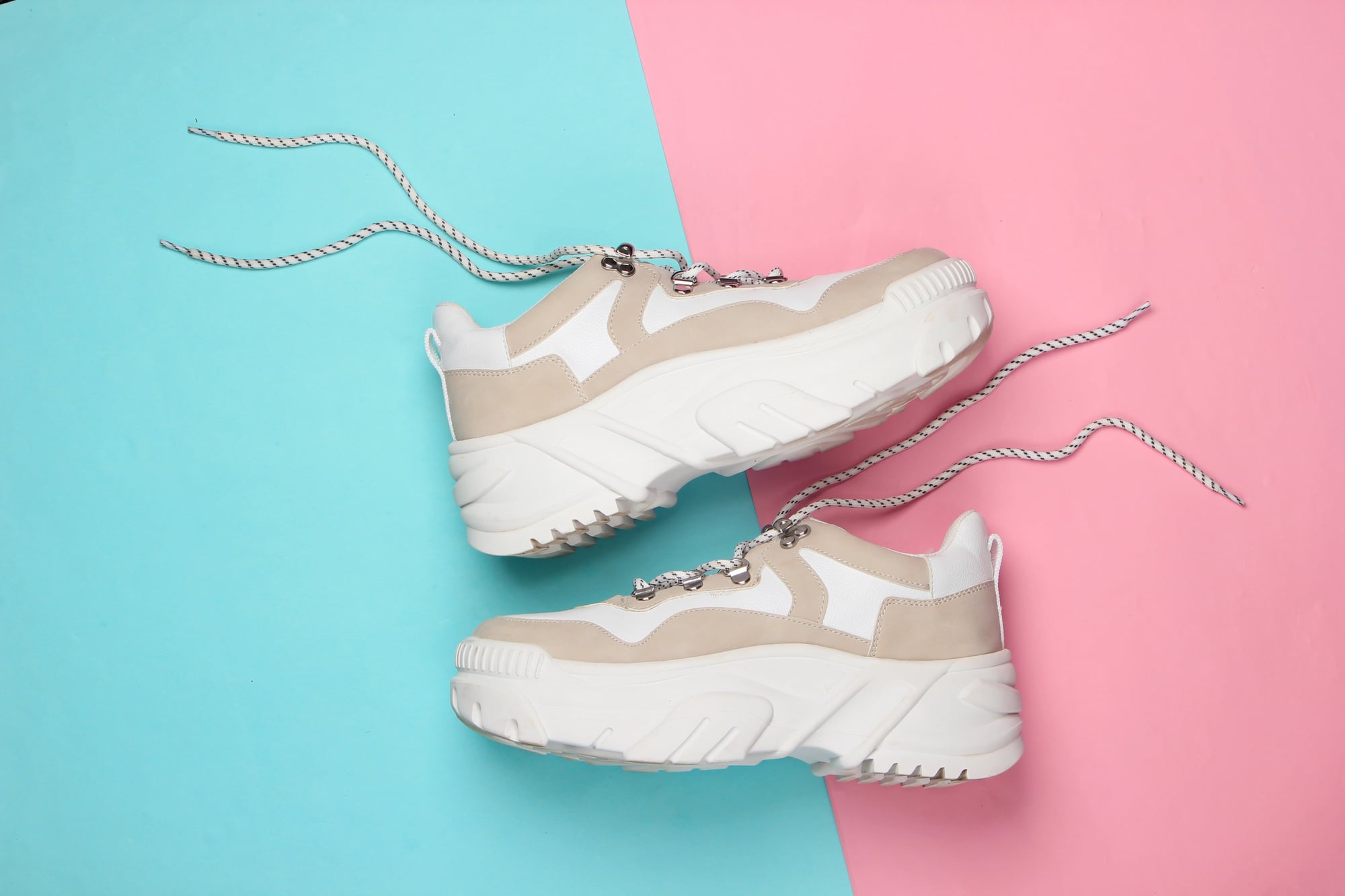
Those towering sneakers and sandals lived by bedroom doors like loyal pets waiting for their next adventure. The platforms weren’t just shoes — they were confidence boosters that literally elevated your perspective on the world.
Sure, walking in them required a certain amount of coordination and faith, but the extra height felt like a small rebellion against the universe’s insistence that teenagers remain at eye level with authority figures.
Slap Bracelets
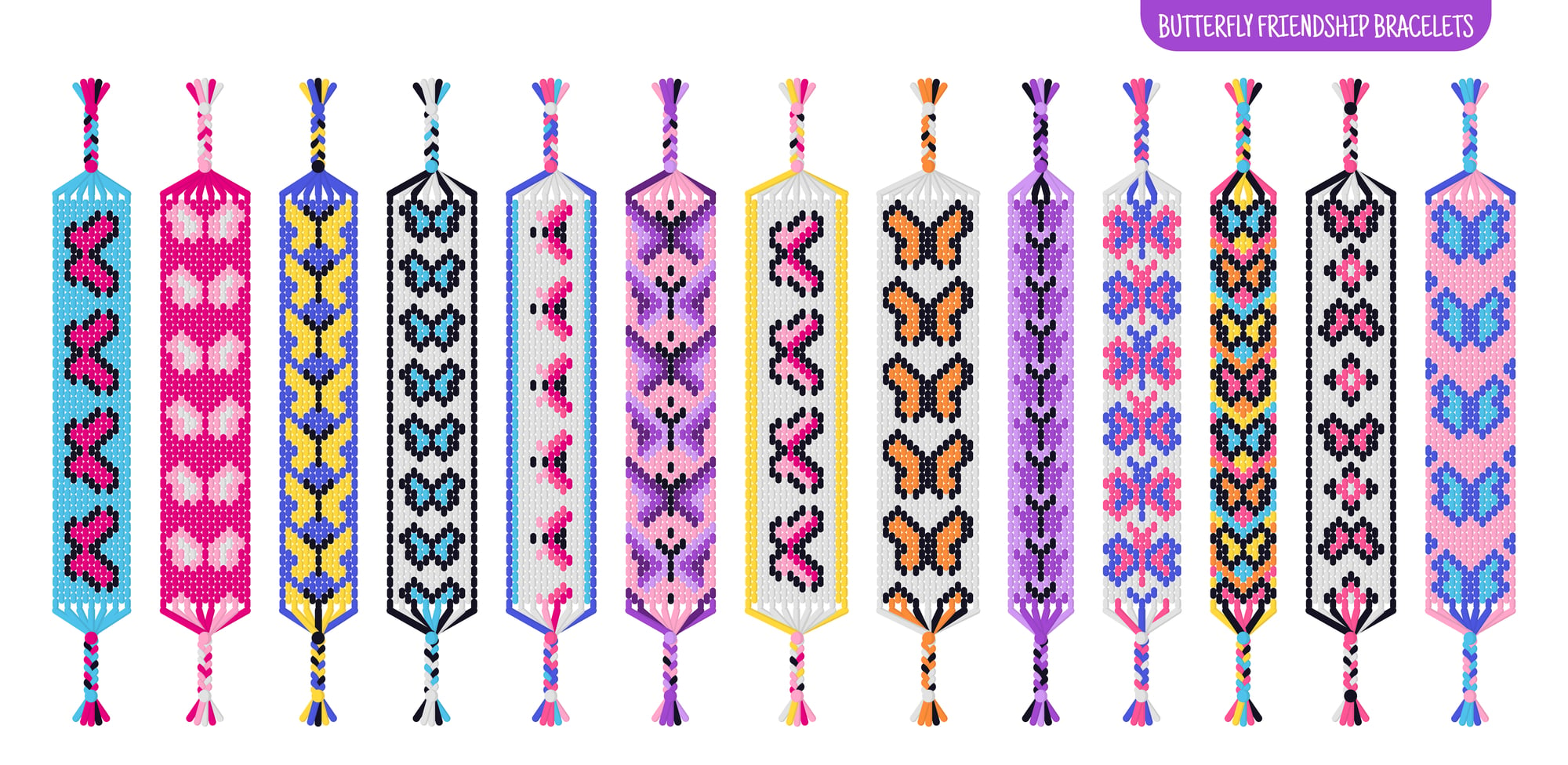
These spring-loaded strips of fabric-covered metal lived in jewelry boxes and on nightstands, ready to snap around wrists at a moment’s notice.
The satisfying “crack” of a slap bracelet curling around your arm never got old, and you could wear dozens at once without any real coordination required.
They were fidget toys before fidget toys had a name — something to occupy restless hands during phone calls or homework.
Dolphin Everything
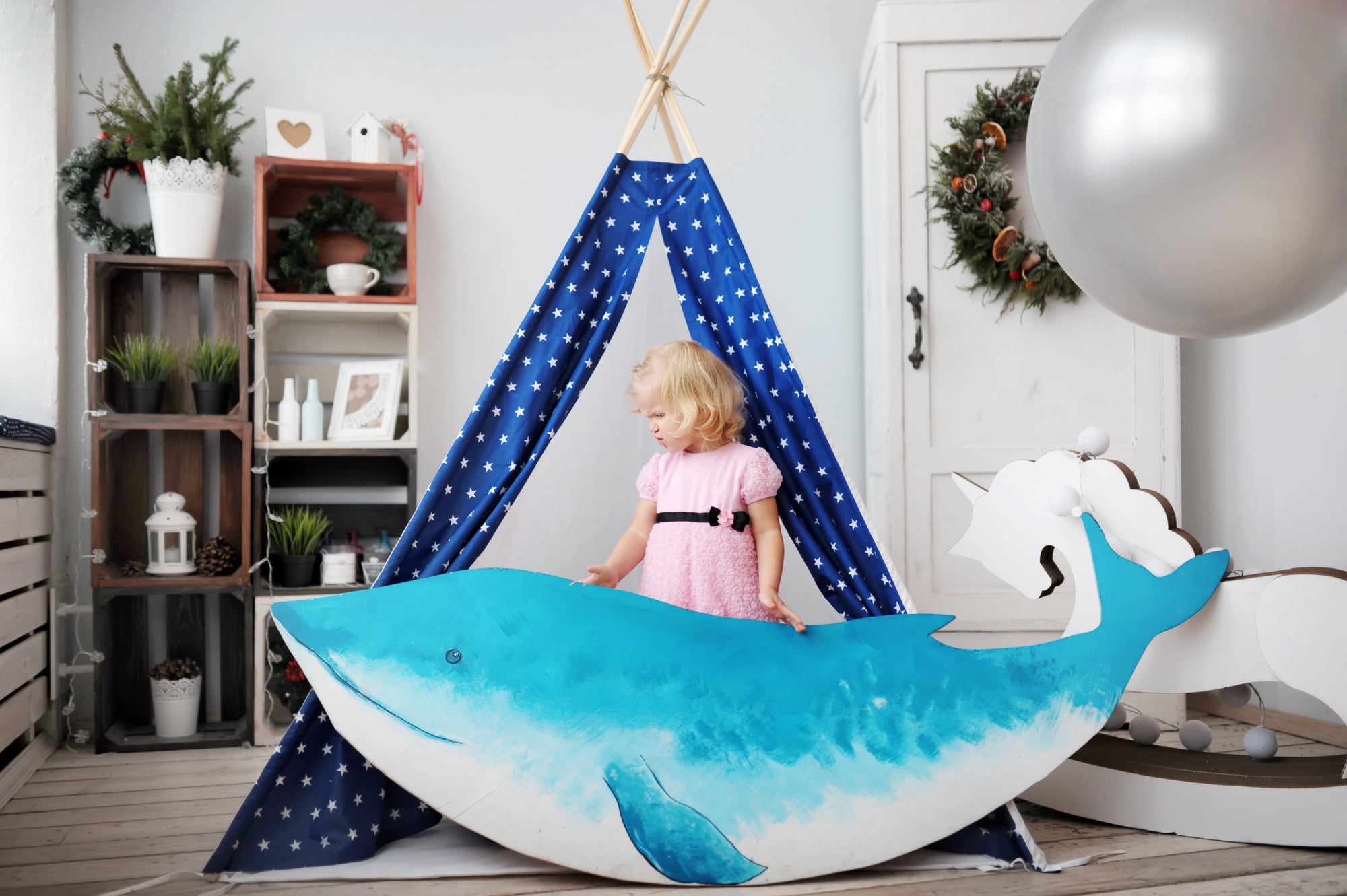
Dolphins appeared on everything from comforters to wall decals to jewelry boxes, representing some kind of 90s consensus that these marine mammals embodied the perfect combination of intelligence, freedom, and mystical wisdom.
The dolphin motif felt sophisticated compared to childhood cartoon characters but whimsical enough to avoid taking itself too seriously — exactly the balance most teenagers were trying to strike.
Scented Gel Candles
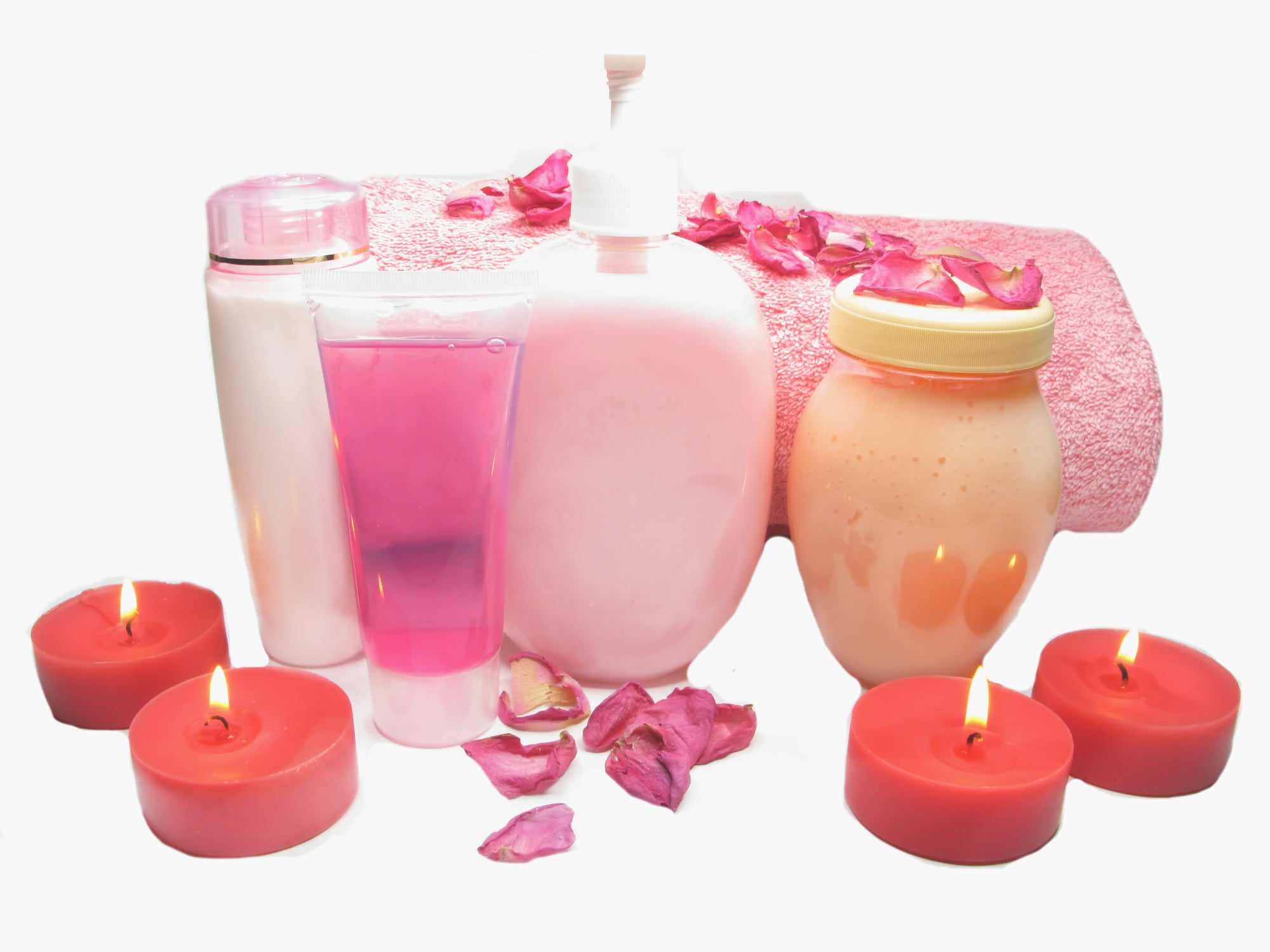
These candles came in clear containers that showed off their jewel-toned gel and embedded decorative objects — shells, flowers, tiny figurines floating in suspension like artifacts in amber.
The scents were aggressively sweet — vanilla, strawberry, “ocean breeze” — and powerful enough to announce themselves the moment you opened the bedroom door.
They burned differently than regular wax candles, creating pools of liquid color that seemed more like chemistry experiments than home fragrance.
Miniature Zen Gardens

The tabletop sand gardens with tiny rakes for creating patterns appealed to the 90s teenager’s newfound interest in meditation and Eastern philosophy, filtered through mall stores and teen magazines.
You’d rake careful designs in the sand between homework assignments, creating temporary art that you’d immediately smooth away to start over.
The repetitive motion was genuinely soothing, even if the spiritual significance remained somewhat mysterious.
Growing Up In Full Color

These bedroom artifacts weren’t just decorations — they were the physical manifestation of a generation learning to express individual identity within the safety of familiar spaces.
Each item served as a small declaration of independence, a way to transform the childhood bedroom into something that reflected evolving tastes and emerging personality.
The 90s teen bedroom was a laboratory for self-discovery, and these objects were the tools of experimentation.
More from Go2Tutors!

- The Romanov Crown Jewels and Their Tragic Fate
- 13 Historical Mysteries That Science Still Can’t Solve
- Famous Hoaxes That Fooled the World for Years
- 15 Child Stars with Tragic Adult Lives
- 16 Famous Jewelry Pieces in History
Like Go2Tutors’s content? Follow us on MSN.