Classic Gas Station Snacks From Your Childhood Trips
There’s something magical about pulling into a gas station during a family road trip. The hum of fluorescent lights, the bell that chimed when you pushed through the glass doors, and those endless aisles of colorful packages promising instant satisfaction.
These weren’t just snacks — they were tiny rituals that marked the rhythm of summer vacations, weekend getaways, and those marathon drives to visit distant relatives. The gas station represented freedom in its purest form.
Parents loosened their usual restrictions, quarters turned into treasure, and suddenly you could choose your own adventure from shelves stocked with treats that rarely made it into the family grocery cart. Each stop was a negotiation, a careful calculation of what would last the longest or taste the best when boredom hit somewhere around mile marker 247.
Slim Jims
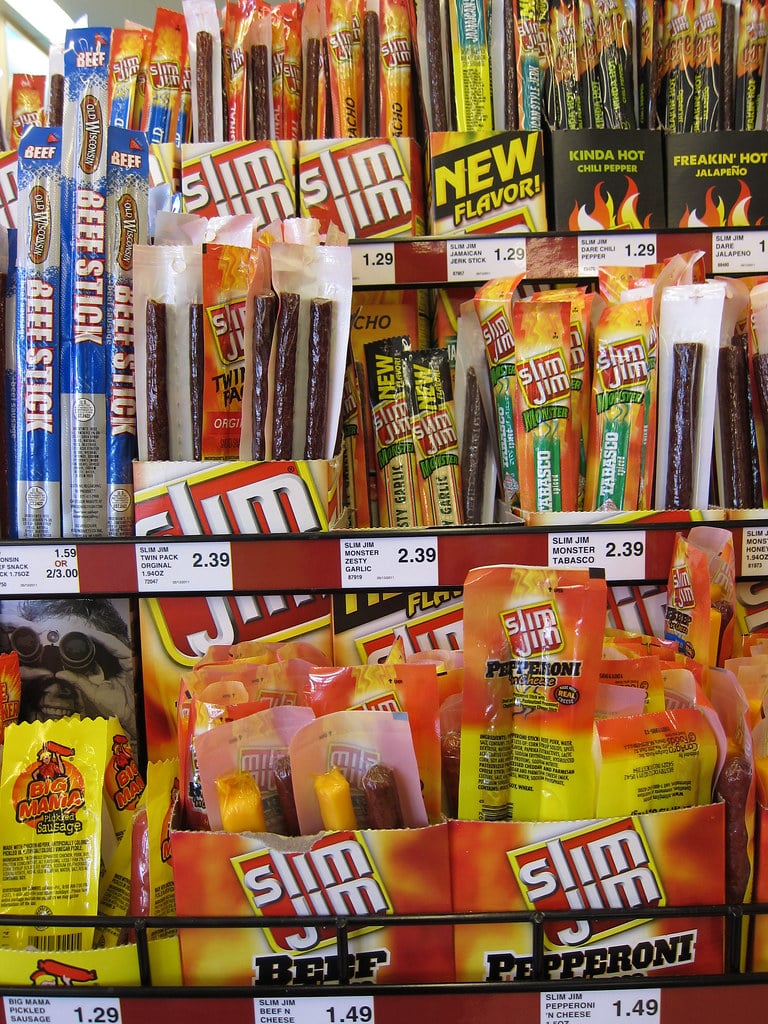
Slim Jims hit different when you’re trapped in a backseat for hours. The snap when you bit into that processed meat stick felt like rebellion.
No utensils, no napkins required.
Combos
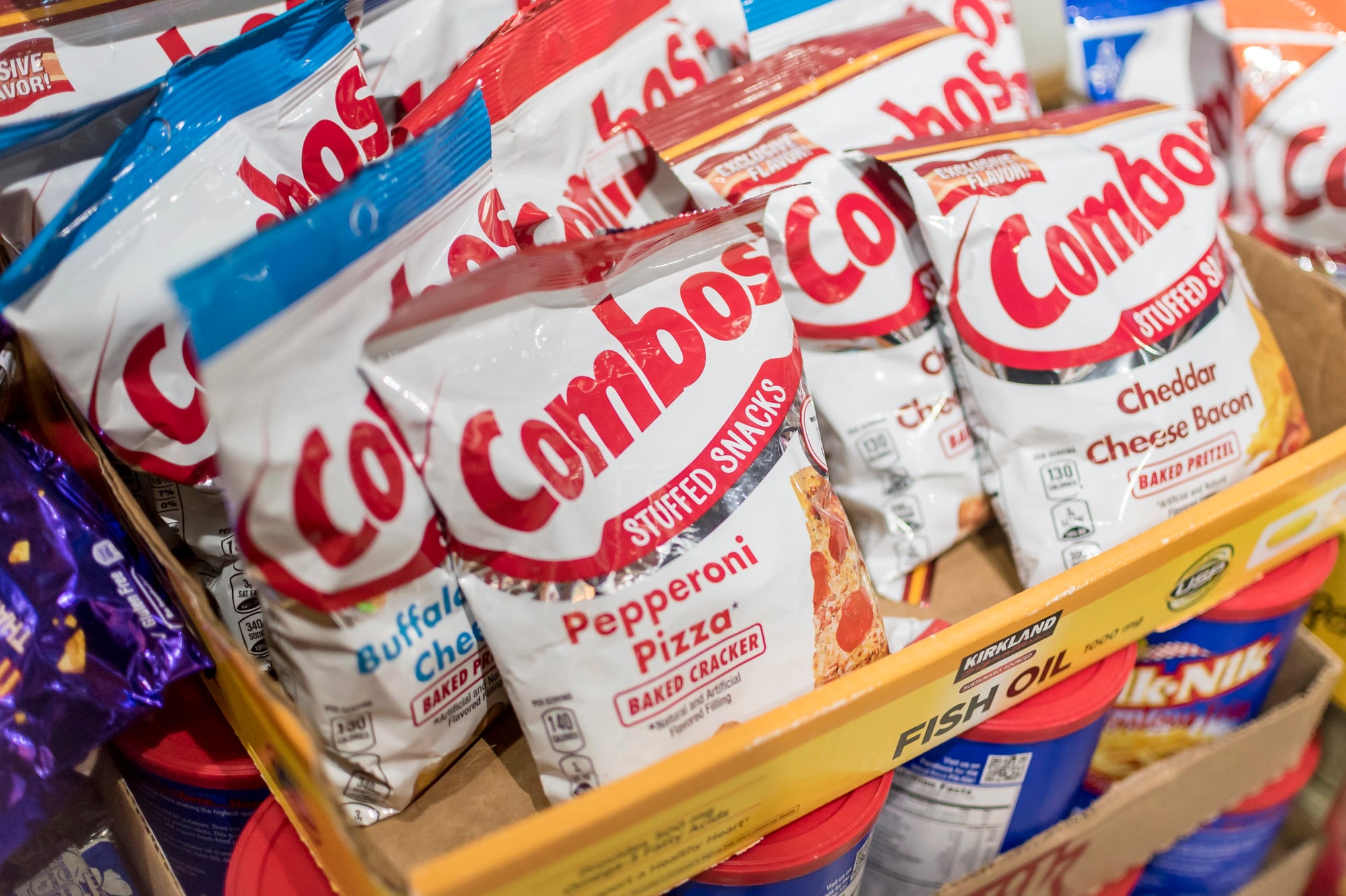
Those crunchy pretzel shells stuffed with artificial cheese powder defied logic and somehow worked perfectly. Combos were engineering marvels disguised as junk food — each bite delivered the exact same ratio of salt to crunch to questionable dairy flavor.
The bags were never big enough, which meant you had to ration them carefully or face the consequences of finishing them before the next rest stop. And yet there was something almost meditative about eating them one by one, letting that powdery cheese coating dissolve on your tongue while you watched telephone poles blur past the window.
They weren’t trying to be gourmet or sophisticated (which would have been laughable anyway, given the fluorescent orange dust they left on everything they touched). But they understood their assignment: provide maximum distraction value for minimum cost, and keep restless kids occupied during those long stretches of highway where the only entertainment was counting different license plates.
Hostess Fruit Pies
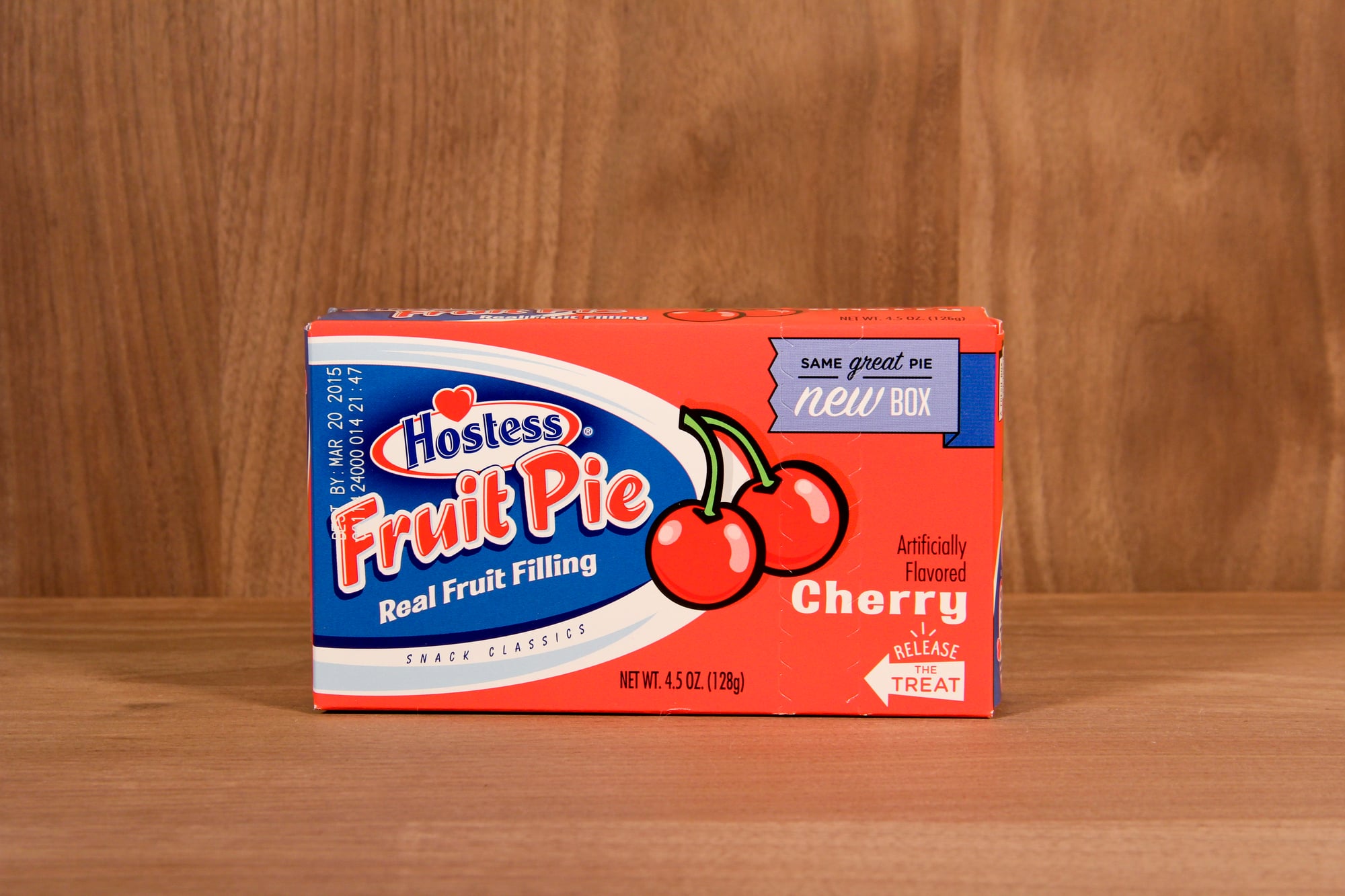
The Hostess fruit pie was a gamble wrapped in cellophane. Apple, cherry, or lemon — each one promised fruit but delivered something closer to sweet molten lava.
The crust shattered at first bite, sending crumbs cascading onto your lap, while the filling remained mysteriously hot enough to burn your tongue even hours after leaving the warmer. But that unpredictability was part of the appeal.
You never knew if the filling would be evenly distributed or if you’d bite into a pocket of pure sugar that made your eyes water. The pies were stubborn in the best way, refusing to be eaten quickly or carelessly.
Beef Jerky
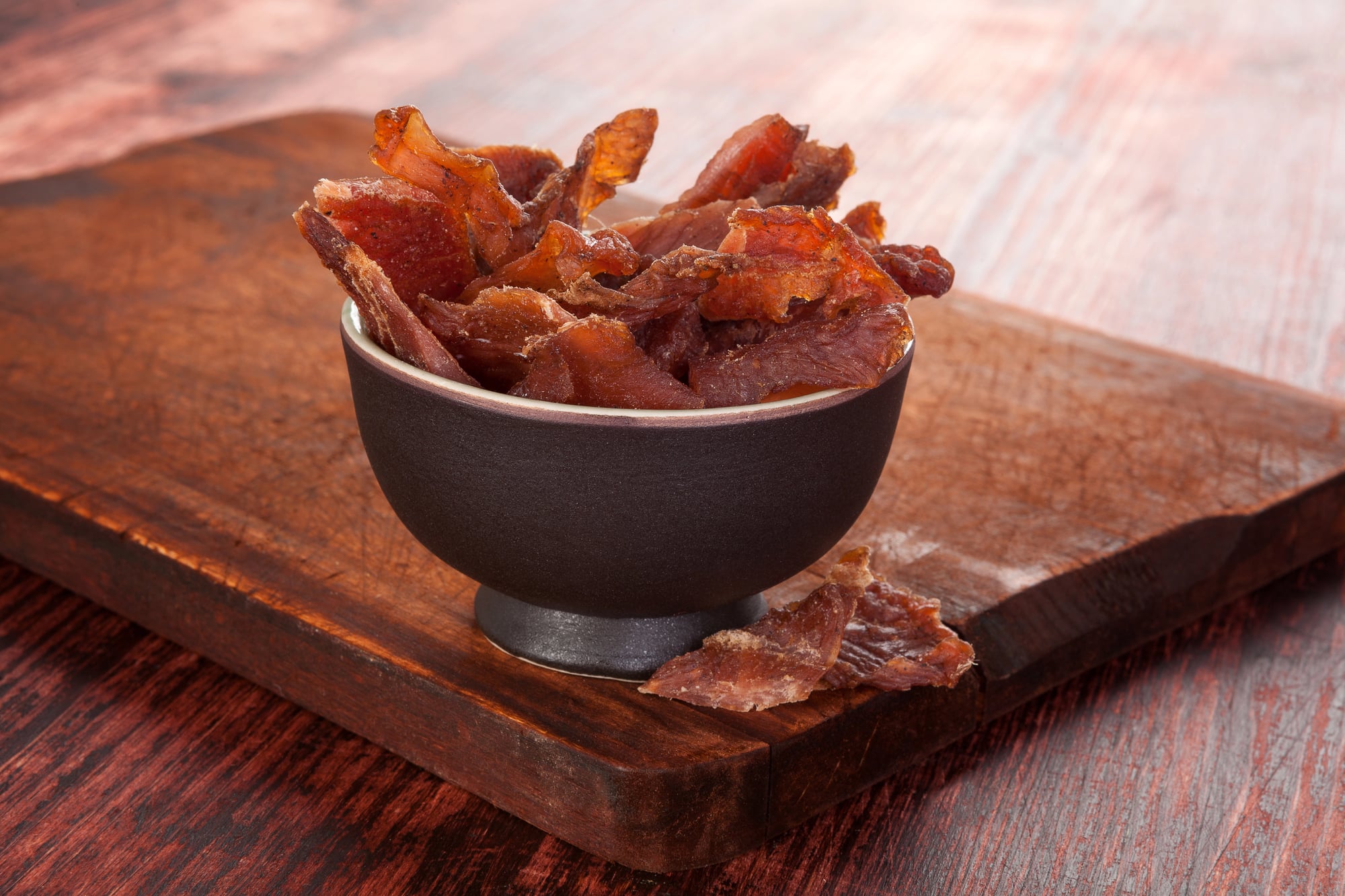
Beef jerky turned eating into an endurance sport. The good stuff required genuine effort — jaw muscles working overtime, methodical chewing that could stretch a single piece across thirty miles of interstate.
Parents approved because it had protein. Kids tolerated it because it lasted forever.
The gas station variety came in those clear plastic containers, each strip looking like leather that had spent too much time in the sun. But that’s exactly what made it perfect for road trips.
One bag could occupy a determined kid for an hour, and the salt content meant you’d be reaching for that warm Coke soon enough.
Cheetos
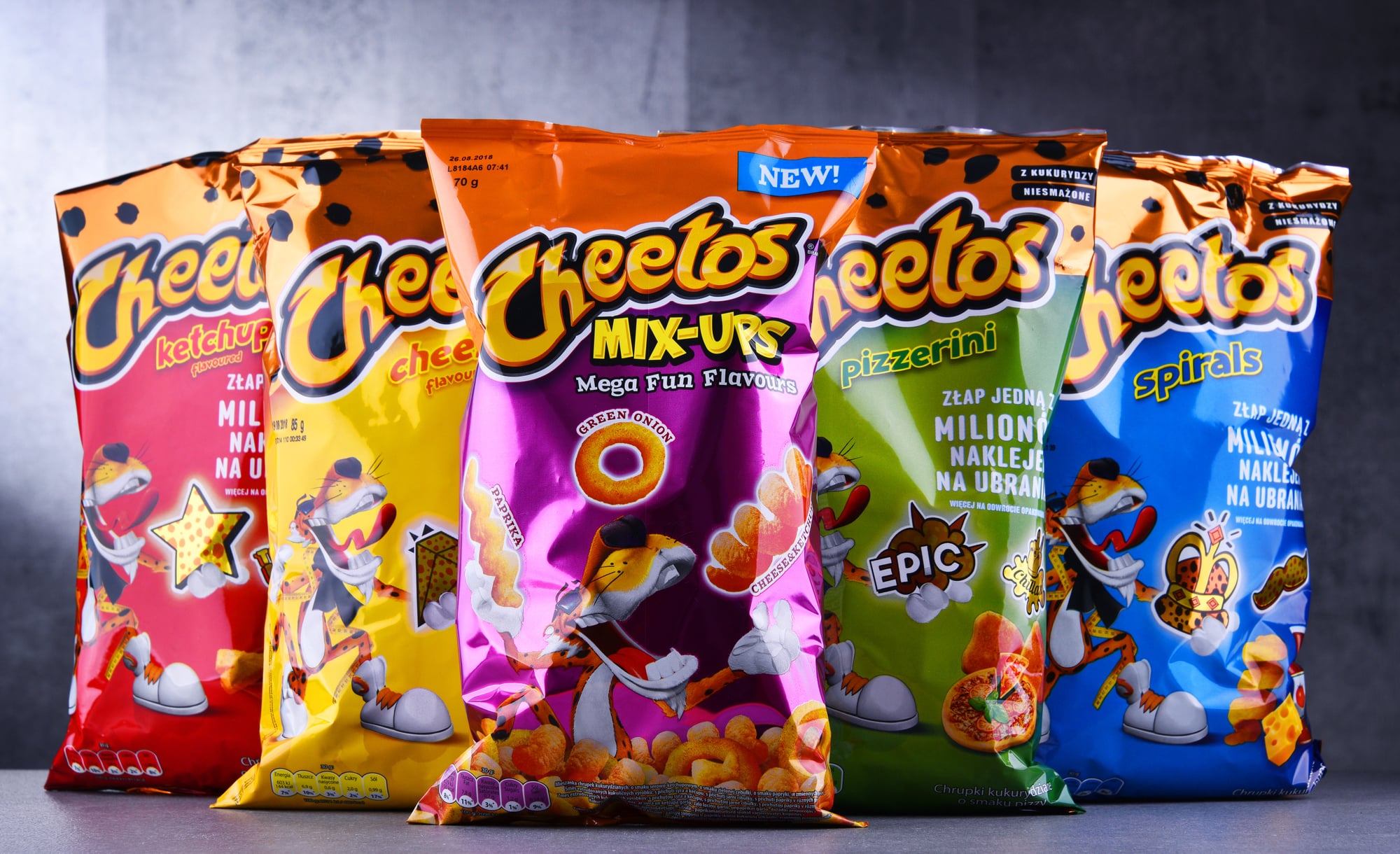
Nothing announced your presence in the car quite like opening a bag of Cheetos. That artificial orange dust transferred to everything — seatbelts, windows, siblings.
Your fingers turned into evidence of your snack choices, and no amount of napkins could completely erase the residue. The crunch was aggressive, almost defiant.
Each Cheeto seemed determined to make as much noise as possible, which either drove parents crazy or provided the perfect soundtrack to highway monotony. And there was no dignified way to eat them, so you just embraced the mess and hoped the gas station bathroom would have decent soap.
Twizzlers
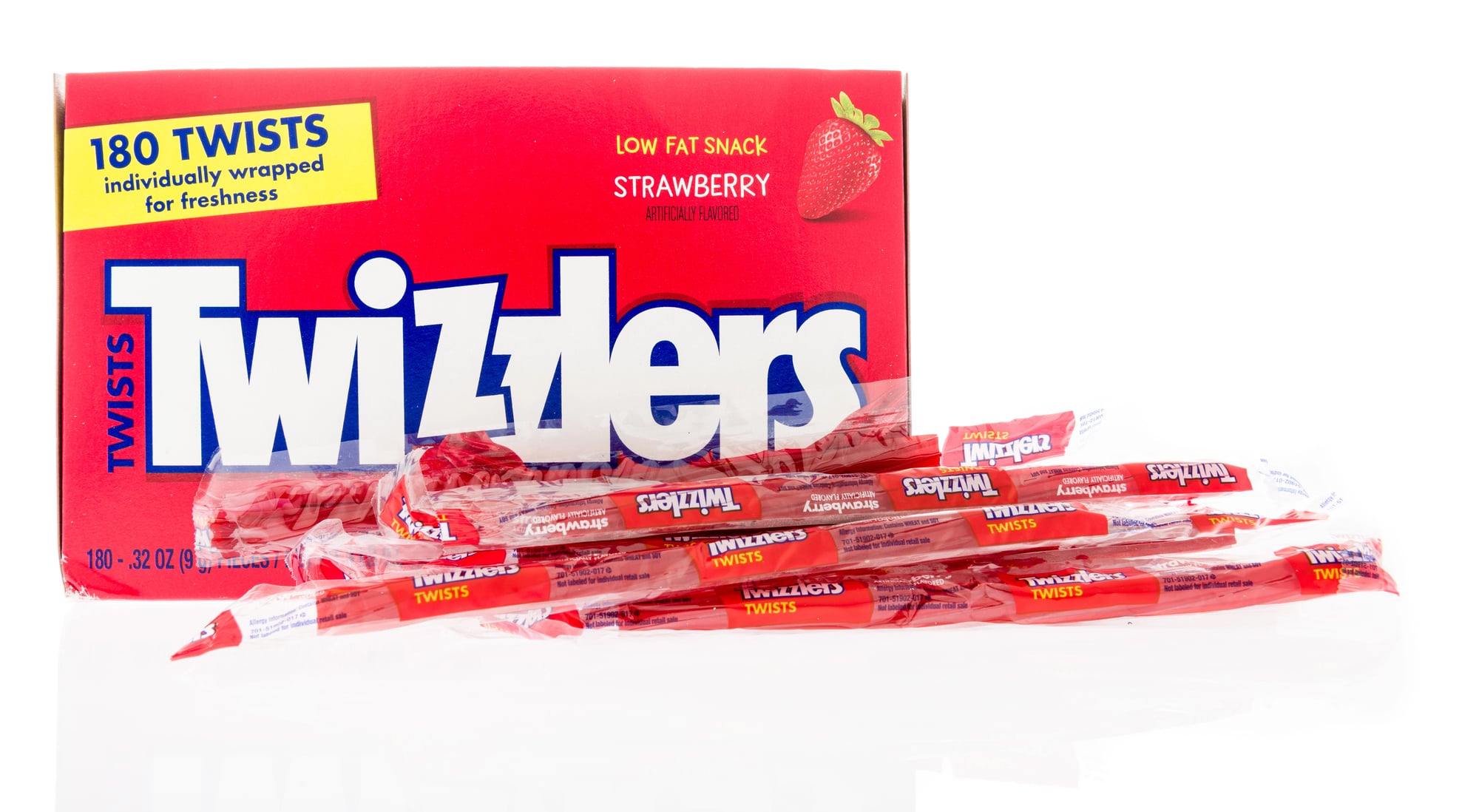
Twizzlers weren’t just candy — they were entertainment systems disguised as strawberry-flavored plastic. You could bite both ends off and use them as straws (though this rarely improved the taste of whatever you were drinking).
You could unwind the twisted ones into long ribbons. You could nibble them down to tiny nubs, making each package last twice as long as intended.
The texture was pleasantly strange, somewhere between gum and rope. They stuck to your teeth just enough to be annoying but not quite enough to be a real problem.
And unlike most gas station candy, they survived heat, cold, and the general chaos of road trip storage without falling apart completely.
Pringles
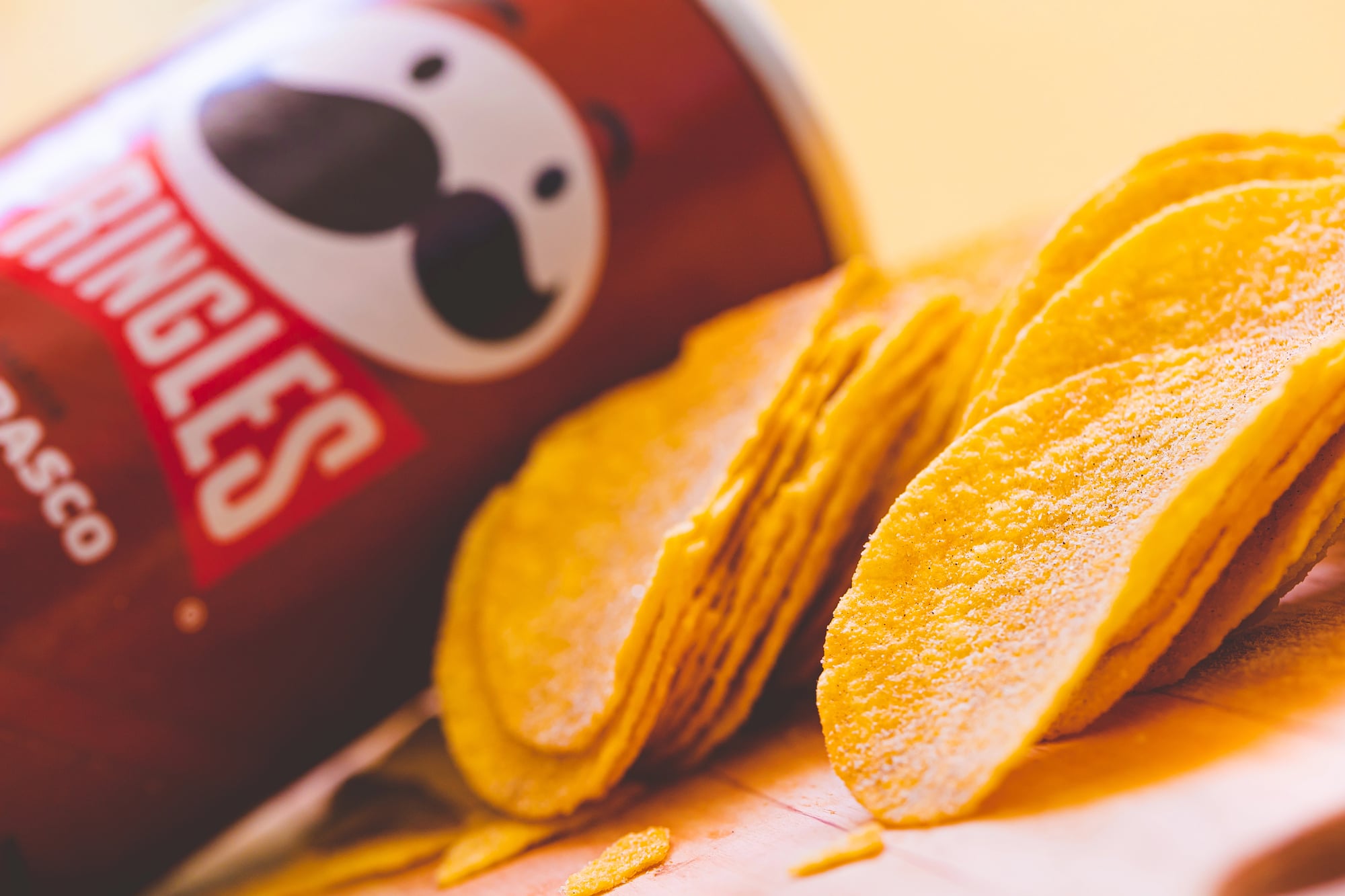
The Pringles tube was a minor miracle of engineering. Those perfectly uniform chips stacked like edible poker chips never broke, never got stale, and somehow tasted exactly the same whether you bought them in Nevada or New Jersey.
The tube itself became a prize — perfect for storing pencils, hiding money, or launching surprise attacks on unsuspecting siblings. But the real genius was in the portion control psychology.
Unlike a bag of chips that tempted you to reach in blindly and grab handfuls, Pringles forced you to take them one at a time. This created the illusion of restraint even as you worked your way steadily toward the bottom of that cardboard cylinder.
Pop Rocks
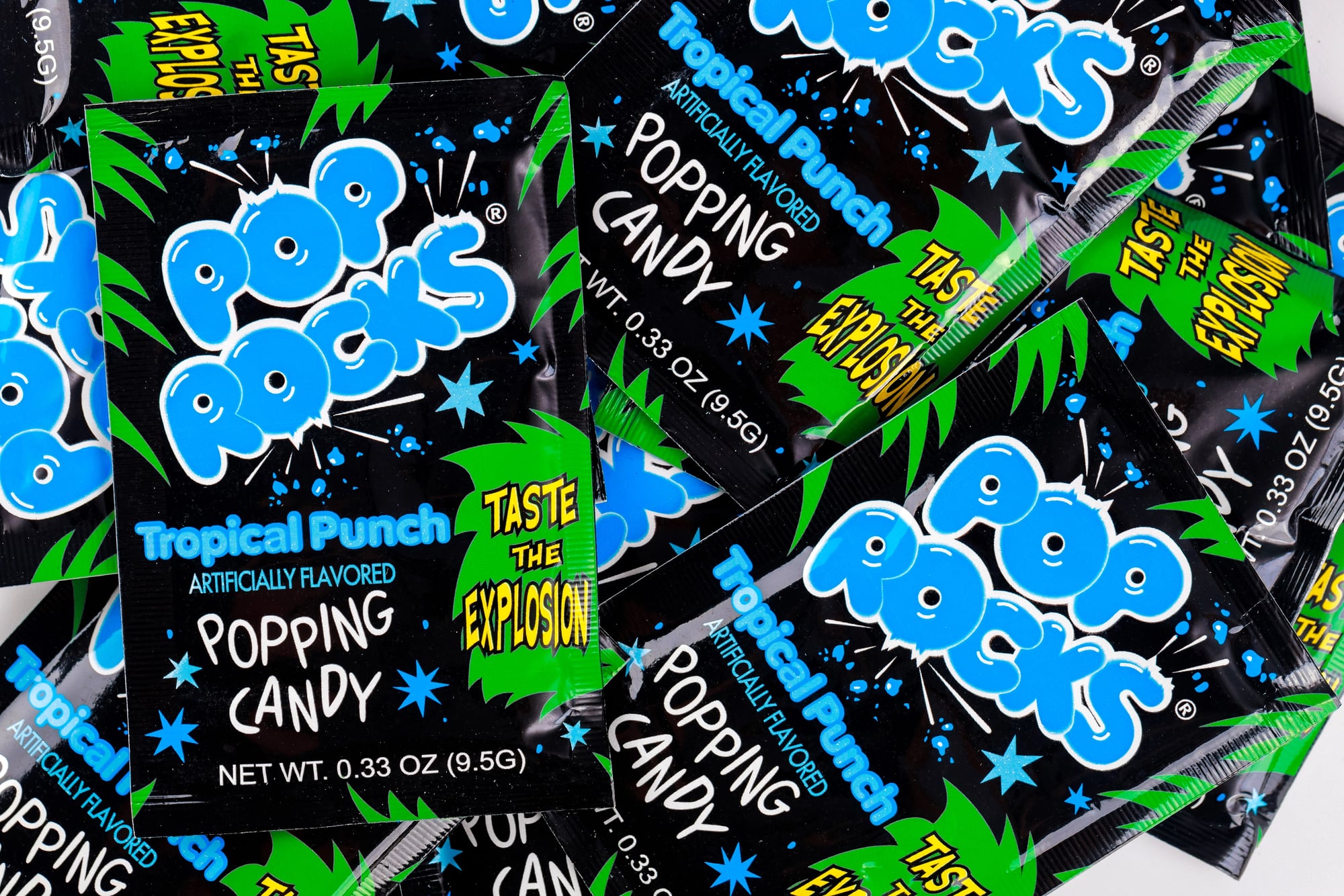
Pop Rocks were pure chaos disguised as candy. Pour them on your tongue and wait for the tiny explosions that felt like your mouth was hosting a miniature fireworks show.
The sensation was startling every single time, no matter how many packages you’d consumed during previous road trips. They came with built-in mythology too — rumors about what happened if you mixed them with soda, warnings about eating too many at once, and that persistent urban legend that made them seem slightly dangerous.
For kids trapped in cars for hours, that hint of rebellion was worth its weight in sugar. The crackling lasted just long enough to be entertaining but not quite long enough to be satisfying.
Which meant you always ended up buying multiple packages and trying to make them last until the next gas station.
Doritos
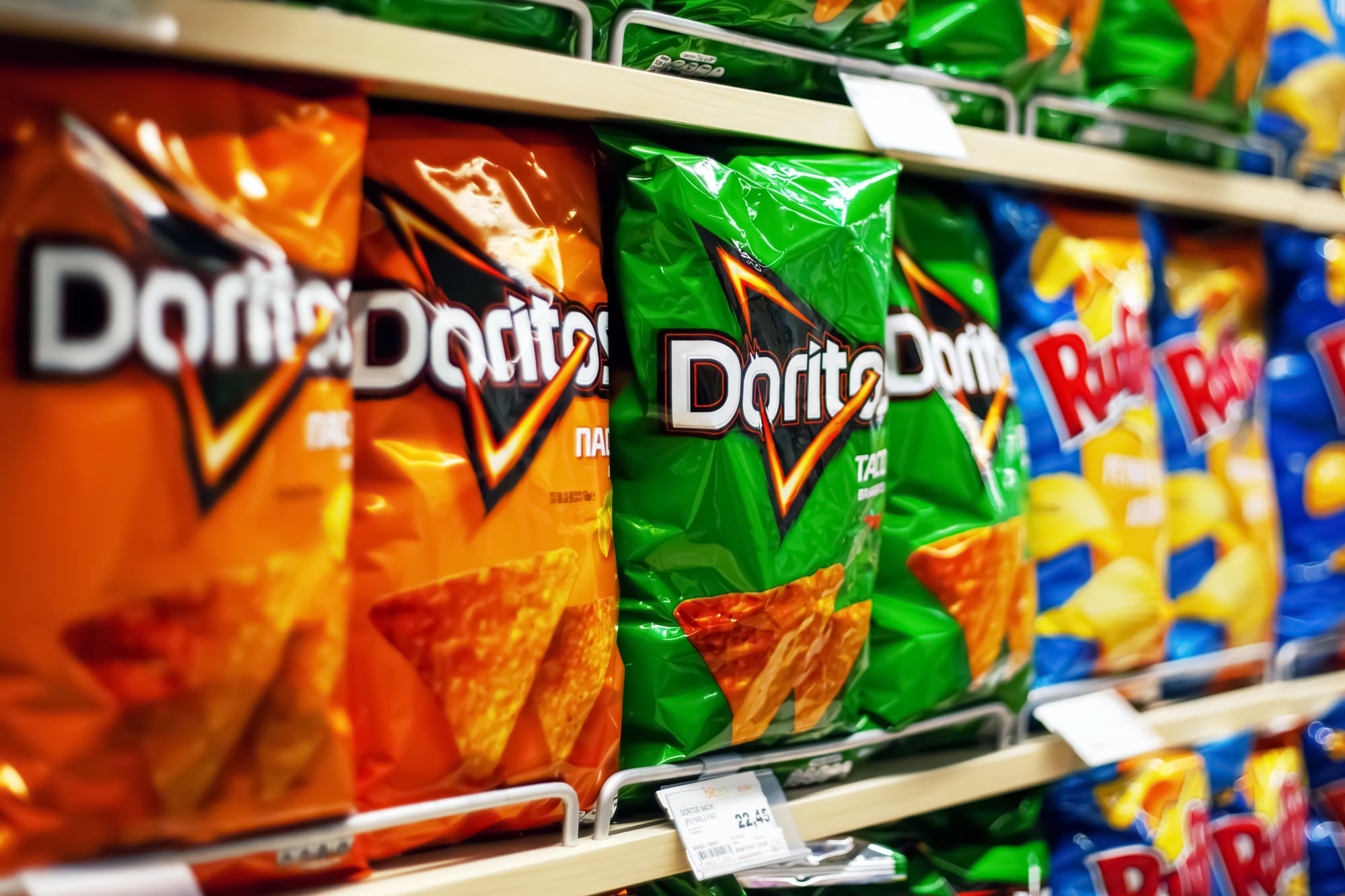
Nacho cheese Doritos represented peak gas station indulgence. The triangular chips were engineered for maximum flavor delivery — that aggressive orange powder coating every surface, ensuring that each bite hit your taste buds like a freight train carrying liquid cheese and salt.
The bags crinkled with authority, announcing your snack choice to everyone within a fifty-foot radius. These weren’t subtle.
The artificial cheese flavor was so intense it seemed to bypass your taste buds entirely and head straight for some primal part of your brain that responded to concentrated umami. And just like their puffed cousin Cheetos, they marked their territory on your fingers, leaving behind evidence that would linger until the next rest stop bathroom break.
Cracker Jack
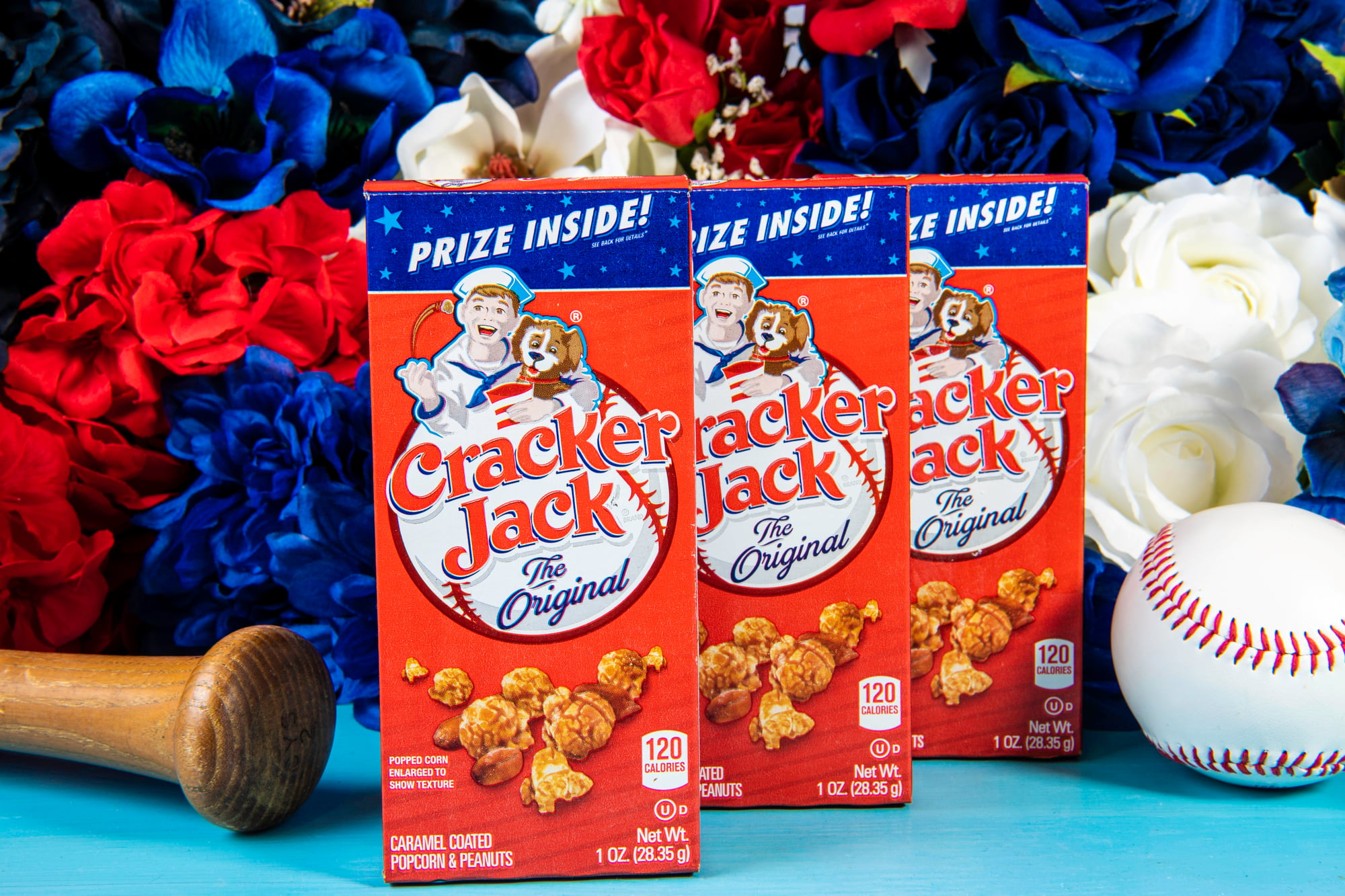
The Cracker Jack box was a complete experience wrapped in red, white, and blue nostalgia. Sweet popcorn mixed with peanuts provided the foundation, but everyone knew the real treasure was buried somewhere in that cardboard container.
The prize was usually disappointing — a paper tattoo or plastic whistle that broke within minutes — but the hunt for it justified eating handfuls of sticky popcorn. There was something deeply satisfying about shaking the box, listening for the rattle of the prize, and then methodically working your way through the contents.
The popcorn itself was aggressively sweet, coated in a shell of crystallized sugar that made your teeth ache and your fingers stick together.
Sunflower Seeds
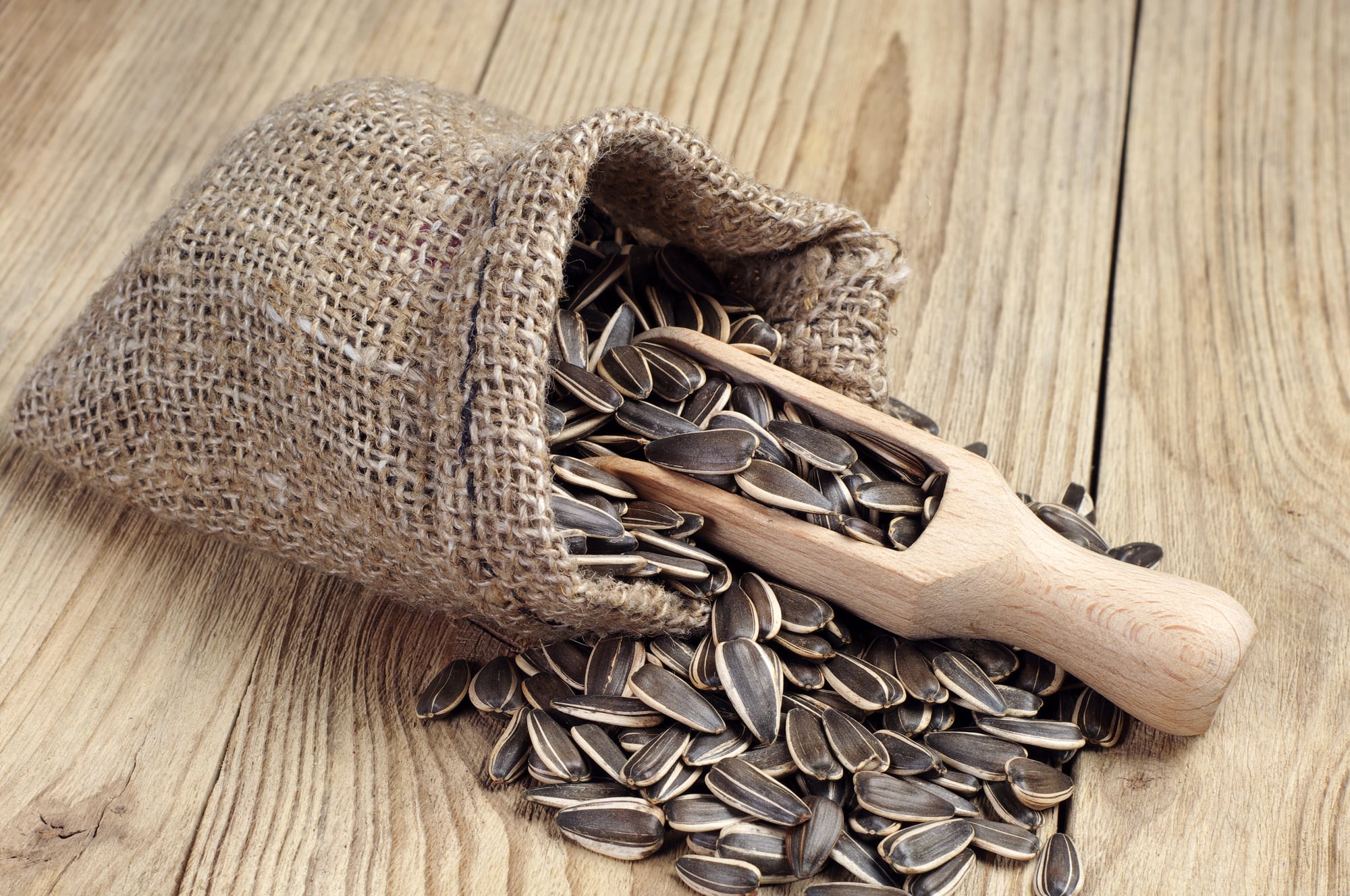
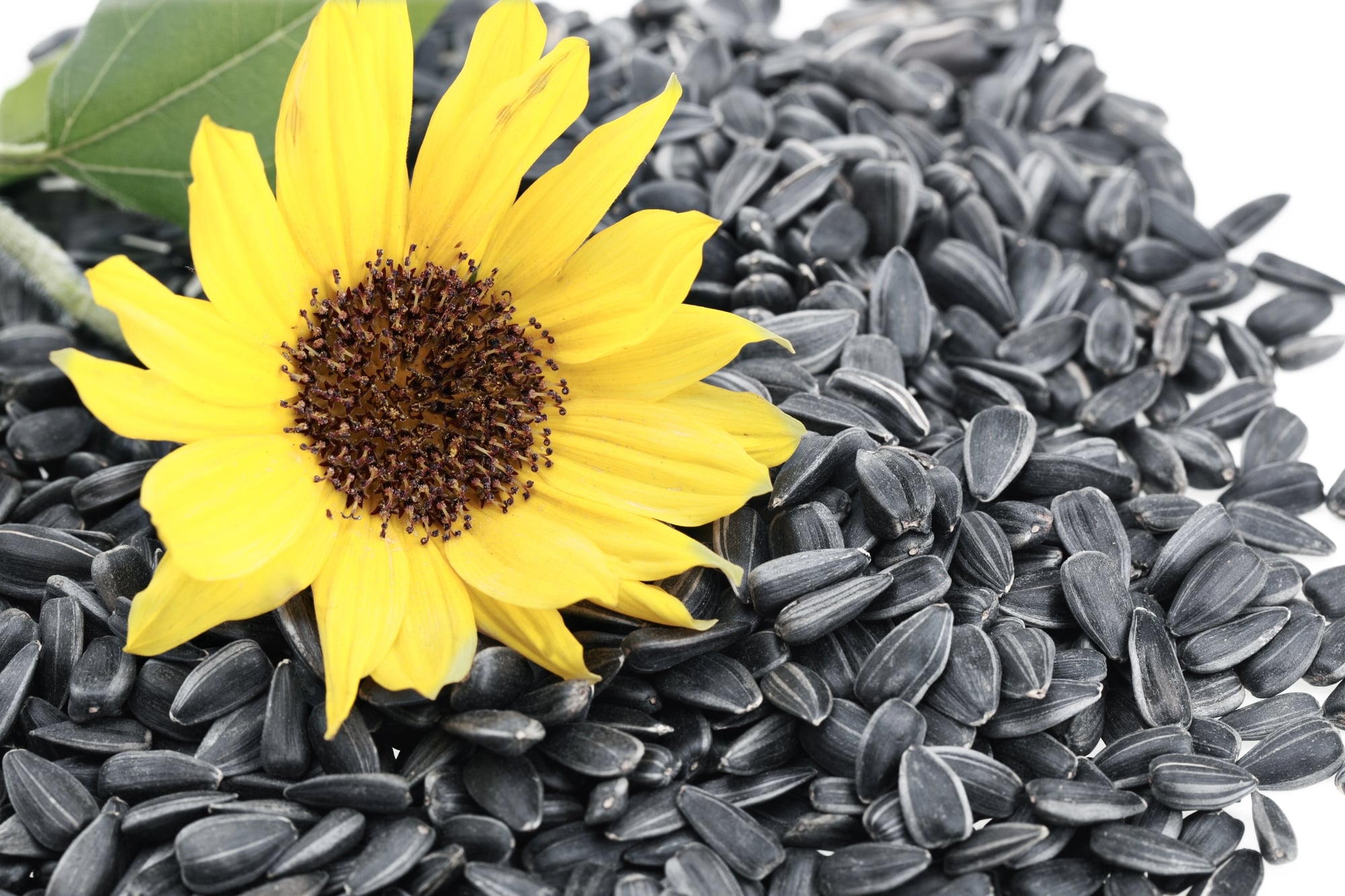
Sunflower seeds turned snacking into a skill-based activity. The ritual was half the appeal — crack the shell with your teeth, extract the tiny seed inside, dispose of the evidence.
Done properly, you could build impressive piles of empty shells while barely making a dent in the bag. Done poorly, you’d end up with a mouthful of salt and shell fragments.
Baseball players made it look effortless, but mastering the technique required practice and patience. The shells had sharp edges that could cut your tongue if you weren’t careful, and the salt content was high enough to dehydrate a small mammal.
But for long car rides, the methodical process was oddly meditative.
M&Ms
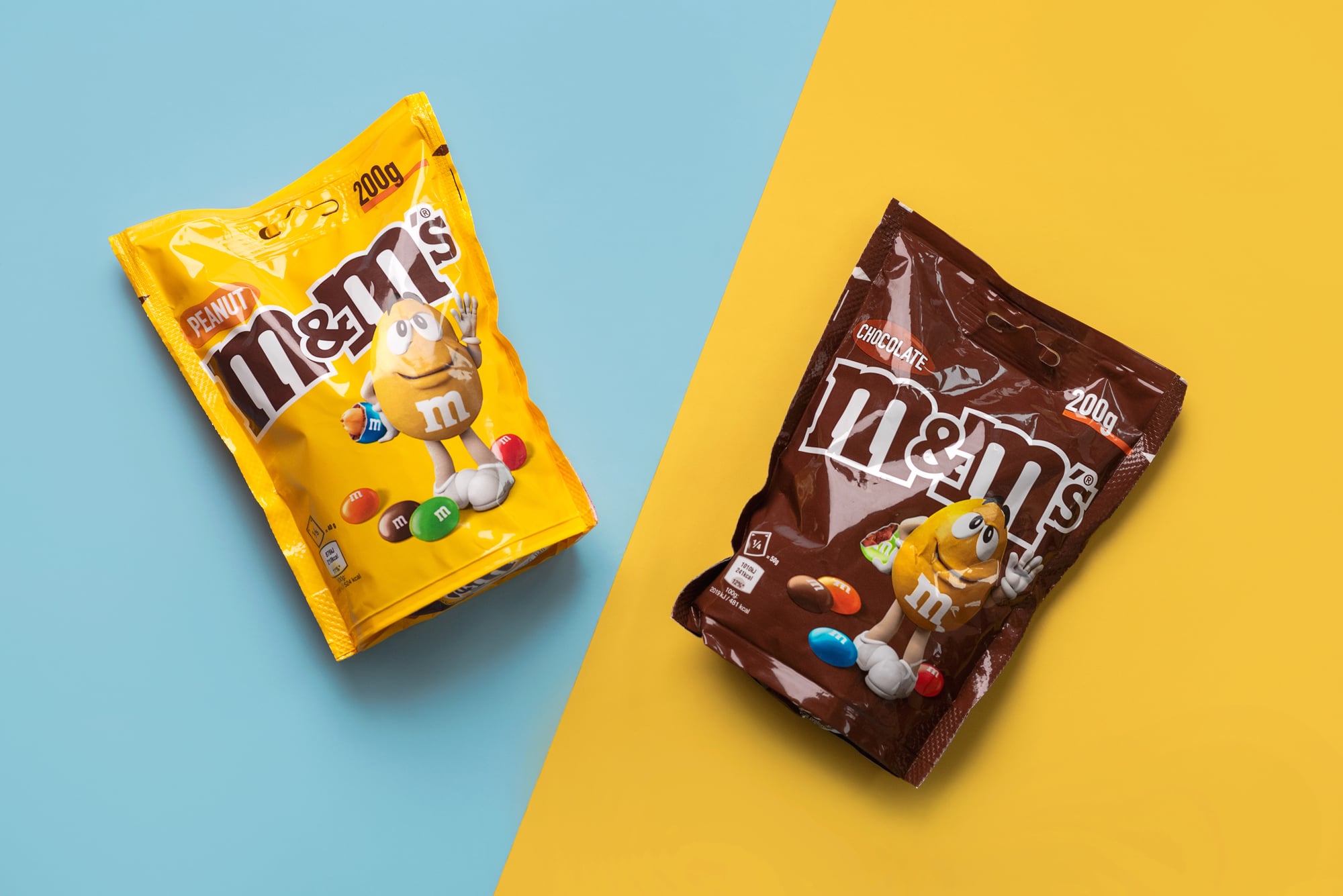
M&Ms were the reliable choice — colorful, familiar, and engineered to survive whatever punishment a road trip could deliver. The candy shell protected the chocolate inside from heat, humidity, and the general chaos of travel.
They rattled satisfyingly in their bag and could be eaten one at a time to maximize duration, or poured directly into your mouth when patience ran thin. The colors added an element of chance to each handful.
You could separate them by shade and eat them in order, or create elaborate color-based ratios that probably made sense at the time. Some people claimed different colors tasted different, which was nonsense, but the myth persisted anyway.
String Cheese
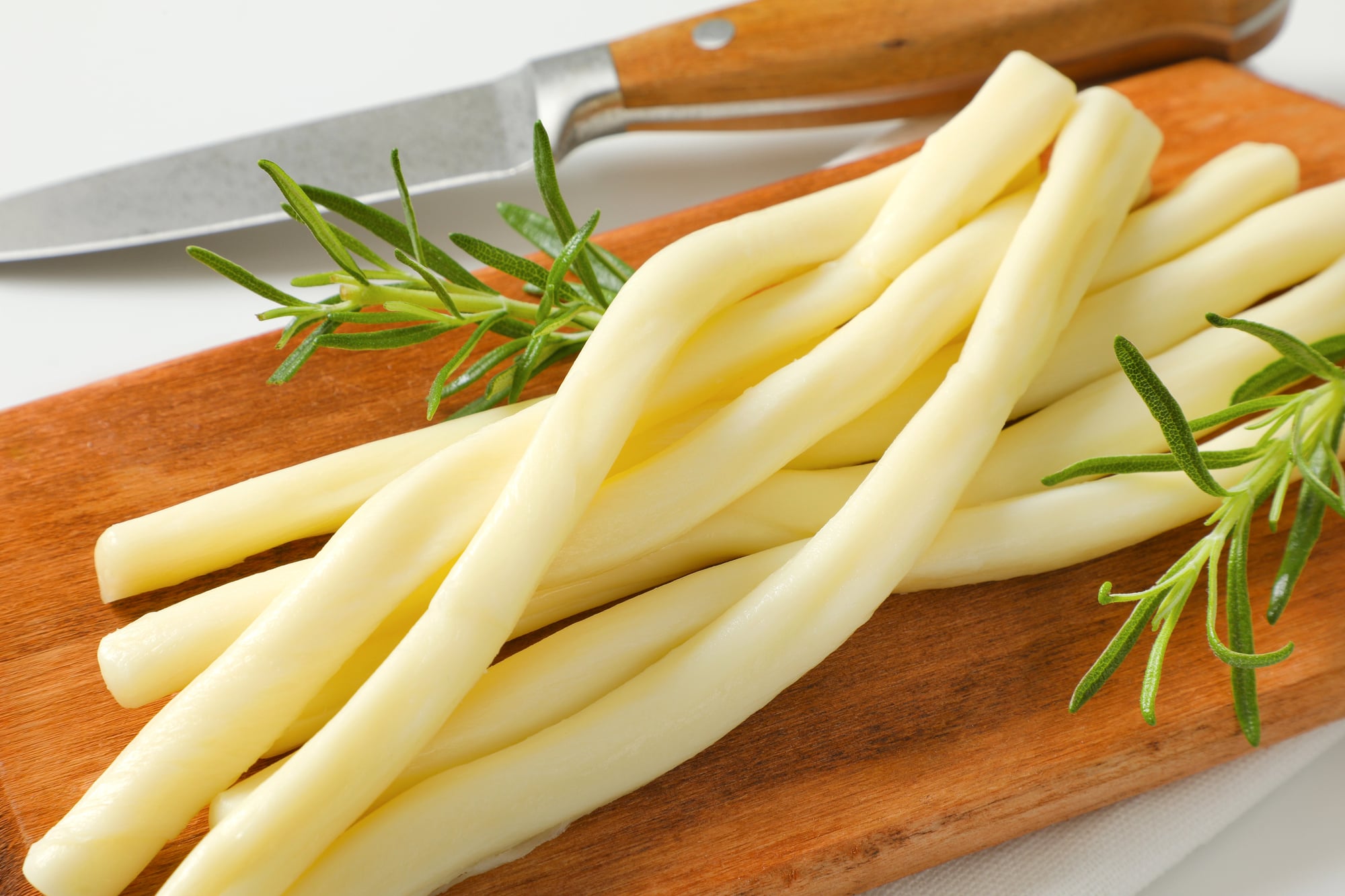
String cheese occupied a unique position in the gas station ecosystem — actual food masquerading as entertainment. The whole point wasn’t just eating it but performing the careful ritual of peeling it apart into individual strands.
Done correctly, a single stick could be transformed into a dozen thin strips, each one satisfying in its own small way. Parents loved it because it contained protein and calcium.
Kids tolerated it because the peeling process was genuinely engaging, like edible arts and crafts. And unlike most gas station snacks, it actually provided some nutritional value beyond pure sugar and sodium.
The cheese itself was mild to the point of being almost flavorless, but that wasn’t really the point. The texture was everything — firm enough to hold together during the peeling process but tender enough to bite through without effort.
Kit Kat
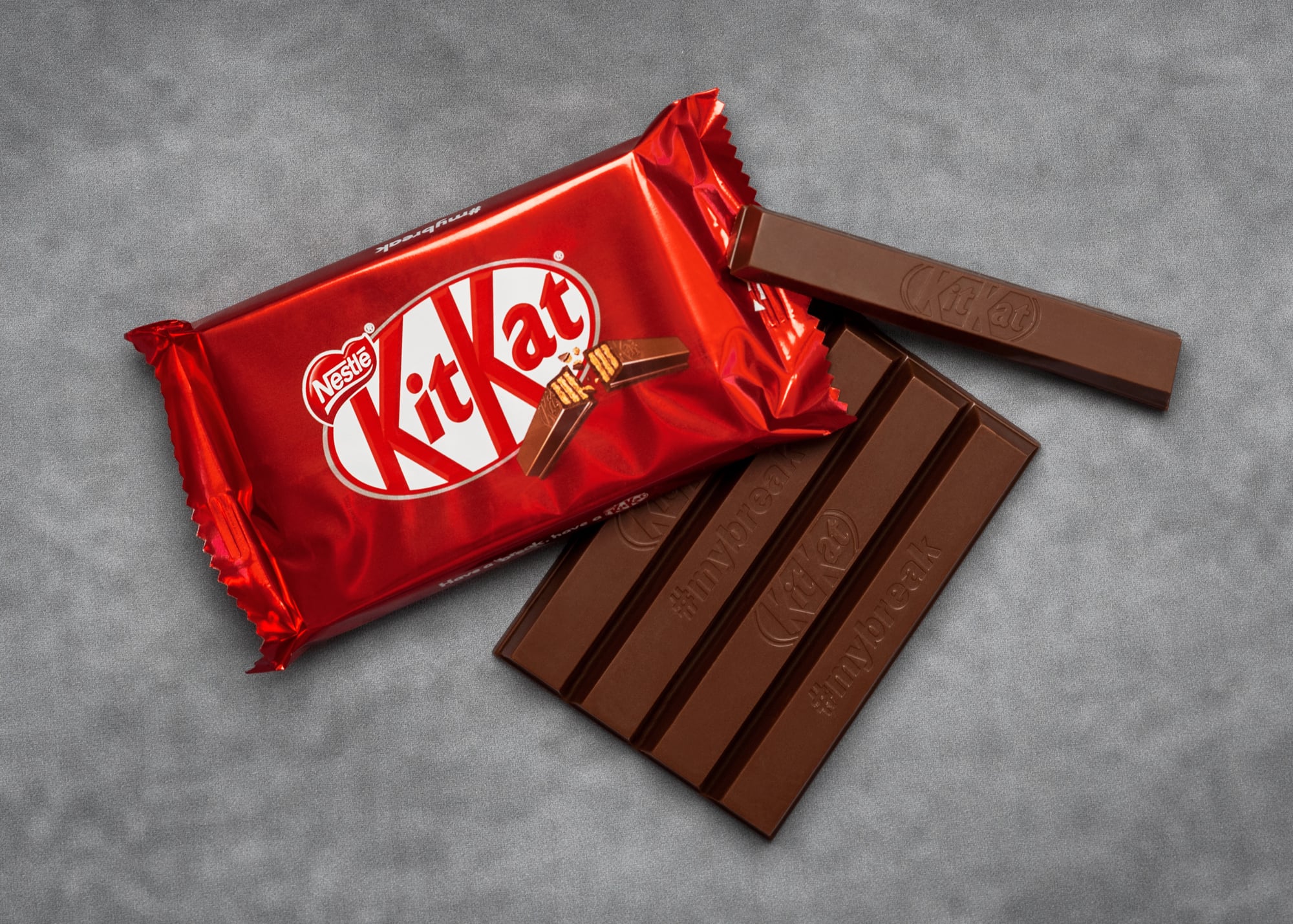
Kit Kat bars understood the importance of ritual. The proper technique was non-negotiable: break off each segment along the scored lines, then eat them one at a time.
Anyone who bit directly into the whole bar was either a barbarian or someone who had given up entirely on civilized behavior. The wafer layers provided textural interest that most candy bars couldn’t match.
Each bite delivered a satisfying crunch followed by the smooth chocolate coating, creating a rhythm that made the candy last longer than it probably should have. And the segments meant you could share if you were feeling generous, though this rarely happened during road trips.
Peanuts
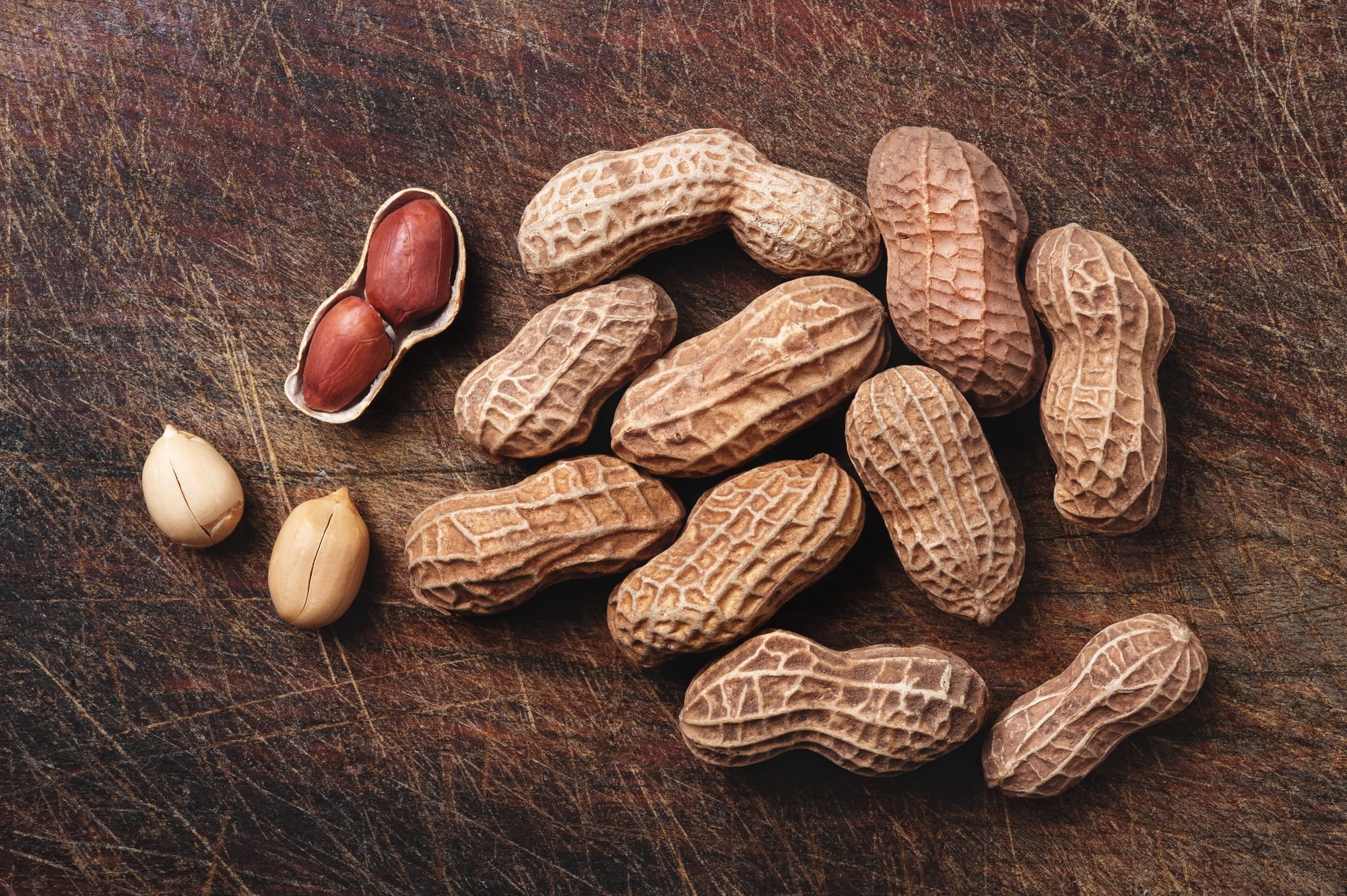
Those little bags of salted peanuts represented honest snacking in a world of artificial flavors and impossible colors. The shells gave your hands something to do, and the salt made sure you’d be buying a drink soon enough.
Gas stations usually sold them from big glass jars or clear plastic containers, scooped into paper bags that somehow never seemed quite big enough. Eating them required technique — crack the shell, extract the nuts, dispose of the evidence.
The shells accumulated quickly, creating small piles of debris that had to be managed carefully in the confined space of a moving vehicle. But the process was oddly satisfying, and the nuts themselves provided actual sustenance beyond pure sugar rush.
The salt was aggressive enough to make your lips tingle, and there was always the occasional shell fragment that snuck through to remind you that this was food that required attention. Unlike the engineered perfection of most gas station snacks, peanuts felt connected to something real — actual plants grown in actual dirt, not manufactured in factories that specialized in artificial flavor compounds.
The Ritual Of The Road
These snacks weren’t just fuel for hungry kids — they were the punctuation marks that broke up endless hours of highway hypnosis. Each gas station stop represented a tiny celebration, a chance to stretch legs and make choices that felt important at the time.
The snacks themselves were often forgettable, but the memories they anchored have lasted decades. Looking back, those fluorescent-lit aisles were training grounds for independence, places where quarters carried real weight and decisions had immediate consequences.
The snacks may have been pure junk food, but they taught lessons about delayed gratification, resource management, and the fine art of making something last. Not bad for a bag of artificially flavored corn chips and a childhood that measured distance in rest stops rather than miles.
More from Go2Tutors!

- The Romanov Crown Jewels and Their Tragic Fate
- 13 Historical Mysteries That Science Still Can’t Solve
- Famous Hoaxes That Fooled the World for Years
- 15 Child Stars with Tragic Adult Lives
- 16 Famous Jewelry Pieces in History
Like Go2Tutors’s content? Follow us on MSN.