VHS Cover Art We’ll Never Forget
Before streaming thumbnails. Before autoplay previews.
Before algorithms quietly decided what we should watch next.
There was VHS cover art.
Those thick plastic cases weren’t just containers — they were invitations, warnings, and sometimes outright dares. A single image had to stop you mid-aisle, convince you to spend your weekend allowance wisely, or scare you enough to not rent it… until curiosity won.
Some covers faded from memory. Others never left.
These are the ones that stuck.
The Evil Dead
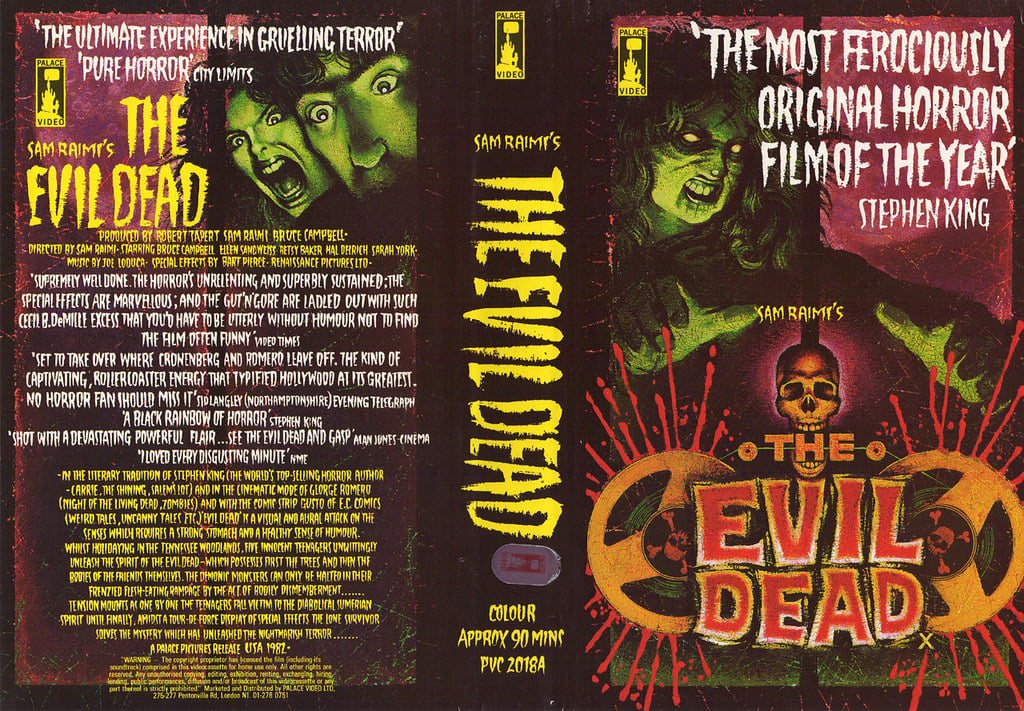
Few VHS covers have ever felt as aggressive as this one.
A terrified woman screaming skyward, clawed hands bursting from the earth below — it didn’t suggest horror, it assaulted you with it. During the height of the video-store era, this cover alone was enough to get the tape banned, hidden behind counters, or whispered about in school corridors.
What made it unforgettable wasn’t just the shock value. It was the promise that this film had crossed a line.
Even people who never watched it still remember the artwork, which became a cultural artefact of the “video nasty” panic.
A Nightmare on Elm Street
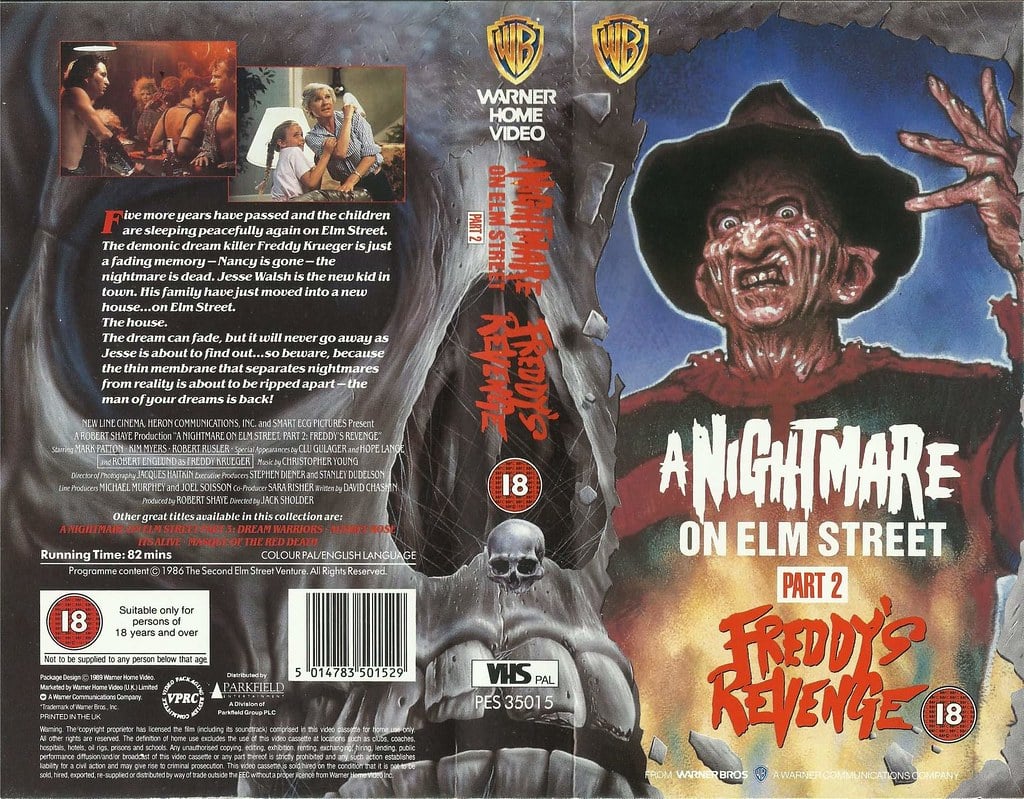
Freddy Krueger’s glove hovering in mid-slash is one of the most instantly recognisable images of the VHS era.
The brilliance of this cover was its restraint. No blood.
No chaos. Just the implication of violence — and the certainty that it was coming.
The artwork tapped directly into childhood fear, turning sleep itself into something unsafe.
For many kids, this was the cover they’d stare at for a little too long before quickly looking away — and then pretending they weren’t scared.
The Texas Chain Saw Massacre
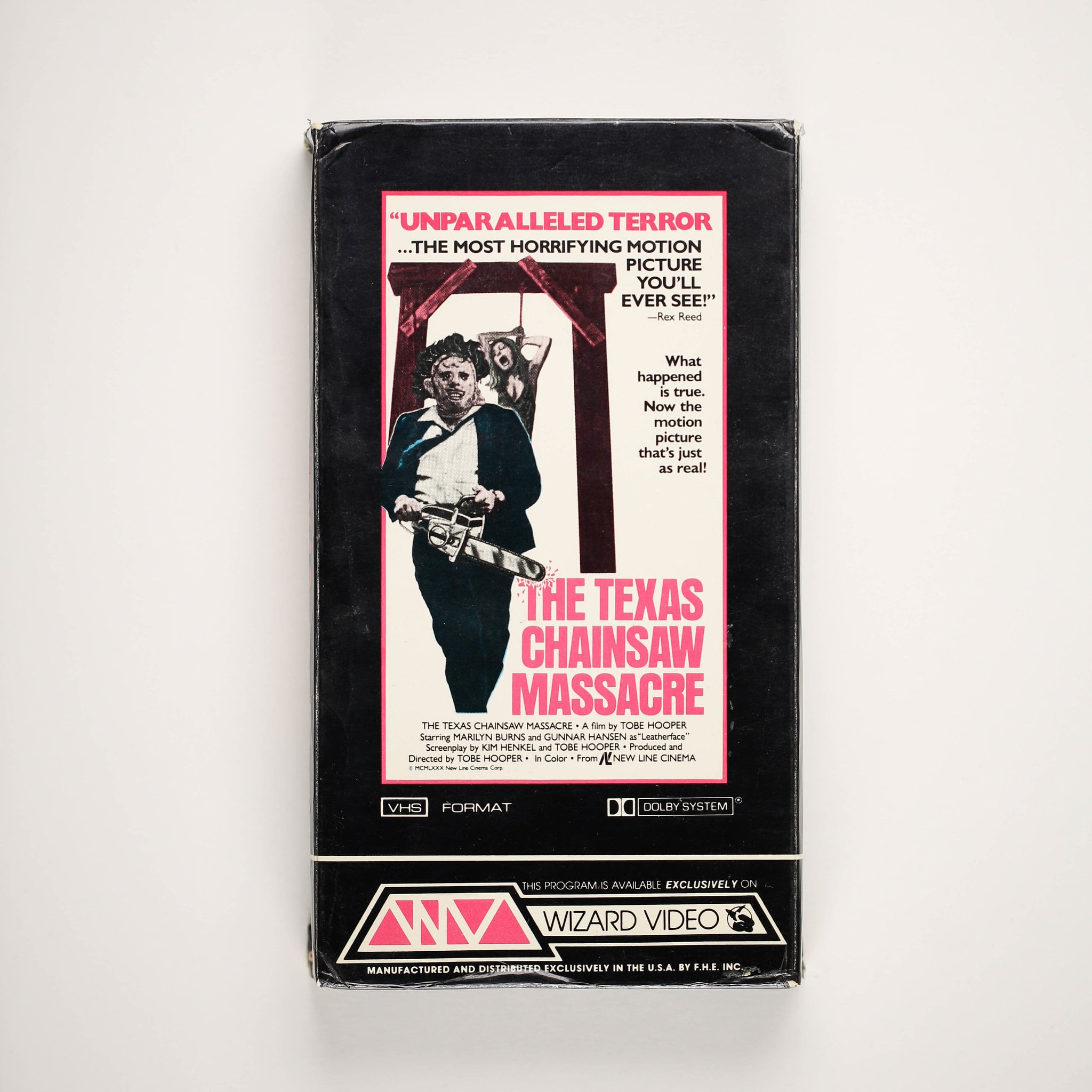
Unlike flashy studio releases, this cover often looked cheap, grainy, and unsettlingly real.
That was its power.
It felt less like movie art and more like documentation — as if the tape contained something that actually happened. The rawness made it deeply uncomfortable, especially when placed alongside colourful comedies and kids’ films on the same shelf.
Even now, that stripped-back brutality is hard to shake.
Child’s Play
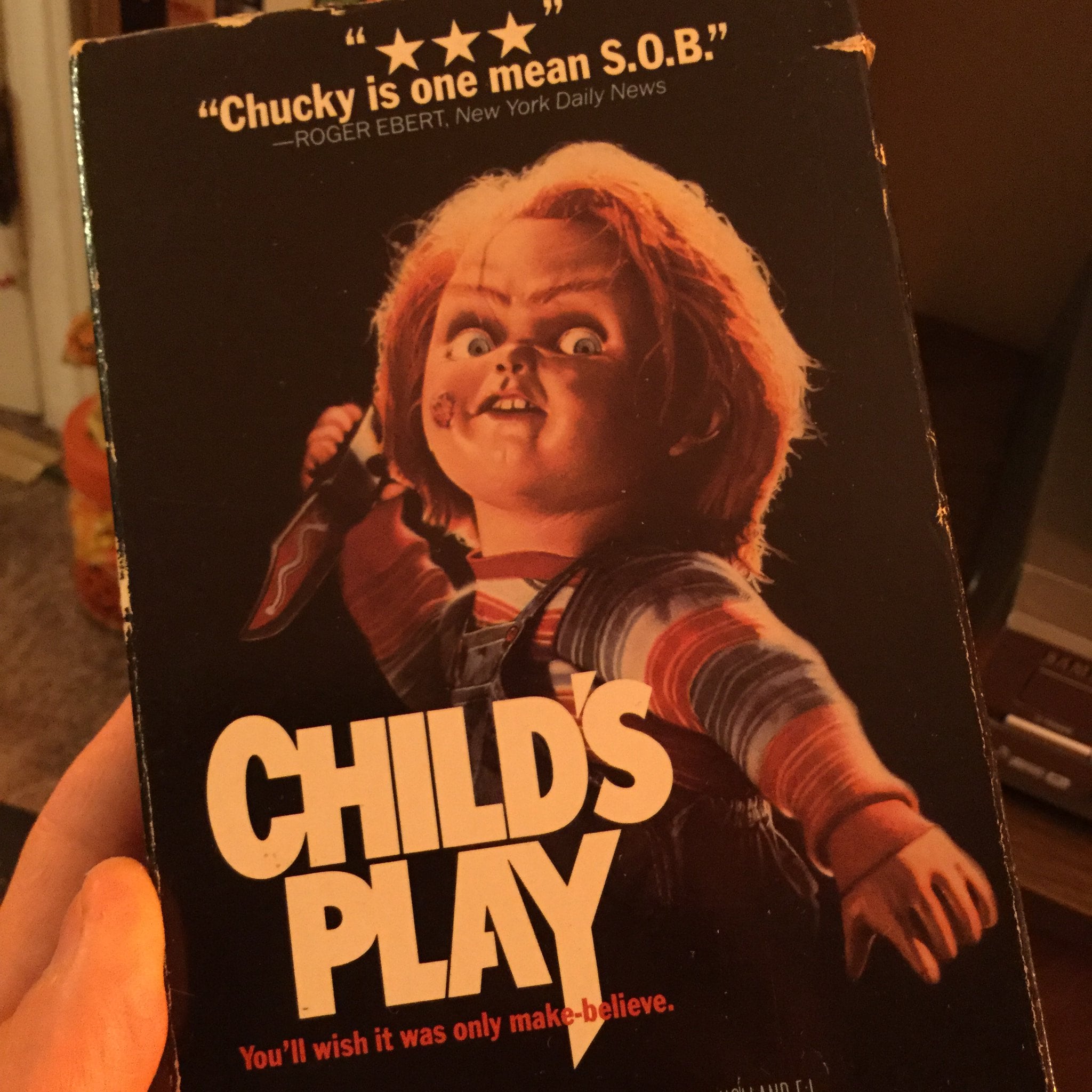
This cover understood contrast better than almost any other.
A doll — something meant to be safe, familiar, comforting — paired with a knife and a darkened window. The image played directly on parental instincts and childhood trust, twisting both in a single glance.
It wasn’t gory or extreme, but it was deeply wrong. That quiet wrongness is why the artwork still unsettles people decades later.
Jaws
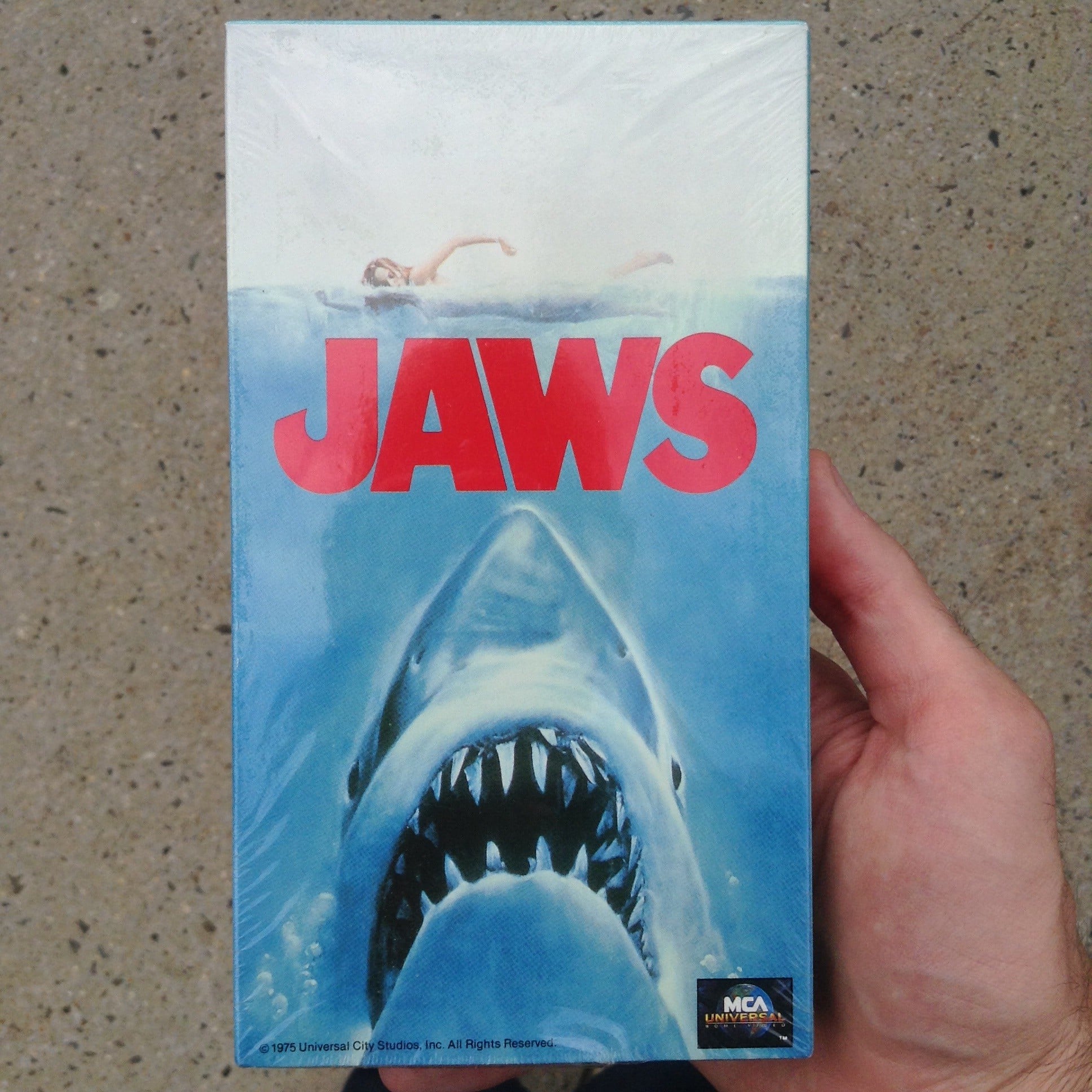
Few images have ever done more with less.
A lone swimmer. A massive shadow rising from below.
No chaos. No movement.
Just inevitability.
The VHS cover captured the entire film in one moment, making it instantly readable even to someone who had never heard of it. It’s a rare example of cover art becoming more famous than the format it was printed on.
Alien
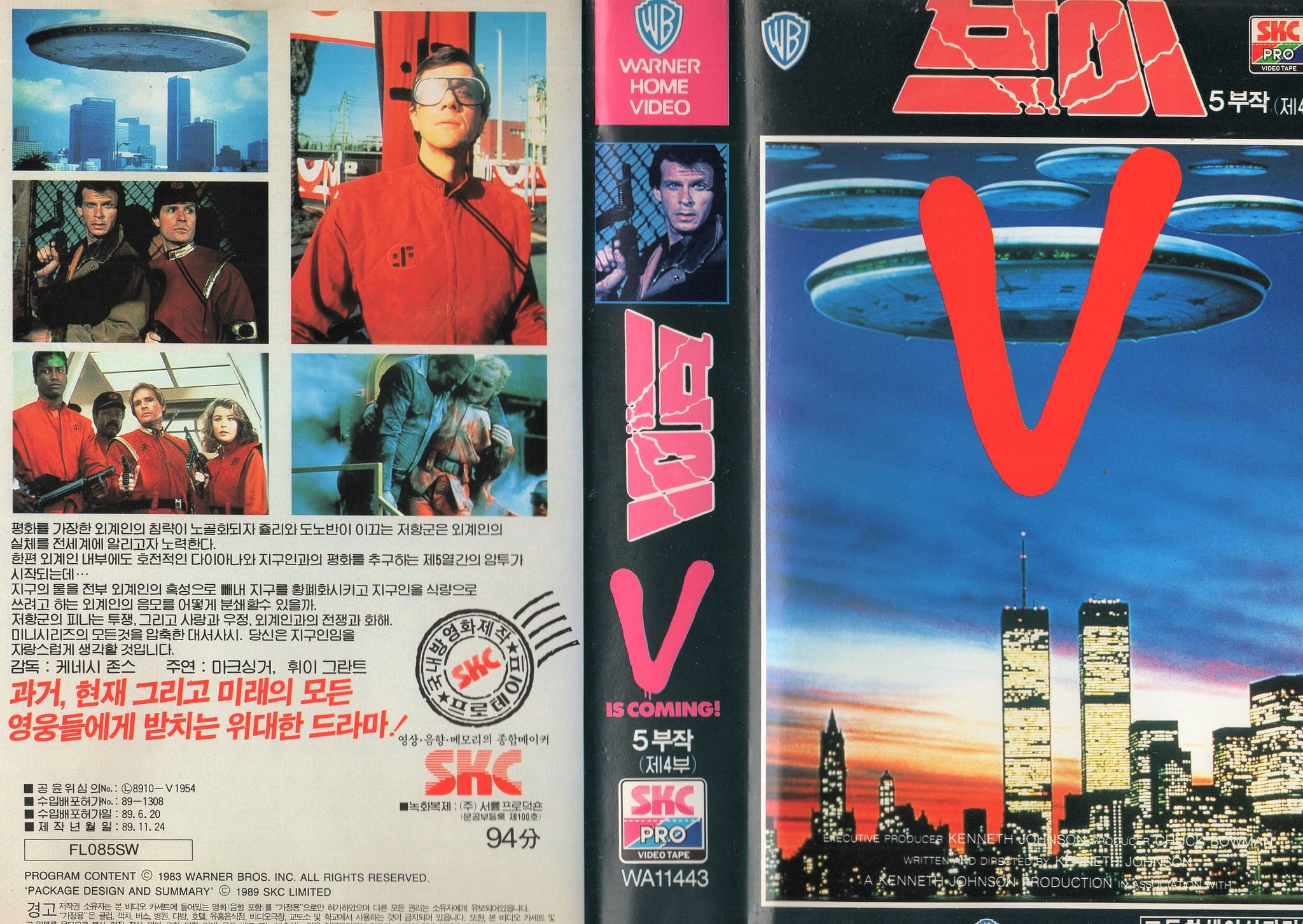
This cover didn’t explain itself — and that was the point.
A cracked egg glowing faintly green, floating in darkness. Nothing else.
No characters. No monsters.
Just dread.
The minimalism stood out sharply among loud, illustrated VHS boxes. It invited your imagination to fill in the blanks — and your imagination usually came up with something worse than reality.
The Goonies
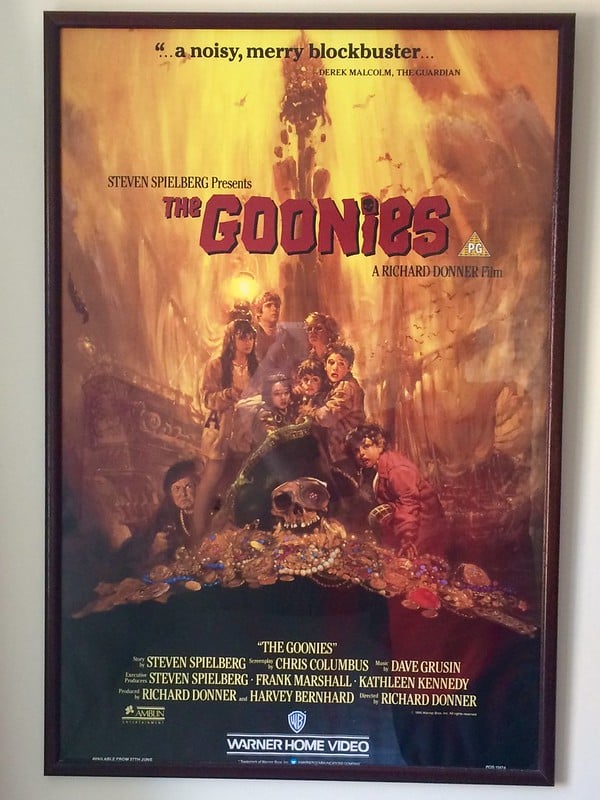
Not all unforgettable VHS covers were about fear.
This one promised adventure. Friendship.
Danger that felt exciting rather than terrifying.
The artwork made it clear this was a movie about kids doing something extraordinary — and it made every viewer want in.
For many, this was the tape that got rented over and over again, cover worn soft from being handled so often.
Teenage Mutant Ninja Turtles
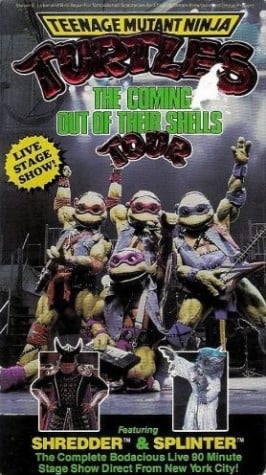
This cover didn’t whisper nostalgia — it shouted pop culture.
Bold colours, oversized characters, and unmistakable branding made it impossible to miss. It captured a moment when a cartoon became a global obsession, and the VHS art reflected that confidence.
Kids didn’t browse for this tape. They locked onto it.
Beetlejuice
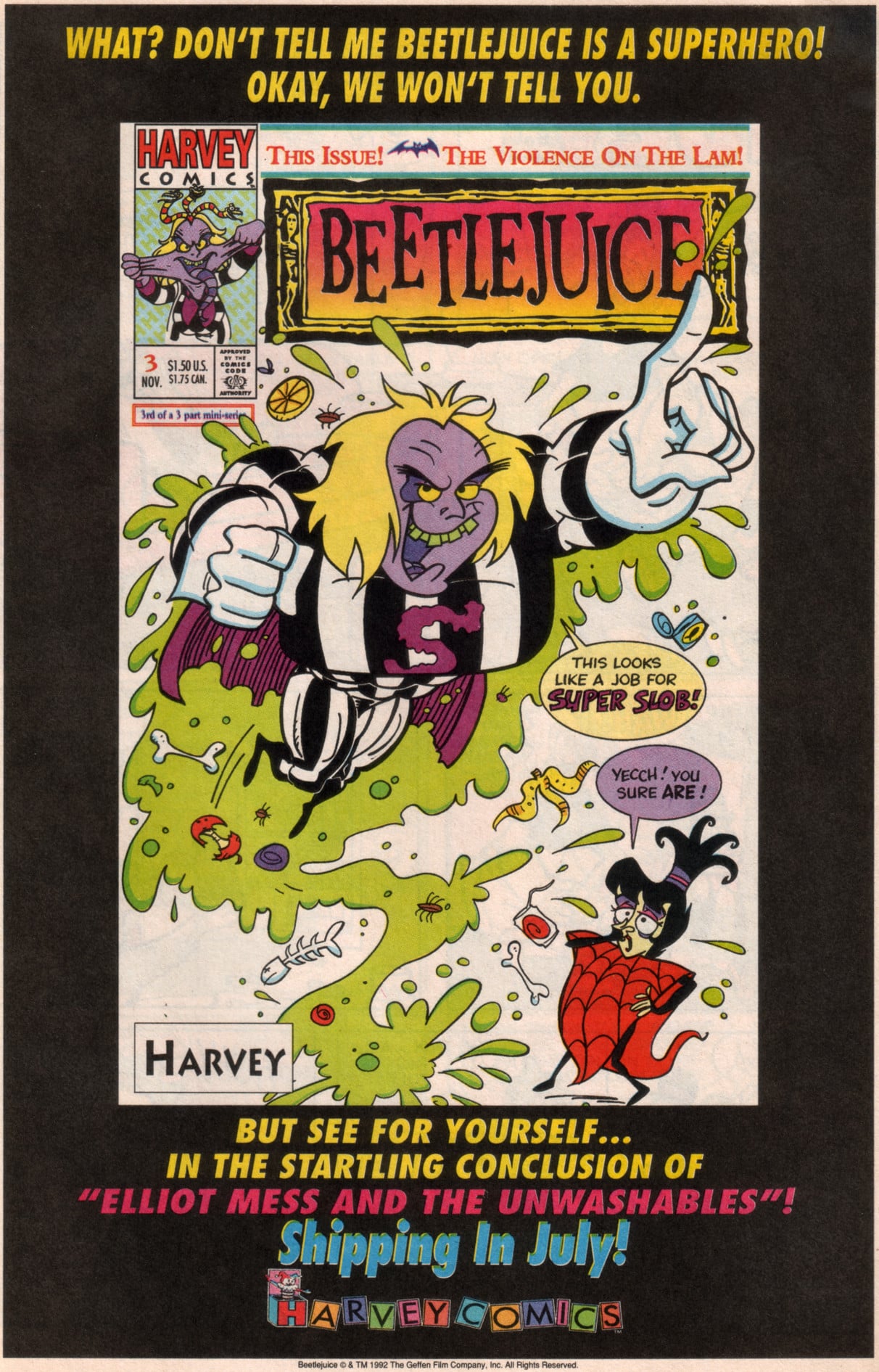
Chaotic, strange, and slightly uncomfortable — just like the film.
The cover didn’t try to make sense. It leaned into oddity, signalling that this wasn’t a normal movie and shouldn’t be approached like one.
For many, it was their first exposure to something genuinely weird in mainstream cinema.
That first impression never faded.
The Little Mermaid
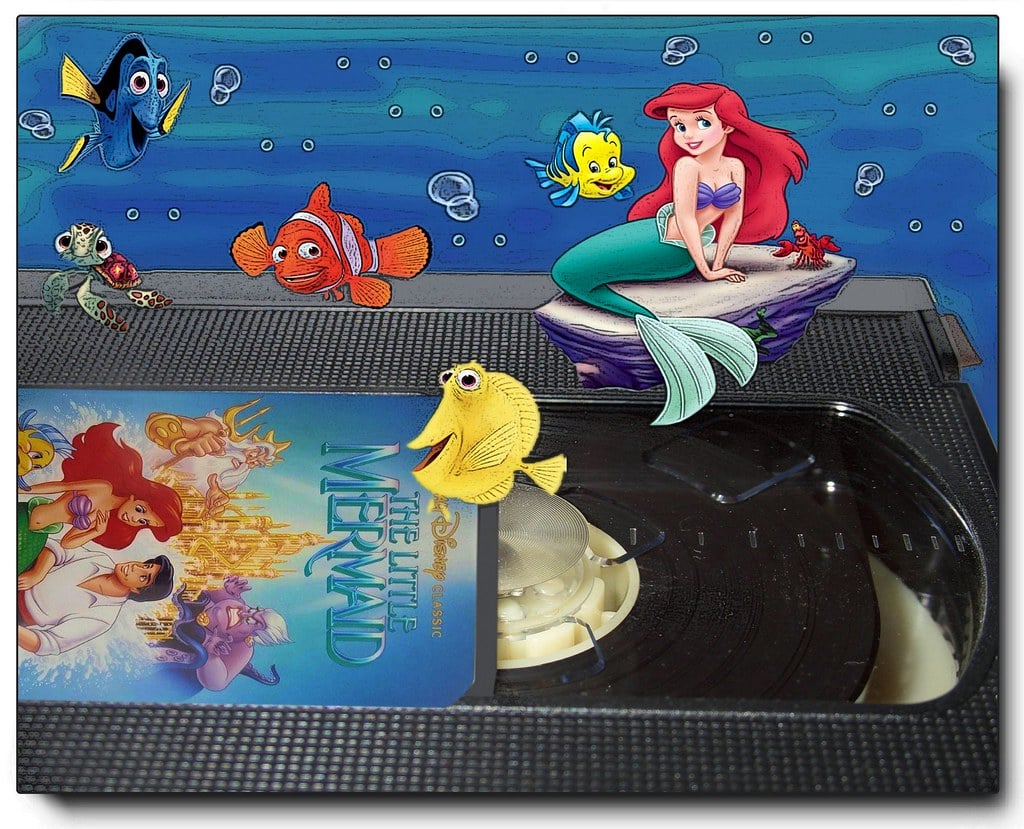
Bright colors jumped out first, like something from an old fairy tale. The feel pulled you in without trying too hard.
Magic hung in the air, quiet but clear.
Still, it’s those first copies people talk about – the kind that just vanished. Right or wrong, that small change made a regular kids’ tape one of the biggest mysteries on video shelves ever.
One tiny decision, years ago, still shapes things today. How something so brief leaves such a long mark surprises most people.
Why VHS Cover Art Hit Harder
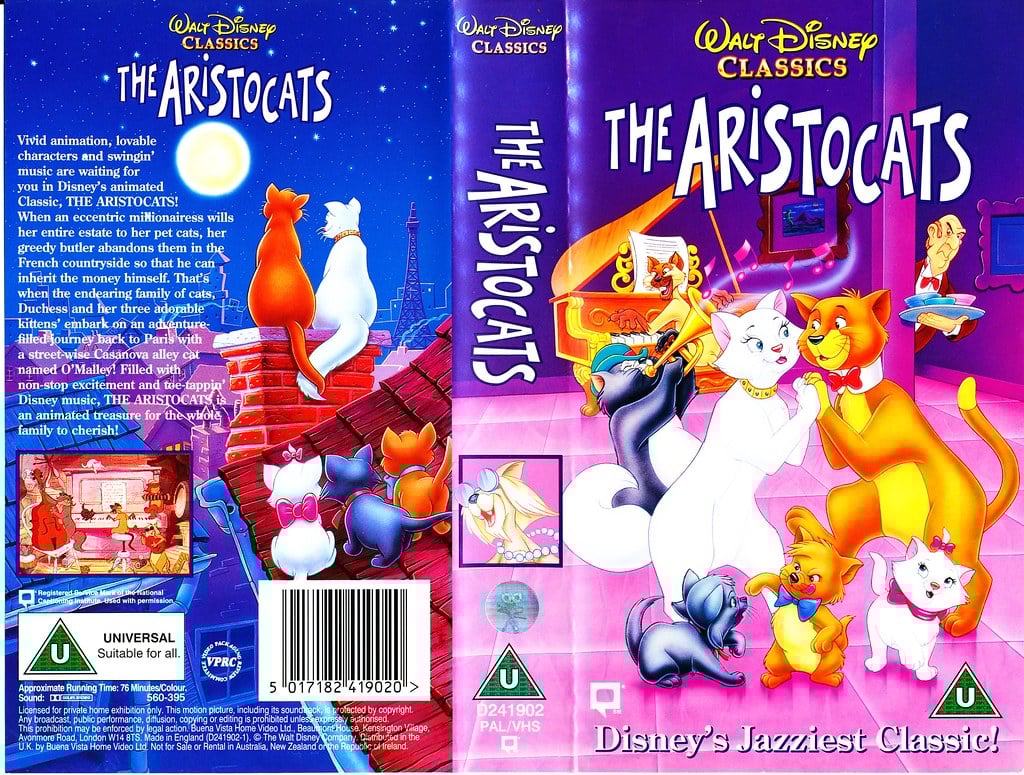
On top of grabbing attention, VHS sleeves needed to tell the story fast. They didn’t get a second chance once passed by.
A silence hung around it – no voices praising, no clips repeating, no algorithms pushing one pick over another. A container sat there instead, marked by an image, while thoughts ran far beyond what was inside.
Because of that limit, choices had to be daring. Overdone, even.
Pushed to the edge. Which is exactly how those covers stayed stuck in minds way past when the recordings faded away.
More from Go2Tutors!

- The Romanov Crown Jewels and Their Tragic Fate
- 13 Historical Mysteries That Science Still Can’t Solve
- Famous Hoaxes That Fooled the World for Years
- 15 Child Stars with Tragic Adult Lives
- 16 Famous Jewelry Pieces in History
Like Go2Tutors’s content? Follow us on MSN.