16 Toys From The ’90s That Went From Dollar Bins To Collector Shelves
The ’90s were a golden age of plastic fantastic, where Saturday morning cartoons turned into action figures, and every kid’s bedroom was a museum of pop culture. Those toys that once cluttered dollar bins and garage sales now command serious money on collector markets.
What seemed like throwaway playthings have transformed into nostalgic treasures that grown adults hunt down with the determination of archaeologists. The toy aisle of yesterday has become today’s investment portfolio.
Original Teenage Mutant Ninja Turtles Action Figures
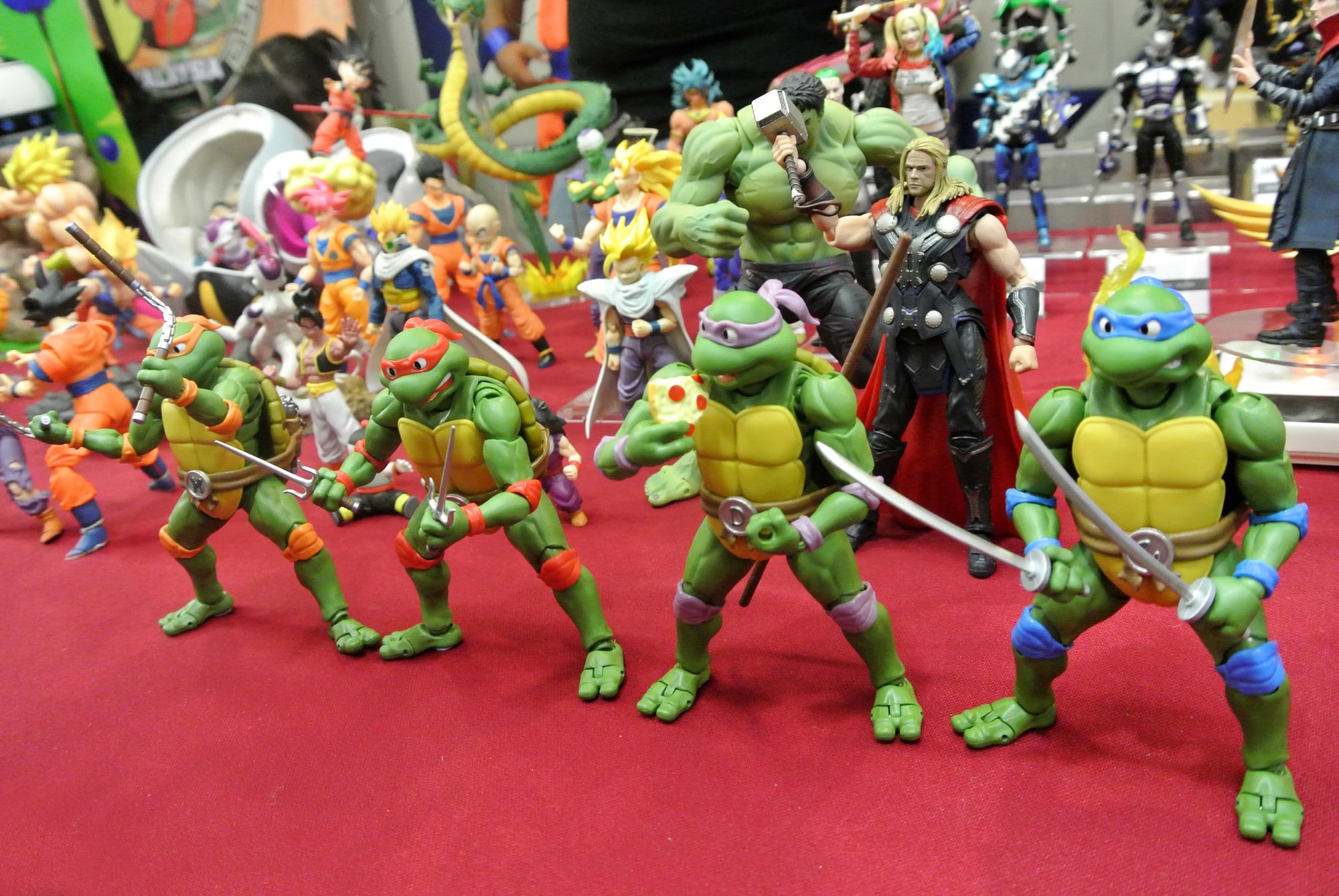
Cowabunga turned into cold cash faster than anyone expected. The original 1988 Playmates TMNT figures that parents stepped on in dark hallways are now worth hundreds.
Mint-on-card Leonardo can fetch $300, while rare variants like Scratch the Cat reach four figures.
Transformers Generation 1
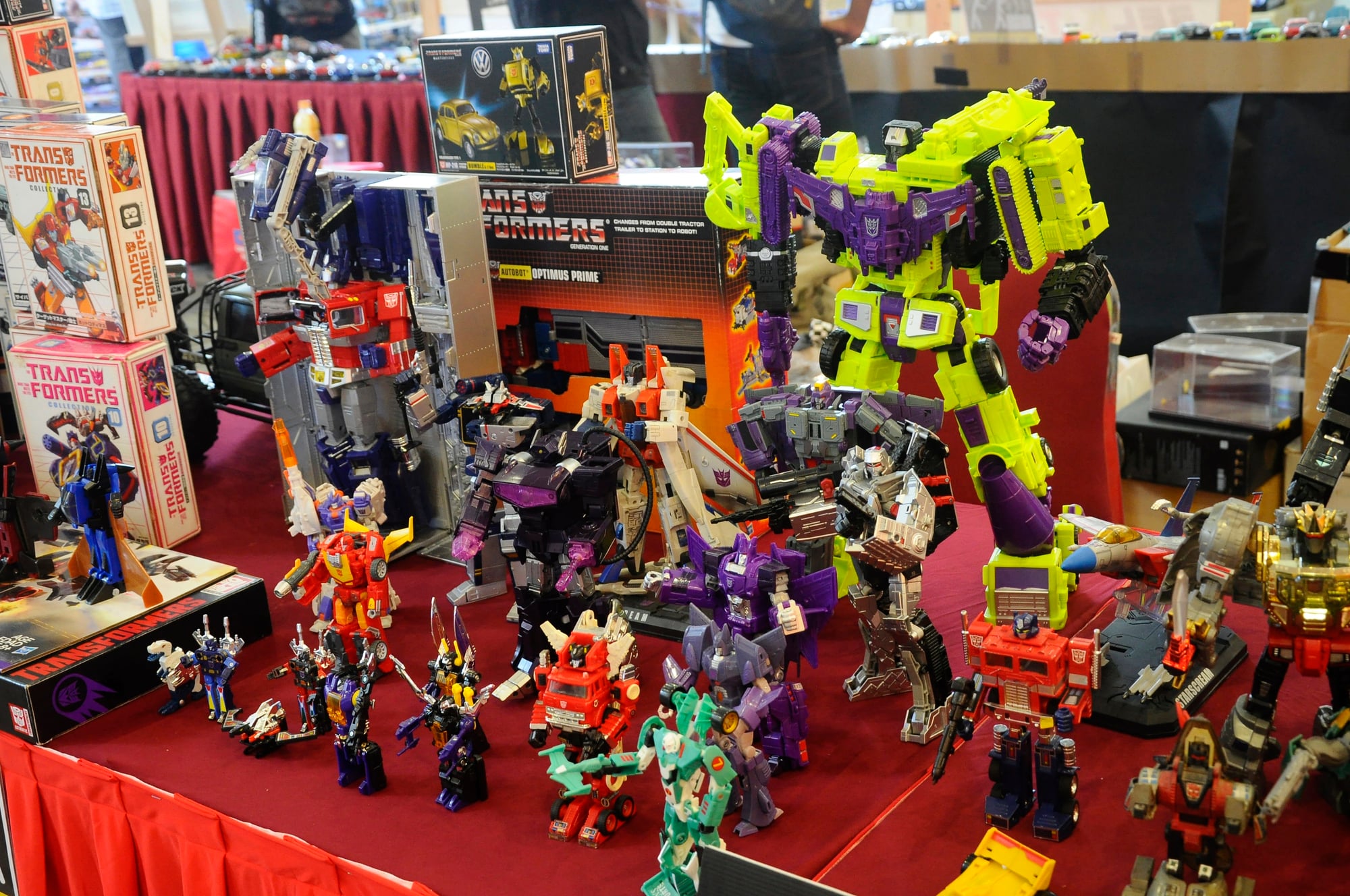
More than meets the eye, especially at auction. Original G1 Transformers from 1984-1990 have skyrocketed in value.
A mint Optimus Prime sells for $400-800, while rare figures like Jetfire can command $2,000. The robots in disguise weren’t disguising their future worth.
Super Soaker Water Guns

There’s something almost poetic about how the Super Soaker 50 became a collector’s grail—this piece of summer engineering that once sold for $9.99 at Kmart now commands $100-200 in original packaging, and the larger models (the intimidating Super Soaker 200, the shoulder-mounted 300) can reach $400-500 if they’ve somehow survived three decades without being fired once in anger at a sibling.
And yet these weren’t museum pieces when they arrived; they were instruments of backyard warfare, designed to get soaked, dropped, and forgotten in garages until parents rediscovered them years later, wondering if that strange yellow plastic contraption was worth keeping. Turns out it was.
Nintendo Game Boy And Cartridges
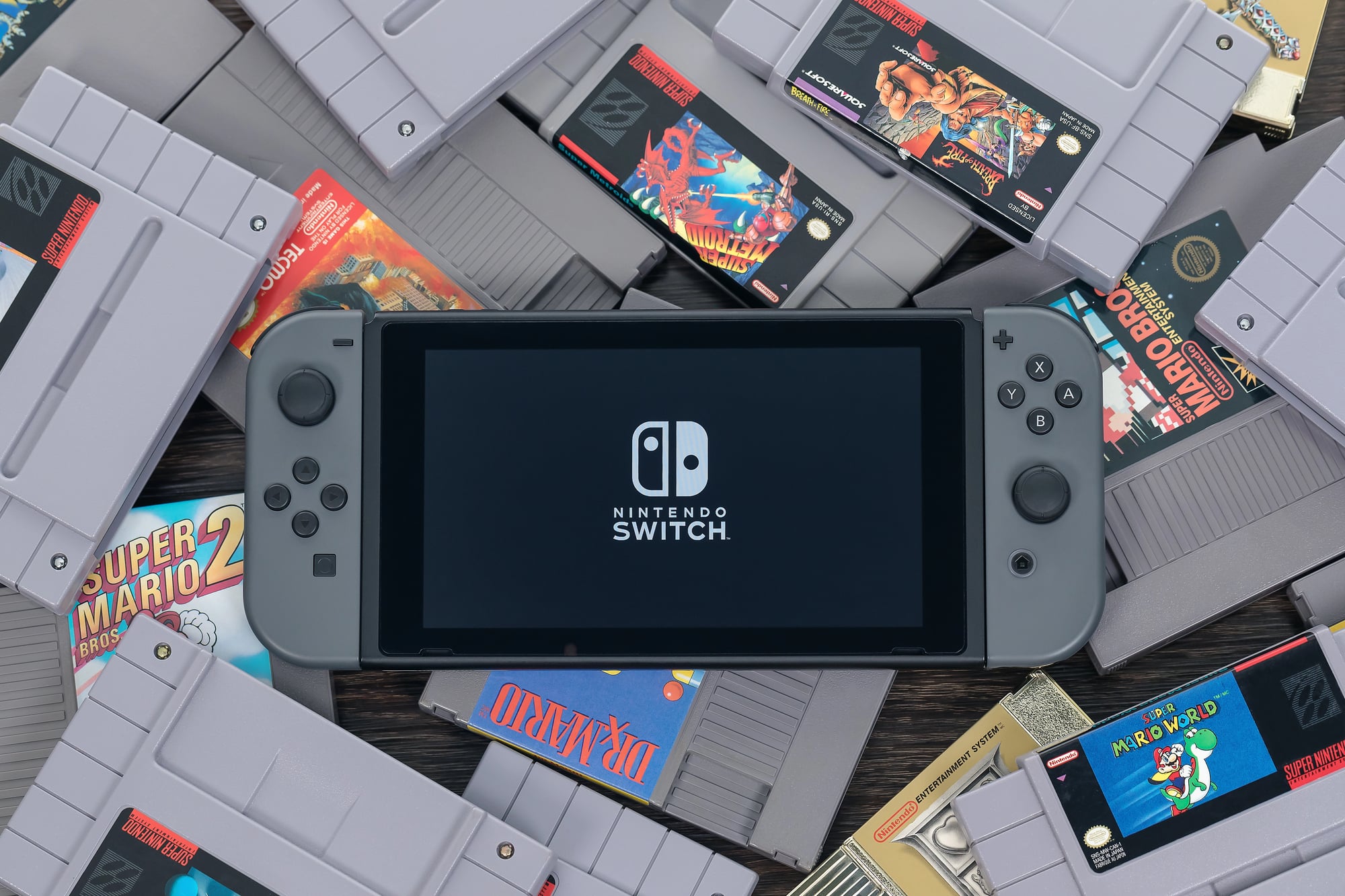
Game Boy wasn’t just a gaming system—it was a cultural phenomenon that redefined portable entertainment. The original green-screen brick that survived countless drops now sells for $80-150, but the real money lies in the cartridges.
Popular games like Pokémon Red and Blue fetch $100-300 each, while rare titles can hit four figures.
McDonald’s Happy Meal Toys
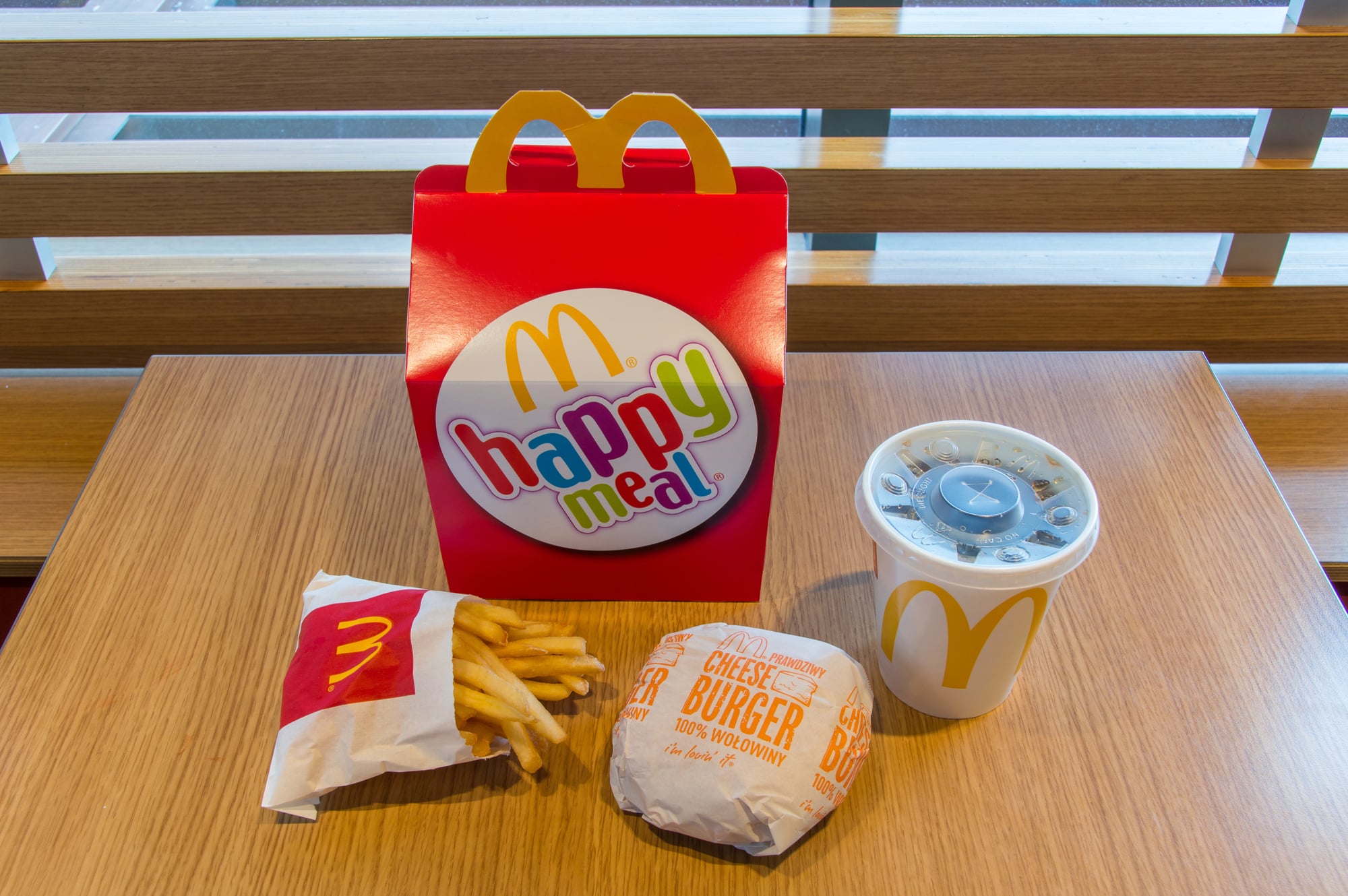
Those plastic trinkets parents threw away are now serious business. The 1993 Jurassic Park collection sells for $200-400 complete, while Disney tie-ins from the late ’90s command similar prices.
Some individual pieces, like the 1998 Teenie Beanie Babies, reach $50 each.
Mighty Morphin Power Rangers Figures
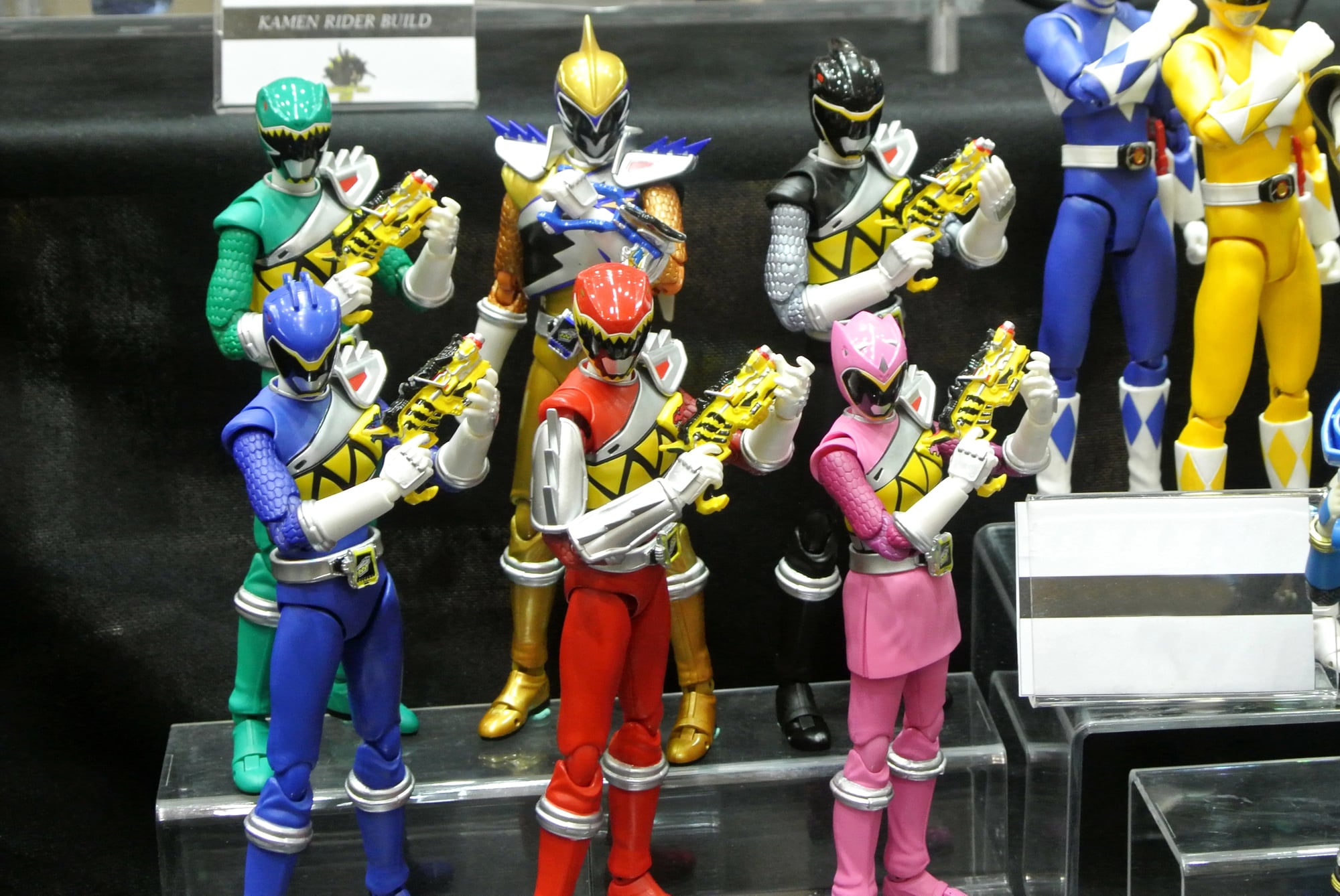
The original 1993 Bandai figures captured lightning in plastic bottles—these weren’t just toys, they were totems of after-school ritual, the physical manifestation of that moment when ordinary teenagers called upon ancient powers and transformed into something larger than themselves (which, coincidentally, is exactly what happened to their market value over the next thirty years).
A complete set of the original five Rangers, still sealed, can auction for $800-1,200, while individual figures in mint condition hover around $100-200 each. Even the Megazord, that towering combination of all five Dinozords, commands $300-500 if it’s never been removed from its cardboard prison.
But here’s what collectors understand that parents didn’t: these figures weren’t meant to stay pristine.
Beanie Babies
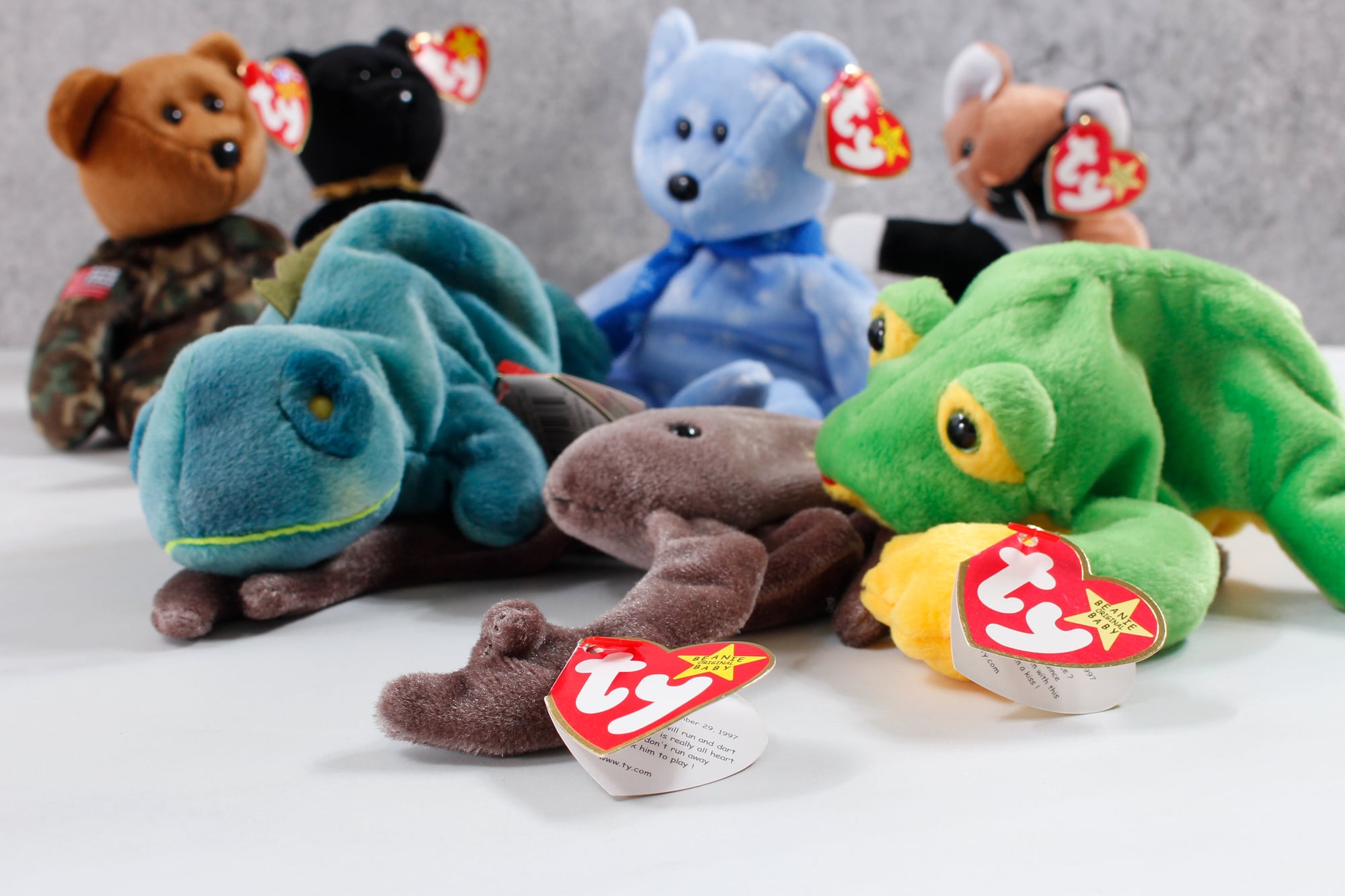
Princess Bear wasn’t joking around about her investment potential. First-edition Ty Beanie Babies from the mid-’90s have reached astronomical prices, with rare ones like Peanut the Elephant selling for thousands.
Even common ones in perfect condition with tags fetch $20-100 each.
Polly Pocket Original Compacts
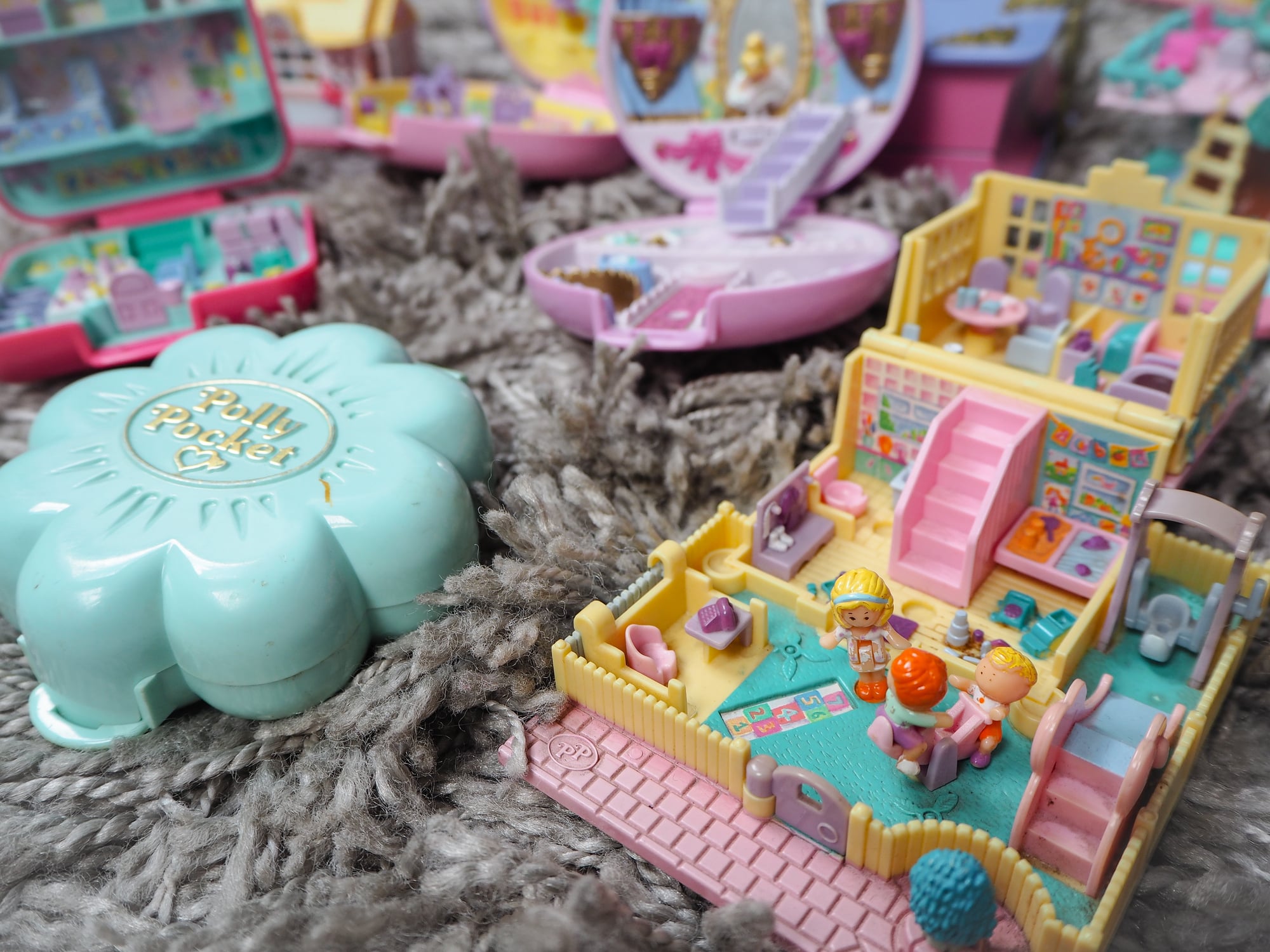
Mattel’s tiny worlds in pocket-sized cases have become massive investments. Original Bluebird Polly Pocket compacts from 1989-1998 sell for $50-300 each, depending on rarity.
Complete collections with all accessories can reach $2,000-5,000.
X-Men Action Figures By Toy Biz
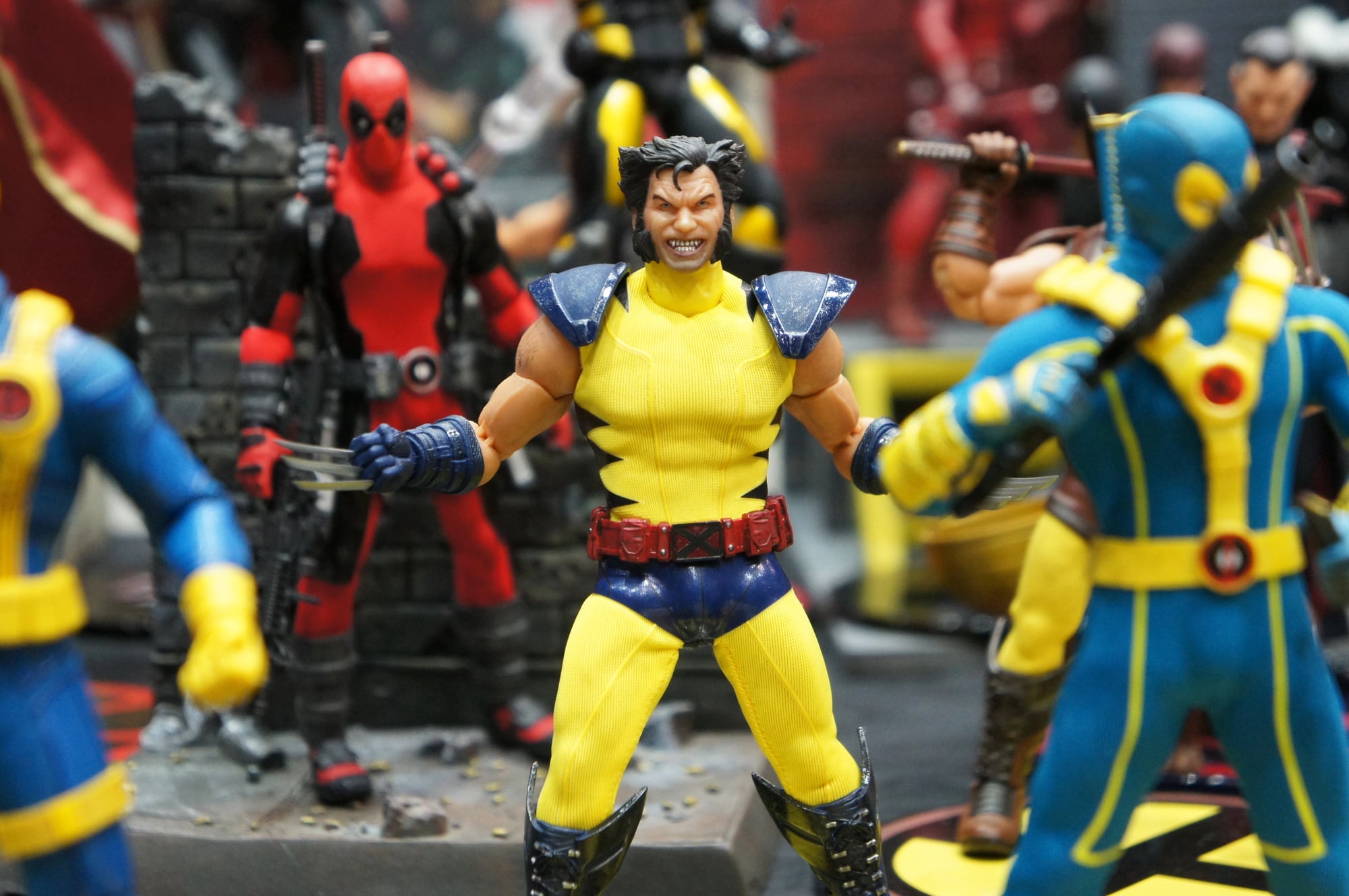
The mutant marketplace exploded just like the comics did—these figures rode the wave of the animated series and became more than toys; they became tiny sculptures of heroism that kids carried in backpockets and posed on windowsills, never realizing they were handling what would become $100-400 collectibles depending on the character and condition.
Wolverine, predictably, leads the pack at $200-300 mint-on-card, while rare variants like the metallic Colossus can hit $500-800. And the oversized figures (Apocalypse, Sentinel) that seemed so impressive in 1992 now seem almost quaint compared to their price tags, which can reach $300-600 for figures that originally retailed for $12.99.
But what’s fascinating is how these figures captured the essence of characters better than many modern attempts—there’s something about that ’90s aesthetic, that slightly exaggerated musculature and bold color choices, that screams authenticity in a way that computer-designed perfection never quite manages.
Skip-It By Tiger Electronics

The plastic ankle torture device turned into a plastic goldmine. Original Skip-Its from the early ’90s now sell for $40-80, while rare colored versions can reach $150.
The digital counter that once tracked jumps now counts dollars instead.
Trolls By Russ Berrie

Wild hair, wilder profits. Original Russ Troll dolls from the ’90s revival have found new life in collector markets.
Standard 3-inch trolls sell for $15-40 each, while rare variants with special outfits or themes can reach $100-300. Large trolls command even higher prices.
Street Sharks Action Figures
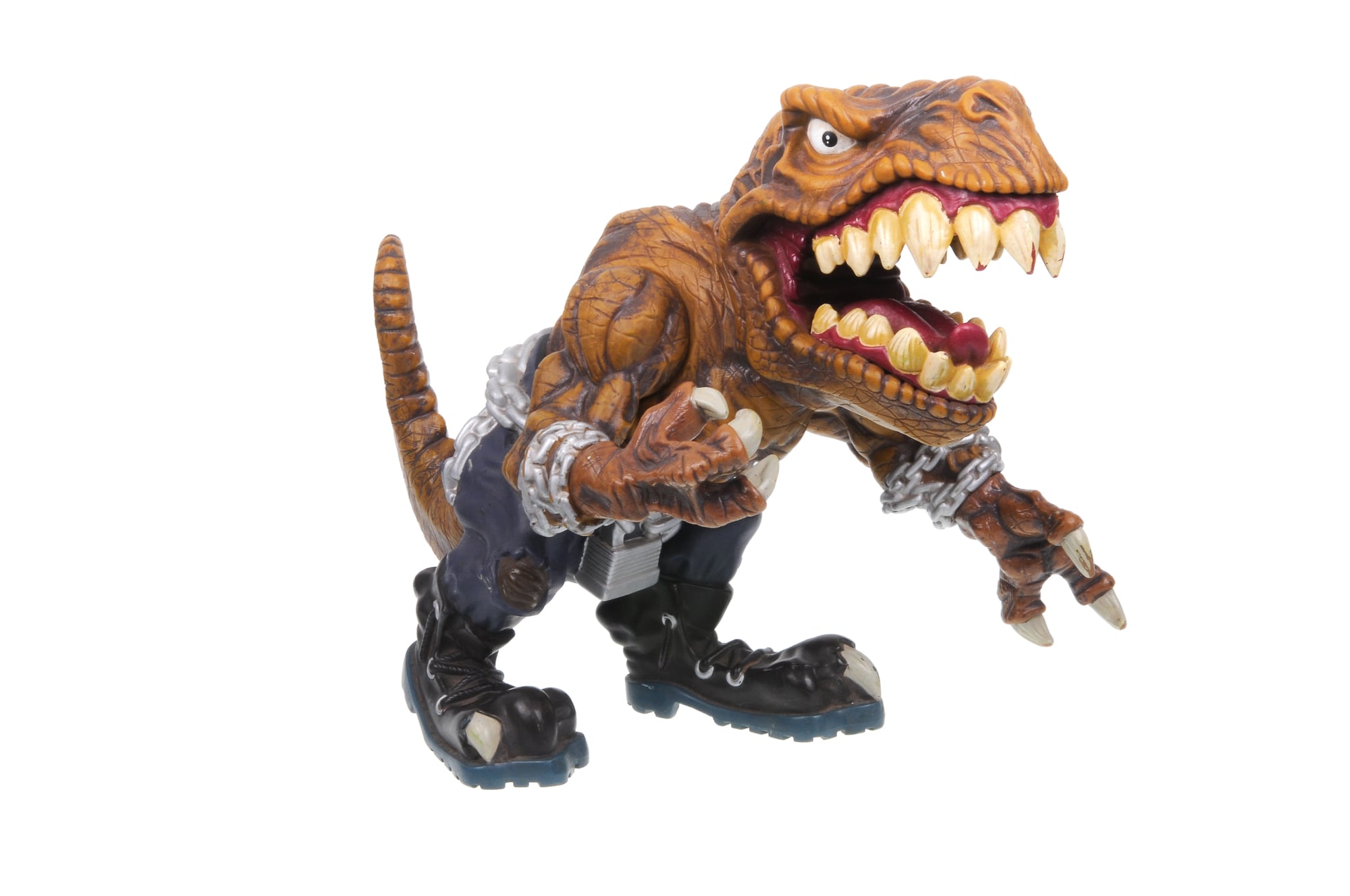
Jawsome toys became jaw-dropping investments, and honestly, anyone who didn’t see this coming wasn’t paying attention to the fundamental rule of ’90s collectibles: the weirder the premise, the higher the eventual resale value (which explains why a cartoon about half-man, half-shark vigilantes produced action figures that now sell for $50-200 each, depending on the character).
The four main sharks—Ripster, Jab, Streex, and Big Slammu—command the highest prices, especially when they’re still sealed in those wonderfully garish blister packs that promised “Fintastic Action!” in bold yellow letters.
And the vehicles, oh the vehicles: the Shark Cruiser and Street Bike routinely auction for $300-500, which is remarkable considering these were toys based on a show that lasted exactly 40 episodes and disappeared faster than a surfer in chum-filled waters. But that’s the beauty of nostalgia economics—scarcity breeds value, and nothing becomes scarce quite like the merchandise from a forgotten cartoon about genetic mutation gone wrong.
Giga Pets And Tamagotchi
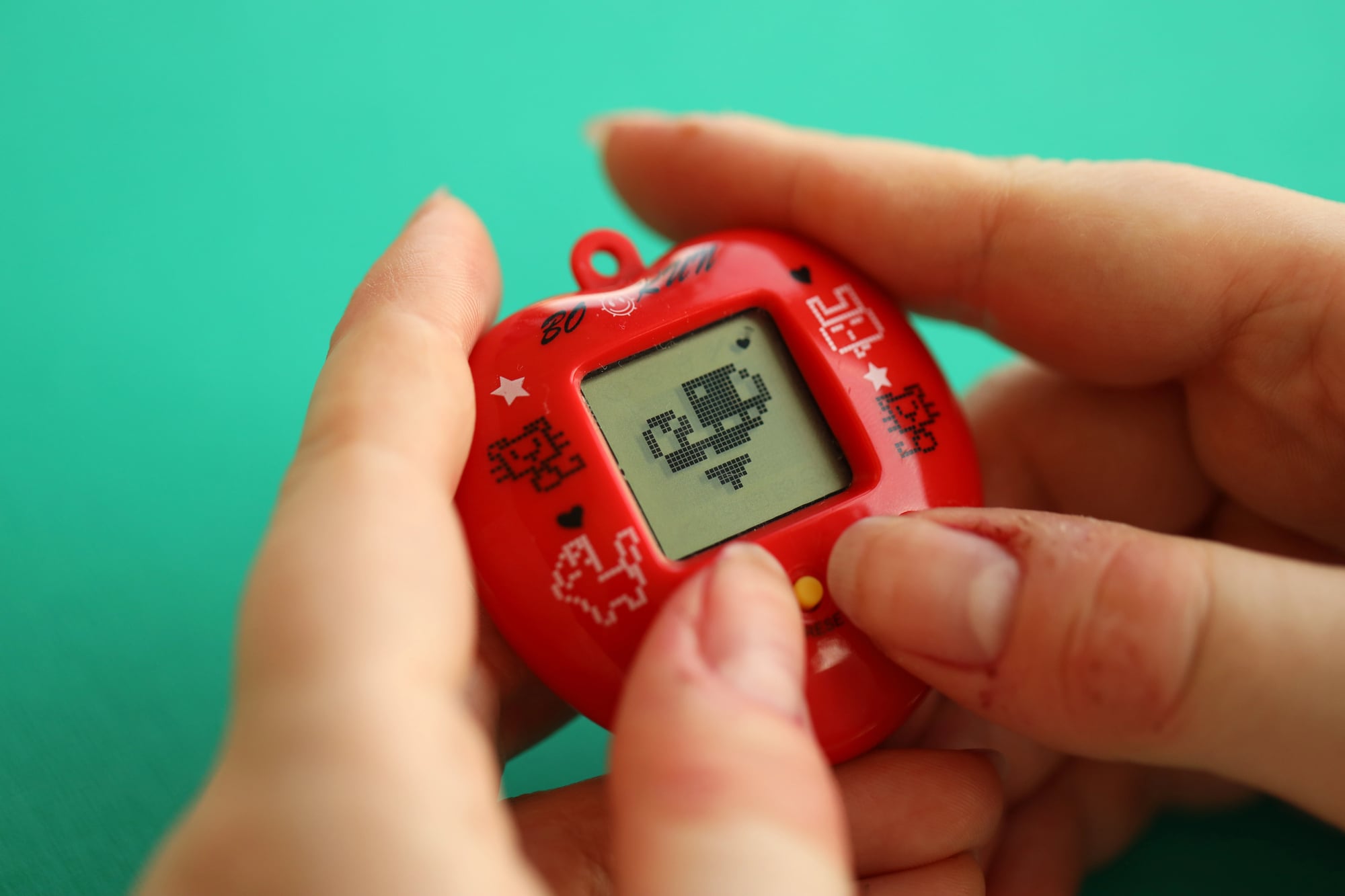
Digital responsibility became analog profit. Original Bandai Tamagotchis sell for $100-300, while rare shell designs can hit $500.
Giga Pets command similar prices, with some rare versions reaching $200-400. The pets that died from neglect now live forever in collector cases.
Power Rangers Megazord Sets
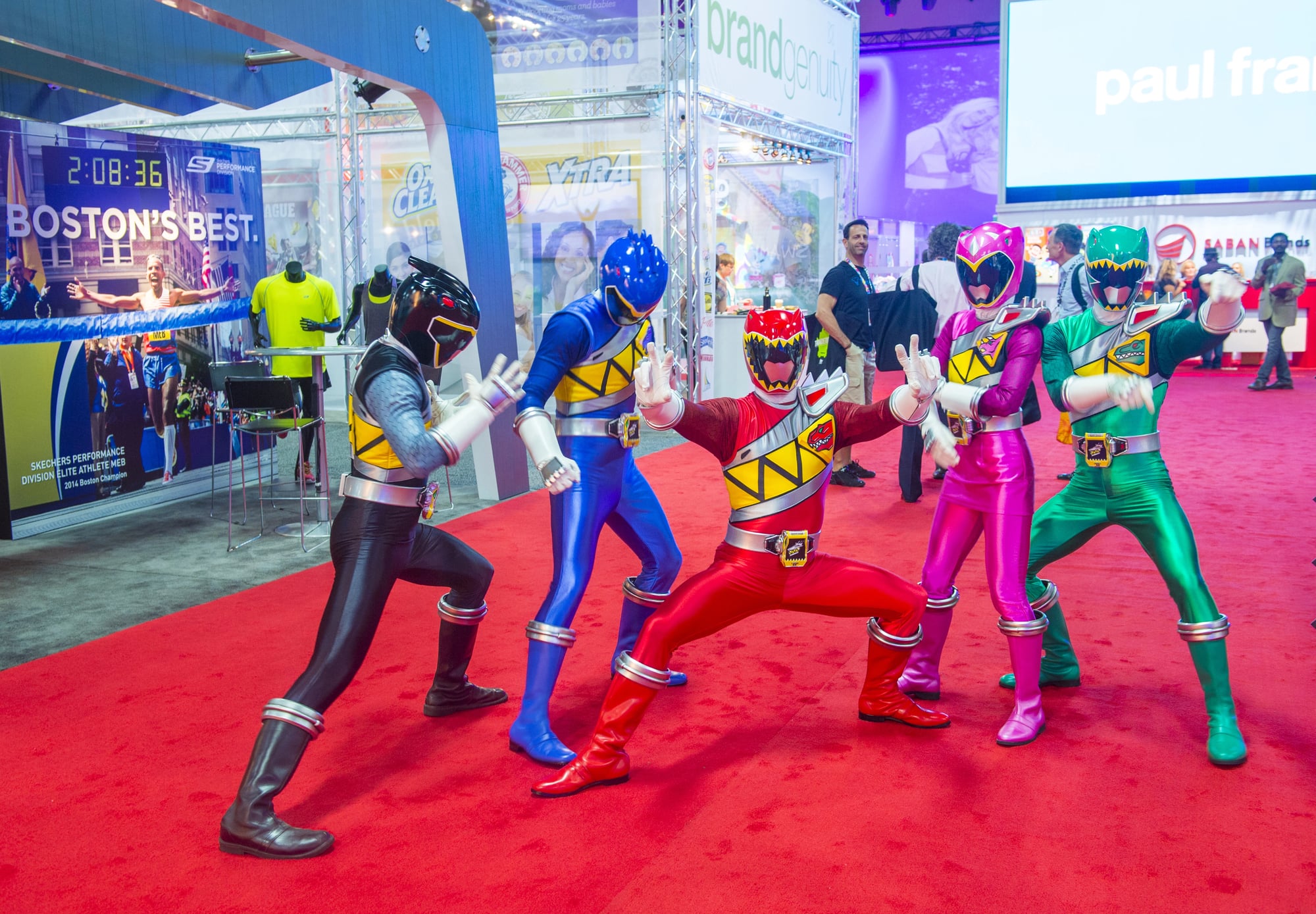
The combining robot that dominated Christmas wish lists now dominates auction sites. Original 1993 Megazords sell for $200-400 loose, while mint-in-box versions can reach $800-1,200.
Later series Megazords also command strong prices, typically $150-500 depending on rarity.
Captain Planet Action Figures
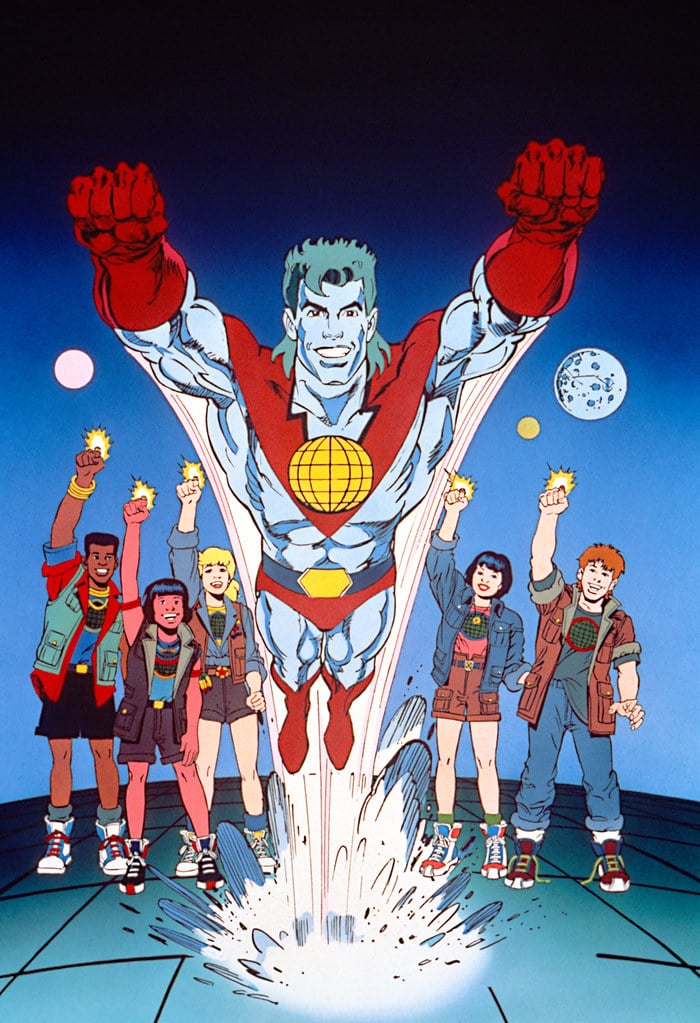
Environmental consciousness paid off financially too—these figures, produced by Kenner to capitalize on the eco-friendly animated series, have become surprisingly valuable collectibles that trade for $30-150 each, with Captain Planet himself commanding the highest prices around $100-200 in mint condition.
The Planeteers (Wheeler, Kwame, Linka, Gi, and Ma-Ti) typically sell for $40-80 each, while the eco-villains like Dr. Blight and Looten Plunder have found their own devoted collector base willing to pay $60-120 per figure.
What makes these particularly interesting is how they’ve maintained value despite being tied to a show that was, let’s be honest, more preachy than entertaining—but that earnest environmental message has aged better than anyone expected, and the figures themselves had surprisingly good articulation and detail work for their time.
The vehicles and playsets, especially the Geo-Cruiser, routinely sell for $200-400, proving that even the most well-intentioned cartoon merchandise can become serious investment pieces given enough time and nostalgia.
Pogs And Slammers
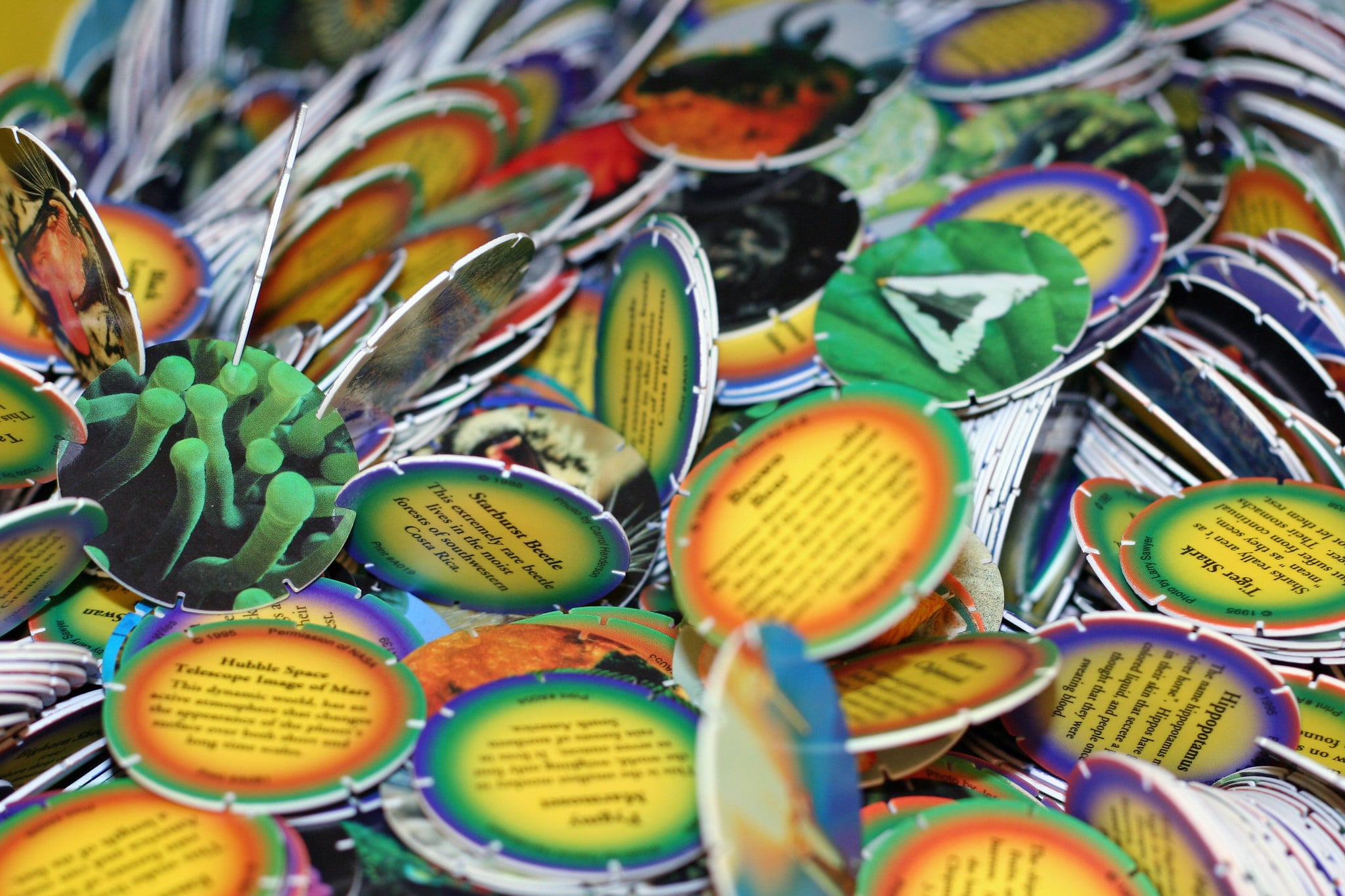
Cardboard circles became golden discs. Original Pogs from the early ’90s, especially promotional sets and rare designs, now sell for $20-200 per set.
Metal slammers command $10-50 each, while rare designs can reach triple digits. The playground currency became real currency.
Where Nostalgia Meets Economics
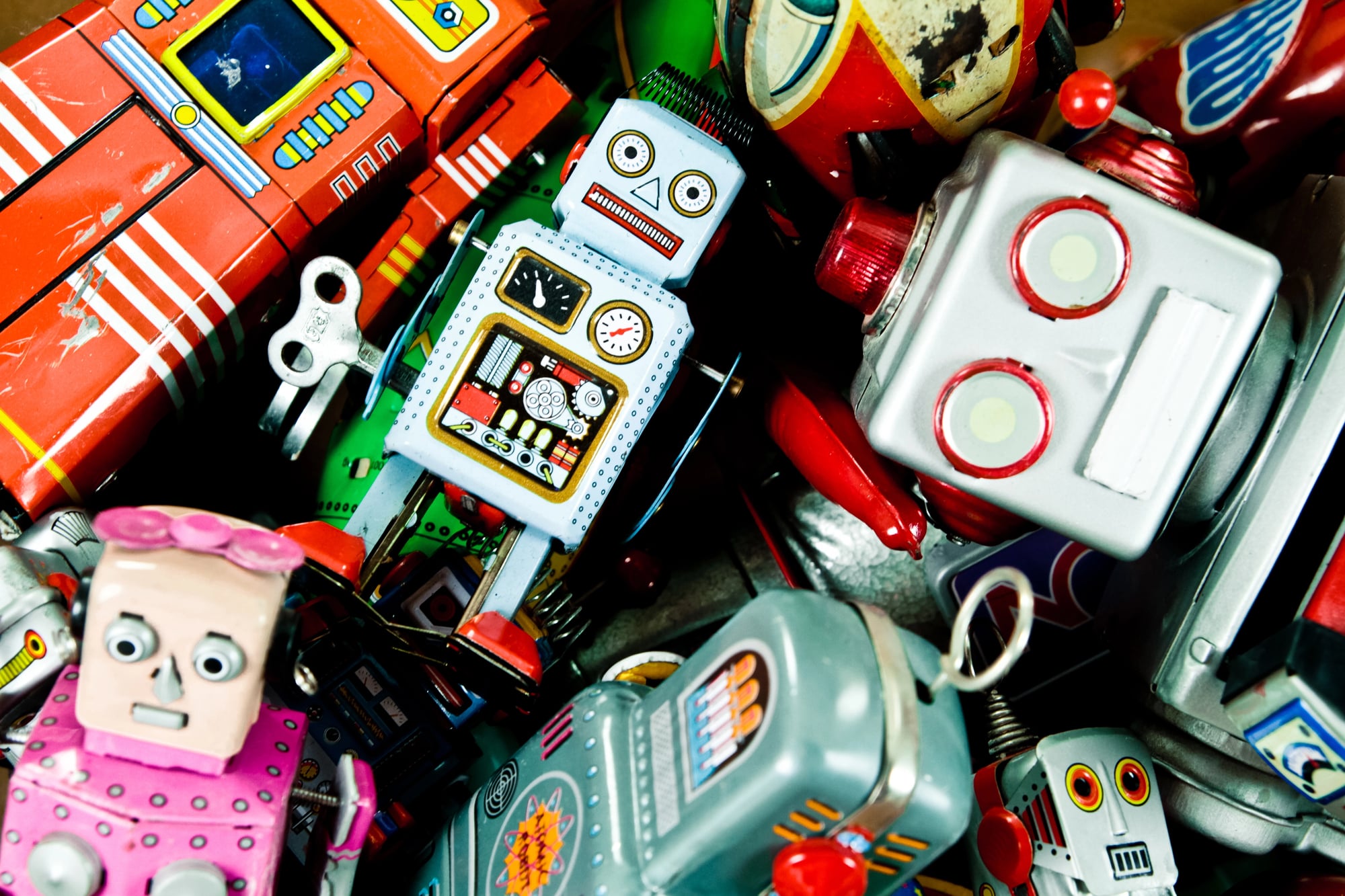
The transformation of these toys from forgotten relics to coveted collectibles reveals something deeper about how value gets assigned in our culture. These weren’t precious artifacts when they were made—they were mass-produced entertainment designed to capture a moment, sell quickly, and move on to the next trend.
But time has a way of editing our memories, keeping the joy while forgetting the broken parts and missing accessories. Now those same toys sit behind glass, tagged with prices that would have bought dozens of them back in their heyday, preserved not for play but for the promise that childhood can somehow be purchased back, one mint-condition figure at a time.
More from Go2Tutors!

- The Romanov Crown Jewels and Their Tragic Fate
- 13 Historical Mysteries That Science Still Can’t Solve
- Famous Hoaxes That Fooled the World for Years
- 15 Child Stars with Tragic Adult Lives
- 16 Famous Jewelry Pieces in History
Like Go2Tutors’s content? Follow us on MSN.