Photos Of Vintage Tupperware Items Worth Money
That familiar sound of a Tupperware lid sealing shut probably echoes through childhood memories for millions of people. What started as Earl Tupper’s revolutionary plastic storage solution in the 1940s has become one of the most recognizable household brands in history.
Those colorful bowls, innovative containers, and seemingly indestructible pieces that filled kitchen cabinets for decades are now commanding serious attention from collectors. The vintage Tupperware market has exploded in recent years, with certain pieces selling for hundreds or even thousands of dollars.
Collectors hunt for specific colors, rare shapes, and discontinued lines that represent the golden age of American home design. That avocado green mixing bowl gathering dust in your pantry might just be worth more than you think.
Bell Tumblers
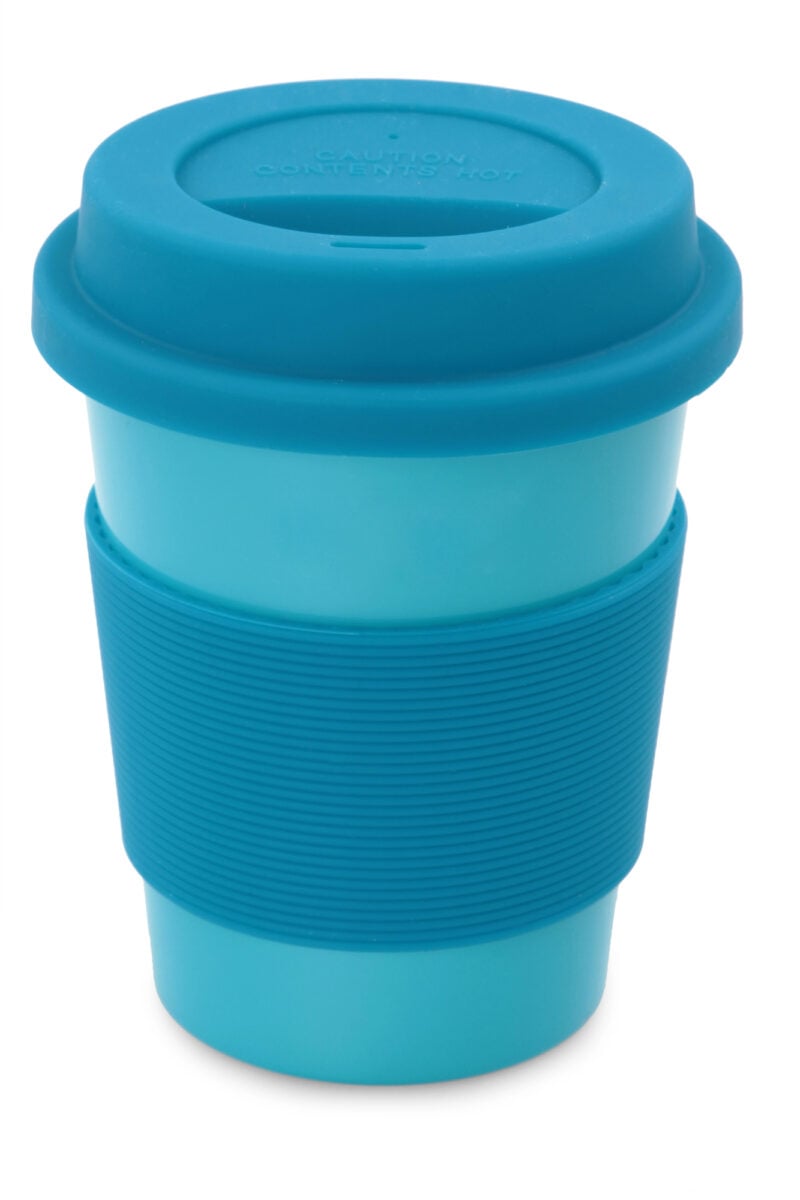
The Bell Tumblers deserve their reputation as Tupperware royalty. Made only from 1946 to 1958, these cups have that distinctive flared shape that looks exactly like an upside-down bell.
No complicated design philosophy here—they simply work. Finding a complete set in good condition can net anywhere from $200 to $800, depending on the colors.
The pastel versions command the highest prices, especially if you have the original lids that turned them into storage containers.
Wonderlier Bowls
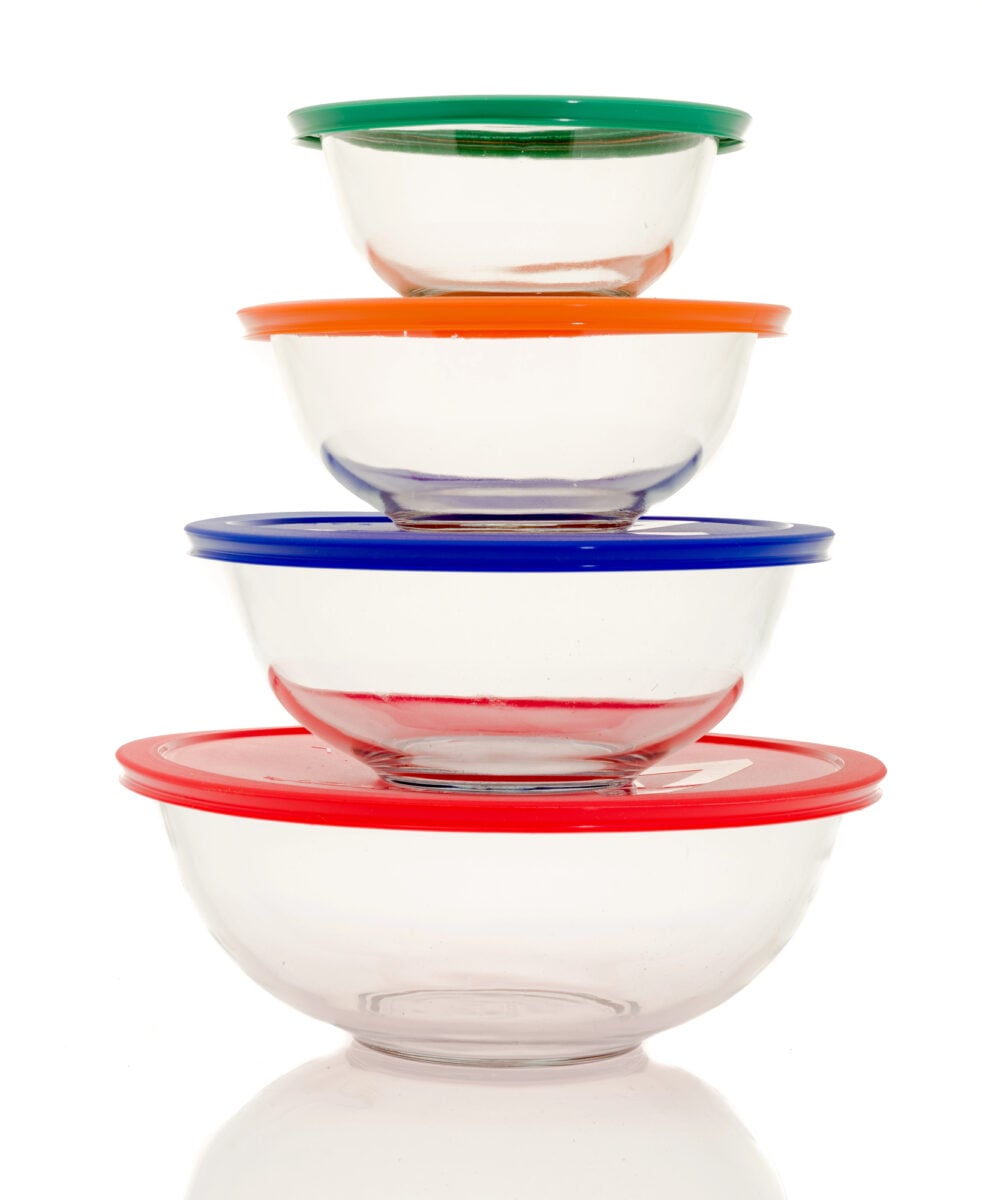
There’s something almost stubborn about the way vintage Wonderlier Bowls have held their value, refusing to fade into obscurity like so many other mid-century kitchen items—and maybe that’s because they were built with the same determination that characterized post-war American optimism, when everything felt possible and a better tomorrow was just one innovative product away (which sounds overly romantic until you realize that Tupperware really did change how people stored food). The nested set of mixing bowls, produced from 1946 to 1964, came in colors that now seem impossibly cheerful: flamingo pink, lime green, and that particular shade of yellow that makes you think of 1950s appliances and backyard barbecues.
But here’s the thing about condition—and this applies to most vintage Tupperware but especially to Wonderlier Bowls—the plastic tells the story of every meal it helped create. A complete set with minimal cloudiness, no cracks, and all original lids can bring $400 to $1,200 at auction, depending on the color combination.
The pink sets consistently outperform the others, though no one seems entirely sure why.
Jel-N-Serve Molds
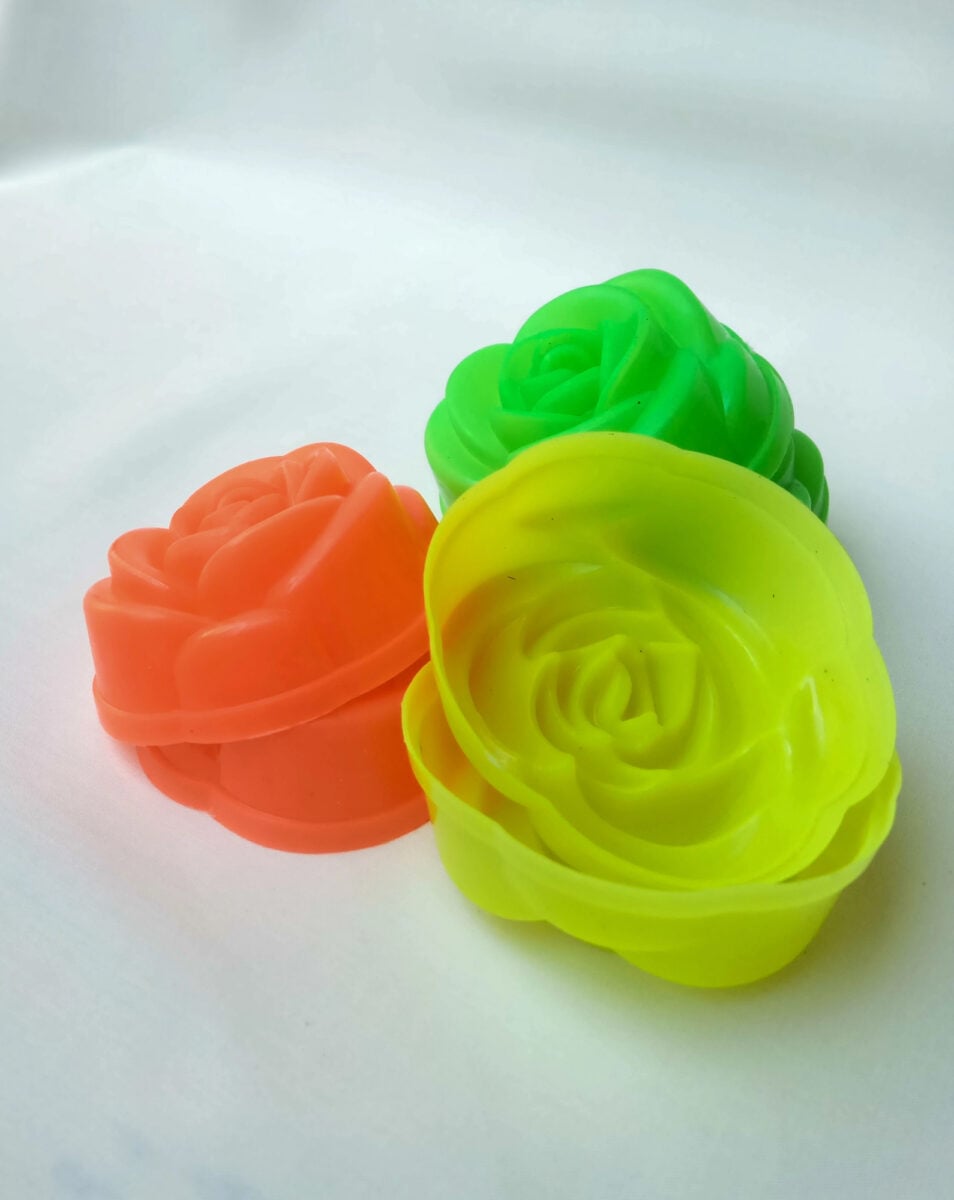
Vintage Jel-N-Serve molds carry the weight of a thousand dinner parties in their ridged walls and precise curves. These weren’t just containers—they were small sculptural tools that turned simple gelatin into architectural statements on the dining table.
Each mold promised to transform the ordinary into something memorable, which explains why finding one still in its original box feels like discovering a time capsule. The fish-shaped molds draw the most attention from collectors, though the ring molds and star patterns have their devoted followers.
Prices range from $75 for common shapes to over $500 for rare designs. The copper color remains the most sought-after, followed by the harvest gold that defined 1970s kitchens.
Mix-N-Stor Pitcher
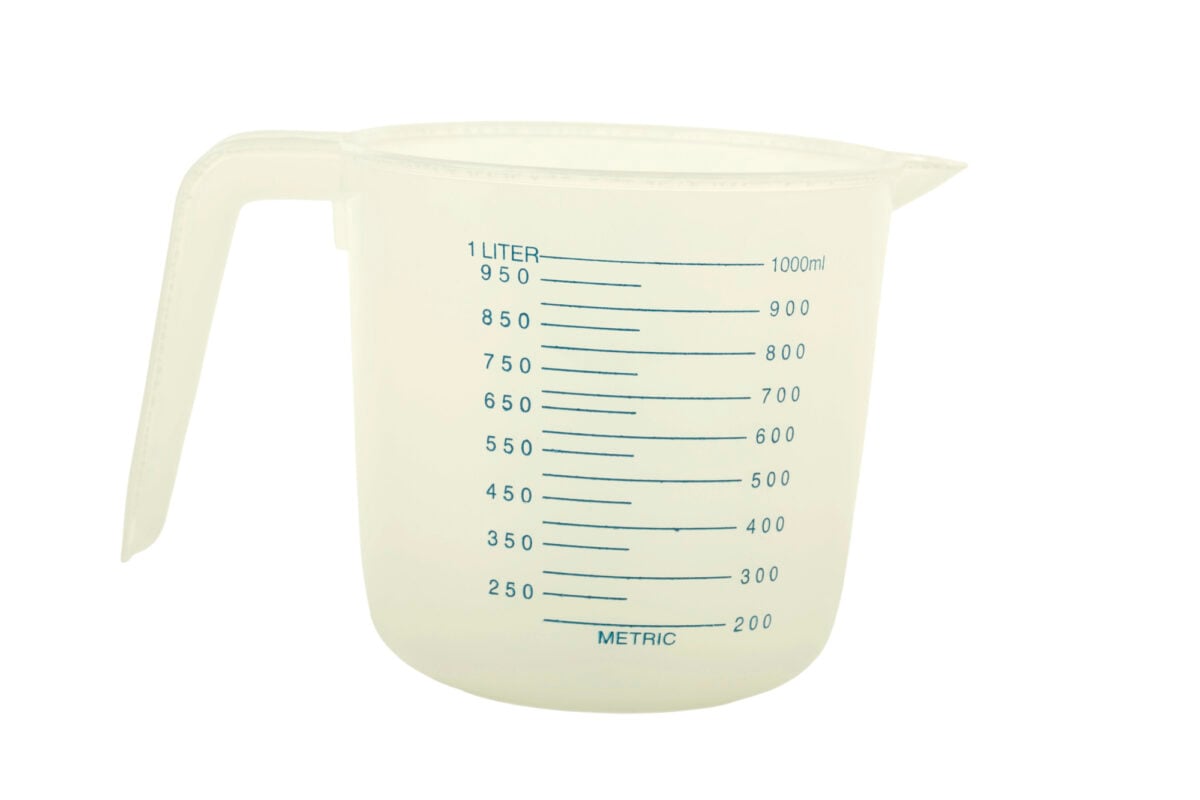
The Mix-N-Stor Pitcher represents everything right about vintage Tupperware design. That handle sits exactly where your hand expects it.
The spout pours without dripping. The seal never fails.
Complete sets with the original push-pull seal can bring $150 to $400, depending on color and condition. The two-tone versions—especially those combining white bases with colored tops—consistently outperform solid colors at auction.
Collectors particularly prize the turquoise and coral combinations from the late 1960s.
Cake Taker
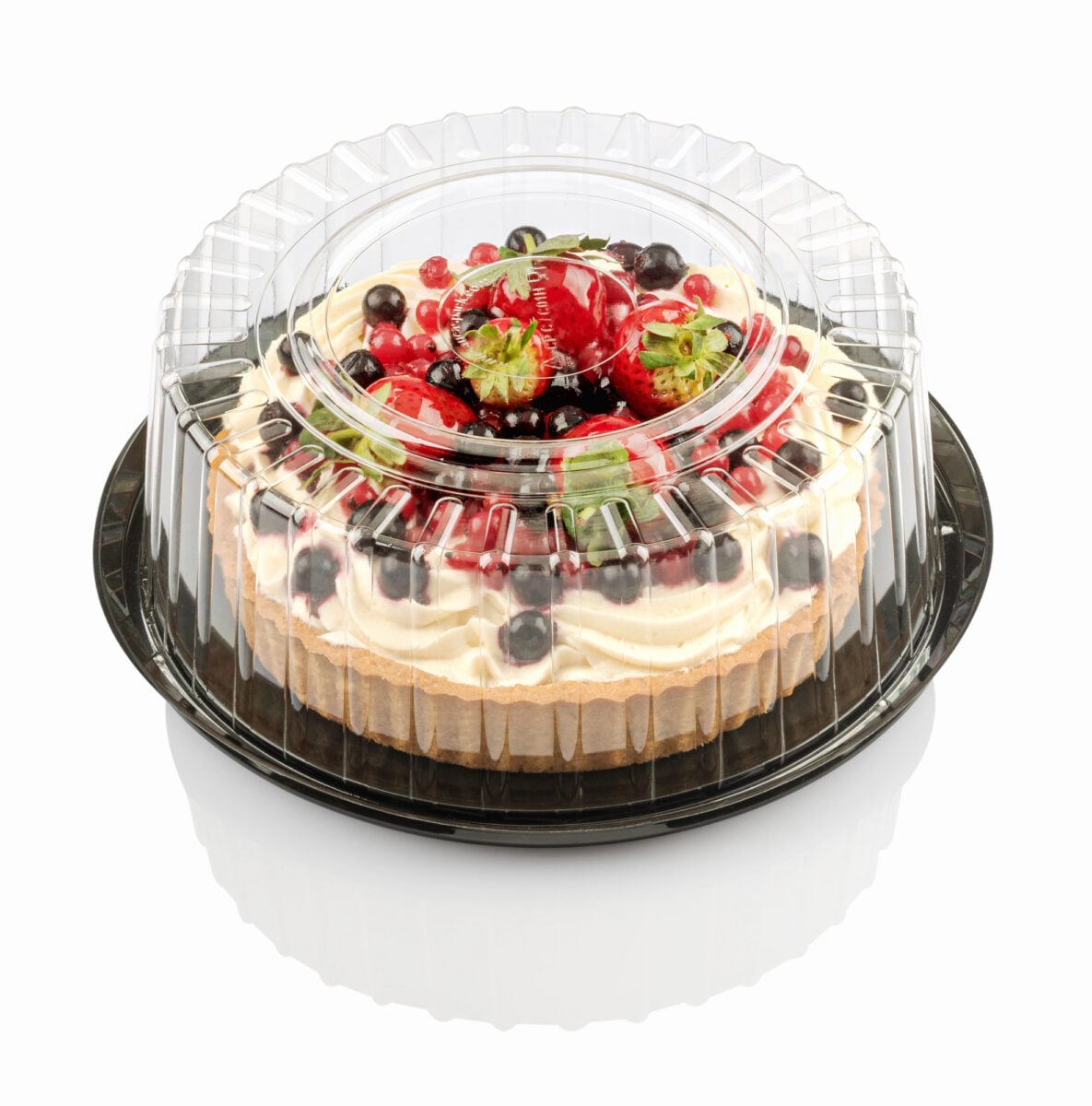
And yet there’s something almost ceremonial about the way a vintage Cake Taker transforms an ordinary dessert into an event—the careful lifting of that dome-shaped lid revealing whatever sweet creation waits beneath, like a magician’s reveal that never gets old no matter how many birthday parties it graces (which might explain why these particular pieces show up at estate sales looking so well-loved, their clear plastic slightly clouded from years of faithful service). So when collectors talk about “investment pieces” in the vintage Tupperware world, the Cake Taker consistently ranks among the most reliable performers.
But finding one with that distinctive handle still intact—the weak point that claimed so many over the decades—requires patience and often a willingness to pay premium prices. The round versions from the 1960s command $100 to $350, while the rectangular models can reach $500 or more.
The colored bases (harvest gold, avocado green) typically outperform the clear versions, though condition matters more than color when serious money changes hands.
Cereal Bowls Set
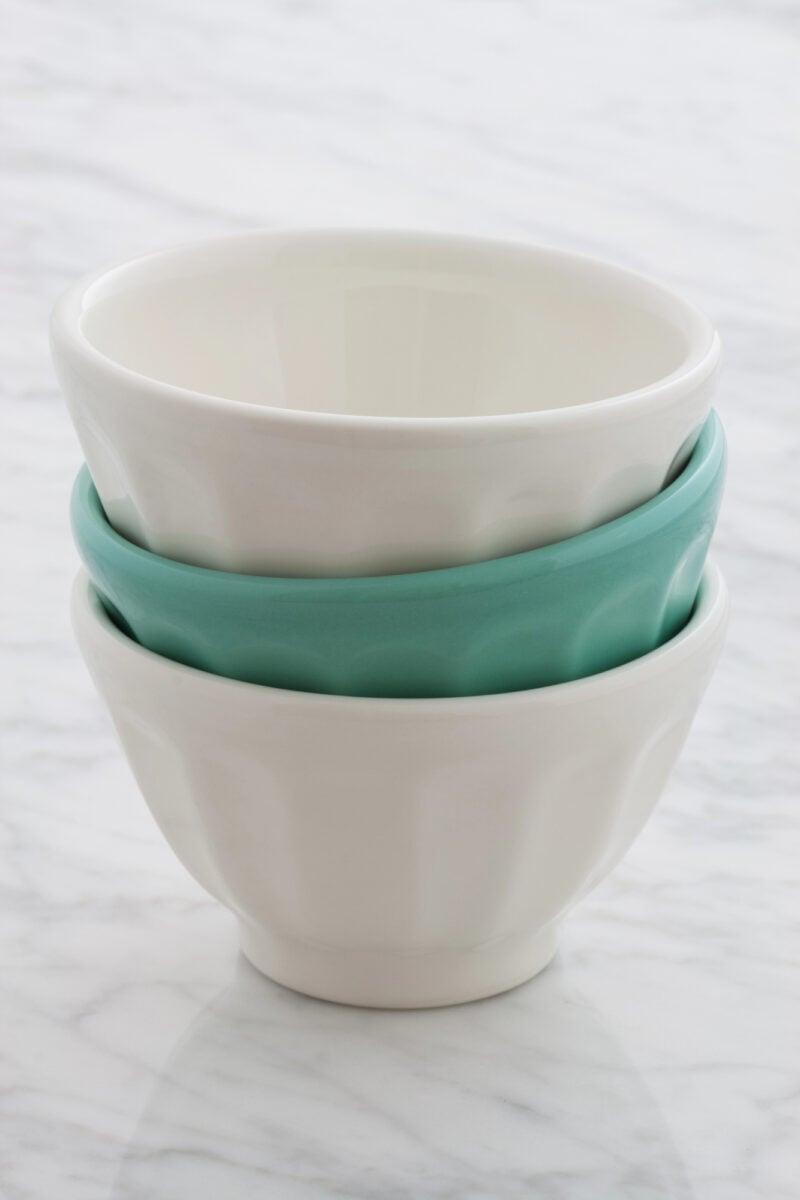
Cereal bowls occupy a peculiar place in the collector’s heart—too humble to command the respect of showier pieces, yet essential enough that their absence feels wrong. The vintage Tupperware cereal bowls, with their gently sloped sides and that satisfying weight that made morning routines feel substantial, represent the brand at its most practical.
Complete sets of six or eight bowls in matching colors can bring $120 to $300. The pastel sets from the 1950s perform best, particularly those mint green and pink combinations that photographers love for their mid-century aesthetic.
Individual bowls rarely exceed $25, but finding a complete set requires dedication.
Hamburger Press
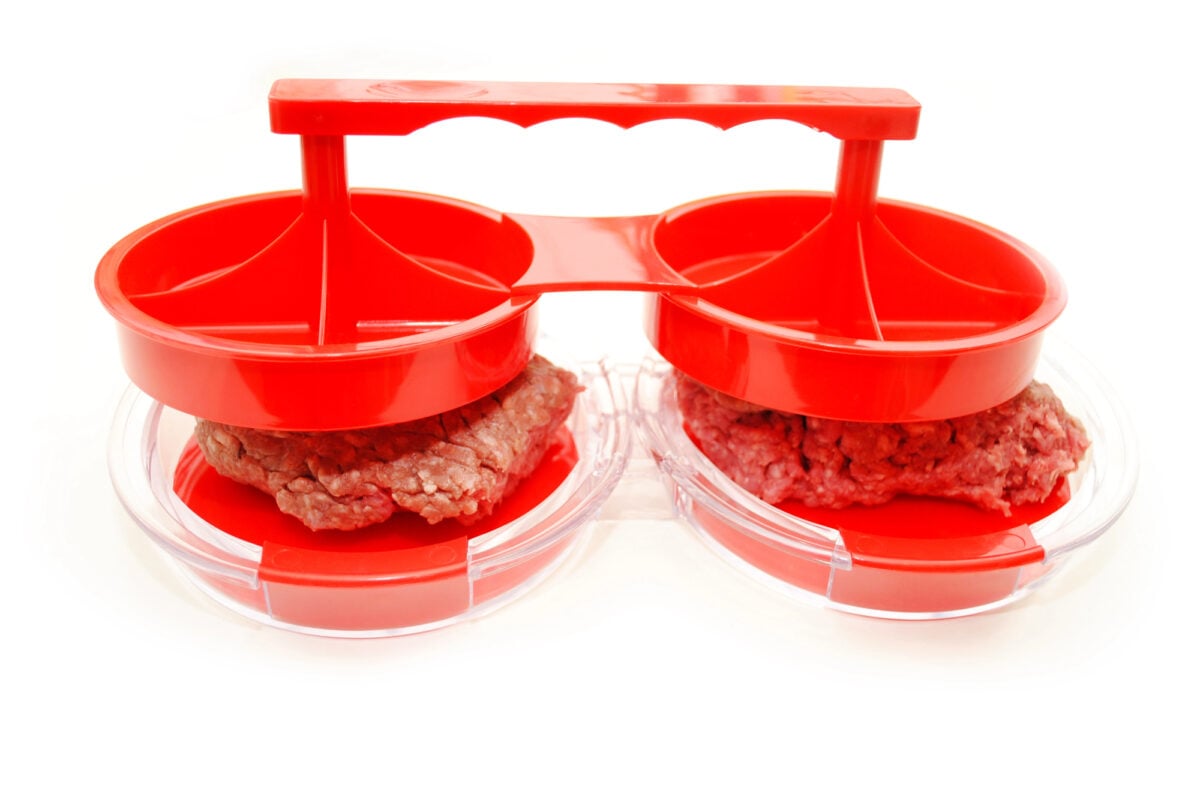
The Hamburger Press stands as proof that Tupperware never met a kitchen task it couldn’t systematize. Two interlocking pieces that turned ground beef into perfectly uniform patties.
No artistic interpretation required. These simple tools now sell for $75 to $250, depending on color and completeness.
The avocado green versions command premium prices, followed by the harvest gold models that defined 1970s kitchen aesthetics. Finding one with both pieces intact and the original instructions can double the value.
Ice-Tups
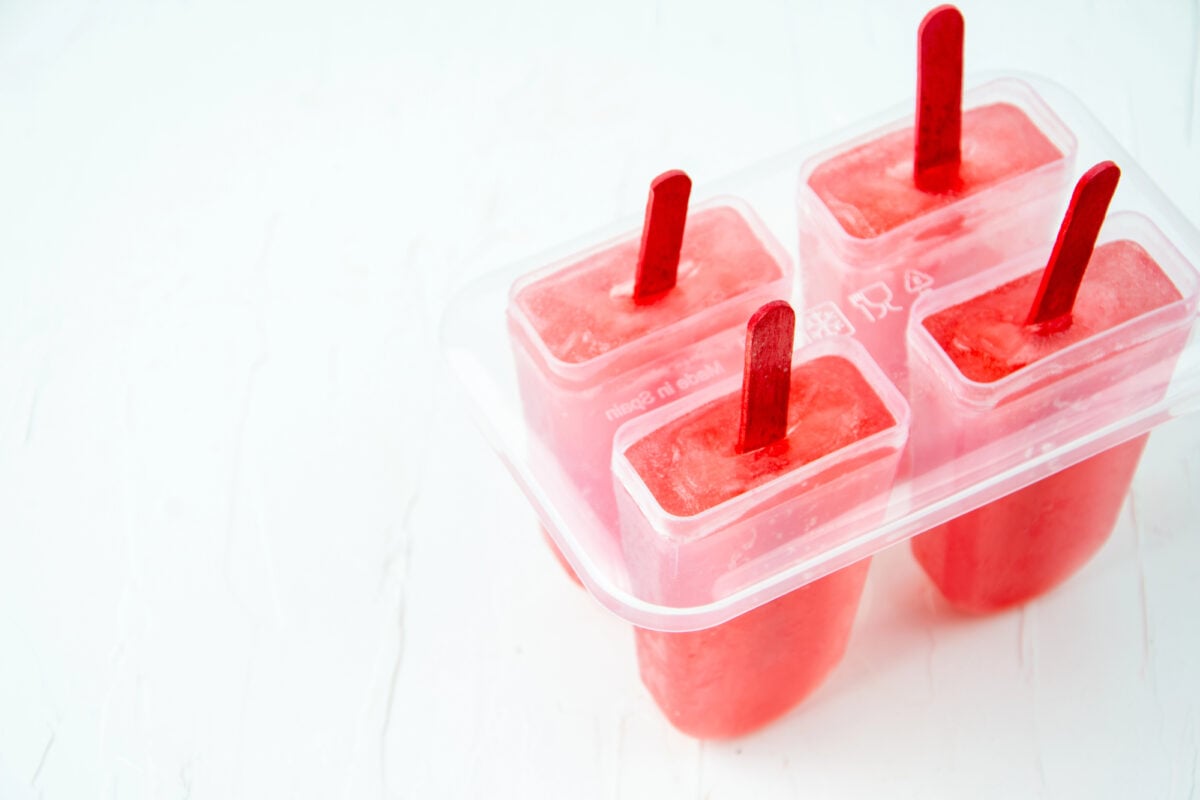
But there’s something almost meditative about the way Ice-Tups approached the simple task of making ice cubes, turning what had always been a utilitarian necessity into something that felt intentional and designed—which captures exactly what made Tupperware revolutionary in the first place, this idea that every corner of domestic life deserved thoughtful engineering and a pop of color (even if that color happened to be the particular shade of orange that defined 1960s optimism and now makes vintage collectors weak in the knees). The flexible plastic construction meant you could twist and push to release perfect cubes without the violent banging and running water that traditional metal trays required, and maybe that small daily improvement mattered more than anyone realized at the time.
So when complete sets show up at estate sales or online auctions, collectors recognize them immediately—not just as kitchen tools but as examples of design thinking applied to the most basic household tasks. Sets with all compartments intact and minimal cracking bring $60 to $200, with the colored versions consistently outperforming the clear plastic models.
Hostess Set
The Hostess Set represents Tupperware at its most socially ambitious—a curated collection designed to make any home cook feel ready for company. The coordinated serving pieces, storage containers, and presentation bowls came together in a way that promised effortless entertaining.
Complete original sets in their presentation boxes can command $300 to $800, depending on the color scheme and condition. The coral and turquoise combinations from the late 1960s perform particularly well with collectors who remember when having matching serving pieces felt like the height of domestic sophistication.
Jello Mold Ring
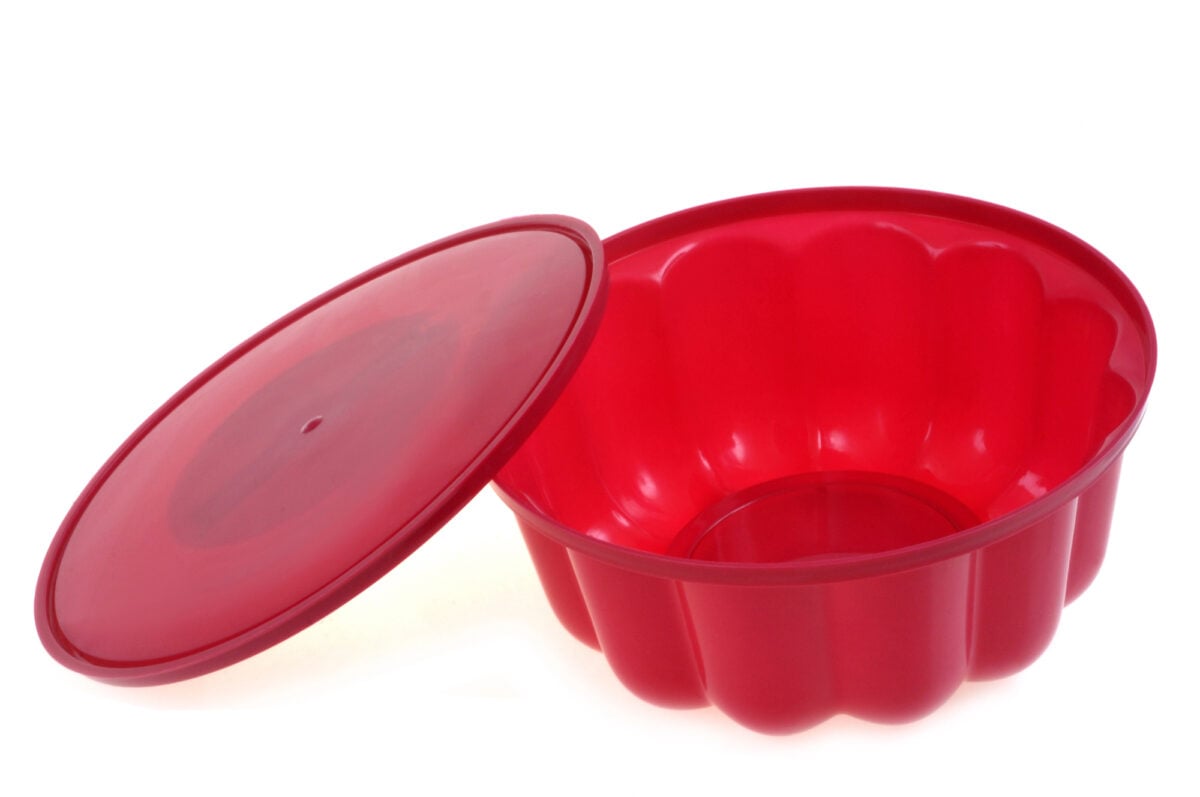
Jello mold rings carry the full weight of mid-century entertaining ambitions in their circular perfection. These weren’t just kitchen tools—they were the foundation of dessert tables that took themselves seriously, turning simple ingredients into centerpieces worthy of photographing for the family album.
The larger rings, particularly those in harvest gold or copper tones, can bring $80 to $300. Condition matters enormously with these pieces, since any cracks or cloudiness destroys the visual impact that made them valuable in the first place.
The two-piece construction means finding complete sets requires patience.
Pie Taker
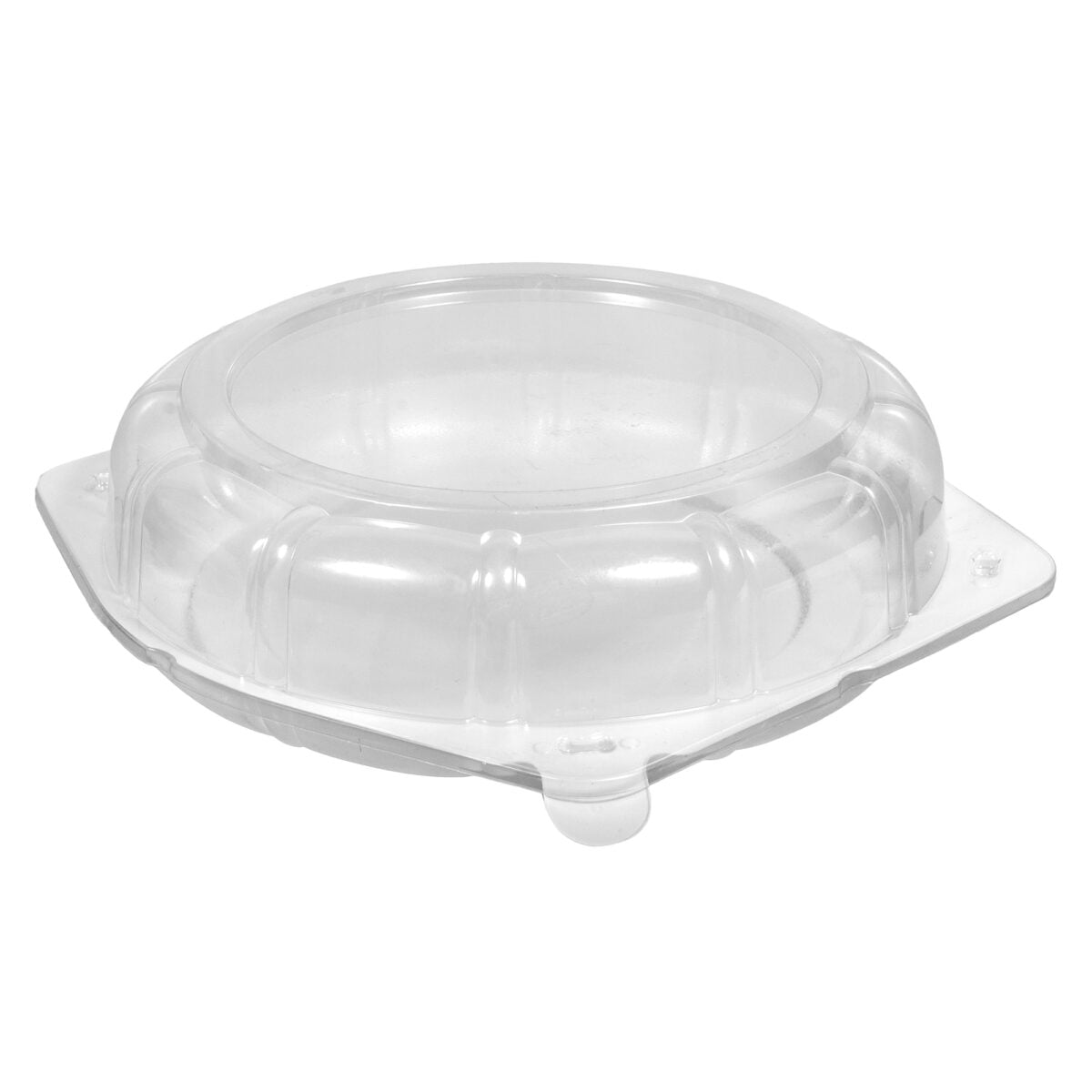
The Pie Taker solves a problem that plagued home bakers for generations—how to transport delicate crusts and carefully arranged toppings without disaster (and anyone who has ever carried a pie to a potluck dinner understands the particular anxiety that comes with navigating car doors, uneven sidewalks, and crowded tables while protecting hours of careful work balanced on flaky pastry). But beyond the practical considerations, these carriers represent something deeper about mid-century domestic life: the assumption that people regularly baked pies worth protecting, that home cooking deserved specialized equipment, and that bringing homemade desserts to gatherings was common enough to warrant dedicated transportation technology.
So when vintage Pie Takers appear at auctions or estate sales, they carry more than just monetary value—they represent a time when scratch baking felt normal rather than exceptional, when kitchens were equipped for serious cooking rather than just reheating. Complete sets with both the base and dome intact can bring $100 to $400, depending on color and condition, with the colored bases consistently outperforming clear plastic versions.
Relish Tray
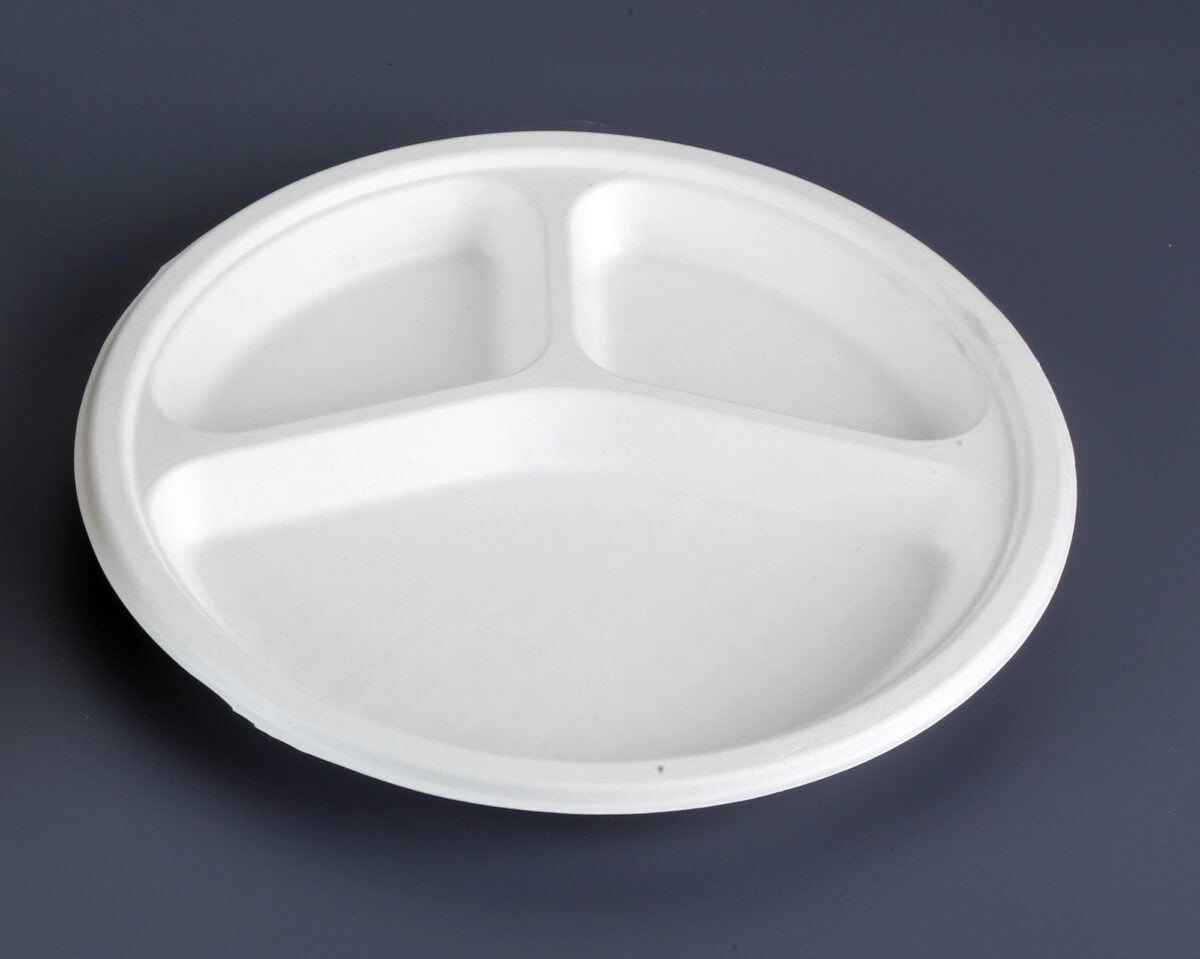
Relish trays demonstrate Tupperware’s genius for organization taken to its logical extreme. Multiple compartments for pickles, olives, and whatever else needed containing.
Each section sealed independently. The whole thing designed for both storage and presentation.
These modular serving pieces now command $125 to $350, with the larger sets in original colors leading the market. The avocado green and harvest gold versions remain most sought-after, though finding all the individual cups and lids intact requires dedicated hunting through estate sales and online auctions.
Seal-N-Serve Bowls
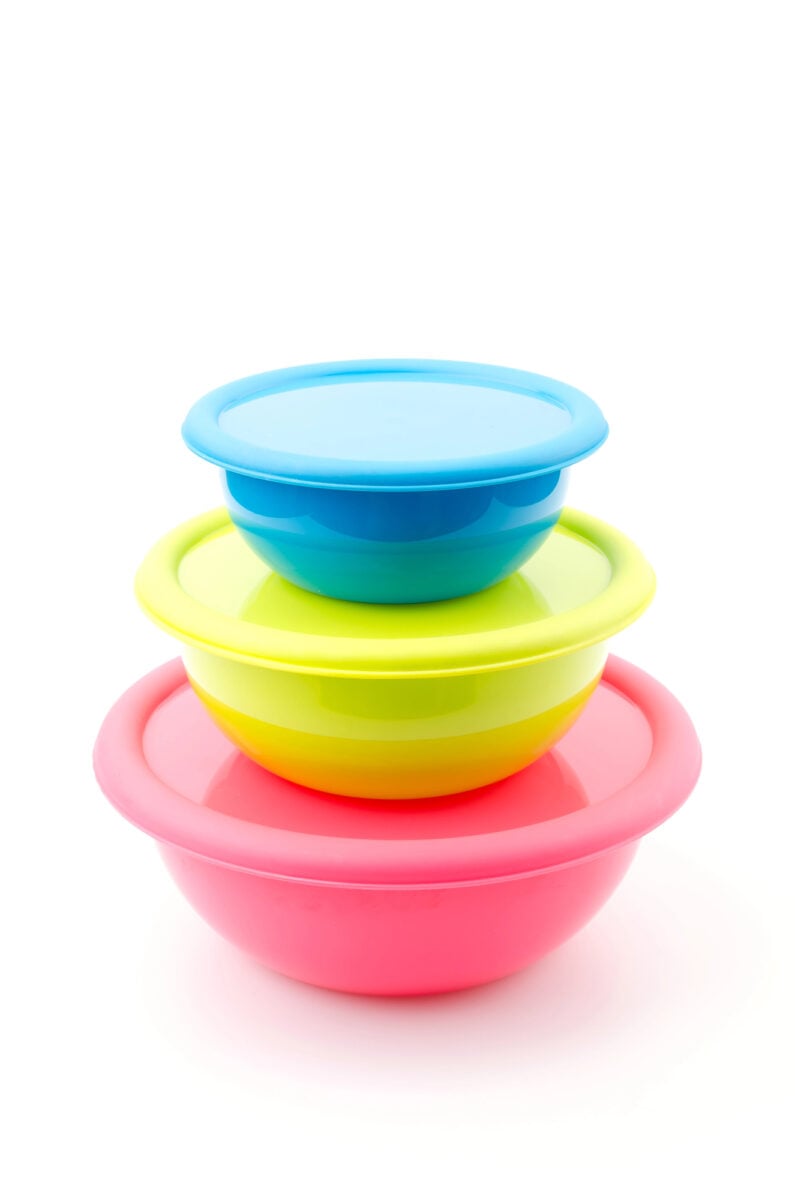
Seal-N-Serve Bowls represent the pure essence of what made Tupperware revolutionary—that satisfying burp of air being displaced as the lid locks into place. No elaborate features or complicated mechanisms.
Just reliable sealing technology applied to everyday storage needs. Complete nested sets in original colors can bring $200 to $500, depending on size and condition.
The pastel versions from the 1950s consistently outperform later productions, with mint green and pink leading collector preferences. Individual bowls have minimal value, but complete sets with all matching lids create serious bidding wars among vintage kitchen enthusiasts.
The Hunt Continues
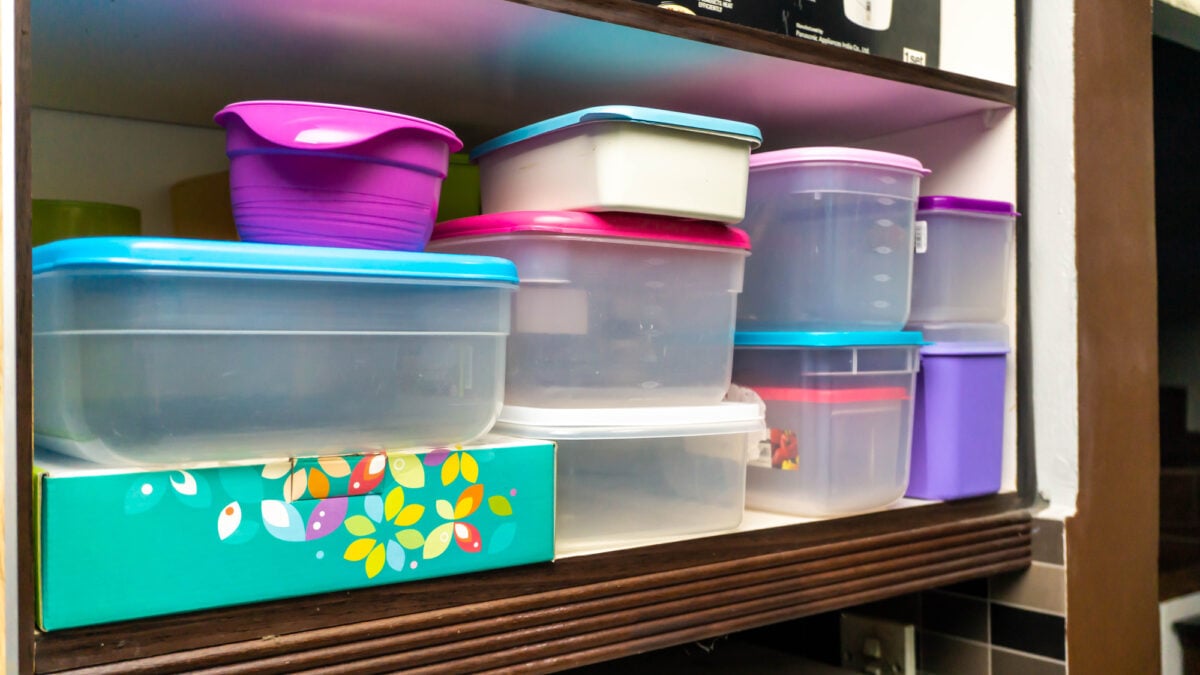
Searching for valuable vintage Tupperware has become its own form of treasure hunting, where knowledge pays off and condition matters more than age. The pieces commanding serious money today represent more than just functional design—they capture a moment when American optimism lived in colorful plastic and every kitchen task deserved thoughtful engineering.
Those garage sales and estate sales still hold surprises for collectors willing to dig through boxes and recognize quality when they see it.
More from Go2Tutors!

- The Romanov Crown Jewels and Their Tragic Fate
- 13 Historical Mysteries That Science Still Can’t Solve
- Famous Hoaxes That Fooled the World for Years
- 15 Child Stars with Tragic Adult Lives
- 16 Famous Jewelry Pieces in History
Like Go2Tutors’s content? Follow us on MSN.