Things You May Think Are Illegal But Actually Aren’t
Most people navigate daily life with a surprisingly fuzzy understanding of what’s actually against the law. You probably avoid certain behaviors not because they’re genuinely illegal, but because they feel like they should be — or because someone once told you they were.
The gap between what feels illegal and what actually is can be wider than you’d expect. This confusion makes sense.
Laws vary wildly between states, cities change their rules constantly, and old wives’ tales have a way of hardening into accepted fact over generations. What your grandmother swore would get you arrested might be perfectly legal, while some genuinely illegal acts fly under the radar because they seem too mundane to matter.
Recording Conversations

Most states use one-party consent, allowing you to record conversations you participate in. However, 9 states including California, Florida, Illinois, and Pennsylvania require all-party consent — you cannot legally record anyone without their knowledge, even in conversations you’re part of.
Always verify your state’s recording laws before recording. The confusion comes from conflating this with wiretapping laws.
Secretly recording conversations you’re not part of is illegal. But documenting your own interactions falls under different rules entirely.
Driving Barefoot

Driving without shoes is legal in all 50 states. No law requires footwear while operating a vehicle.
This myth persists because it sounds reasonable — bare feet on pedals does seem unsafe — but reasonable and illegal are different things. Traffic cops might cite you for reckless driving if your bare feet contribute to an accident, but the act itself carries no penalty.
Flip-flops are actually more dangerous than bare feet, yet nobody warns against those.
Taking Photographs In Public

You can photograph anything visible from a public space without permission. People, buildings, license plates, storefronts — all fair game.
This includes taking pictures of strangers, which makes people uncomfortable but remains perfectly legal. The boundary sits at reasonable expectation of privacy, which (and this is where things get interesting, because privacy law was written long before everyone carried a camera in their pocket) doesn’t extend to public sidewalks, parks, or anywhere else visible to passersby.
Private property is different — but even then, photographing a building from the street is usually fine, even if the building itself is private. So you can stand on a public sidewalk and photograph someone’s house, their car in the driveway, even them if they’re visible from the street.
And yet most people assume this requires permission, probably because it feels invasive enough that it should.
Collecting Rainwater

Rainwater collection is legal in most states, despite persistent rumors that it violates some federal water rights law. A few western states restrict it due to complex water allocation agreements, but the average homeowner can set up rain barrels without breaking any rules.
The myth gained traction because water rights in the American West are genuinely complicated. But complicated and forbidden are not the same thing.
Refusing To Show ID To Police
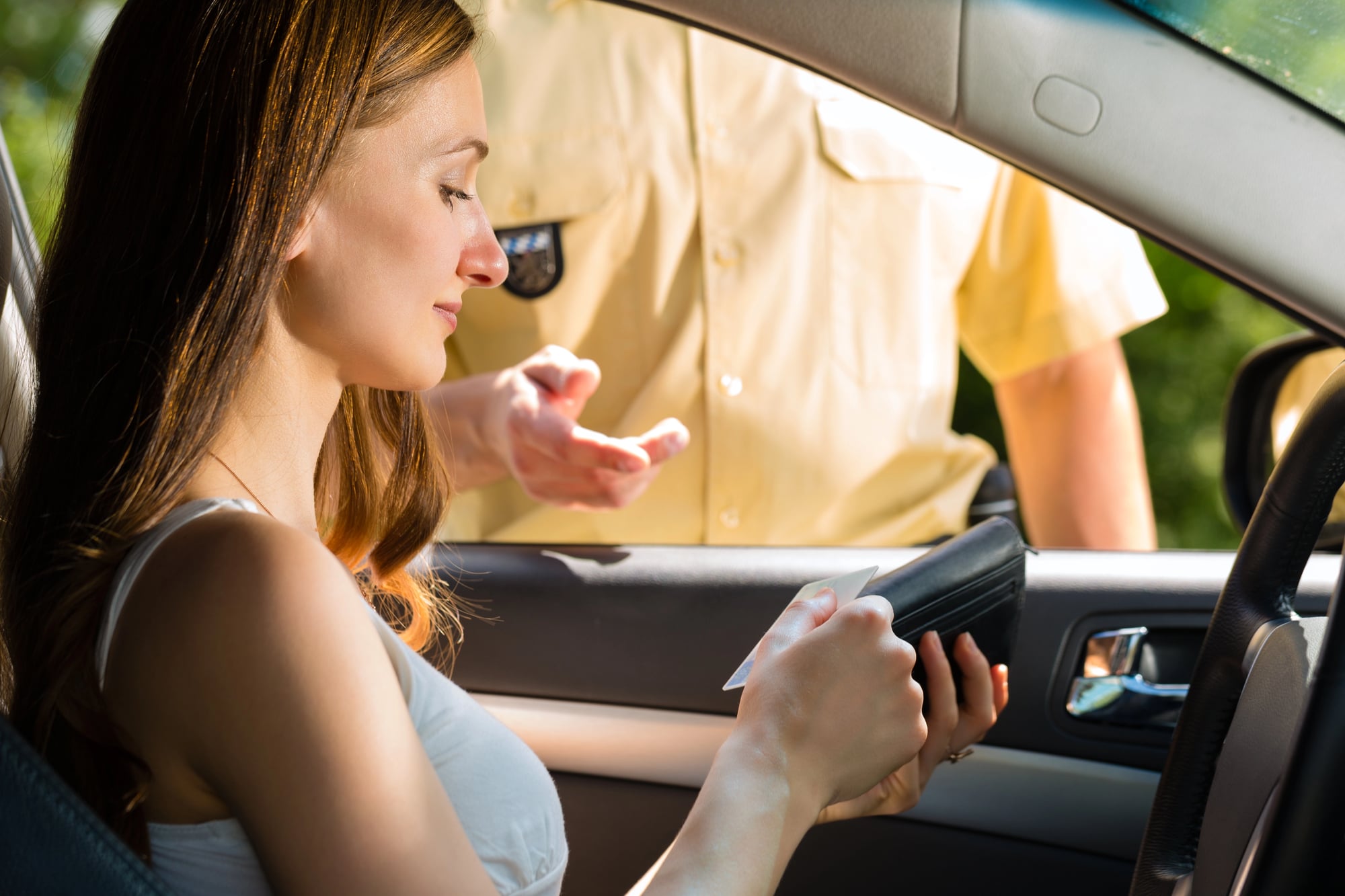
Unless you’re driving, flying, or suspected of a specific crime, you don’t have to show identification to police officers. “Stop and identify” laws exist in some states, but they require reasonable suspicion of criminal activity — not just an officer’s curiosity.
This creates an interesting tension. You have the right to refuse, but exercising that right often makes interactions more difficult.
Legal and practical are different considerations. The law protects your right to remain anonymous while walking down the street, but that protection comes with the understanding that you might need to be patient while officers work through their own understanding of these rules.
Sleeping In Your Car

Car sleeping falls into legal gray areas that vary by location, but it’s not inherently illegal anywhere. National forests, many Walmart parking lots, and rest stops explicitly allow it.
Problems arise from local camping ordinances and vagrancy laws, not from the act itself. The legality often depends on intent and location rather than the behavior.
Resting during a long drive gets treated differently than living in your vehicle long-term.
Using Someone Else’s WiFi

Open WiFi networks can be used legally. If a network requires no password and broadcasts publicly, connecting to it doesn’t violate federal computer crime laws.
The network owner is essentially offering it to anyone in range. Accessing password-protected networks without permission is different — that’s unauthorized access.
But the coffee shop WiFi with no password? That’s intentionally public.
Returning Items Without Receipts

Stores can refuse returns without receipts, but no law requires you to have one. Return policies are company rules, not legal requirements.
Many retailers will still process returns using credit card records, loyalty programs, or other verification methods. The confusion stems from conflating store policies with legal obligations.
Companies can make their own rules about what they’ll accept, but those rules don’t carry legal weight beyond the store’s right to refuse service.
Asking For Discounts

Negotiating prices at retail stores is legal everywhere, even when posted prices suggest otherwise. Stores can say no, but asking doesn’t violate any consumer protection laws or business regulations.
Most Americans assume price tags are non-negotiable because cultural norms discourage haggling. But norms and laws operate in different spheres.
The worst outcome is hearing “no” — which isn’t a legal consequence.
Using Public Bathrooms Of Businesses

Business bathroom access laws vary by state, but using facilities you’re not technically supposed to is usually a civil matter, not criminal. Trespassing requires more than just walking into a store and using their restroom.
The business can ask you to leave, and refusing that request could become trespassing. But the initial act of using a bathroom rarely rises to criminal behavior, regardless of posted signs.
Taking Pictures Of Food Before Eating

Restaurant photography restrictions are house rules, not laws. You can legally photograph your meal at any establishment.
Restaurants might ask you to stop or refuse future service, but no criminal statute governs dinner documentation. Flash photography that disrupts other diners could theoretically fall under disorderly conduct, but that’s an extreme interpretation.
Food photography exists in the realm of social etiquette, not criminal justice.
Keeping Money You Find

Found money becomes yours legally in most circumstances, though the specifics vary by state and amount. Small bills found in public spaces generally don’t require turning over to authorities.
Larger amounts might trigger “found property” laws that require reporting. The legal standard usually involves reasonable efforts to find the owner.
A $20 bill on the sidewalk has no realistic path back to its owner. A wallet full of cash sitting on a park bench requires more consideration.
Using Expired Coupons

Presenting expired coupons isn’t fraudulent or illegal. Stores can refuse them, but the attempt doesn’t violate consumer fraud laws.
The transaction either works or it doesn’t — there’s no criminal component to trying. Fraud requires intent to deceive for financial gain.
Openly presenting an expired coupon to see if they’ll take it lacks the deception element necessary for criminal charges.
Laws Exist For Reasons

What strikes you when examining these examples isn’t just how many things feel illegal when they’re not — it’s how reasonable that confusion often is. Many of these behaviors occupy spaces where law, etiquette, and common sense intersect in messy ways.
You can legally photograph strangers on the street, but doing so might make you a terrible person. You can try to negotiate at Target, but the social awkwardness might not be worth the potential savings.
Understanding what’s actually illegal versus what’s socially discouraged helps you make better decisions about when rules matter and when they’re just suggestions. The law provides a baseline, not a guide to good behavior — and that distinction matters more than most people realize.
More from Go2Tutors!

- The Romanov Crown Jewels and Their Tragic Fate
- 13 Historical Mysteries That Science Still Can’t Solve
- Famous Hoaxes That Fooled the World for Years
- 15 Child Stars with Tragic Adult Lives
- 16 Famous Jewelry Pieces in History
Like Go2Tutors’s content? Follow us on MSN.



