Countries With Cultural Etiquette Rules That Surprise Outsiders
You grab your suitcase, get on the flight, yet end up in a totally different world. That thrill hits once you walk through unknown alleys.
Then – maybe a hand motion, eating style, outfit choice – and folks nearby seem off. Rules shift wild from country to country; what’s fine back home might shock people here.
Japan’s No-Tipping Policy

Leaving money on the table after a meal seems like common courtesy in many countries. Not in Japan.
Tipping can actually offend your server or chef because it suggests their service wasn’t already excellent. Japanese culture considers exceptional service the standard, not something requiring extra payment.
If you try to leave a tip anyway, staff might chase you down to return it, thinking you forgot your change. The best way to show appreciation is a simple thank you or “arigato gozaimasu.”
This applies everywhere—restaurants, hotels, taxis, all of it.
Chile’s Utensil Requirement
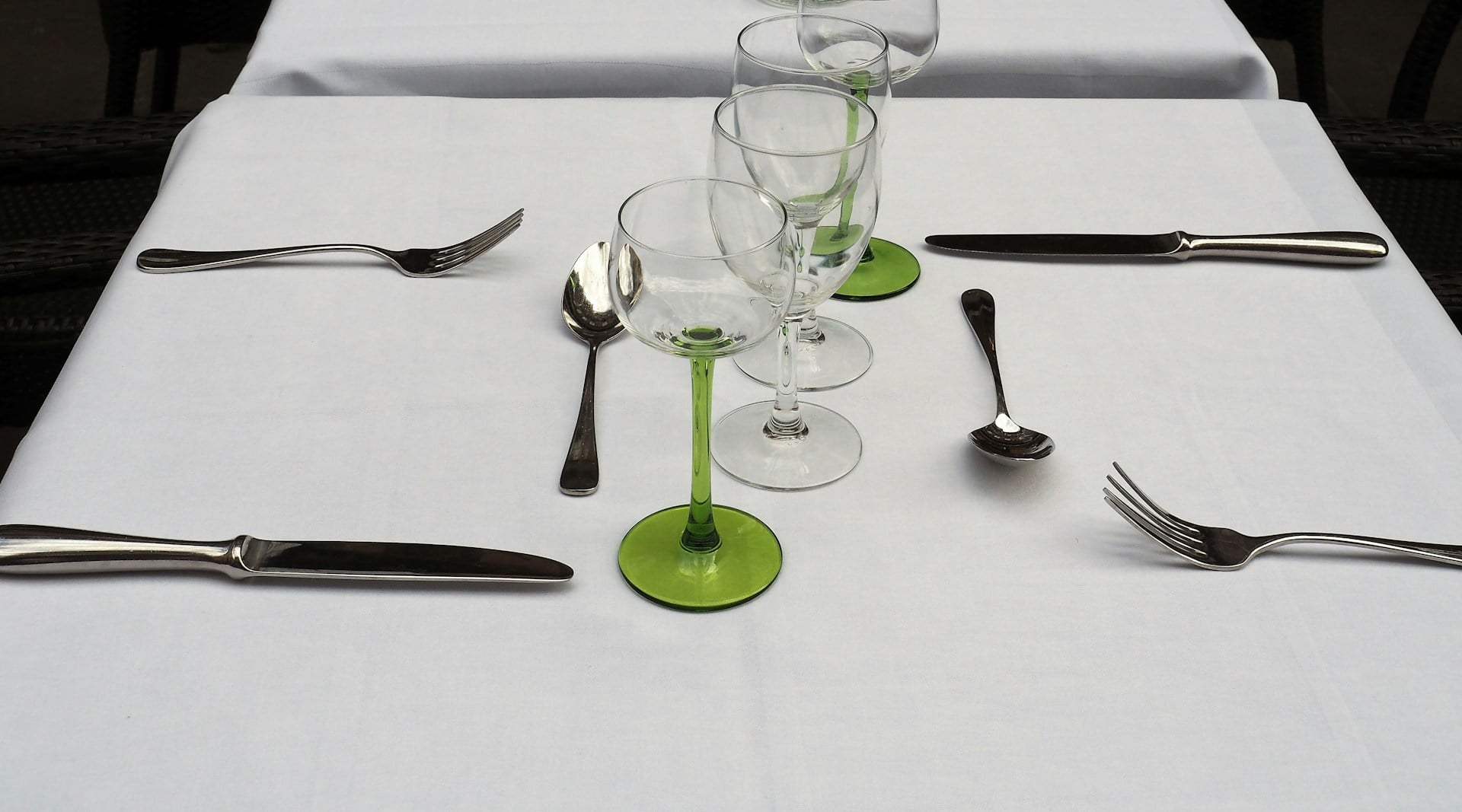
Chileans take dining seriously enough that eating with your hands breaks social rules. Even street food requires utensils.
Pick up an empanada with your bare hands and people will notice.
The rule applies to everything from quick snacks to formal dinners. What Americans consider finger food doesn’t exist in the same way here.
Carrying around utensils or watching how locals handle their food saves you from awkward stares.
Thailand’s Sacred Head Rule

Your head is sacred in Thailand. The feet are the lowest and dirtiest part of the body.
These beliefs shape dozens of small behaviors that outsiders miss.
Never touch someone’s head, even children. Don’t point your feet at people or Buddha statues.
When sitting on the floor, tuck your legs to the side. Stepping over someone instead of walking around them is rude.
These rules feel strange at first, but they matter deeply to Thai people.
South Korea’s Age Hierarchy at Meals

The oldest person at the table eats first. Always.
Start eating before them and you might not get invited back.
The rule extends beyond just the first bite—pour drinks for others but never for yourself. Let someone else fill your glass.
Age hierarchy runs through Korean social interactions. Younger people defer to older ones in conversation, business, and daily life.
Ignoring these rules marks you as disrespectful, even if you meant no harm.
Germany’s Potato Knife Taboo

Germans consider cutting potatoes with a knife an insult. Use your fork instead.
The reasoning goes back to times when properly cooked potatoes should be soft enough to break apart without a knife. Using one suggests the cook failed.
The same logic applies to other foods. French diners avoid cutting salad with knives.
These small details separate locals from tourists faster than language ever could.
India’s Left Hand Rules

The left hand handles bathroom hygiene in India. This makes it unclean for everything else.
Eat with your right hand. Give and receive items with your right hand.
Gesture with your right hand. The rule applies strongest in traditional settings and rural areas.
Urban restaurants might not care as much. But when visiting homes or attending ceremonies, switching hands isn’t optional.
Watch what locals do and follow their lead.
France’s Greeting Protocol

Walk into a French shop without saying hello and the staff will treat you coolly. Many French businesses are small and independently owned.
The shopkeeper takes pride in their work. Ignoring them feels dismissive.
Say “Bonjour” when you enter and “Au revoir” when you leave. Let the staff help you find items instead of rummaging through racks yourself.
They know their inventory better than you do, and respecting that knowledge makes transactions smoother.
Middle Eastern Coffee Customs

Refusing coffee when offered seems rude in many Middle Eastern countries. Hosts pour coffee as a gesture of hospitality and welcome.
Declining it suggests you’re rejecting their kindness. Your cup will keep getting refilled automatically.
When you’ve had enough, tilt your cup slightly, shake it gently, or place it on its side.These small signals tell your host you’re satisfied without verbally refusing their generosity.
Singapore’s Strict Public Rules

Chewing gum is illegal to sell in Singapore. Littering brings heavy fines.
Forgetting to flush public toilets can cost you money. The city-state takes cleanliness seriously and enforces rules that seem extreme to outsiders.
Jaywalking, eating on public transport, and even singing in public can result in penalties. The upside is an immaculately clean city with extremely low crime.
The downside is watching your every move to avoid accidentally breaking a law.
China’s Gift Number Superstitions

The number four sounds like the word for death in Chinese. Never give gifts in sets of four.
Clocks as gifts are also taboo because they symbolize time running out. White flowers represent funerals and mourning.
Gift-giving follows elaborate rules about what’s appropriate and what brings bad luck. Red envelopes with money work for celebrations.
Fruit baskets are safe choices. Research specific occasions before showing up with presents.
Italy’s Coffee Timing Laws

Order a cappuccino after noon in Italy and servers will judge you. Italians drink milk-based coffee only in the morning.
After meals, they switch to espresso. The belief is that milk interferes with digestion after eating.
These aren’t written laws, but social norms everyone follows. Tourists who order cappuccinos at dinner mark themselves immediately.
If you want to blend in, switch to espresso after lunch.
Brazil’s Personal Space Differences

Brazilians stand close during conversations. They hug, touch arms, and show physical affection with friends and even new acquaintances.
The warmth feels invasive to people from cultures that value personal space.
They also ask personal questions quickly. This isn’t nosiness—it’s genuine interest in getting to know you.
Getting offended by their openness misses the point. However, getting visibly drunk around people you barely know crosses a line.
Brazilians party hard but maintain certain boundaries about alcohol consumption with strangers.
Russia’s Handshake Threshold

Russians shake hands when greeting someone. But never shake hands across a threshold or doorway.
This brings bad luck. Step fully into the room first, then shake hands.
The same logic applies to many small superstitions. Whistling indoors brings poverty.
Sitting at the corner of a table means you won’t marry for seven years. Russians take these beliefs seriously, even those who consider themselves modern and educated.
United Arab Emirates’ Dress Codes

In the UAE, dressing modestly isn’t a suggestion – it’s normal everywhere except near resorts. When out in public, keep your arms and legs covered.
Ladies, skip form-fitting or skimpy outfits. For guys, rocking shorts away from pools or fitness spots comes off weird.
The rules loosen up in global hotels or special visitor spots – yet stick to traditions elsewhere. Sure, Dubai seems modern and open.
Yet deep down it’s rooted in Muslim culture with quiet, traditional beliefs.
When Common Sense Isn’t Common

Cultural habits might look random at first, yet they make sense once you see the beliefs driving them. Things like honoring older people or staying clean aren’t just actions – they show deeper ideas about life.
These values come out in precise ways, which can confuse strangers. Being a good host or guarding your reputation matters deeply, even if shown oddly.
What seems strange is actually meaningful when viewed differently.
The biggest errors pop up when tourists think their local ways work globally – nope. In one spot, politeness might scream cluelessness elsewhere.
Actions seen as warm or positive back home? They could shock people overseas.
Looking into simple manners ahead of a trip stops many issues. Observe people there instead of guessing – it fills in what’s missing.
Folks don’t demand flawless conduct from guests, yet trying counts. Effort weighs heavier than nailing each small thing.
More from Go2Tutors!

- The Romanov Crown Jewels and Their Tragic Fate
- 13 Historical Mysteries That Science Still Can’t Solve
- Famous Hoaxes That Fooled the World for Years
- 15 Child Stars with Tragic Adult Lives
- 16 Famous Jewelry Pieces in History
Like Go2Tutors’s content? Follow us on MSN.