Fascinating Facts About Earth’s Largest Living Animals
Standing next to something truly massive changes your perspective in ways that stick with you long after you walk away. There’s a humbling quality to encountering size on a scale that dwarfs human experience — whether it’s craning your neck to see the top of a sequoia or watching a whale surface near your boat.
Earth hosts creatures so large they seem to belong in fantasy rather than reality, animals that push the boundaries of what biology can achieve. These giants navigate the same planet we do, often in ways that reveal just how much we still don’t understand about life at the extremes of scale.
Blue Whale
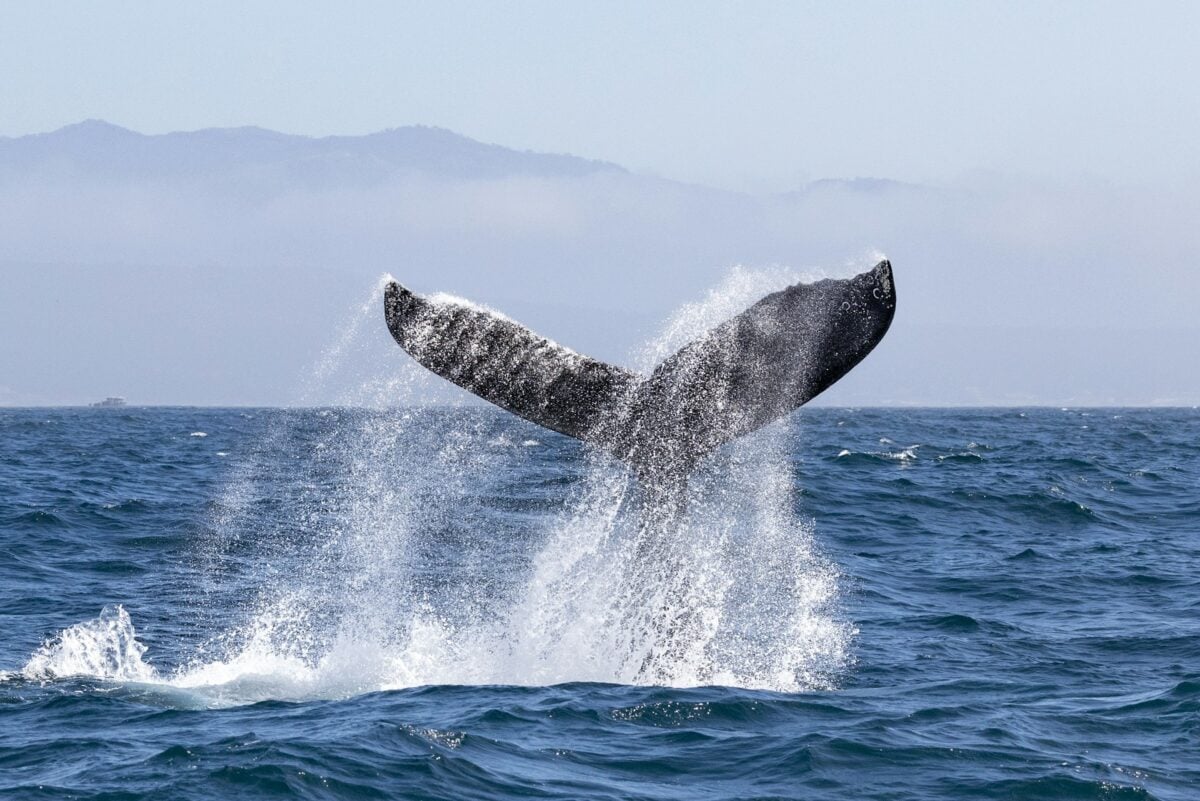
Blue whales don’t mess around with being large. Their hearts alone weigh as much as a car.
Their tongues can weigh as much as an elephant. When something needs to pump blood through a body that stretches 100 feet, subtlety isn’t an option.
African Bush Elephant
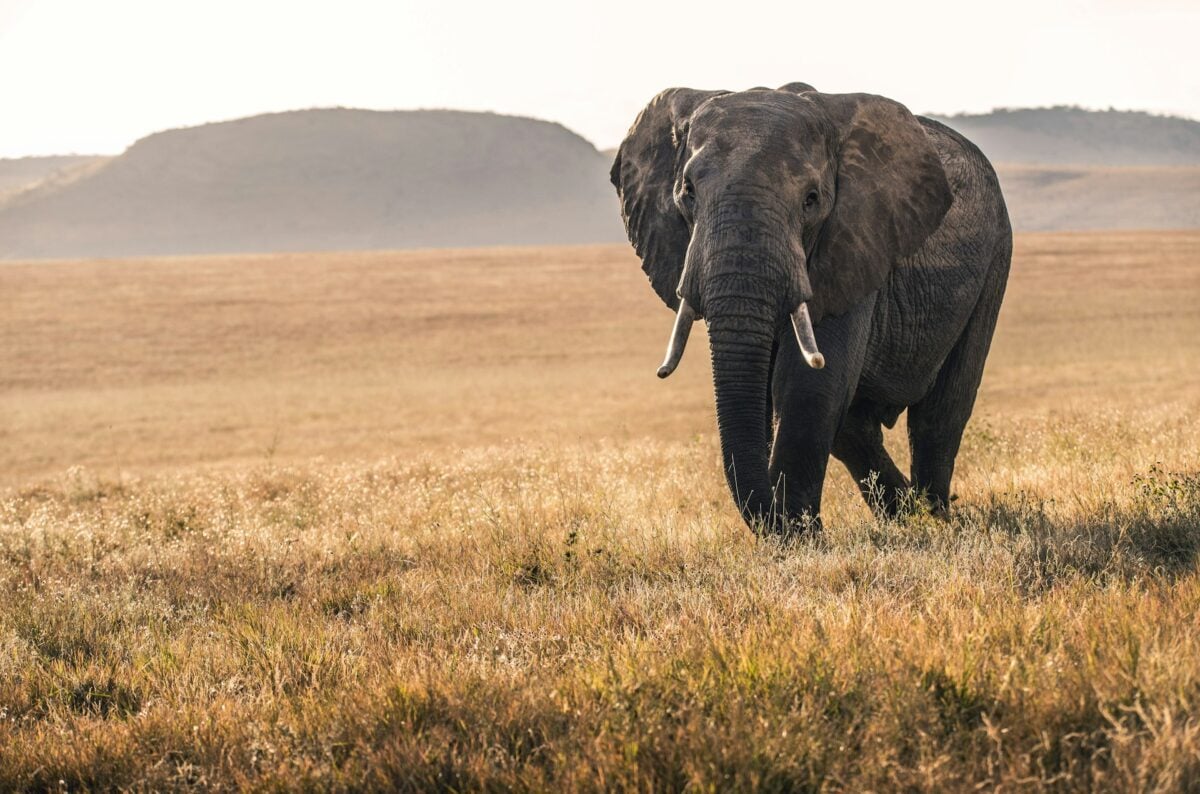
The relationship between size and survival on land follows rules that blue whales never had to consider, and African bush elephants have spent millions of years figuring out how to be enormous without toppling over or overheating. They’ve developed ears that work like air conditioners (flapping them creates a breeze that cools blood vessels near the surface) and feet that work like snowshoes (broad pads distribute weight so they don’t sink into soft ground), and their trunks — which contain more muscles than your entire body — can be delicate enough to pluck a single blade of grass or strong enough to uproot a tree.
And yet for all their engineering marvels, what strikes people most about elephants isn’t their physical capabilities but their obvious intelligence, the way they seem to be thinking about their world in ways that feel familiar.
Giraffe
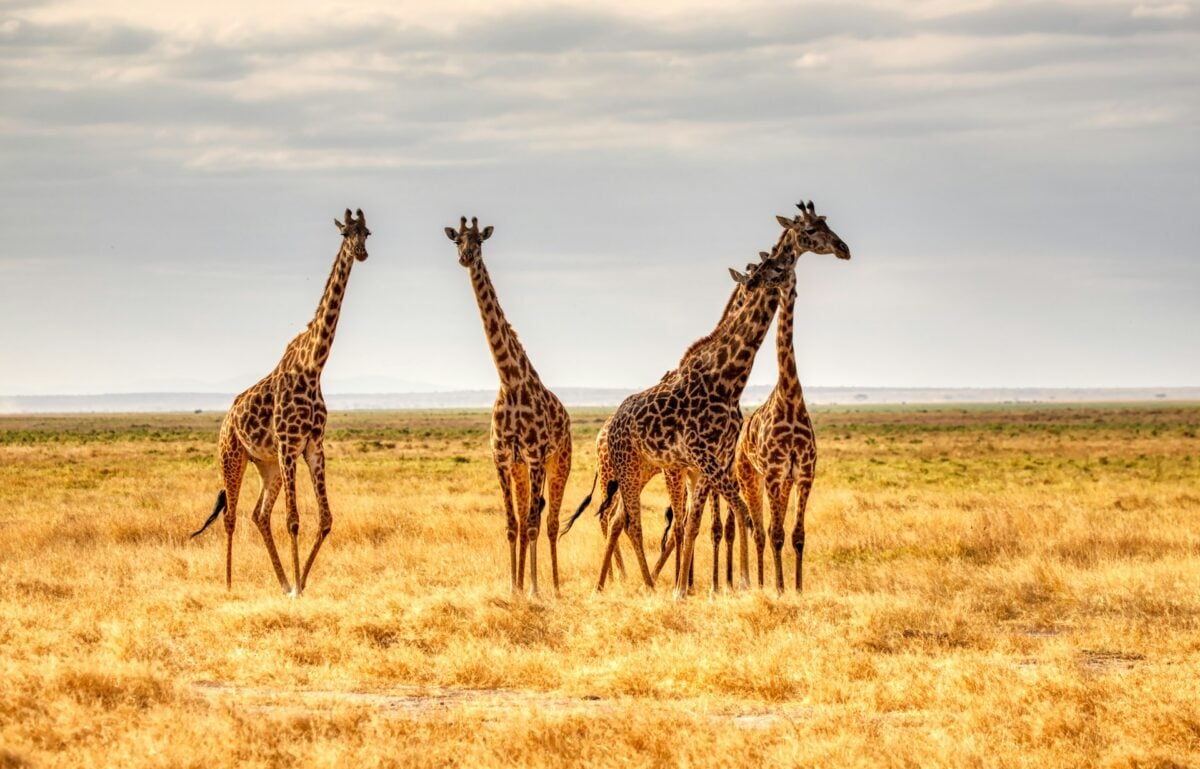
Giraffes prove that evolution sometimes just commits to an idea and sees where it goes. Those 18-foot necks create blood pressure problems that would kill any other mammal.
The solution involves a cardiovascular system so specialized it reads like science fiction — valves that prevent blood from rushing to their heads when they bend down to drink, hearts that generate twice the pressure of most mammals, and a network of vessels in their skulls that regulate flow like a hydraulic system.
Colossal Squid
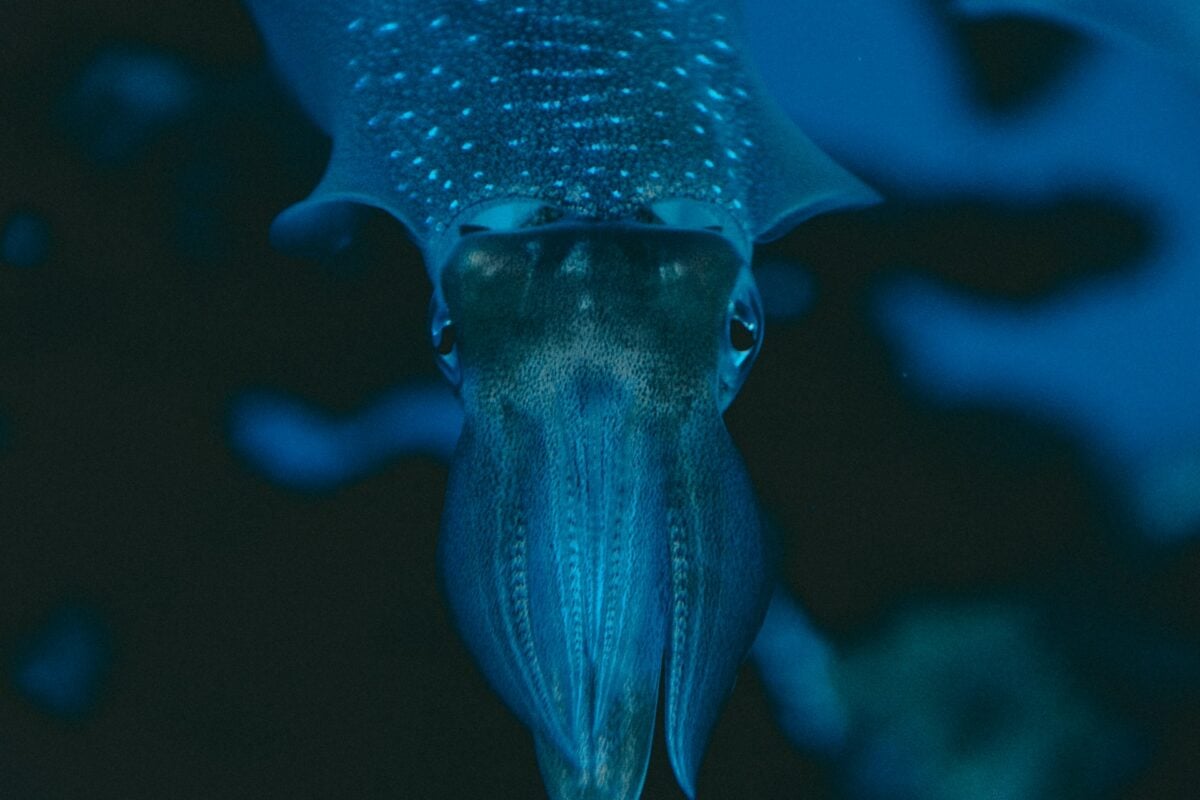
The deep ocean keeps its secrets well, but occasionally it offers up something so otherworldly that it reminds you how little anyone knows about what lives in the darkness below. Colossal squid exist at depths where the pressure would crush most life forms, in water so cold it’s barely liquid, hunting in complete darkness with eyes the size of dinner plates and arms lined with rotating hooks that can swivel 360 degrees.
Their beaks can shear through just about anything, and their bodies can reach lengths that rival sperm whales — which hunt them in battles that leave both animals scarred. Most of what scientists know about colossal squid comes from specimens found in whale stomachs or washed up on beaches, fragmentary evidence of creatures that spend their lives in an environment more alien than the surface of Mars.
Saltwater Crocodile
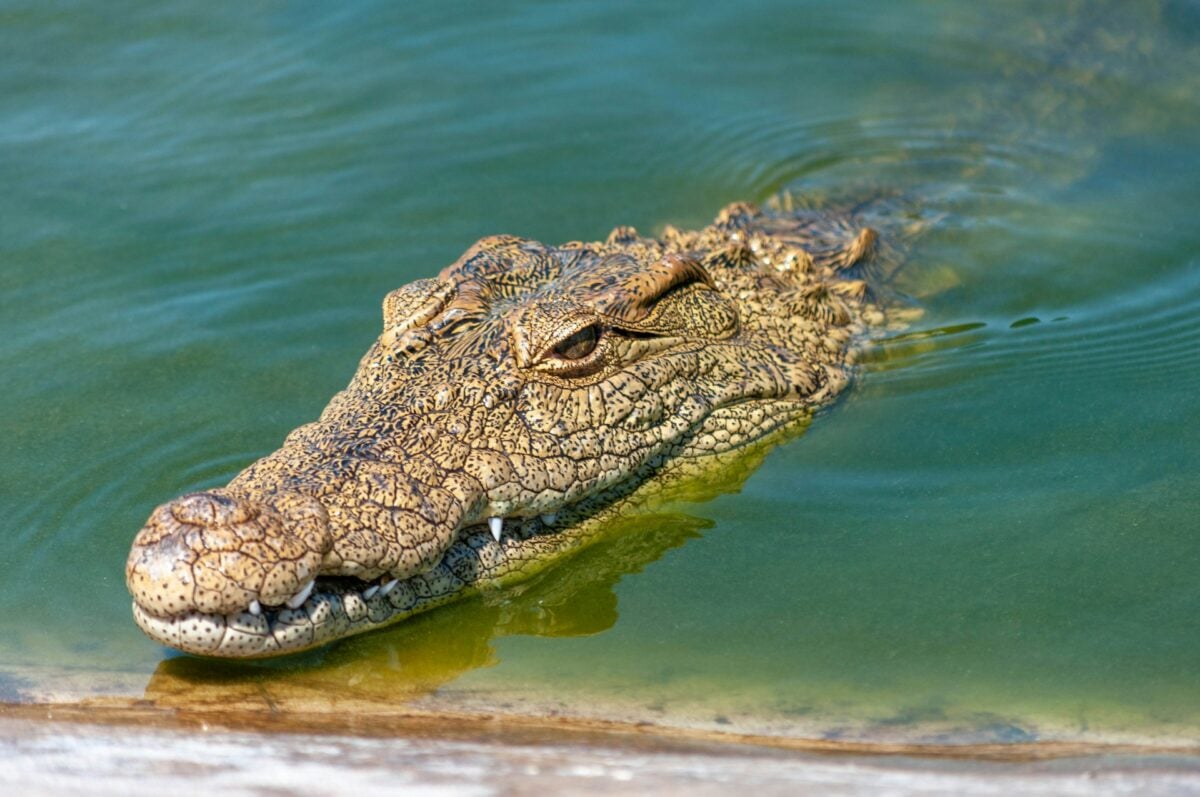
Saltwater crocodiles represent one of the most successful modern predator designs, having remained virtually unchanged for millions of years. Their bite force exceeds that of any animal ever measured — strong enough to crush a water buffalo’s skull in one snap.
Wandering Albatross
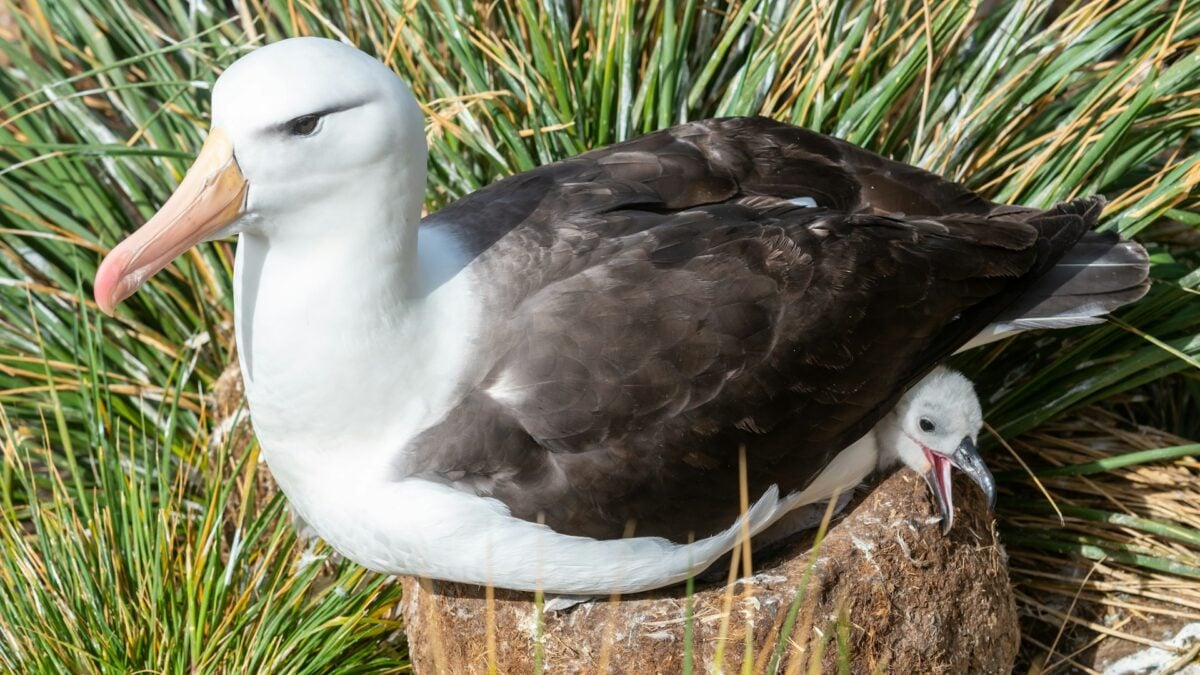
When you think about the engineering challenges of keeping something airborne for months at a time, the wandering albatross represents a masterclass in efficiency that puts human aviation to shame. Those 12-foot wingspans aren’t just for show — they’re precision instruments designed to extract lift from the slightest air currents, allowing these birds to glide for hours without flapping once, covering thousands of miles while expending less energy than most birds use to fly across a city.
They sleep while flying (shutting down half their brain at a time, like dolphins), drink seawater (thanks to specialized glands that filter out salt), and can live for decades without touching land except to breed. And here’s the thing that really gets to you: they mate for life, somehow finding their partners again after months of wandering opposite ends of the Pacific, navigating by magnetic fields and star patterns in ways that GPS engineers are still trying to understand.
Polar Bear
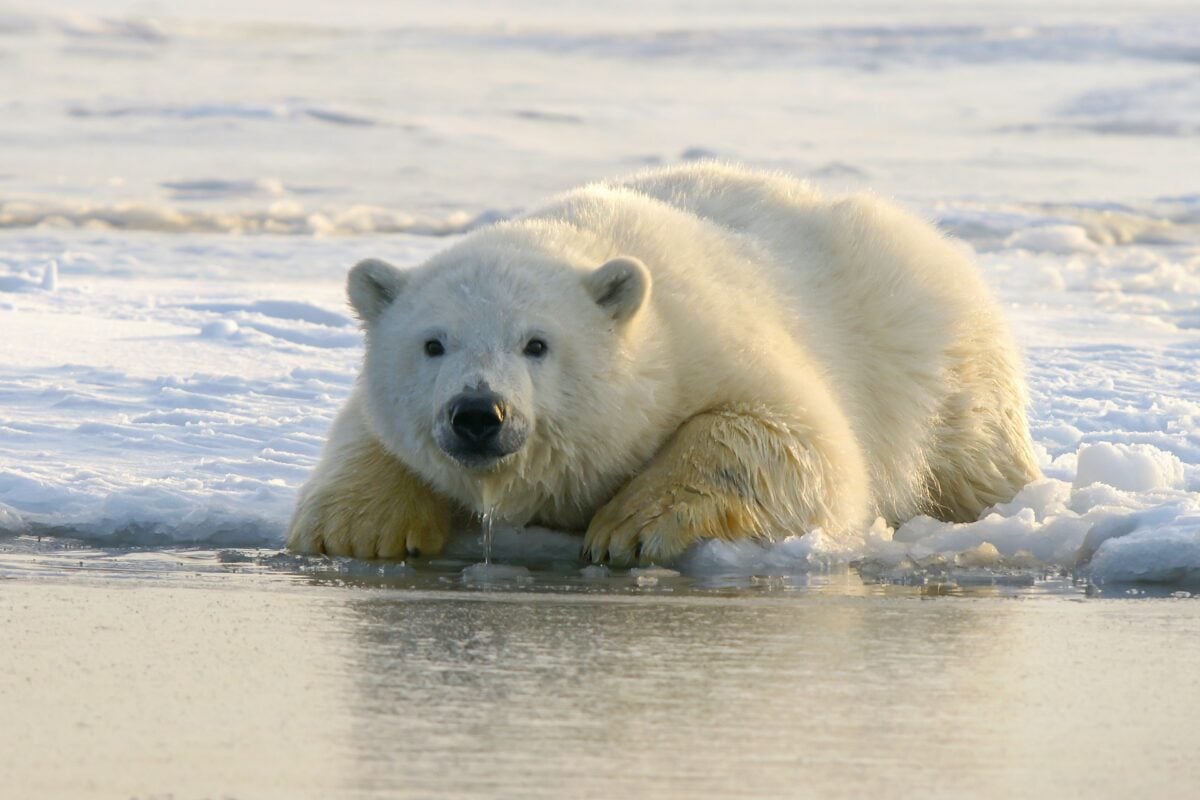
Polar bears represent what happens when a large predator decides to make the Arctic Ocean its hunting ground. They’re marine mammals that happen to look like land animals — equally comfortable swimming 60 miles through icy water or stalking seals across shifting ice floes.
Their paws work like paddles when swimming and snowshoes when walking on thin ice. Their fur isn’t actually white — it’s transparent and hollow, trapping air for insulation while appearing white because of how it reflects light.
Giant Pacific Octopus
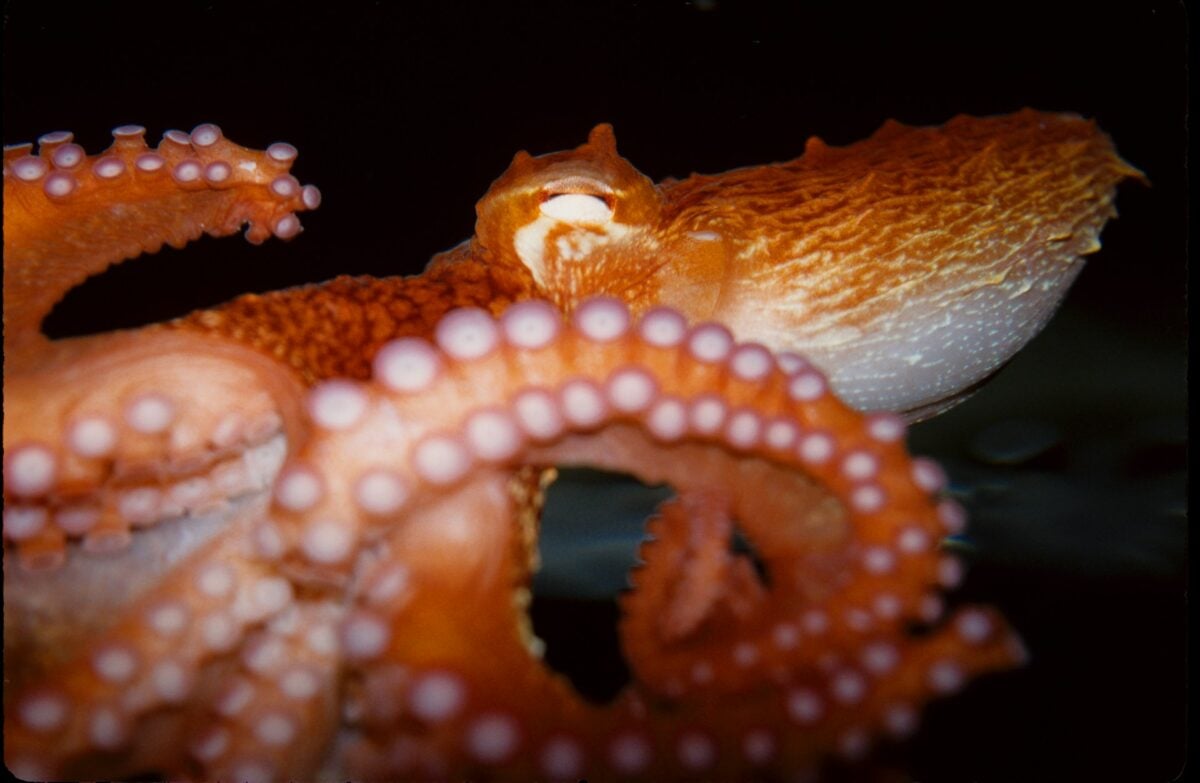
Intelligence doesn’t scale the way you’d expect it to, but giant Pacific octopuses seem determined to prove that bigger brains can solve bigger problems in ways that make vertebrates look like they’re still figuring out the basics. These creatures can grow large enough to span 30 feet from arm tip to arm tip, but it’s not their size that stops researchers in their tracks — it’s watching them problem-solve in real time, opening jars from the inside, recognizing individual humans, using tools with the kind of deliberate planning that suggests they’re thinking several steps ahead.
Each of their eight arms contains more nerve cells than most animals have in their entire bodies, and those arms can taste and smell and make decisions independently of the brain, like having eight semi-autonomous research assistants attached to your shoulders. And then there’s their camouflage: skin that can shift color and texture so completely that an octopus can disappear against coral, sand, or rock in less than a second, becoming invisible not through any single trick but through thousands of tiny decisions about pigment and muscle tension happening faster than conscious thought.
Sperm Whale
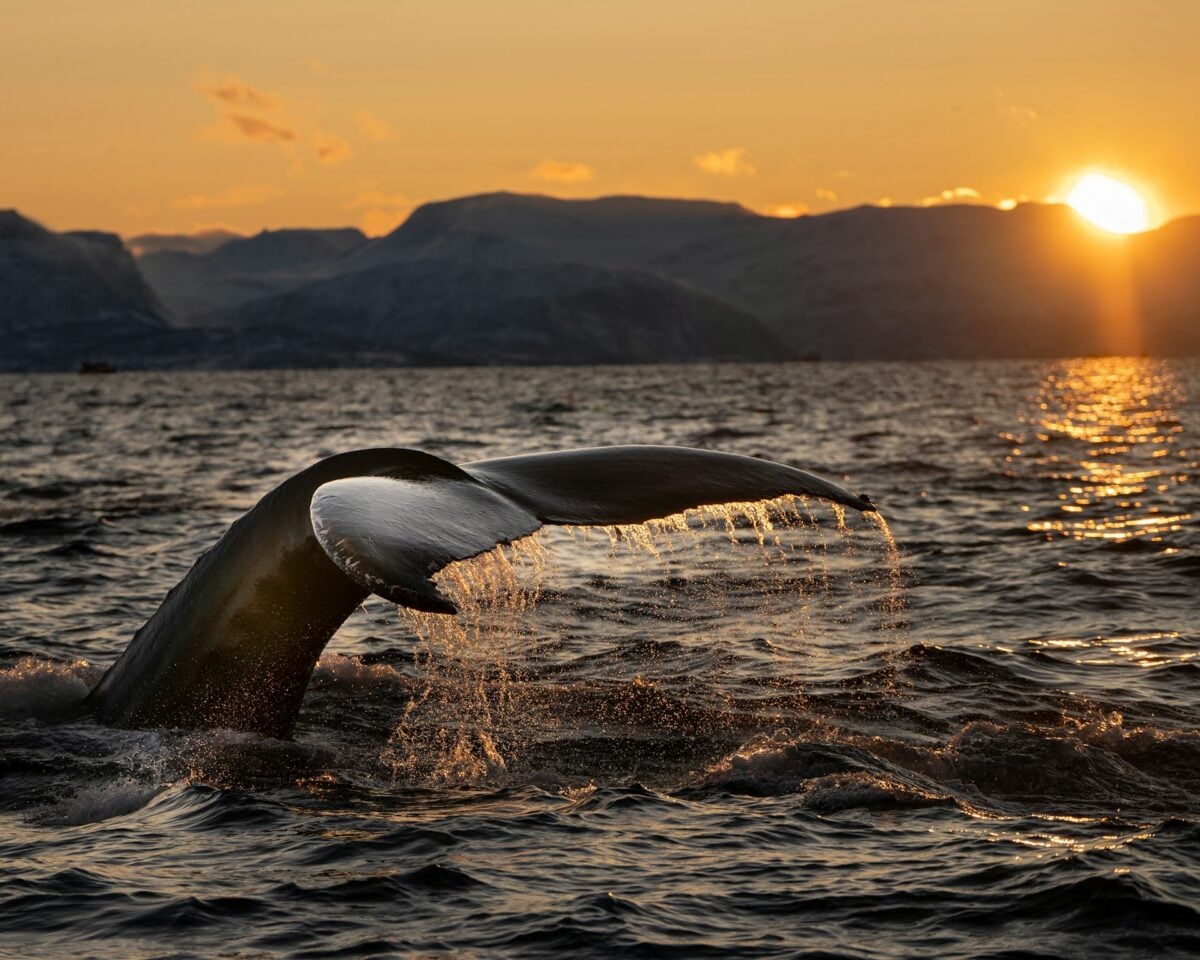
Sperm whales dive deeper than any other mammal and can hold their breath longer than seems physically possible. They hunt giant squid in the crushing darkness two miles below the surface, using echolocation so powerful it can disorient their prey.
Their heads contain organs filled with a waxy substance called spermaceti that helps them control their buoyancy — essentially biological ballast tanks that let them sink or rise by adjusting the temperature and density of the wax.
Leatherback Sea Turtle
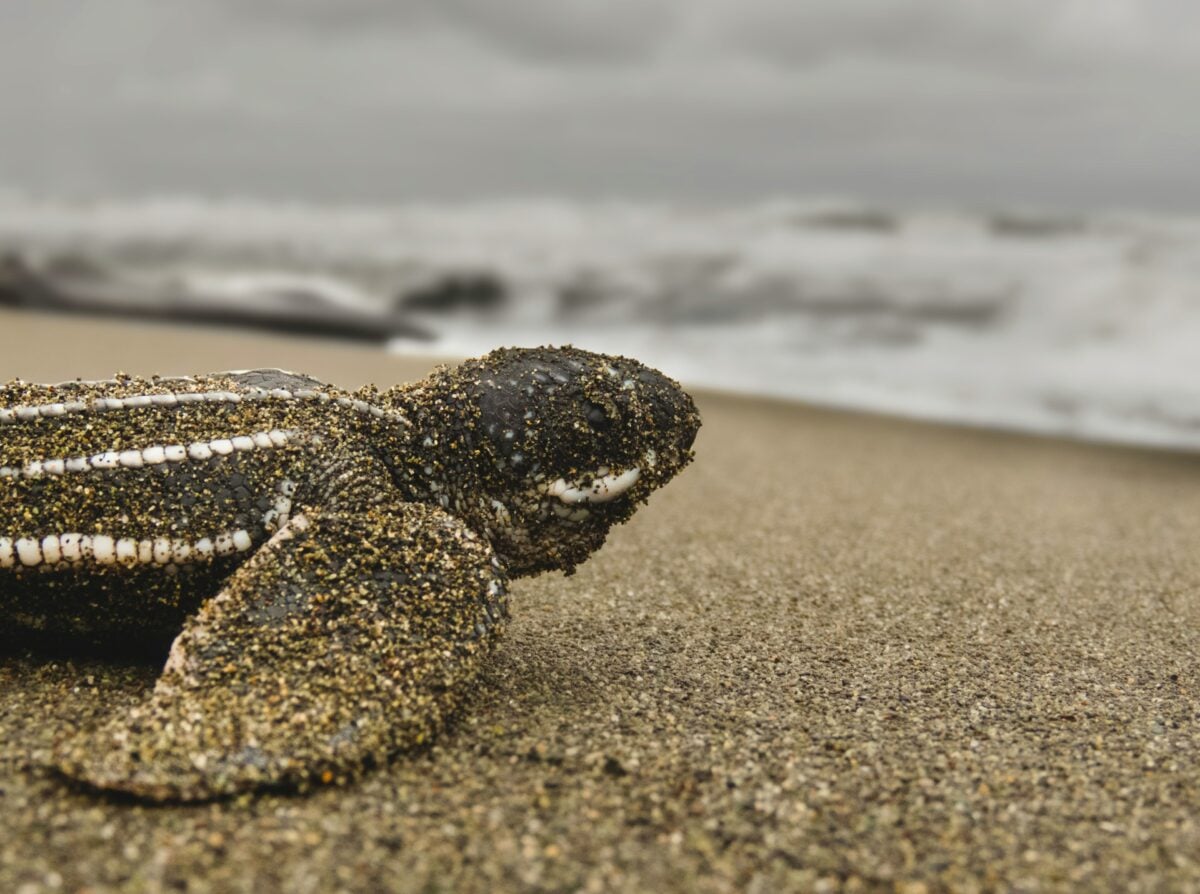
Migration routes that span entire ocean basins require navigation skills that put human explorers to shame, and leatherback sea turtles have been crossing the Pacific for millions of years using magnetic maps encoded in their nervous systems and an internal compass that stays accurate across thousands of miles of open water. They’re the largest reptiles on Earth, but size becomes secondary when you consider what that size allows them to do: maintain their body temperature in near-freezing water (their massive bulk and counter-current blood flow work like a biological furnace), dive to depths that would collapse the lungs of most air-breathing animals, and survive almost entirely on jellyfish — a diet so nutritionally sparse that they have to eat hundreds of pounds per day just to maintain their weight.
But here’s what really sets them apart: they’ve been making the same migration routes since before the continents settled into their current positions, following pathways older than the Rocky Mountains, guided by instincts that connect them to a version of Earth that existed before humans, before ice ages, before most of the species we consider ancient had even evolved.
Kodiak Bear
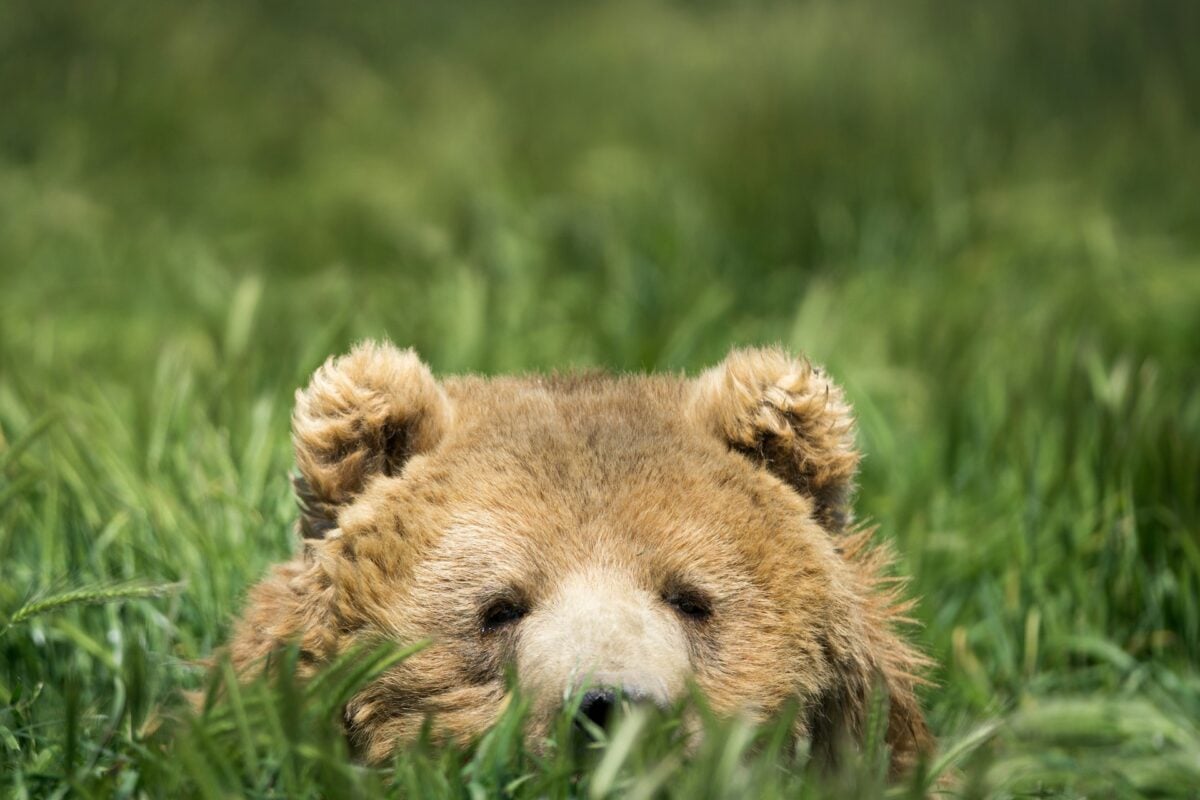
Kodiak bears prove that islands change everything. Cut off from the mainland for thousands of years, they’ve grown larger than any other brown bear population — males can reach 1,500 pounds when they’re fattened up for winter.
They’ve had to figure out how to extract maximum calories from a limited environment, becoming expert fishermen during salmon runs and surprisingly delicate berry pickers during late summer.
Green Anaconda
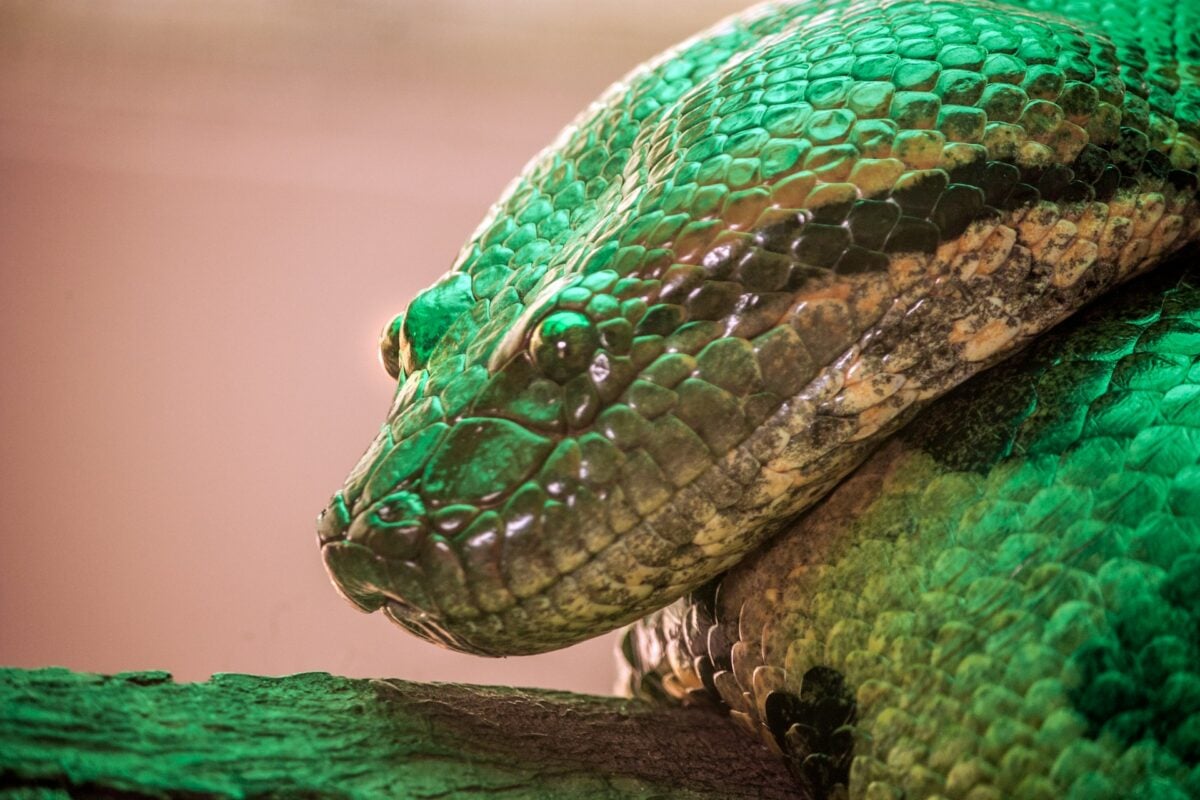
South American swamps demand a different approach to being an apex predator, and green anacondas have mastered the art of underwater ambush in ways that make other constrictors look like they’re still learning the basics. They can remain motionless for hours, submerged with just their eyes and nostrils above water, waiting for deer or capybara or caiman to venture within striking distance — and when they move, it’s with a speed and power that defies their bulk, wrapping around prey with coils that tighten every time their victim exhales, applying pressure with mathematical precision until the struggle stops.
Their bodies can stretch to accommodate meals that seem impossibly large: whole deer, small jaguars, caimans that are themselves formidable predators, swallowed headfirst and digested over the course of weeks while the anaconda lies motionless, processing protein with the patience of a creature that’s never had to worry about competition. And yet for all their reputation as killing machines, they’re surprisingly vulnerable — females give birth to live young in litters of 20 or 30, tiny versions of themselves that immediately have to fend off every predator in the swamp, including each other.
Giant Clam
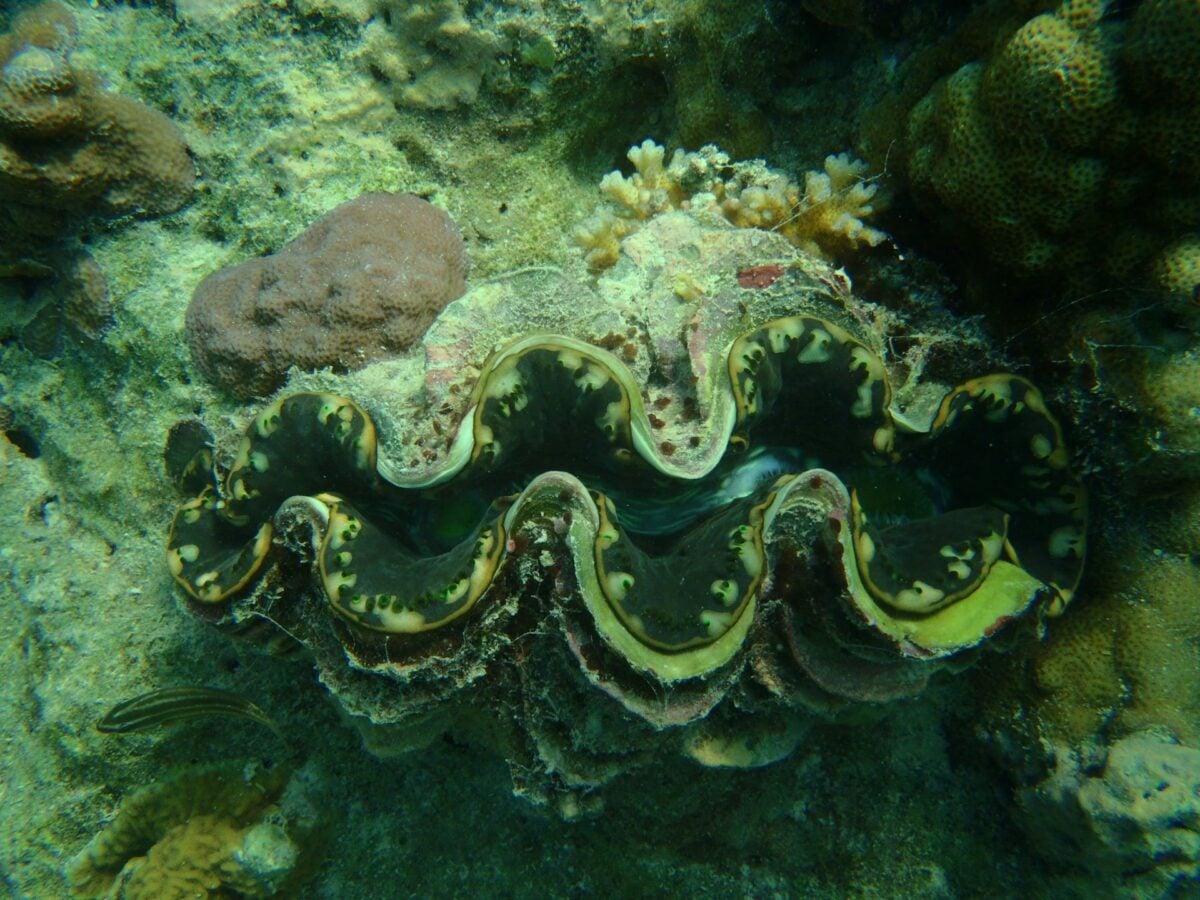
The ocean floor doesn’t seem like the place for record-breaking longevity, but giant clams have been quietly outliving everything around them for centuries at a time, some specimens reaching 500 years or more while filtering thousands of gallons of seawater daily through shells that can grow large enough to trap a person. They’re living partnerships between animal and plant — their tissues are packed with algae that photosynthesize sunlight into sugars, turning each clam into a solar-powered filter that cleans the water while feeding itself through biological agriculture that predates human farming by hundreds of millions of years.
Looking Up at Giants
The largest animals on Earth carry stories written in bone and muscle and neural pathways, evolutionary solutions to problems most creatures never had to face. They remind us that life doesn’t just adapt to environments — it reshapes them, creates new possibilities, pushes against the limits of physics and chemistry until something unprecedented emerges.
Each one represents millions of years of trial and error, of populations that didn’t quite make it, of incremental changes that accumulated into something magnificent. They share our planet while inhabiting it in ways we’re still trying to understand, living proof that there are always more ways to be alive than we’ve yet imagined.
More from Go2Tutors!

- The Romanov Crown Jewels and Their Tragic Fate
- 13 Historical Mysteries That Science Still Can’t Solve
- Famous Hoaxes That Fooled the World for Years
- 15 Child Stars with Tragic Adult Lives
- 16 Famous Jewelry Pieces in History
Like Go2Tutors’s content? Follow us on MSN.