Forgotten Disasters That Reshaped Cities
Cities don’t always change because of progress. Sometimes, it’s a disaster that pushes change.
Tragedies like fires, floods, and accidents have wiped out entire neighborhoods, changed laws, or even created entirely new parts of town. Over time, these events fade from memory.
But the cities we know today still carry their marks. Some of these disasters are rarely mentioned now, yet they played a huge role in shaping streets, buildings, and lives.
Let’s take a closer look at the moments that changed everything.
The Great Molasses Flood in Boston

In 1919, a huge storage tank filled with over 2 million gallons of molasses burst open in Boston’s North End. A thick wave raced through the streets at nearly 35 miles per hour, crushing buildings and tossing vehicles like toys.
It killed 21 people and injured many more. Cleanup took weeks, and for years, the smell lingered.
After this, the city made big changes to how industrial tanks were inspected.
The Halifax Explosion

In 1917, two ships collided in the harbor of Halifax, Canada, causing the largest man-made explosion before nuclear weapons. The blast leveled much of the city, killing nearly 2,000 people.
Homes were flattened, windows shattered miles away, and fires broke out all over. The disaster led to better planning around harbors and stricter rules for storing explosives.
Halifax had to rebuild almost everything from scratch.
Like Go2Tutors’s content? Follow us on MSN.
The Peshtigo Fire

While the Great Chicago Fire of 1871 gets all the attention, the Peshtigo Fire in Wisconsin happened the same day—and was far worse. It killed around 1,500 people and burned over a million acres.
The small town of Peshtigo was wiped out in hours. Poor communication meant help came late.
The fire pushed changes in forest management and how towns prepare for wildfires.
The Buffalo Creek Flood

In 1972, a coal waste dam in West Virginia collapsed, sending a wall of black water through the valley. It destroyed thousands of homes and killed 125 people.
The flood exposed weak safety rules for mining companies. Many survivors were left homeless, and the valley was never the same again.
This disaster led to new federal laws on mining waste and dam safety.
The Johnstown Flood
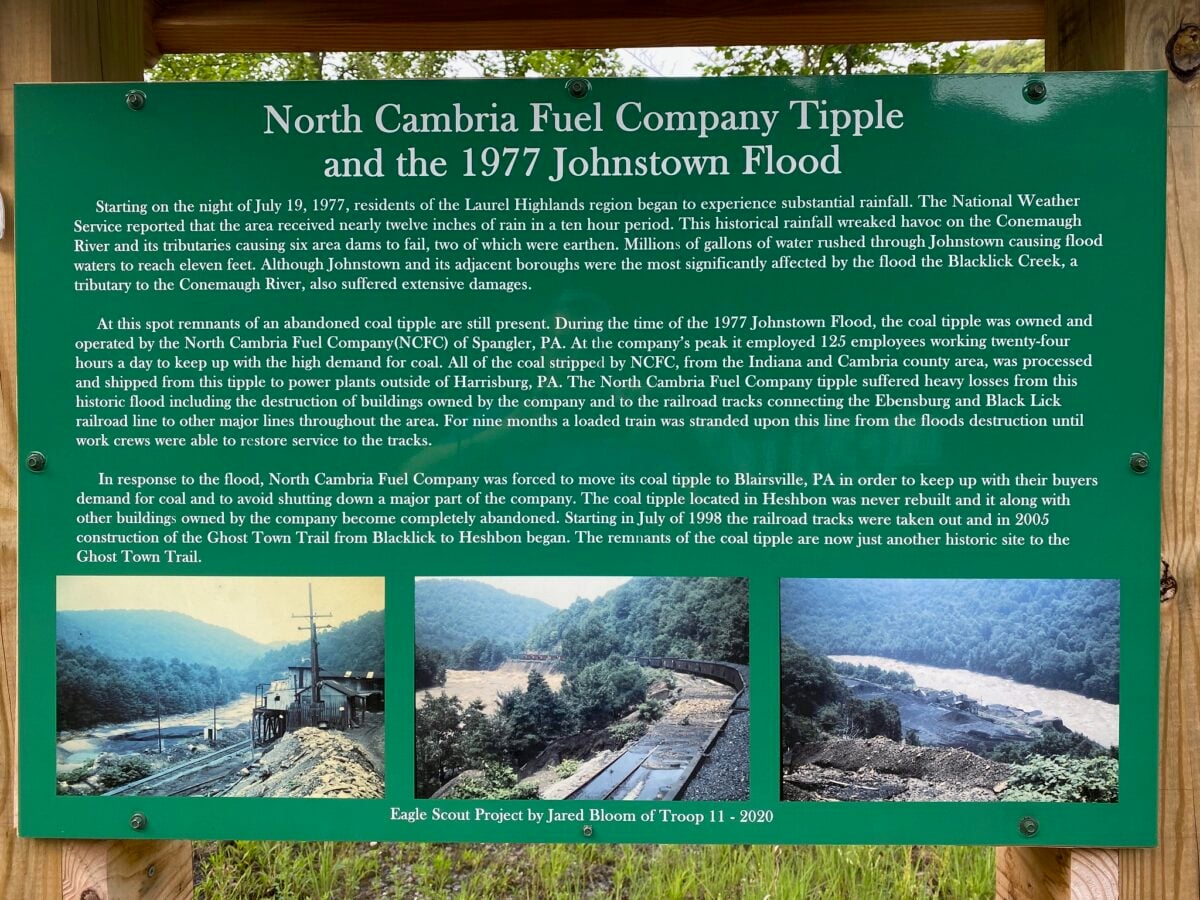
In 1889, an earthen dam near Johnstown, Pennsylvania, failed after days of heavy rain. The flood hit the city with such force that it crushed homes, factories, and bridges.
Over 2,200 people died. The dam had been poorly maintained by a private club for the wealthy. The event sparked national debate about responsibility and led to new standards in dam construction.
Like Go2Tutors’s content? Follow us on MSN.
The New London School Explosion

In 1937, a natural gas leak caused a huge explosion at a school in New London, Texas. Nearly 300 students and teachers were killed.
It was one of the deadliest school disasters in U.S. history. At the time, odorless gas was used, so no one smelled the leak.
After this, laws required gas companies to add a strong odor so leaks could be detected early.
The Cleveland East Ohio Gas Explosion
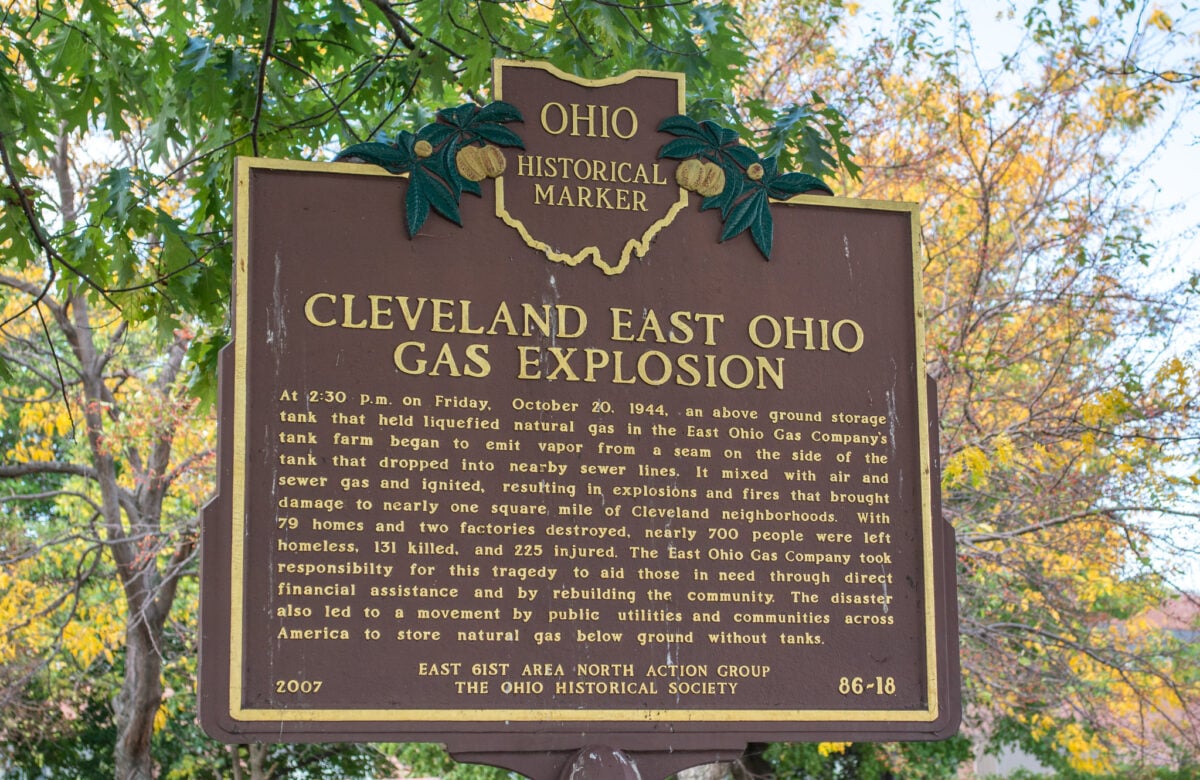
In 1944, a liquefied gas tank in Cleveland leaked and created a massive explosion followed by fires that swept through the neighborhood. It killed over 130 people and destroyed hundreds of buildings.
Families were caught off guard, as gas was still a new technology for many. The event changed how cities store and handle large amounts of gas. It also led to safer zoning laws.
The San Francisco Plague Outbreak

At the start of the 1900s, San Francisco faced an outbreak of the bubonic plague. It spread through Chinatown first, but the city tried to hide it to avoid hurting business.
The delay cost lives. Once the truth came out, public health systems were forced to improve.
The city made changes in waste removal, housing codes, and pest control that stuck for generations.
Like Go2Tutors’s content? Follow us on MSN.
The Tri-State Tornado

In 1925, a tornado tore through Missouri, Illinois, and Indiana, traveling more than 200 miles. It killed nearly 700 people and left thousands homeless. Most towns were not prepared at all.
This led to better warning systems and pushed for stronger building codes in tornado-prone areas. The path of the tornado also changed how towns were rebuilt, often moving homes and roads completely.
The Great Smog of London

In 1952, a thick smog settled over London, caused by coal burning and cold weather. It lasted five days and led to the deaths of around 12,000 people.
The city was not ready for such a deadly event from air pollution. Public outrage forced new laws to clean up the air.
It was the start of modern environmental awareness in cities.
The Great Kantō Earthquake

Tokyo was rocked by a massive earthquake in 1923, followed by fires that destroyed much of the city. Over 100,000 people died. The quake caused buildings, bridges, and railways to collapse.
Tokyo was rebuilt with wider roads, open parks, and stronger structures to withstand future disasters. It also led to better emergency training and drills.
Like Go2Tutors’s content? Follow us on MSN.
The Great Flood of 1993

Lasting over two months, this flood impacted several Midwestern states, with towns along the Mississippi River hit hardest. Whole communities had to move to higher ground.
Farmland was ruined, and businesses lost everything. The flood led to stronger levee systems and better emergency response planning.
Some towns were never rebuilt in the same spot.
The St. Francis Dam Collapse
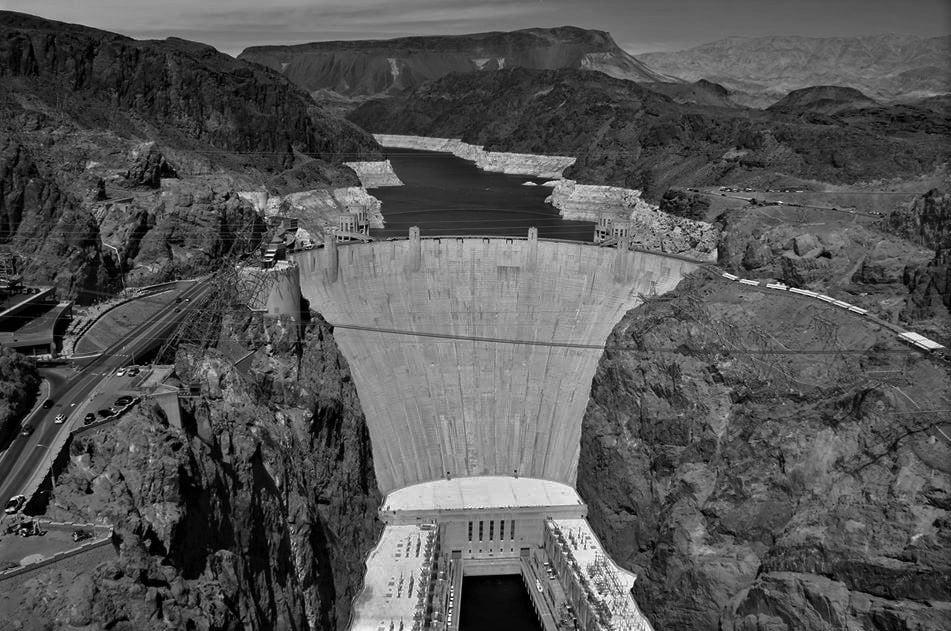
Just north of Los Angeles in 1928, the St. Francis Dam broke apart in the middle of the night. A massive wave killed over 400 people as it raced through the valley.
The dam’s failure exposed major flaws in how water systems were designed.
It ended the career of the city’s top water engineer and led to national reforms in dam safety. Los Angeles also learned the dangers of pushing for rapid growth without proper oversight.
The Aberdeen Typhoid Outbreak

In 1964, contaminated meat caused a large typhoid outbreak in Aberdeen, Scotland. Hundreds fell ill, and panic spread quickly.
The city’s food inspection systems were found to be outdated. As a result, new rules were made around food safety, and public trust in health departments grew.
It also made other cities review their own systems.
Like Go2Tutors’s content? Follow us on MSN.
The Texas City Disaster

In 1947, a ship carrying ammonium nitrate exploded in Texas City’s port. The blast was so strong that it shattered windows 10 miles away and triggered fires across the area.
Nearly 600 people died, and thousands were injured. The city had no plan for such a disaster.
Afterwards, safety rules for handling chemicals were completely changed across the country.
The Tangshan Earthquake

In 1976, China’s Tangshan city was hit by one of the deadliest earthquakes in history. Over 240,000 people died in the disaster.
Many buildings had been poorly built and collapsed instantly. The tragedy led China to take earthquake preparation more seriously.
Cities started using stronger materials and enforcing building codes.
The Edgewater Hospital Scandal

In the 1990s, Edgewater Hospital in Chicago was shut down after reports of abuse, fraud, and dangerous patient care. While not a natural disaster, it had lasting effects on health care in the city.
The scandal exposed how some hospitals misused federal programs. It pushed Chicago to monitor medical facilities more closely.
The empty hospital stood for years, a reminder of what went wrong.
Like Go2Tutors’s content? Follow us on MSN.
The L’Aquila Earthquake

In 2009, the Italian city of L’Aquila was rocked by a strong quake that killed over 300 people.
Some experts had warned about it, but their voices were ignored. After the disaster, officials were criticized for downplaying the risks.
The tragedy led to big changes in how earthquake threats are communicated to the public. It also reminded other cities to listen to early warnings.
Shaping cities through struggle

Every one of these disasters left deep scars, but also pushed cities to grow in ways they might not have otherwise. What once brought destruction later brought better laws, stronger buildings, and smarter planning.
Many cities became safer and more prepared because of what they went through. These forgotten moments might not make headlines today, but they still shape sidewalks, skylines, and systems all around us.
Looking back helps explain why the cities of today look and feel the way they do.
More from Go2Tutors!

- 16 Historical Figures Who Were Nothing Like You Think
- 12 Things Sold in the 80s That Are Now Illegal
- 15 VHS Tapes That Could Be Worth Thousands
- 17 Historical “What Ifs” That Would Have Changed Everything
- 18 TV Shows That Vanished Without a Finale
Like Go2Tutors’s content? Follow us on MSN.



