Historical Events the U.S. Government Tried to Cover Up but Couldn’t
Power has always had an uncomfortable relationship with the truth. The bigger the secret, the harder it becomes to contain — and American history is littered with classified documents that eventually found their way into the light.
What makes these stories particularly compelling isn’t just the initial deception, but the inevitable moment when the cover-up crumbles under its own weight. The government’s instinct to control information runs deep, yet time and again, whistleblowers, journalists, and simple bureaucratic incompetence have exposed truths that were meant to stay buried.
MK-Ultra
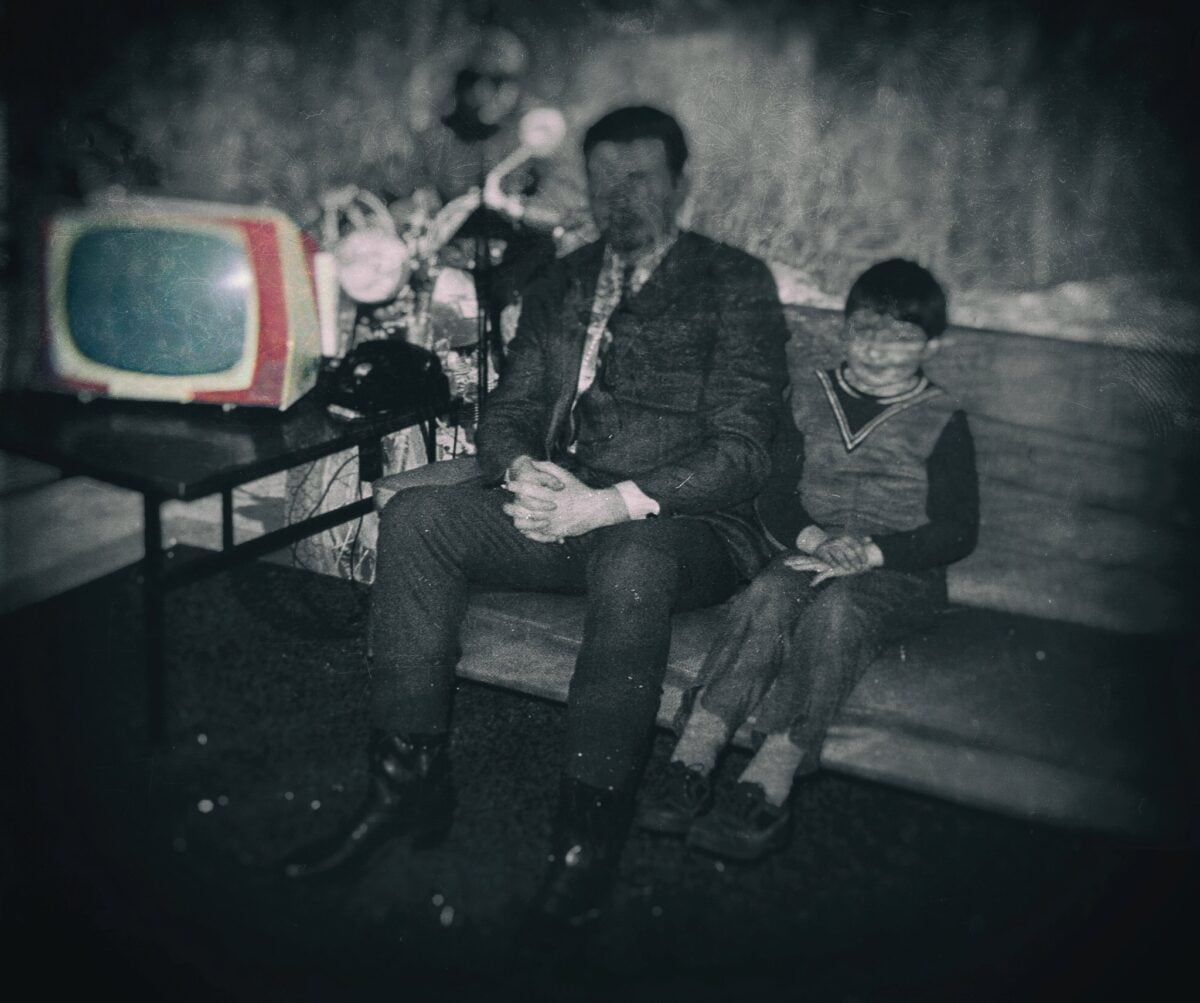
The CIA’s mind control experiments lasted two decades and violated every ethical boundary imaginable. Unwitting subjects were dosed with LSD, subjected to sensory deprivation, and tortured in the name of psychological research.
The program officially ended in 1973, with most documents destroyed. But not all of them.
A clerical error left thousands of financial records intact, and when they surfaced in 1977, the full scope of MK-Ultra became impossible to deny. Turns out destroying evidence works better in theory than in practice.
Operation Northwoods
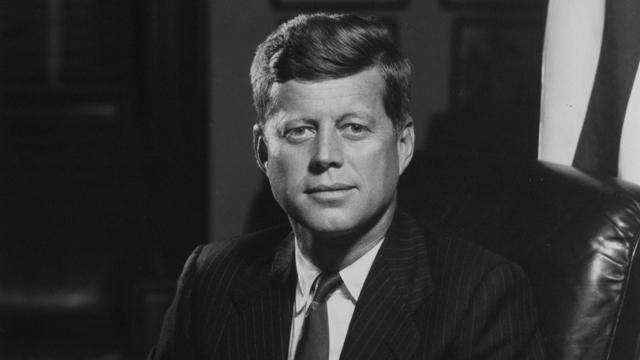
In 1962, the Joint Chiefs of Staff proposed something that sounds like conspiracy theory fiction: staging terrorist attacks on American soil to justify invading Cuba. The plan included hijacking planes, bombing ships, and conducting a campaign of terror against U.S. citizens — all while blaming Castro.
Kennedy rejected it outright. The documents stayed classified for nearly four decades until they were declassified in 2000, with ABC News subsequently reporting on their contents.
Reading the actual proposals remains deeply unsettling, not because they were implemented, but because they were seriously considered.
Tuskegee Syphilis Study
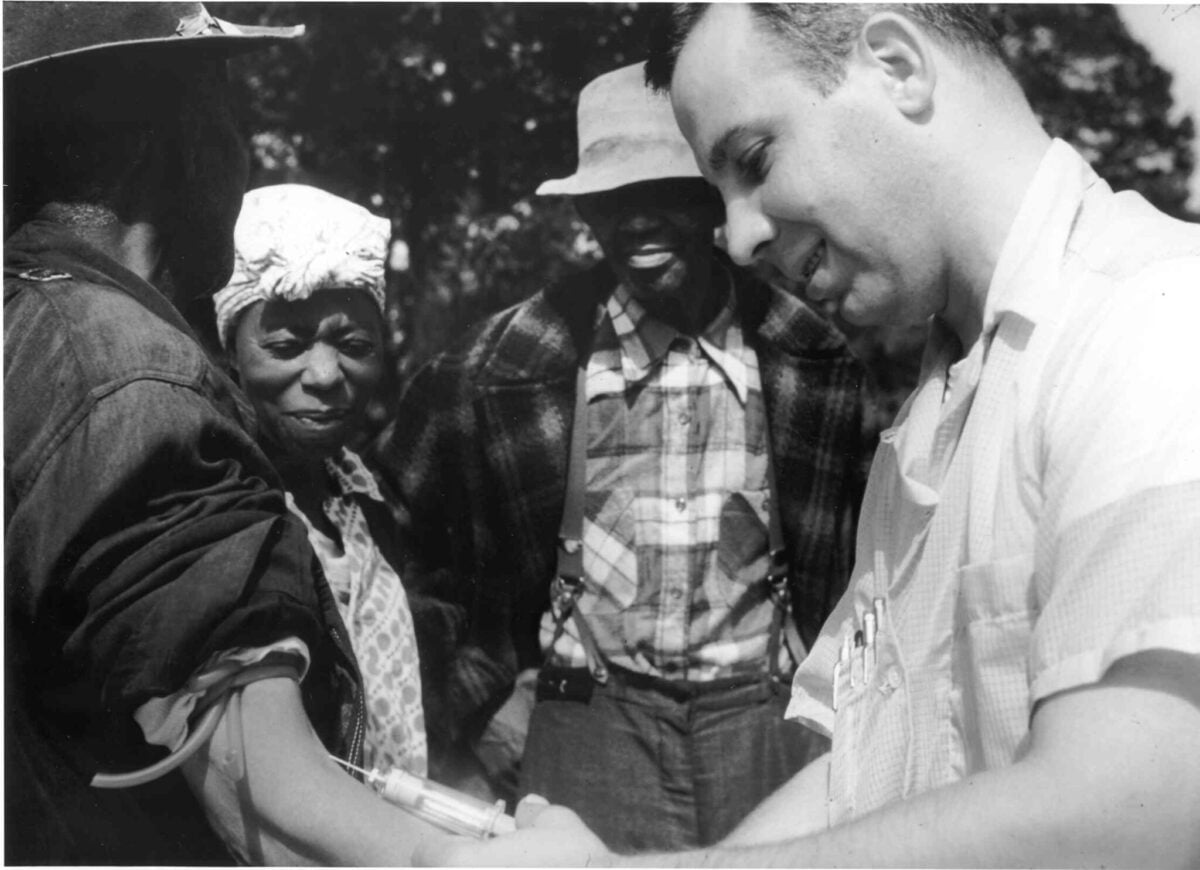
The government’s medical establishment spent forty years deliberately withholding treatment from Black men with syphilis, telling them they were receiving free healthcare for “bad blood.” The study continued even after penicillin was proven effective, sacrificing human lives for research data that was fundamentally flawed from the start.
The cover-up might have continued indefinitely — except Peter Buxtun, a Public Health Service investigator, couldn’t stay quiet about what he’d witnessed (and what his conscience wouldn’t let him ignore). When internal complaints failed to stop the study, he took his story to the Associated Press in 1972.
The resulting scandal shut down the program within months, but the damage to public trust in medical research — particularly among Black Americans — persists decades later.
The Pentagon Papers
Vietnam was supposed to be a noble war, fought for clear principles with steady progress toward victory. That narrative dissolved completely when Daniel Ellsberg leaked 7,000 pages of classified documents detailing how every administration from Truman to Nixon had systematically lied about the conflict.
The papers revealed that officials knew the war was unwinnable while publicly claiming the opposite. They showed deliberate deception about casualty figures, strategic failures, and the true motivations behind military escalation.
When The New York Times began publishing excerpts in 1971, the Nixon administration tried to stop them through the courts — a move that only amplified the story’s impact. The Supreme Court ruled in favor of press freedom, and the documents kept coming.
So much for controlling the narrative.
Japanese American Internment
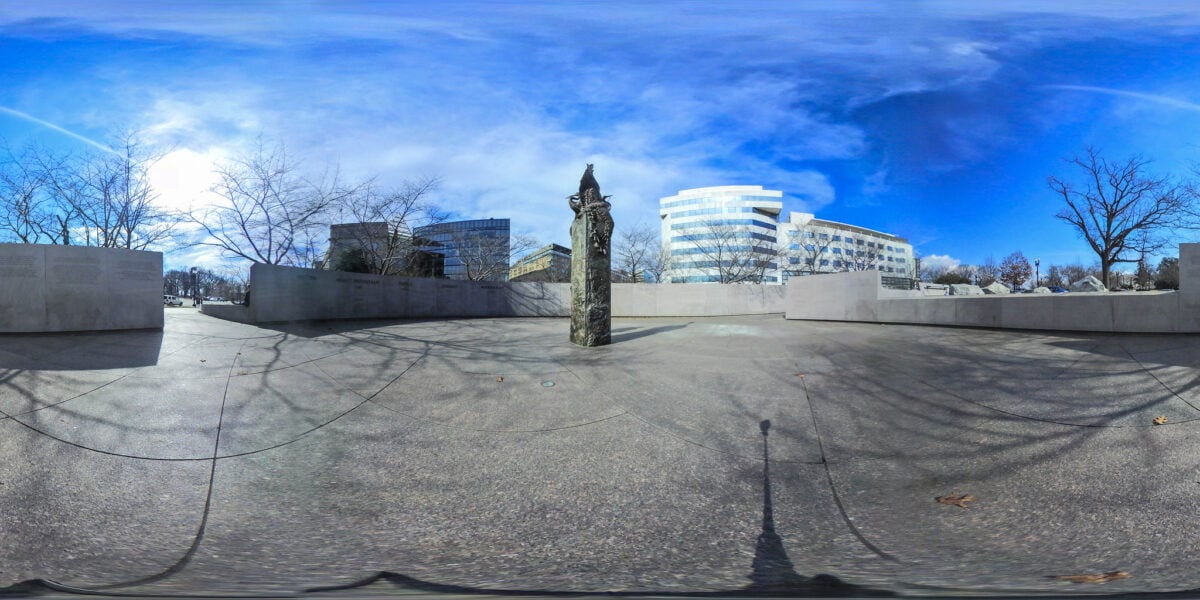
Executive Order 9066 forced 120,000 people of Japanese ancestry into detention camps during World War II, abandoning constitutional protections in favor of wartime hysteria. The government framed it as military necessity, claiming Japanese Americans posed an imminent security threat to the West Coast.
That justification crumbled when the Commission on Wartime Relocation and Internment of Civilians released its findings in 1982. The camps weren’t about national security — they were about racial prejudice and wartime panic.
No evidence existed of widespread disloyalty among Japanese Americans, and military officials knew it at the time. The commission’s report led to formal apologies and reparations payments, but it took four decades to acknowledge what should have been obvious: fear doesn’t justify abandoning civil liberties.
Iran-Contra Affair
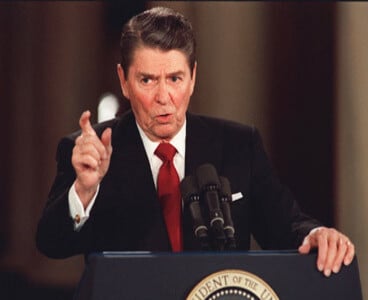
The Reagan administration found itself in a bind during the 1980s: Congress had banned funding for Nicaraguan rebels, but the White House wanted to support them anyway. The solution was creative if illegal — sell weapons to Iran, then funnel the profits to the Contras without congressional oversight.
The scheme unraveled when a cargo plane carrying weapons was shot down over Nicaragua in 1986, and the captured American crew member started talking. What followed was a web of secret bank accounts, covert operations, and high-level denials that fell apart under investigation.
Oliver North became the fall guy, but the scandal reached much higher. Even Reagan’s claim of ignorance couldn’t fully insulate him from an operation that violated both congressional mandates and international law.
The cover-up failed because too many people knew too many details, and eventually someone always talks.
COINTELPRO
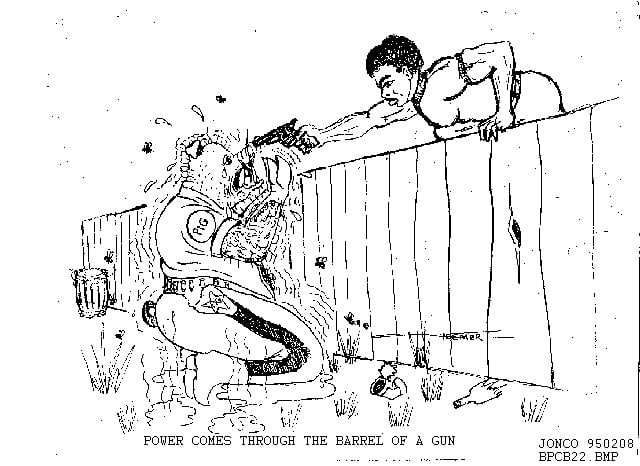
Disrupting domestic political groups wasn’t supposed to be the FBI’s job, but for fifteen years, that’s exactly what they did. COINTELPRO targeted civil rights leaders, anti-war activists, and anyone the Bureau considered subversive — using surveillance, infiltration, and psychological warfare against American citizens.
The program might have continued indefinitely if not for a group of activists who broke into an FBI office in Media, Pennsylvania in 1971. They stole classified documents and mailed copies to newspapers, exposing the full scope of domestic surveillance.
J. Edgar Hoover shut down COINTELPRO immediately, but the damage to the FBI’s reputation was permanent. Turns out illegally monitoring Martin Luther King Jr. and trying to drive him to self-destruction doesn’t look good in hindsight.
Agent Orange

Military officials knew that Agent Orange contained dioxin, a toxic compound linked to cancer and birth defects, but they used it anyway throughout the Vietnam War. When veterans started getting sick, the government denied any connection between the herbicide and their health problems.
The cover-up lasted for years, with officials insisting Agent Orange was harmless despite mounting evidence to the contrary. But sick veterans don’t stay quiet forever, and their persistence eventually forced Congressional investigations.
In 1991, Congress passed legislation recognizing the connection between Agent Orange exposure and specific diseases. The admission came too late for many veterans who had already died, but it validated what they’d been saying all along.
Watergate
A “third-rate burglary” at the Democratic National Committee headquarters turned into the scandal that destroyed a presidency. What started as a break-in became a web of cover-ups, hush money, and abuse of power that reached the highest levels of government.
Nixon’s administration tried every possible way to contain the story — paying off the burglars, destroying evidence, claiming executive privilege. None of it worked.
The cover-up became worse than the original crime, and when the Supreme Court forced Nixon to turn over his secretly recorded conversations, the game was over. You can’t erase tape recordings once people know they exist.
Operation Mockingbird
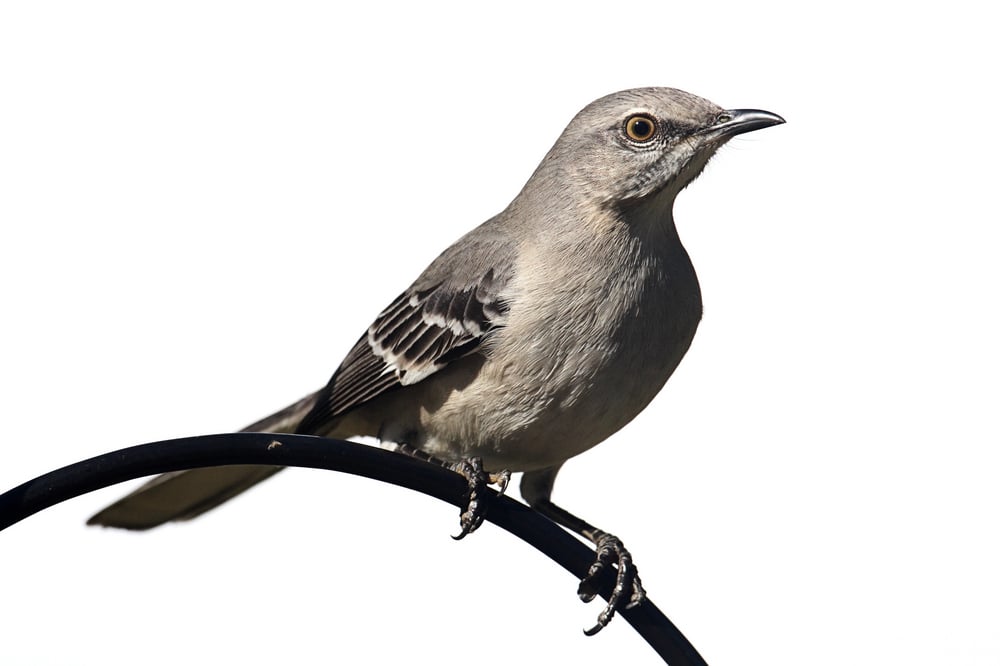
The CIA spent decades secretly paying journalists to plant stories and shape public opinion, turning news outlets into propaganda tools without readers knowing it. The operation influenced coverage of everything from the Cold War to domestic politics.
The Senate’s Church Committee exposed Operation Mockingbird in the 1970s, revealing how intelligence agencies had compromised journalistic independence on a massive scale. The revelations forced new restrictions on CIA domestic activities, but they also raised uncomfortable questions about media manipulation that persist today.
When you discover that “trusted” news sources were secretly on the government payroll, it becomes harder to trust any official narrative.
Human Radiation Experiments
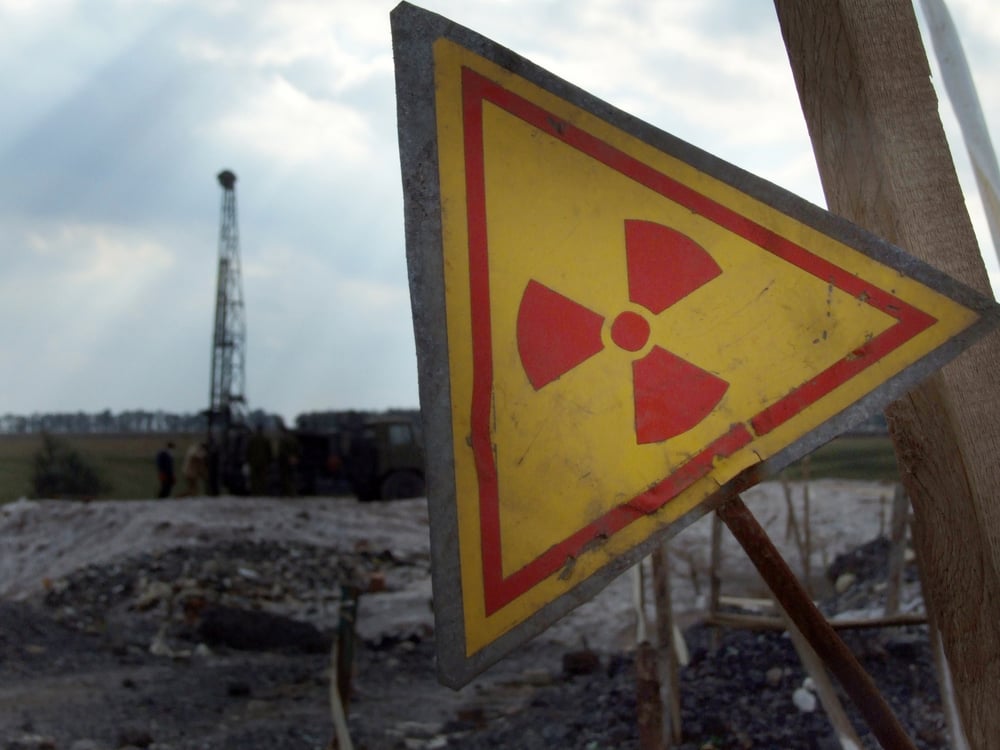
Between the 1940s and 1970s, government researchers conducted radiation experiments on unwitting subjects — including children, pregnant women, and prisoners. The subjects weren’t told they were being exposed to dangerous levels of radiation, and many suffered serious health consequences.
The experiments remained hidden until the 1990s, when journalist Eileen Welsome’s investigation forced their disclosure. Her reporting revealed that government scientists had used vulnerable populations as test subjects in the name of Cold War research.
President Clinton appointed an advisory committee to investigate, and their findings led to apologies and compensation for victims. But the damage was done — both to the subjects and to public trust in government-sponsored research.
My Lai Massacre
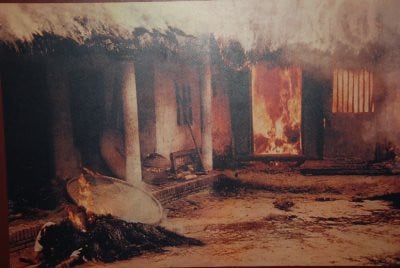
American soldiers killed hundreds of unarmed Vietnamese civilians in the village of My Lai in 1968, but the military initially reported it as a successful operation against enemy forces. The cover-up might have worked if not for Ron Ridenhour, a former soldier who heard about the massacre from fellow troops.
Ridenhour wrote letters to Congress and the Pentagon, demanding an investigation. His persistence, combined with journalist Seymour Hersh’s reporting, eventually forced the truth into the open.
The massacre became a symbol of American military failure in Vietnam, and the attempted cover-up made it worse. Lieutenant William Calley was court-martialed, but many felt the military justice system failed to hold higher-ranking officials accountable for what happened.
FBI Surveillance of Martin Luther King Jr.
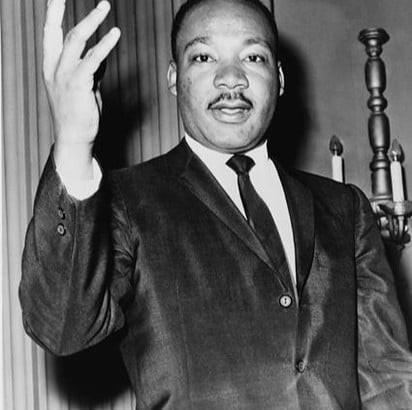
The FBI spent years trying to discredit Martin Luther King Jr., using illegal surveillance, wiretapping, and psychological harassment in an attempt to destroy his reputation and effectiveness as a civil rights leader. They even sent him anonymous letters suggesting he should take his own life.
The surveillance program remained secret until the Church Committee investigations of the 1970s revealed the full scope of FBI harassment. The revelations showed that the nation’s top law enforcement agency had spent enormous resources trying to undermine the country’s most prominent civil rights leader.
J. Edgar Hoover’s personal animosity toward King had turned the FBI into a tool of political persecution, violating both King’s civil liberties and the Bureau’s own mission.
When Secrets Refuse to Stay Buried
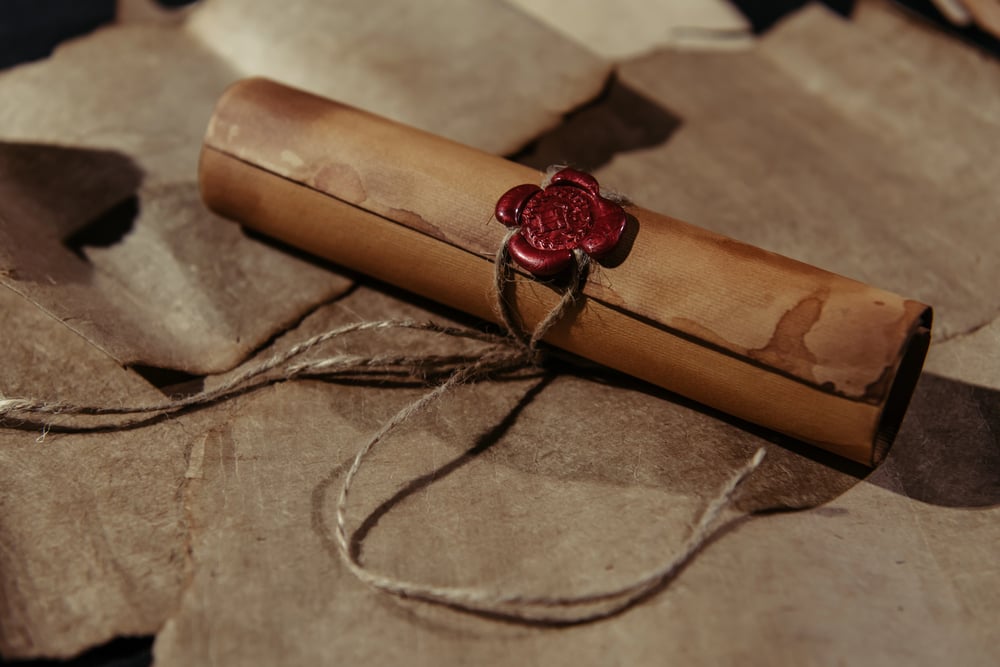
The pattern repeats itself throughout American history: officials classify information to protect national security or avoid embarrassment, but the truth has a persistent way of surfacing. Whether through whistleblowers, investigative journalists, or simple bureaucratic mistakes, these stories eventually demand acknowledgment.
The cover-ups often cause more damage than the original events, eroding public trust in ways that last for generations. Perhaps that’s the most important lesson here — in a democracy, the cost of deception usually exceeds the price of transparency.
More from Go2Tutors!

- The Romanov Crown Jewels and Their Tragic Fate
- 13 Historical Mysteries That Science Still Can’t Solve
- Famous Hoaxes That Fooled the World for Years
- 15 Child Stars with Tragic Adult Lives
- 16 Famous Jewelry Pieces in History
Like Go2Tutors’s content? Follow us on MSN.



