Images of the Most Beautiful Temples in the World
Hush settles where stone meets sky. Purpose informs every wall, every pillar – built not to last, but to speak.
Cut from the sides of cliffs, they rise, or occasionally push their way through the tops of trees, their reflections duplicated upon glassy surfaces below. Meaning is found quickly here, before explanation can begin to follow.
What is beautiful in a temple? Is it not more than the way it looks, more than the way it is? The way it sits, the way it is crafted – feeling is changed when entering one of them.
Different. From Japan to Mexico, they are built under many different creeds. Yet, they are built to find one thing: quiet, quiet in stone.
Angkor Wat
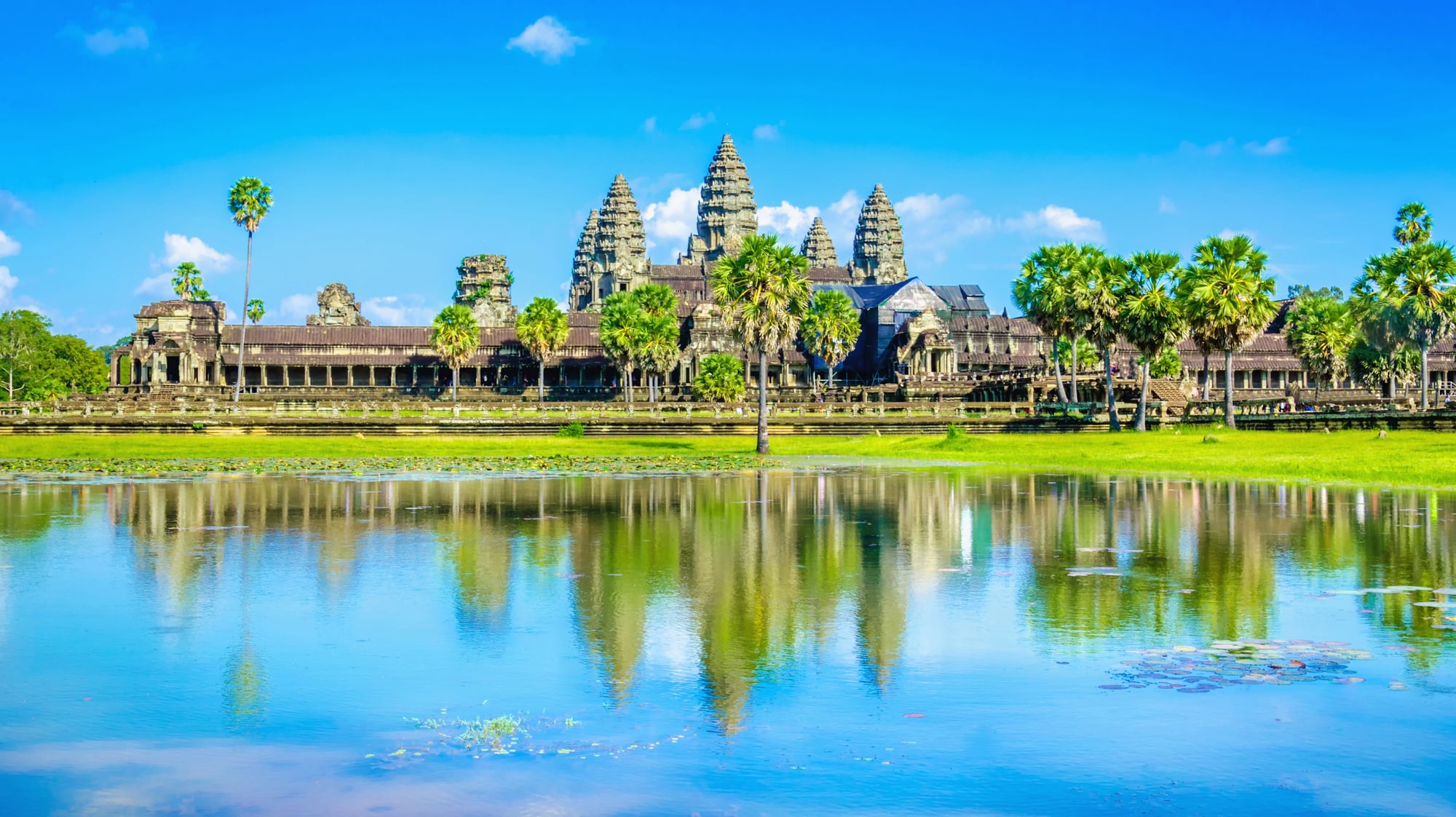
A giant sprawl of stone, Angkor Wat sometimes looks endless when seen from afar. Built during the 1100s, it hits the eye with balance and size whether you stand close or view from high up.
Rising gently, the main spires mimic unfolding lotus flowers, surrounded by covered walkways and still water surfaces. When morning light arrives, the whole layout appears lit from within, adding to its fame among breathtaking temples worldwide. Carved scenes packed into every surface unfold tales that run the length of corridors.
Taj Mahal
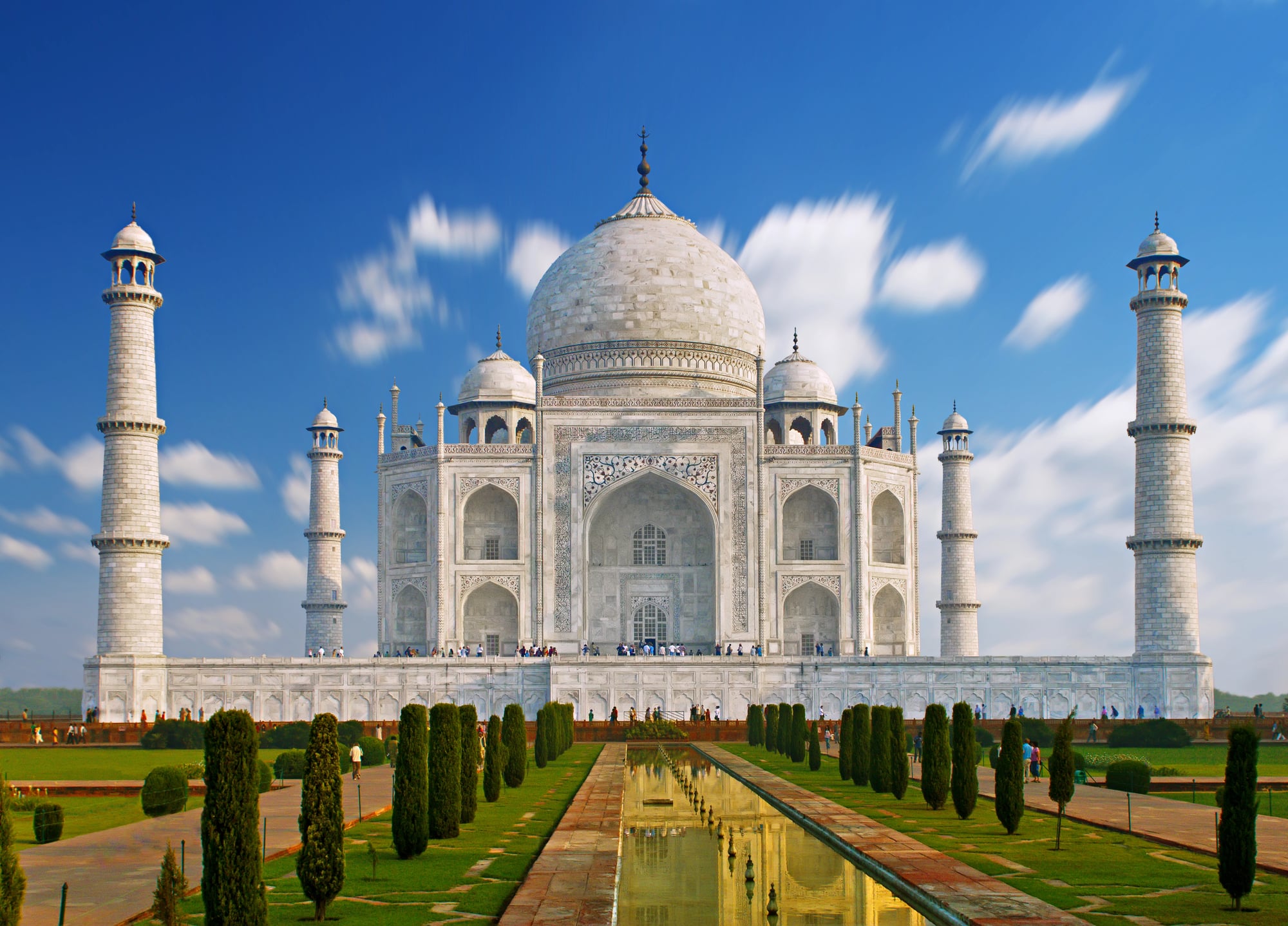
Although often described as a mausoleum, the Taj Mahal carries the architectural language of temple design through its symmetry and spiritual intent. Built from white marble, it reflects light differently throughout the day, shifting from soft pink to bright white to a muted glow at dusk.
Its surrounding gardens and water channels create a sense of balance that feels deliberate and calming. The structure’s precision makes it feel almost weightless despite its scale.
Borobudur
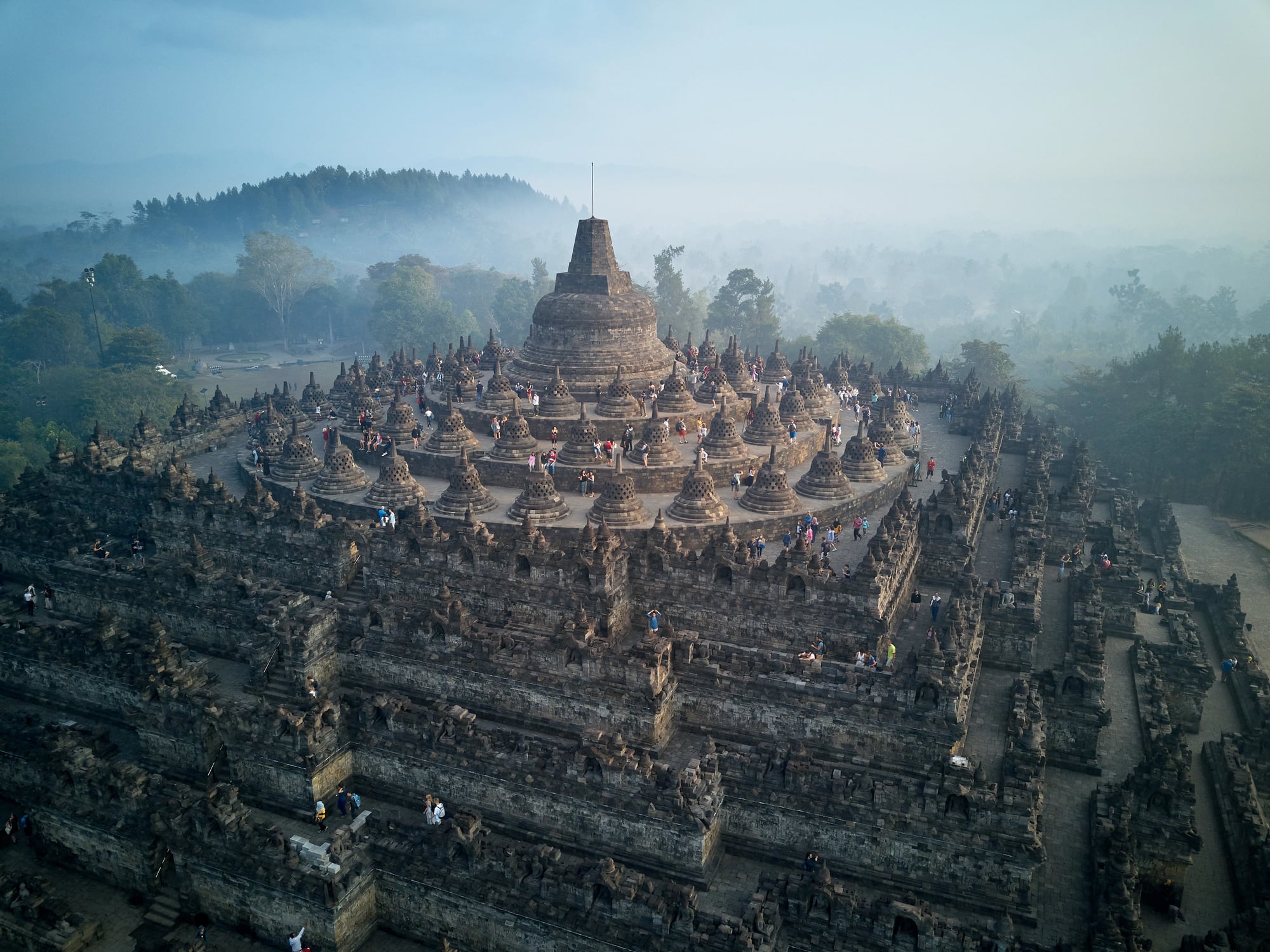
Rising from the Indonesian landscape, Borobudur is designed as a massive stepped pyramid. Its terraces are lined with detailed relief panels and bell-shaped stupas, each contributing to a larger symbolic journey.
The layout encourages movement upward, both physically and spiritually. In the early morning, mist often settles around the structure, giving it a floating, almost unreal quality. The experience changes depending on where you stand, making it feel layered and immersive.
Meenakshi Temple
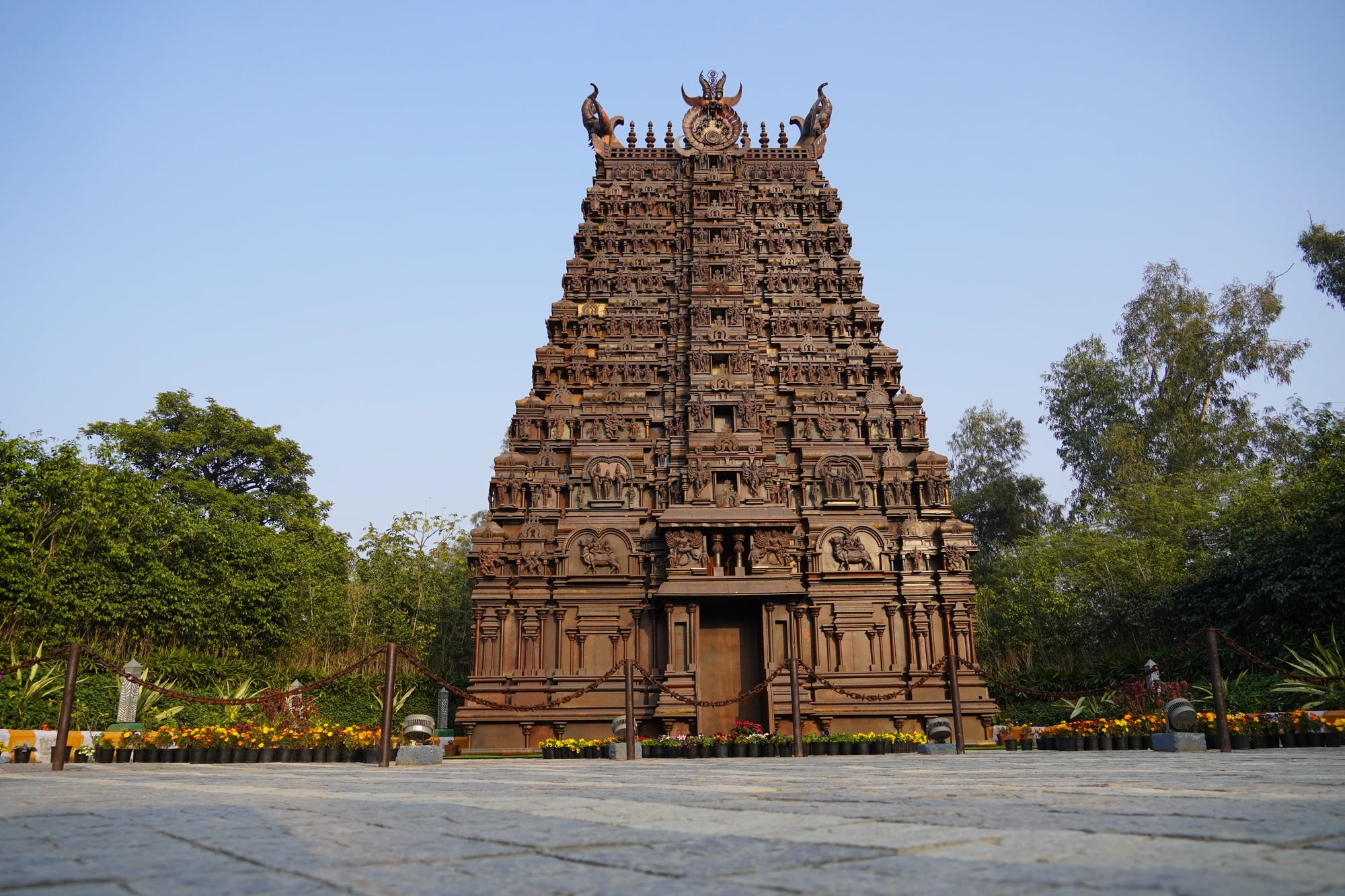
Located in southern India, Meenakshi Temple is known for its towering gateways covered in colorful sculptures. Each surface is packed with figures, patterns, and details that reward close attention.
The sheer density of decoration creates a sense of visual intensity that’s hard to ignore. Inside, the layout opens into corridors and halls that contrast with the intricate exterior. It’s a place where scale and detail exist side by side.
Paro Taktsang
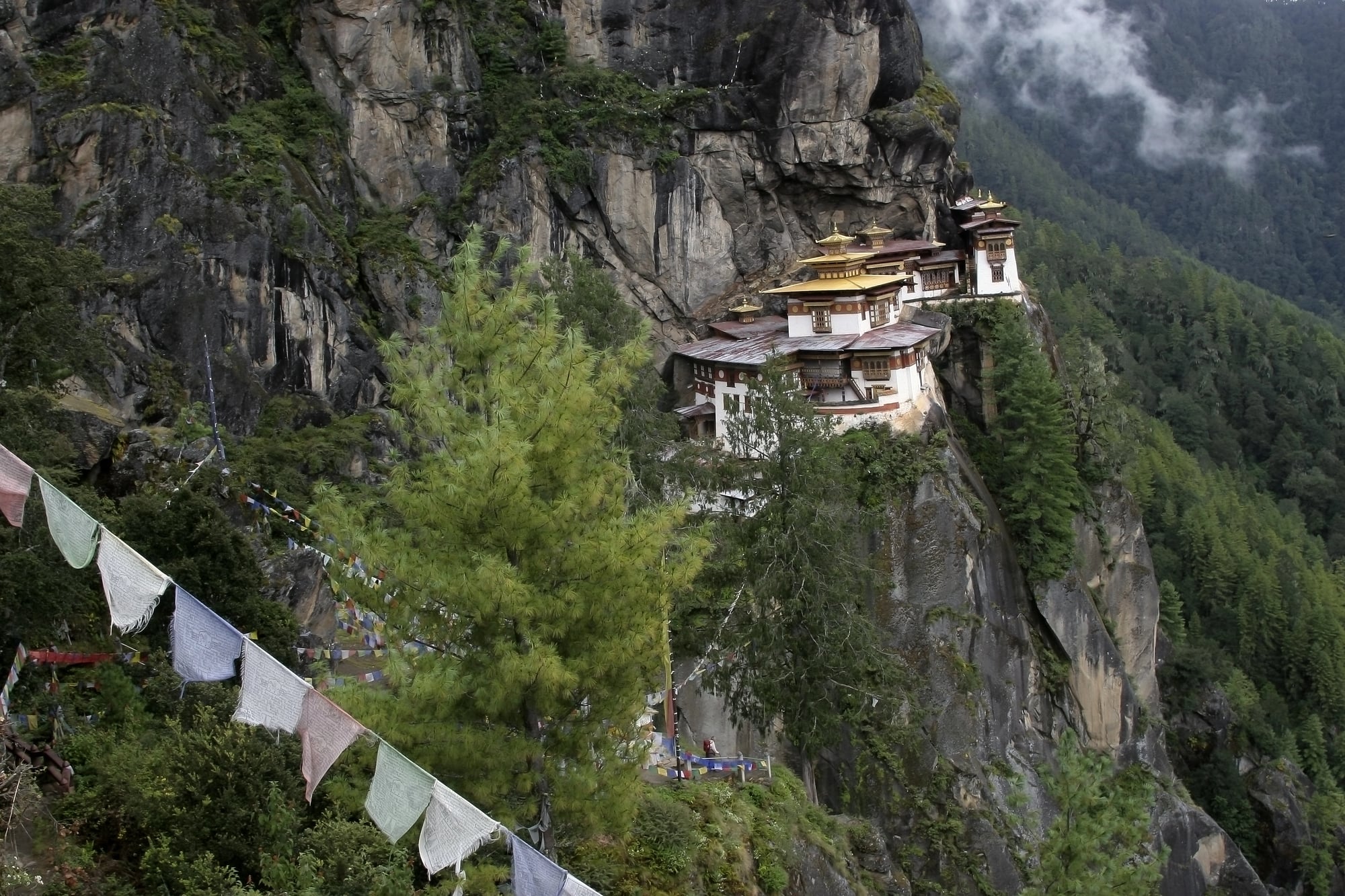
Perched dramatically on a cliffside, Paro Taktsang appears almost suspended in midair. Its location alone makes it one of the most striking temples in the world.
Reaching it requires a steep journey, which adds to its sense of separation from everyday life. The white walls and golden roofs stand out against the surrounding rock and forest. The setting feels as intentional as the structure itself.
Shwedagon Pagoda
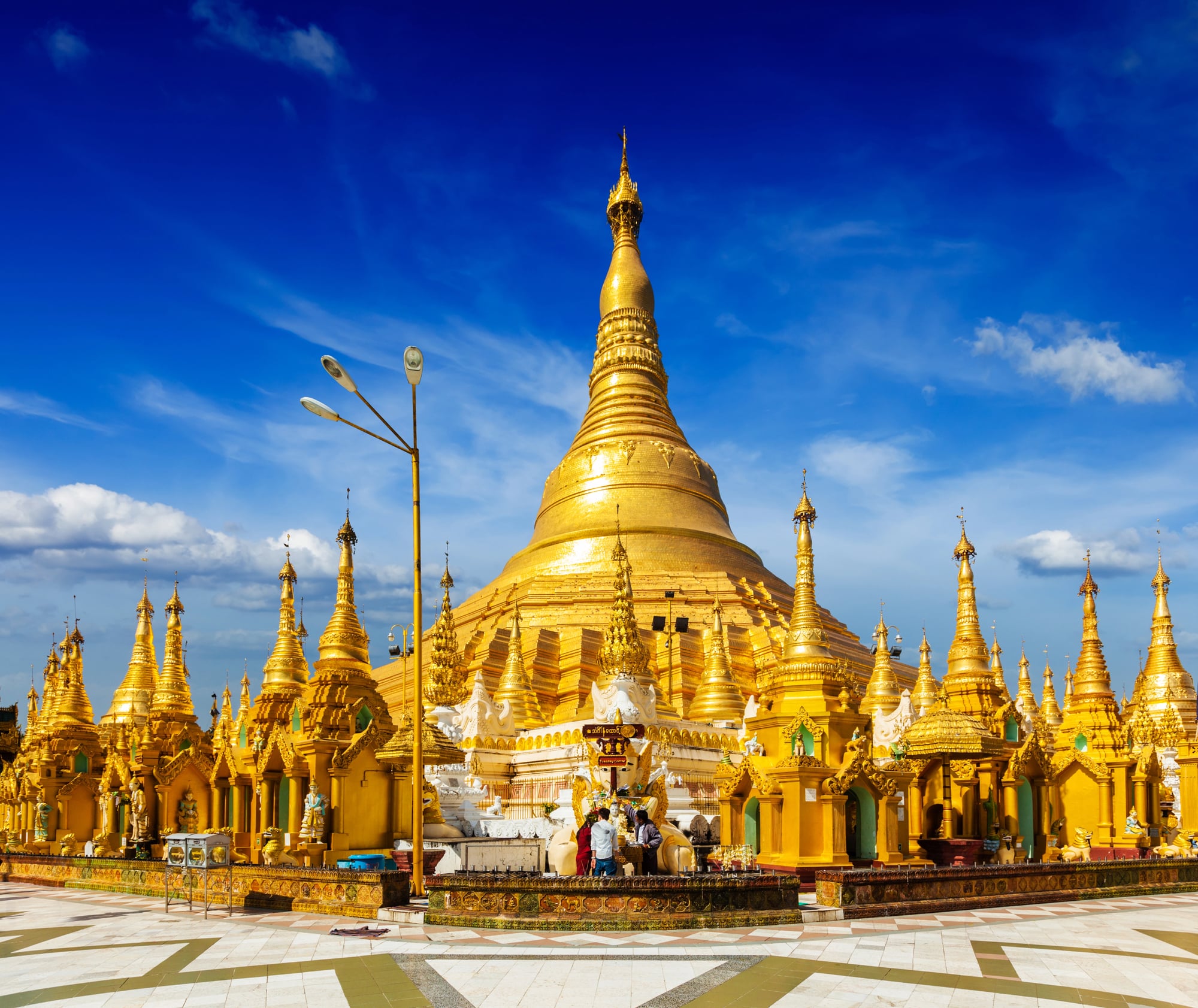
The Shwedagon Pagoda rises above Yangon with a golden surface that reflects sunlight throughout the day. Covered in gold plates and topped with a jeweled spire, it carries both visual and cultural significance.
The surrounding complex includes smaller shrines and walkways that create a layered environment. As the light changes, so does the atmosphere of the space. It’s a structure that feels alive with movement and reflection.
Kinkaku-ji
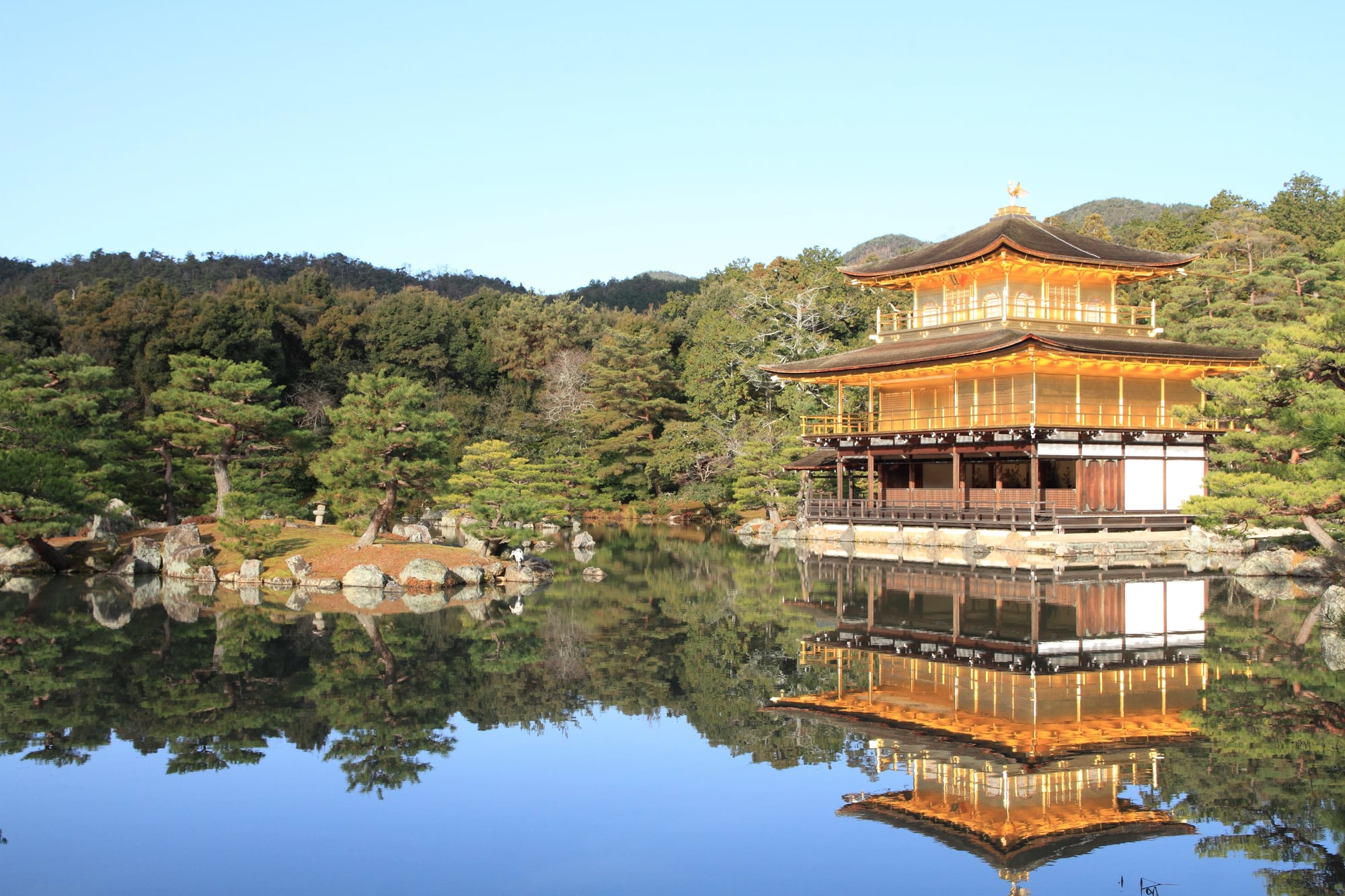
Also known as the Golden Pavilion, Kinkaku-ji is set beside a reflective pond that mirrors its gold-covered exterior. The building’s clean lines and balanced proportions create a sense of calm.
Its reflection doubles the visual impact, making the scene feel almost symmetrical. Seasonal changes alter the surrounding landscape, giving the temple a different character throughout the year. It’s a study in restraint and precision.
Wat Rong Khun

Unlike traditional temples, Wat Rong Khun presents a modern interpretation of sacred architecture. Its bright white exterior is covered in mirrored details that catch the light.
The design includes unconventional elements that contrast with its spiritual purpose. This blend of tradition and innovation creates a space that feels both familiar and unexpected. It challenges expectations without losing its sense of meaning.
Temple of Heaven
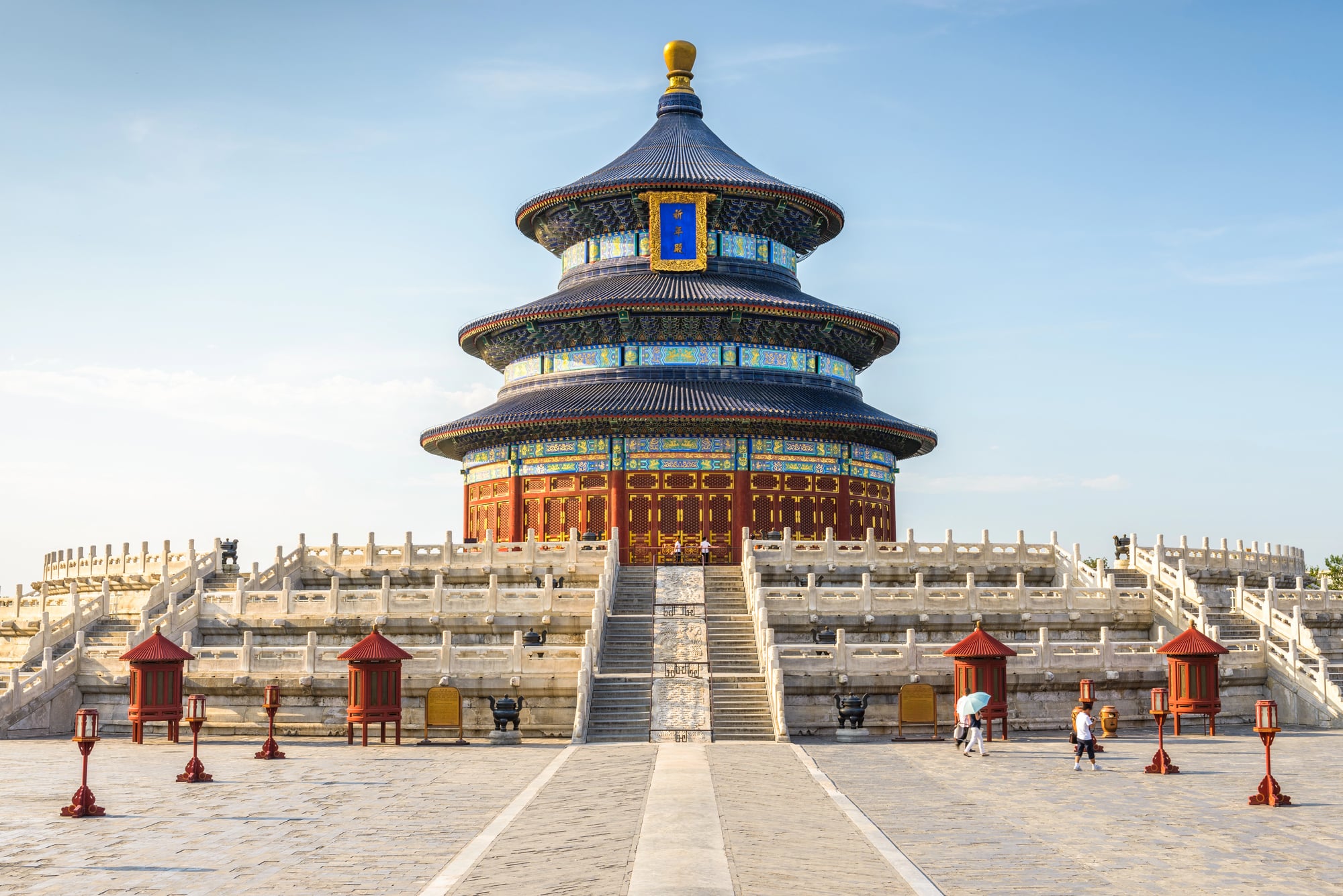
In Beijing, the Temple of Heaven is known for its circular design and symbolic layout. The structures are arranged with careful attention to proportion and alignment.
The use of color, particularly deep blue and gold, adds to its visual identity. Open spaces around the buildings create a sense of scale and balance. The overall design reflects a broader philosophical approach to harmony.
Sri Ranganathaswamy Temple
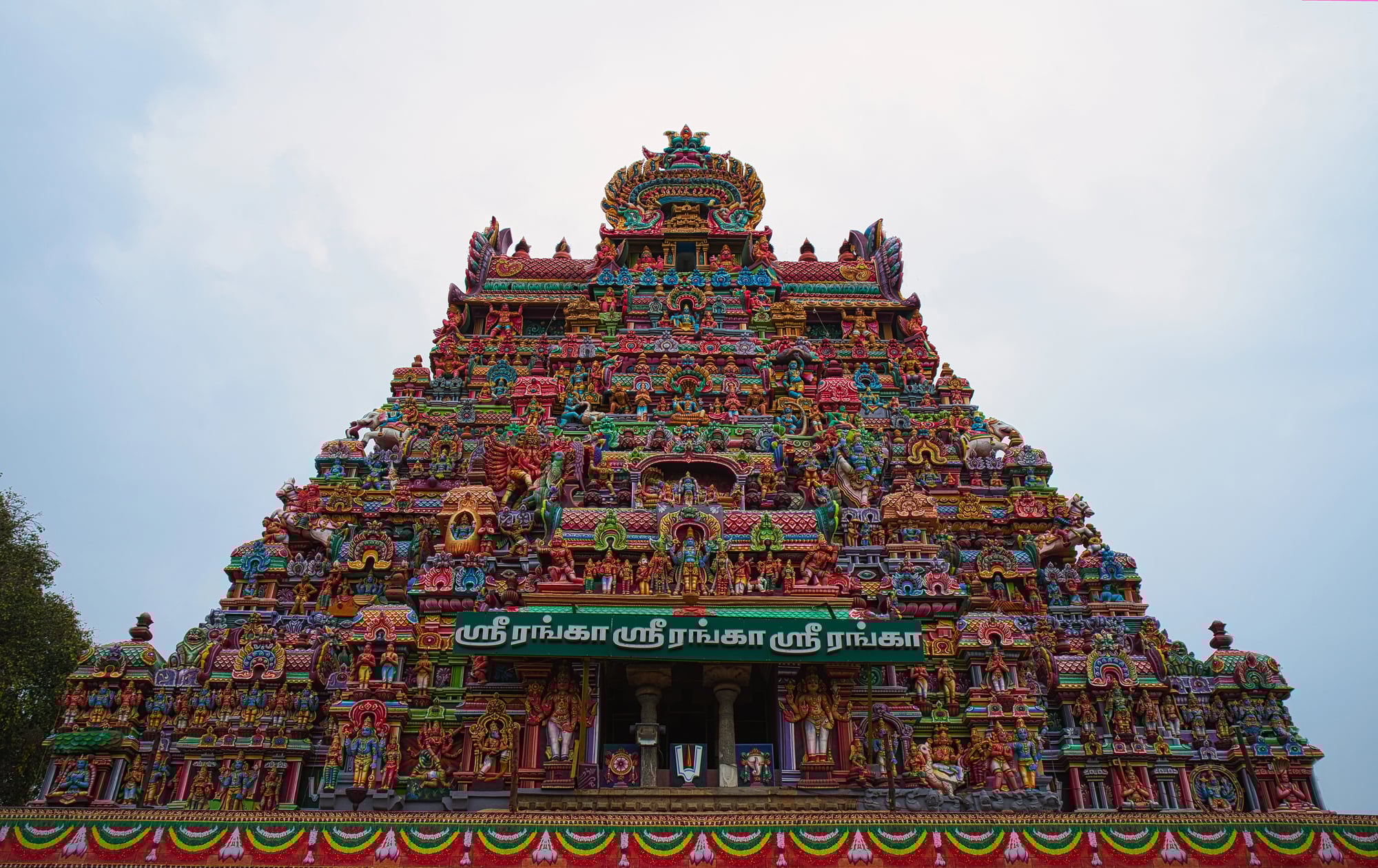
One of the largest temple complexes in India, Sri Ranganathaswamy Temple is defined by its multiple enclosures and towering gateways. Each layer reveals new spaces, creating a sense of progression.
The architecture blends functionality with intricate design. Its size alone makes it feel like a city within a city. The experience of moving through it is as important as the structure itself.
Prambanan
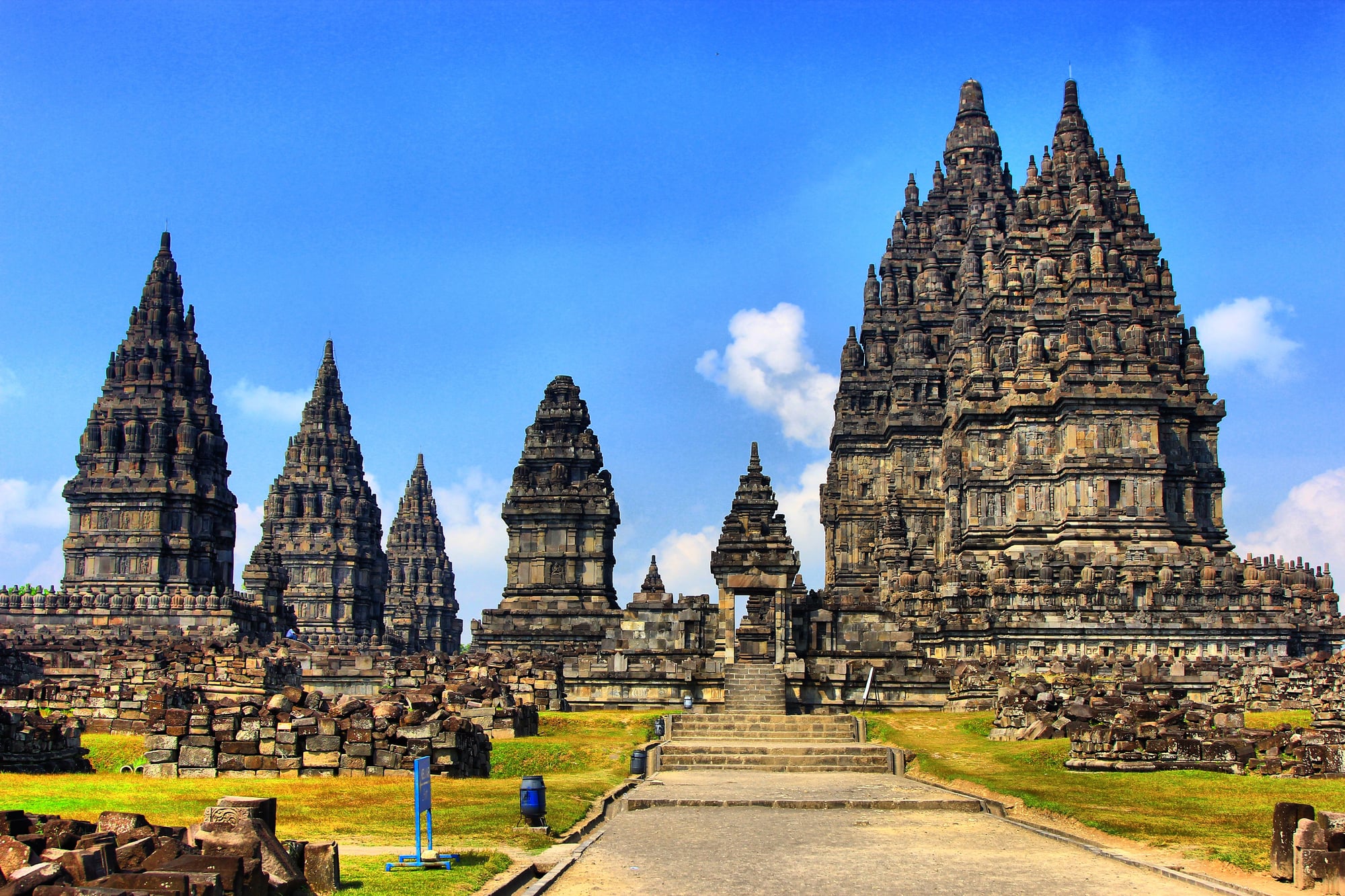
The Prambanan is characterized by its tall, pointed towers that rise sharply into the sky. Built in the 9th century, it reflects a high level of craftsmanship and symmetry.
The central temples are surrounded by smaller structures, creating a sense of rhythm. Relief carvings along the walls depict stories from ancient texts. The vertical emphasis gives it a striking silhouette.
Mahabodhi Temple
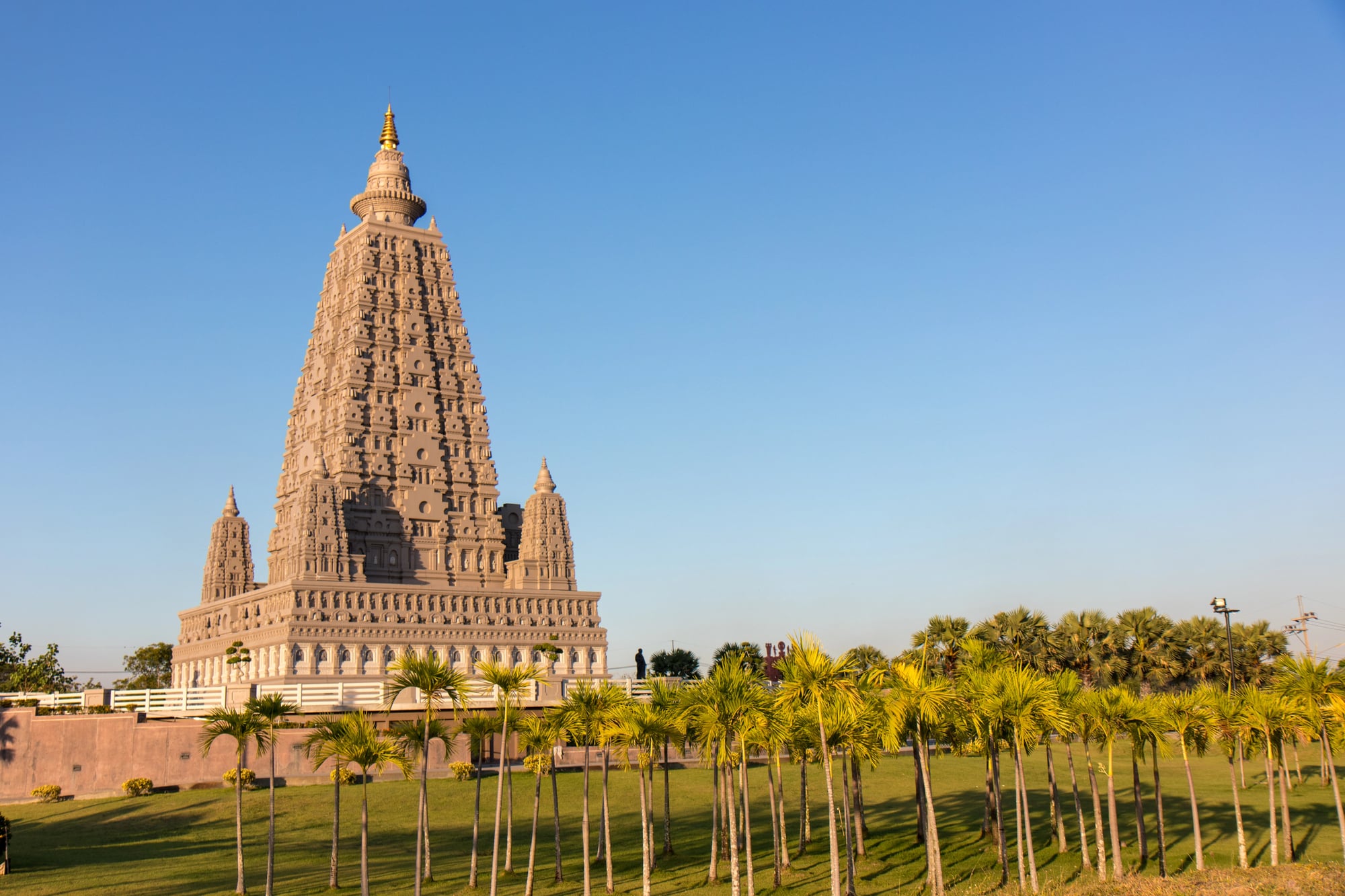
Located in India, the Mahabodhi Temple is associated with the place where the Buddha is said to have attained enlightenment. Its pyramidal structure rises above the surrounding area, marked by detailed carvings and a distinct form.
The temple’s significance adds to its presence. Pilgrims from around the world visit it, contributing to its atmosphere. It feels grounded in both history and ongoing practice.
Akshardham
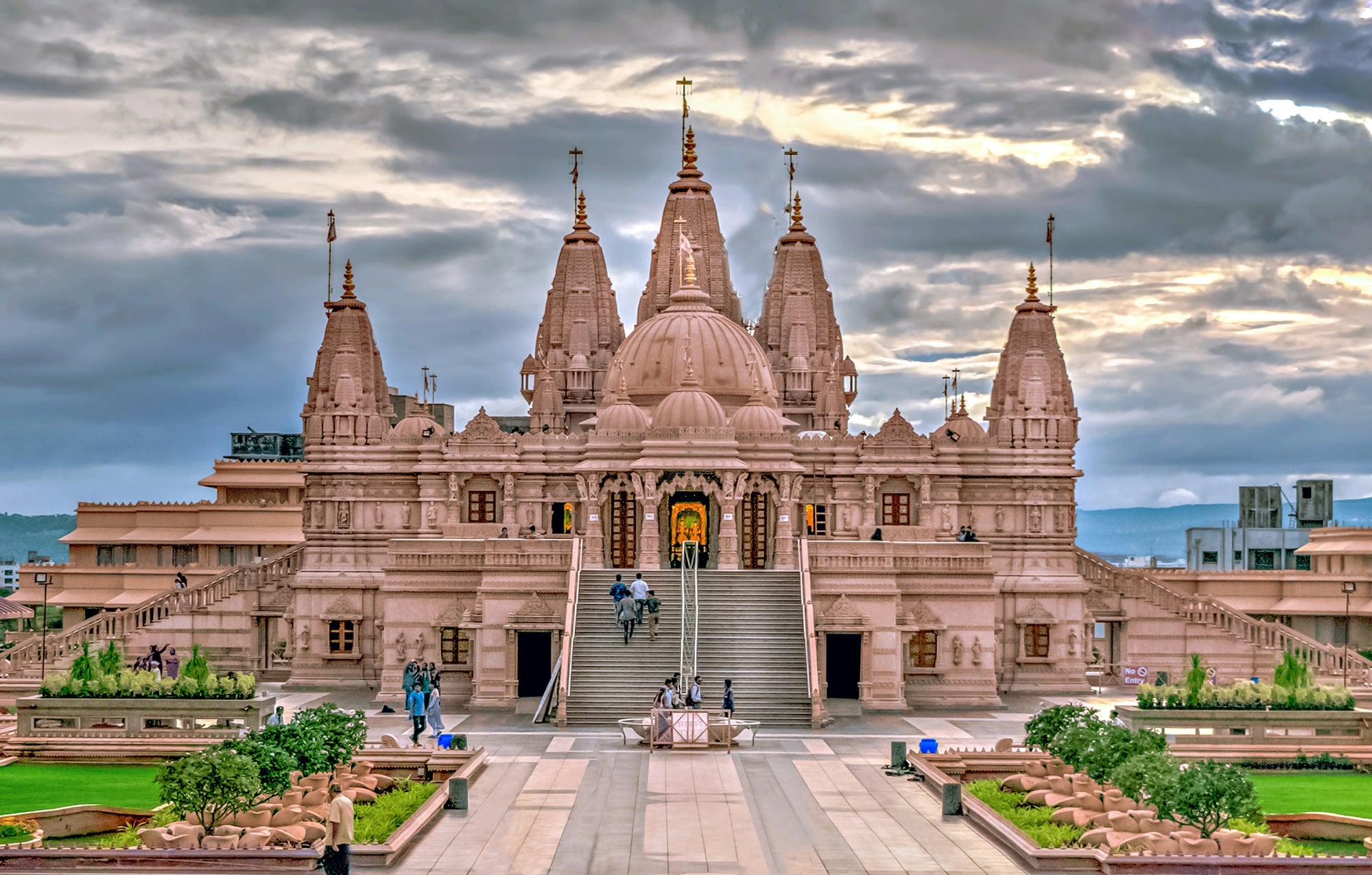
The Akshardham combines traditional craftsmanship with modern construction techniques. Its exterior is covered in carvings that depict cultural and spiritual themes.
The scale of the complex allows for large open spaces alongside detailed structures. Water features and gardens add to its overall design. It presents a contemporary expression of a long-standing tradition.
Bagan Temples

Across the plains of Myanmar, the Bagan features thousands of temples and pagodas spread across the landscape. Each structure varies in size and design, creating a sense of endless variety.
At sunrise or sunset, the scene becomes especially striking as light moves across the terrain. The density of temples gives the area a unique visual identity. It’s less a single site and more a vast architectural field.
Horyu-ji
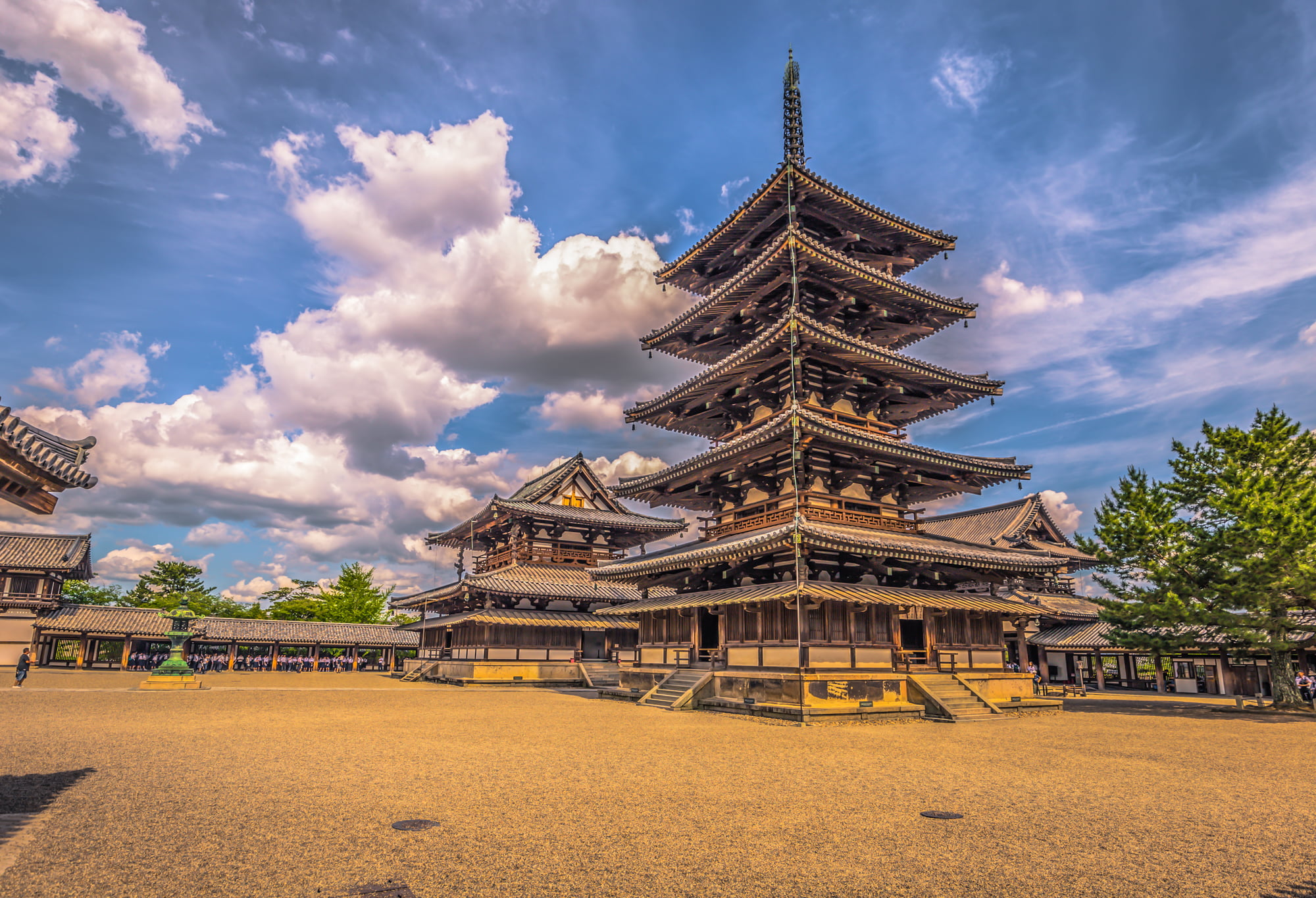
Standing among the planet’s most ancient wooden constructions, Horyu-ji showcases the roots of Japanese temple architecture. Arranged without clutter, its buildings find harmony through careful spacing rather than ornament.
Wood dominates here, lending warmth and a sense of being rooted in earth. Time has passed, yet little has worn away. Beauty emerges quietly, not from grandeur but from restraint.
Where Beauty Meets Meaning
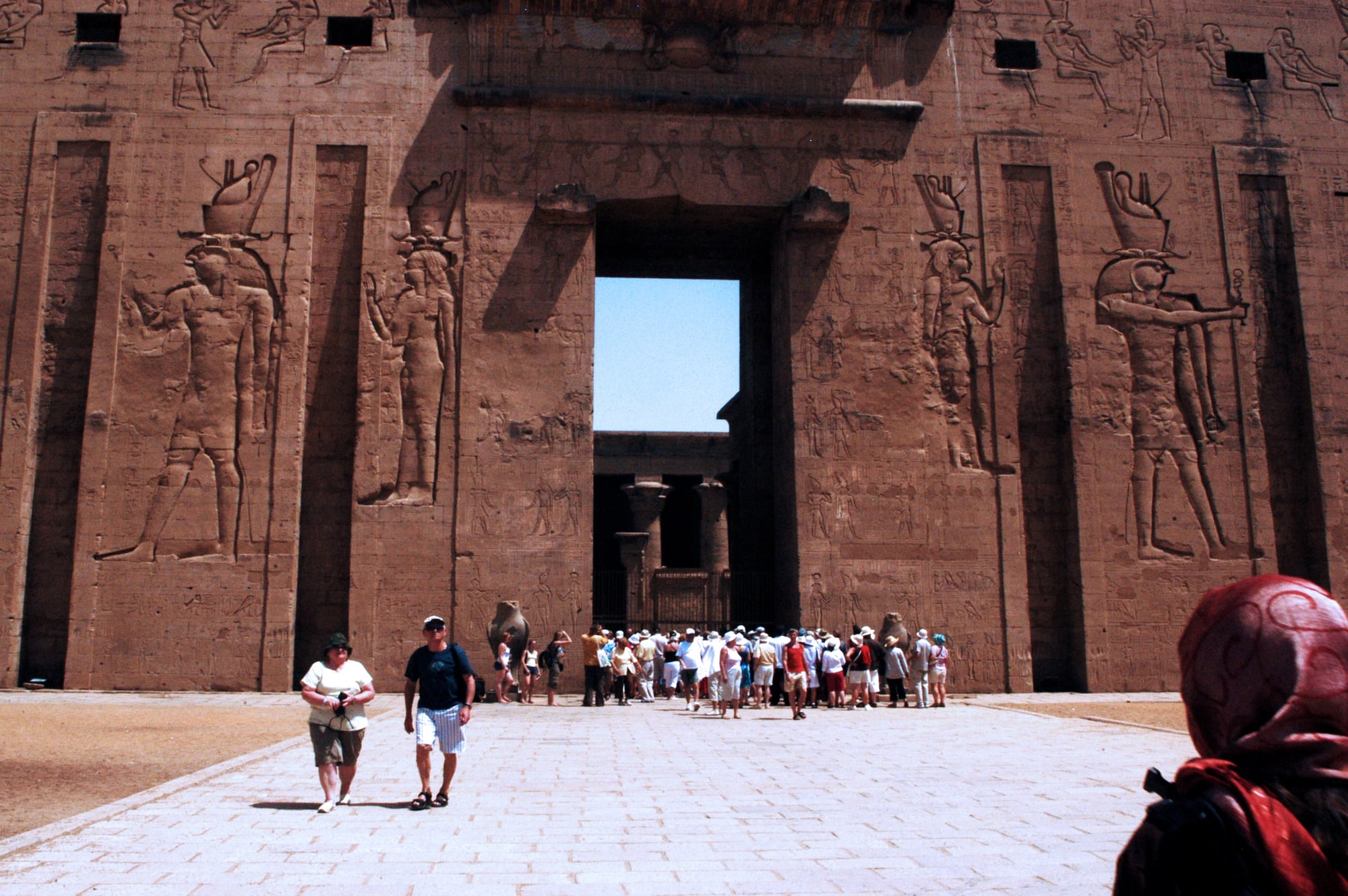
Stillness connects all these temples, more than their stone or style. Designed to exist, each temple exists as a sign of its time.
Human hands have made them, driven by belief and local understanding. What you see today is a result of decisions made long ago, where, why, and how. The atmosphere around them is altered because of it.
Even today, their existence commands attention, not only because they rise high, but also because they compel people to stop, to pause. In a world that rushes ahead, these temples move at a different speed, deliberate, unhurried, and inviting you to feel what cannot be named.
More from Go2Tutors!

- The Romanov Crown Jewels and Their Tragic Fate
- 13 Historical Mysteries That Science Still Can’t Solve
- Famous Hoaxes That Fooled the World for Years
- 15 Child Stars with Tragic Adult Lives
- 16 Famous Jewelry Pieces in History
Like Go2Tutors’s content? Follow us on MSN.



