Dark Chapters of American History That Schools Rarely Teach in Full
American classrooms tend to sanitize the past. Textbooks skim over uncomfortable truths, presenting history as a series of inevitable triumphs rather than the messy, often brutal reality it actually was. Students graduate knowing about the Boston Tea Party and the Civil Rights Movement, but they miss the deeper, darker currents that shaped the nation.
These omissions aren’t accidental — they’re the result of decades of careful editing, political pressure, and a collective desire to present a more palatable version of the American story. The gaps in historical education leave citizens unprepared to understand how past injustices connect to present-day inequalities.
More troubling, they perpetuate myths that prevent honest conversations about what America has been and what it could become. These are the chapters that deserve more than a paragraph in a textbook footnote.
The Tulsa Race Massacre
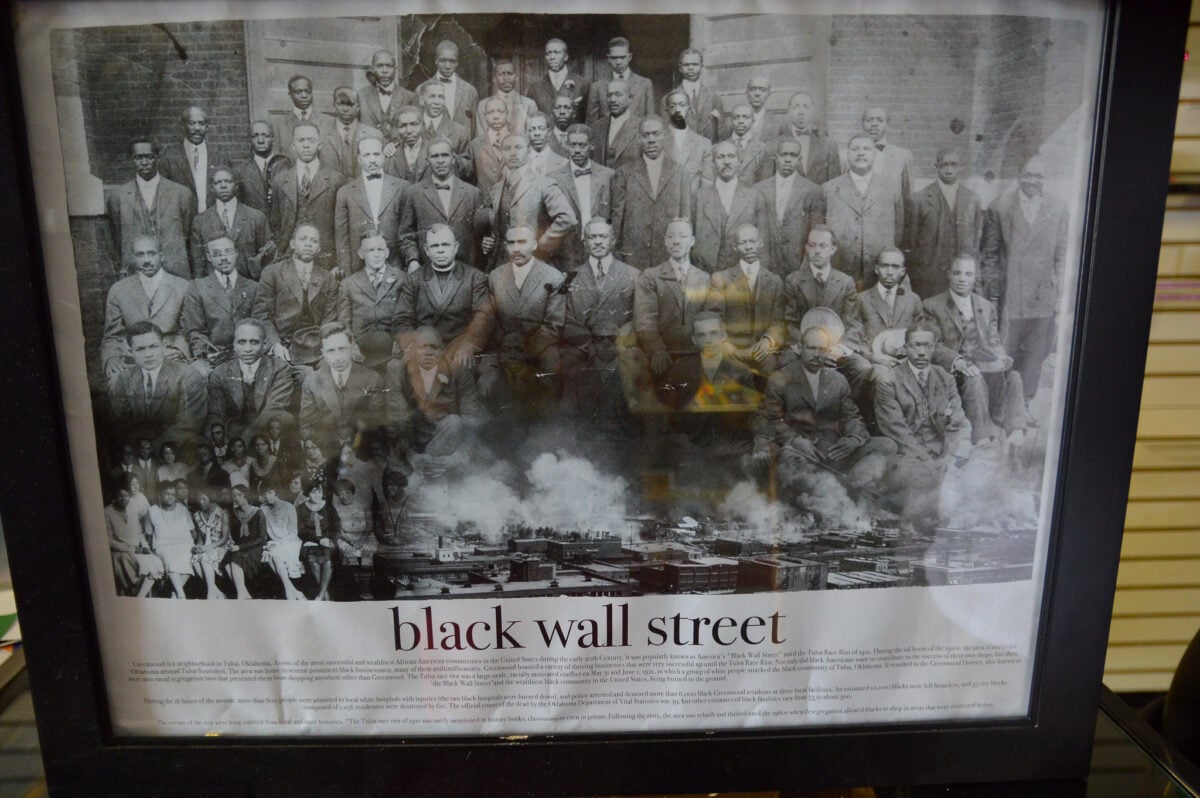
Race riots happened frequently in early 20th-century America. The Tulsa massacre was different.
It targeted the most successful Black community in the country. Greenwood District, known as “Black Wall Street,” was home to Black-owned banks, hotels, theaters, and newspapers.
Prosperity made it a target. On May 31, 1921, a white mob descended on the neighborhood after a Black teenager was accused of assaulting a white woman in an elevator.
The violence lasted 18 hours. White rioters burned 35 city blocks to the ground, killing an estimated 300 people and leaving 10,000 homeless. Some attacked from airplanes, dropping incendiary bombs on houses and businesses.
The National Guard arrived not to stop the violence, but to arrest Black residents trying to defend their homes.
The Indian Boarding School System
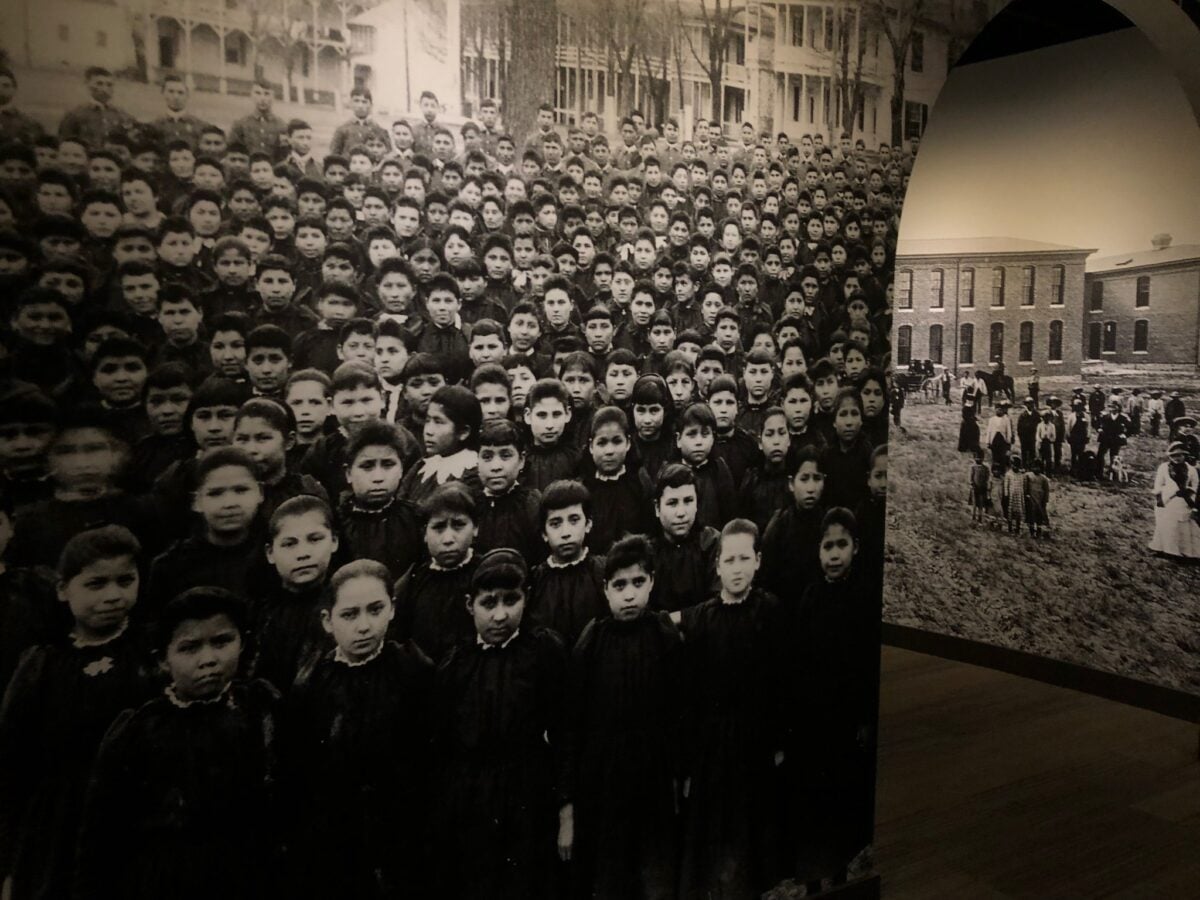
It’s a strange thing, how a government can call something education when the goal is erased, but that’s precisely what the Indian boarding school system accomplished (or tried to, anyway — the human spirit being more stubborn than bureaucrats anticipated). These weren’t schools in any recognizable sense: they were institutions designed to strip Indigenous children of everything that made them who they were.
And the phrase that guided this effort, coined by Captain Richard Henry Pratt in 1892, was as blunt as it was chilling: “Kill the Indian, save the man.” Children as young as five were forcibly removed from their families and communities, often for years at a time.
So imagine being a child and having strangers show up, speaking a language you don’t understand, taking you to a place where everything familiar disappears. Hair was cut (a deeply significant act in many Indigenous cultures), traditional clothing was replaced with uniforms, and speaking one’s native language resulted in severe punishment — beatings, confinement, withholding of food.
The system operated on the principle that Indigenous culture was something to be cured rather than preserved. But here’s what makes this particularly insidious: it lasted well into the 20th century, with some schools operating into the 1970s.
Generations of Indigenous families were systematically broken apart, leaving trauma that reverberates through communities today — and yet this period of American policy gets maybe a sentence or two in most history textbooks.
Japanese American Incarceration During WWII
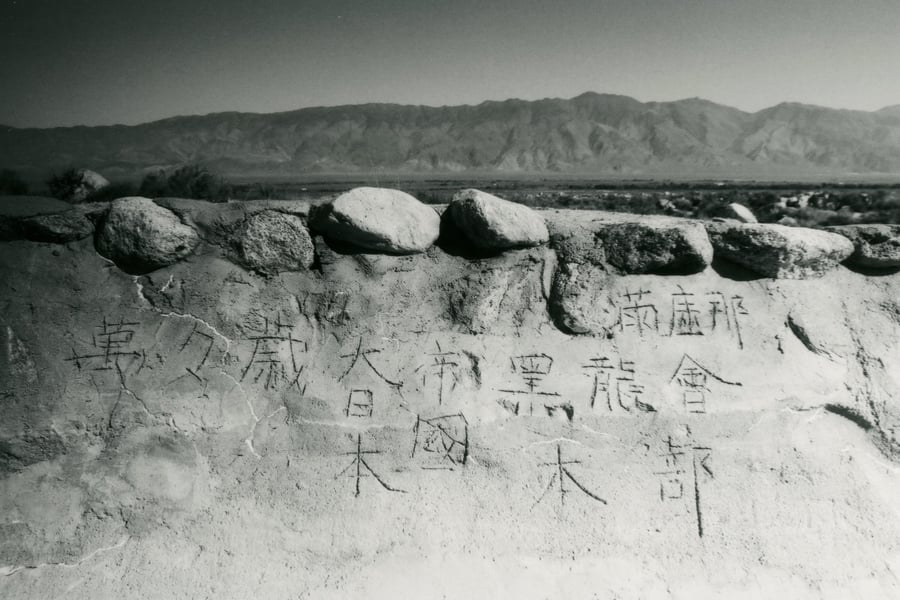
The camps had pleasant names. “Relocation centers.” “Assembly centers.” Language designed to obscure what was actually happening.
Within months of Pearl Harbor, 120,000 people of Japanese descent — most of them American citizens — were forced from their homes and imprisoned in remote camps across the western United States. Families had days to sell or abandon everything they owned.
They lived in horse stalls at racetracks and fairgrounds before being moved to hastily constructed camps in deserts and swamplands. The camps were surrounded by barbed wire and guard towers.
Armed soldiers watched American citizens whose only crime was their ancestry. Children attended schools behind fences.
Parents tried to maintain dignity in spaces designed to strip it away. No equivalent mass incarceration happened to German Americans or Italian Americans, despite the United States being at war with those countries too.
The difference was visible and convenient to exploit.
The Chinese Exclusion Era

There’s something deeply American about building a railroad with immigrant labor and then passing laws to keep those same immigrants from becoming citizens — it reveals a particular talent for compartmentalization that runs through much of the nation’s history. Chinese workers helped construct the transcontinental railroad, taking the most dangerous jobs for lower pay than their white counterparts, but when the work was finished and economic anxiety set in, gratitude transformed into hostility with predictable swiftness.
The Chinese Exclusion Act of 1882 wasn’t just a law: it was the first time the United States banned an entire ethnic group from entering the country. But the exclusion went deeper than immigration policy (though that would have been damaging enough on its own).
Chinese Americans already in the country faced escalating violence, discriminatory taxes, and laws that prevented them from owning property, testifying in court, or naturalizing as citizens. They were, in effect, rendered permanent outsiders regardless of how long they’d lived in America or how much they’d contributed to its development.
And the exclusion lasted for decades — the act wasn’t fully repealed until 1943, and even then, Chinese immigration was limited to 105 people per year. So entire families were separated for generations, communities were prevented from growing, and an entire group of Americans lived under legal restrictions that made them second-class residents in their own country.
The Forced Sterilization Programs
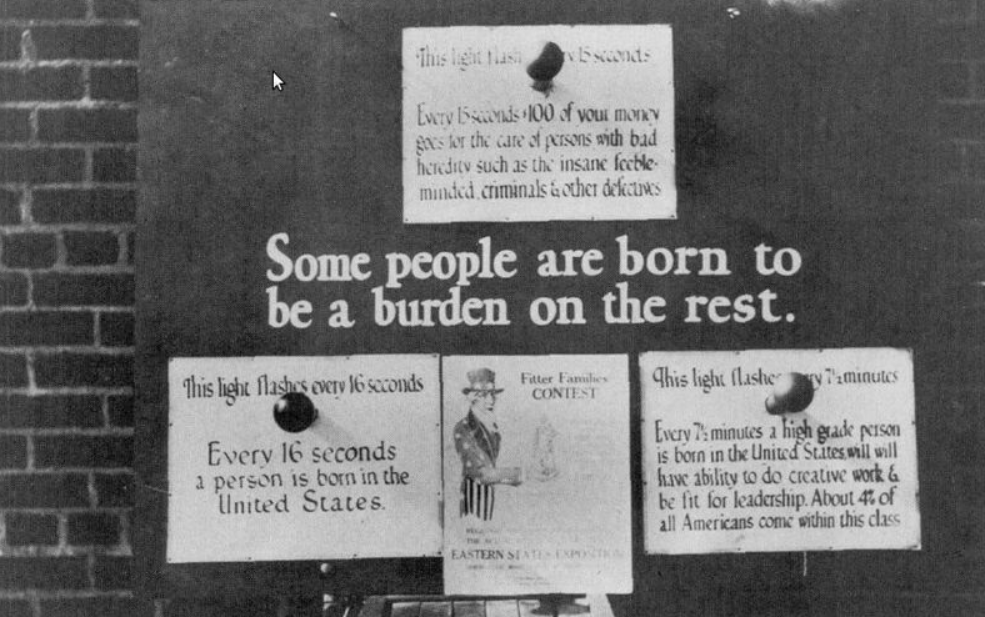
Eugenics wasn’t a fringe movement in early 20th-century America. It was mainstream science, supported by universities, funded by prominent philanthropists, and implemented by state governments across the country.
Between 1907 and 1963, more than 65,000 Americans were sterilized against their will. The targets were people deemed “unfit” to reproduce: those with mental illness, developmental disabilities, epilepsy, or simply poverty.
Women of color, particularly Black and Indigenous women, were sterilized at disproportionate rates. The procedures were often performed without consent or under false pretenses.
Women going to hospitals for routine surgeries would wake up sterilized. Others were told the operations were reversible when they weren’t.
The programs had the backing of the Supreme Court, which ruled in 1927 that forced sterilization was constitutional. Nazi Germany studied American eugenics programs when developing their own policies.
The connection wasn’t coincidental — it was admiring imitation.
The Genocide of California’s Native Americans
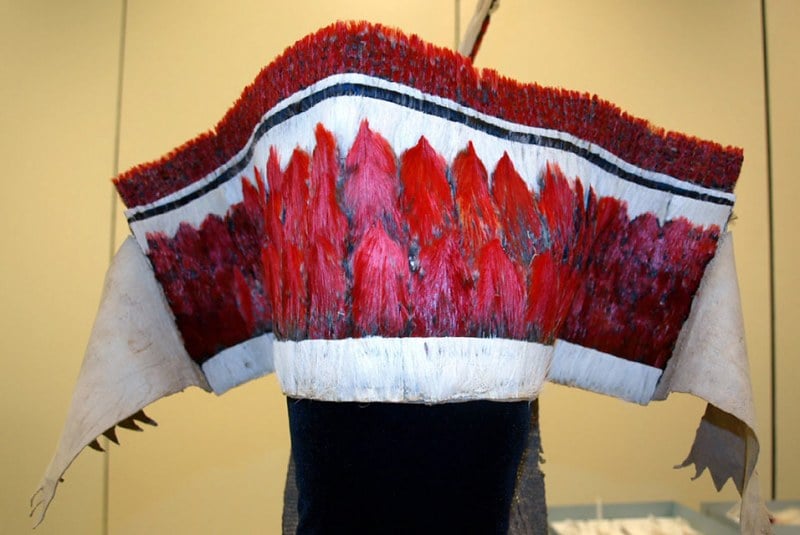
California’s Gold Rush gets taught as a story of adventure and opportunity, but there’s a shadow version of that narrative that reads more like systematic extermination. When gold was discovered in 1848, California’s Indigenous population was around 150,000 — by 1900, it had dropped to fewer than 16,000, and this wasn’t the result of disease alone (though disease certainly played a role).
State and local governments offered bounties for Indigenous scalps and heads. Vigilante groups organized hunting parties that tracked down and killed Indigenous people like animals.
The California government reimbursed these expeditions, spending more than a million dollars between 1850 and 1860 on what amounted to state-sponsored violence. And this wasn’t frontier lawlessness — it was official policy, documented in government records and newspaper accounts.
But perhaps what makes this particularly chilling is how thoroughly it was normalized. Newspapers advertised these expeditions.
Local officials organized them. Citizens participated as if they were attending community events rather than committing what would today be recognized as crimes against humanity.
Operation Wetback and Mass Deportations
The name alone should disqualify this from being forgotten, yet Operation Wetback rarely appears in discussions of 1950s America — a decade usually presented through the lens of prosperity and social harmony.
In 1954, the federal government launched a mass deportation campaign targeting Mexican Americans in the Southwest. The operation’s goal was to remove a million people from the country, regardless of their citizenship status.
Border Patrol agents and local police conducted raids in neighborhoods, workplaces, and schools. American citizens were deported alongside undocumented immigrants.
Families were separated. People were loaded onto buses and trains bound for Mexico, often without hearings or legal representation. The conditions were deliberately harsh — designed to discourage others from remaining in the country.
The irony wasn’t lost on those paying attention. Many of the people being deported were living in areas that had been part of Mexico less than a century earlier, before the United States annexed the territory following the Mexican-American War.
The Tuskegee Syphilis Study
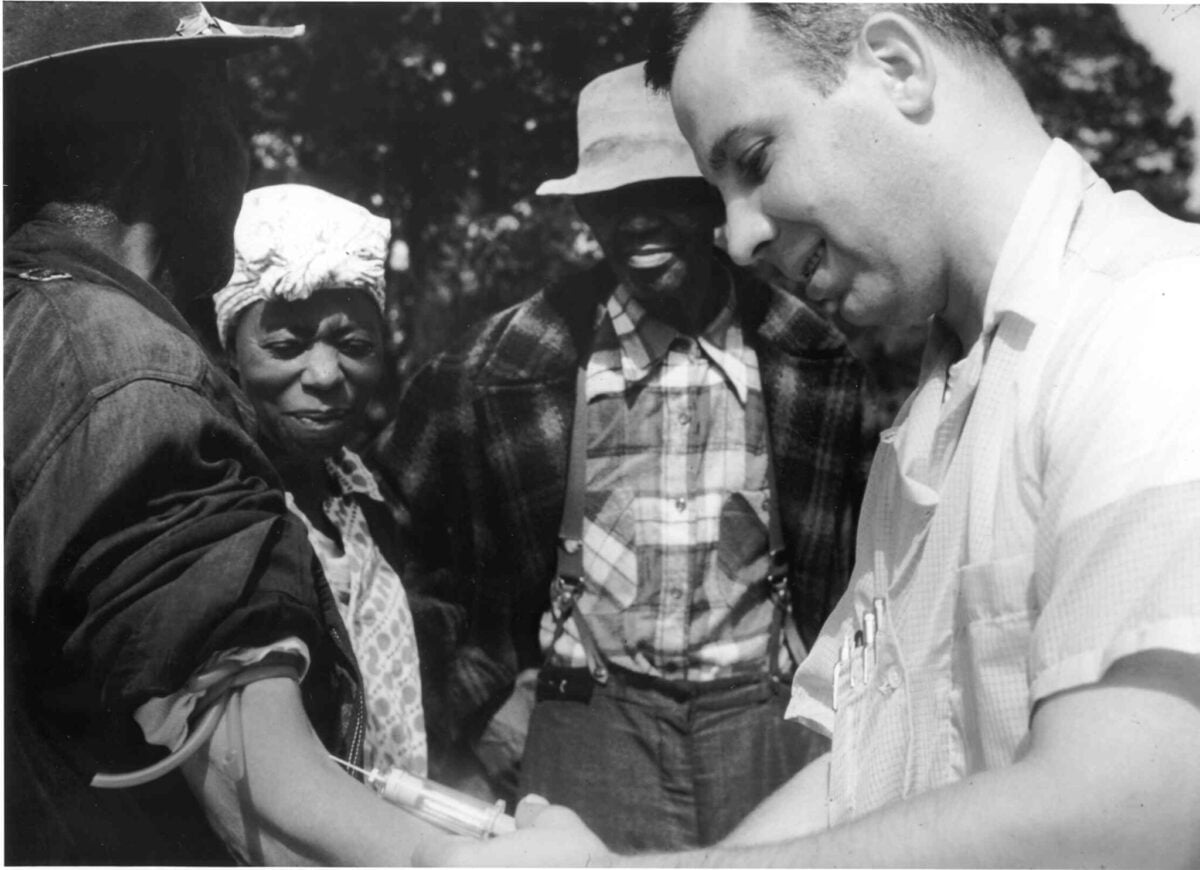
Medical ethics exist precisely because of experiments like this one, though that’s cold comfort to the men who suffered through it (and their families, who inherited both the trauma and, in some cases, the untreated disease itself). The U.S. Public Health Service wanted to study the progression of untreated syphilis, so they found 399 Black men in rural Alabama who had the disease and told them they were receiving free healthcare for “bad blood” — a local term for various ailments that masked what was actually happening.
The study began in 1932 and was supposed to last six months. Instead, it continued for 40 years. The men never received proper treatment, even after penicillin was discovered to cure syphilis in the 1940s — researchers withheld the cure to observe how the disease progressed.
So these men went blind, developed severe mental illness, and died painful deaths while government doctors took notes. But here’s what makes it particularly unconscionable: when some participants tried to enlist in World War II, military doctors diagnosed their syphilis and began treatment.
The Public Health Service intervened to stop the treatment and keep the men in the study. They prioritized research data over human lives, and they did it systematically, over decades, with institutional support.
The study only ended in 1972 when a whistleblower leaked information to the press. By then, dozens of men had died, others had gone blind or insane, and several wives had been infected and given birth to children with congenital syphilis.
The Zoot Suit Riots
Los Angeles in 1943 was a city under pressure. Wartime production had drawn workers from across the country, creating tensions over jobs, housing, and cultural differences.
Young Mexican American men had adopted a distinctive style of dress — the zoot suit — with its oversized jacket and high-waisted, tight-cuffed trousers. White servicemen stationed in the area saw the suits as unpatriotic.
The fabric required for zoot suits violated wartime rationing guidelines, and the style itself seemed to mock military uniforms. On June 3, sailors claimed they were attacked by a group of Mexican American men wearing zoot suits.
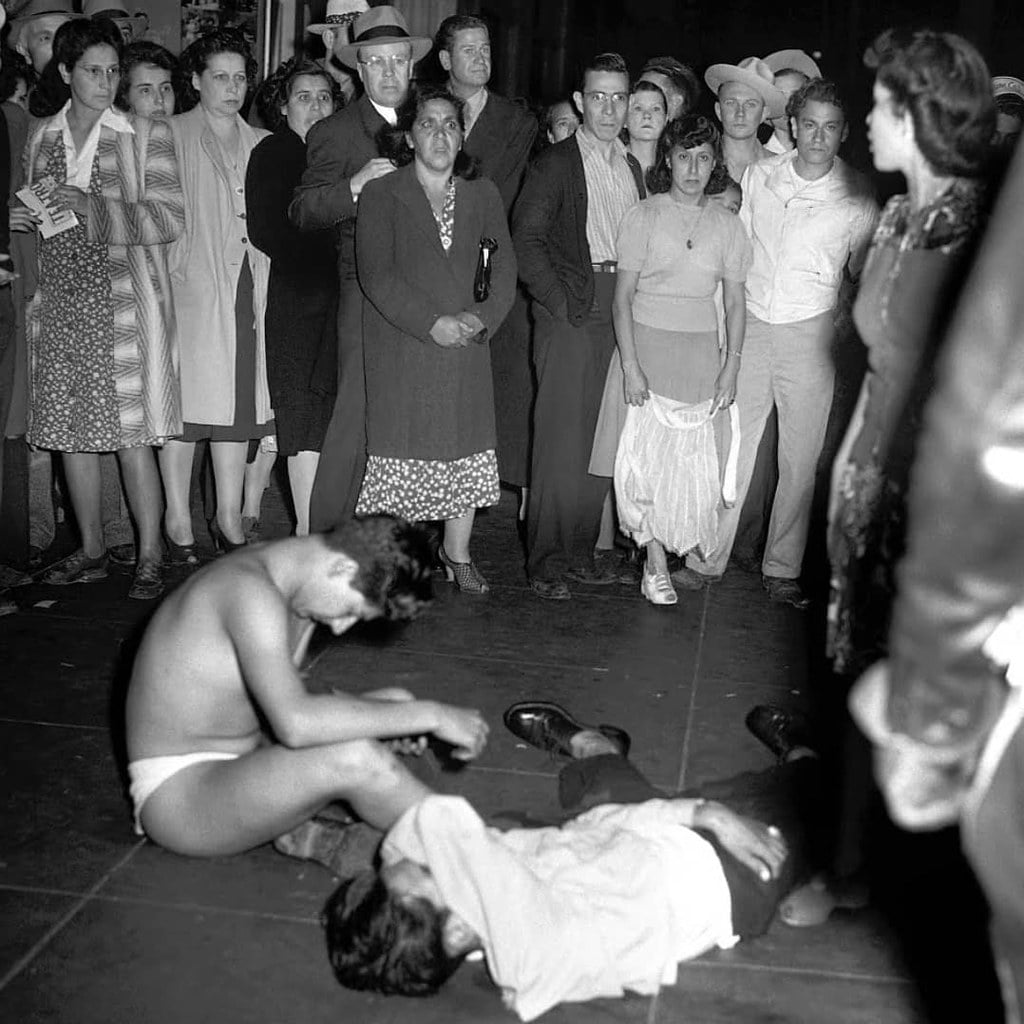
What followed was a week of violence that the press portrayed as riots but was actually closer to organized attacks on Mexican American neighborhoods. Groups of sailors, soldiers, and civilians roamed East Los Angeles, beating anyone wearing a zoot suit and stripping them of their clothes.
Police arrested the victims rather than the attackers. Local newspapers cheered the violence as patriotic.
The riots only ended when military officials declared downtown Los Angeles off-limits to military personnel — not to protect civilians, but to prevent further negative publicity.
The Scottsboro Boys
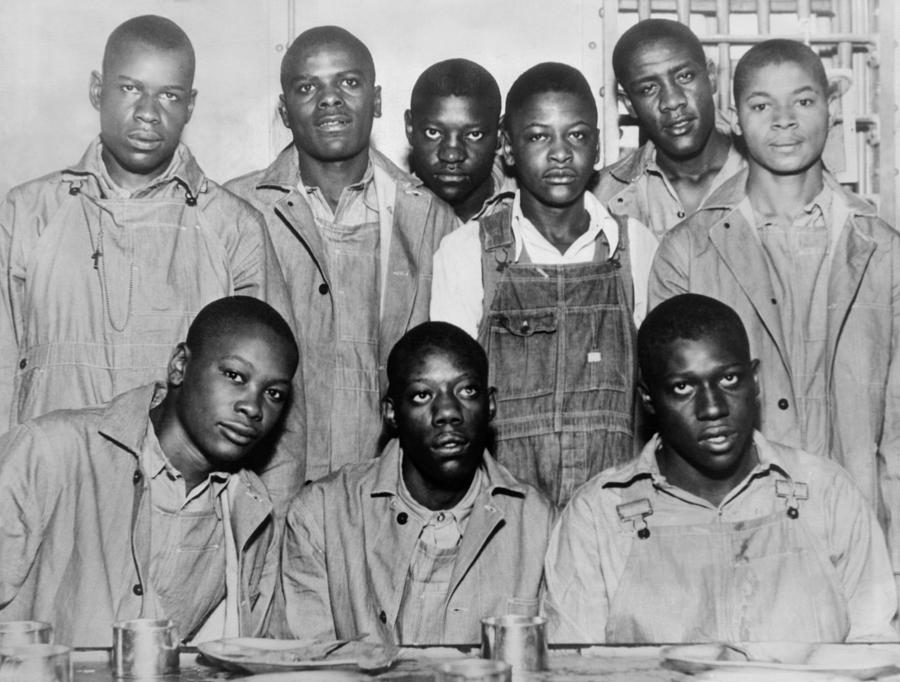
Justice is supposed to be blind, but in Depression-era Alabama, it had perfect vision when it came to race, and the case of the Scottsboro Boys proved just how clearly the legal system could see color when it wanted to. Nine Black teenagers, ranging in age from 13 to 19, were riding freight trains through Alabama in 1931 when they were accused of attacking two white women — accusations that would later be recanted by one of the accusers, but not before the case had revealed the rot at the center of the Southern legal system.
The trials were a mockery of due process. The defendants were given inadequate legal representation — their first lawyer showed up to court drunk.
All-white juries deliberated for minutes rather than hours before delivering guilty verdicts and death sentences. And this wasn’t a single trial but a series of them, as appeals and retrials dragged on for years, each one demonstrating the same systemic bias.
But the case became something larger than itself: it exposed how the legal system could be weaponized against Black Americans, turning courtrooms into theaters where predetermined outcomes were dressed up as justice. The Communist Party took up the defendants’ cause, which complicated the politics but also brought international attention to American racial injustice — embarrassing the country on a global stage.
The Bracero Program Exploitation
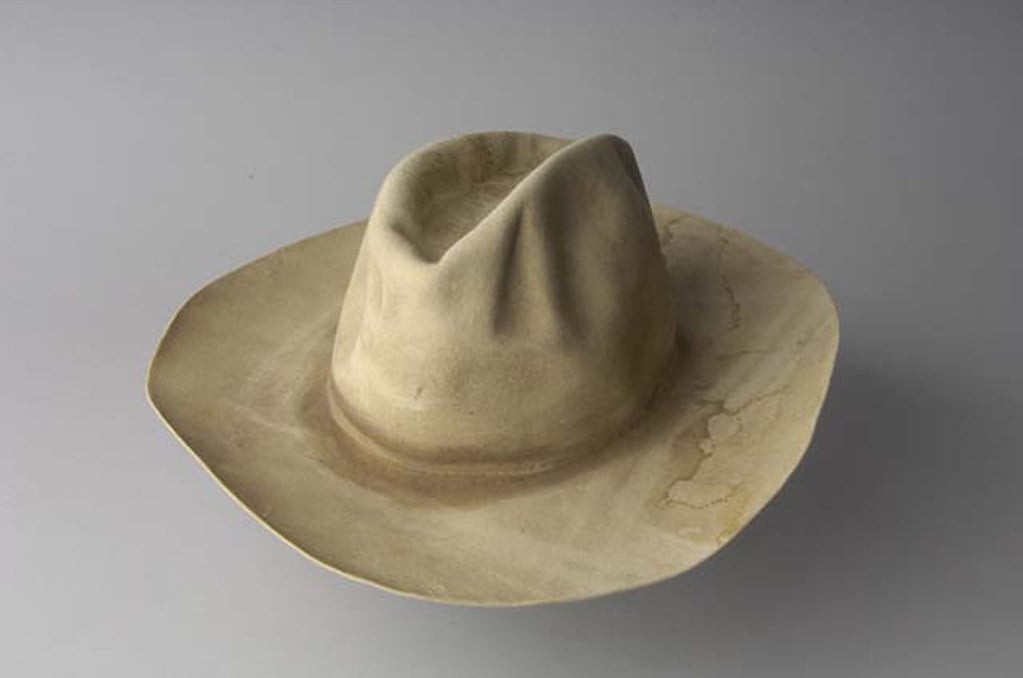
World War II created labor shortages on American farms. The solution was the Bracero Program, which brought Mexican workers to the United States as temporary agricultural laborers.
The program was supposed to benefit everyone — American farms would get workers, Mexican laborers would earn higher wages, and both governments would strengthen diplomatic ties. The reality was systematic exploitation. Mexican workers lived in substandard housing, often without running water or adequate food.
They were charged for housing and meals that were supposed to be provided free. Wages were withheld or reduced through arbitrary deductions. The program continued long after the war ended, lasting until 1964.
American labor unions opposed it because it depressed wages for domestic workers. Mexican workers had no legal recourse when employers violated contracts.
The arrangement benefited growers while creating a permanent underclass of vulnerable workers. When the program ended, it had established patterns of exploitation that continued through subsequent decades of undocumented immigration.
The infrastructure of abuse remained in place long after the legal framework disappeared.
The Red Summer of 1919
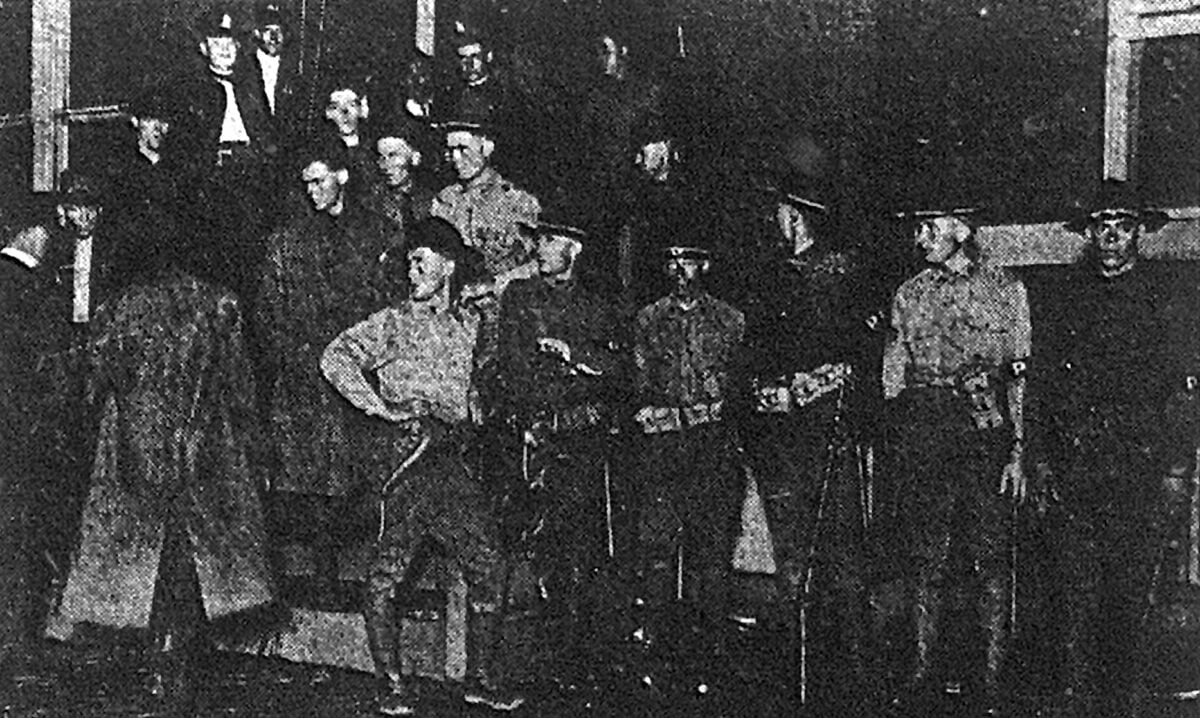
The name sounds peaceful, almost pastoral — “Red Summer” could describe sunsets or flowers, but the red referred to blood spilled across American cities during the summer of 1919, when racial violence erupted in more than 30 cities as Black veterans returned from World War I expecting the democracy they’d fought for overseas to extend to them at home. They were met instead with white mobs determined to reinforce the racial hierarchy that the war had temporarily disrupted.
The violence wasn’t random — it followed patterns that revealed coordinated intent. White crowds targeted Black neighborhoods, businesses, and individuals who had achieved economic success or social prominence. In Washington D.C., white servicemen attacked Black citizens on the street.
In Chicago, a Black teenager drowned after being stoned for swimming in waters white beachgoers considered their territory, sparking five days of violence that left 38 dead and hundreds injured. And the response from authorities was predictably inadequate: police often joined the white mobs or stood by while attacks occurred.
Federal troops were eventually deployed in some cities, but only after the violence had already achieved its purpose of reminding Black Americans that military service and economic progress wouldn’t translate into equal treatment. The message was clear — democracy had limits, and those limits were defined by race.
Forced Removal of Mexican Americans During the Great Depression
The Great Depression created scapegoats out of necessity. Mexican Americans became convenient targets for economic anxiety, leading to a campaign of forced removal that historians now call Mexican Repatriation.
Between 1929 and 1936, more than one million people of Mexican descent were pressured or forced to leave the United States. About 60 percent were American citizens, including children who had been born in the country and knew no other home.
Local governments organized deportation drives, rounding up families and putting them on trains to Mexico. Social workers threatened to cut off relief benefits unless families agreed to leave.
Employers fired Mexican American workers and replaced them with white laborers. The removals were presented as voluntary repatriation, but the coercion was obvious.
Families lost homes, businesses, and savings. Children were taken out of school and sent to a country many had never seen.
The policy achieved its goal of reducing competition for jobs and social services, but at the cost of destroying established communities and separating families.
The Destruction of Black Wall Streets
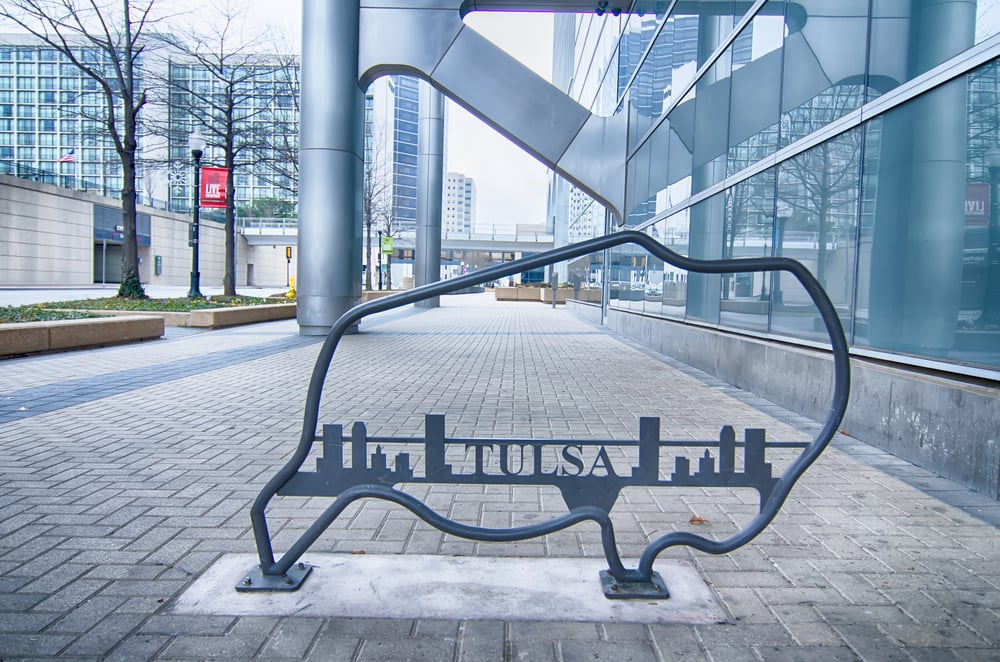
Tulsa gets the attention because the destruction was so complete and well-documented, but it wasn’t the only thriving Black business district that was systematically destroyed in early 20th-century America. Cities across the country had their own versions of “Black Wall Street” — prosperous neighborhoods where Black-owned businesses served Black communities that had been excluded from white commercial districts.
These communities represented something threatening to white supremacy: proof that Black Americans could create wealth and stability when given the opportunity. So they were targeted for destruction through violence, discriminatory zoning, and urban renewal projects that displaced residents in the name of progress.
In Jacksonville, Florida, LaVilla was known as the “Harlem of the South” until urban development projects scattered the community. In Durham, North Carolina, Hayti was home to the North Carolina Mutual Life Insurance Company and other Black-owned businesses before highway construction cut through the heart of the district.
The pattern repeated across the country — thriving Black communities were labeled “blighted” and demolished, their residents scattered and their economic networks destroyed.
Remembering What Was Lost

History isn’t just about what happened — it’s about what gets remembered and what gets forgotten. The chapters missing from most American history classes aren’t accidents or oversights.
They’re the result of deliberate choices about which stories to tell and which ones to bury. These omissions have consequences that extend far beyond the classroom.
When students don’t learn about the Chinese Exclusion Act, they can’t understand the roots of modern immigration debates. When the Tuskegee study gets reduced to a footnote, medical mistrust in Black communities seems irrational rather than historically grounded.
When Japanese American incarceration gets sanitized into “relocation,” the next crisis finds the country unprepared to recognize its own patterns. The goal isn’t to shame America but to complete its story.
A country that can acknowledge its darkest chapters has a better chance of avoiding their repetition. The alternative — sanitized history that presents progress as inevitable rather than hard-won — leaves each generation to discover these truths on their own, usually too late to apply the lessons when they’re needed most.
More from Go2Tutors!

- The Romanov Crown Jewels and Their Tragic Fate
- 13 Historical Mysteries That Science Still Can’t Solve
- Famous Hoaxes That Fooled the World for Years
- 15 Child Stars with Tragic Adult Lives
- 16 Famous Jewelry Pieces in History
Like Go2Tutors’s content? Follow us on MSN.