16 Vintage Toys Sitting in Storage Bins That Collectors Are Desperate to Buy
Most people assume the toys gathering dust in their attic are worthless relics from childhood. But that assumption costs them thousands of dollars.
The vintage toy market has exploded, and collectors are hunting for specific pieces with the desperation of treasure hunters. What seems like clutter to you represents serious money to someone else.
The toys sitting forgotten in storage bins across America tell a story that goes beyond nostalgia. These aren’t just playthings — they’re cultural artifacts that captured entire generations’ imaginations.
And now, decades later, those same generations have disposable income and an urgent need to reclaim pieces of their past.
Original Star Wars Action Figures
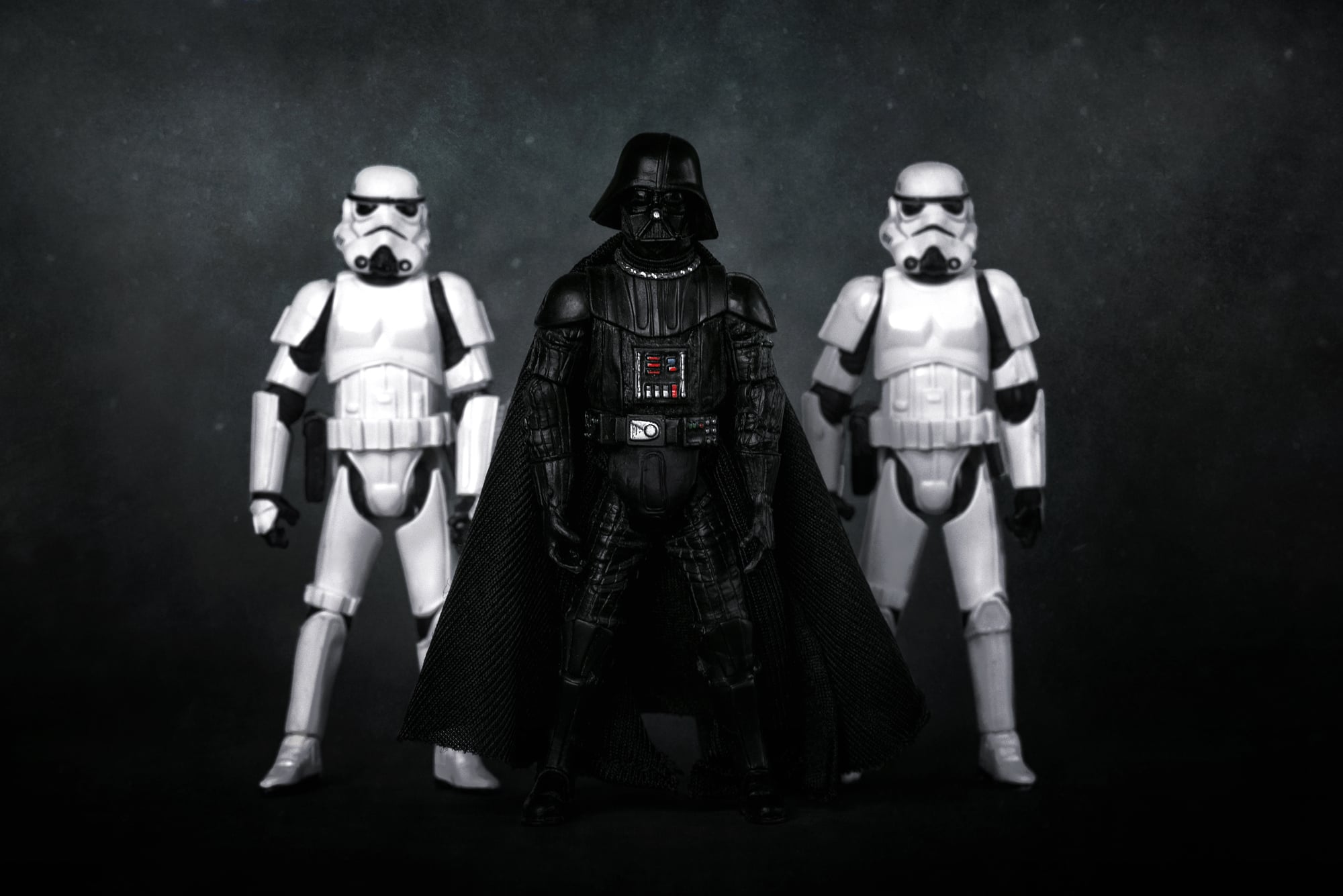
Kenner’s original Star Wars figures from 1977-1985 are the holy grail of action figure collecting. The cardboard backing matters more than the figure itself.
An unopened Luke Skywalker can fetch $2,000. A rare Blue Snaggletooth goes for $8,000.
Hot Wheels Redline Series
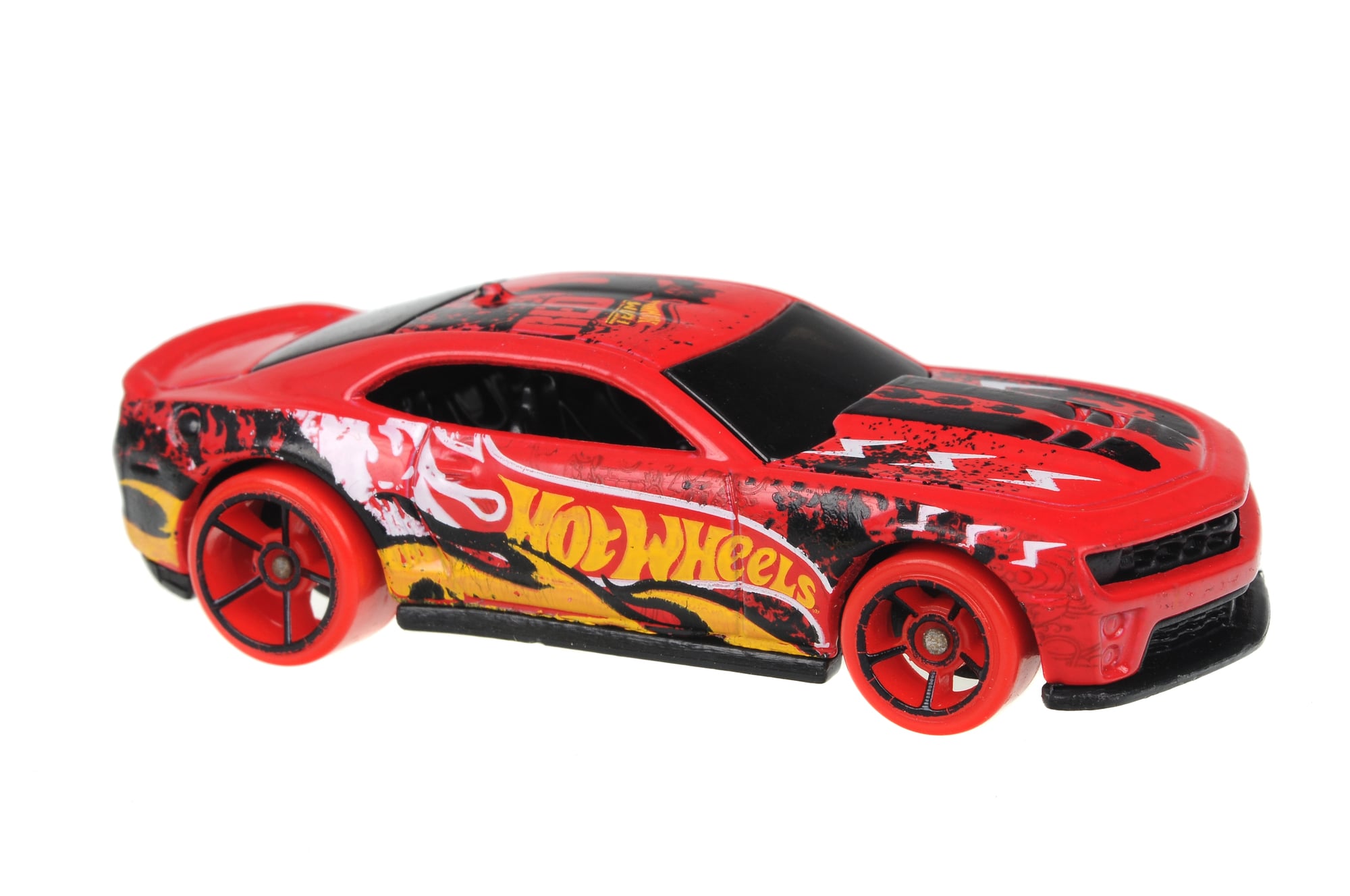
These tiny cars ruled playrooms from 1968 to 1977, and now they rule auction houses with equal authority. The redline tires (that thin red stripe around the wheel) mark the difference between a dollar store find and a mortgage payment — because collectors know that detail separates the originals from every reissue that followed, and they’re willing to pay accordingly.
Some of the rarest models, like the 1969 Pink Rear-Loading Beach Bomb, sell for more than actual cars. And yet the most valuable ones often show up in estate sales, mixed in with worthless newer versions, waiting for someone who knows what to look for.
Vintage Barbie Dolls

The original 1959 Barbie with her white irises and arched eyebrows commands $8,000 in mint condition. But even played-with dolls hold value if they’re early enough.
The blonde ponytail Barbie from 1959-1960 is what collectors want most. Brunette versions are rarer and worth more.
The heavy makeup and pale skin of early Barbies looks almost ghostly compared to later versions. Which is exactly how collectors identify the valuable ones.
Original Monopoly Sets
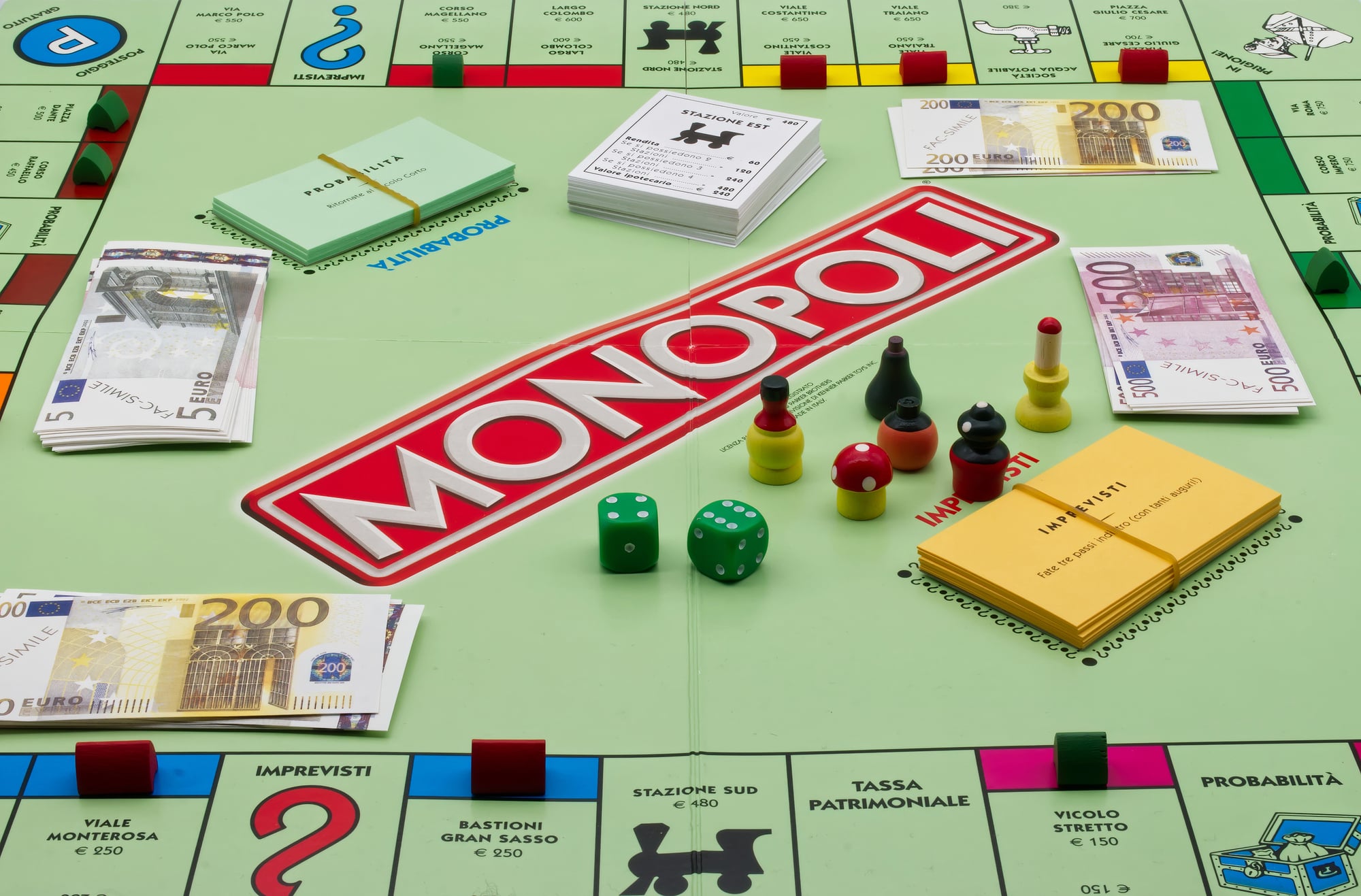
There’s something almost archaeological about the way collectors approach vintage Monopoly sets — they examine every component like scholars studying ancient texts, because the smallest details reveal whether they’re holding a treasure or a reproduction. The wooden houses and hotels from pre-1950 sets feel substantial in your hands, nothing like the plastic pieces that came later.
So do the metal tokens, which were individually cast rather than mass-produced. But it’s the board itself that tells the real story: those early versions used actual photographs of Atlantic City properties, not illustrations, and the color scheme was subtly different.
Even the money feels different — heavier paper stock that’s held up for decades when stored properly.
G.I. Joe 12-Inch Figures
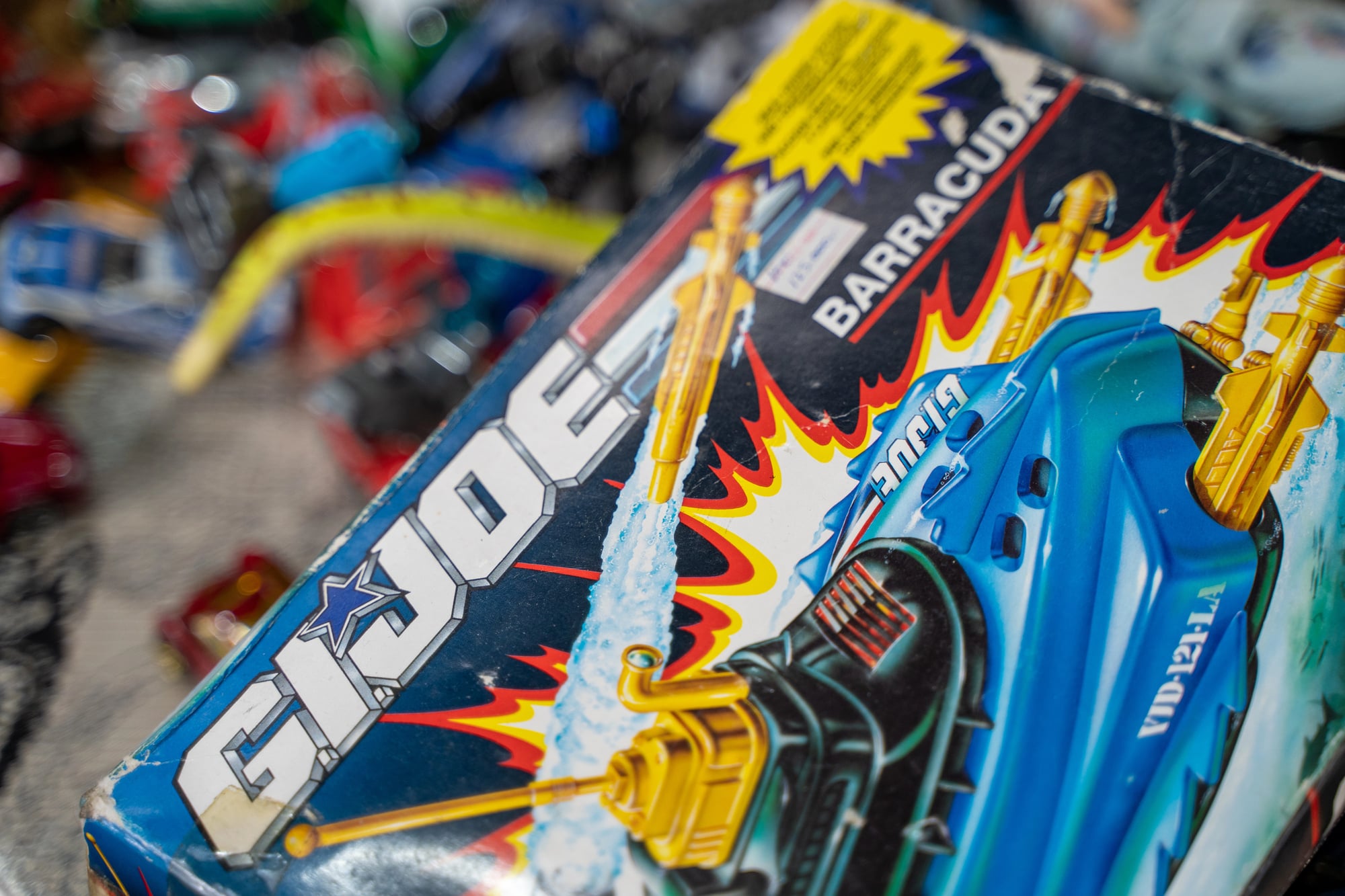
Hasbro’s original 12-inch G.I. Joe figures from 1964 launched the entire action figure industry. Early figures with the hard hands and painted hair are worth thousands.
The uniforms and accessories often matter more than the figure itself. Collectors obsess over tiny details like the correct helmet style or the right shade of green for the fatigues.
A complete set in original packaging can reach $10,000.
Matchbox Lesney Cars

Before Hot Wheels dominated the die-cast market, Matchbox cars were the standard — and that legacy still drives collector prices today, because serious enthusiasts never forgot which brand came first and established the entire category. The English-made Lesney Models of Yesteryear series from the 1950s and 1960s represents the peak of craftsmanship, with details that put modern toys to shame.
Each car was hand-painted with multiple colors, and the metal felt solid rather than hollow. And the boxes mattered just as much: those small cardboard rectangles with hand-drawn illustrations now sell for hundreds of dollars on their own, even without the car inside, because collectors need them to complete their displays.
Rock ‘Em Sock ‘Em Robots
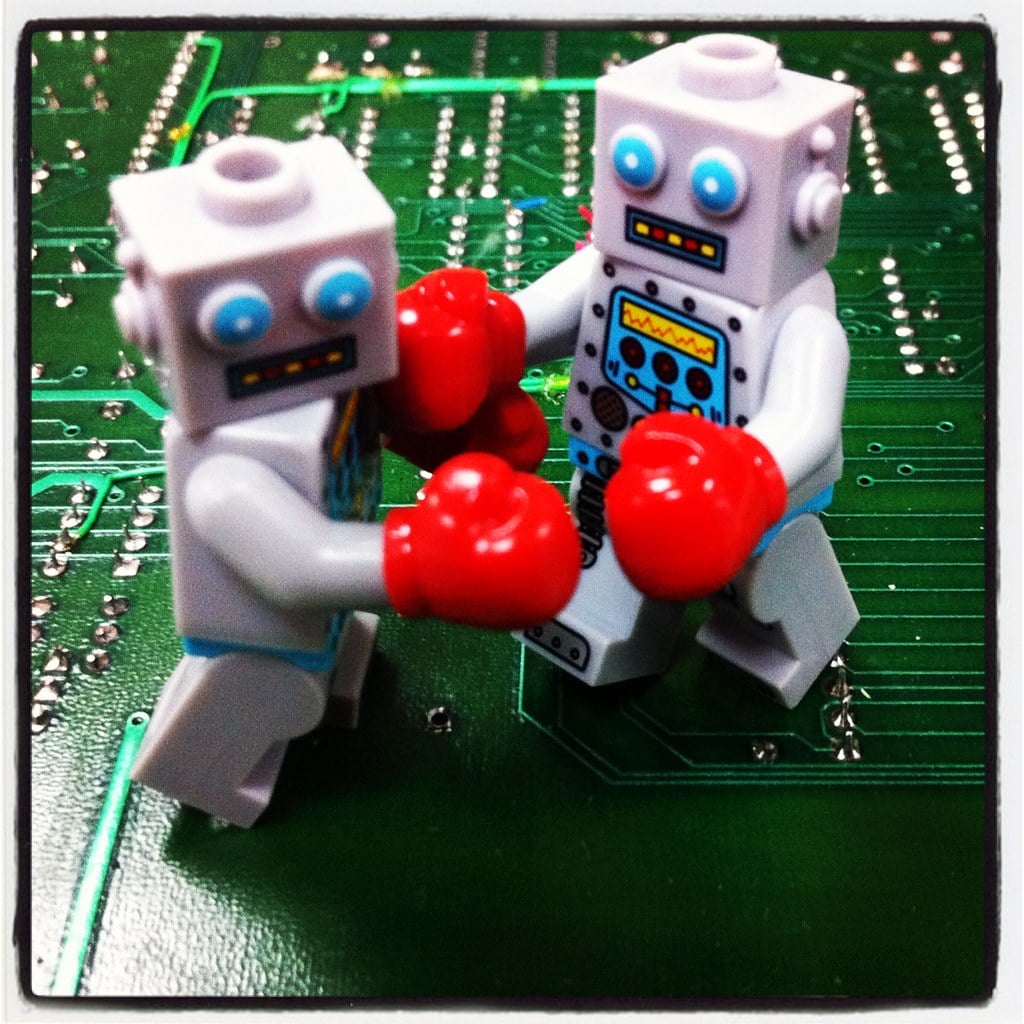
This 1964 Marx Toys boxing game taps into something primal about competition and victory. The original red and blue robots in their yellow ring command serious money from collectors who remember the satisfaction of landing the knockout punch.
Complete sets with all original parts and the box can sell for over $1,000. The key is finding one where the spring mechanisms still work perfectly.
Lincoln Logs

The original Lincoln Logs sets from the 1920s through 1960s were made from real redwood, not the pine or plastic used in later versions — and collectors can tell the difference immediately, because authentic redwood has a distinct color and grain that’s impossible to fake. These weren’t just toys; they were miniature construction projects that taught genuine building skills, with notches cut precisely enough that structures actually stayed together without glue or connectors.
So when collectors find complete vintage sets in their original canisters, they’re not just buying nostalgia — they’re acquiring what amounts to functional antique woodworking. But the market gets complicated because Lincoln Logs never really went away, which means estate sales and garage sales are full of newer versions that look similar but lack the craftsmanship and materials that make the early ones valuable.
Etch A Sketch

Ohio Art’s Etch A Sketch from 1960 became an instant classic for good reason. The original models had a different knob design and thicker construction than modern versions.
Collectors want the early ones in original boxes. Working condition matters less than you’d think — even broken vintage units sell for hundreds because collectors restore them.
The magic grey screen that made drawing possible still fascinates people sixty years later.
View-Master Reels and Viewers
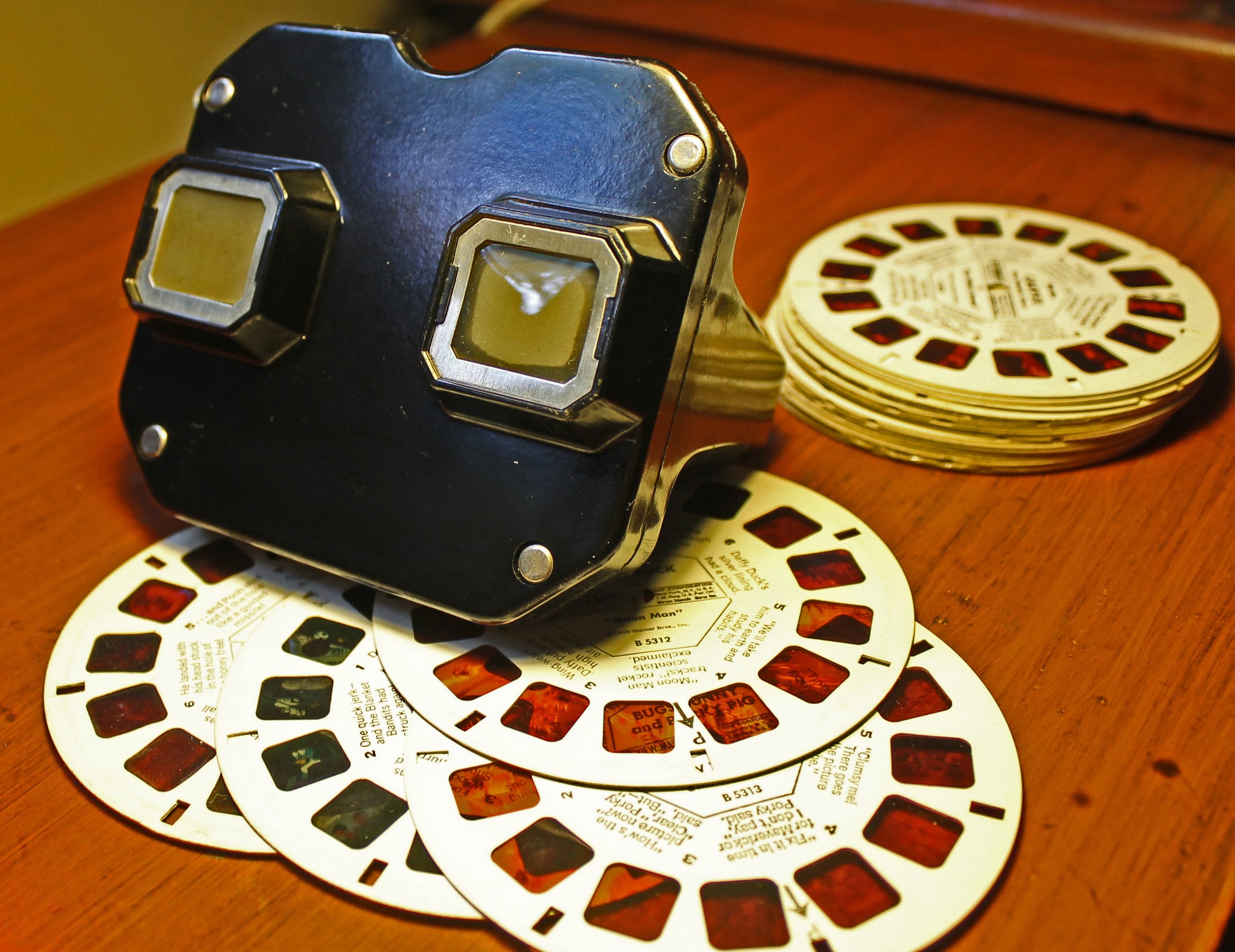
Those little circular reels of 3D images defined childhood wonder for generations, but the really valuable pieces aren’t the common Disney or tourist destination reels — they’re the obscure promotional sets that companies commissioned for product launches or special events, the kind that were produced in tiny quantities and then forgotten until collectors started hunting them down decades later. Early viewers from the 1940s and 1950s have a completely different build quality, with metal parts instead of plastic and lenses that produce sharper images than anything made today.
And certain reel sets, particularly the ones featuring TV shows from the 1970s or defunct theme parks, command prices that would shock anyone who remembers buying them for pocket change. But finding them requires patience, because most people don’t realize that those little discs gathering dust in junk drawers might be worth more than the furniture they’re stored in.
Johnny Lightning Cars
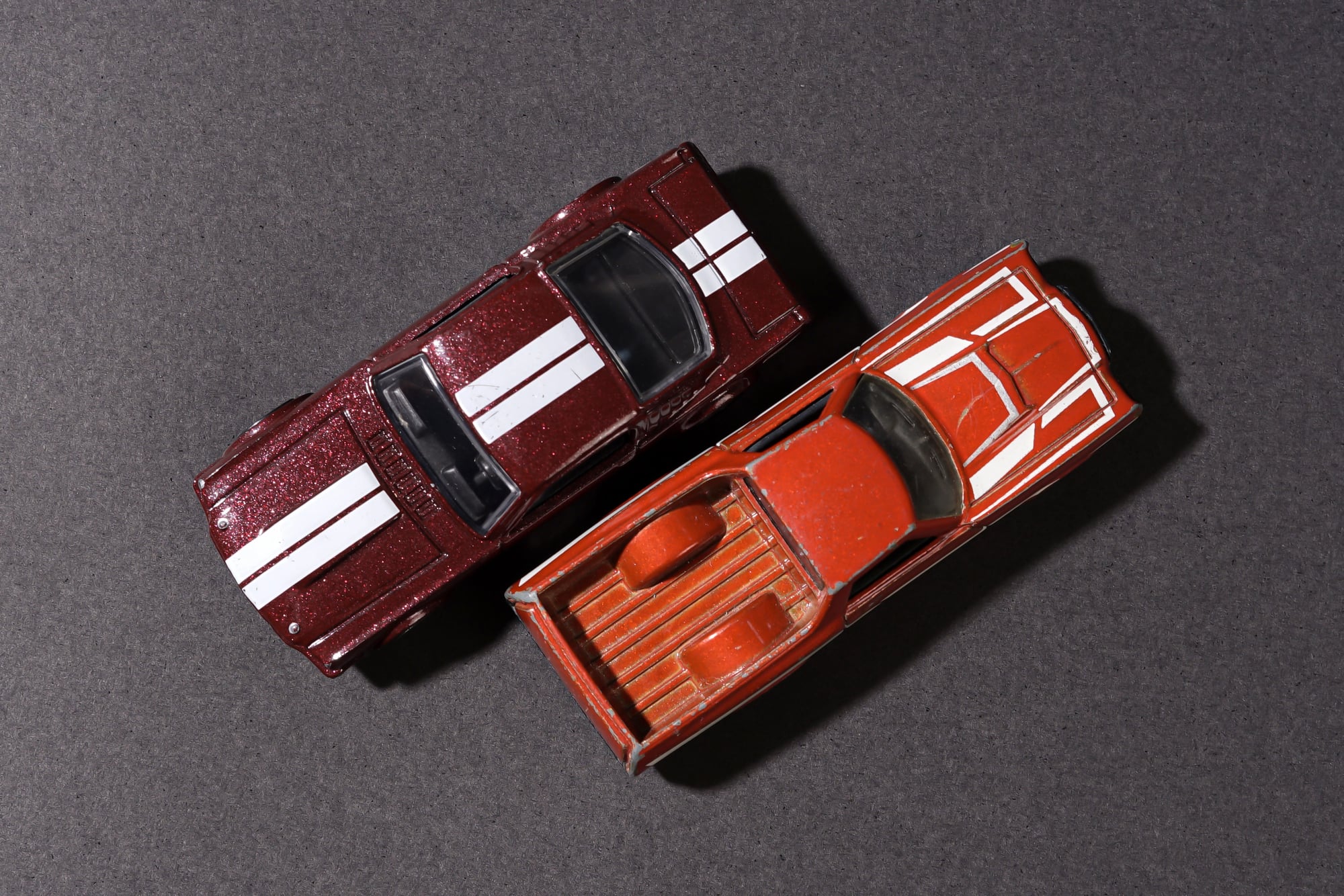
Topper Toys created Johnny Lightning in 1969 to compete directly with Hot Wheels, and that competition produced some of the most detailed die-cast cars ever made. The original series only lasted two years before the company went bankrupt.
That brief production run makes every Johnny Lightning car valuable now. The Custom series with its flame paint jobs and the Frightning Lightnings with their monster themes are especially sought after.
Major Matt Mason Space Figures
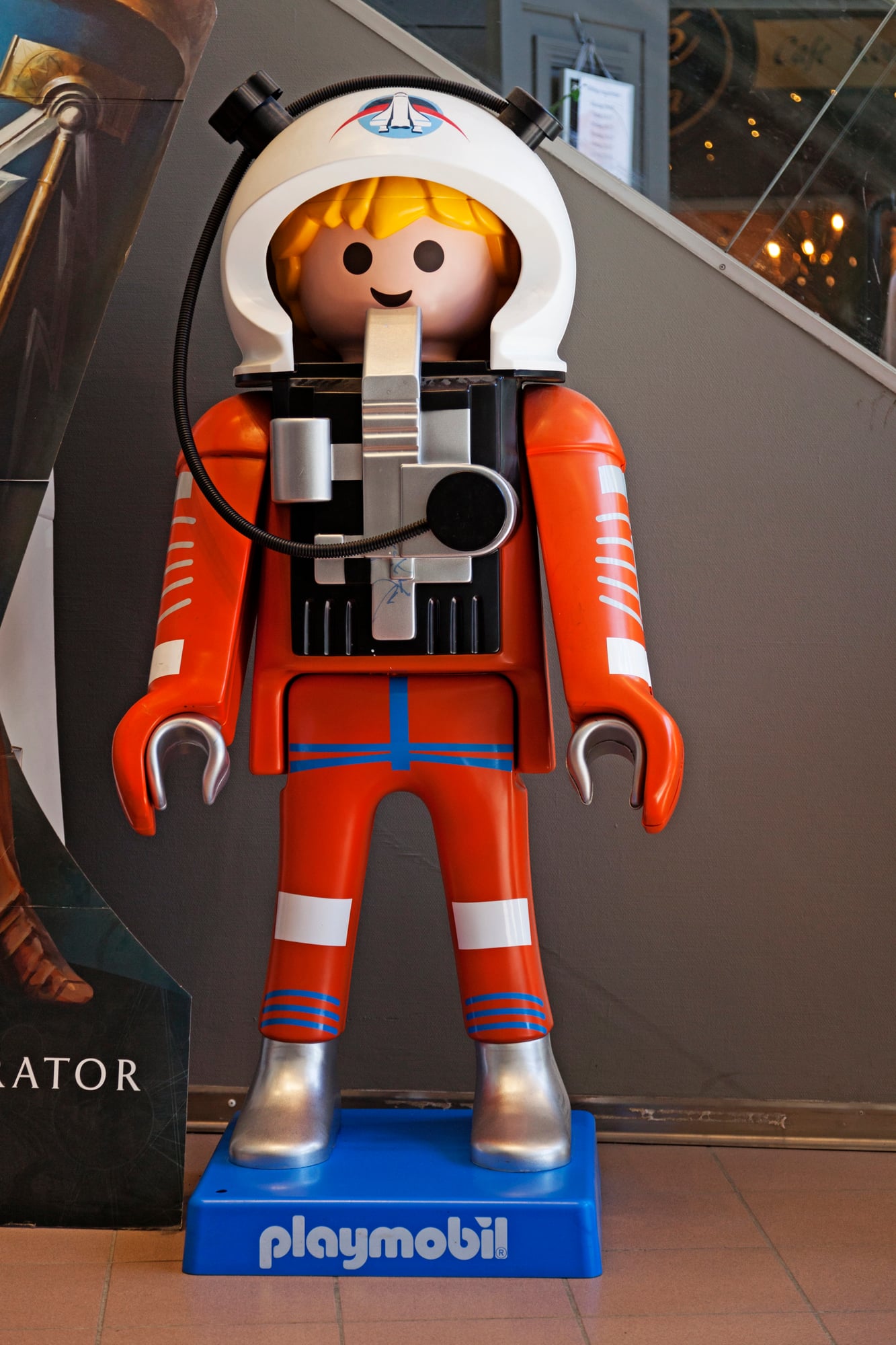
Mattel’s Major Matt Mason represented the peak of space-age optimism in 1966 — when landing on the moon felt inevitable and colonizing other planets seemed like a reasonable next step, so naturally someone would create action figures that lived entirely in that silvery, high-tech future. The figures themselves were unlike anything else on toy store shelves: bendable wire frames covered in white space suits, with clear bubble helmets that actually looked like something NASA might design.
But what made the line special was the accessories — lunar rovers, space stations, and rocket packs that were engineered with the same attention to detail as real space equipment. So when these figures show up in estate sales today, they’re carrying the weight of an entire era’s dreams about what the future would look like, which explains why collectors pay thousands for complete sets and why even individual figures in good condition command serious money.
Slinky Original Metal Version
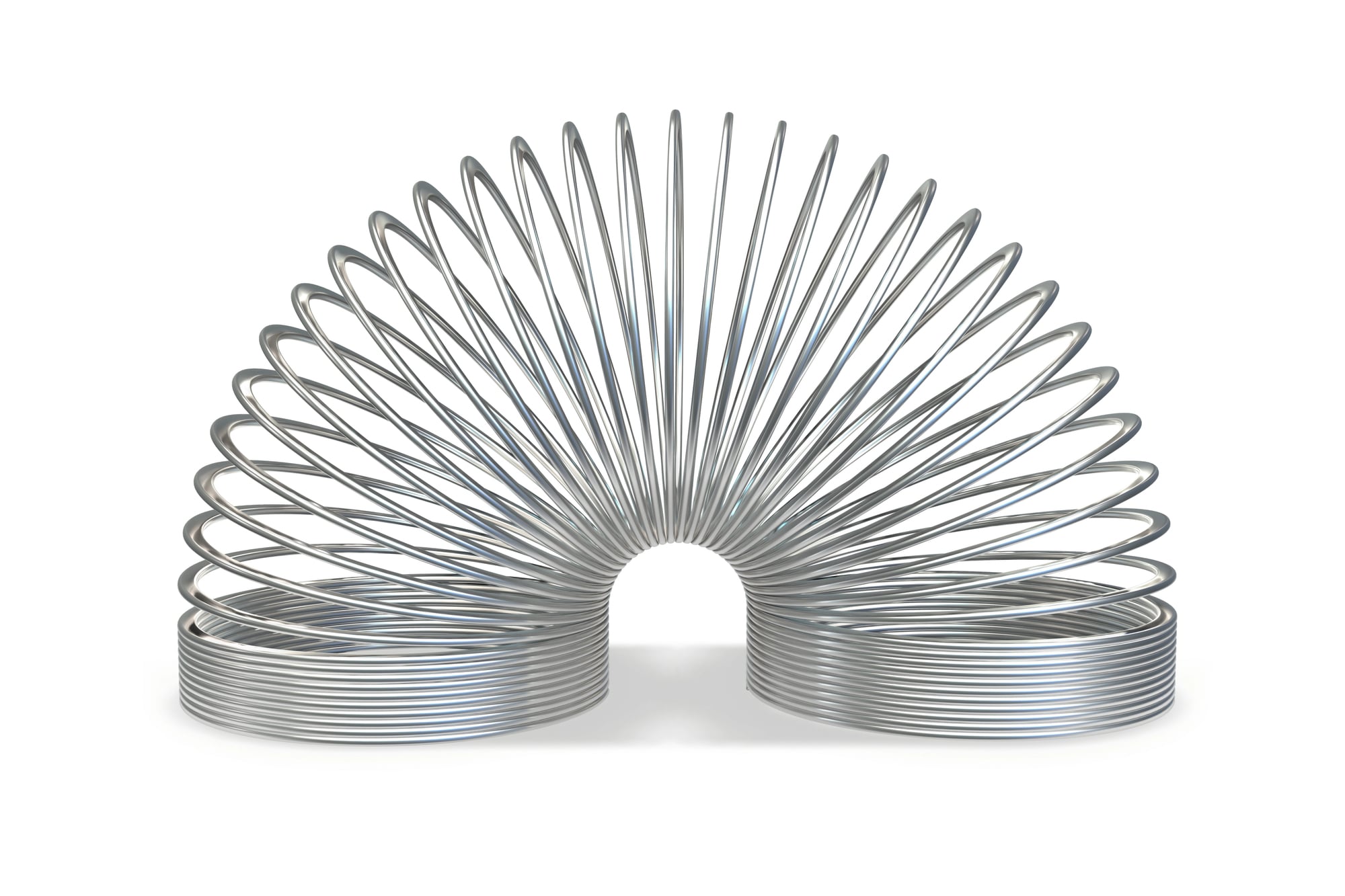
The original Slinky from 1943 was made from high-grade steel that gave it the perfect weight and tension. James Industries in Philadelphia made them by hand until the 1960s.
Early Slinkys have a different logo and came in blue boxes. Working condition is everything with vintage Slinkys.
Collectors pay premium prices for ones that still “walk” down stairs perfectly. The metal quality in original versions was simply better than anything produced later.
Colorforms Sets
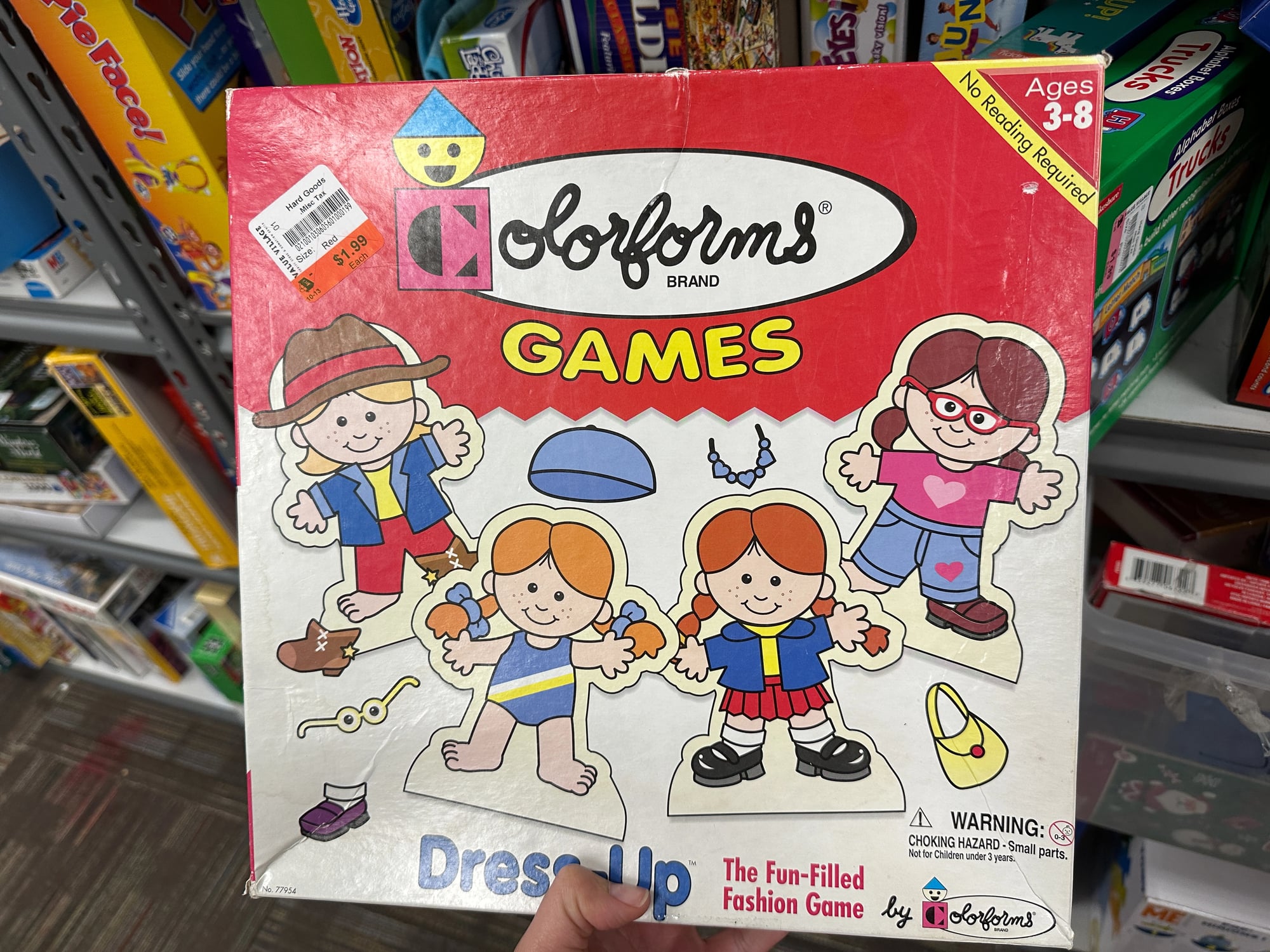
Those vinyl stickers that could be repositioned endlessly on glossy backgrounds captured something essential about creative play — the freedom to build scenes, tear them apart, and rebuild them differently without consequences or waste, which explains why children would spend hours arranging and rearranging the same pieces into new combinations. But vintage Colorforms sets from the 1950s and 1960s tell a different story than the mass-produced versions that came later: the vinyl was thicker, the colors were more vibrant, and the background scenes were illustrated with genuine artistic skill rather than cheap cartoon graphics.
And certain sets, particularly the ones based on TV shows or movies that have since become cult classics, now sell for prices that would have bought hundreds of Colorforms sets when they were new. But the real treasure hunt happens at garage sales, where complete vintage sets hide inside boxes of random toys, waiting for someone who recognizes that those simple vinyl shapes represent a piece of toy history.
Fisher-Price Little People
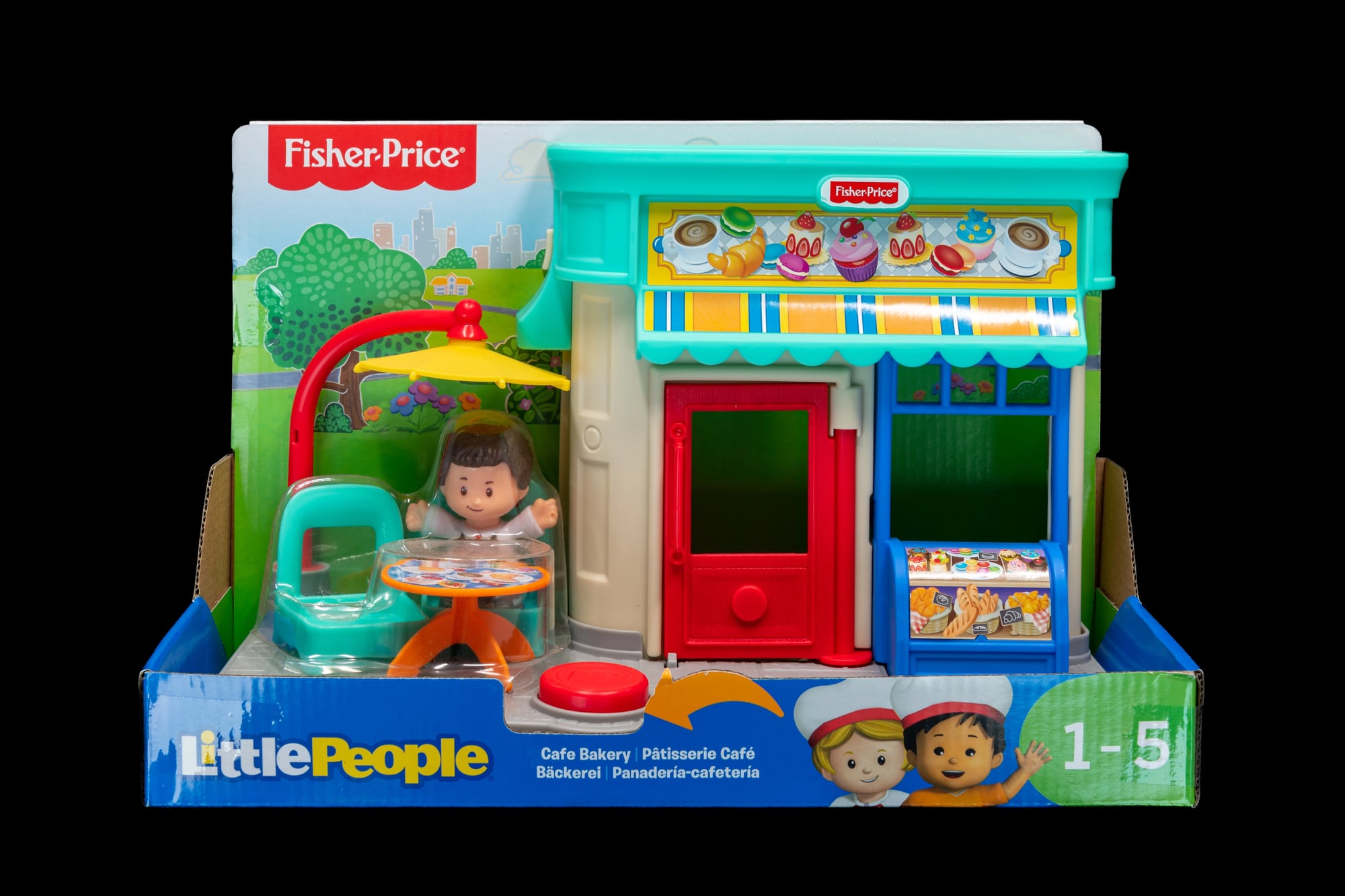
The original wooden Little People figures from 1959-1993 have a warmth and weight that plastic versions never matched. Collectors call them “Wooden Littles” to distinguish them from later plastic figures.
Complete playsets command high prices. The School House, Main Street, and Castle sets are most valuable.
Individual figures can sell for $20-50 each depending on rarity. The wooden construction gave these toys a permanence that made them genuine heirlooms.
Tonka Trucks Original Steel Models
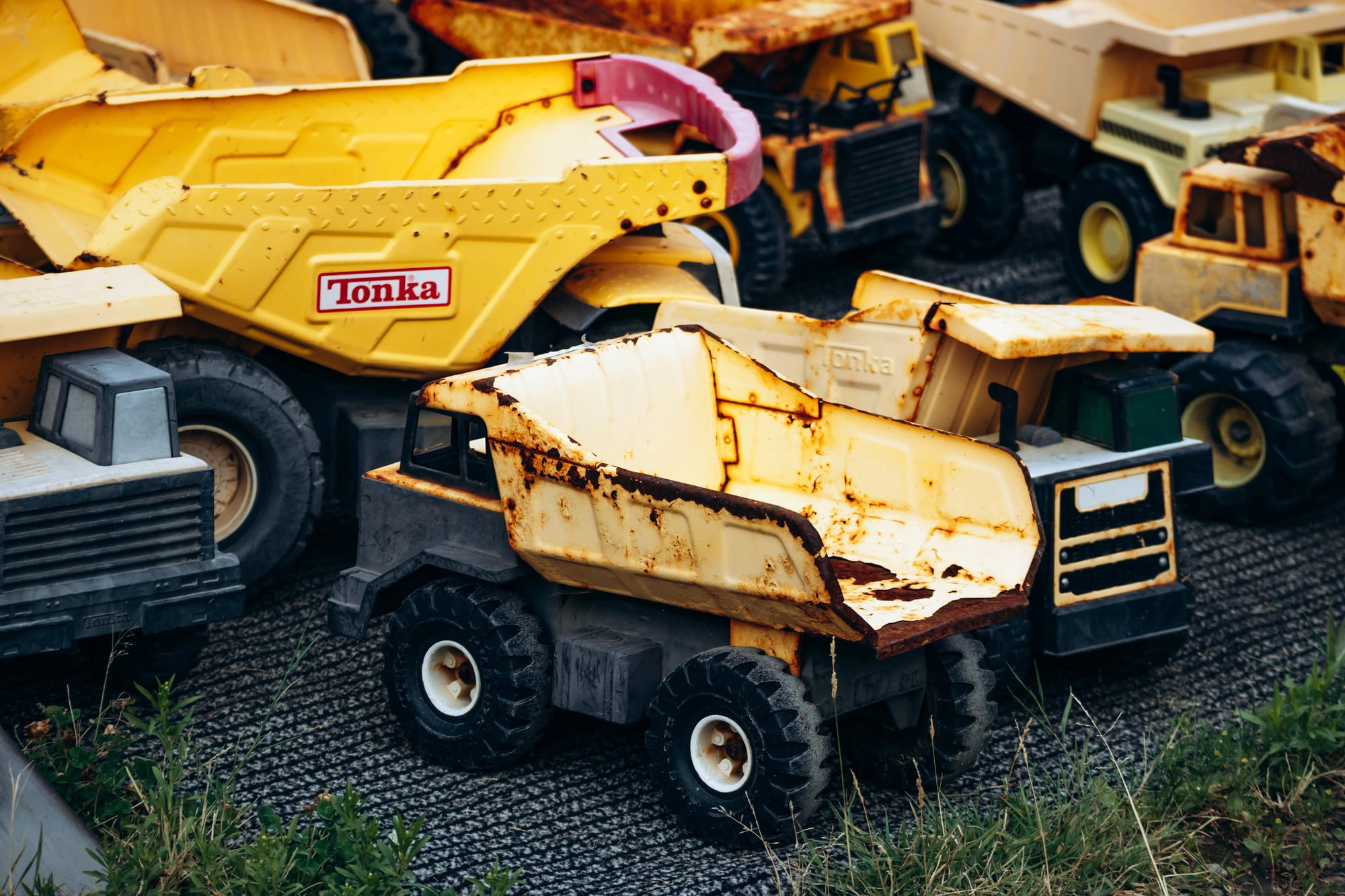
Tonka’s original steel trucks from the 1940s-1970s were built to withstand actual construction site abuse, and many of them did exactly that — which means finding one in collector condition requires luck, patience, and the kind of obsessive searching that separates casual buyers from serious enthusiasts. These weren’t toys in the modern sense; they were scaled-down versions of real trucks, with details and engineering that reflected genuine industrial design rather than cartoon aesthetics.
The paint was automotive-grade, applied in multiple coats that could survive years of outdoor play, and the metal was heavy enough that dropping one could dent a floor rather than dent the truck. So when collectors find early Tonka trucks in original condition — particularly the rare models like the 1957 Hydraulic Dump or the 1963 Airport Service Set — they’re not just buying toys, they’re acquiring pieces of American manufacturing history from an era when building something to last wasn’t considered an unusual business strategy.
Remote Control Cars Original Models
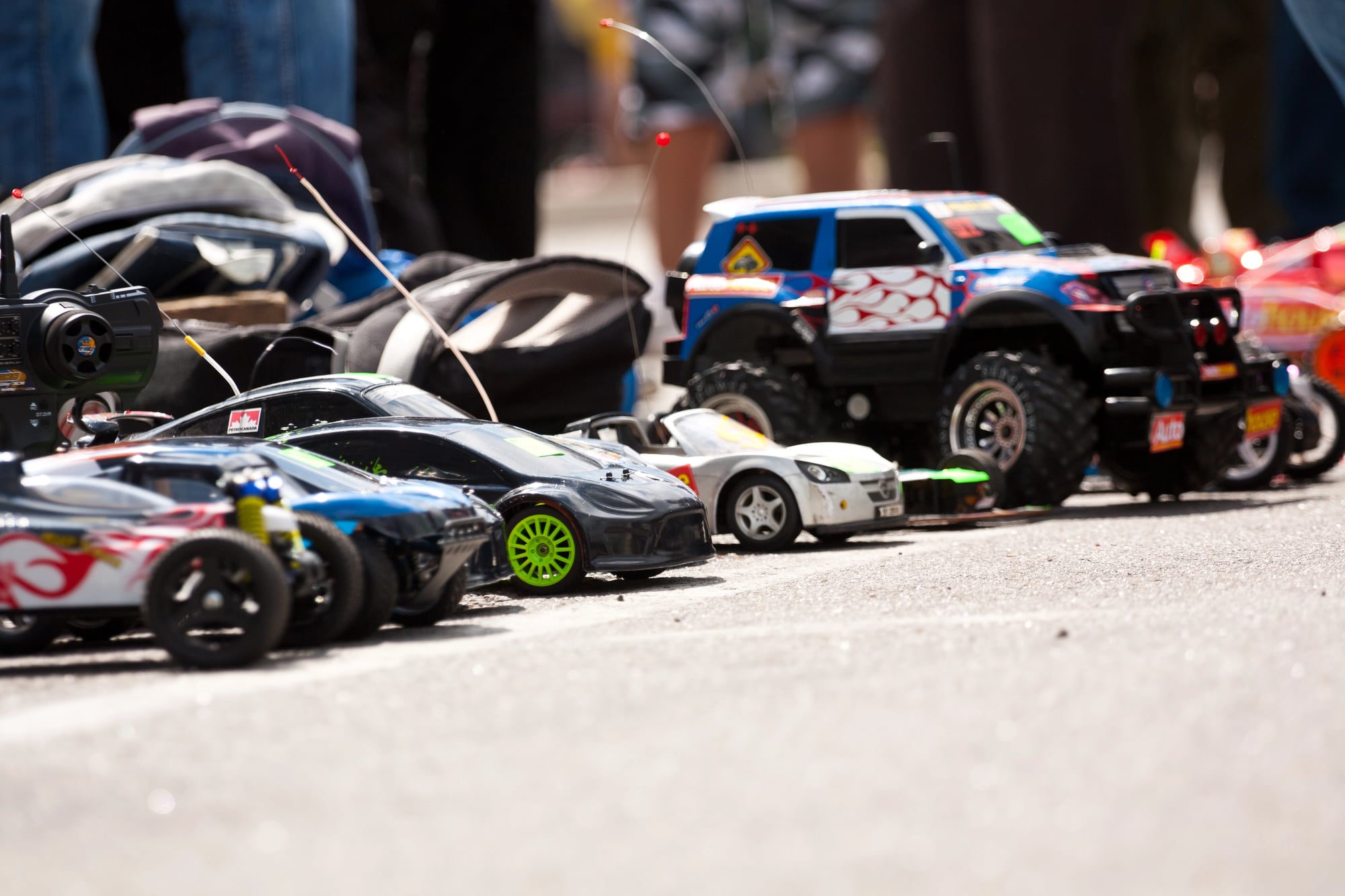
The first radio-controlled cars from the 1960s were mechanical marvels that required genuine skill to operate. Companies like Testors and Cox made cars that ran on actual gasoline engines.
These weren’t toys — they were hobby-grade machines. Collectors seek out complete kits in original boxes with all the tiny engine parts and radio equipment intact.
Working condition adds significant value, but even non-functioning vintage RC cars sell for hundreds because the craftsmanship is impossible to replicate.
Treasures in Plain Sight
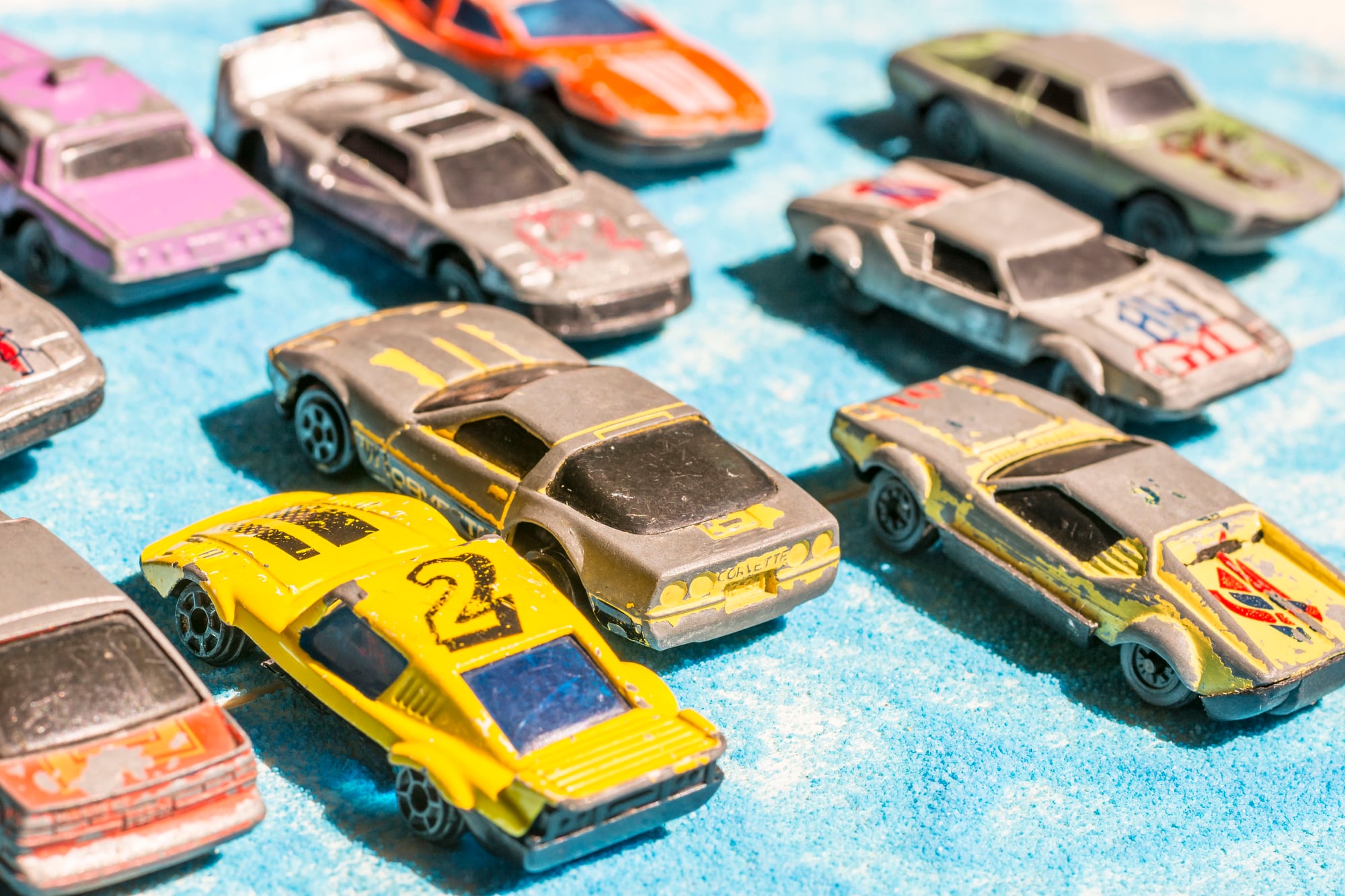
The most valuable vintage toys don’t announce themselves with obvious rarity or pristine condition. They sit quietly in storage bins and estate sales, mixed in with worthless newer versions, waiting for someone who knows the difference between a reproduction and an original.
The collectors hunting these pieces understand that the real treasures are often the ones that look slightly worn, slightly faded, and completely authentic — because those are the toys that actually lived the lives they were designed for. And somehow survived to tell their stories.
More from Go2Tutors!

- The Romanov Crown Jewels and Their Tragic Fate
- 13 Historical Mysteries That Science Still Can’t Solve
- Famous Hoaxes That Fooled the World for Years
- 15 Child Stars with Tragic Adult Lives
- 16 Famous Jewelry Pieces in History
Like Go2Tutors’s content? Follow us on MSN.